
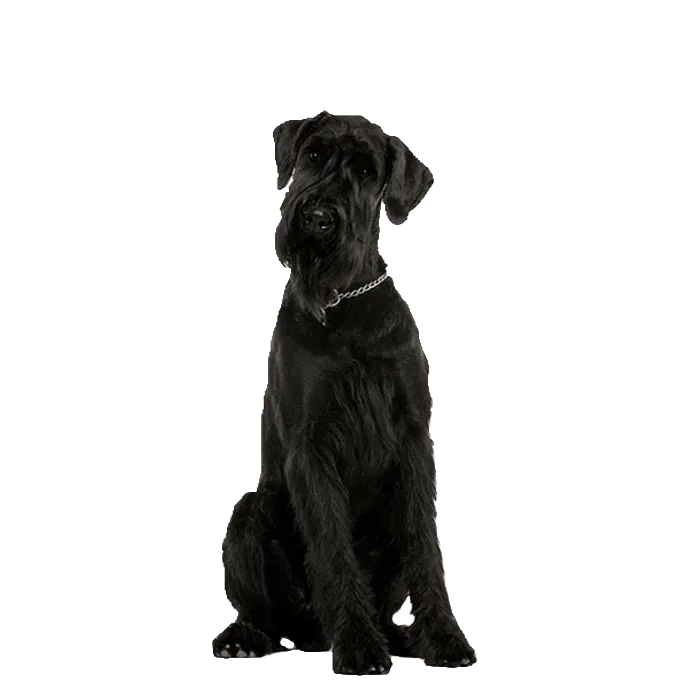
German Wirehaired Pointer
Also known as GWP
The German Wirehaired Pointer is a devoted, all-purpose hunting companion known for its rugged coat and tireless work ethic.
- Size
- Large
- Lifespan
- 12–14 years
- Origin
- Germany
- Temperament
- Devoted
- Standard colors
- Black, White, and Liver
Characteristics
Coat and grooming
How the German Wirehaired Pointer coat is built, and what that means when you groom it.
- Coat layers
- Double coat
- Coat texture
- Wire
- Coat length
- Medium
- Shedding
- Moderate shedding
Grooming guidance
Critical: A German Wirehaired Pointer should not be shaved.
The undercoat keeps heat out as well as in, and the outer coat shields the skin from sun and insect bites. Clipping the whole coat off removes both. It often grows back patchy, soft or a different colour, and in some animals the guard hairs never return properly. Brush the undercoat out instead of cutting it off.
Caution: A German Wirehaired Pointer coat should be hand-stripped rather than clipped.
A wire coat is meant to be pulled out at the root once the hair is ready to release. Clippers cut it off part way instead, leaving the soft undercoat behind. The result is a coat that grows back limp and faded, and the weatherproof texture only returns after the hair is stripped out again.
Registry Recognition
Fédération Cynologique Internationale
- Pointers and Setters
American Kennel Club
- Sporting Group
Canadian Kennel Club
- Sporting Group
United Pet Club
- Pointers and SettersPrimary
German Wirehaired Pointer colors and patterns
What each club's breed standard says about every German Wirehaired Pointer color and pattern. Point at a ruling to see the club's own wording.
Breed standards describe the German Wirehaired Pointer in Black, White, and Liver. Standard patterns: Solid, Bicolor, Roan, and Spotted.
| Color or pattern | FCI | AKC | UKC | KC | KUSA |
|---|---|---|---|---|---|
| Black | Standard (“Black roan, with or without patches”) | Fault (“Black & White”) | Standard (“Solid black”) | Standard (“black and white”) | Standard (“Black roan, with or without patches”) |
| White | Standard (“Light roan”) | Standard (“Liver & White”) | Standard (“liver and white ticked”) | Standard (“Liver and white”) | Standard (“Light roan”) |
| Liver | Standard (“Brown with or without white chest patch”) | Standard (“Liver”) | Standard (“Solid liver”) | Standard (“solid liver”) | Standard (“Brown with or without white chest patch”) |
| Albino | Not recognized | No ruling | Disqualifying (“Albinism”) | Not recognized | Not recognized |
| Patterns | |||||
| Solid | Standard (“Brown with or without white chest patch”) | Standard (“solid liver”) | Standard (“Solid liver”) | Standard (“solid liver”) | Standard (“Brown with or without white chest patch”) |
| Bicolor | No ruling | Standard (“The coat is liver and white”) | Standard (“liver and white”) | Standard (“Liver and white”) | No ruling |
| Roan | Standard (“Brown roan with or without patches”) | Standard (“Roan”) | Standard (“liver and white ticked”) | Standard (“Liver & White Ticked”) | Standard (“Brown roan with or without patches”) |
| Spotted | Standard (“Brown roan with or without patches”) | Standard (“Spotted”) | Standard (“liver and white spotted”) | Not recognized | Standard (“Brown roan with or without patches”) |
| Tricolor | No ruling | No ruling | No ruling | Fault (“Solid black and tricoloured highly undesirable”) | No ruling |

%22%3E%3Cpath%20d%3D%22M0%2023L9.5%2020.4L14%2025.4L19%2029.6Q21%2035%2023.5%2035.5Q36%2033%2050%2036L56%2040V64H0Z%22%20fill%3D%22%23F5F5F0%22%2F%3E%3C%2Fg%3E%3Cuse%20href%3D%22%23s%22%20fill%3D%22none%22%20stroke%3D%22%233B2A20%22%20stroke-opacity%3D%220.6%22%20stroke-width%3D%221%22%20stroke-linejoin%3D%22round%22%2F%3E%3Cellipse%20cx%3D%223.2%22%20cy%3D%2221.7%22%20rx%3D%221.3%22%20ry%3D%221.2%22%20fill%3D%22%231C1C1C%22%2F%3E%3Ccircle%20cx%3D%2210.8%22%20cy%3D%2219.3%22%20r%3D%221.1%22%20fill%3D%22%231C1C1C%22%2F%3E%3C%2Fsvg%3E)
%22%3E%3Cg%20fill%3D%22none%22%20stroke%3D%22%23F5F5F0%22%20stroke-width%3D%221.15%22%20stroke-linecap%3D%22round%22%20stroke-linejoin%3D%22round%22%3E%3Cpath%20d%3D%22M28.6%2025h.1M51.3%2028.8h.1M34.7%2024.3h.1M34.2%2041.6h.1M51%2044.2h.1M55.9%2024.7h.1M27.5%2026.3h.1M18.5%2028.6h.1M25.2%2028.9h.1M24.2%2019.3h.1M20.6%2017.6h.1M34.1%2030.6h.1M57.3%2023.3h.1M23.5%2030.7h.1M26.5%2023.1h.1M40%2031.5h.1M51.7%2038.6h.1M20.2%2022.1h.1M40.4%2037.8h.1M35%2043.1h.1M20.6%2031.7h.1M27.8%2031.9h.1M17.2%2021.1h.1M38.1%2037.7h.1M25.3%2040.5h.1M32%2029.3h.1M41.6%2039.5h.1M23.6%2024h.1M26.4%2018.6h.1M30.3%2031.9h.1M31.2%2035.2h.1M36.5%2043.7h.1M35.2%2026.3h.1M55.6%2019.1h.1M22.4%2036.8h.1M39.2%2020h.1M49.5%2039.1h.1M33.6%2033.5h.1M36.4%2032.4h.1M56.3%2042.4h.1M54.8%2031.2h.1M36.9%2023.2h.1M52.7%2019.1h.1M21.5%2033.8h.1M48.6%2028h.1M36.6%2017.5h.1M45.6%2031.3h.1M37.9%2030.5h.1M17%2031.8h.1M21.1%2043.1h.1M55.7%2021.1h.1M30.8%2041.9h.1M57.4%2038.4h.1M54.8%2026.9h.1M29.1%2017.5h.1M24.3%2037.7h.1M26%2032h.1M39.3%2022.8h.1M53.5%2029h.1M53.3%2023.3h.1M20%2038.4h.1M28.3%2044.7h.1M28.6%2039.8h.1M51.9%2041.1h.1M52.3%2033.7h.1M19.6%2042.2h.1M19%2033h.1M47.8%2021.7h.1M45.7%2024.8h.1M24.6%2035.5h.1M29.8%2036.8h.1M50.7%2032h.1M29.5%2043.5h.1M28.2%2041.5h.1M47.4%2034.8h.1M25.4%2033.7h.1M50.2%2041.2h.1M27.7%2029.5h.1M21.5%2024.8h.1M55.5%2017.5h.1M41.2%2044.3h.1M39.2%2018.4h.1M41.1%2042.5h.1M54.7%2035.3h.1M42.8%2034.5h.1M30.1%2023h.1M42.6%2025.1h.1M32.9%2024.4h.1M42.4%2032.4h.1M49.7%2022.2h.1M49.1%2043.1h.1M38%2035.2h.1M47.7%2043.8h.1M43.1%2022.4h.1M22.4%2040.4h.1M44.4%2019.8h.1M53.3%2040.1h.1M20.7%2029.3h.1M55.6%2043.9h.1M17.6%2039.2h.1M41.7%2028.9h.1M44.1%2036.3h.1M24.3%2043.6h.1M26.4%2038.1h.1M30.3%2029.2h.1M31.5%2030.8h.1M32.1%2023h.1M18.3%2040.9h.1M48%2033.4h.1M36.4%2038.7h.1M31.9%2020.8h.1M32.6%2026.2h.1M22%2031.2h.1M53.4%2021.7h.1M41.9%2017.7h.1M53.3%2037.3h.1M47.7%2040.3h.1M54.4%2033.7h.1M33.6%2037.5h.1M25.3%2017.2h.1M37.6%2019.7h.1M31.6%2019h.1M29.2%2019.6h.1M50.7%2027.3h.1M22%2022.1h.1M31%2037.8h.1M56.5%2026.6h.1M34.7%2039.5h.1M56.5%2040.8h.1M47.6%2038h.1M48.6%2026.1h.1M49.7%2034.2h.1M45.4%2027.4h.1M22.6%2038.9h.1M56.5%2035.3h.1M35.1%2021h.1M41.9%2020.1h.1M37.6%2040h.1M32.6%2044.4h.1M37.9%2025.2h.1M26.6%2043h.1M18.9%2036.7h.1M47.2%2028.9h.1M30.5%2026.2h.1M17.4%2027.3h.1M47.1%2017.2h.1M22.3%2044.3h.1M32.5%2042.4h.1M23.6%2025.7h.1M31.4%2024.9h.1%22%2F%3E%3Cpath%20d%3D%22M26%2020.9h.1M41.2%2023.8h.1M39.9%2026.4h.1M28.5%2033.4h.1M42.8%2043.8h.1M17.6%2034.3h.1M34%2017.1h.1M31.2%2017.2h.1M46.5%2036.1h.1M25.1%2022.1h.1M50.3%2023.7h.1M20.2%2026.6h.1M20.8%2020.4h.1M50.9%2017.3h.1M49.5%2020.2h.1M52.9%2044.1h.1M23.9%2017.8h.1M43.2%2028.1h.1M57.6%2030h.1M52%2025.6h.1M19.2%2019.1h.1M19.5%2024.4h.1M32.8%2040.1h.1M36.1%2027.7h.1M39.6%2029.5h.1M38.4%2041.5h.1M47.9%2019.4h.1M49.1%2031.7h.1M55.9%2036.9h.1M29.2%2027.2h.1M46%2043.5h.1M44.6%2028.8h.1M47.5%2031.5h.1M22.8%2020h.1M27.6%2017.1h.1M43.1%2018.6h.1M54.3%2020h.1M57.2%2033.8h.1M44.5%2043.8h.1M27.1%2035.5h.1M45.3%2041.8h.1M56.7%2028.8h.1M36.7%2021.4h.1M43.3%2042.3h.1M17.3%2022.9h.1M32.7%2035.5h.1M30.5%2039.8h.1M29.1%2021.2h.1M34.5%2018.8h.1M25.8%2027h.1%22%2F%3E%3C%2Fg%3E%3Cpath%20d%3D%22M56.3%2038.4l0%201.2M40%2027.2l-0.3%201.3M32.6%2043.6l-0.4%201.5M29%2023.3l0.8%201.5M55.1%2044l0.4%201.1M47.5%2022.5l-0.2%201.6M42.9%2038.6l0.7%201.2M35.2%2041.8l-0.5%201.7M26.9%2040l-0.1%201.2M41%2042.8l-0.1%201.6M18.4%2021.2l0.7%201.3M49.4%2019.3l-0.5%201.4M50.1%2041.7l0%201.8M28.2%2041.8l-0.6%201.2M55.5%2027.1l0.2%201.2M44.7%2019.3l0.5%201.7M48.6%2020.5l-0.8%201.4M43.7%2039.6l0.3%201.1M22.1%2033.8l-0.6%201.6M50.1%2038.1l-0.5%201.3M51.8%2044.1l-0.1%201.8M39%2017.5l0%201.4M30.2%2026.7l0.2%201.4M25.8%2031.2l0.2%201.6M29.6%2043.5l0.1%201M43.7%2018.3l0.1%201.5M29.6%2018.2l0.3%201.6M24.4%2017.6l0.3%201.1M22%2028.2l-0.6%201.6M25.9%2043.3l-0.3%201.4M22.2%2024.3l0.3%201.3M47.3%2029.2l-0.2%201.4M21.8%2033.2l0.5%200.9M32.9%2037l0.4%201M40%2029.9l0.8%201.4M17.4%2038.3l0.2%201.3M31%2039.2l0%201.2M37.3%2033.7l0.3%201.5M48.1%2040.5l0%201.6M33.9%2031.2l0.1%201.2M29.8%2035.2l-0.4%201M25.1%2037.3l-0.2%201.5M30.2%2039.8l0.5%201M44.6%2034.8l0.4%200.9M55.3%2034.2l0%201.7M50.6%2017.9l0.4%201M30.2%2034.9l-0.4%201.4M19.5%2035.7l-0.5%201.7M40.7%2028.7l0.8%201.4M23.3%2029l-0.4%201.4M17%2040.5l-0.2%201M48.4%2023.2l-0.3%201M37.3%2025.1l-0.4%201.3M23%2021.4l-0.4%201.3M20.4%2017.2l-0.1%201.3M42.3%2020.4l0.6%201.4M41%2031.8l0.6%201.2M45.4%2034.3l-0.1%201.2M32.5%2018l0%201.3M46.2%2021.6l0.1%201.4M30.5%2022.3l0.5%201.1M58%2044.6l0.3%201.5M57.1%2033.9l0.8%201.4M18.3%2042.6l0.3%201M40.5%2035.1l-0.6%201.4M38.8%2044.3l-0.3%201.1%22%20fill%3D%22none%22%20stroke%3D%22%23F5F5F0%22%20stroke-width%3D%220.8%22%20stroke-linecap%3D%22round%22%20stroke-linejoin%3D%22round%22%2F%3E%3C%2Fg%3E%3Cuse%20href%3D%22%23s%22%20fill%3D%22none%22%20stroke%3D%22%233B2A20%22%20stroke-opacity%3D%220.6%22%20stroke-width%3D%221%22%20stroke-linejoin%3D%22round%22%2F%3E%3Crect%20x%3D%2220%22%20y%3D%2258%22%20width%3D%223.6%22%20height%3D%222%22%20fill%3D%22%234A4038%22%2F%3E%3Crect%20x%3D%2226%22%20y%3D%2258%22%20width%3D%223.6%22%20height%3D%222%22%20fill%3D%22%234A4038%22%2F%3E%3Crect%20x%3D%2244%22%20y%3D%2258%22%20width%3D%223.6%22%20height%3D%222%22%20fill%3D%22%234A4038%22%2F%3E%3Crect%20x%3D%2250%22%20y%3D%2258%22%20width%3D%223.6%22%20height%3D%222%22%20fill%3D%22%234A4038%22%2F%3E%3Ccircle%20cx%3D%229.5%22%20cy%3D%2211.5%22%20r%3D%221.1%22%20fill%3D%22%231C1C1C%22%2F%3E%3C%2Fsvg%3E)
%22%3E%3Cpath%20d%3D%22M51.6%2041h.1M30.7%2035.3h.1M34.9%2031.1h.1M20.4%2027h.1M24.3%2023.8h.1M13.7%2024.5h.1M48.1%2027.8h.1M22.6%2055.1h.1M26.3%2044.6h.1M46.2%2044.7h.1M32.1%2051.9h.1M40.9%2027.7h.1M52.9%2034.5h.1M57.9%2012.4h.1M49.9%2048.7h.1M44.5%2024.7h.1M45.7%2033.8h.1M31.4%2025h.1M15.2%2015.8h.1M52.2%2055.6h.1M37%2023.9h.1M54.6%2045.7h.1M22.9%2041.7h.1M25.2%2028.6h.1%22%20fill%3D%22none%22%20stroke%3D%22%231C1C1C%22%20stroke-width%3D%223.6%22%20stroke-linecap%3D%22round%22%20stroke-linejoin%3D%22round%22%2F%3E%3Cpath%20d%3D%22M20.5%2032.5h.1M17.8%2021.7h.1M39.4%2032.8h.1M50.4%2023h.1M5.4%2023.9h.1M24.5%2034.2h.1M55.2%2023.5h.1M47.5%2039.1h.1M41.7%2037.8h.1M27.2%2038.4h.1M31.9%2040.9h.1M14.6%207.5h.1M20.7%2018.3h.1M29.1%2055.7h.1M45.2%2051.3h.1M57.6%2017.4h.1M24%2048.9h.1M31.5%2047.4h.1M30.3%2030.9h.1M54%2050.8h.1M11.2%2017.8h.1M52.6%2028.7h.1M36.7%2036.9h.1%22%20fill%3D%22none%22%20stroke%3D%22%231C1C1C%22%20stroke-width%3D%222.4%22%20stroke-linecap%3D%22round%22%20stroke-linejoin%3D%22round%22%2F%3E%3C%2Fg%3E%3Cuse%20href%3D%22%23s%22%20fill%3D%22none%22%20stroke%3D%22%233B2A20%22%20stroke-opacity%3D%220.6%22%20stroke-width%3D%221%22%20stroke-linejoin%3D%22round%22%2F%3E%3Cellipse%20cx%3D%223.2%22%20cy%3D%2221.7%22%20rx%3D%221.3%22%20ry%3D%221.2%22%20fill%3D%22%231C1C1C%22%2F%3E%3Ccircle%20cx%3D%2210.8%22%20cy%3D%2219.3%22%20r%3D%221.1%22%20fill%3D%22%231C1C1C%22%2F%3E%3C%2Fsvg%3E)
%22%3E%3Cellipse%20cx%3D%2212.6%22%20cy%3D%2222.6%22%20rx%3D%223.2%22%20ry%3D%222.8%22%20fill%3D%22%23847865%22%2F%3E%3Ccircle%20cx%3D%2212%22%20cy%3D%2217.2%22%20r%3D%221.25%22%20fill%3D%22%23847865%22%2F%3E%3Crect%20x%3D%220%22%20y%3D%2247%22%20width%3D%2264%22%20height%3D%2217%22%20fill%3D%22%23847865%22%2F%3E%3Cpath%20d%3D%22M8.6%2018L12%2015.8L5.8%2021.8L3.2%2021.4Z%22%20fill%3D%22%23F5F5F0%22%2F%3E%3Cpath%20d%3D%22M1.5%2021.2L9%2018.6L12.6%2021L12.2%2026.2L3.5%2024.4Z%22%20fill%3D%22%23F5F5F0%22%2F%3E%3Cpath%20d%3D%22M14%2024.5L18.5%2026Q19.5%2033%2023%2039L18%2040Q17%2033%2014%2028Z%22%20fill%3D%22%23F5F5F0%22%2F%3E%3Cpath%20d%3D%22M21%2035.5Q35%2033.5%2048%2036.5V42H21Z%22%20fill%3D%22%23F5F5F0%22%2F%3E%3Crect%20x%3D%220%22%20y%3D%2252.5%22%20width%3D%2264%22%20height%3D%2212%22%20fill%3D%22%23F5F5F0%22%2F%3E%3Ccircle%20cx%3D%2258.4%22%20cy%3D%2212.8%22%20r%3D%222.6%22%20fill%3D%22%23F5F5F0%22%2F%3E%3C%2Fg%3E%3Cuse%20href%3D%22%23s%22%20fill%3D%22none%22%20stroke%3D%22%233B2A20%22%20stroke-opacity%3D%220.6%22%20stroke-width%3D%221%22%20stroke-linejoin%3D%22round%22%2F%3E%3Cellipse%20cx%3D%223.2%22%20cy%3D%2221.7%22%20rx%3D%221.3%22%20ry%3D%221.2%22%20fill%3D%22%231C1C1C%22%2F%3E%3Ccircle%20cx%3D%2210.8%22%20cy%3D%2219.3%22%20r%3D%221.1%22%20fill%3D%22%231C1C1C%22%2F%3E%3C%2Fsvg%3E)
| Color or pattern | FCI | AKC | UKC | KC | KUSA |
|---|---|---|---|---|---|
| Brown | No ruling | Standard (“Eyes are brown”) | No ruling | Standard (“hazel or darker”) | No ruling |
| Dark brown | Standard (“As dark as possible”) | No ruling | Standard (“as dark as possible”) | Standard (“hazel or darker”) | Standard (“As dark as possible”) |
| Hazel | No ruling | No ruling | No ruling | Standard (“hazel or darker”) | No ruling |
| Yellow | No ruling | Fault (“Yellow eyes are not desirable”) | No ruling | No ruling | No ruling |
| Patterns | |||||
| Odd-eyed | Disqualifying (“differently coloured eyes”) | No ruling | No ruling | No ruling | Disqualifying (“differently coloured eyes”) |
%22%3E%3Ccircle%20cx%3D%2216%22%20cy%3D%2232%22%20r%3D%228%22%20fill%3D%22%23D9C3A0%22%2F%3E%3Ccircle%20cx%3D%2216%22%20cy%3D%2232%22%20r%3D%223.4%22%20fill%3D%22%231C1C1C%22%2F%3E%3Ccircle%20cx%3D%2213.6%22%20cy%3D%2229.6%22%20r%3D%221.3%22%20fill%3D%22%23F5F5F0%22%2F%3E%3C%2Fg%3E%3Cpath%20d%3D%22M3%2032Q16%2017%2029%2032Q16%2047%203%2032Z%22%20fill%3D%22none%22%20stroke%3D%22%233B2A20%22%20stroke-opacity%3D%220.75%22%20stroke-width%3D%221.4%22%20stroke-linejoin%3D%22round%22%2F%3E%3Cpath%20d%3D%22M35%2032Q48%2017%2061%2032Q48%2047%2035%2032Z%22%20fill%3D%22%23F5F5F0%22%2F%3E%3Cg%20clip-path%3D%22url(%23e1)%22%3E%3Ccircle%20cx%3D%2248%22%20cy%3D%2232%22%20r%3D%228%22%20fill%3D%22%23847865%22%2F%3E%3Ccircle%20cx%3D%2248%22%20cy%3D%2232%22%20r%3D%223.4%22%20fill%3D%22%231C1C1C%22%2F%3E%3Ccircle%20cx%3D%2245.6%22%20cy%3D%2229.6%22%20r%3D%221.3%22%20fill%3D%22%23F5F5F0%22%2F%3E%3C%2Fg%3E%3Cpath%20d%3D%22M35%2032Q48%2017%2061%2032Q48%2047%2035%2032Z%22%20fill%3D%22none%22%20stroke%3D%22%233B2A20%22%20stroke-opacity%3D%220.75%22%20stroke-width%3D%221.4%22%20stroke-linejoin%3D%22round%22%2F%3E%3C%2Fsvg%3E)
| Color or pattern | FCI | AKC | UKC | KC | KUSA |
|---|---|---|---|---|---|
| Black | Standard (“Strongly pigmented corresponding to the colour of the coat”) | No ruling | Standard (“black in black dogs”) | Standard (“Nose liver or black”) | Standard (“Strongly pigmented corresponding to the colour of the coat”) |
| Liver | Standard (“Strongly pigmented corresponding to the colour of the coat”) | Standard (“The nose is dark brown”) | Standard (“Dark brown in liver dogs”) | Standard (“Nose liver or black”) | Standard (“Strongly pigmented corresponding to the colour of the coat”) |
| Pink | No ruling | Fault (“A spotted or flesh colored nose is to be penalized”) | No ruling | No ruling | No ruling |
| Patterns | |||||
| Butterfly nose | No ruling | Fault (“A spotted or flesh colored nose is to be penalized”) | No ruling | No ruling | No ruling |
%22%3E%3Cpath%20d%3D%22M28.4%2019.1C29.9%2017.7%2032.2%2016.4%2034%2016C35.8%2015.6%2037.4%2016%2039.2%2016.6C41.1%2017.2%2044.4%2018.5%2045.1%2019.5C45.8%2020.6%2044.3%2021.9%2043.3%2023.1C42.2%2024.3%2040.9%2025.9%2039%2026.6C37.1%2027.2%2034.3%2027.3%2032%2026.9C29.6%2026.4%2025.6%2025.3%2025%2024C24.4%2022.7%2026.9%2020.4%2028.4%2019.1Z%22%20fill%3D%22%23E8A0B4%22%2F%3E%3Cpath%20d%3D%22M23.8%2037.7C24.6%2037.5%2026.2%2037.9%2027.4%2038.1C28.5%2038.2%2030.2%2037.9%2030.8%2038.4C31.4%2039%2031.2%2040.7%2030.9%2041.5C30.7%2042.3%2029.9%2042.9%2029.1%2043.3C28.4%2043.8%2027.4%2044.6%2026.4%2044.4C25.4%2044.2%2023.8%2042.9%2023.1%2042.1C22.4%2041.3%2022.2%2040.2%2022.3%2039.5C22.4%2038.8%2022.9%2038%2023.8%2037.7Z%22%20fill%3D%22%23E8A0B4%22%2F%3E%3Cpath%20d%3D%22M10.5%2027.2C10.4%2026.7%2010.4%2025.4%2011%2025C11.5%2024.6%2013%2024.6%2013.9%2024.6C14.8%2024.6%2015.6%2024.5%2016.1%2024.9C16.6%2025.3%2017%2026.2%2017%2026.9C17.1%2027.7%2016.8%2028.8%2016.4%2029.4C15.9%2029.9%2014.9%2030.4%2014.2%2030.3C13.4%2030.1%2012.3%2028.8%2011.7%2028.3C11.1%2027.8%2010.6%2027.8%2010.5%2027.2Z%22%20fill%3D%22%23E8A0B4%22%2F%3E%3C%2Fg%3E%3Cuse%20href%3D%22%23s%22%20fill%3D%22none%22%20stroke%3D%22%233B2A20%22%20stroke-opacity%3D%220.6%22%20stroke-width%3D%221%22%20stroke-linejoin%3D%22round%22%2F%3E%3Cpath%20d%3D%22M12.5%2037Q13%2032%2018.5%2032Q23.5%2032.5%2023.5%2036.5Q20.5%2035.5%2018.8%2037Q17.4%2038.6%2018%2041.5Q13.6%2040.4%2012.5%2037Z%22%20fill%3D%22%231C1C1C%22%20fill-opacity%3D%220.8%22%20stroke%3D%22%23F5F5F0%22%20stroke-opacity%3D%220.4%22%20stroke-width%3D%220.9%22%2F%3E%3Cpath%20d%3D%22M51.5%2037Q51%2032%2045.5%2032Q40.5%2032.5%2040.5%2036.5Q43.5%2035.5%2045.2%2037Q46.6%2038.6%2046%2041.5Q50.4%2040.4%2051.5%2037Z%22%20fill%3D%22%231C1C1C%22%20fill-opacity%3D%220.8%22%20stroke%3D%22%23F5F5F0%22%20stroke-opacity%3D%220.4%22%20stroke-width%3D%220.9%22%2F%3E%3Cpath%20d%3D%22M32%2040V50%22%20fill%3D%22none%22%20stroke%3D%22%231C1C1C%22%20stroke-width%3D%221.3%22%20stroke-opacity%3D%220.5%22%20stroke-linecap%3D%22round%22%20stroke-linejoin%3D%22round%22%2F%3E%3Cellipse%20cx%3D%2232%22%20cy%3D%2221%22%20rx%3D%2212%22%20ry%3D%223.5%22%20fill%3D%22%23F5F5F0%22%20fill-opacity%3D%220.18%22%2F%3E%3C%2Fsvg%3E)
What the rulings mean
- Standard
- Described by the club's breed standard.
- Fault
- Named by the club's breed standard as a fault: the animal can be shown but is penalized.
- Disqualifying
- The club's breed standard disqualifies an animal of this color or pattern.
- Not recognized
- The club does not accept this color or pattern for the breed.
Color changes
How a German Wirehaired Pointer's colors can change over its life.
Blackchanges toRust
Coat · With body condition · can change back
Blackchanges toGray
Coat · Progressive
Blackchanges toBrown
Coat · In the sun · can change back
Whitechanges toRoan
Coat · With age · from 2 weeks
Blackchanges toSnow nose
Nose · With the season · can change back
Blackchanges toPink
Nose · With the season · can change back
%22%3E%3Crect%20x%3D%2217%22%20y%3D%2210%22%20width%3D%2230%22%20height%3D%2242%22%20fill%3D%22url(%23g)%22%2F%3E%3C%2Fg%3E%3Cuse%20href%3D%22%23s%22%20fill%3D%22none%22%20stroke%3D%22%233B2A20%22%20stroke-opacity%3D%220.6%22%20stroke-width%3D%221%22%20stroke-linejoin%3D%22round%22%2F%3E%3Cpath%20d%3D%22M12.5%2037Q13%2032%2018.5%2032Q23.5%2032.5%2023.5%2036.5Q20.5%2035.5%2018.8%2037Q17.4%2038.6%2018%2041.5Q13.6%2040.4%2012.5%2037Z%22%20fill%3D%22%231C1C1C%22%20fill-opacity%3D%220.8%22%20stroke%3D%22%23F5F5F0%22%20stroke-opacity%3D%220.4%22%20stroke-width%3D%220.9%22%2F%3E%3Cpath%20d%3D%22M51.5%2037Q51%2032%2045.5%2032Q40.5%2032.5%2040.5%2036.5Q43.5%2035.5%2045.2%2037Q46.6%2038.6%2046%2041.5Q50.4%2040.4%2051.5%2037Z%22%20fill%3D%22%231C1C1C%22%20fill-opacity%3D%220.8%22%20stroke%3D%22%23F5F5F0%22%20stroke-opacity%3D%220.4%22%20stroke-width%3D%220.9%22%2F%3E%3Cpath%20d%3D%22M32%2040V50%22%20fill%3D%22none%22%20stroke%3D%22%231C1C1C%22%20stroke-width%3D%221.3%22%20stroke-opacity%3D%220.5%22%20stroke-linecap%3D%22round%22%20stroke-linejoin%3D%22round%22%2F%3E%3Cellipse%20cx%3D%2232%22%20cy%3D%2221%22%20rx%3D%2212%22%20ry%3D%223.5%22%20fill%3D%22%23F5F5F0%22%20fill-opacity%3D%220.18%22%2F%3E%3C%2Fsvg%3E)
Sources
Each ruling comes from the club's published breed standard or color list.
Meet some of our German Wirehaired Pointer
A few of the German Wirehaired Pointer profiles members have added to United Pet Club.
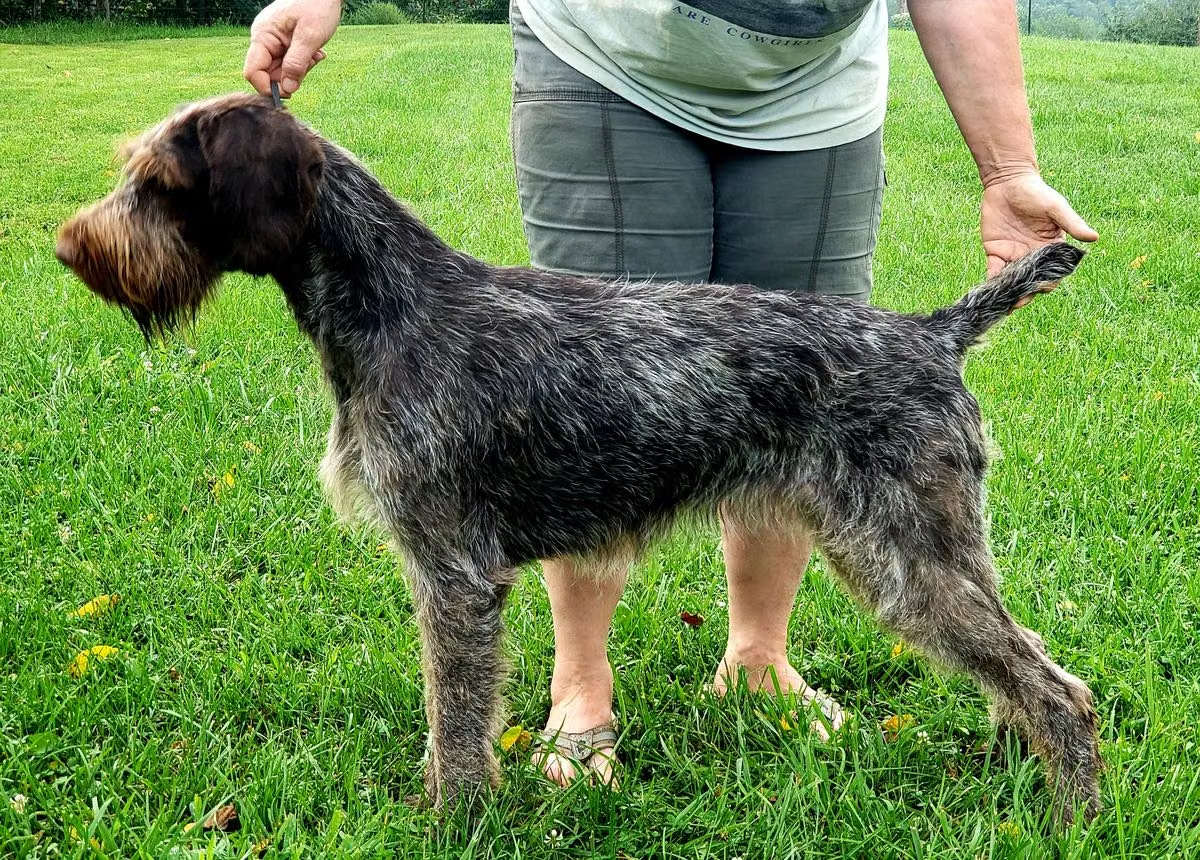
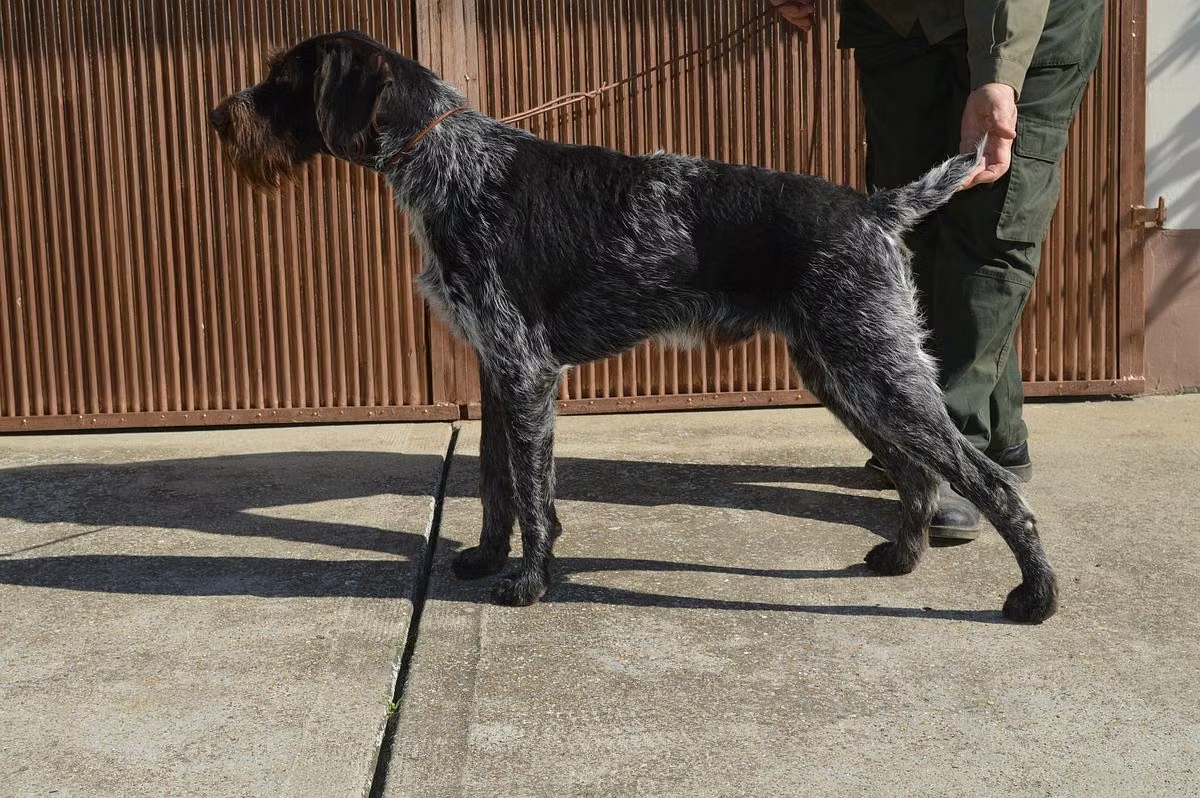

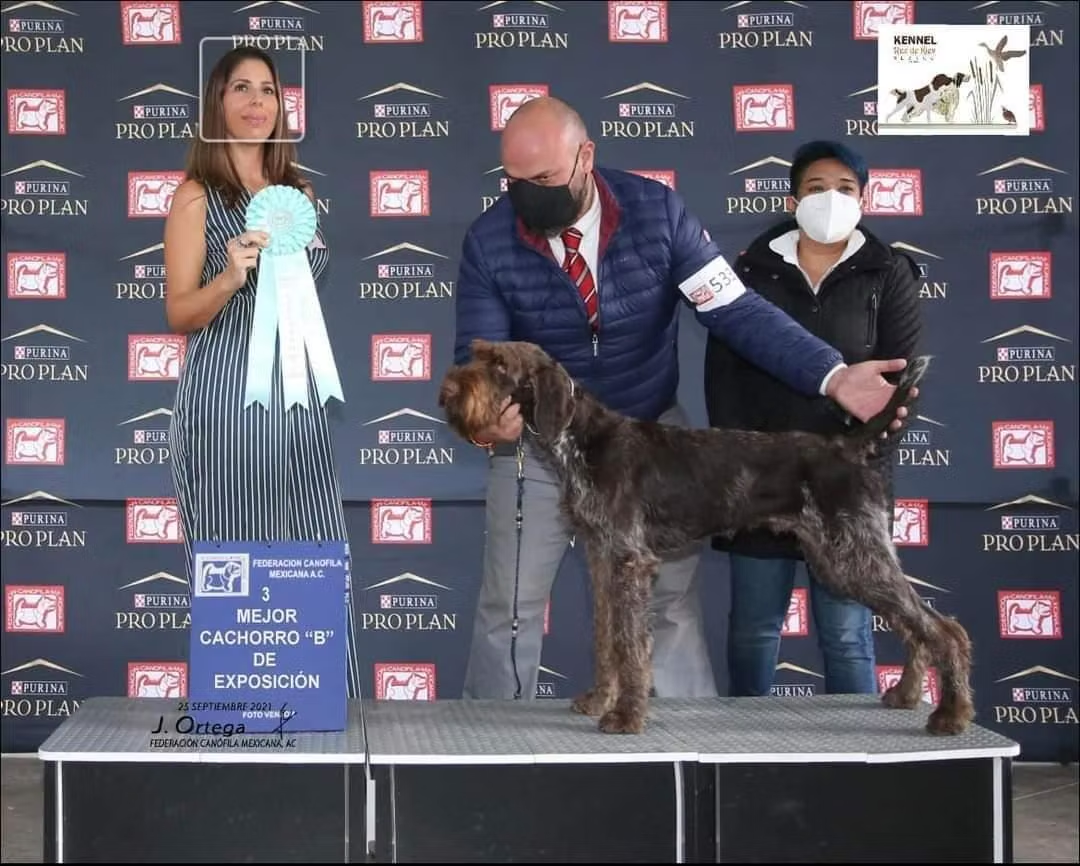
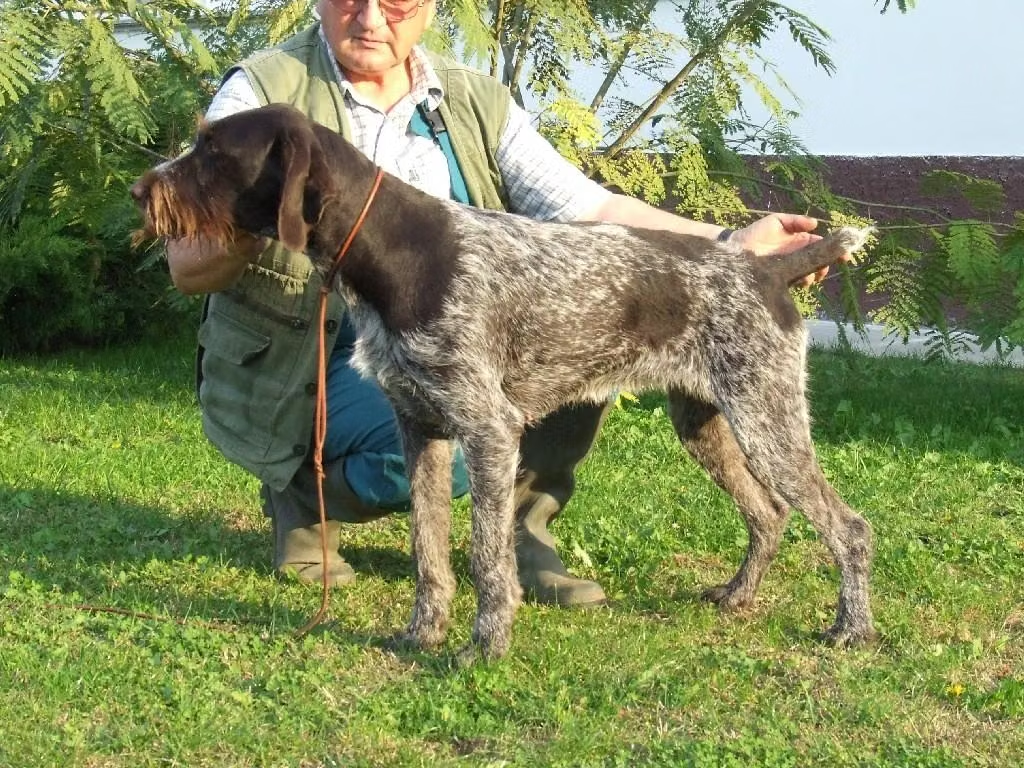
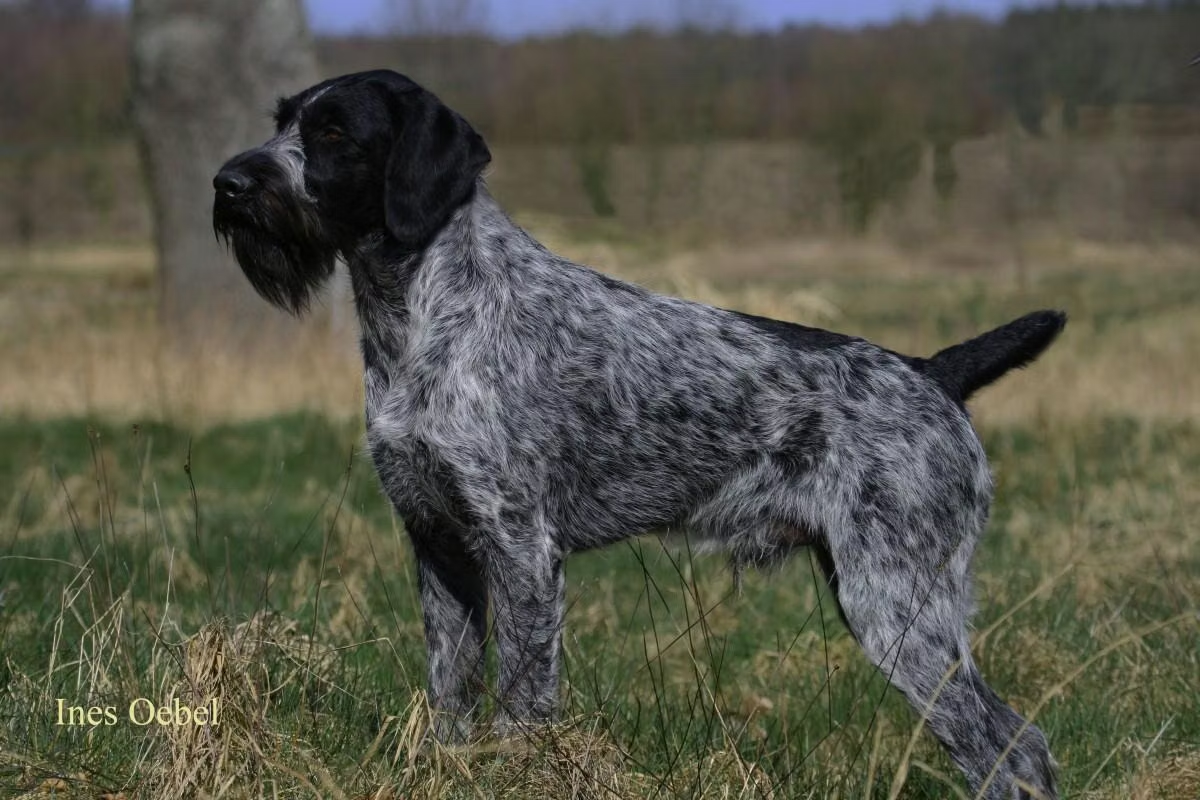
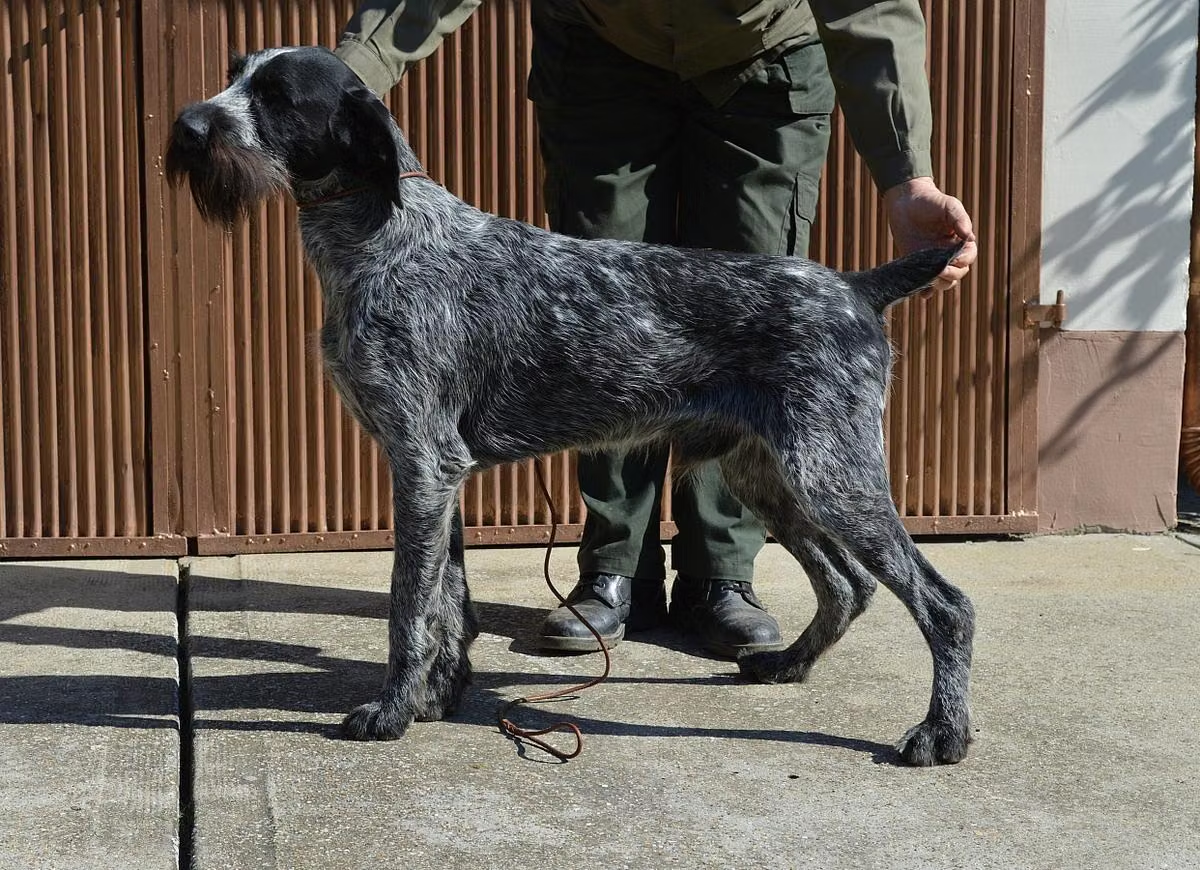
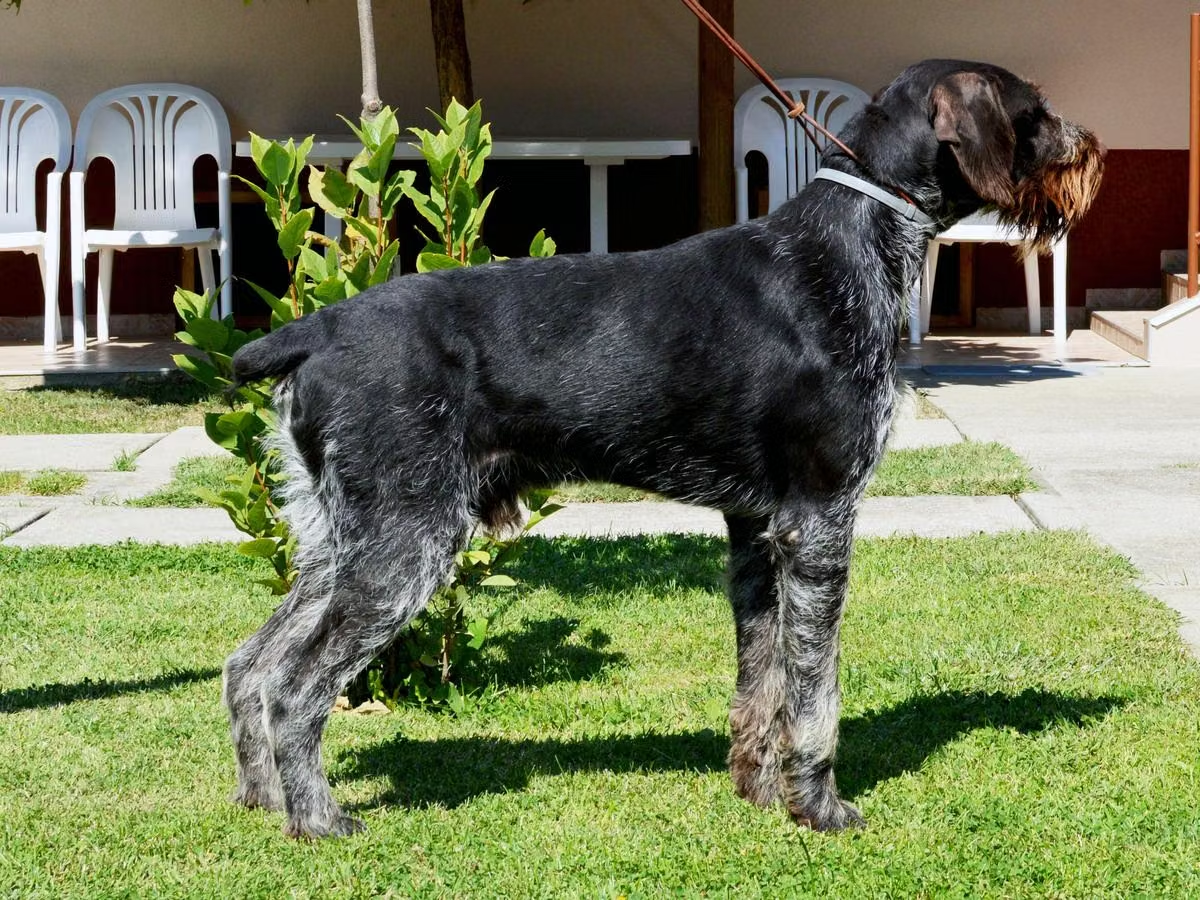
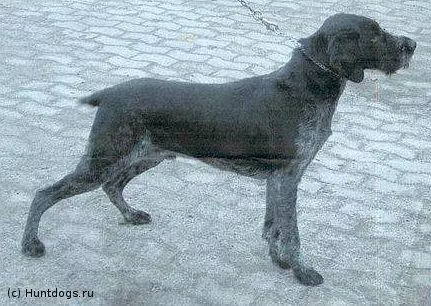
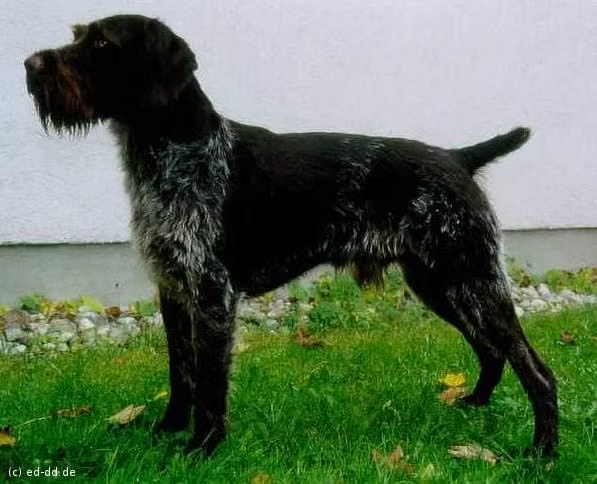
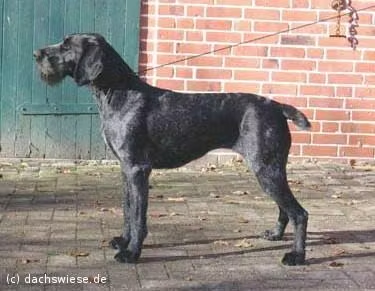
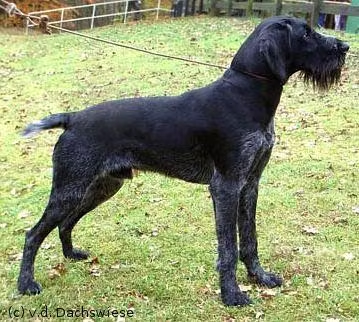
German Wirehaired Pointer overview
The German Wirehaired Pointer is a large, devoted hunting dog from Germany with a harsh weatherproof coat, a 12 to 14 year lifespan, and a strong drive to work alongside its handler.
The German Wirehaired Pointer (Deutsch Drahthaar in its country of origin) is a large gun dog bred to hunt, point, and retrieve on land and in water. It works across varied terrain and weather, which is why the breed standard puts so much weight on its coarse, water-repellent coat.
The dog is intelligent and quick to bond with its own people. It tends to attach closely to one family and stays aloof with strangers, though it is not meant to be aggressive. Bred for full days afield, it carries a high energy level and needs a job or regular activity to stay settled at home.
Adult dogs usually live 12 to 14 years. With consistent training and daily exercise, the breed fits active households, but it can become restless and destructive when left idle.
| Item | Detail |
|---|---|
| Origin | Germany |
| Size | Large |
| Lifespan | 12 to 14 years |
| Group/role | Sporting and pointing gun dog (versatile hunting breed) |
| Good with | Family members it knows well; older, calm children; can live with other dogs when socialized early |
Who the breed suits
This dog matches owners who hunt, hike, run, or train dog sports and want a companion for those activities. It does best with people who are home often or can bring the dog along. First-time owners can manage one if they are ready for daily exercise and steady training. It is a poor fit for apartment living without heavy activity, for households that are away most of the day, or for owners who want a low-energy pet.
Origins and development
The German Wirehaired Pointer was developed in Germany in the late 1800s as a single versatile gun dog able to point, track, and retrieve in any terrain, and it was recognized as a breed in the early twentieth century.
German hunters in the second half of the nineteenth century wanted one dog that could handle the whole job: find and point upland birds, trail and retrieve game, work thick cover, and swim cold water. Earlier they often kept several specialist breeds. The goal of a single all-purpose dog drove the breeding program behind the German Wirehaired Pointer.
Breeders crossed several existing types to reach that goal. The mix is generally traced to the Pudelpointer, the German Shorthaired Pointer, and rough-coated stock such as the Griffon and the Stichelhaar. From these they selected for the harsh wire coat that protects the skin in brush and cold water, along with nose, drive, and trainability.
The breed took shape around the turn of the twentieth century. A German club for the Deutsch Drahthaar was formed in 1902 to set type and promote performance testing, and German breeders tied registration to working ability rather than looks alone. That emphasis on tested hunting performance still marks the breed.
The dog reached the United States in the 1920s. The American Kennel Club recognized the German Wirehaired Pointer in 1959. A separate North American organization continues to register dogs under the Deutsch Drahthaar name with German-style testing requirements.
Size and physical appearance
The German Wirehaired Pointer is a large, balanced gun dog standing roughly 22 to 26 inches at the shoulder with a distinctive harsh wire coat, bushy eyebrows, and a beard.
The German Wirehaired Pointer is built for endurance rather than bulk. The body is slightly longer than it is tall, with a deep chest, strong legs, and a docked tail in regions where docking is practiced. The most recognizable features are the coat and the face: a flat, harsh outer coat over a dense undercoat, plus bushy eyebrows and a beard on the muzzle that give the dog a serious expression.
| Trait | Detail |
|---|---|
| Height | Males about 24 to 26 inches (61 to 66 cm); females smaller, generally 22 inches and up (about 56 cm and up) at the shoulder |
| Weight | Roughly 50 to 70 pounds (23 to 32 kg), with males heavier than females |
| Coat | Harsh, wiry, weather-resistant outer coat about 1 to 2 inches long over a dense undercoat; eyebrows and beard on the face |
| Colors | Liver and white, often in spotted, ticked, or roan patterns; solid liver also occurs; the head is usually solid liver, sometimes with a white blaze |
| Eyes | Oval, brown, set under pronounced eyebrows, with an alert expression |
Coat and colors
The coat is the defining trait. The outer layer is straight and harsh to the touch and lies close, shielding the dog in heavy brush and cold water, while the undercoat thickens in winter and thins in warm months. Color combines liver and white in varying amounts. Liver and white ticking or roan is common, a liver head is typical, and a white blaze may appear on the face. Black coats are not accepted in the standard recognized by the American Kennel Club.
Temperament and behavior
The German Wirehaired Pointer is devoted to its family, reserved with strangers, and highly energetic, with a strong working drive that needs daily outlets and early socialization around other pets.
This breed bonds tightly with its household and often picks one person to follow closely. With family it is affectionate and steady. With strangers it is naturally aloof and watchful, which makes it a capable watchdog, though good breeding and socialization keep that reserve from turning into fear or aggression.
Energy and drive are high. The dog was made to work long days and will look for a job. Without enough exercise and mental work it can bark, dig, chew, or pace. It is intelligent and learns fast, but it can be independent and strong-willed, so training needs consistency.
With children it knowns and is raised with, it is usually patient, though its size and bounce suit older kids better than toddlers. Around other dogs it can do well with early socialization. The strong prey drive means cats, rabbits, birds, and other small animals are often chased, so caution and introductions matter in mixed-pet homes.
| Trait | Rating |
|---|---|
| Affection | 5 |
| Energy | 5 |
| Trainability | 4 |
| Vocalness | 3 |
| Shedding | 3 |
Grooming, exercise, and living needs
The German Wirehaired Pointer needs only moderate coat care but heavy daily exercise and mental work, and it does best with space and an owner who is home and active.
Grooming
The wire coat is fairly low-maintenance but not maintenance-free.
- Brush once or twice a week to remove loose hair and dirt.
- Hand-strip or have the coat stripped a couple of times a year to keep the harsh texture; clipping softens the coat over time.
- Wipe and dry the beard after meals and after water work to prevent matting and odor.
- Bathe only when needed, since frequent washing strips the natural oils that make the coat water-resistant.
- Trim nails monthly, brush teeth several times a week, and check ears after swimming or field work.
Exercise
This is a high-output breed that needs real activity, not a short walk.
- Aim for at least 1 to 2 hours of vigorous exercise daily.
- Running, swimming, fetch, hiking, and field work all suit the breed.
- Add training games, scent work, or dog sports to tire the mind as well as the body.
- Keep the dog leashed or in a fenced area in open ground, because the prey drive can override recall.
Environment
The breed prefers a home with a securely fenced yard and an owner who is around much of the day. It tolerates cold and wet weather well thanks to its coat. It is not suited to being left alone for long hours or to small apartments unless exercise needs are fully met. It handles heat less well and needs shade and water in warm weather.
Feeding and nutrition
Feed the German Wirehaired Pointer a complete diet suited to a large, active dog, splitting daily food into two meals and adjusting amounts to its workload and body condition.
A German Wirehaired Pointer does well on a complete, balanced dog food formulated for active or sporting breeds. Protein and fat support its working build and energy needs, and hunting or sport dogs may need more calories during their active season. Always match the amount to the dog's age, weight, and activity, and keep fresh water available, especially after exercise. Because this breed has a deep chest, splitting food into two meals and avoiding hard exercise right around mealtime are sensible precautions against bloat.
| Life stage | Amount per day | Meals per day |
|---|---|---|
| Puppy (2 to 6 months) | Per product label for projected adult weight, divided across meals | 3 to 4 |
| Young dog (6 to 12 months) | Per label, tapering toward adult amount | 2 to 3 |
| Adult (1 to 7 years) | About 2.5 to 3.5 cups of dry food, more for hard-working dogs | 2 |
| Senior (7+ years) | Slightly reduced calories if activity drops, watch weight | 2 |
Treats and supplements
Keep treats to about 10 percent of daily calories so they do not unbalance the diet or add weight. Use small, low-calorie rewards for training. Most dogs on a complete food need no extra supplements; ask a veterinarian before adding joint, skin, or fish-oil products, since needs vary by individual and over-supplementing can cause harm.
Health and common conditions
The German Wirehaired Pointer is generally healthy with a 12 to 14 year lifespan, but owners should watch for hip dysplasia, certain eye conditions, ear infections, and bloat.
The German Wirehaired Pointer is a hardy working breed, and most live 12 to 14 years with good care. Responsible breeders screen their stock for known issues, so asking for health clearances on the parents lowers the odds of inherited problems. The points below are conditions seen in the breed, not a list that every dog will develop.
| Condition | Signs | Note |
|---|---|---|
| Hip dysplasia | Stiffness, limping, trouble rising, reluctance to jump | Inherited joint malformation; breeders should screen hips |
| Elbow dysplasia | Front-leg lameness, especially after exercise | Also screened in breeding dogs |
| Eye conditions (such as cataracts and retinal disease) | Cloudiness, bumping into things, vision changes | Eye exams help catch issues early |
| Ear infections | Head shaking, scratching, odor, discharge | Drop ears and swimming raise the risk; dry ears after water |
| Bloat (gastric dilatation-volvulus) | Swollen abdomen, retching without vomiting, restlessness, distress | Deep-chested breeds are at risk; this is a medical emergency |
Preventive care
- Keep core and lifestyle vaccinations up to date.
- Use year-round flea, tick, and heartworm prevention, which matters more for dogs that work in fields and water.
- Schedule annual vet exams, and twice-yearly checks for senior dogs.
- Keep the dog at a lean weight to protect the joints.
- Brush teeth and provide dental care to prevent gum disease.
- Clean and dry the ears after swimming or field work.
Trainability and training basics
The German Wirehaired Pointer is intelligent and eager to work with its handler, which makes it highly trainable, though its independence and energy call for early, consistent, reward-based training.
This breed learns quickly and wants to work with its person, so it responds well to training when the handler is consistent. It can also be independent and headstrong, and a bored dog will find its own entertainment. Short, varied sessions hold its attention better than long, repetitive drills. Harsh corrections tend to backfire with a sensitive, smart dog; clear rules and rewards work better. Early socialization to people, places, and other animals is important given the breed's natural wariness of strangers and its strong prey drive.
Basics
- Start socialization and basic handling in puppyhood, exposing the dog to new people, dogs, sounds, and surfaces.
- Teach the core cues first: name, sit, down, stay, and come.
- Build a reliable recall early and practice it often, since the prey drive can pull the dog away from you.
- Keep sessions short (5 to 15 minutes) and frequent, ending on a success.
- Add impulse-control work such as leave it and wait, which help around small animals.
- Channel the working drive into retrieving, scent games, or field and sport training as the dog matures.
- Proof each skill in new places and with distractions before relying on it off home ground.
Breeding and raising young
German Wirehaired Pointers reach sexual maturity in their first year, carry litters for about 63 days, and typically have 7 to 9 puppies, though responsible breeding waits for maturity and health clearances.
Female German Wirehaired Pointers usually reach sexual maturity between 6 and 12 months, but responsible breeders wait until the dog is physically and mentally mature, often around the second year, and has passed health screening. Gestation lasts about 63 days from conception. Litters commonly run 7 to 9 puppies, though they can be smaller or larger.
Newborn puppies are blind and deaf and depend fully on the mother for warmth and milk. Eyes open at around 10 to 14 days. Weaning onto solid food begins near 3 to 4 weeks and finishes by about 7 to 8 weeks. Early handling and gentle exposure to everyday sights and sounds during the first weeks help the pups grow into stable adults. Puppies generally go to new homes at 8 weeks or later. Given the breed's working background, ethical breeders select for sound hips, eyes, and temperament, and they screen the parents before mating.
| Metric | Value |
|---|---|
| Sexual maturity | 6 to 12 months (breeding recommended later, around 2 years) |
| Gestation | About 63 days |
| Average litter size | 7 to 9 puppies |
| Eyes open | About 10 to 14 days |
| Weaning | About 7 to 8 weeks |
| Go-home age | 8 weeks or later |
Registering your German Wirehaired Pointer and its microchip
Register your German Wirehaired Pointer free for life with United Pet Club, and put its microchip number on a record American shelters can actually find.
How to register a German Wirehaired Pointer in the United States
A German Wirehaired Pointer can hold a free lifetime profile in the United Pet Club registry whether or not it carries a chip. The profile pairs your contact details with your dog's photo, birth date, and markings, so whoever finds it knows exactly who to call. Registering your dog takes a few minutes, and nothing about it expires or renews.
Chipped already? The implant is half the job. Until the 15-digit number sits in a registry with your name beside it, a scanner reads digits that lead nowhere. Microchip registration is free for life at United Pet Club, takes any manufacturer's chip, and keeps the record searchable through the AAHA lookup shelters rely on. Sign up free, and both records are done tonight.
How do I register my German Wirehaired Pointer in the United States?
Open a free United Pet Club account, enter your German Wirehaired Pointer's name, birth date, and a photo, and save. The profile is free for life, works with or without a microchip, and you can attach a chip number later.
How do I register my German Wirehaired Pointer's microchip?
Type the 15-digit chip number into your free United Pet Club account together with your current phone number and address. The lifetime plan is free, covers every future update, and accepts any chip brand a US vet implants.
Does my German Wirehaired Pointer have to be microchipped in the United States?
No federal law says a German Wirehaired Pointer must carry a chip, but plenty of city and county licensing rules do, and shelters routinely chip before adoption. What the law never does is register the chip for you; that part is yours.
How much does it cost to register a German Wirehaired Pointer?
Nothing. United Pet Club's lifetime plan covers the dog's profile, the microchip registration, and every update at no charge, with no renewal fees.
Frequently asked questions
Common questions about the German Wirehaired Pointer cover its size, temperament, care needs, lifespan, family suitability, and how easy it is to find.
How big does a German Wirehaired Pointer get?
It is a large breed. Males stand about 24 to 26 inches at the shoulder and females are smaller, with most dogs weighing roughly 50 to 70 pounds.
Is the German Wirehaired Pointer a good family dog?
Yes, for active families. It is devoted to its household and patient with children it is raised with, though its size and energy suit older kids better than toddlers. It is reserved with strangers and needs early socialization.
Are they hard to take care of?
The coat is fairly low-maintenance, needing weekly brushing and occasional stripping. The harder part is exercise. This dog needs 1 to 2 hours of vigorous activity a day and a job to do, so it is demanding for owners who are away a lot or not very active.
How long do German Wirehaired Pointers live?
Most live 12 to 14 years with good nutrition, regular exercise, and routine veterinary care.
Do they get along with other pets?
They can live with other dogs when socialized early. Their strong prey drive makes them likely to chase cats and small animals, so careful introductions and supervision are needed in mixed-pet homes.
Do they shed a lot?
Shedding is moderate. The coat sheds more during seasonal changes, and weekly brushing keeps loose hair under control.
Are German Wirehaired Pointers easy to find?
They are less common than many popular breeds. Expect to contact breeders who focus on hunting and working lines, and be ready for a waiting list. Breed-specific rescues are another option.
From the community
Ask about the German Wirehaired PointerNo questions about the German Wirehaired Pointer yet. Be the first to ask.
Browse Dog breeds