

As a new pet owner, prepare your home, select the right food, establish routines, plan regular vet visits, and focus on training and socialization. Most importantly, microchipping your pet provides permanent identification, helping ensure their safety. Purchase and register your pet's microchip at UnitedPetClub.com for added peace of mind.
Bringing a new pet into your life is an exciting journey, but it comes with responsibilities. If you’re a first-time dog or cat owner, ensure your furry friend has everything they need to live a long, healthy, and happy life. Understanding their needs, health, and safety helps with a smooth transition and builds a strong bond between you. This guide offers essential tips to ensure you’re prepared to care for your new companion while keeping them happy and safe.
Before bringing your pet home, prepare your living space to make it safe and comfortable. For dogs, set up a designated area for their bed, toys, and water bowl. If possible, create a fenced yard where they can play safely.
For cats, provide a quiet space with food, water, and a litter box. Adding scratching posts, cat trees, or cozy beds will help keep them entertained and comfortable.
Tip: Pets, especially cats and dogs, are curious creatures. Secure hazardous items like electrical cords, chemicals, or fragile objects that could pose a danger.
Proper nutrition is key to your pet’s health. Choose high-quality food tailored to their age, breed, and size. Consult your veterinarian to determine the best diet plan, as needs vary by pet. For instance, active or working dog breeds often require more protein. Cats, as obligate carnivores, need a diet rich in animal protein.
Always ensure fresh water is available for your pet, and avoid feeding them harmful human foods. Chocolate, grapes, and onions are just a few examples of foods that can be toxic to pets.

Pets thrive on routine. Establish a consistent schedule for feeding, bathroom breaks, playtime, and rest. This structure provides comfort and security.
Dogs benefit from regular walks for both physical health and mental stimulation. For cats, daily play sessions help keep them active and engaged.
A routine also helps with training. Regular potty breaks and consistent commands make house training your dog easier and more effective.
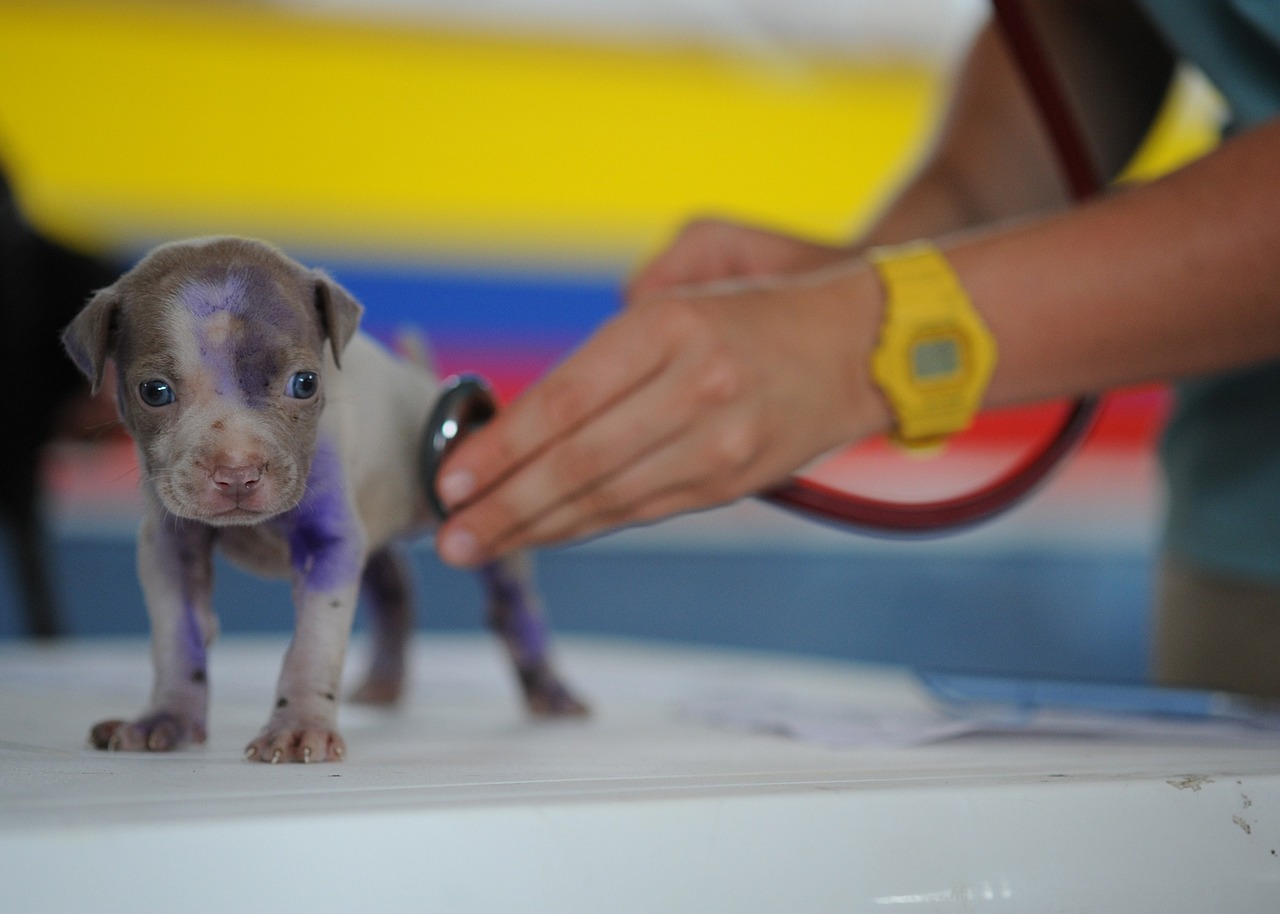
One of the most important aspects of being a responsible pet owner is ensuring your pet stays healthy. Regular veterinary visits are vital to keep your pet updated on vaccinations, flea and tick prevention, and other preventative care. Regular visits also help catch potential health issues early.
Discuss your pet’s specific needs with your vet. Whether it's nutrition, dental care, or behavior concerns, your vet can provide guidance tailored to your pet’s age and breed. Investing in pet insurance can also help cover unexpected medical costs, making it a good idea for long-term pet care.
Training your dog and socializing them early are essential for a well-behaved pet. For dogs, basic commands like sit, stay, and come are vital for safety. Teach your dog using positive reinforcement, such as treats and praise. Early socialization helps dogs and cats feel comfortable around people and pets.
Cats also benefit from training, especially in terms of litter box habits and behavior. Socializing cats from a young age can make them more comfortable around new environments and other animals.
One of the most important steps in protecting your pet is ensuring they have proper identification. While wearing a collar with tags is helpful, these can easily be lost or removed. Microchipping provides a permanent solution. A microchip, inserted under your pet’s skin, contains a unique identification number that shelters, vets, and animal control can scan if your pet is lost.
Registering your pet’s microchip with your contact information, including your cell phone number, ensures you can be reached quickly if your pet is found. Microchipping your pet is a simple and effective way to keep your pets safe.
As a pet parent, spending the right amount of time with your furry friends is key to building a strong relationship. Regular play sessions, grooming, and cuddles show your dog love and help your pet feel secure. For those adopting from an animal shelter, remember that patience and understanding are crucial as your pet adjusts to their new home.
Potty training is another essential aspect of pet care. Consistent routines and positive reinforcement can make this process easier. Keep cleaning supplies handy for accidents and reward your pet when they get it right.
Keeping your pet’s records organized is vital for long-term pet care. From vet check details to vaccination dates, having this information easily accessible will save time and stress. UnitedPetClub.com offers tools to help pet owners manage these records effectively.
When traveling with pets, ensure they are wearing a collar with ID tags, and always have your phone number and address updated. For added security, microchipping your pet ensures they can be identified even if their collar is lost.
Providing your furry friends with the care and attention they need is one of the most rewarding parts of being a pet owner. From teaching basic commands to ensuring they receive proper nutrition, every step you take contributes to their well-being. Are you ready to bring your pet home? Visit United Pet Club for resources and essential tips to help you along the way.

No Comments ( as of 6/30/2026 1:37:13 PM )