
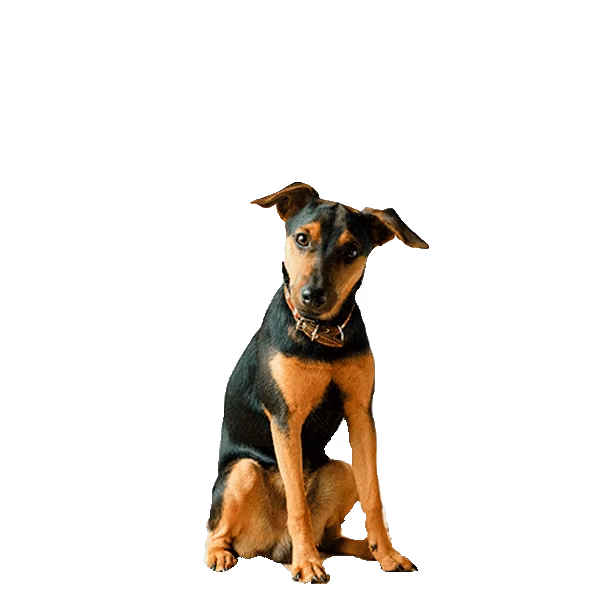
Transylvanian Hound
The Transylvanian Hound is a good-natured, determined Hungarian scenthound prized for its courage and tracking endurance.
- Size
- Medium
- Lifespan
- 10–14 years
- Origin
- Hungary
- Temperament
- Good-natured
- Standard colors
- Black, White, Tan and Red
Characteristics
Coat and grooming
How the Transylvanian Hound coat is built, and what that means when you groom it.
- Coat layers
- Double coat
- Coat texture
- Smooth
- Coat length
- Short
- Shedding
- Seasonal shedding
Grooming guidance
Critical: A Transylvanian Hound should not be shaved.
The undercoat keeps heat out as well as in, and the outer coat shields the skin from sun and insect bites. Clipping the whole coat off removes both. It often grows back patchy, soft or a different colour, and in some animals the guard hairs never return properly. Brush the undercoat out instead of cutting it off.
Information: A Transylvanian Hound drops its undercoat in heavy bursts.
The undercoat comes out in heavy bursts over a few weeks. An undercoat rake, or a bath followed by a proper blow-dry, clears it far faster than daily brushing. Clipping the coat down is not a shortcut for this.
Transylvanian Hound colors and patterns
What each club's breed standard says about every Transylvanian Hound color and pattern. Point at a ruling to see the club's own wording.
Breed standards describe the Transylvanian Hound in Black, White, Tan and Red. Standard patterns: Bicolour, Tricolour and Tan point.
| Color or pattern | FCI | AKC | UKC |
|---|---|---|---|
| Black | Standard (“The primary colour of the Hungarian Hound is black”) | Standard (“Black & Tan”) | Standard (“a black base color”) |
| White | Standard (“a white marking may occur”) | Standard (“Black Tan & White”) | Standard (“white markings on the head, neck, chest, lower legs and tip of tail”) |
| Tan | Standard (“Tan markings on muzzle and legs”) | Standard (“Black & Tan”) | Standard (“tan on the muzzle, legs and eyebrows”) |
| Red | No ruling | Standard (“Red & White”) | No ruling |
| Albino | No ruling | No ruling | Disqualifying (“Albinism”) |
| Blue | Disqualifying (“blue colour with markings”) | Disqualifying (“blue colour with markings”) | Disqualifying (“blue base color”) |
| Brown | Disqualifying (“Brown ... colour with markings”) | Disqualifying (“Brown ... colour with markings”) | Disqualifying (“Brown ... base color”) |
| Patterns | |||
| Bicolour | No ruling | Standard (“Red & White”) | No ruling |
| Tricolour | Standard (“On the nose, a white marking may occur”) | Standard (“Black Tan & White”) | Standard (“Tri-color”) |
| Tan point | Standard (“Tan markings on muzzle and legs”) | Standard (“Black & Tan”) | Standard (“tan on the muzzle, legs and eyebrows”) |


| Color or pattern | FCI | AKC | UKC |
|---|---|---|---|
| Dark brown | Standard (“The colour is dark brown”) | Standard (“The colour is dark brown”) | Standard (“dark brown in color”) |
| Color or pattern | FCI | AKC | UKC |
|---|---|---|---|
| Black | Standard (“the colour is black”) | Standard (“the colour is black”) | Standard (“The nose is wide and black”) |
What the rulings mean
- Standard
- Described by the club's breed standard.
- Disqualifying
- The club's breed standard disqualifies an animal of this colour or pattern.
Color changes
How a Transylvanian Hound's colors can change over its life.
Blackchanges toRust
Coat · With body condition · can change back
Blackchanges toGrey
Coat · Progressive
Blackchanges toBrown
Coat · In the sun · can change back
Whitechanges toRoan
Coat · With age · from 2 weeks
Tan pointchanges toSaddle
Coat · With age · from 6 to 156 weeks
Blackchanges toSnow nose
Nose · With the season · can change back
Blackchanges toPink
Nose · With the season · can change back


Sources
Each ruling comes from the club's published breed standard or color list.
About the Transylvanian Hound in Singapore
The Transylvanian Hound is a medium-sized Hungarian scenthound, calm and determined, built for tracking game over rough ground rather than life in a small flat.
The Transylvanian Hound is a medium-sized scenthound from Hungary, developed to track game across the forests and hills of the Carpathian region. It is first and foremost a working dog, with the stamina to follow a scent trail for hours and the grit to stand its ground against large quarry. At home, owners find it steady and even-tempered; on a trail, it turns alert and single-minded.
The breed carries a short, dense coat, usually black with tan markings on the face, chest and legs. The build is athletic rather than bulky, with a deep chest and strong legs made for long days outdoors. Adults sit in the medium height range and carry enough weight to push through undergrowth and snow without tiring quickly.
This is a dog that attaches closely to its family and gets on well with children, though it keeps the independent streak typical of hounds. It needs a proper daily outlet, which is worth thinking through carefully before bringing one into a Singapore household, since most local homes are HDB flats or condominiums rather than the open farmland this breed was bred for. Cooped up with nothing to do, it grows restless and noisy.
| Attribute | Detail |
|---|---|
| Origin | Hungary |
| Size | Medium |
| Lifespan | 10 to 14 years |
| Group / role | Scenthound, tracking and hunting |
| Good with | Families, older children, and other dogs when socialised |
Who it suits
The Transylvanian Hound suits an active household that can offer it real exercise and time outdoors, ideally with access to a garden, park connector or nature reserve rather than a small flat. It does well with people who hike, run or take part in tracking sports, and with owners keen on scent work. Many housing estates restrict which breeds and sizes are allowed, and this one does not sit comfortably within the approved list for HDB flats, so check current guidelines with HDB or your condominium's management before committing to a dog this size. Early socialisation helps it settle around smaller pets and cats, since its prey drive runs strong.
History of the Transylvanian Hound
The Transylvanian Hound developed in the Carpathian Basin as a Hungarian noble's hunting dog, nearly died out in the 1900s, and was rebuilt through a dedicated breeding programme.
The Transylvanian Hound goes back to the medieval Kingdom of Hungary, where it hunted game across the Carpathian Basin. The region's mix of high mountains, dense forest and open valley shaped a dog able to work varied ground, and two forms emerged over time: a taller type for big game such as bison, bear and boar, and a shorter-legged type for fox and hare.
For centuries the breed stayed close to Hungarian and Transylvanian nobility, prized for its nose and its nerve on tough hunts. As hunting habits shifted and the large game it once chased grew scarce, demand for the dog fell away. By the early twentieth century numbers had dropped sharply, and the shorter-legged type effectively vanished.
The breed hit its lowest point around the mid-twentieth century, when the population nearly disappeared altogether. A dedicated recovery programme then got underway in Hungary to gather the surviving dogs and rebuild the line, focusing on the taller type that had held on in small pockets in remote areas.
That effort stabilised and standardised the breed, and it now holds national breed status in Hungary. It remains rare outside its home region, and in Singapore a prospective owner would typically need to import from a European breeder rather than find one locally, since it is not commonly bred or shown here.
Appearance of the Transylvanian Hound
The Transylvanian Hound is an athletic, medium-sized dog with a short black-and-tan coat, a deep chest, and the lean build of a working scenthound.
The Transylvanian Hound has the clean, purposeful outline of a scenthound built for stamina. The body runs slightly longer than it stands tall, with a deep chest, level back and well-muscled hindquarters. The head is elongated with a moderate stop, and the ears hang flat against the cheeks. Overall it reads as strong without being bulky, a dog able to cover ground for hours at a stretch.
| Trait | Standard |
|---|---|
| Height | About 55 to 65 cm (22 to 26 in) at the shoulder |
| Weight | About 25 to 35 kg (55 to 77 lb) |
| Coat | Short, dense, smooth double coat that lies flat |
| Colours | Black with tan markings; tan points over the eyes, on the muzzle, chest and legs |
| Eyes | Dark brown, oval, with an alert and calm expression |
Coat and colours
The coat is short and weather-resistant, with a dense undercoat suited to cold, wet hunts back in the Carpathians. That same undercoat works against the dog in Singapore's constant heat and humidity, and owners here need to watch for overheating rather than cold. The standard colour is black with clearly defined tan markings, including spots above the eyes that give the face its recognisable look, plus tan on the muzzle, chest, lower legs and under the tail. A small white mark on the chest or toes sometimes shows up. Grooming stays simple, just regular brushing, though shedding picks up during the twice-yearly coat blow rather than following the seasonal pattern it would in a temperate climate.
Temperament of the Transylvanian Hound
The Transylvanian Hound is affectionate and loyal at home, courageous and single-minded on a scent trail, and generally sociable with people and dogs.
At home the Transylvanian Hound is even-tempered and affectionate, and it forms a tight bond with its family. It is patient with children and usually gets along fine with other dogs, especially if raised together from young. Around strangers it tends to hold back rather than turn aggressive, sizing up the situation before it warms up. That watchfulness makes it a decent alert dog, though it is not built to be a guard dog.
The working streak comes out on a trail. Once it locks onto a scent it turns focused and determined, and calling it off can be a real struggle. That same drive means it will give chase to small animals, so a secure yard and a rock-solid recall matter, especially given how limited open, unfenced green space is here. The breed is sharp and picks things up fast, but it keeps a hound's independent thinking and responds best to patient, consistent handling rather than a heavy hand. Left bored, it tends to dig, escape, or bay for long stretches, worth bearing in mind for anyone in housing with close neighbours.
| Trait | Rating |
|---|---|
| Affection | 4 |
| Energy | 4 |
| Trainability | 3 |
| Vocalness | 4 |
| Shedding | 3 |
Caring for a Transylvanian Hound in Singapore
The Transylvanian Hound needs light coat care, plenty of daily exercise, a secure outdoor space, and real attention to heat in Singapore's climate.
Grooming
- Brush the short coat once a week to clear loose hair and spread natural oils
- Step up brushing during the twice-yearly coat blow
- Bathe only when the dog is dirty, since washing too often strips the coat
- Check and clean the drop ears often, as Singapore's humidity makes ear infections more likely
- Trim nails every few weeks and brush teeth several times a week
Exercise
- Give at least 60 to 90 minutes of activity a day
- Mix walking or running with off-leash time in a secure, enclosed area
- Exercise during the cooler early morning or evening hours to avoid heatstroke in the midday sun
- Offer scent games, tracking work, or canine sport to give the nose a job
- Keep the dog leashed or fenced in open spaces, since a scent trail can override recall
Environment
The Transylvanian Hound needs a securely fenced outdoor space, which usually points to landed property rather than an HDB flat or most condominium units. Its dense coat, built for cold Carpathian winters, works against it here. Provide shade, fresh water, and access to air-conditioning or a fan during the hottest part of the day, and never leave the dog out in direct sun without shelter. Fences should be solid and tall enough to stop a determined climber or digger. The breed copes poorly with flat living and with being left alone for long stretches, so check with HDB or your condominium's management on breed and size rules before taking one on.
Feeding a Transylvanian Hound
The Transylvanian Hound thrives on a balanced diet matched to its activity level, fed in measured meals to keep it lean and lower bloat risk.
As an active medium-sized working dog, the Transylvanian Hound needs a complete, balanced diet with enough protein and fat to support its stamina. A dog that hunts or tracks regularly burns more energy and may need bigger portions during active periods, while a less active pet dog can pile on weight fast if overfed. Feed an amount suited to age, weight and workload, and adjust by body condition rather than by the amount printed on the bag. Fresh water should be available at all times, especially given how much a dog drinks and pants in Singapore's heat.
| Life stage | Amount per day | Meals |
|---|---|---|
| Puppy (2 to 6 months) | Per puppy-formula guidance, by weight | 3 to 4 |
| Junior (6 to 12 months) | Tapering toward adult portion | 2 to 3 |
| Adult (1 to 7 years) | About 250 to 400 g of quality dry food | 2 |
| Senior (8+ years) | Slightly reduced, watch weight | 2 |
Treats and supplements
Keep treats to roughly ten percent of daily calories and trim the main meal to match, especially if food rewards feature heavily in training. Most dogs on a complete diet need no extra supplements; add joint, skin, or other supplements only on a vet's advice. Because deep-chested dogs run a higher bloat risk, avoid strenuous exercise right before and after meals, and consider splitting food into two servings rather than one large one.
Health of the Transylvanian Hound
The Transylvanian Hound is a generally hardy breed with a 10 to 14 year lifespan, though it shares the joint and ear issues common to active drop-eared dogs.
The Transylvanian Hound is considered a robust, healthy breed, a result of its working background and the careful recovery programme that rebuilt it. With good care, most dogs live 10 to 14 years. The narrow gene pool left by the breed's near-extinction means responsible breeders pay close attention to genetic diversity and health screening. As with any active drop-eared dog, the main day-to-day concerns are joints and ears, with Singapore's humidity adding extra pressure on the latter.
| Condition | Signs | Note |
|---|---|---|
| Hip dysplasia | Stiffness, limping, reluctance to jump or climb | Screen breeding stock; keep the dog lean |
| Elbow dysplasia | Foreleg lameness, especially after exercise | More likely in larger, active dogs |
| Ear infections | Head shaking, odour, scratching at the ears | Drop ears trap moisture; clean and dry regularly, more so in humid weather |
| Bloat (gastric torsion) | Swollen abdomen, retching, restlessness | Deep-chested build raises risk; an emergency |
Preventive care
- Keep vaccinations and parasite control up to date, including tick prevention given time spent outdoors in grassy areas
- Maintain a lean body condition to protect the joints
- Clean and dry the ears after wet outings or after rain
- Book annual check-ups, more often for senior dogs
- Use hip and elbow screening when selecting breeding dogs
Training a Transylvanian Hound
The Transylvanian Hound is smart and willing but independent, learning best through early, consistent, reward-based training with a strong focus on recall.
The Transylvanian Hound picks up commands quickly, but it carries the independent mindset typical of a scenthound. It works well for a handler it respects and tends to switch off during repetitive drilling or under harsh handling. Short, varied sessions with clear rewards hold its attention far better than long, repetitive ones. Start training and socialisation early, while the puppy stays open to new people, dogs, and situations, useful in Singapore where puppies need exposure to lifts, void decks, and crowded walkways as well as the usual parks and other dogs.
Recall deserves special attention. Once this hound catches a scent it can go deaf to commands, so a dependable recall and a secure environment come first for safety. Channelling the breed's nose into tracking or scent sport gives it the mental work it craves and makes it far easier to live with day to day.
Basics
- Socialise early with a wide range of people, dogs, places and sounds
- Teach name response and attention before anything else
- Build a strong recall using high-value rewards in low-distraction settings, then add difficulty
- Establish leash manners to manage the dog's pulling toward scents
- Add scent or tracking games to give the nose a constructive outlet
Breeding the Transylvanian Hound
Breeding the Transylvanian Hound calls for careful health screening and pairing due to its limited gene pool, with litters typical of a medium working dog.
Breeding the Transylvanian Hound takes real care, given that the breed nearly disappeared in the twentieth century and was rebuilt from a small number of dogs. Responsible breeders work to preserve genetic diversity, avoid close matings, and screen for hip and elbow issues before pairing. Bitches reach physical maturity before breeding age, and a mating is usually timed around the female's heat cycle.
Gestation in dogs runs about 63 days. Litter sizes sit in the normal range for a medium breed, and the dam typically manages whelping and early rearing with little help, though a quiet, warm whelping area and a vet on standby are wise. Puppies wean gradually onto solid food and should start socialisation early, since exposure during the first weeks shapes the calm, confident temperament the breed is known for. As the breed is rare in this part of the world, prospective owners usually join a waiting list with a recognised breeder overseas, and should check import and quarantine requirements with Singapore's Animal & Veterinary Service well ahead of bringing a puppy home.
| Metric | Value |
|---|---|
| Sexual maturity | About 6 to 12 months (breed later) |
| Recommended breeding age | From about 2 years, after health screening |
| Cycle | Female comes into heat roughly twice a year |
| Gestation | About 63 days |
| Average litter size | Around 6 to 8 puppies |
| Weaning | About 6 to 8 weeks |
Licensing done? Now register your Transylvanian Hound and its chip
AVS handles the licence; United Pet Club keeps a free, searchable record behind your Transylvanian Hound's microchip for life.
Registering a Transylvanian Hound in Singapore
Key in your Transylvanian Hound's name, his date of birth, and a clear photo, attach your mobile, and save: a lifetime record, no charge now or later. Dog registration sits happily alongside the AVS paperwork and takes the chip number whenever you have it.
Your Transylvanian Hound's chip went in before his third month, as the rules require; whether the number leads anywhere is a separate question. Give it a live answer with United Pet Club: registration free for life, every brand accepted, every update free. Microchip registration plus a free account, and the whole thing is squared away.
How do I register my Transylvanian Hound in Singapore?
Set up a free United Pet Club account, key in your Transylvanian Hound's details and a photo, and save. The lifetime plan keeps the profile live at no cost for as long as he is with you, alongside whatever AVS requires.
How do I register my Transylvanian Hound's microchip?
Key the 15-digit chip number into your free account together with your address, mobile, and email. The lifetime plan covers the registration and every update free, whichever brand the clinic used.
Is a microchip compulsory for a Transylvanian Hound in Singapore?
Yes. AVS requires dogs to be licensed and microchipped by three months of age. The licence is the legal part; a registered, searchable record with your current mobile is the part that gets a lost Transylvanian Hound home, and that part is free.
How much does it cost to register a Transylvanian Hound?
Nothing. United Pet Club's lifetime plan covers the profile, the chip record, and unlimited updates, with no renewal, ever.
Transylvanian Hound frequently asked questions
Common questions about the Transylvanian Hound cover its size, temperament, care needs, lifespan, suitability as a pet, and how easy it is to find here.
How big does a Transylvanian Hound get?
It is a medium-sized dog, standing roughly 55 to 65 cm (22 to 26 in) at the shoulder and weighing about 25 to 35 kg (55 to 77 lb) once fully grown.
What is the Transylvanian Hound's temperament like?
It is good-natured and devoted at home, patient with children, and usually friendly with other dogs. On a trail it turns focused and courageous, with the independent streak common to scenthounds.
Is the Transylvanian Hound hard to care for?
Coat care is simple, but exercise needs run high and the coat was built for cold weather, not Singapore's heat and humidity. It needs daily activity, a secure outdoor space, and ideally a job for its nose. Its size also puts it outside most HDB flats, so it is not a good fit for small-flat living or for being left alone for long stretches.
How long do Transylvanian Hounds live?
Most live 10 to 14 years with good nutrition, regular vet care, and a healthy weight.
Does the Transylvanian Hound make a good family pet?
Yes, for an active family with the space to meet its exercise needs. It bonds closely with its people and tolerates children well. Its prey drive means small pets need careful introductions and supervision.
Is the Transylvanian Hound easy to find?
No. It is rare even in Hungary, and virtually unheard of in Singapore, so most local buyers import from a recognised European breeder and sort out quarantine through Singapore's Animal & Veterinary Service. Always choose a breeder who health-screens and works to maintain genetic diversity.
Are Transylvanian Hounds vocal?
They can be. As a scenthound, this breed will bay and bark, especially when bored or on a trail, so an outlet for its energy and nose helps keep the noise down, worth bearing in mind for anyone in a terrace house or semi-detached with close neighbours.
From the community
Ask about the Transylvanian HoundNo questions about the Transylvanian Hound yet. Be the first to ask.
Browse Dog breeds