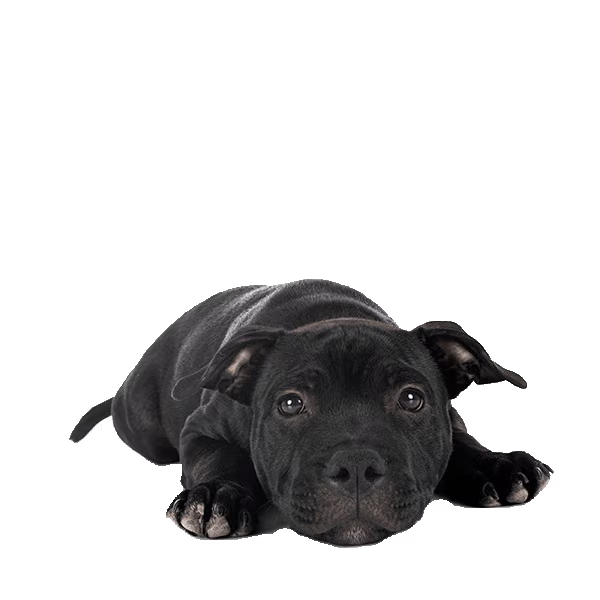
The Taiwan Dog is a loyal, agile island breed known for its intelligence, alertness, and deep bond with its owner.
How the Taiwan Dog coat is built, and what that means when you groom it.
The Taiwan Dog is a medium-sized breed from Taiwan known for loyalty and sharp instincts, bonding tightly with its family while staying wary of strangers and new faces.
The Taiwan Dog is a medium-sized working and companion breed that originated on the island of Taiwan. It has a lean, athletic build, a short coat, and an alert look that suits Singapore's climate well. Owners often describe it as fiercely loyal to its own household and standoffish with people it does not know, which is worth knowing before you commit to keeping one in a flat or a landed home here.
The breed was shaped by hunting, guarding, and farm work on Taiwan's hilly and rural terrain, so it carries a quick, agile frame, solid stamina, and a sharp problem-solving streak. It sizes up a situation before reacting rather than charging in, a trait that comes through even on a fenced patch of garden or a corridor walk in an HDB estate.
At home it is affectionate and responsive; with strangers it holds back until it has had time to size them up. Singapore's high density of neighbours, lift lobbies, and void decks means early, steady socialisation matters even more, so the dog learns to stay settled around new faces and other pets in close quarters.
| Attribute | Detail |
|---|---|
| Origin | Taiwan |
| Size | Medium |
| Lifespan | 10 to 13 years |
| Group/role | Hunting, guarding, and companion |
| Good with | Familiar family members; needs early socialisation with strangers and other pets |
The Taiwan Dog fits an owner who can offer firm, calm leadership, daily exercise, and ongoing socialisation. It suits people who work from home or keep regular hours and want a watchful, devoted companion. Under HDB rules, only approved breeds may be kept in HDB flats, and the Taiwan Dog's medium build means most owners will need a landed property, a larger condominium unit, or written approval before bringing one home. It is not the right fit for owners who want a dog that greets every visitor like an old friend from the first minute.
The Taiwan Dog traces back to native dogs of Taiwan long kept by Indigenous communities for hunting and guarding, later recognised as a distinct breed through preservation efforts.
The Taiwan Dog originates from the island of Taiwan, where dogs of its type lived alongside Indigenous peoples for generations. These dogs worked in hilly, forested terrain, and their agility and alertness made them well suited to hunting and to guarding settlements. Nobody can pin down the breed's exact early origin with certainty.
For most of its history the breed stayed close to the communities that kept it, and daily work shaped its build and temperament far more than any formal breeding programme did. Dogs were chosen in practice for what mattered on the ground: stamina, fast reactions, loyalty to the household, and caution towards outsiders.
As Taiwan modernised and foreign dog breeds arrived, the original island dogs grew scarcer and crossbreeding increased. Enthusiasts keen to protect the native type and its working heritage pushed for recognition, and efforts to define and stabilise the breed followed from there.
Today the Taiwan Dog serves as both companion and guardian, and it still carries the instincts bred into it by Taiwan's rural, mountainous terrain. For anyone in Singapore considering the breed, checking with the Singapore Kennel Club on current import and registration requirements is a sensible first step, since it is not a common breed on the island.
The Taiwan Dog is a medium-sized, lean, muscular breed with a short coat, erect ears, a curled tail, and a watchful, alert expression.
The Taiwan Dog carries a balanced, athletic build made for quick movement over rough ground. Its body runs slightly longer than it is tall, with a deep chest, a tucked-up waist, and clean, muscular legs. The head is wedge-shaped, the ears stand upright, and the eyes are almond-shaped and dark. The tail sits high and curls over the back when the dog is alert. Altogether it looks like a fit, agile dog ready to move at any moment.
| Trait | Detail |
|---|---|
| Height | Approximately 40 to 52 cm at the shoulder |
| Weight | Approximately 12 to 18 kg |
| Coat | Short, dense, and close-lying |
| Colours | Black, brindle, fawn, white, and combinations of these |
| Eyes | Almond-shaped, dark |
The coat lies short and flat against the body, which keeps grooming light and suits Singapore's warm, humid weather all year round. Common colours include black, brindle, and fawn, along with white and mixed patterns. Many dogs show white markings on the chest, paws, or muzzle. Because the coat gives little insulation, this is one breed that will never need a jumper here, though owners should still watch for sunburn on pale patches of skin during long midday walks.
The Taiwan Dog is loyal, sharp, and alert, devoted to its family but reserved with strangers, so early socialisation and steady handling matter from puppyhood.
The Taiwan Dog forms a tight bond with its household and stays tuned in to the people it trusts. It picks up on situations fast, which makes it responsive to a handler it respects. At home it is affectionate and will often trail its owner from room to room, even in a compact flat.
With strangers the breed holds back by nature. It does not warm up on the spot and prefers to weigh up a new person before accepting them. That reserve, paired with its alertness, gives it a natural watchdog streak: it notices and calls out anything out of place, whether that is a delivery rider at the gate or a stranger loitering near the lift.
Around other pets, behaviour comes down largely to early exposure. A Taiwan Dog raised alongside other animals can settle in peacefully, but its hunting background means small pets or the neighbourhood cats may set off a chase instinct. Calm, structured introductions and consistent socialisation from puppyhood help it cope with children, visitors, and other animals it meets on daily walks.
| Trait | Rating |
|---|---|
| Affection (with family) | 5 |
| Energy | 4 |
| Trainability | 4 |
| Vocalness | 3 |
| Shedding | 2 |
The Taiwan Dog is easy to groom thanks to its short coat, but it needs plenty of daily exercise and mental work to stay settled in Singapore's climate.
The Taiwan Dog is a practical breed to keep clean, but its exercise needs are real and owners should plan for them from day one. The short coat and sharp mind mean grooming takes little time, while daily activity is the main commitment.
The Taiwan Dog can adapt to different homes as long as its exercise needs are met, and it does best with access to a securely fenced garden or yard. It is a capable jumper and something of an escape artist, so fencing needs to be tall and kept in good repair. The short coat suits Singapore's heat well, though the dog still needs shade, fresh water, and a cool spot indoors during the hottest hours. It prefers to stay near its family rather than being left alone for long stretches, so owners in smaller HDB flats should factor in regular company and outdoor time.
The Taiwan Dog thrives on a complete, balanced diet suited to its medium size and active lifestyle, fed in measured meals to keep it lean in Singapore's heat.
The Taiwan Dog is active and lean, and it benefits from a complete, balanced diet built on good-quality protein to support its muscle and stamina. Portion sizes should match the dog's age, weight, and activity level. Because the breed runs naturally athletic, owners should keep it trim rather than overfeed it. Fresh water should be available at all times, especially given how quickly a dog can dehydrate in Singapore's heat and humidity.
| Life stage | Amount per day | Meals |
|---|---|---|
| Puppy (2 to 6 months) | Per product guidance for growth | 3 to 4 |
| Junior (6 to 12 months) | Per product guidance, tapering | 2 to 3 |
| Adult | Approximately 150 to 250 g of quality dry kibble | 2 |
| Senior | Adjusted down for lower activity | 2 |
Keep treats to around 10 percent of daily calories so the overall diet stays balanced. Use small, low-fat treats for training sessions. Most dogs on a complete commercial diet do not need extra supplements, but a vet may recommend joint or skin support for individual dogs, particularly as they age. Bring in any diet change gradually over about a week to avoid an upset stomach.
The Taiwan Dog is generally hardy with a lifespan of 10 to 13 years, though routine vet checks help catch common conditions early, especially in Singapore's climate.
The Taiwan Dog is considered a robust breed, a trait that comes from its history as a working dog on demanding terrain. Most individuals stay healthy and active well into their senior years, with a typical lifespan of 10 to 13 years. As with any breed, certain conditions can turn up, and regular visits to the vet support a long, healthy life.
| Condition | Signs | Note |
|---|---|---|
| Hip dysplasia | Stiffness, limping, reluctance to jump | Keep the dog lean to ease the load on its joints |
| Skin allergies | Itching, redness, hair loss | Singapore's humidity can aggravate skin issues, so check the coat after walks |
| Ear infections | Head shaking, odour, scratching | Upright ears still need routine checks, more so in humid weather |
| Dental disease | Bad breath, tartar, sore gums | Regular brushing and cleaning help prevent it |
The Taiwan Dog is sharp and trainable but independent and reserved, so it responds best to early socialisation and consistent, reward-based training.
The Taiwan Dog picks things up fast and enjoys a mental challenge, which makes it capable at obedience and activity training. It also has an independent streak and a natural wariness, so it does best with a handler who stays patient and consistent. The breed responds to fairness and builds trust over time rather than falling in line on day one. Early socialisation matters even more here, so the dog learns to stay calm around new people and animals in Singapore's tight, shared spaces.
The Taiwan Dog reaches breeding maturity around one to two years old and typically has moderate litters, with attentive dams that need a calm whelping space.
Responsible breeding of the Taiwan Dog starts with healthy, well-tempered parents that have been screened for known issues such as hip problems. Dogs usually reach physical and behavioural maturity between one and two years of age, and it is best to hold off breeding until both parents are fully grown. Gestation in dogs runs around 63 days. Expectant dams need a quiet, clean whelping space and solid nutrition through pregnancy and nursing.
Litter sizes vary from dog to dog, typically running to several puppies. The dam is usually attentive, but the breeder should still keep a close eye on the litter in the early weeks for weight gain and warmth. Puppies should stay with their mother and littermates until at least eight weeks old. Early handling and gentle exposure to everyday sights and sounds, lift doors, traffic noise, other people, lay the groundwork for the socialisation this breed needs. Anyone looking to bring one home should seek out breeders who put health, temperament, and proper early rearing first.
| Metric | Value |
|---|---|
| Breeding maturity | 1 to 2 years |
| Gestation period | Approximately 63 days |
| Typical litter size | Around 4 to 8 puppies |
| Weaning age | Approximately 6 to 8 weeks |
| Recommended rehoming age | 8 weeks or older |
AVS handles the licence; United Pet Club keeps a free, searchable record behind your Taiwan Dog's microchip for life.
An AVS licence satisfies the rules; it does not tell a finder in another country how to reach you. Your Taiwan Dog's free United Pet Club profile does exactly that, pairing your mobile with his photo and chip number for life. Register your dog once and the record follows him anywhere.
The AVS listing and a searchable contact record are two different things, and the second one is yours to set up. Register the microchip on the free lifetime plan: any chip brand a local vet implants qualifies, updates after a move between flats stay free, and the record can be pulled up 24 hours a day from anywhere. Create your free account and settle it tonight.
Set up a free United Pet Club account, key in your Taiwan Dog's details and a photo, and save. The lifetime plan keeps the profile live at no cost for as long as he is with you, alongside whatever AVS requires.
Key the 15-digit chip number into your free account together with your address, mobile, and email. The lifetime plan covers the registration and every update free, whichever brand the clinic used.
Yes. AVS requires dogs to be licensed and microchipped by three months of age. The licence is the legal part; a registered, searchable record with your current mobile is the part that gets a lost Taiwan Dog home, and that part is free.
Nothing. United Pet Club's lifetime plan covers the profile, the chip record, and unlimited updates, with no renewal, ever.
Common questions about the Taiwan Dog cover its size, temperament, care needs, lifespan, suitability for families, and how easy it is to find in Singapore.
It is a medium-sized breed, standing roughly 40 to 52 cm at the shoulder and weighing about 12 to 18 kg, with a lean, athletic build.
It is loyal, sharp, agile, and alert. It bonds closely with its family but stays aloof with strangers, which gives it a strong natural watchdog instinct.
Grooming is straightforward thanks to the short coat, but the breed needs plenty of exercise and socialisation. It suits an active owner who can offer daily activity and steady training, ideally with access to a garden or a nearby park connector.
The typical lifespan is 10 to 13 years. Regular vet care, a healthy weight, and good nutrition support a long life.
It can be a devoted family dog when socialised early. Its reserve with strangers and hunting background mean calm, gradual introductions to children, visitors, and other animals matter.
The breed stays closely tied to its place of origin and is uncommon outside it, including in Singapore. Prospective owners should check current HDB rules and Singapore Kennel Club guidance, since it is not on the standard list of HDB-approved breeds, and look for breeders who prioritise health, temperament, and proper early socialisation.
