

Löwchen
The Löwchen is a cheerful, affectionate little 'lion dog' that thrives on companionship and lively play with its family.
- Size
- Small
- Lifespan
- 13–15 years
- Origin
- France
- Temperament
- Affectionate
- Standard colors
- Black, White and Blue and 7 more
Characteristics
Coat and grooming
How the Löwchen coat is built, and what that means when you groom it.
- Coat layers
- Single coat
- Coat texture
- Wavy
- Coat length
- Long
- Shedding
- Low shedding
Grooming guidance
Caution: A Löwchen coat mats easily.
Fine or long hair tangles at the base of the coat, out of sight, where the mats tighten and pull on the skin. Brushing has to reach right down to the roots in sections, not just skim the surface.
Information: A Löwchen needs clipping every few weeks.
This coat keeps growing rather than shedding out, so it has to be trimmed every few weeks. Left to grow it mats down against the skin and traps moisture, dirt and heat.
Löwchen colors and patterns
What each club's breed standard says about every Löwchen color and pattern. Point at a ruling to see the club's own wording.
Breed standards describe the Löwchen in Black, White, Blue, Silver, Brown, Tan, Red, Gold, Cream and Fawn. Standard patterns: Solid, Brindle, Piebald, Parti-colour, Roan, Sable, Tan point and Reverse brindle.
| Color or pattern | FCI | AKC | UKC | KC | KUSA |
|---|---|---|---|---|---|
| Black | Standard (“All colours and combinations of colours are permitted”) | Standard (“Black”) | Standard (“All colors and color combinations are acceptable”) | Standard (“Black”) | Standard (“All colours and combinations of colours are permitted”) |
| White | Standard (“All colours and combinations of colours are permitted”) | Standard (“White”) | Standard (“All colors and color combinations are acceptable”) | Standard (“White”) | Standard (“All colours and combinations of colours are permitted”) |
| Blue | Standard (“All colours and combinations of colours are permitted”) | Standard (“Blue”) | Standard (“All colors and color combinations are acceptable”) | Standard (“Any colour or combination of colours”) | Standard (“All colours and combinations of colours are permitted”) |
| Silver | Standard (“All colours and combinations of colours are permitted”) | Standard (“Silver”) | Standard (“All colors and color combinations are acceptable”) | Standard (“Silver”) | Standard (“All colours and combinations of colours are permitted”) |
| Brown | Standard (“brown coats and derivatives”) | Standard (“Chocolate”) | Standard (“dogs with brown coats”) | Standard (“Brown”) | Standard (“brown coats and derivatives”) |
| Tan | Standard (“All colours and combinations of colours are permitted”) | Standard (“Black & Tan”) | Standard (“All colors and color combinations are acceptable”) | Standard (“Any colour or combination of colours”) | Standard (“All colours and combinations of colours are permitted”) |
| Red | Standard (“All colours and combinations of colours are permitted”) | Standard (“Red”) | Standard (“All colors and color combinations are acceptable”) | Standard (“Any colour or combination of colours”) | Standard (“All colours and combinations of colours are permitted”) |
| Gold | Standard (“All colours and combinations of colours are permitted”) | Standard (“Gold”) | Standard (“All colors and color combinations are acceptable”) | Standard (“Gold”) | Standard (“All colours and combinations of colours are permitted”) |
| Cream | Standard (“All colours and combinations of colours are permitted”) | Standard (“Cream”) | Standard (“All colors and color combinations are acceptable”) | Standard (“Cream”) | Standard (“All colours and combinations of colours are permitted”) |
| Fawn | Standard (“All colours and combinations of colours are permitted”) | Standard (“Fawn”) | Standard (“All colors and color combinations are acceptable”) | Standard (“Any colour or combination of colours”) | Standard (“All colours and combinations of colours are permitted”) |
| Albino | No ruling | No ruling | Disqualifying (“Albinism”) | No ruling | No ruling |
| Patterns | |||||
| Solid | Standard (“All colours and combinations of colours are permitted”) | Standard (“All colors and color combinations are acceptable”) | Standard (“All colors and color combinations are acceptable”) | Standard (“Any colour or combination of colours”) | Standard (“All colours and combinations of colours are permitted”) |
| Brindle | Standard (“All colours and combinations of colours are permitted”) | Standard (“Black Brindle”) | Standard (“All colors and color combinations are acceptable”) | Standard (“Brindle”) | Standard (“All colours and combinations of colours are permitted”) |
| Piebald | Standard (“All colours and combinations of colours are permitted”) | Standard (“Irish Pied”) | Standard (“All colors and color combinations are acceptable”) | Standard (“Any colour or combination of colours”) | Standard (“All colours and combinations of colours are permitted”) |
| Parti-colour | Standard (“All colours and combinations of colours are permitted”) | Standard (“Parti-Color”) | Standard (“All colors and color combinations are acceptable”) | Standard (“Particolour”) | Standard (“All colours and combinations of colours are permitted”) |
| Roan | Standard (“All colours and combinations of colours are permitted”) | Standard (“Parti Belton”) | Standard (“All colors and color combinations are acceptable”) | Standard (“Any colour or combination of colours”) | Standard (“All colours and combinations of colours are permitted”) |
| Sable | Standard (“All colours and combinations of colours are permitted”) | Standard (“Red Sable”) | Standard (“All colors and color combinations are acceptable”) | Standard (“Gold Sable”) | Standard (“All colours and combinations of colours are permitted”) |
| Tan point | Standard (“All colours and combinations of colours are permitted”) | Standard (“Tan Points”) | Standard (“All colors and color combinations are acceptable”) | Standard (“Any colour or combination of colours”) | Standard (“All colours and combinations of colours are permitted”) |
| Reverse brindle | Standard (“All colours and combinations of colours are permitted”) | Standard (“Black Brindle”) | Standard (“All colors and color combinations are acceptable”) | Standard (“Brindle”) | Standard (“All colours and combinations of colours are permitted”) |
| Merle | No ruling | No ruling | No ruling | Not recognised (“merle which is unacceptable”) | No ruling |
| Double merle | No ruling | No ruling | No ruling | No ruling | No ruling |


| Color or pattern | FCI | AKC | UKC | KC | KUSA |
|---|---|---|---|---|---|
| Dark brown | Standard (“very dark”) | Standard (“dark brown”) | Standard (“dark”) | Standard (“dark”) | Standard (“very dark”) |
| Light brown | Disqualifying (“too light”) | Standard (“lighter colored dogs may have lighter brown eyes”) | No ruling | No ruling | Disqualifying (“too light”) |
| Blue | Disqualifying (“wall”) | No ruling | No ruling | No ruling | Disqualifying (“wall”) |
| Color or pattern | FCI | UKC | KC | KUSA |
|---|---|---|---|---|
| Black | Standard (“Black”) | Standard (“black”) | Standard (“black or brown according to coat colour”) | Standard (“Black”) |
| Liver | Standard (“except for brown coats and derivatives ... the nose is dark brown”) | Standard (“except in the brown-coated dogs, when it is dark brown”) | Standard (“black or brown according to coat colour”) | Standard (“except for brown coats and derivatives ... the nose is dark brown”) |
What the rulings mean
- Standard
- Described by the club's breed standard.
- Disqualifying
- The club's breed standard disqualifies an animal of this colour or pattern.
- Not recognised
- The club does not accept this colour or pattern for the breed.
Color changes
How a Löwchen's colors can change over its life.
Blackchanges toRust
Coat · With body condition · can change back
Blackchanges toGrey
Coat · Progressive
Blackchanges toBrown
Coat · In the sun · can change back
Whitechanges toRoan
Coat · With age · from 2 weeks
Tan pointchanges toSaddle
Coat · With age · from 6 to 156 weeks
Blackchanges toSnow nose
Nose · With the season · can change back
Blackchanges toPink
Nose · With the season · can change back


Sources
Each ruling comes from the club's published breed standard or color list.
Meet some of our Löwchen
A few of the Löwchen profiles members have added to United Pet Club.



About the Löwchen
The Löwchen is a compact French companion dog, warm and playful, well suited to Indian homes that can offer daily company and easy exercise rather than long hours alone.
The Löwchen carries a German name meaning "little lion," a reference to the traditional clip that leaves thick coat over the front of the body while the hindquarters are trimmed close, mimicking a lion's mane and tail. Strip away the grooming, though, and this is a solid little companion dog, built for sitting in your lap and trailing you from the kitchen to the balcony.
Temperament is what defines the Löwchen. It is affectionate, sociable and playful, and it settles into a household rather than fixating on one person. The breed stays alert without turning into a persistent barker, and with sensible introductions it usually gets along with children and other pets. Adults weigh around 4 to 8 kg and stand roughly 26 to 32 cm at the shoulder, small enough to suit a two-bedroom flat as easily as an independent house.
The coat is long, wavy and does not shed much, but it needs regular brushing to stay free of mats, particularly through the monsoon and the muggier months, when a damp coat tangles faster. Anyone drawn to the Löwchen is usually after a steady, people-focused dog rather than a high-energy working breed.
| Attribute | Detail |
|---|---|
| Origin | France |
| Size | Small (about 4 to 8 kg) |
| Lifespan | 13 to 15 years |
| Group / role | Companion / toy dog |
| Good with | Families, children, other pets (with introductions) |
Who it suits
The Löwchen suits pet parents who can offer daily company and are not away from home for long stretches at a time. It works well for first-time owners, families with considerate children, and retired couples who want a small, even-tempered dog around the house. Coat upkeep is the main ongoing commitment, so anyone considering this breed should budget time for regular brushing or a trip to the groomer.
History and origin
The Löwchen is an old European companion breed with ties to France and pre-modern royal courts, and it pulled back from near extinction in the twentieth century.
The Löwchen ranks among the older companion breeds of continental Europe. Small lion-clipped dogs of its type turn up in European paintings from the Renaissance onward, often curled in the laps of noblewomen. Several small companion breeds wore the same lion trim at various points, so tracing one unbroken line is not straightforward, but the type has long been associated with France and the regions bordering it.
Through the 1700s and 1800s the Löwchen stayed a household companion, kept by families who had room for a small dog that did no working job. It was never bred to hunt, herd or guard; its history sits firmly in domestic life rather than in the field.
Numbers fell sharply in the twentieth century, and at one stage the Löwchen was counted among the rarest breeds anywhere. Committed breeders in Europe rebuilt the population from a narrow base, and the breed recovered enough to gain recognition from major kennel clubs worldwide.
In India the Löwchen is still an unusual sight. It is not among the breeds regularly benched at Kennel Club of India (KCI) shows, and most Indian owners come to it through overseas breeders or word of mouth rather than local litters. Even so, the modern population everywhere traces back to that mid-century recovery, and the breed is now kept chiefly as a family companion.
Appearance and breed standard
The Löwchen is a small, balanced dog with a long wavy coat, best known for the traditional lion clip that shapes the hindquarters.
The Löwchen is compact and well proportioned, a touch longer than it is tall, with a level topline and a lively, confident way of moving. The head is fairly short and broad with a clear stop, dark round eyes set well apart, and drop ears feathered with long hair. The tail sits up and curls over the back when the dog is alert.
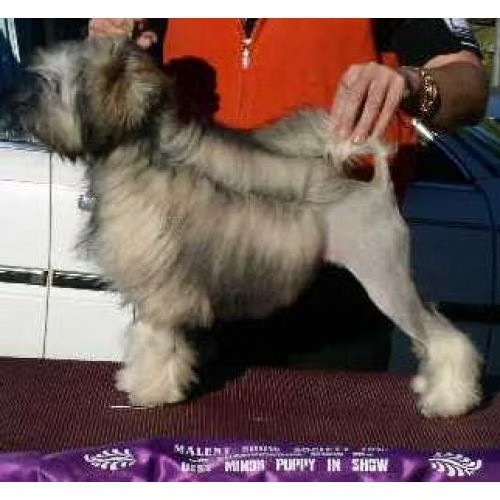
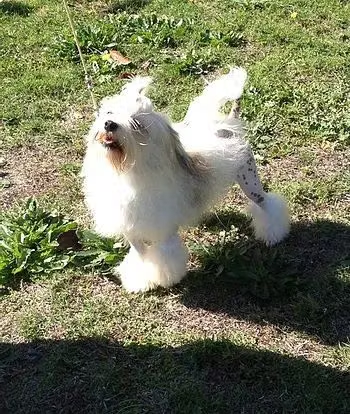
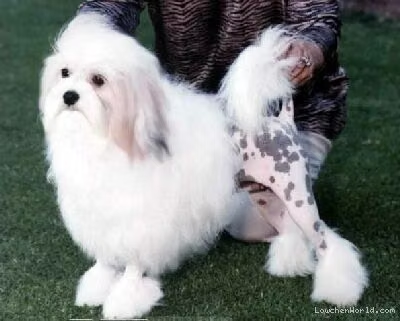
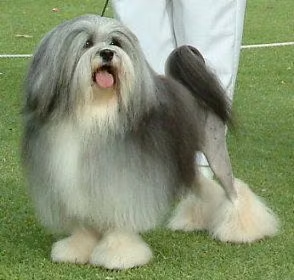
The breed's signature look is the lion clip: coat left long over the head, neck, chest and front legs, while the rear half of the body, part of the legs and part of the tail are clipped close, leaving a plume at the tail tip. Groomers in India who take on this breed usually need a reference photo, since the cut is uncommon outside dedicated Löwchen circles.
| Trait | Standard |
|---|---|
| Height | About 26 to 32 cm at the shoulder |
| Weight | About 4 to 8 kg |
| Coat | Long, wavy, single coat; soft texture |
| Colours | All colours and combinations permitted |
| Eyes | Round, dark, set well apart |
Coat and colours
The Löwchen carries a single coat, long and wavy rather than curly or corded. With no thick undercoat, the breed sheds very little, but the long hair tangles quickly if brushing is skipped, more so in a humid climate. Every colour and colour combination is accepted under the breed standard, including solid shades and parti-colour patterns. A puppy's coat colour can change tone as the adult coat comes in.
Temperament and personality
The Löwchen is affectionate, playful and sociable, generally easy with family, guests and other pets, and happiest with steady human company around.
The Löwchen is an outgoing, people-focused dog. It is affectionate with its family and tends to bond with the whole household rather than latching onto one person. The breed stays playful well into adulthood and enjoys games, a gentle round of fetch, and interactive toys.
With strangers the Löwchen is usually friendly once properly introduced, greeting guests with curiosity rather than wariness, which suits homes that see a steady stream of visitors, relatives and domestic help through the day. It is alert and will announce arrivals at the gate, but it does not bark on and on once its needs are met. With children it is patient and tolerant, though supervision is still sensible given its small size. It generally gets along with other dogs and cats, especially when raised together.
The breed is intelligent and reads its owners well, which makes it sensitive to mood and tone of voice. Because it craves company, a Löwchen left alone for long working days, with no one popping in to check on it, can grow unhappy or pick up nuisance habits.
| Trait | Rating |
|---|---|
| Affection | 5 |
| Energy | 3 |
| Trainability | 4 |
| Vocalness | 2 |
| Shedding | 1 |
Care and grooming
The Löwchen needs regular brushing to prevent mats, moderate daily exercise, and a home environment with steady company rather than long hours alone.
Grooming
The long single coat is the main care task. Plan on routine brushing and periodic trimming, whether you keep the traditional lion clip or ask the groomer for a shorter all-over cut that suits Indian summers better.
- Brush two to three times a week, more often if kept in a full lion clip
- Comb through the longer feathering on legs, ears and chest to catch tangles before they set
- Bathe roughly every three to four weeks, or sooner after a muddy monsoon walk
- Book professional grooming every six to eight weeks if you keep the lion trim
- Check ears, trim nails and brush teeth as part of the same routine
Exercise
The Löwchen carries moderate energy and does not need long workouts, but it benefits from something active every day.
- One or two short walks a day, ideally in the cooler early morning or evening hours
- Indoor play sessions with toys or a gentle game of fetch
- Short training games for mental stimulation
- Supervised play with other friendly dogs
Environment
The breed adapts well to flats and independent houses alike. It is an indoor dog that wants to be near its people and is not suited to living outdoors or being left alone for long days, and India's peak summer heat is another reason to keep it indoors with a fan or cooling through the afternoon. A securely fenced terrace or yard is useful for off-lead play but is not essential given the breed's modest exercise needs.
Nutrition and feeding
The Löwchen does well on a complete small-breed diet fed in measured meals, with portions adjusted for age, weight and activity.
The Löwchen needs a complete and balanced diet formulated for small breeds. Being a small dog, its calorie needs are modest, and weight creeps up fast if meals are not measured out. Feed by the package guidance for the dog's weight, then adjust by feel: you should be able to feel the ribs easily without a thick layer of fat over them.
Small breeds are prone to dental tartar, so dry kibble, dental chews or regular tooth brushing all help keep the mouth healthy. Fresh drinking water should be available at all times, topped up more often in hot weather.
| Life stage | Amount per day | Meals |
|---|---|---|
| Puppy (2 to 6 months) | Per puppy-food label for expected adult weight | 3 to 4 |
| Junior (6 to 12 months) | Per label, tapering toward adult portion | 2 to 3 |
| Adult (1 to 8 years) | About 60 to 120 g dry food | 2 |
| Senior (8+ years) | Adult amount, reduced if less active | 2 |
Treats and supplements
Keep treats to about 10 percent of daily calories so they do not throw off the diet or add weight. A complete commercial food usually covers nutritional needs on its own, so add supplements only on a veterinarian's advice, for example for a specific joint or skin concern.
Health and common conditions
The Löwchen is generally healthy with a 13 to 15 year lifespan, though it can be affected by patellar luxation, eye conditions and dental disease.
The Löwchen is considered a generally healthy breed and commonly lives 13 to 15 years. Its modern population came through a narrow recovery, so working with a breeder who screens breeding stock helps cut the risk of inherited problems. As with most small breeds, dental care and weight control make a large difference to long-term health, and both are easier to manage than most of the conditions below.
| Condition | Signs | Note |
|---|---|---|
| Patellar luxation | Skipping gait, intermittent hind-leg lameness | Kneecap slips out of position; common in small breeds |
| Progressive retinal atrophy | Night blindness, declining vision | Inherited; screening tests exist |
| Cataracts | Cloudy eye, vision loss | Can be age-related or inherited |
| Hip dysplasia | Stiffness, reluctance to jump | Less common in small dogs but reported |
| Dental disease | Tartar, bad breath, gum inflammation | Frequent in small breeds without dental care |
Preventive care
- Annual veterinary checkups, moving to twice yearly for seniors
- Keep vaccinations and parasite control current, including tick and mosquito-borne disease cover suited to the local climate
- Routine tooth brushing and dental checks
- Maintain a lean body weight to protect the joints
- Ask breeders for knee and eye health screening results before taking a puppy
Training and socialization
The Löwchen is intelligent and eager to please, which makes it responsive to short, reward-based training started early.
The Löwchen is intelligent and watches its owner closely, so it picks things up fast when training stays positive and consistent. It responds poorly to a raised voice or harsh correction and does best with patience and rewards. Because the breed is sensitive and bonds closely, training sessions also build the relationship between dog and owner.
Early socialisation matters. Exposing the puppy to a range of people, dogs, sounds and places, including the noise of traffic, festivals and building lifts, builds the confident, friendly adult the breed is known for. House training can take patience, as it does with most small breeds, so keep the routine steady and consistent.
Basics
- Start with name recognition and simple attention games
- Teach sit, down and come using food rewards
- Begin house training on a fixed schedule from day one
- Introduce gentle handling for grooming and vet visits
- Add lead manners with short, low-distraction walks
- Socialise widely during the early months
Breeding
The Löwchen is a small breed with modest litters; responsible breeding depends on health screening and careful, gradual rearing of the puppies.
Breeding a Löwchen should be approached responsibly, with both parents health-screened before mating. Because the breed came through a narrow recovery, keeping genetic diversity up and avoiding close pairings matters a great deal in sound breeding.
Bitches reach sexual maturity within their first year, but breeding is usually held off until they are physically and mentally mature, generally around two years of age. Gestation runs roughly 63 days from conception. As a small breed, the Löwchen tends to have small litters, commonly two to four puppies.
Puppies arrive helpless, eyes and ears shut, and depend entirely on the dam for the first few weeks. Weaning starts around three to four weeks, and puppies usually move to new homes from about eight weeks, once weaned, vaccinated and well socialised. Gentle handling from the start sets up the friendly temperament the breed is valued for.
| Metric | Value |
|---|---|
| Breeding maturity | Around 2 years (females) |
| Gestation | About 63 days |
| Typical litter size | 2 to 4 puppies |
| Weaning age | 3 to 4 weeks |
| Go-home age | From about 8 weeks |
Registering a Löwchen in India: profile and microchip
Municipal licences cover the paperwork; a free United Pet Club record is what actually connects your Löwchen to your phone.
How to register a Löwchen in India
Municipal corporations in Delhi, Mumbai, Bengaluru, and numerous other cities require dogs to be registered or licensed under their by-laws, and a United Pet Club profile complements whichever rules apply where you live. The profile holds your contact information against your Löwchen for its entire life, at no charge whatsoever. Registering your dog requires only a few minutes.
Should your Löwchen already carry a microchip, the number must still be recorded separately, since the vet performs only the implant. Registering the microchip under the free lifetime plan accepts chips from any manufacturer an Indian vet works with, keeps every update free should your household shift cities, and leaves the record searchable at any hour. Create your free account and complete both tasks in one sitting.
How do I register my Löwchen in India?
Create a free United Pet Club account, enter your Löwchen's details along with a photograph, and save the profile. The lifetime plan maintains the record at no cost, and any municipal licence you hold sits alongside it rather than replacing it.
How do I register my Löwchen's microchip?
Enter the fifteen digit chip number into your free account together with your current address, phone number, and email. The lifetime plan covers the registration and every subsequent update without charge, whatever the chip's manufacturer.
Is registration compulsory for a Löwchen in India?
Several municipal corporations, Delhi and Mumbai among them, require dogs to be licensed under local by-laws. The United Pet Club profile is separate and voluntary, and it is the record a finder anywhere can actually search, free of cost.
What does it cost to register a Löwchen?
Nothing whatsoever. The free lifetime plan includes the profile, the microchip record, and unlimited updates, with no renewal fee at any point.
Frequently asked questions
Common questions about the Löwchen cover its size, temperament, grooming demands, lifespan, suitability and availability.
How big does a Löwchen get?
It is a small dog, standing about 26 to 32 cm at the shoulder and weighing roughly 4 to 8 kg as an adult.
What is the Löwchen's temperament like?
Friendly, affectionate, playful and sociable. It bonds closely with the family, usually gets along with children and other pets, and stays alert without turning into a persistent barker.
Is the Löwchen hard to maintain?
Upkeep is moderate. Exercise needs are low to medium, but the long coat needs brushing two to three times a week and regular trimming, so grooming is the main commitment, especially in humid weather.
How long do Löwchens live?
Typically 13 to 15 years. Good dental care, a lean body weight and routine veterinary checkups support a long, healthy life.
Is the Löwchen suitable for a family in India?
Yes. It suits families, first-time pet parents and retired couples, as long as someone is around during the day, since the breed does not like being left alone for long stretches.
Does the Löwchen shed a lot?
No. It carries a single coat and sheds very little, but the long hair tangles and mats without regular brushing.
Is the Löwchen easy to find in India?
Not really. It remains uncommon here compared with mainstream companion breeds, and it is rarely bred locally, so most buyers wait for a litter from a reputable breeder abroad or through a specialist import and ask about health screening of the parents.
From the community
Ask about the LöwchenNo questions about the Löwchen yet. Be the first to ask.
Browse Dog breeds