
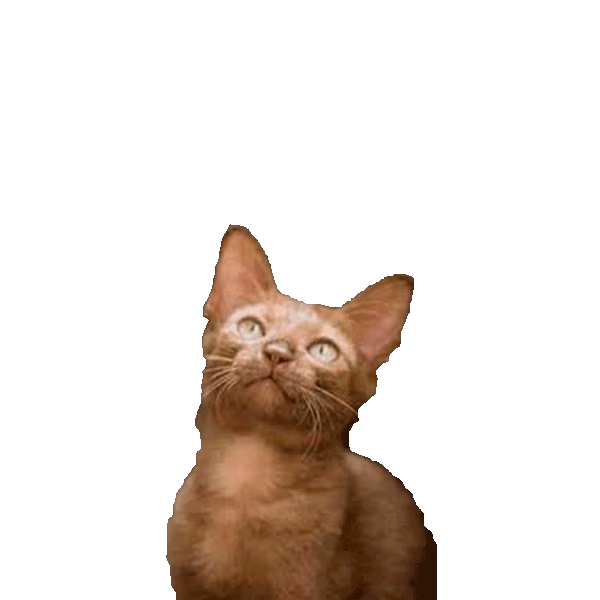
Wila Krungthep
The Wila Krungthep is a rare Thai breed cherished for its affectionate, intelligent disposition and close attachment to its family.
- Size
- Medium
- Lifespan
- 12–16 years
- Origin
- Thailand
- Temperament
- Affectionate
Characteristics
Coat and grooming
How the Wila Krungthep coat is built, and what that means when you groom it.
- Coat layers
- Single coat
- Coat texture
- Smooth
- Coat length
- Short
- Shedding
- Moderate shedding

About the Wila Krungthep
The Wila Krungthep is a rare medium-sized cat from Thailand, known for an affectionate, people-oriented nature and a strong bond with its household.
The Wila Krungthep is a domestic cat that originates in Thailand. It is a medium-sized breed with a balanced, athletic build and a friendly disposition. The name links the cat to Krung Thep, the Thai name for Bangkok, and the breed remains uncommon outside its home region.
People who keep this cat describe it as affectionate and closely attached to family members. It tends to follow its owners from room to room, sit nearby during quiet activities, and stay involved in household routines. Intelligence and playfulness are consistent traits, so the cat keeps an interest in toys, games, and problem-solving well into adulthood.
The Wila Krungthep suits a home where someone is present for much of the day. It forms loyal one-to-one bonds and prefers company over long stretches alone. Households with children, attentive single owners, and homes with other sociable pets can all work, provided the cat receives regular attention and play.
| Attribute | Detail |
|---|---|
| Origin | Thailand |
| Size | Medium |
| Lifespan | 12 to 16 years |
| Group/role | Companion cat |
| Good with | Families, attentive owners, sociable pets |
Who it suits
This breed fits owners who want an involved, interactive companion rather than an independent cat. It rewards regular play and handling with strong loyalty. People who travel often or are away for long working days should plan for company or a second compatible pet, since the Wila Krungthep does not do well with extended isolation. In India, where cat keeping has grown considerably in urban areas, this breed is not currently registered with the Cat Federation of India (CFI) or WCF India affiliates, and those interested would need to source cats from specialist Thai breeders.
History and origin
The Wila Krungthep is a Thai breed associated with Bangkok, part of the wider tradition of native Southeast Asian cats and still rare beyond Thailand.
The Wila Krungthep comes from Thailand. Its name connects it to Krung Thep, the Thai name for the capital city known internationally as Bangkok. The breed belongs to the broader group of native Thai cats, a tradition of domestic cats that have lived alongside Thai households and temples for centuries.
Thailand has a long documented history of valuing its native cats. Old Thai manuscripts describe several types of cat by coat and conformation, and these animals were kept in homes and temple grounds. The Wila Krungthep sits within this regional lineage of medium-sized, short-coated companion cats adapted to a warm climate.
Unlike some Thai-derived breeds that were exported and standardised abroad, the Wila Krungthep has stayed largely within its home region. As a result it is rare and not widely registered or shown outside Thailand. Records about its early development are limited, and much of what is known is passed down through local keepers rather than formal pedigree archives.
Today the breed is maintained mainly by enthusiasts who value its temperament and its link to Thai heritage. Numbers remain small, and the cat is seldom seen in catteries outside Southeast Asia. Indian cat enthusiasts with an interest in South-East Asian breeds should note that importing a Wila Krungthep involves compliance with India's pet import regulations administered by the DGFT and relevant quarantine requirements.
Appearance
The Wila Krungthep is a medium-sized cat with a balanced muscular body, a short coat, and an alert, expressive face.
The Wila Krungthep has a medium-sized, well-proportioned body. The build is muscular without being heavy, giving the cat an agile, athletic outline. The legs are in proportion to the body, the tail is of moderate length, and the overall impression is of a fit, active cat.
The head is moderately rounded with a clear, alert expression. The ears are medium to large and set to keep the face open and responsive. The eyes are a notable feature, set well apart and giving the cat a watchful, engaged look.
| Feature | Description |
|---|---|
| Height | Approximately 23 to 28 cm at the shoulder |
| Weight | 3.5 to 5.5 kg |
| Coat | Short, close-lying, low maintenance |
| Colours | Varies; solid and shaded coats both occur |
| Eyes | Medium to large, alert and expressive |
Coat and colours
The coat is short and lies close to the body, which suits the warm climate of its homeland and keeps grooming demands low. India's climate in many regions similarly warm, so the short coat would adapt well. Coat colour can vary between individuals, with both solid and shaded patterns recorded. Because the breed is uncommon and not heavily standardised abroad, colour descriptions are best confirmed with breeders familiar with the regional type rather than treated as fixed show requirements.
Temperament
The Wila Krungthep is affectionate, playful, loyal, and people-oriented, forming close bonds and staying engaged with family activity.
The Wila Krungthep is an affectionate, people-oriented cat. It seeks out its owners, enjoys being near them, and often takes part in whatever is going on in the home. Loyalty is a defining trait, and many of these cats attach strongly to one or two people while staying friendly with the wider household.
With family, the cat is warm and interactive and usually welcomes handling and lap time. With strangers it tends to be curious rather than fearful, though a new visitor may take a short while to win its trust. With other pets, its sociable nature helps it settle alongside calm cats and well-mannered dogs, especially when introductions are gradual.
Intelligence and playfulness keep this cat busy. It responds to puzzle toys, interactive games, and training, and it can grow bored or restless without enough stimulation. A household that offers regular play and company will see the breed at its best.
| Trait | Rating |
|---|---|
| Affection | 5 |
| Energy | 4 |
| Trainability | 4 |
| Vocalness | 3 |
| Shedding | 2 |
Care and grooming
The Wila Krungthep is low maintenance to groom but needs daily play, company, and an enriched indoor environment to stay content.
Grooming
- Brush the short coat once a week to remove loose hair and spread skin oils.
- Check ears weekly and clean gently if needed.
- Trim claws every two to three weeks.
- Introduce regular tooth brushing to support dental health.
- Bathing is rarely required for a healthy short-coated cat.
Exercise
- Schedule two or more interactive play sessions a day using wand toys or chase toys.
- Rotate puzzle feeders and toys to keep the cat mentally engaged.
- Provide climbing furniture and a tall scratching post for active movement.
- Use short training games to channel the breed's intelligence.
Environment
This is an indoor-suited companion that prefers a home where people are often present. Give it window perches, vertical space, and quiet resting spots. In Indian urban apartments, where indoor living is the norm for pet cats, this breed adapts well as long as its social needs are met. Because the breed is so people-oriented, a second compatible pet or a predictable daily routine helps when the household is out for part of the day.
Nutrition and feeding
The Wila Krungthep needs a complete, meat-based cat diet fed in measured daily portions, with fresh water always available.
Cats are obligate carnivores, so the Wila Krungthep needs a complete and balanced diet built around animal protein. Choose a quality commercial cat food that meets recognised nutritional standards for the cat's life stage. Both wet and dry foods can work, and many owners combine them so the cat gets moisture from wet food alongside the convenience of dry. Keep fresh water available at all times.
Portion size depends on the cat's age, weight, and activity level. Use the feeding guide on the food packaging as a starting point and adjust to keep the cat at a healthy weight. A medium adult of this breed typically does well on two measured meals a day. In India, where locally produced as well as imported brands are available, it is worth choosing foods that meet established international or BIS nutritional benchmarks for cats.
| Life stage | Amount per day | Meals |
|---|---|---|
| Kitten (2 to 12 months) | Per package guide, free-fed or 3 to 4 portions | 3 to 4 |
| Adult (1 to 7 years) | Approximately 50 to 70 g dry, or wet equivalent | 2 |
| Senior (8 years and older) | Adjusted to activity and weight | 2 |
Treats and supplements
Keep treats to no more than about 10 percent of daily calories. A balanced commercial diet usually supplies all required nutrients, so supplements should be given only on veterinary advice. Discuss any change in diet or any added supplement with a veterinarian, especially for kittens, seniors, or cats with health conditions.
Health and lifespan
The Wila Krungthep generally lives 12 to 16 years and stays healthy with routine veterinary care, vaccination, and weight management.
The Wila Krungthep is generally a hardy cat with a typical lifespan of 12 to 16 years. As with all cats, individual health depends on genetics, diet, weight, and regular veterinary care. Because the breed is rare and not widely studied abroad, there is no large body of documented breed-specific disease data, so owners should follow standard feline preventive care and watch for the common conditions that affect domestic cats overall.
| Condition | Signs | Note |
|---|---|---|
| Dental disease | Bad breath, drooling, reduced appetite | Common in cats; regular dental care helps |
| Obesity | Weight gain, low activity | Manage with measured feeding and play |
| Urinary tract issues | Straining, frequent or bloody urination | Seek prompt veterinary care |
| Parasites | Itching, digestive upset, weight loss | Routine prevention and checks |
Preventive care
- Schedule annual veterinary check-ups, with twice-yearly visits for senior cats.
- Keep core vaccinations and parasite prevention up to date.
- Maintain dental care through brushing and professional cleaning as advised.
- Monitor weight and body condition month to month.
- Consider neutering or spaying, which carries known health and behaviour benefits.
Training
The intelligent, people-oriented Wila Krungthep responds well to short, reward-based training for litter use, handling, and simple cues.
The Wila Krungthep is intelligent and eager for interaction, which makes it more responsive to training than many cats. Its people-oriented nature means it pays attention to its owners and likes the engagement that training games provide. Keep sessions short, positive, and consistent, and the cat will pick up litter habits, handling routines, and simple cues such as coming when called.
Basics
- Set up the litter box early and keep it clean and in a quiet, accessible spot.
- Provide an approved scratching post and reward the cat for using it.
- Get the cat used to gentle handling of paws, ears, and mouth for easier grooming and vet visits.
- Teach a recall cue by pairing a sound or word with a reward.
- Use puzzle feeders and trick training to give the intelligent mind regular work.
Breeding
The Wila Krungthep follows typical feline reproduction, with a roughly nine-week pregnancy and small to medium litters, and is best bred by experienced keepers given its rarity.
The Wila Krungthep reaches sexual maturity in line with most domestic cats, with females capable of their first heat from around five to nine months and males maturing over a similar period. Responsible breeders usually wait until a cat is physically mature, often after the first year, before planning a mating. Females come into heat in cycles, and pregnancy follows mating in the usual feline pattern.
Gestation lasts around 63 to 67 days, after which the queen gives birth to a litter that is typically small to medium in size. The queen raises the kittens through nursing, and the young are weaned over several weeks before moving to solid food. Kittens benefit from gentle handling and socialisation from an early age, which supports the breed's friendly, people-oriented temperament.
Because the breed is rare, breeding is best left to experienced keepers who can manage health screening, careful pairing, and good early socialisation. Anyone considering breeding in India should work with a veterinarian and seek guidance from CFI or WCF India affiliates on registration pathways for uncommon Southeast Asian breeds.
| Metric | Value |
|---|---|
| Sexual maturity | Approximately 5 to 9 months |
| Recommended first breeding | After about 1 year |
| Gestation | 63 to 67 days |
| Litter size | Typically 3 to 5 kittens |
| Weaning age | Around 8 weeks |
Registering your Wila Krungthep and its microchip in India
Municipal by-laws largely overlook cats, so a free United Pet Club record is the one thing standing behind your Wila Krungthep's chip.
Wila Krungthep registration and microchip registration in India
A Wila Krungthep that darts out during a power cut is identified by whatever record exists, and for cats in India that record is yours to make. Make it in minutes: name, photograph, your mobile number, saved free for life with United Pet Club. Register your cat before the occasion arises.
A microchipped Wila Krungthep requires one further step, since implanting and recording are entirely separate matters. Registering the microchip under the free lifetime plan accepts any manufacturer's chip, permits free updates when the household shifts cities for work, and keeps the record searchable around the clock. Create your free account and finish the whole business today.
How do I register my Wila Krungthep in India?
Open a free United Pet Club account, add your Wila Krungthep's name, colouring, and a photograph, and save. The lifetime plan maintains the profile at no cost for her entire life, indoors or out.
How do I register my Wila Krungthep's microchip?
Submit the fifteen digit number from your vet's paperwork through your free account along with your current contact information. The plan accepts chips from every manufacturer and never charges for updates.
Is microchipping required for cats in India?
No by-law demands it, which is precisely why the record matters: nothing official stands behind a Wila Krungthep's chip unless you register it yourself. United Pet Club does that part free, for life.
What is the cost of registering a Wila Krungthep?
There is none. Profile, microchip registration, and every future update are covered by the free lifetime plan, with no renewal charges.
Frequently asked questions
Common questions about the Wila Krungthep cover its size, temperament, care needs, lifespan, suitability, and availability.
How big does a Wila Krungthep get?
It is a medium-sized cat, usually around 3.5 to 5.5 kg, with a muscular, athletic build that stays agile rather than heavy.
What is the temperament of the Wila Krungthep?
It is affectionate, playful, loyal, intelligent, and strongly people-oriented. It bonds closely with its family and likes to stay involved in daily activity.
Is the Wila Krungthep easy to care for?
Grooming is simple thanks to the short coat, needing only a weekly brush. The main demand is social: it needs regular play, attention, and company rather than long hours alone.
How long does a Wila Krungthep live?
The typical lifespan is 12 to 16 years with good diet, weight control, and routine veterinary care.
Is the Wila Krungthep a good choice for Indian apartment living?
Yes. Its size and indoor adaptability suit apartment life well, provided it gets sufficient daily interaction and play. Its social temperament means it does not cope well if left alone for an entire working day without stimulation.
Can I import a Wila Krungthep into India?
Importing is possible but involves compliance with India's pet import regulations, including health certificates, microchipping, and quarantine as required by the Animal Quarantine and Certification Services. Work with a licensed importer and the originating breeder.
Does the Wila Krungthep need another pet for company?
Not necessarily, but because it dislikes long isolation, a compatible second pet or a household that is often home helps it stay content.