
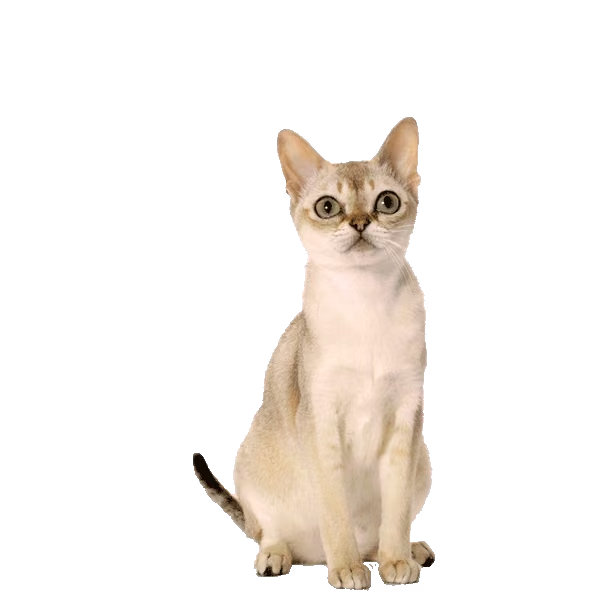
Singapura
The Singapura is one of the smallest cat breeds, prized for its curious, affectionate personality and big-eyed, pixie-like charm.
- Size
- Small
- Lifespan
- 11–15 years
- Origin
- Unknown
- Temperament
- Curious
- Standard colors
- Sable
Characteristics
Coat and grooming
How the Singapura coat is built, and what that means when you groom it.
- Coat layers
- Single coat
- Coat texture
- Smooth
- Coat length
- Short
- Shedding
- Low shedding
Singapura colors and patterns
What each club's breed standard says about every Singapura color and pattern. Point at a ruling to see the club's own wording.
Breed standards describe the Singapura in Sable. Standard patterns: Ticked tabby and Sepia.
| Color or pattern | TICA | CFA | FIFE | GCCF |
|---|---|---|---|---|
| Sable | Standard (“Sable Ticked”) | Standard (“Sepia agouti”) | Standard (“Seal sepia”) | Standard (“sepia brown”) |
| Patterns | ||||
| Ticked tabby | Standard (“Ticked tabby”) | Standard (“agouti”) | Standard (“ticked”) | Standard (“ticked”) |
| Sepia | Standard (“Sepia”) | Standard (“Sepia”) | Standard (“sepia”) | Standard (“sepia”) |
%22%3E%3Cg%20fill%3D%22none%22%20stroke%3D%22%231C1C1C%22%20stroke-width%3D%221.25%22%20stroke-linecap%3D%22round%22%20stroke-linejoin%3D%22round%22%3E%3Cpath%20d%3D%22M55.8%2023.1l-0.3%201.9M7.5%2020.6l0.6%201.7M43.9%2028.2l-0.3%201.7M39.2%2031.8l0.6%201.1M9.8%2028l-0.3%201.8M20.7%2029.6l0.1%202M39.9%2031.8l0.2%201.3M17.1%2022.1l0.7%201.1M38.7%2052.5l0.9%201.4M45.2%2051l0.6%201.2M50.4%2024.5l0.1%201.9M18.8%2054.3l0%202.1M17.3%2036l0.3%201.2M25.9%2029.2l0.2%201.6M49.4%2036.5l0.7%201.3M40.1%2025l-0.6%202.1M27.5%2025.6l0.4%201.2M8.8%2024.9l0.1%201.8M47.9%2022.8l0.5%201.3M32.8%2031.8l0.8%201.9M23.4%2050.6l-0.2%202.2M28.4%2023.9l-0.5%201.6M24.9%2040.6l0.4%201.7M58.1%2015.3l-0.5%201.7M29.6%2021.6l1.1%201.9M49.8%2029.3l0.4%202M5.8%2019.1l0%201.3M13.1%2025.3l0.6%201.5M52%2027l0.6%201.7M8%2022.4l0.5%201.1M18.4%2031.3l-0.1%201.6M24.8%2021.5l-0.6%202.1M53.6%2021.9l0.2%201.5M53.2%2022.7l0.3%201.6M33.5%2028.3l-0.6%201.7M22.9%2020.9l-0.4%201.3M57.4%2010.8l-0.2%202M48%2053.3l-0.6%201.8M17%2015.6l0.6%201.1M25.7%2031.6l0.9%201.1M22.6%2053.7l0.1%201.6M17.5%2017.5l-0.4%201.7M19.4%2046.5l0.1%201.8M27.3%2037.2l-0.6%202M12.9%2024.8l0.5%201.8M28.5%2030.1l0.3%201.5M17.7%2021.4l-0.4%201.2M18%2052.8l-0.3%201.8M9.1%2021.6l1.3%201.8M38.4%2043.5l0.1%201.9M32.1%2021.8l1.1%201.6M32%2034.5l0%201.9M53.8%2022.7l0.1%202M18.2%2028.8l0.4%201.8M19.3%2019.5l-0.2%201.3M40.4%2028.1l0.8%201.1M46.7%2037.8l-0.2%201.3M51.2%2029.1l-0.6%201.8M20.7%2031l0.1%201.9M30.6%2035.4l0.9%201.9M36.3%2021.9l-0.5%201.9M45.9%2039.6l0.1%201.8M35.5%2035.5l-0.3%201.3M43.2%2024.8l-0.2%201.9M42.8%2023.2l0.8%201.8M15.8%2026l0.8%201.5M38.2%2048.8l-0.4%201.3M35.2%2029.3l-0.6%202M42.9%2029.6l-0.1%201.2M30%2034.8l1%201.4M30.1%2027l0.6%202M45.5%2033.7l0.7%201.1M49.1%2028.9l0.5%201.4M52%2029.1l-0.6%202M29.5%2027.2l-0.6%202M55.9%2016.3l-0.5%201.7M29%2022.9l0.6%201.7M34.3%2029.2l0.4%202.1M29.4%2024.1l0.1%201.5M21.6%2040.3l-0.1%201.6M43.5%2034l0.8%201.8M46.1%2048.7l0.4%201.9M40.8%2052.9l0.4%201.5M45.9%2039.5l-0.1%202.1M7.6%2028.3l0.2%201.7M16.7%2054.8l0.7%201.2M24.8%2033.3l-0.3%201.2M25.6%2038.4l-0.1%201.9M24.4%2052.5l0.6%201.4M40.7%2047.1l0.2%202.1M37.8%2047.4l0.6%201.3M10.2%2022l0.2%202.1M7.3%2017.6l0.8%201.9M44.8%2042.9l0.4%201.1M38.2%2029l-0.1%201.9M56.6%2015.8l-0.2%201.5M38.1%2033.9l1.1%201.6M42.9%2027.2l-0.3%201.2M6%2020.9l0.7%201.1M55.5%2013.2l-0.2%201.3M19.6%2028.9l0.3%202M35.9%2034l-0.2%202.1M12.8%2016l0.2%202.1M45.9%2038.9l-0.2%201.2M46.5%2029.8l-0.3%201.7M31.1%2037l0.7%201.6M37.7%2030.8l0.8%201.6M20.5%2024.7l1.2%201.5%22%2F%3E%3Cpath%20d%3D%22M21.8%2031.8l0.7%202M12.1%2027.4l0.1%202.1M6.5%2020.9l-0.3%201.3M37.6%2048l1%201.6M47.8%2039.2l0.7%201.3M47.3%2050l-0.5%201.5M43.9%2033.6l-0.4%202.1M39.8%2032.3l-0.1%201.3M18.2%2018.3l0.1%201.5M25.1%2038.2l0.7%201.4M42.9%2028.2l0.9%201.9M17.3%2029.8l0.9%201.9M50.6%2028.2l0.5%201.9M40.1%2025.6l0%201.2M29.6%2023.7l0%201.8M57.7%2013.6l0.5%201.5M22.7%2030.1l-0.1%202.2M46.8%2049.4l0.6%201.1M47.8%2052.5l-0.4%201.6M31.5%2020.6l0.6%202M20.5%2030.6l0.6%201.6M37.3%2027.1l-0.2%201.8M36.4%2037.5l0.9%201.1M21.7%2042.2l-0.2%201.2M42.8%2022.6l0.4%201.8M37.9%2040.4l0.5%201.5M52.6%2023.4l0.4%202M34.2%2027.8l0.8%201.4M16.1%2023l1.1%201.5M55.6%2021.9l0.4%201.6M17.6%2053.4l0.9%201.5M41.9%2030l1%201.7M16.8%2054.6l0.4%202.2M40.3%2030.9l0.6%201.4M18.9%2034.3l1.3%201.6M34.5%2021.7l0.5%201.8M42.4%2036.5l1%201.8M23.3%2040.2l-0.3%201.7M21.1%2029.8l0.5%201.4M58%2010.8l0%202M41.7%2035.4l0.8%202M10.3%2021.9l-0.2%201.7%22%2F%3E%3C%2Fg%3E%3Cpath%20d%3D%22M15%2047H50M15%2051H50%22%20fill%3D%22none%22%20stroke%3D%22%231C1C1C%22%20stroke-width%3D%221.6%22%20stroke-linecap%3D%22round%22%20stroke-linejoin%3D%22round%22%2F%3E%3Ccircle%20cx%3D%2259.8%22%20cy%3D%227.8%22%20r%3D%222%22%20fill%3D%22%231C1C1C%22%2F%3E%3Cpath%20d%3D%22M12.6%2015.5l.6%204.2M15%2015.5l-.2%204.2%22%20fill%3D%22none%22%20stroke%3D%22%231C1C1C%22%20stroke-width%3D%221%22%20stroke-linecap%3D%22round%22%20stroke-linejoin%3D%22round%22%2F%3E%3C%2Fg%3E%3Cuse%20href%3D%22%23s%22%20fill%3D%22none%22%20stroke%3D%22%233B2A20%22%20stroke-opacity%3D%220.6%22%20stroke-width%3D%221%22%20stroke-linejoin%3D%22round%22%2F%3E%3Cpath%20d%3D%22M3.4%2022.3L5.4%2022.5L4.3%2024Z%22%20fill%3D%22%23E8A0B4%22%2F%3E%3Ccircle%20cx%3D%229.6%22%20cy%3D%2221.2%22%20r%3D%221.1%22%20fill%3D%22%231C1C1C%22%2F%3E%3C%2Fsvg%3E)
%22%3E%3Crect%20x%3D%220%22%20y%3D%220%22%20width%3D%2264%22%20height%3D%2264%22%20fill%3D%22%23847865%22%20fill-opacity%3D%220.7%22%2F%3E%3Cpath%20d%3D%22M5.5%2017L7.5%207L12%2015ZM14%2015L17.5%207L20%2018.5Z%22%20fill%3D%22%23847865%22%2F%3E%3Cellipse%20cx%3D%227.6%22%20cy%3D%2223.6%22%20rx%3D%225%22%20ry%3D%225.2%22%20fill%3D%22%23847865%22%2F%3E%3Crect%20x%3D%220%22%20y%3D%2244%22%20width%3D%2264%22%20height%3D%2220%22%20fill%3D%22%23847865%22%2F%3E%3Cpath%20d%3D%22M50%2027L53.5%205L64%203L64%2013L59%2024L53%2033Z%22%20fill%3D%22%23847865%22%2F%3E%3C%2Fg%3E%3Cuse%20href%3D%22%23s%22%20fill%3D%22none%22%20stroke%3D%22%233B2A20%22%20stroke-opacity%3D%220.6%22%20stroke-width%3D%221%22%20stroke-linejoin%3D%22round%22%2F%3E%3Cpath%20d%3D%22M3.4%2022.3L5.4%2022.5L4.3%2024Z%22%20fill%3D%22%23E8A0B4%22%2F%3E%3Ccircle%20cx%3D%229.6%22%20cy%3D%2221.2%22%20r%3D%221.1%22%20fill%3D%22%231C1C1C%22%2F%3E%3C%2Fsvg%3E)
| Color or pattern | TICA | CFA | FIFE | GCCF |
|---|---|---|---|---|
| Hazel | Standard (“hazel”) | Standard (“hazel”) | Standard (“hazel”) | Standard (“hazel”) |
| Copper | Standard (“copper”) | No ruling | No ruling | No ruling |
| Yellow | No ruling | Standard (“yellow”) | No ruling | Standard (“yellow”) |
| Gold | Standard (“gold”) | No ruling | No ruling | No ruling |
| Green | Standard (“Celadon green, green”) | Standard (“green”) | Standard (“brilliant green”) | Standard (“green”) |
| Blue | Disqualifying (“definite blue”) | Disqualifying (“blue”) | No ruling | No ruling |
| Aqua | Disqualifying (“aqua”) | No ruling | No ruling | No ruling |
| Color or pattern | TICA | CFA | FIFE |
|---|---|---|---|
| Pink | Standard (“pale to dark salmon”) | Standard (“pale to dark salmon”) | Standard (“pale to dark salmon”) |
What the rulings mean
- Standard
- Described by the club's breed standard.
- Disqualifying
- The club's breed standard disqualifies an animal of this colour or pattern.
Color changes
How a Singapura's colors can change over its life.
Pinkchanges toSeal
Nose · With age · from 1 to 52 weeks
Pinkchanges toBlue
Nose · With age · from 1 to 52 weeks
Pinkchanges toChocolate
Nose · With age · from 1 to 52 weeks
Pinkchanges toLilac
Nose · With age · from 1 to 52 weeks
Sources
Each ruling comes from the club's published breed standard or color list.
About the Singapura
India's tropical south shares its climate with Singapore, and the Singapura, a small, warm-weather companion cat with Southeast Asian roots, is finding a growing audience among India's pedigree cat enthusiasts in cities like Mumbai, Delhi, and Bengaluru.
A breed associated with a tropical island city finding admirers in another tropical region is not surprising once you understand what the Singapura is. This is a small, shorthaired, heat-tolerant companion cat with an affectionate, people-centred personality and minimal grooming requirements. For Indian cat owners, particularly those living in smaller urban flats in cities like Mumbai, Chennai, or Hyderabad, it ticks several practical boxes at once.
Adults weigh between 4 and 8 pounds, firmly establishing this breed as one of the smallest among all pedigreed cats. But the compact body is solid and well-muscled, not fragile. Large almond-shaped eyes and prominent ears give the face its characteristic wide-awake expression. The coat is short and ticked: an ivory base with brown banding on each hair, producing a warm, earthy overall tone that lies flat and sheds minimally.
India's growing community of pedigree cat enthusiasts, represented in part by CAFI (Cat Aficionados Club of India) and clubs in Mumbai, Delhi, and Bengaluru, has begun to take notice of rare breeds from across Southeast Asia. The Singapura, with its climate compatibility and manageable size, is among the most practical choices for the Indian urban flat.
| Attribute | Detail |
|---|---|
| Origin | Unknown (Singapore street cat lineage disputed) |
| Size | Small (4 to 8 pounds) |
| Lifespan | 11 to 15 years |
| Group / role | Shorthaired companion cat |
| Good with | Families, individuals, other cats and gentle dogs |
Who it suits
The Singapura suits Indian households where someone is home for a good part of the day and the cat can receive regular interaction. It does very well in smaller apartments, which are the reality for most urban Indian pet owners. It is comfortable with other cats and generally easy-going with calm dogs. Homes that are empty all day without any other animal for company are less suitable for a breed that values social connection.
History and origin
The Singapura draws its name and founding story from Singapore, though the documented history of those origins is contested and the verified origin is listed as unknown.
Ticked, small-bodied cats have lived among Singapore's population for a long time, foraging in drains and alleyways in a way that earned them the colloquial name drain cats. In the 1970s, American breeders brought cats reportedly sourced from Singapore to the United States and built a formal breeding programme around them. The breed was named Singapura after the city's Malay name.
The founding history became controversial. Records attached to the import were challenged, and evidence appeared suggesting some of the founding cats may have already been in North America before the Singapore connection was established. The dispute was never definitively settled, and international registries, including those affiliated with CAFI, now list the verified origin as unknown, reflecting the genuine ambiguity in the historical record.
The breed reached India through importation from established international programmes. Finding a Singapura breeder in India requires patience: the breed is genuinely uncommon, the number of active breeders is very small, and those who do breed take the work seriously. India's improving veterinary infrastructure in metros like Mumbai and Delhi has made pedigree cat breeding and ownership more feasible than it was a decade ago, which bodes well for the breed's future here.
Appearance
The Singapura is a small, muscular cat in a single coat colour, with large almond-shaped eyes and ears that appear generous relative to the head.
The Singapura surprises people who pick it up for the first time. The body looks delicate and small but feels firm and weighty in the hands. The head is rounded, the ears wide and deep, and the eyes very large relative to the face. The tail is slender and ends in a softly rounded tip. The overall impression is of a perfectly proportioned miniature cat.
| Feature | Standard |
|---|---|
| Height | About 6 to 8 inches at the shoulder |
| Weight | 4 to 8 pounds |
| Coat | Short, fine, close-lying, ticked |
| Color | Sepia agouti (warm ivory ground with dark brown ticking) |
| Eyes | Large, almond-shaped; hazel, green, or yellow |
Coat and color
The Singapura has a single recognized coat pattern: sepia agouti ticking. Each hair is banded alternately with ivory and brown, giving the coat its characteristic warmth. Faint tabby markings appear on the face, and the underside is lighter than the back. The coat lies very close to the skin, sheds minimally, and needs only a weekly brush. In India's humid cities, this close-lying, low-maintenance coat is a practical advantage, as it does not trap sweat or mat in high humidity the way longer coats do.
Temperament
Affectionate, curious, and quietly sociable, the Singapura thrives on human connection and maintains an active, inquisitive character throughout its life.
The Singapura has a personality that Indian cat owners often describe as sweetly persistent. It will find you in whatever room you move to, settle nearby, watch what you are doing with obvious engagement, and accept any invitation to lap or shoulder without hesitation. It does all of this without making noise about it. The Singapura is a notably quiet cat, communicating through soft trills and chirps rather than the demanding vocalisations of some other breeds.
In the context of Indian joint families or shared flats, a cat that socialises well with multiple adults, children, and other pets is a significant asset. The Singapura fits this requirement. It bonds with households rather than with single individuals, extends its curiosity to visitors in a friendly rather than defensive way, and is generally cooperative with other cats and calm dogs.
The playful energy that marks kittenhood does not disappear with age. Many Indian owners of this breed report that their cat is still enthusiastically engaging with toys at eight or nine years old, which makes it a genuinely rewarding long-term companion.
| Trait | Rating |
|---|---|
| Affection | 5 |
| Energy | 4 |
| Trainability | 4 |
| Vocalness | 2 |
| Shedding | 2 |
Care and grooming
The Singapura is easy to groom and suits Indian flat life well, needing ear care attention in humid conditions and consistent daily interaction to stay settled.
Grooming
- Brush the short coat once a week to remove shed hairs and keep the skin healthy.
- Trim claws every two to three weeks.
- Check ears weekly: India's humid conditions in cities like Mumbai and Chennai can encourage moisture buildup in the ear canal, leading to yeast or bacterial issues if not caught early.
- Begin tooth brushing early and arrange professional dental checks at your veterinarian.
- Bathing is rarely necessary given the coat's self-maintaining nature.
Exercise
- Schedule at least two interactive play sessions each day using a wand toy or thrown ball.
- Install a cat tree or mount shelves so the cat can climb and perch above floor level.
- Rotate the toy selection every week or two to hold the interest of a sharp, quick mind.
- During India's intense summer months, confine all activity to cooled, ventilated indoor spaces.
Environment
The Singapura is well suited to Indian apartment living. Its small size, indoor preference, and undemanding temperament match the realities of urban flats in Mumbai, Delhi, or Bengaluru. Unlike some breeds that push hard for outdoor access, this cat is content with a perch near a window and company in the room. Ensure the flat is well ventilated in summer and keep cool resting spots available; the Singapura tolerates warmth naturally but can overheat in poorly ventilated spaces during May and June.
Nutrition and feeding
Precise portioning on a high-protein complete diet is essential for this small breed, with wet food particularly valuable in India's warmer conditions for maintaining hydration.
Feeding a Singapura well in India requires attention to quantity and quality. The breed's small frame means a relatively small number of extra calories per day can lead to weight gain that compromises joint health and general condition. Choose a complete commercial cat food, whether of Indian or imported origin, that lists a named animal protein as the first ingredient. Good quality options are increasingly available in Indian pet specialty stores and online.
Wet food is a sensible choice in India's warmer regions: it contributes to daily water intake, which is especially relevant when ambient temperatures are high. A ceramic or stainless water fountain provides fresh, aerated water throughout the day and tends to encourage more drinking than a static bowl.
| Life stage | Amount per day | Meals |
|---|---|---|
| Kitten (to 12 months) | Per label, fed to appetite | 3 to 4 |
| Adult (1 to 7 years) | About 100 to 140 g wet, or label amount dry | 2 |
| Senior (7 years and older) | Adjust to body condition and energy level | 2 |
Treats and supplements
Limit treats to no more than ten percent of the day's total calories. A cat eating a nutritionally complete commercial diet does not need additional vitamins or minerals unless a specific deficiency is diagnosed. Before adding fish oil, taurine supplements, or any other product, consult a veterinarian familiar with feline nutrition, particularly given the breed's small body weight.
Health and lifespan
A healthy breed with an 11-to-15-year lifespan, the Singapura benefits from DNA screening and India's improving veterinary infrastructure.
The Singapura is generally healthy when sourced from a tested breeding programme. The limited founding gene pool means inherited conditions exist and that health screening before breeding is a professional obligation rather than an optional extra. India's veterinary sector has improved significantly, particularly in metropolitan areas. Specialist feline practices are now operating in Mumbai, Delhi, Bengaluru, and Hyderabad, bringing the standard of available care much closer to international levels.
For Indian owners in smaller cities, finding a veterinarian experienced with pedigreed cats may require some research, but the situation is improving year by year as the pedigree cat community grows.
| Condition | Signs | Note |
|---|---|---|
| Pyruvate kinase deficiency (PKDef) | Lethargy, pale gums, weakness from anaemia | Inherited; a DNA test exists; both breeding parents should be tested |
| Uterine inertia | Labour fails to progress in a queen | Linked to small body size; requires veterinary monitoring |
| Dental disease | Bad breath, drooling, reluctance to eat | Common in many cat breeds; managed with consistent dental hygiene |
Preventive care
- Maintain the vaccination schedule appropriate for cats in India, including protection against feline parvovirus, herpesvirus, calicivirus, and rabies where relevant.
- Flea, tick, and intestinal parasite control is important in Indian conditions; discuss an appropriate protocol with your veterinarian.
- Schedule annual wellness checks; from age seven, twice-yearly visits are advisable.
- Include dental assessment in every routine visit.
- Request PKDef DNA test documentation for both parents before acquiring any kitten.
Training
Alert and people-focused, the Singapura responds well to consistent positive training and is among the more teachable of domestic cats.
The Singapura's combination of intelligence and social orientation makes it more receptive to training than most cat breeds. It learns its name quickly, recalls reliably when offered consistent food or play rewards, and can be taught scratching post habits, simple commands, and carrier acceptance with less effort than many owners expect.
In an Indian household setting, where family members of different ages and routines interact with the cat, establishing clear, consistent rules through training helps the cat navigate different people and expectations calmly. Teaching a recall is particularly useful if the cat has any access to balconies or shared spaces.
Basics
- Set up a clean litter tray in a quiet, accessible location before the kitten's first evening.
- Redirect scratching to a post immediately; reward the cat with a treat each time it uses the post.
- Say the cat's name before every positive interaction to build a reliable name response.
- Work on one new behaviour per training period in sessions of five to ten minutes.
- Leave the carrier accessible with comfortable bedding inside to make it a familiar, positive space.
Breeding
Small litters, a compact queen, and a narrow gene pool make Singapura breeding in India a careful undertaking requiring DNA testing and solid veterinary support.
Singapuras reach sexual maturity at 7 to 12 months, but responsible breeders, including those affiliated with CAFI, typically wait until a female is fully mature before her first mating. Gestation runs 63 to 67 days, and litters of two to three kittens are typical. In India, where the total number of breeding pairs in the country is very small, this limited output per litter means kittens are extremely scarce.
The queen's small frame creates a real risk of uterine inertia during labour. Breeders must have a veterinary clinic with feline obstetric experience available at whelping time, and a plan for caesarean section should be in place before the due date. India's major cities now have practices capable of providing this support.
DNA testing for pyruvate kinase deficiency must be completed for both cats in any breeding pair before mating occurs. Kittens should remain with the mother for at least 12 weeks. As the CAFI and associated Indian cat clubs develop their health testing frameworks further, Indian breeders have an opportunity to establish a rigorous, internationally regarded programme for this rare breed.
| Metric | Value |
|---|---|
| Sexual maturity | About 7 to 12 months |
| Gestation | 63 to 67 days |
| Average litter size | 2 to 3 kittens |
| Weaning age | About 8 weeks |
| Recommended rehoming age | 12 weeks or older |
Registering your Singapura and its microchip in India
Municipal by-laws largely overlook cats, so a free United Pet Club record is the one thing standing behind your Singapura's chip.
Singapura registration and microchip registration in India
The profile asks very little: your Singapura's name, her colouring, a photograph, and your contact details. It gives back a lifetime record that no shelter scan can miss, at no charge from first day to last. Cat registration is the sensible first step.
The fifteen digits on the clinic's paperwork identify your Singapura only after they reach a registry. Submit them through your free United Pet Club account and the chip finally speaks for her: every brand accepted, every update free, the record available to any scanner at any hour. Microchip registration completes what the implant began.
How do I register my Singapura in India?
Open a free United Pet Club account, add your Singapura's name, colouring, and a photograph, and save. The lifetime plan maintains the profile at no cost for her entire life, indoors or out.
How do I register my Singapura's microchip?
Submit the fifteen digit number from your vet's paperwork through your free account along with your current contact information. The plan accepts chips from every manufacturer and never charges for updates.
Is microchipping required for cats in India?
No by-law demands it, which is precisely why the record matters: nothing official stands behind a Singapura's chip unless you register it yourself. United Pet Club does that part free, for life.
What is the cost of registering a Singapura?
There is none. Profile, microchip registration, and every future update are covered by the free lifetime plan, with no renewal charges.
Frequently asked questions
Practical questions from Indian owners about the Singapura's temperament, suitability for Indian apartments, climate compatibility, health, and where to find a kitten.
How big does a Singapura get?
Adults weigh 4 to 8 pounds and stand around 6 to 8 inches at the shoulder. The body is compact and solidly muscular, noticeably dense when picked up despite the small size.
Does the Singapura suit India's tropical climate?
Well suited in terms of background origin, but individual care matters. The breed originates from a tropical city, and India's southern cities share that warmth. Ensure good ventilation or air conditioning, shade from direct afternoon sun, and fresh water at all times in peak summer.
Is the Singapura good for Mumbai or Delhi apartment life?
Yes, very well suited. The breed is small, low-shedding, and quiet, which aligns with the realities of urban flat living. It does not require outdoor access and adapts readily to apartment spaces.
How do I find a Singapura kitten in India?
Contact CAFI (Cat Aficionados Club of India) or affiliated clubs in Mumbai, Delhi, or Bengaluru for details of registered breeders. The breed is genuinely rare in India, and waiting periods or sourcing from established international breeders may both be necessary.
Is the Singapura easy to look after in a busy household?
The grooming is minimal. The main requirement is daily interactive play and consistent company. In a joint family where someone is usually home, this is easy to provide. Households where the flat is entirely empty for the full working day should consider adopting a second cat to provide company.
Are there health conditions I should ask the breeder about?
Ask specifically for PKDef (pyruvate kinase deficiency) DNA test results for both parents. This is the primary inherited condition in the breed and is testable before breeding. A responsible breeder will have the documentation ready.
From the community
Ask about the SingapuraNo questions about the Singapura yet. Be the first to ask.
Browse Cat breeds