
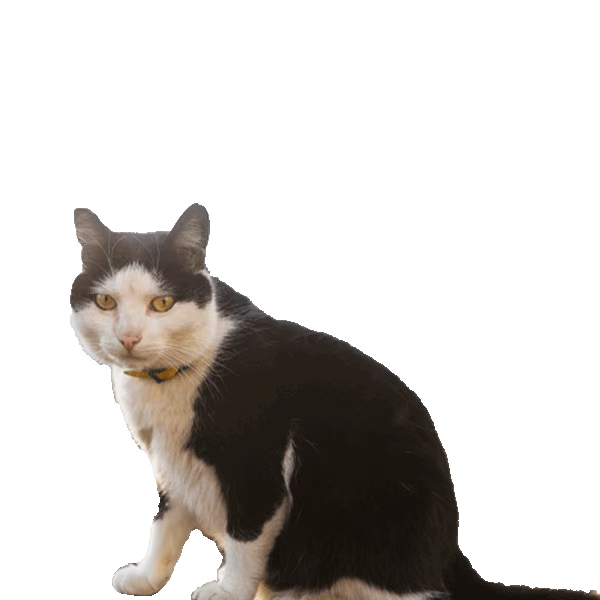
Cyprus
The Cyprus is a friendly, affectionate breed valued for its sociable, easygoing nature and naturally robust island heritage.
- Size
- Medium
- Lifespan
- 12–15 years
- Origin
- Cyprus
- Temperament
- Friendly
Characteristics
Coat and grooming
How the Cyprus coat is built, and what that means when you groom it.
- Coat layers
- Double coat
- Coat texture
- Silky
- Coat length
- Medium
- Shedding
- Moderate shedding
Grooming guidance
Critical: A Cyprus should not be shaved.
The undercoat keeps heat out as well as in, and the outer coat shields the skin from sun and insect bites. Clipping the whole coat off removes both. It often grows back patchy, soft or a different colour, and in some animals the guard hairs never return properly. Brush the undercoat out instead of cutting it off.
Caution: A Cyprus coat mats easily.
Fine or long hair tangles at the base of the coat, out of sight, where the mats tighten and pull on the skin. Brushing has to reach right down to the roots in sections, not just skim the surface.
About the Cyprus Cat
A warm, affectionate natural breed from the Mediterranean island of Cyprus, the Cyprus cat is an excellent companion for Indian households seeking an adaptable and people-oriented feline.
The Cyprus cat is a medium-sized domestic breed that developed naturally on the Mediterranean island of Cyprus over thousands of years. Much like cats that have long thrived in the warm climates of South Asia, the Cyprus cat evolved in a similar coastal environment, developing a hardy constitution and an easygoing temperament that makes it quite adaptable to varied living situations. Friendly, affectionate, and undemanding, this breed is increasingly catching the attention of cat enthusiasts around the world, though it remains quite rare in India and South Asia at present.
| Attribute | Detail |
|---|---|
| Origin | Cyprus (Mediterranean) |
| Size | Medium |
| Lifespan | 12–15 years |
| Group Role | Companion / natural breed |
| Good With | Families, older children, other cats |
The Cyprus cat suits those who appreciate a companionable, low-maintenance feline. It is particularly well-suited to families with older children, households with other cats, and individuals who are away from home for moderate periods. As interest in pedigreed and natural breeds grows within the Indian cat fancy community, the Cyprus cat is one breed well worth considering for those who can source one responsibly.
History and Origins
One of the world's oldest natural cat populations, the Cyprus cat has a history stretching back to the Neolithic period, long before any formal breed standardisation.
The association between cats and the island of Cyprus is one of the oldest documented in the world. Archaeological evidence from Neolithic settlements on the island suggests that cats were living alongside human communities there as far back as nine thousand years ago, well before the domesticated cat populations of ancient Egypt that are more commonly cited in popular histories. These early island cats were almost certainly valued as farm companions and village mousers, fulfilling much the same role that cats have played across the Indian subcontinent for centuries.
For most of its history, the Cyprus cat existed simply as a natural island population rather than a recognised breed. Village cats and farm cats bred freely across the island, shaped by the Mediterranean environment and the practical needs of the communities they lived amongst. It is only in more recent decades that dedicated enthusiasts and breed organisations have begun the work of standardising the Cyprus cat's characteristics and seeking formal recognition.
This long, unmanaged history as a natural breed has produced a cat of exceptional robustness and an adaptable, easygoing personality, qualities that have allowed it to thrive in varied conditions across many generations.
Appearance
The Cyprus cat has a balanced, athletic build with a rounded head, expressive eyes, and a short to medium coat that comes in a wide variety of colours and patterns.
The Cyprus cat presents a well-proportioned, athletic appearance that reflects its origins as an active natural breed. It has a rounded head of medium size, medium-to-large ears set moderately apart, and large, expressive eyes that are often notably vivid in colour. The overall impression is of a capable, healthy cat, neither cobby nor overly elongated, but well-balanced and sturdy. Its coat is short to medium in length, lying close to the body, and requires relatively little maintenance compared with longer-haired breeds.
| Feature | Description |
|---|---|
| Height | Medium, proportionate to body length |
| Weight | 4–6 kg (adult) |
| Coat | Short to medium length, close-lying |
| Colours | Wide variety, tabby, solid, bicolour and more |
| Eyes | Large, expressive; various colours accepted |
The Cyprus cat's coat comes in an impressively wide range of colours and patterns. Tabby markings in various configurations are quite common, as are solid colours and bicolour combinations. The coat does not carry the dense undercoat of some northern breeds, which makes it particularly practical in warm climates. Seasonal shedding does occur, most noticeably in spring and autumn, but overall the coat is manageable with a modest grooming routine.
Temperament
Warm, people-oriented, and quite sociable, the Cyprus cat forms close bonds with its family and carries itself with a calm confidence around strangers and other animals.
The Cyprus cat is, at heart, a companion animal. It is warm and affectionate with its family, forming bonds that are genuine and enduring rather than merely convenient. It tends to follow family members from room to room and enjoys being involved in household activity, though it is not clingy or demanding in the manner of some more vocal breeds. Gentle and patient with older children, it also carries itself with quiet confidence around strangers, making it a good choice for households that receive visitors regularly.
The Cyprus cat has a fair amount of energy and genuinely enjoys play, climbing, and exploring its environment. It is not, however, an excessively boisterous cat, and it strikes a comfortable balance between active engagement and calm companionship. Vocalness is notably moderate; this is not a breed that will provide constant commentary on household affairs.
| Trait | Rating (out of 5) |
|---|---|
| Affection | 5 |
| Energy | 4 |
| Trainability | 3 |
| Vocalness | 2 |
| Shedding | 3 |
Care Requirements
The Cyprus cat is quite low-maintenance in terms of grooming and care, making it an excellent choice for first-time cat owners and busy households alike.
One of the appealing qualities of the Cyprus cat is that its care requirements are quite manageable. It is a naturally hardy breed without the exaggerated physical features that can lead to health complications in some pedigreed cats. Provided its basic needs for nutrition, enrichment, veterinary attention, and companionship are met, the Cyprus cat is generally a very straightforward animal to care for.
Grooming:
- Brush the coat once weekly during ordinary periods to remove loose hair and keep the coat in good condition
- Increase brushing to two or three times per week during the spring and autumn shedding seasons
- Check and gently clean the ears weekly, using a veterinarian-approved ear-cleaning solution if necessary
- Trim the claws every two to three weeks, taking care to avoid the quick
- Brush the teeth regularly using a toothpaste formulated specifically for cats, this is an important habit to establish from a young age
Exercise and Enrichment:
- Dedicate time each day to interactive play, wand toys, feather teasers, and puzzle feeders are all well received
- Provide a tall cat tree or wall-mounted shelves to satisfy the breed's natural inclination to climb
- Rotate toys periodically to maintain the cat's interest and prevent boredom
- Puzzle feeders and food-dispensing toys offer excellent mental stimulation alongside physical activity
Environment:
The Cyprus cat adapts well to indoor living, including in apartment settings, provided sufficient enrichment is offered. In India's warm climate, it is important to ensure the home remains well-ventilated and that fresh water is always available. The Cyprus cat's Mediterranean heritage means it is comfortable in warmer conditions, though it should never be left in direct heat without shade or cool retreat.
Nutrition and Feeding
As an obligate carnivore, the Cyprus cat requires a complete, meat-based diet with portion sizes adjusted according to life stage, body weight, and activity level.
Like all domestic cats, the Cyprus cat is an obligate carnivore, its body is designed to derive nutrition primarily from animal protein and fat. A high-quality complete commercial cat food, whether wet, dry, or a combination of both, will meet the nutritional requirements of most healthy adult Cyprus cats. It is important to select food appropriate to the cat's life stage, as the requirements of kittens, adults, and seniors differ considerably. Fresh, clean water must always be available, particularly if the diet is predominantly dry food, this is especially important in India's warmer climate, where dehydration can be a concern.
| Life Stage | Meals per Day | Approximate Portion |
|---|---|---|
| Kitten (up to 12 months) | 3–4 | Follow manufacturer's guidance by weight |
| Adult (1–7 years) | 2 | 50–70 g dry food per meal, adjusted to weight |
| Senior (7+ years) | 2 | Adjusted portions, often reduced; consult veterinarian |
Treats are a useful tool for training and bonding, and the Cyprus cat is generally quite receptive to them. However, treats should constitute no more than ten percent of the cat's total daily caloric intake, as excessive treat-giving is a common contributor to feline obesity. Choose treats that are formulated specifically for cats and avoid offering human food as a reward.
Health
The Cyprus cat is a hardy natural breed with a life expectancy of 12 to 15 years. Attentive preventive care and regular veterinary check-ups are the cornerstones of good health throughout its life.
As a natural breed that developed without intensive selective breeding for exaggerated traits, the Cyprus cat enjoys a generally robust constitution. It does not carry the breed-specific hereditary conditions that are associated with some pedigreed cats, and with proper care it can be expected to live a healthy life of twelve to fifteen years. That said, no cat is entirely without health considerations, and the Cyprus cat benefits greatly from a consistent programme of preventive veterinary care.
| Condition | Common Signs | Note |
|---|---|---|
| Dental Disease | Bad breath, difficulty eating, red or swollen gums | Regular brushing and professional dental checks greatly reduce risk |
| Obesity | Weight gain, reduced activity, difficulty grooming | Measure portions carefully; avoid free-feeding |
| Parasites | Scratching, coat changes, digestive disturbance | Regular preventive treatments essential, particularly in India's climate |
| Kidney Disease | Increased thirst, weight loss, reduced appetite | More common in older cats; annual blood and urine checks recommended |
Preventive Care Recommendations:
- Ensure vaccinations are kept current according to the schedule recommended by your veterinarian
- Schedule an annual health check even when the cat appears well; many conditions are most easily managed when detected early
- Maintain a lean body condition, obesity is one of the most significant preventable health risks for domestic cats
- Establish a regular dental care routine from kittenhood
- Discuss neutering or spaying with your veterinarian at the appropriate age; this has significant health and behavioural benefits
- Use veterinarian-recommended parasite prevention products consistently, particularly given the warm conditions in much of India
Training
Intelligent and sociable, the Cyprus cat responds well to reward-based training and benefits greatly from being introduced to handling, routines, and simple cues from an early age.
The Cyprus cat is an intelligent and people-oriented animal that is quite receptive to training, particularly when the approach is built on positive reinforcement rather than correction or punishment. Short, frequent training sessions, five to ten minutes, conducted two or three times daily, are far more productive than infrequent long sessions. The cat's sociable nature means it genuinely enjoys engaging with its owner, which works in the trainer's favour.
The following foundations are recommended for all Cyprus cat owners:
- Set up the litter box in a quiet, accessible location before the cat arrives home, and introduce the cat to it immediately upon arrival
- Reward use of the scratching post consistently with small treats and verbal praise to establish the behaviour early
- Handle paws, ears, and mouth regularly from kittenhood so that grooming and veterinary examinations are accepted calmly throughout life
- Introduce simple cues such as "sit" and "come" using small treat rewards during calm, positive interactions
- Redirect any unwanted behaviour, such as scratching furniture, calmly and consistently to appropriate alternatives, rather than using punishment
Basics
- Set up a clean, quiet litter tray early and keep it consistent.
- Reward use of the scratching post to protect furniture.
- Get the cat used to gentle handling, carriers, and grooming from a young age.
- Teach simple cues such as coming when called by pairing them with a treat.
- Redirect unwanted behavior to an acceptable activity instead of punishing it.
Breeding
Responsible breeding of the Cyprus cat prioritises health screening, appropriate age at mating, and ensuring kittens remain with their mother until fully socialised.
The Cyprus cat is a seasonal breeder, with females typically coming into season in the longer-daylight months. Female Cyprus cats may reach sexual maturity as early as five to ten months of age; however, responsible breeders consistently advise waiting until a female is fully physically and behaviourally mature before permitting her first mating. Early breeding carries real risks to the health and wellbeing of the mother, and is not considered best practice by any reputable breeder.
Gestation lasts approximately 63 to 65 days, and litters typically comprise four to six kittens. Kittens should remain with their mother and littermates until at least twelve weeks of age, this period is critical for the development of proper social behaviours, communication skills, and emotional resilience. Kittens separated too early are significantly more likely to develop behavioural difficulties in later life.
Given that the Cyprus cat remains quite rare outside the island of Cyprus, and is particularly scarce in India and South Asia, prospective owners should exercise considerable care in sourcing a kitten. Reputable breeders will be able to provide health documentation for both parents, confirm that vaccinations are current, and demonstrate genuine knowledge of and care for the breed.
| Parameter | Detail |
|---|---|
| Sexual Maturity (female) | 5–10 months (responsible breeders wait longer) |
| Gestation Period | 63–65 days |
| Average Litter Size | 4–6 kittens |
| Weaning Age | Approximately 8 weeks |
| Recommended Rehoming Age | 12 weeks minimum |
Registering your Cyprus and its microchip in India
Municipal by-laws largely overlook cats, so a free United Pet Club record is the one thing standing behind your Cyprus's chip.
Cyprus registration and microchip registration in India
A Cyprus that darts out during a power cut is identified by whatever record exists, and for cats in India that record is yours to make. Make it in minutes: name, photograph, your mobile number, saved free for life with United Pet Club. Register your cat before the occasion arises.
A microchipped Cyprus requires one further step, since implanting and recording are entirely separate matters. Registering the microchip under the free lifetime plan accepts any manufacturer's chip, permits free updates when the household shifts cities for work, and keeps the record searchable around the clock. Create your free account and finish the whole business today.
How do I register my Cyprus in India?
Open a free United Pet Club account, add your Cyprus's name, colouring, and a photograph, and save. The lifetime plan maintains the profile at no cost for her entire life, indoors or out.
How do I register my Cyprus's microchip?
Submit the fifteen digit number from your vet's paperwork through your free account along with your current contact information. The plan accepts chips from every manufacturer and never charges for updates.
Is microchipping required for cats in India?
No by-law demands it, which is precisely why the record matters: nothing official stands behind a Cyprus's chip unless you register it yourself. United Pet Club does that part free, for life.
What is the cost of registering a Cyprus?
There is none. Profile, microchip registration, and every future update are covered by the free lifetime plan, with no renewal charges.
Frequently Asked Questions
Answers to common questions about the Cyprus cat, covering size, temperament, care, availability in India, and suitability as a family companion.
How large does the Cyprus cat grow?
The Cyprus cat is a medium-sized breed. Adult cats typically weigh between 4 and 6 kilograms, with males generally at the heavier end of this range. It has an athletic, well-proportioned build rather than a particularly heavy or compact frame.
What is the temperament of the Cyprus cat like?
The Cyprus cat is notably warm and sociable. It forms genuine, close bonds with its family and enjoys being involved in daily household activity. It is gentle and patient with older children, composed around strangers, and generally gets along well with other cats. It is not excessively vocal and strikes a comfortable balance between playful engagement and quiet companionship.
Is the Cyprus cat difficult to care for?
Not at all, the Cyprus cat is generally considered one of the more straightforward breeds to care for. Its grooming requirements are quite modest, it does not carry significant breed-specific health conditions, and its temperament is adaptable and easygoing. It is a good choice for first-time cat owners who are prepared to provide regular veterinary attention and daily interaction.
What is the typical lifespan of a Cyprus cat?
With good nutrition, regular veterinary care, and a safe indoor environment, Cyprus cats commonly live between 12 and 15 years. As a hardy natural breed without exaggerated physical traits, they tend to age well.
Is the Cyprus cat suitable for families with children?
Yes, the Cyprus cat is generally a good choice for families. It is gentle and patient with older children who know how to interact respectfully with cats. As with any breed, young children should always be supervised around cats, and children should be taught from the outset how to handle animals with care and consideration.
Is the Cyprus cat available in India?
The Cyprus cat is quite rare in India and South Asia at present. It is primarily found on the island of Cyprus itself, and the breed remains uncommon in most countries outside the Mediterranean region. Prospective owners in India who are seriously interested in this breed would need to research specialist importers or established breeders with international connections, and should be prepared for considerable effort in sourcing a kitten responsibly.
Does the Cyprus cat need a companion animal?
The Cyprus cat is a sociable breed and generally enjoys the company of other cats. Households where the cat would spend significant periods alone may find that providing a feline companion improves the cat's overall wellbeing and contentment. That said, many Cyprus cats adapt well to being the sole pet in a household, provided they receive sufficient human interaction and daily enrichment.