
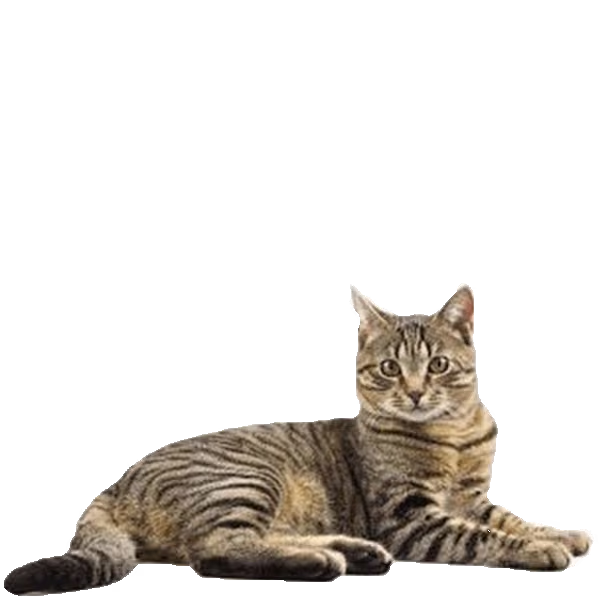
Pixie-bob
The Pixie-bob is a large, wild-looking cat with a bobbed tail and a deeply devoted, dog-like loyalty to its family.
- Size
- Large
- Lifespan
- 13–16 years
- Origin
- United States
- Temperament
- Devoted
- Standard colors
- Brown
Characteristics
Coat and grooming
How the Pixie-bob coat is built, and what that means when you groom it.
- Coat layers
- Double coat
- Coat texture
- Plush
- Coat length
- Medium
- Shedding
- Moderate shedding
Grooming guidance
Critical: A Pixie-bob should not be shaved.
The undercoat keeps heat out as well as in, and the outer coat shields the skin from sun and insect bites. Clipping the whole coat off removes both. It often grows back patchy, soft or a different colour, and in some animals the guard hairs never return properly. Brush the undercoat out instead of cutting it off.
Pixie-bob colors and patterns
What each club's breed standard says about every Pixie-bob color and pattern. Point at a ruling to see the club's own wording.
Breed standards describe the Pixie-bob in Brown. Standard patterns: Mackerel tabby, Spotted tabby and Rosetted.
| Color or pattern | TICA | ACFA | CCA | LOOF |
|---|---|---|---|---|
| Brown | Standard (“Brown Spotted Tabby”) | Standard (“Brown Spotted Tabby”) | Standard (“Brown Spotted Tabby”) | Standard (“Brown spotted tabby”) |
| Patterns | ||||
| Mackerel tabby | Standard (“Broken mackerel pattern”) | No ruling | No ruling | No ruling |
| Spotted tabby | Standard (“Spotted Tabby”) | Standard (“Spotted Tabby”) | Standard (“Brown spotted tabby pattern”) | Standard (“spotted tabby”) |
| Rosetted | No ruling | No ruling | Standard (“rosettes”) | Standard (“rosettes”) |
| Classic tabby | No ruling | No ruling | Disqualifying (“Classic tabby pattern”) | No ruling |
| Torbie | No ruling | No ruling | Disqualifying (“patched tabby pattern”) | No ruling |
%22%3E%3Cpath%20d%3D%22M20%2021Q34%2018.8%2048%2022%22%20fill%3D%22none%22%20stroke%3D%22%231C1C1C%22%20stroke-width%3D%222.2%22%20stroke-linecap%3D%22round%22%20stroke-linejoin%3D%22round%22%2F%3E%3Cpath%20d%3D%22M24.5%2021.5q-1.2%208%20.4%2016M28.6%2021q-1.2%208%20.4%2016.6M32.7%2020.7q-1.2%208%20.4%2016.8M36.8%2020.7q-1.2%208%20.4%2016.8M40.9%2021q-1.2%208%20.4%2016.6M45%2021.8q-1%207%20.4%2014%22%20fill%3D%22none%22%20stroke%3D%22%231C1C1C%22%20stroke-width%3D%221.6%22%20stroke-linecap%3D%22round%22%20stroke-linejoin%3D%22round%22%2F%3E%3Cpath%20d%3D%22M15%2044H50M15%2048H50%22%20fill%3D%22none%22%20stroke%3D%22%231C1C1C%22%20stroke-width%3D%221.8%22%20stroke-linecap%3D%22round%22%20stroke-linejoin%3D%22round%22%2F%3E%3Cpath%20d%3D%22M50%2022H62M51%2017H62M52%2012H63%22%20fill%3D%22none%22%20stroke%3D%22%231C1C1C%22%20stroke-width%3D%221.8%22%20stroke-linecap%3D%22round%22%20stroke-linejoin%3D%22round%22%2F%3E%3Ccircle%20cx%3D%2259.8%22%20cy%3D%227.8%22%20r%3D%222%22%20fill%3D%22%231C1C1C%22%2F%3E%3Cpath%20d%3D%22M12.6%2015.5l.6%204.2M15%2015.5l-.2%204.2M9%2025.2l4.6%201M9.6%2027.4l4%20.2%22%20fill%3D%22none%22%20stroke%3D%22%231C1C1C%22%20stroke-width%3D%221.1%22%20stroke-linecap%3D%22round%22%20stroke-linejoin%3D%22round%22%2F%3E%3C%2Fg%3E%3Cuse%20href%3D%22%23s%22%20fill%3D%22none%22%20stroke%3D%22%233B2A20%22%20stroke-opacity%3D%220.6%22%20stroke-width%3D%221%22%20stroke-linejoin%3D%22round%22%2F%3E%3Cpath%20d%3D%22M3.4%2022.3L5.4%2022.5L4.3%2024Z%22%20fill%3D%22%23E8A0B4%22%2F%3E%3Ccircle%20cx%3D%229.6%22%20cy%3D%2221.2%22%20r%3D%221.1%22%20fill%3D%22%231C1C1C%22%2F%3E%3C%2Fsvg%3E)
%22%3E%3Cpath%20d%3D%22M20%2021Q34%2018.8%2048%2022%22%20fill%3D%22none%22%20stroke%3D%22%231C1C1C%22%20stroke-width%3D%222.2%22%20stroke-linecap%3D%22round%22%20stroke-linejoin%3D%22round%22%2F%3E%3Cellipse%20cx%3D%2223.8%22%20cy%3D%2226%22%20rx%3D%221.8%22%20ry%3D%221.2%22%20fill%3D%22%231C1C1C%22%2F%3E%3Cellipse%20cx%3D%2229%22%20cy%3D%2226%22%20rx%3D%221.8%22%20ry%3D%221.2%22%20fill%3D%22%231C1C1C%22%2F%3E%3Cellipse%20cx%3D%2233.8%22%20cy%3D%2226%22%20rx%3D%221.8%22%20ry%3D%221.2%22%20fill%3D%22%231C1C1C%22%2F%3E%3Cellipse%20cx%3D%2239%22%20cy%3D%2226%22%20rx%3D%221.8%22%20ry%3D%221.2%22%20fill%3D%22%231C1C1C%22%2F%3E%3Cellipse%20cx%3D%2243.6%22%20cy%3D%2226%22%20rx%3D%221.8%22%20ry%3D%221.2%22%20fill%3D%22%231C1C1C%22%2F%3E%3Cellipse%20cx%3D%2225.8%22%20cy%3D%2231.5%22%20rx%3D%221.8%22%20ry%3D%221.2%22%20fill%3D%22%231C1C1C%22%2F%3E%3Cellipse%20cx%3D%2231%22%20cy%3D%2231.5%22%20rx%3D%221.8%22%20ry%3D%221.2%22%20fill%3D%22%231C1C1C%22%2F%3E%3Cellipse%20cx%3D%2235.6%22%20cy%3D%2231.5%22%20rx%3D%221.8%22%20ry%3D%221.2%22%20fill%3D%22%231C1C1C%22%2F%3E%3Cellipse%20cx%3D%2240.7%22%20cy%3D%2231.5%22%20rx%3D%221.8%22%20ry%3D%221.2%22%20fill%3D%22%231C1C1C%22%2F%3E%3Cellipse%20cx%3D%2246.3%22%20cy%3D%2231.5%22%20rx%3D%221.8%22%20ry%3D%221.2%22%20fill%3D%22%231C1C1C%22%2F%3E%3Cellipse%20cx%3D%2222.1%22%20cy%3D%2236%22%20rx%3D%221.8%22%20ry%3D%221.2%22%20fill%3D%22%231C1C1C%22%2F%3E%3Cellipse%20cx%3D%2228.6%22%20cy%3D%2236%22%20rx%3D%221.8%22%20ry%3D%221.2%22%20fill%3D%22%231C1C1C%22%2F%3E%3Cellipse%20cx%3D%2233.7%22%20cy%3D%2236%22%20rx%3D%221.8%22%20ry%3D%221.2%22%20fill%3D%22%231C1C1C%22%2F%3E%3Cellipse%20cx%3D%2239.5%22%20cy%3D%2236%22%20rx%3D%221.8%22%20ry%3D%221.2%22%20fill%3D%22%231C1C1C%22%2F%3E%3Cpath%20d%3D%22M15%2044H50M15%2048H50%22%20fill%3D%22none%22%20stroke%3D%22%231C1C1C%22%20stroke-width%3D%221.8%22%20stroke-linecap%3D%22round%22%20stroke-linejoin%3D%22round%22%2F%3E%3Cpath%20d%3D%22M50%2022H62M51%2017H62M52%2012H63%22%20fill%3D%22none%22%20stroke%3D%22%231C1C1C%22%20stroke-width%3D%221.8%22%20stroke-linecap%3D%22round%22%20stroke-linejoin%3D%22round%22%2F%3E%3Ccircle%20cx%3D%2259.8%22%20cy%3D%227.8%22%20r%3D%222%22%20fill%3D%22%231C1C1C%22%2F%3E%3Cpath%20d%3D%22M12.6%2015.5l.6%204.2M15%2015.5l-.2%204.2M9%2025.2l4.6%201M9.6%2027.4l4%20.2%22%20fill%3D%22none%22%20stroke%3D%22%231C1C1C%22%20stroke-width%3D%221.1%22%20stroke-linecap%3D%22round%22%20stroke-linejoin%3D%22round%22%2F%3E%3C%2Fg%3E%3Cuse%20href%3D%22%23s%22%20fill%3D%22none%22%20stroke%3D%22%233B2A20%22%20stroke-opacity%3D%220.6%22%20stroke-width%3D%221%22%20stroke-linejoin%3D%22round%22%2F%3E%3Cpath%20d%3D%22M3.4%2022.3L5.4%2022.5L4.3%2024Z%22%20fill%3D%22%23E8A0B4%22%2F%3E%3Ccircle%20cx%3D%229.6%22%20cy%3D%2221.2%22%20r%3D%221.1%22%20fill%3D%22%231C1C1C%22%2F%3E%3C%2Fsvg%3E)
%22%3E%3Cellipse%20cx%3D%2247%22%20cy%3D%2225.7%22%20rx%3D%222.9%22%20ry%3D%222.3%22%20fill%3D%22%231C1C1C%22%20fill-opacity%3D%220.35%22%20stroke%3D%22%231C1C1C%22%20stroke-width%3D%221.5%22%20stroke-dasharray%3D%223.5%201.4%22%2F%3E%3Cellipse%20cx%3D%2235.8%22%20cy%3D%2238.8%22%20rx%3D%223%22%20ry%3D%222.5%22%20fill%3D%22%231C1C1C%22%20fill-opacity%3D%220.35%22%20stroke%3D%22%231C1C1C%22%20stroke-width%3D%221.5%22%20stroke-dasharray%3D%223.5%201.4%22%2F%3E%3Cellipse%20cx%3D%2258.3%22%20cy%3D%228.2%22%20rx%3D%223.3%22%20ry%3D%222.2%22%20fill%3D%22%231C1C1C%22%20fill-opacity%3D%220.35%22%20stroke%3D%22%231C1C1C%22%20stroke-width%3D%221.5%22%20stroke-dasharray%3D%223.5%201.4%22%2F%3E%3Cellipse%20cx%3D%2219.9%22%20cy%3D%2233.6%22%20rx%3D%223.3%22%20ry%3D%222.4%22%20fill%3D%22%231C1C1C%22%20fill-opacity%3D%220.35%22%20stroke%3D%22%231C1C1C%22%20stroke-width%3D%221.5%22%20stroke-dasharray%3D%223.5%201.4%22%2F%3E%3Cellipse%20cx%3D%2216.5%22%20cy%3D%2217.8%22%20rx%3D%223.4%22%20ry%3D%222.2%22%20fill%3D%22%231C1C1C%22%20fill-opacity%3D%220.35%22%20stroke%3D%22%231C1C1C%22%20stroke-width%3D%221.5%22%20stroke-dasharray%3D%223.5%201.4%22%2F%3E%3Cellipse%20cx%3D%226.3%22%20cy%3D%2220.2%22%20rx%3D%223.3%22%20ry%3D%222.4%22%20fill%3D%22%231C1C1C%22%20fill-opacity%3D%220.35%22%20stroke%3D%22%231C1C1C%22%20stroke-width%3D%221.5%22%20stroke-dasharray%3D%223.5%201.4%22%2F%3E%3Cellipse%20cx%3D%2232.3%22%20cy%3D%2221.3%22%20rx%3D%223.1%22%20ry%3D%222.4%22%20fill%3D%22%231C1C1C%22%20fill-opacity%3D%220.35%22%20stroke%3D%22%231C1C1C%22%20stroke-width%3D%221.5%22%20stroke-dasharray%3D%223.5%201.4%22%2F%3E%3Cellipse%20cx%3D%2256%22%20cy%3D%2220.7%22%20rx%3D%223.2%22%20ry%3D%222.4%22%20fill%3D%22%231C1C1C%22%20fill-opacity%3D%220.35%22%20stroke%3D%22%231C1C1C%22%20stroke-width%3D%221.5%22%20stroke-dasharray%3D%223.5%201.4%22%2F%3E%3Cellipse%20cx%3D%2217.6%22%20cy%3D%2252.3%22%20rx%3D%222.9%22%20ry%3D%222.4%22%20fill%3D%22%231C1C1C%22%20fill-opacity%3D%220.35%22%20stroke%3D%22%231C1C1C%22%20stroke-width%3D%221.5%22%20stroke-dasharray%3D%223.5%201.4%22%2F%3E%3Cellipse%20cx%3D%2211.2%22%20cy%3D%2227.1%22%20rx%3D%223.3%22%20ry%3D%222.3%22%20fill%3D%22%231C1C1C%22%20fill-opacity%3D%220.35%22%20stroke%3D%22%231C1C1C%22%20stroke-width%3D%221.5%22%20stroke-dasharray%3D%223.5%201.4%22%2F%3E%3Cellipse%20cx%3D%2219.5%22%20cy%3D%2243%22%20rx%3D%223%22%20ry%3D%222.4%22%20fill%3D%22%231C1C1C%22%20fill-opacity%3D%220.35%22%20stroke%3D%22%231C1C1C%22%20stroke-width%3D%221.5%22%20stroke-dasharray%3D%223.5%201.4%22%2F%3E%3Cellipse%20cx%3D%2247.4%22%20cy%3D%2235.3%22%20rx%3D%223.4%22%20ry%3D%222.1%22%20fill%3D%22%231C1C1C%22%20fill-opacity%3D%220.35%22%20stroke%3D%22%231C1C1C%22%20stroke-width%3D%221.5%22%20stroke-dasharray%3D%223.5%201.4%22%2F%3E%3Cellipse%20cx%3D%2228.2%22%20cy%3D%2232.4%22%20rx%3D%223.4%22%20ry%3D%222.3%22%20fill%3D%22%231C1C1C%22%20fill-opacity%3D%220.35%22%20stroke%3D%22%231C1C1C%22%20stroke-width%3D%221.5%22%20stroke-dasharray%3D%223.5%201.4%22%2F%3E%3Cellipse%20cx%3D%2224.3%22%20cy%3D%2223.3%22%20rx%3D%222.8%22%20ry%3D%222.4%22%20fill%3D%22%231C1C1C%22%20fill-opacity%3D%220.35%22%20stroke%3D%22%231C1C1C%22%20stroke-width%3D%221.5%22%20stroke-dasharray%3D%223.5%201.4%22%2F%3E%3C%2Fg%3E%3Cuse%20href%3D%22%23s%22%20fill%3D%22none%22%20stroke%3D%22%233B2A20%22%20stroke-opacity%3D%220.6%22%20stroke-width%3D%221%22%20stroke-linejoin%3D%22round%22%2F%3E%3Cpath%20d%3D%22M3.4%2022.3L5.4%2022.5L4.3%2024Z%22%20fill%3D%22%23E8A0B4%22%2F%3E%3Ccircle%20cx%3D%229.6%22%20cy%3D%2221.2%22%20r%3D%221.1%22%20fill%3D%22%231C1C1C%22%2F%3E%3C%2Fsvg%3E)
%22%3E%3Cpath%20d%3D%22M20%2021Q34%2018.8%2048%2022%22%20fill%3D%22none%22%20stroke%3D%22%231C1C1C%22%20stroke-width%3D%222.2%22%20stroke-linecap%3D%22round%22%20stroke-linejoin%3D%22round%22%2F%3E%3Ccircle%20cx%3D%2235%22%20cy%3D%2229.5%22%20r%3D%222.4%22%20fill%3D%22%231C1C1C%22%2F%3E%3Ccircle%20cx%3D%2235%22%20cy%3D%2229.5%22%20r%3D%225.6%22%20fill%3D%22none%22%20stroke%3D%22%231C1C1C%22%20stroke-width%3D%222.2%22%2F%3E%3Ccircle%20cx%3D%2235%22%20cy%3D%2229.5%22%20r%3D%229.4%22%20fill%3D%22none%22%20stroke%3D%22%231C1C1C%22%20stroke-width%3D%222.2%22%2F%3E%3Cpath%20d%3D%22M15%2044H50M15%2048H50%22%20fill%3D%22none%22%20stroke%3D%22%231C1C1C%22%20stroke-width%3D%221.8%22%20stroke-linecap%3D%22round%22%20stroke-linejoin%3D%22round%22%2F%3E%3Cpath%20d%3D%22M50%2022H62M51%2017H62M52%2012H63%22%20fill%3D%22none%22%20stroke%3D%22%231C1C1C%22%20stroke-width%3D%221.8%22%20stroke-linecap%3D%22round%22%20stroke-linejoin%3D%22round%22%2F%3E%3Ccircle%20cx%3D%2259.8%22%20cy%3D%227.8%22%20r%3D%222%22%20fill%3D%22%231C1C1C%22%2F%3E%3Cpath%20d%3D%22M12.6%2015.5l.6%204.2M15%2015.5l-.2%204.2M9%2025.2l4.6%201M9.6%2027.4l4%20.2%22%20fill%3D%22none%22%20stroke%3D%22%231C1C1C%22%20stroke-width%3D%221.1%22%20stroke-linecap%3D%22round%22%20stroke-linejoin%3D%22round%22%2F%3E%3C%2Fg%3E%3Cuse%20href%3D%22%23s%22%20fill%3D%22none%22%20stroke%3D%22%233B2A20%22%20stroke-opacity%3D%220.6%22%20stroke-width%3D%221%22%20stroke-linejoin%3D%22round%22%2F%3E%3Cpath%20d%3D%22M3.4%2022.3L5.4%2022.5L4.3%2024Z%22%20fill%3D%22%23E8A0B4%22%2F%3E%3Ccircle%20cx%3D%229.6%22%20cy%3D%2221.2%22%20r%3D%221.1%22%20fill%3D%22%231C1C1C%22%2F%3E%3C%2Fsvg%3E)
%22%3E%3Cpath%20d%3D%22M20%2021Q34%2018.8%2048%2022%22%20fill%3D%22none%22%20stroke%3D%22%231C1C1C%22%20stroke-width%3D%222.2%22%20stroke-linecap%3D%22round%22%20stroke-linejoin%3D%22round%22%2F%3E%3Cpath%20d%3D%22M26%2021q-1.2%208%20.4%2016M31%2020.5q-1.2%208%20.4%2016.5M36%2020.8q-1.2%208%20.4%2016.5M41%2021.4q-1.2%208%20.4%2016M45.5%2022.2q-1%207%20.4%2013%22%20fill%3D%22none%22%20stroke%3D%22%231C1C1C%22%20stroke-width%3D%221.8%22%20stroke-linecap%3D%22round%22%20stroke-linejoin%3D%22round%22%2F%3E%3Cpath%20d%3D%22M15%2044H50M15%2048H50%22%20fill%3D%22none%22%20stroke%3D%22%231C1C1C%22%20stroke-width%3D%221.8%22%20stroke-linecap%3D%22round%22%20stroke-linejoin%3D%22round%22%2F%3E%3Cpath%20d%3D%22M50%2022H62M51%2017H62M52%2012H63%22%20fill%3D%22none%22%20stroke%3D%22%231C1C1C%22%20stroke-width%3D%221.8%22%20stroke-linecap%3D%22round%22%20stroke-linejoin%3D%22round%22%2F%3E%3Ccircle%20cx%3D%2259.8%22%20cy%3D%227.8%22%20r%3D%222%22%20fill%3D%22%231C1C1C%22%2F%3E%3Cpath%20d%3D%22M12.6%2015.5l.6%204.2M15%2015.5l-.2%204.2M9%2025.2l4.6%201M9.6%2027.4l4%20.2%22%20fill%3D%22none%22%20stroke%3D%22%231C1C1C%22%20stroke-width%3D%221.1%22%20stroke-linecap%3D%22round%22%20stroke-linejoin%3D%22round%22%2F%3E%3Cpath%20d%3D%22M20%2048.5C19.2%2048.1%2018.3%2046.2%2018.3%2045.3C18.3%2044.5%2019.5%2043.9%2020%2043.4C20.5%2042.9%2020.5%2042.4%2021.2%2042.3C21.9%2042.2%2023.1%2042.6%2024.1%2042.8C25.2%2043%2027.3%2042.9%2027.5%2043.5C27.7%2044%2026.1%2045.4%2025.3%2046.2C24.6%2046.9%2024%2047.4%2023.1%2047.8C22.2%2048.2%2020.8%2049%2020%2048.5ZM19.9%2025.7C19%2026.1%2016.8%2025.2%2015.4%2025.1C14%2024.9%2011.6%2025.3%2011.4%2024.8C11.1%2024.2%2013.2%2022.7%2014%2021.8C14.7%2020.9%2015%2019.8%2015.9%2019.3C16.9%2018.8%2019%2018.4%2019.7%2018.7C20.5%2019.1%2020.3%2020.7%2020.5%2021.4C20.7%2022.1%2020.9%2022.2%2020.8%2023C20.7%2023.7%2020.8%2025.4%2019.9%2025.7ZM36.9%2038.9C35.8%2038.7%2034.3%2038.7%2033.6%2037.9C32.8%2037%2032.4%2035.5%2032.4%2033.9C32.5%2032.4%2033.1%2029.2%2033.9%2028.4C34.7%2027.6%2036.1%2028.7%2037.1%2029.1C38.2%2029.5%2039%2029.7%2040.1%2030.9C41.2%2032%2043.8%2034.5%2043.7%2035.9C43.7%2037.3%2041.2%2038.7%2040.1%2039.2C38.9%2039.8%2037.9%2039.2%2036.9%2038.9ZM38.8%2043.5C37.9%2042.7%2038.4%2041.8%2039%2040.7C39.7%2039.5%2041.5%2037.1%2042.8%2036.7C44.1%2036.4%2045.2%2037.8%2046.6%2038.4C48.1%2038.9%2050.9%2039.1%2051.7%2039.9C52.4%2040.7%2051.5%2042.1%2051%2043C50.4%2043.9%2049.4%2044.9%2048.3%2045.4C47.2%2045.9%2046%2046.3%2044.4%2046C42.8%2045.6%2039.7%2044.4%2038.8%2043.5ZM19.6%2038.8C19%2039.4%2018%2041.4%2017.2%2040.9C16.4%2040.4%2015%2037.1%2014.9%2035.8C14.8%2034.6%2016.2%2034.6%2016.5%2033.6C16.9%2032.7%2016.4%2030.8%2017%2030.2C17.5%2029.5%2018.9%2029.1%2019.9%2029.6C20.9%2030.2%2022.9%2032.2%2023%2033.5C23.2%2034.8%2021.4%2036.3%2020.9%2037.2C20.3%2038.1%2020.2%2038.2%2019.6%2038.8ZM28.5%2025.9C27.7%2026.3%2027.3%2026.5%2026.4%2026.3C25.6%2026.1%2024.2%2025.3%2023.6%2024.7C22.9%2024%2022.2%2022.9%2022.6%2022.3C22.9%2021.6%2024.6%2021.3%2025.6%2020.9C26.6%2020.4%2027.7%2019.3%2028.4%2019.6C29.1%2019.8%2029.2%2021.5%2029.7%2022.3C30.2%2023%2031.5%2023.4%2031.3%2024C31.1%2024.6%2029.3%2025.5%2028.5%2025.9Z%22%20fill%3D%22%23A6402A%22%20fill-opacity%3D%220.85%22%2F%3E%3C%2Fg%3E%3Cuse%20href%3D%22%23s%22%20fill%3D%22none%22%20stroke%3D%22%233B2A20%22%20stroke-opacity%3D%220.6%22%20stroke-width%3D%221%22%20stroke-linejoin%3D%22round%22%2F%3E%3Cpath%20d%3D%22M3.4%2022.3L5.4%2022.5L4.3%2024Z%22%20fill%3D%22%23E8A0B4%22%2F%3E%3Ccircle%20cx%3D%229.6%22%20cy%3D%2221.2%22%20r%3D%221.1%22%20fill%3D%22%231C1C1C%22%2F%3E%3C%2Fsvg%3E)
| Color or pattern | TICA | ACFA | CCA | LOOF |
|---|---|---|---|---|
| Brown | Standard (“Brown”) | Standard (“Brown”) | No ruling | No ruling |
| Hazel | No ruling | No ruling | Standard (“hazel”) | Standard (“noisette”) |
| Gold | Standard (“Gold”) | Standard (“Gold”) | Standard (“Gold”) | Standard (“doré”) |
| Green | Standard (“Gooseberry Green”) | Standard (“Gooseberry Green”) | Standard (“Gooseberry green”) | Standard (“vert groseille”) |
| Color or pattern | TICA | ACFA | CCA | LOOF |
|---|---|---|---|---|
| Brick red | Standard (“brick”) | Standard (“brick”) | Standard (“brick red”) | Standard (“rouge brique”) |
What the rulings mean
- Standard
- Described by the club's breed standard.
- Disqualifying
- The club's breed standard disqualifies an animal of this colour or pattern.
Color changes
How a Pixie-bob's colors can change over its life.
Brownchanges toCopal
Coat · With age · from 0 to 52 weeks
Sources
Each ruling comes from the club's published breed standard or color list.
About the Pixie-bob cat
The Pixie-bob is a large American cat with a wild, bobcat-like appearance and a calm, deeply loyal temperament that many owners compare to a dog.
The Pixie-bob is a large domestic cat bred to resemble the North American bobcat while keeping a gentle house-cat temperament. Adults often weigh between 8 and 17 pounds, with males at the heavier end. The breed has a muscular build, a short bobbed tail, and a heavy-boned frame that gives it a rugged outline.
Despite the wild appearance, the Pixie-bob is calm and people-oriented. Owners consistently describe it as devoted and loyal, and the breed tends to bond closely with one household rather than remaining aloof. Many individuals follow their people from room to room, ride in cars without distress, and learn to walk on a harness.
The coat is short to medium in length and usually carries a brown spotted tabby pattern. Polydactyl feet (extra toes) are accepted in the breed, which is unusual among pedigreed cats.
| Attribute | Detail |
|---|---|
| Origin | United States |
| Size | Large (8 to 17 lb) |
| Lifespan | 13 to 16 years |
| Group/role | Companion cat |
| Good with | Families, children, other pets when socialised |
Who it suits
The Pixie-bob fits households that want an interactive, affectionate cat and can give it daily attention. Its sociable nature makes it a poor choice for homes where it would be left alone for long stretches. Families with children and other calm pets generally do well with the breed, as do owners who enjoy training and leash walks.
History and origin of the Pixie-bob
The Pixie-bob was developed in the United States in the 1980s from barn and free-roaming cats with a bobcat-like appearance, and was named for a foundation female called Pixie.
The breed traces to the Pacific Northwest of the United States in the mid-1980s. Carol Ann Brewer, a breeder in Washington State, acquired short-tailed, spotted cats from the region and began a programme to fix their wild appearance in a domestic line.
A female kitten from this early work, named Pixie, became the foundation cat the breed is named after. Brewer used Pixie and similar local cats to establish a consistent type with a heavy build, spotted brown coat, and short tail.
The International Cat Association (TICA) accepted the Pixie-bob for registration in 1994 and later granted it championship status. Early marketing claimed bobcat ancestry, but DNA studies have not confirmed any wild bobcat genes; the breed is considered fully domestic.
The Pixie-bob remains relatively uncommon. Breeding programmes are concentrated in North America, including Canada, with smaller numbers in Europe and other regions.
Pixie-bob appearance and breed standard
The Pixie-bob is a large, heavy-boned cat with a short bobbed tail, a spotted brown tabby coat, and an overall look modelled on the wild bobcat.
The Pixie-bob has a substantial, muscular body with a broad chest and long hind legs that produce a slightly rolling gait. The head is shaped like an inverted pear with full, heavy cheeks and a pronounced brow. Many cats carry lynx-like tufts at the tips of the ears. The tail is short, usually 2 to 4 inches, though some individuals have a longer or shorter tail.
| Trait | Standard |
|---|---|
| Height | Around 10 to 12 in at the shoulder |
| Weight | 8 to 17 lb |
| Coat | Short or medium, dense, with a woolly feel |
| Colours | Brown spotted tabby in shades of fawn to reddish brown |
| Eyes | Gold, brown, or gooseberry green; heavy hooded brow |
Coat and colours
The accepted colour is brown spotted tabby, ranging from light fawn through tawny to a deep reddish brown, with small to medium spots broken across the body. A pale or white belly and ticked guard hairs are common. The standard allows both a short coat and a medium woolly coat. Polydactyl feet, with up to seven toes, are permitted and do not count against the cat in the show ring.
Pixie-bob temperament and personality
The Pixie-bob is calm, devoted, and intelligent, with dog-like loyalty that keeps it interactive with family while remaining gentle with children and other pets.
The Pixie-bob is one of the more dog-like cat breeds in behaviour. It bonds strongly with its household and often singles out a favourite person to shadow. Many learn to fetch, respond to their name, and walk on a harness.
With family the breed is affectionate and steady. It is patient with respectful children and usually tolerant of cat-friendly dogs and other cats, particularly when introduced early. With strangers the Pixie-bob is reserved rather than fearful and tends to warm up at its own pace.
The breed is quiet. Instead of meowing, many Pixie-bobs chirp, chitter, or growl softly, and some are nearly silent. This calm, low-noise nature suits apartments and shared living spaces.
| Trait | Rating |
|---|---|
| Affection | 5 |
| Energy | 3 |
| Trainability | 4 |
| Vocalness | 2 |
| Shedding | 3 |
Pixie-bob care and grooming
The Pixie-bob needs weekly brushing, moderate daily play, and steady human company; grooming demands are low for short coats and slightly higher for the woolly medium coat.
Grooming
- Brush short coats once a week; brush the medium woolly coat two or three times a week to prevent matting.
- Increase brushing during seasonal shedding in spring and autumn.
- Trim nails every two to three weeks, and check polydactyl paws for extra nails that can curl into the pad.
- Clean ears when they look dirty and brush teeth several times a week to limit dental disease.
Exercise
- Provide 20 to 30 minutes of active play each day with wand toys or fetch.
- Offer a sturdy cat tree and high perches for climbing.
- Use puzzle feeders and training sessions to work the breed's intelligence.
- Many Pixie-bobs accept harness and leash walks, which add extra activity.
Environment
The Pixie-bob adapts to houses and apartments as long as it has company and vertical space. It does not do well left alone for long periods and may benefit from a second compatible pet. Keep it indoors or limit outdoor access to a secure enclosure to protect it from traffic and theft.
Pixie-bob nutrition and feeding
Feed the Pixie-bob a complete, protein-forward cat diet portioned to its large frame, split across two meals, with careful weight control to avoid obesity.
The Pixie-bob is an obligate carnivore and does best on a complete diet with animal protein as the main ingredient. Because the breed is large and muscular, portion to body condition rather than to a generic cup measure. Fresh water should always be available, and wet food helps maintain hydration.
| Life stage | Amount per day | Meals |
|---|---|---|
| Kitten (to 12 months) | Free-fed or 3 to 4 measured portions | 3 to 4 |
| Adult (1 to 7 years) | About 250 to 320 kcal, adjusted to weight | 2 |
| Senior (7+ years) | Slightly reduced calories, monitor weight | 2 |
Treats and supplements
Keep treats under 10 percent of daily calories and prefer single-ingredient meat treats. A balanced commercial diet usually needs no extra supplements; add omega-3 or joint support only on veterinary advice. Reduce portions if the cat gains weight, since the large frame can hide gradual obesity.
Pixie-bob health and common conditions
The Pixie-bob is generally healthy with a lifespan of 13 to 16 years, though screening for heart and dental issues and regular care of polydactyl paws support long-term wellbeing.
The Pixie-bob is a robust breed with a typical lifespan of 13 to 16 years. The gene pool is small, so reputable breeders screen their cats and keep records of any inherited problems. Routine veterinary care, weight control, and dental hygiene are the main factors in a long, healthy life.
| Condition | Signs | Note |
|---|---|---|
| Dental disease | Bad breath, drooling, reduced eating | Common in cats; prevent with brushing and professional cleanings |
| Obesity | Weight gain, low activity | Portion control and play prevent it |
| Hypertrophic cardiomyopathy | Lethargy, fast breathing, fainting | Heart screening advised in breeding lines |
| Polydactyl nail issues | Ingrown or curled extra nails | Check and trim extra toes regularly |
Preventive care
- Annual veterinary exam, with twice-yearly checks for senior cats.
- Core vaccinations and parasite control kept up to date.
- Yearly dental assessment and home tooth brushing.
- Weight and body-condition check at each visit.
- Spay or neuter unless the cat is in a planned breeding programme.
Training your Pixie-bob
The Pixie-bob is intelligent and willing, so it responds well to reward-based training for tricks, recall, harness walking, and basic household manners.
The Pixie-bob ranks among the more trainable cat breeds. Its intelligence and desire to be near people make it receptive to short, positive sessions. Many owners teach fetch, sit, recall, and harness walking. Keep sessions brief, a few minutes at a time, and end while the cat is still engaged.
Basics
- Start litter training early; most kittens learn fast with a clean, accessible box.
- Introduce a clicker or a marker word paired with a treat.
- Teach name recognition and recall using food rewards.
- Build to simple cues such as sit and come.
- Add harness training in slow steps before any outdoor walk.
Breeding Pixie-bobs
Pixie-bobs mature slowly and produce small litters; the limited gene pool means breeding should be left to registered programmes that health-screen their cats.
Pixie-bobs reach sexual maturity later than many cats, often around 9 to 12 months, and some lines develop physically over two to three years. Females typically produce small litters of two to four kittens. Queens are usually attentive mothers, and kittens stay with the litter until at least 12 to 14 weeks before going to new homes.
Because the breed has a narrow gene pool, breeding is best handled by registered breeders who screen for heart disease, track polydactyly, and avoid close inbreeding. Kittens should be socialised with people and household sounds from an early age to preserve the breed's confident, devoted character. Buyers should expect health records, registration papers (including Canadian Kennel Club registration where applicable), and a written health guarantee from a responsible breeder.
| Metric | Value |
|---|---|
| Sexual maturity | About 9 to 12 months |
| Average litter size | 2 to 4 kittens |
| Gestation | Around 63 to 67 days |
| Weaning age | About 8 weeks |
| Recommended rehoming age | 12 to 14 weeks |
Your Pixie-bob on the registry, microchip included
Free lifetime registration for your Pixie-bob, plus a microchip record that satisfies bylaws like Montreal's and never costs a cent.
Registering a Pixie-bob and its microchip in Canada
Montreal already requires pet cats to be chipped and licensed under its animal bylaw, and shelters across the country see escaped indoor cats daily. Wherever you live, a free United Pet Club profile puts a live phone number behind your Pixie-bob. Registering your cat takes minutes and carries no fee, ever.
Where a bylaw like Montreal's requires the chip, the record behind it still falls to you. United Pet Club keeps that record free for life: any manufacturer, unlimited updates, searchable from any clinic in the country. Microchip registration plus a free account covers cat and chip in one sitting.
How do I register my Pixie-bob in Canada?
Sign up free with United Pet Club, add your Pixie-bob's name, colouring, and a photo, and the record is live. Indoor and outdoor cats alike stay covered for life at no charge.
How do I register my Pixie-bob's microchip?
Type the 15-digit number from your vet paperwork into your free account and confirm your contact details. The plan accepts every chip brand and never charges for updates.
Do cats like the Pixie-bob have to be microchipped in Canada?
In some cities, yes. Montreal's bylaw requires pet cats to be chipped and licensed, and other municipalities are moving the same way. The registration behind the chip is yours to keep current, and with United Pet Club that part is free.
What does it cost to register a Pixie-bob in Canada?
Zero. The lifetime plan includes the profile, microchip registration, and every future update, with no renewal fees.
Pixie-bob frequently asked questions
Common questions about the Pixie-bob cover its size, temperament, care needs, lifespan, suitability for families, and availability in Canada and North America.
How big does a Pixie-bob get?
The Pixie-bob is a large cat. Most weigh between 8 and 17 pounds, with males heavier than females, and some take two to three years to reach full size.
What is the Pixie-bob's temperament like?
It is calm, devoted, and intelligent, with a dog-like loyalty to its family. The breed is quiet, often chirping rather than meowing, and tends to follow its favourite person around the home.
Is the Pixie-bob hard to care for?
No. Short coats need weekly brushing and the woolly medium coat needs a few brushings a week. The main needs are daily play and steady human company, since the breed dislikes being left alone for long.
How long do Pixie-bobs live?
A typical Pixie-bob lives 13 to 16 years. Routine veterinary care, dental hygiene, and weight control help reach the upper end of that range.
Are Pixie-bobs good with children and other pets?
Yes, generally. They are patient with respectful children and usually tolerant of cat-friendly dogs and other cats, especially when introductions happen early.
Are Pixie-bobs descended from wild bobcats?
Despite early claims, DNA studies have not confirmed any bobcat ancestry. The breed is considered fully domestic, bred to resemble a bobcat rather than descend from one.
Can I find a Pixie-bob breeder in Canada?
The breed is relatively uncommon in Canada and elsewhere in North America. Most breeders are in the United States, so expect a waitlist and buy only from registered, health-screening programmes.