

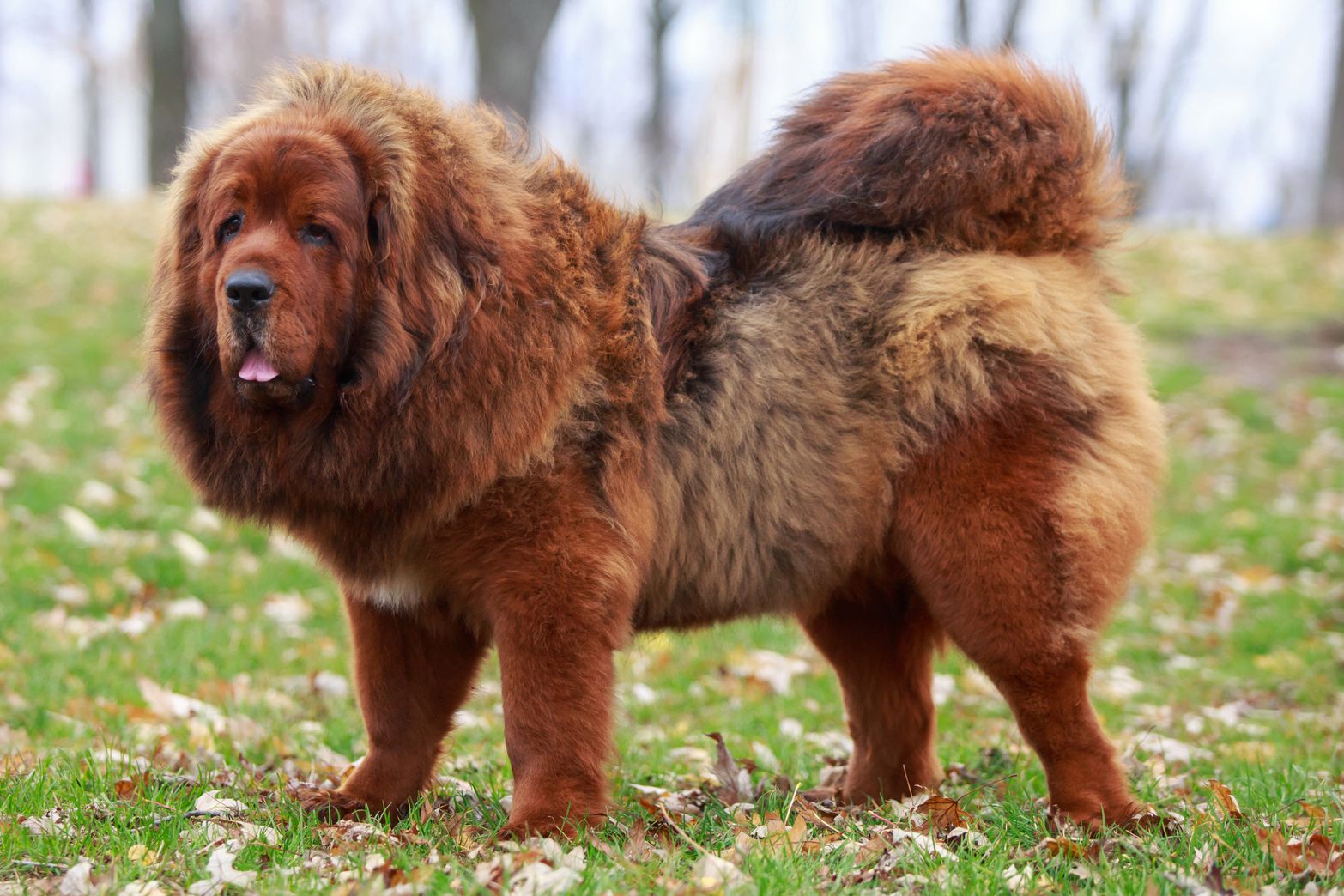
The Tibetan Mastiff is an ancient and formidable breed hailing from the mountainous regions of Tibet, Nepal, and India. Revered for centuries as a guardian of monasteries, villages, and livestock, this majestic breed boasts a lineage that stretches back thousands of years.
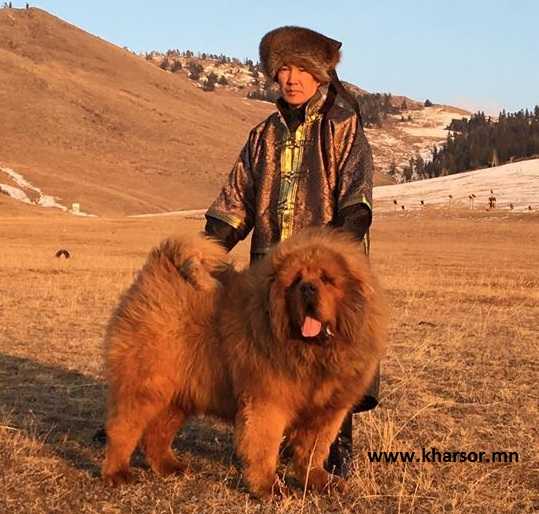
Historically, Tibetan Mastiffs were bred by nomadic cultures of Tibet and the Himalayas to guard sheep from predators such as wolves, leopards, and bears. They were also entrusted with the protection of Tibetan monasteries, where their imposing size and deep bark acted as a powerful deterrent to intruders. The breed remained largely isolated until the 19th century when they were introduced to the West, captivating European dog enthusiasts with their grandeur and mystique.
The Tibetan Mastiff’s popularity surged in the West in the 20th and 21st centuries, particularly among those interested in rare and ancient breeds. In China, it has also been regarded as a status symbol, sometimes fetching remarkably high prices. The American Kennel Club (AKC) recognized the breed in 2006, and it has steadily gained admirers worldwide for its noble bearing, independence, and protective instincts.
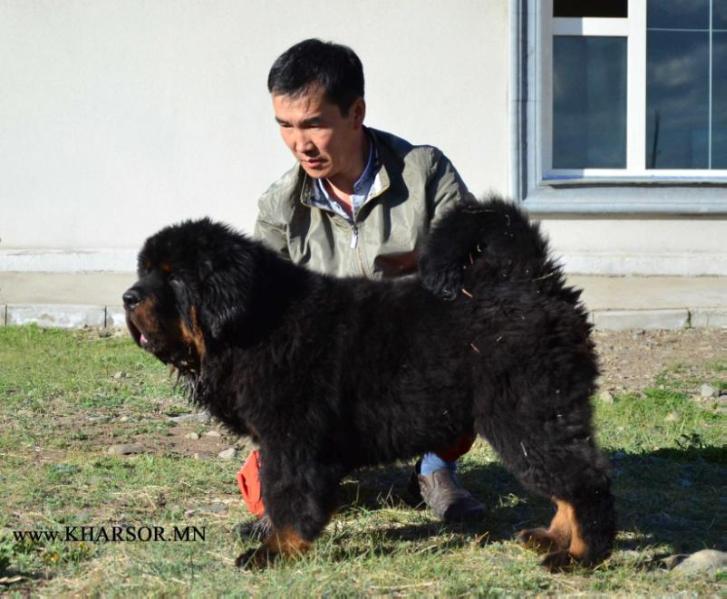
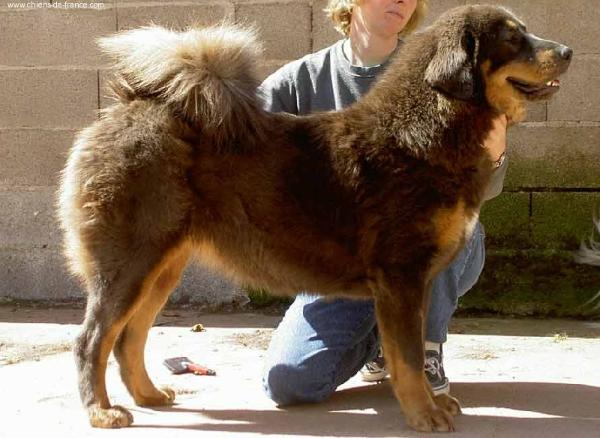
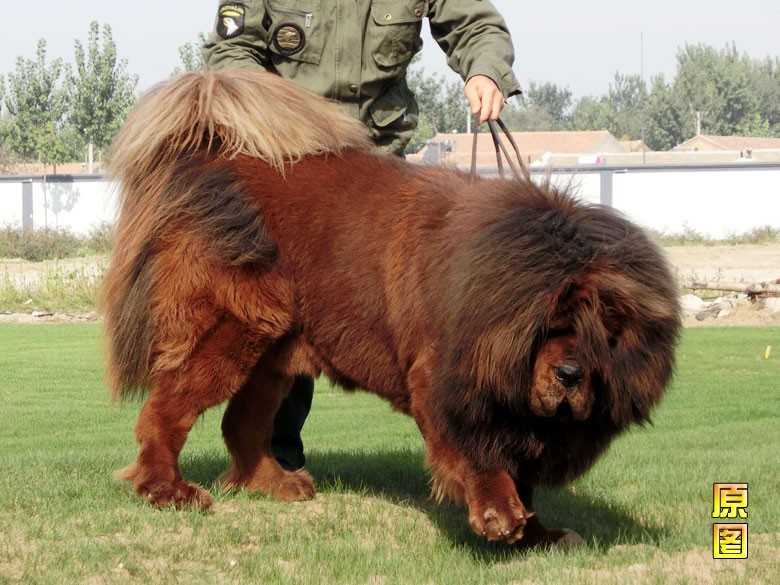
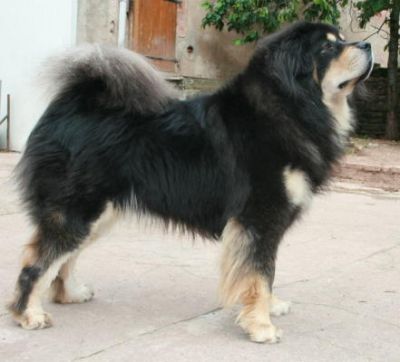
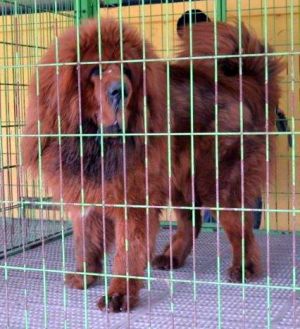
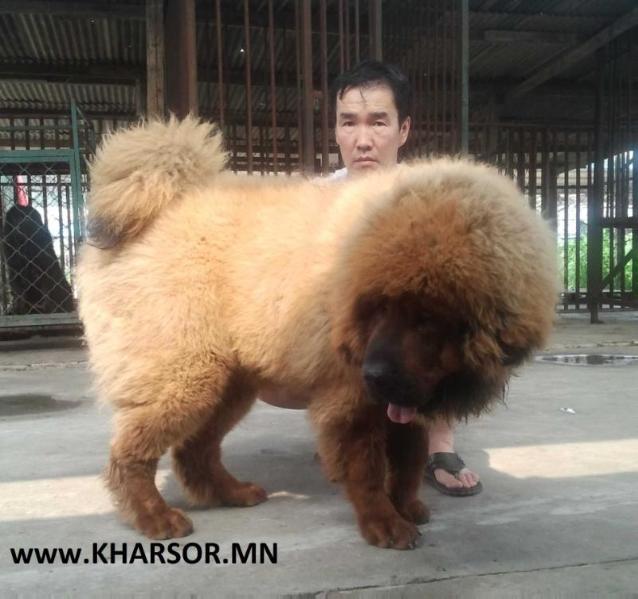
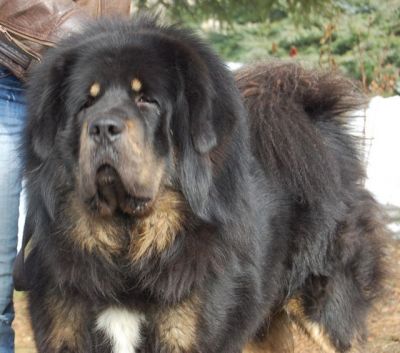
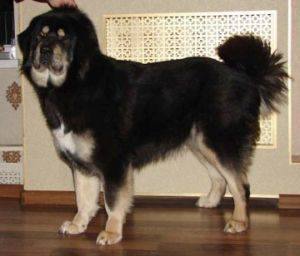
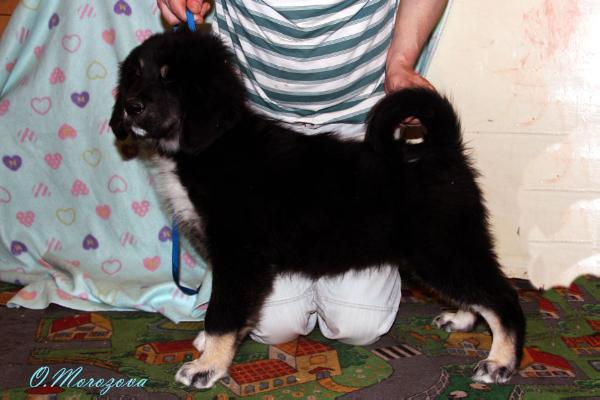
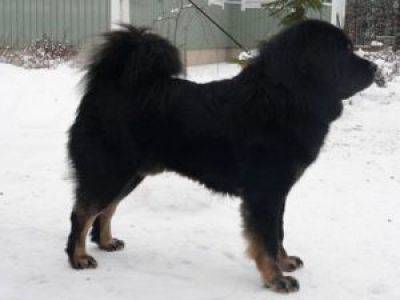
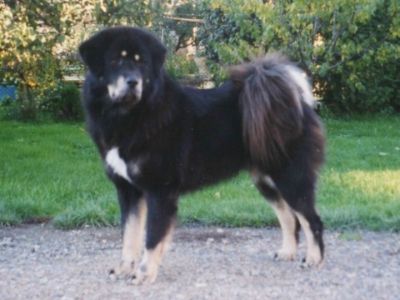
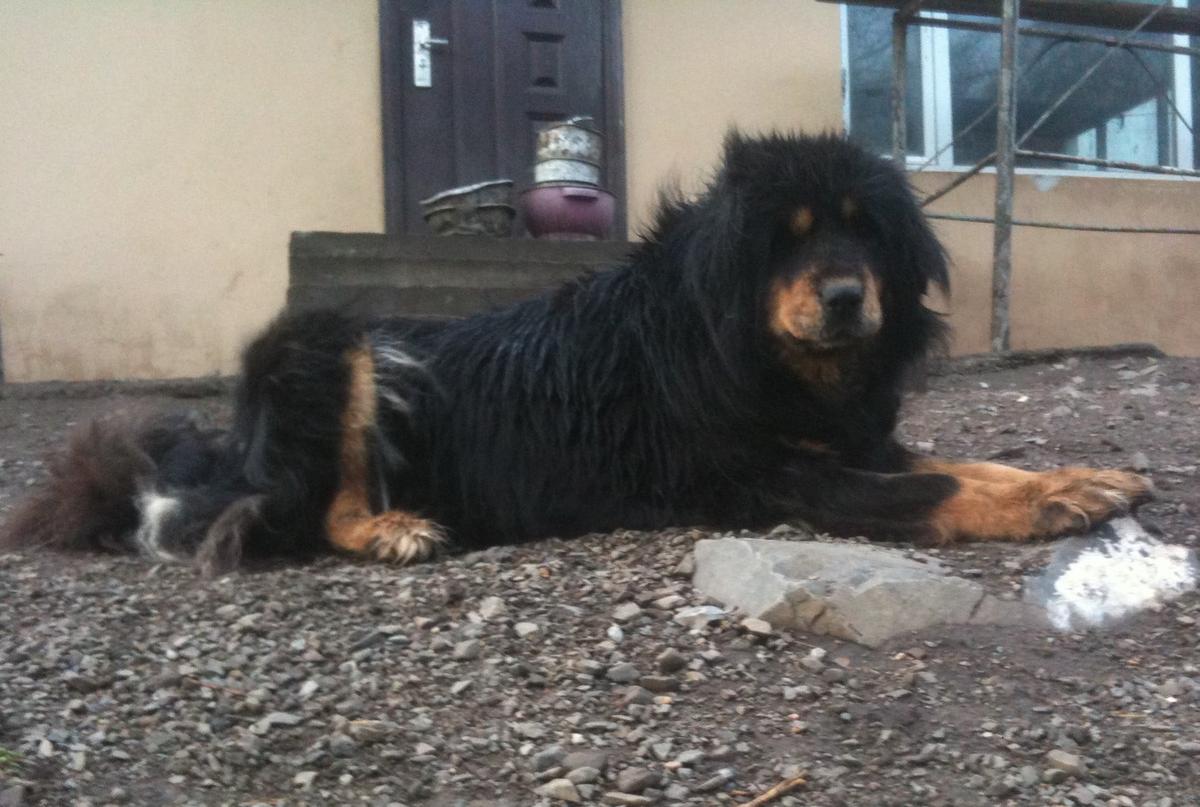
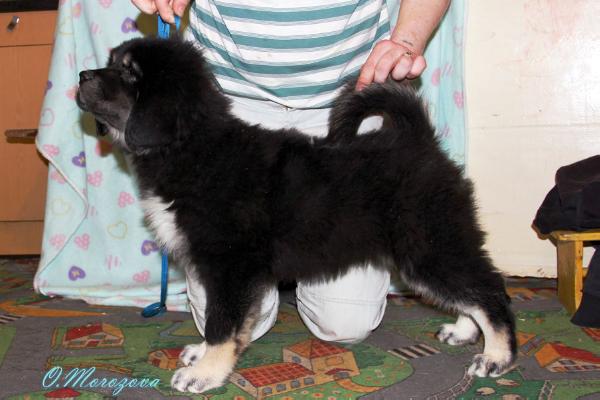
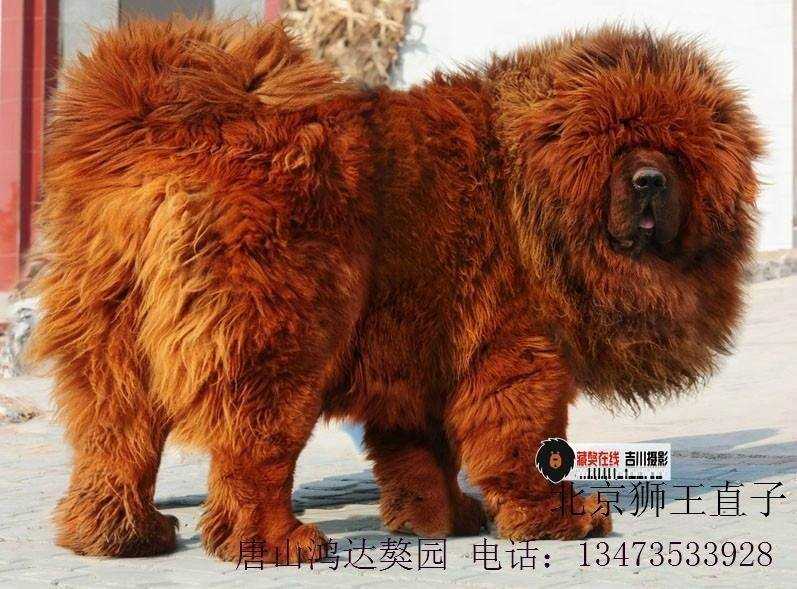
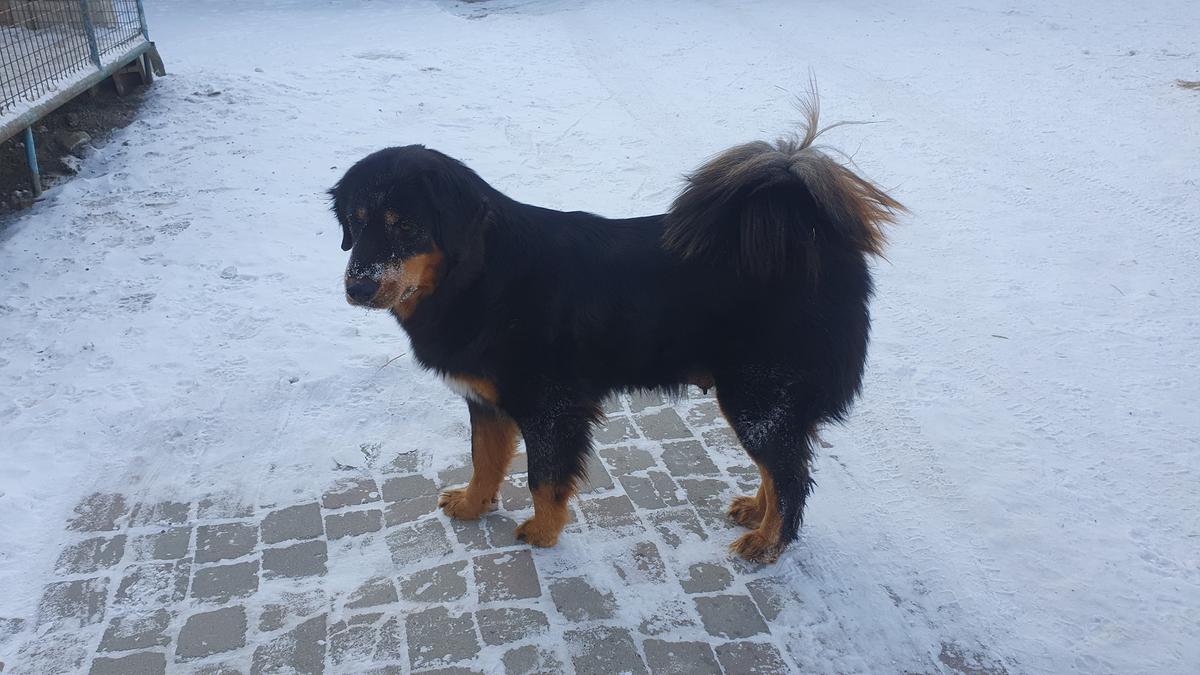
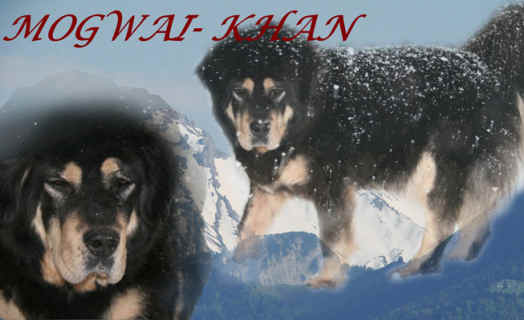
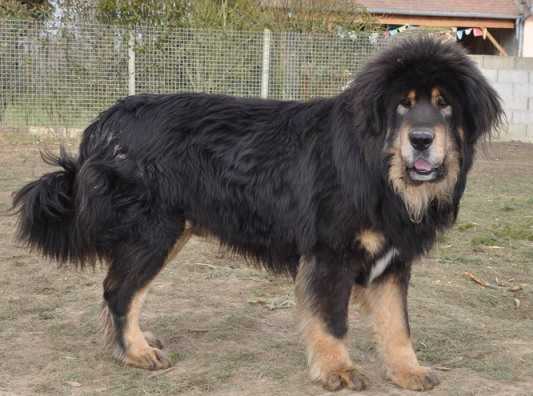
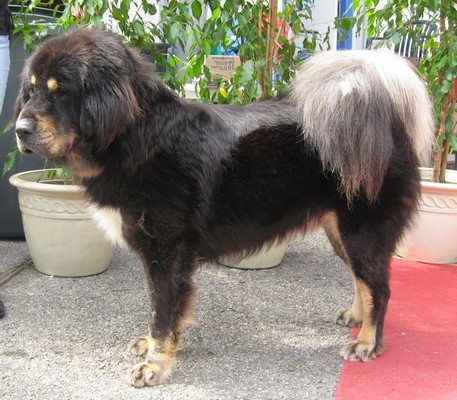
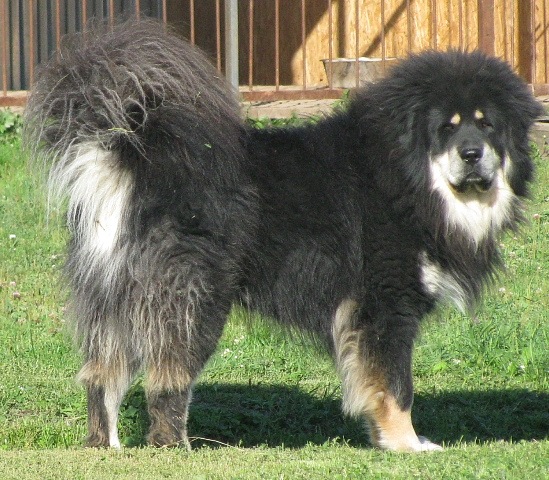
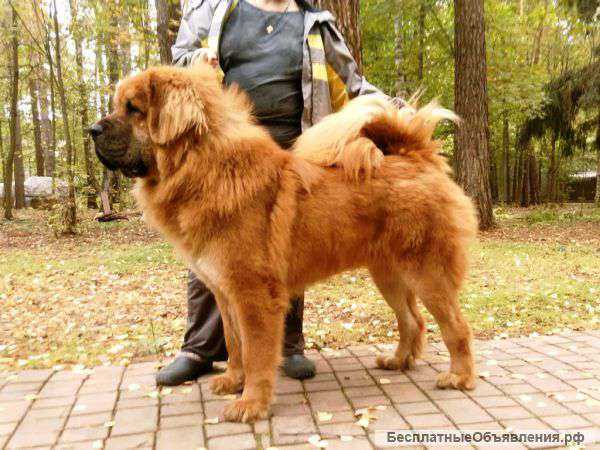
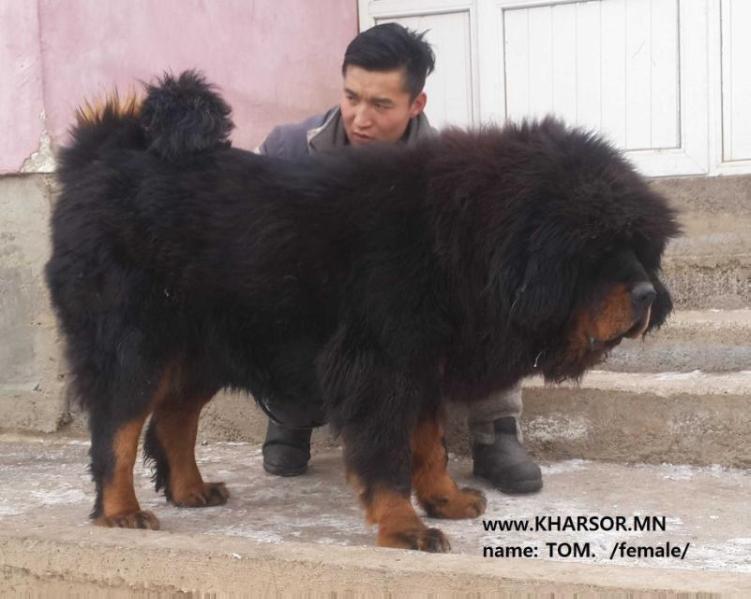
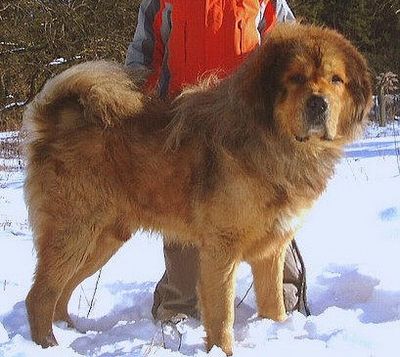
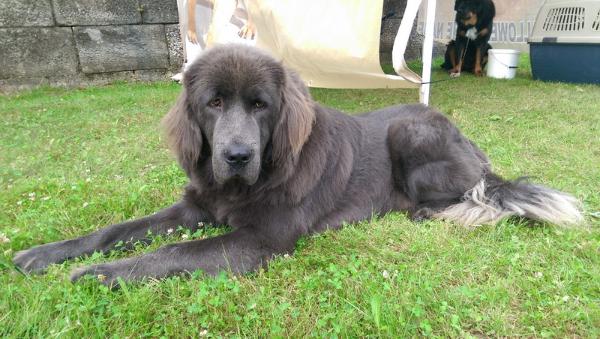
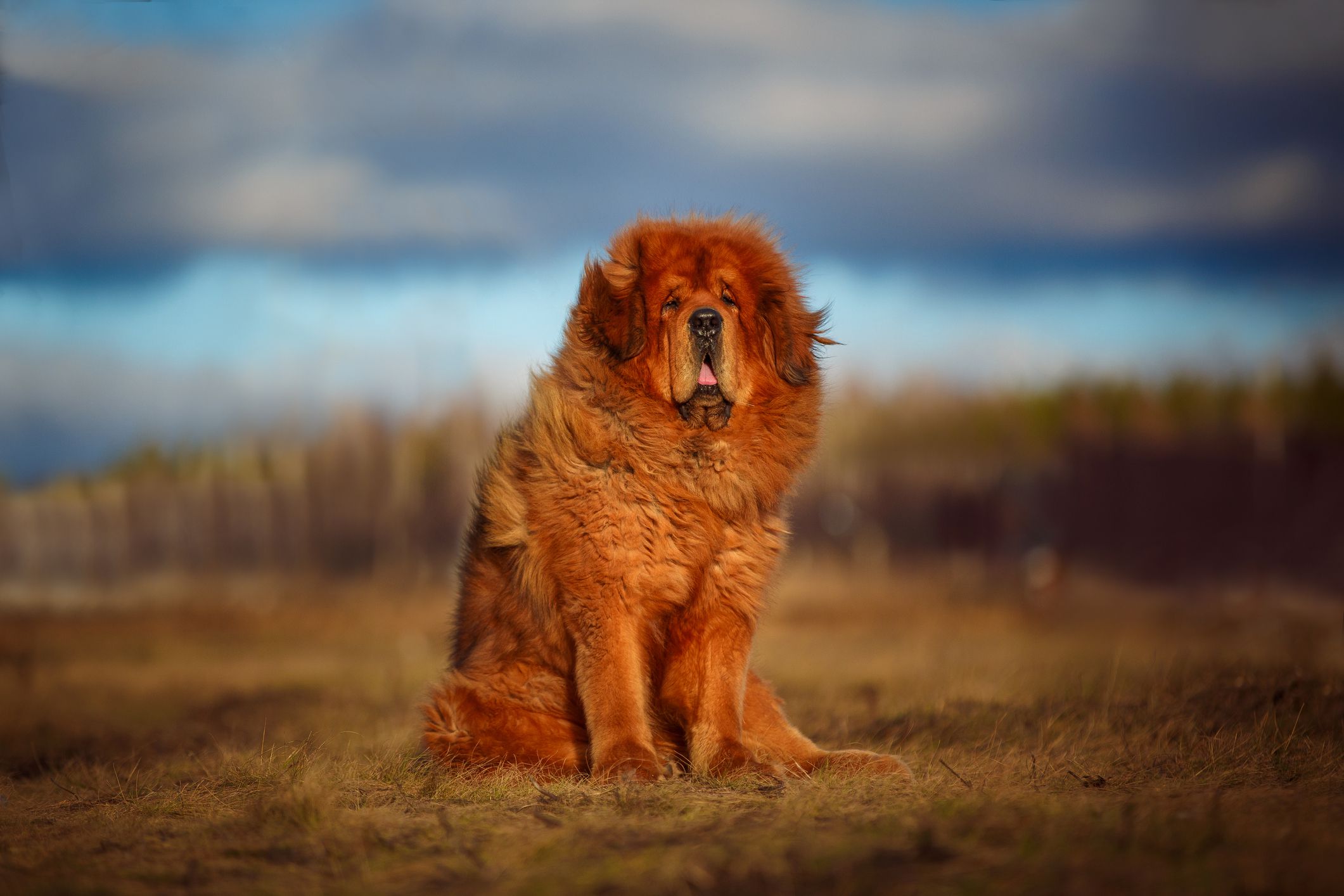
A powerful and heavily boned breed, the Tibetan Mastiff is distinguished by its massive build and luxurious double coat.
• Height: 24–30 inches (61–76 cm)
• Weight: 70–150 pounds (32–68 kg)
• Build: Strong, imposing, and well-muscled
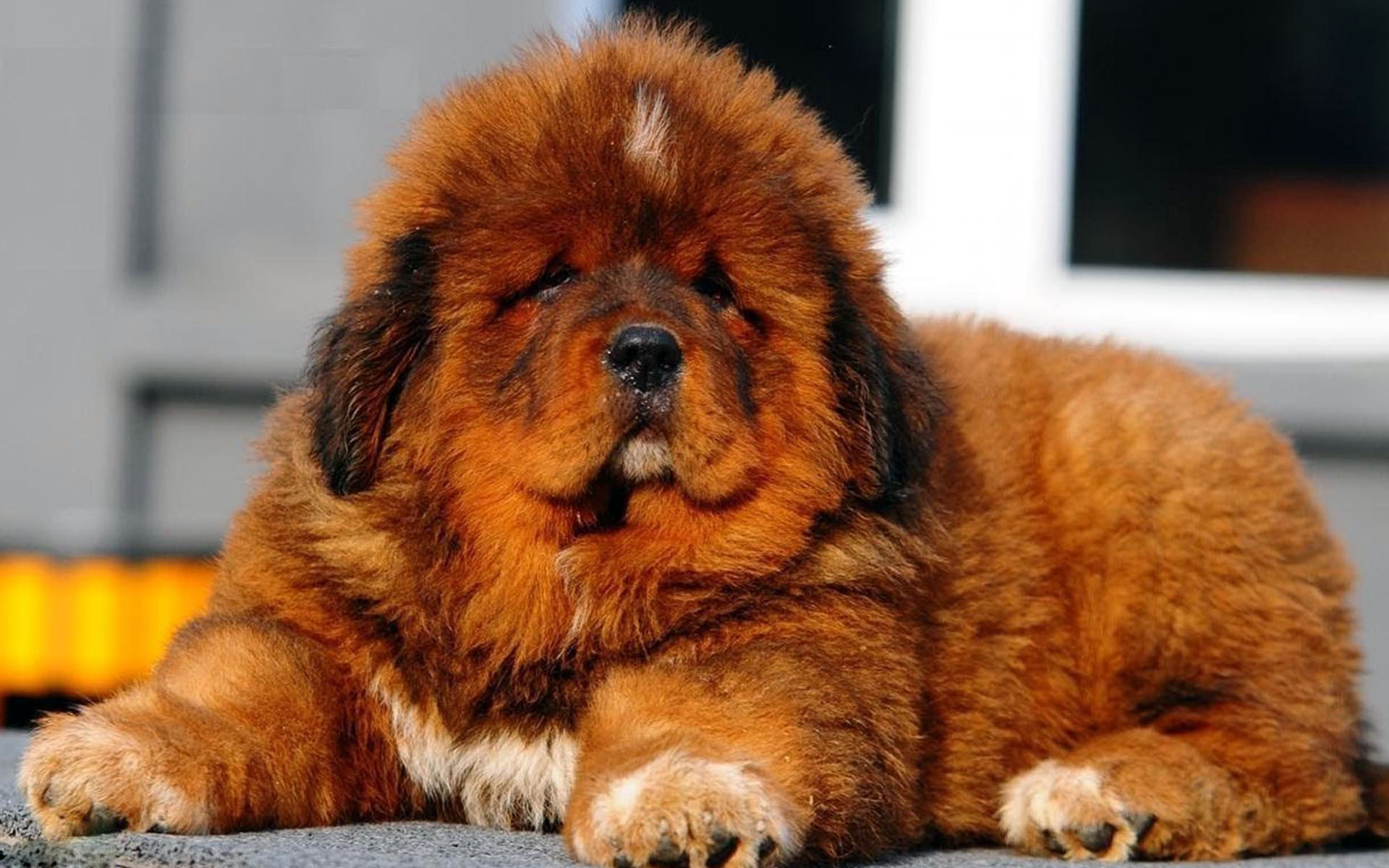
• Coat: Dense, heavy double coat; thicker around the neck, forming a lion-like mane
• Color: Black, brown, blue-gray, gold, and various shades of sable; often with tan markings
• Head: Broad and strong with a deeply set stop
• Eyes: Medium-sized, brown, expressive, and slightly slanted
• Ears: Medium-sized, V-shaped, pendant, and set high
• Tail: Feathered and curled over the back
The thick coat provides insulation against harsh Himalayan winters, and the breed’s appearance radiates dignity and strength.
Tibetan Mastiffs are intelligent, aloof, and independent, with deeply ingrained guarding instincts.
• Loyal: Fiercely devoted to family and property
• Independent: Self-reliant and sometimes stubborn
• Protective: Natural guardian, wary of strangers
• Calm Indoors: Typically quiet and laid-back inside the home
• Alert and Territorial: Vigilant and assertive in the yard or on patrol
Their temperament is best suited to experienced dog owners familiar with guardian breeds and firm, fair leadership.
The Tibetan Mastiff is ideal for:
• Experienced owners seeking a majestic and powerful guardian
• Homes with large, securely fenced yards
• Families who appreciate independent, dignified companions
• Rural or suburban environments where the dog can roam and guard
However, it may not be suitable for:
• First-time dog owners
• Apartment dwellers or homes with small yards
• Families with young children or frequent visitors (due to protective instincts)
Tibetan Mastiffs thrive in environments that respect their heritage and provide routine, care, and purpose.
• Exercise: Moderate; long walks and secure outdoor space for patrolling
• Training: Requires early socialization and confident, consistent training
• Grooming: Moderate; weekly brushing, daily during seasonal shedding
• Living Environment: Best suited for cooler climates and spacious properties
• Feeding: High-quality diet appropriate for large, slow-maturing breeds
They mature slowly, reaching full physical and mental maturity around 3 to 5 years of age.
While generally hardy, the Tibetan Mastiff is prone to some health conditions:
• Hip and elbow dysplasia
• Hypothyroidism
• Entropion (inward-turning eyelids)
• Autoimmune diseases (less common)
The typical lifespan ranges from 10 to 12 years.
• Caucasian Shepherd Dog: Similar guardian breed, slightly more massive and assertive
• Anatolian Shepherd: More slender and agile, also a livestock guardian
• Leonberger: Equally large and coated but less aloof and more sociable
If you desire a noble, ancient guardian with unmatched presence and independence — and can offer experienced leadership and space — the Tibetan Mastiff can be a rewarding and awe-inspiring companion.
Seek out reputable breeders who prioritize health screenings and proper socialization. Rescue organizations and breed-specific clubs may also offer adoption opportunities.
United Pet Club supports Tibetan Mastiff owners with resources like training guides, microchip registration, and health management tools to help nurture a happy and healthy companion.