

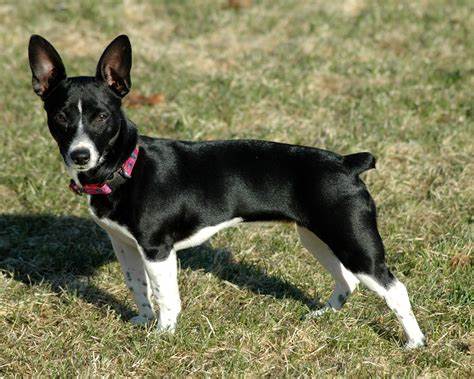
The Teddy Roosevelt Terrier is a true American breed, developed from working terriers brought to the United States by early settlers. Named in honor of President Theodore Roosevelt — who famously promoted terrier-type dogs for rodent control in the White House — this breed has deep roots in rural American farms.
It descends from a mixture of small hunting and terrier breeds, such as the Smooth Fox Terrier, Manchester Terrier, Beagle, Whippet, and Feist-type dogs. Historically, they excelled as farm dogs, hunting vermin and protecting property with boundless enthusiasm and tenacity. The Teddy Roosevelt Terrier is recognized as a shorter-legged variant of the Rat Terrier but now enjoys distinction as its own breed.
While less common than the standard Rat Terrier, the Teddy Roosevelt Terrier enjoys a devoted following in the United States. Its reputation as a capable and affectionate working companion continues to grow, especially among families seeking a small, hardy, and versatile dog. Recognition by major kennel clubs, including the United Kennel Club (UKC) and American Kennel Club (AKC — Foundation Stock Service), has further increased interest.
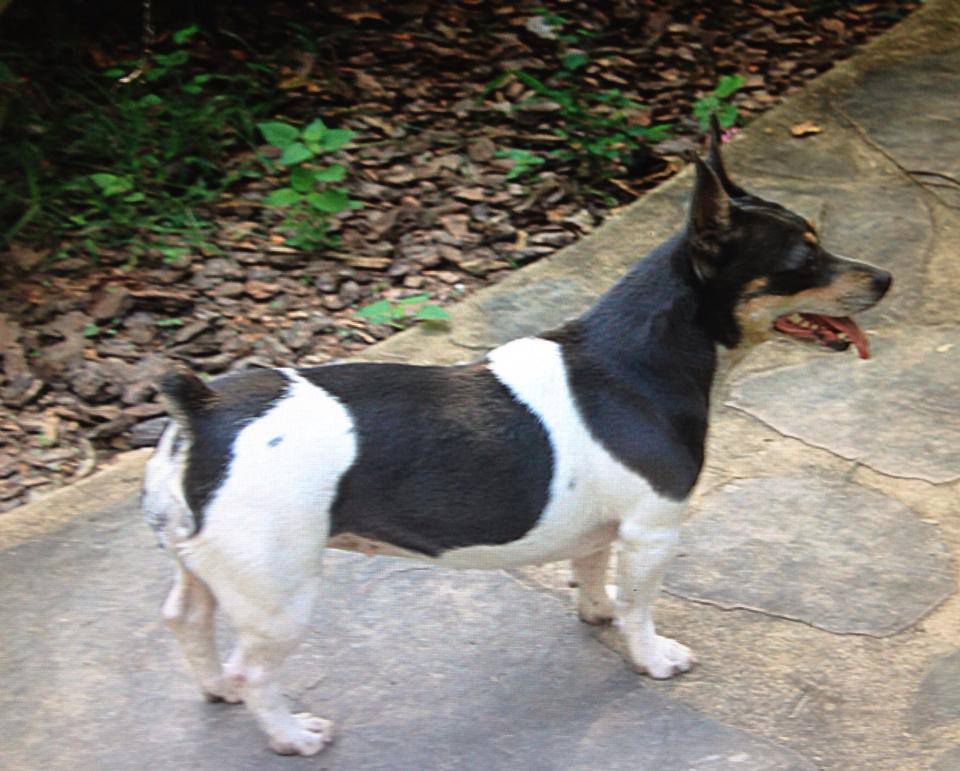
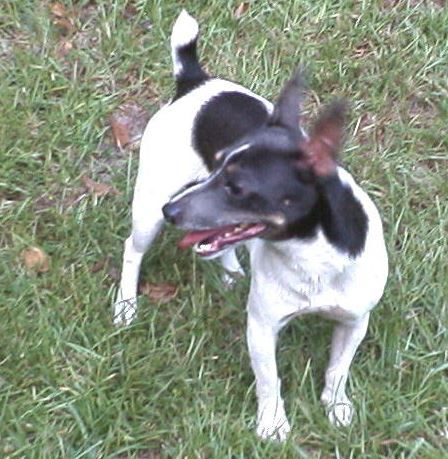
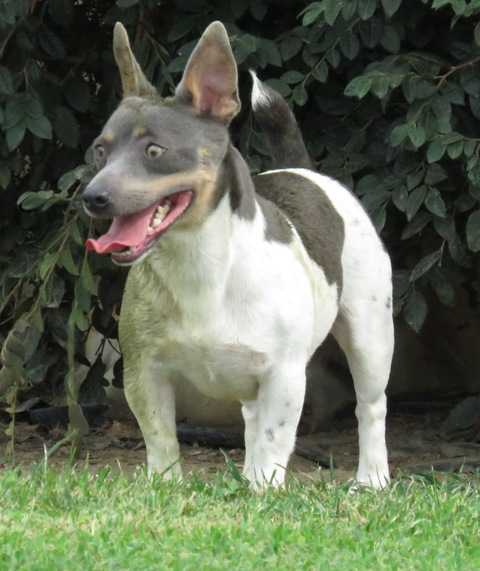
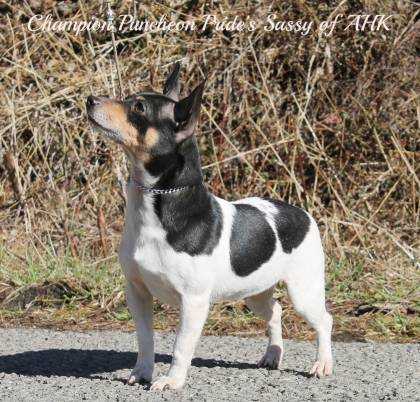
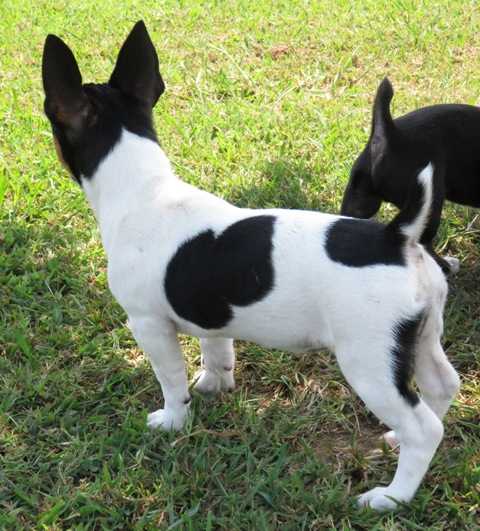
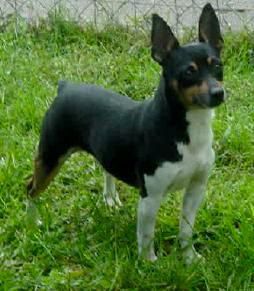
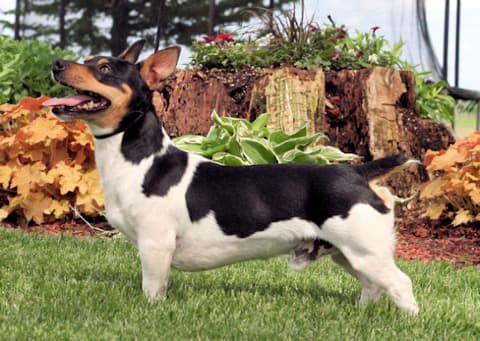
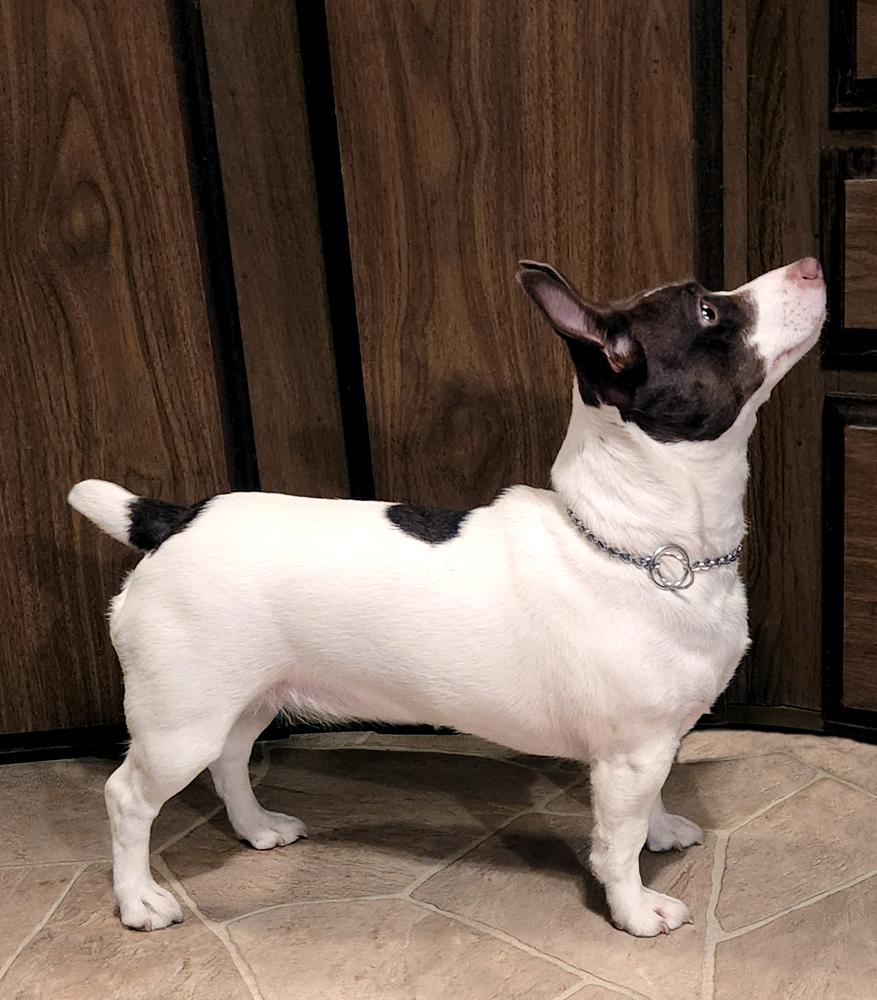
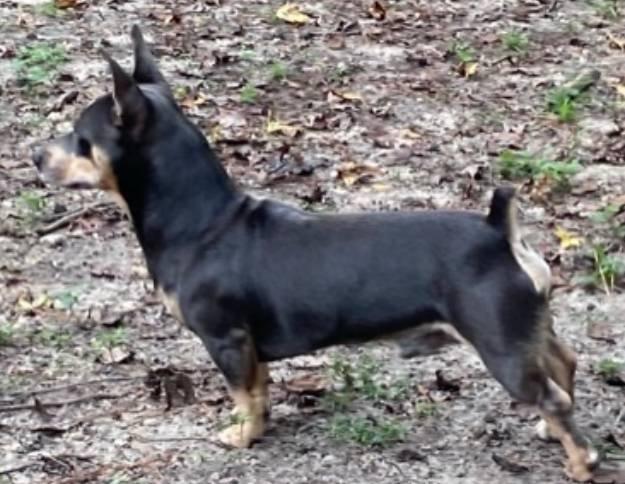
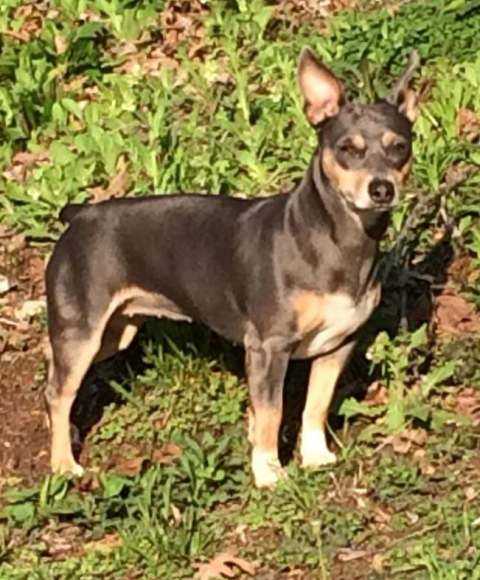
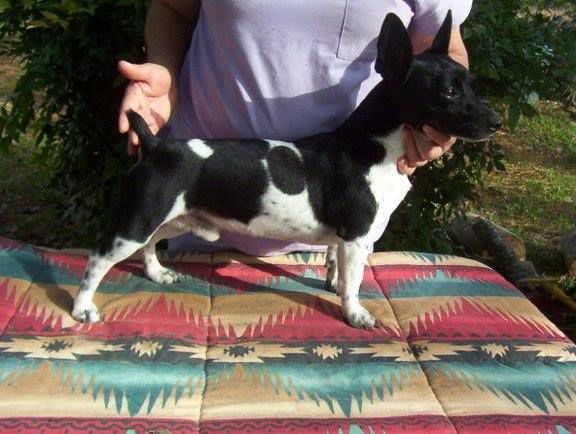
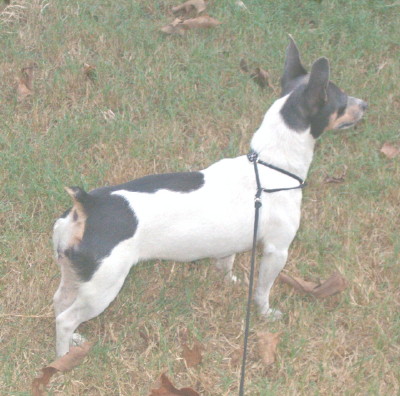
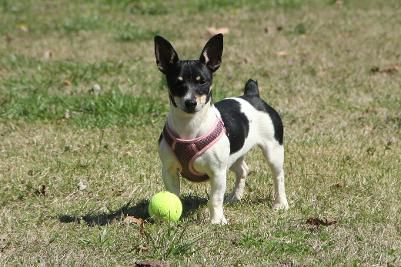
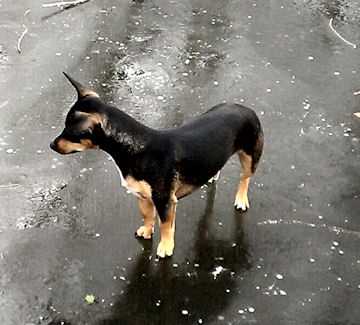
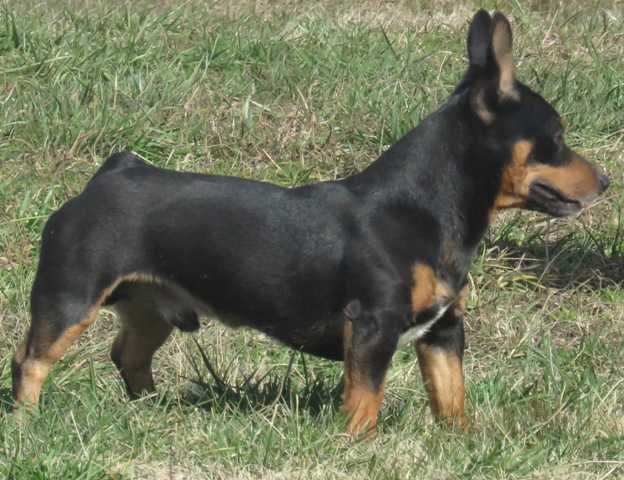
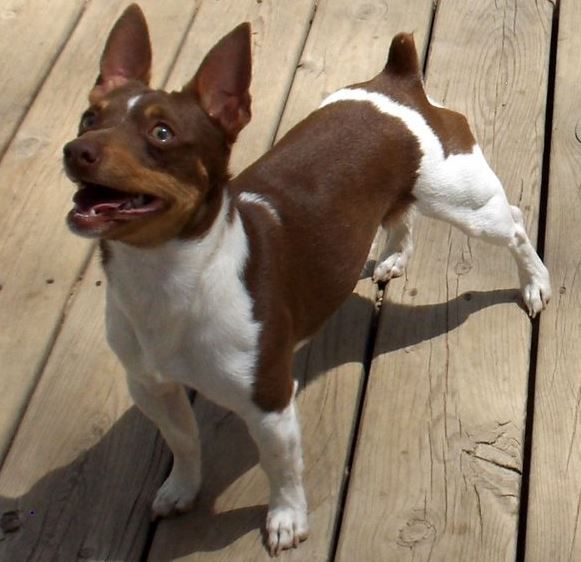
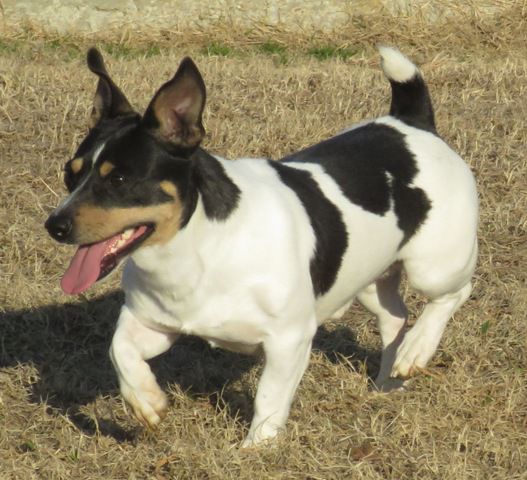
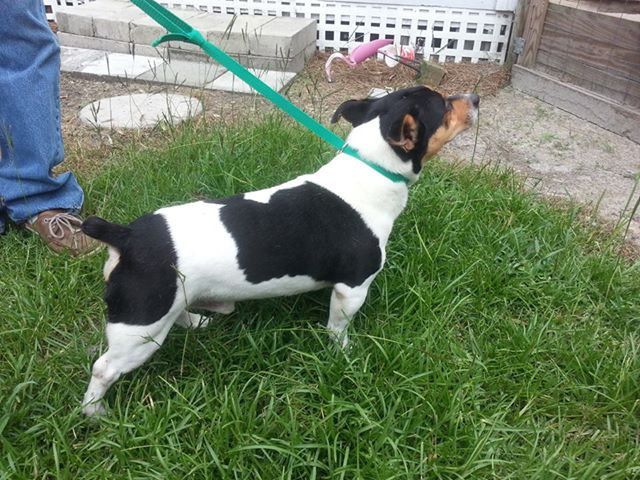
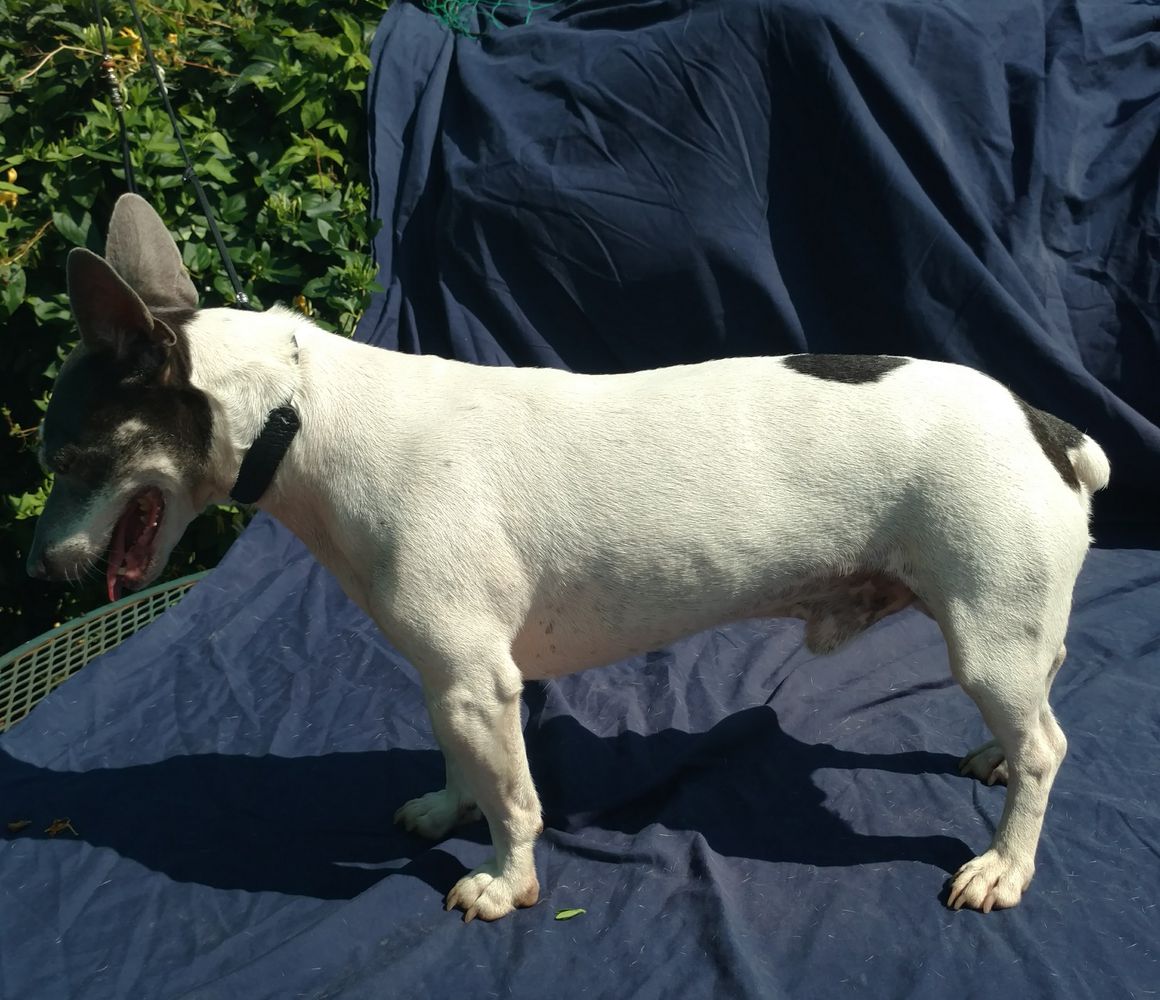
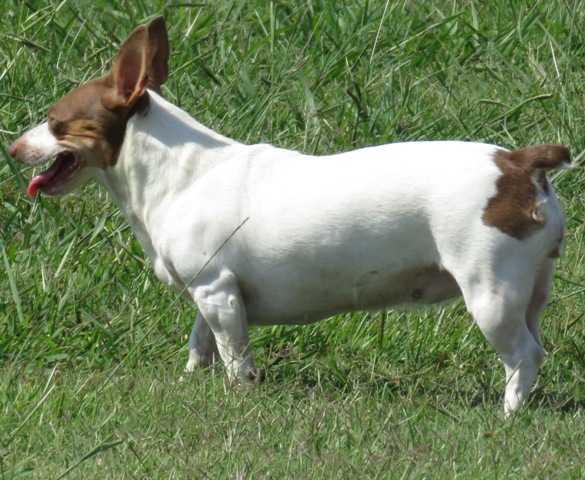
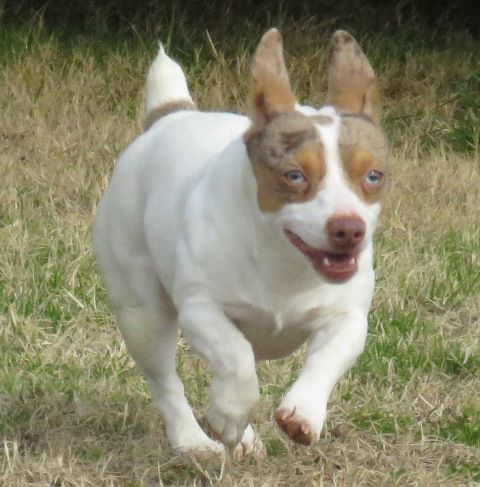
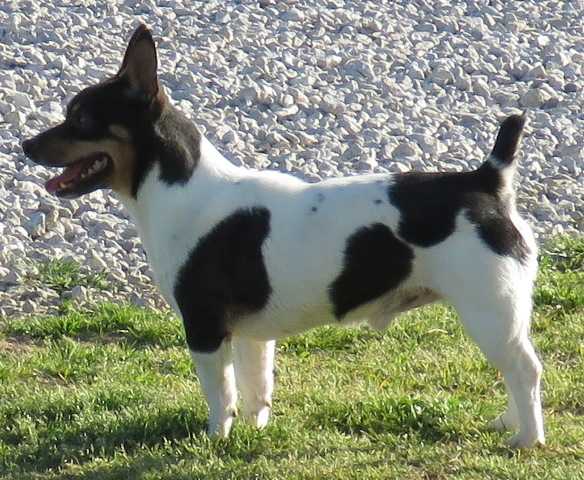
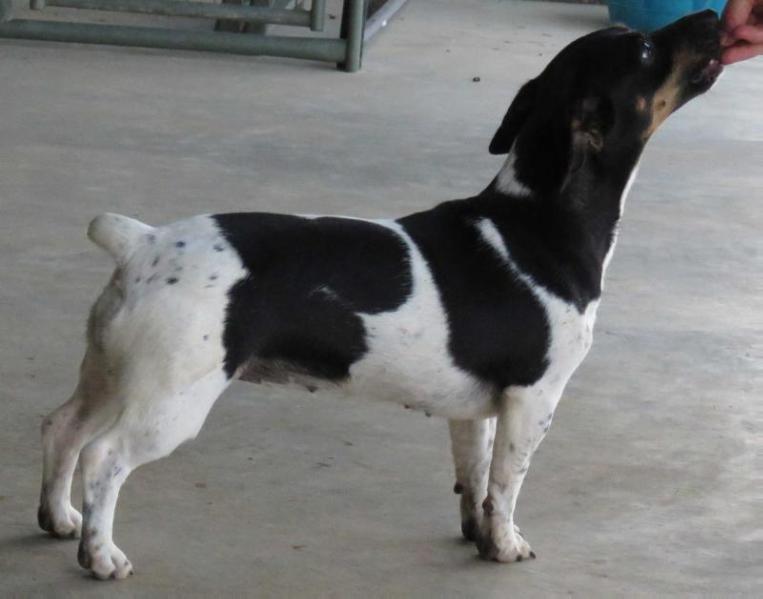
The Teddy Roosevelt Terrier is compact, muscular, and slightly longer than it is tall, with short legs that distinguish it from its close relative, the Rat Terrier.
• Height: 8–15 inches (20–38 cm)
• Weight: 8–25 pounds (4–11 kg)
• Build: Sturdy, rectangular body with shorter legs
• Coat: Short, dense, and smooth
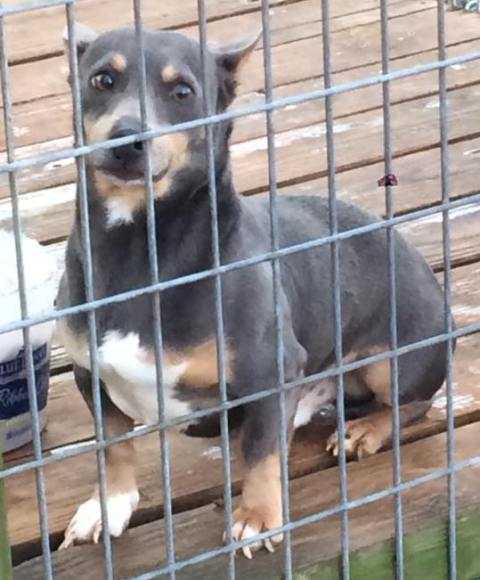
• Color: A variety of pied patterns (white base with black, tan, red, chocolate, blue, or lemon markings)
• Head: Broad, slightly domed skull with strong muzzle
• Eyes: Dark, expressive, oval-shaped
• Ears: Erect, tipped, or button-style
• Tail: Natural or docked; carried erect or curved
Their appearance reflects a rugged, no-nonsense farm dog capable of working long hours.
This breed is energetic, intelligent, and deeply affectionate, with a strong desire to please.
• Loyal: Devoted and forms close bonds with family members
• Energetic: Lively and playful but less hyper than taller terriers
• Confident: Bold and courageous without aggression
• Trainable: Quick learner and eager to engage in activities
• Sociable: Friendly with proper socialization but vigilant as a watchdog
They thrive in active households that appreciate a spirited but manageable companion.
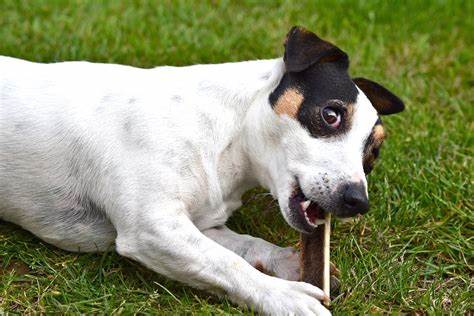
The Teddy Roosevelt Terrier is ideal for:
• Families seeking an affectionate, hardy, and compact companion
• Individuals living on farms or with large outdoor spaces
• Owners interested in performance sports (agility, barn hunt, rally)
• Those looking for a low-maintenance, vermin-hunting partner
However, it may not be ideal for:
• People unprepared to offer regular mental and physical stimulation
• Homes with small pets like rodents (due to strong prey drive)
These terriers thrive when their minds and bodies are engaged.
• Exercise: Moderate to high; benefits from daily walks, playtime, and interactive games
• Training: Highly trainable with positive reinforcement and consistency
• Grooming: Low; weekly brushing and occasional baths
• Living Environment: Adaptable; does well in both rural and suburban homes
• Feeding: High-quality diet suitable for small, active breeds
They enjoy participating in activities like barn hunt, agility, and obedience.
The Teddy Roosevelt Terrier is a generally healthy breed with robust genetics. Potential concerns include:
• Patellar luxation
• Hip dysplasia (less common)
• Allergies (occasionally)
Their typical lifespan is 14 to 16 years, with many living well into their late teens.
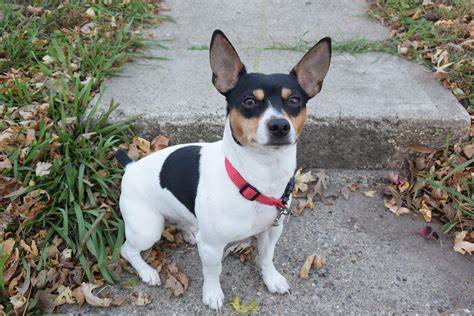
• Rat Terrier: Similar heritage but Rat Terriers have longer legs and sleeker builds.
• Jack Russell Terrier: More excitable and intense; Teddy Roosevelt Terriers are steadier.
• American Hairless Terrier: Related breed with similar temperament but hairless variety.
If you’re seeking a small, affectionate, and intelligent dog with strong working roots and a playful spirit, the Teddy Roosevelt Terrier is an excellent choice. It blends farm dog tenacity with devoted family companionship.
Seek reputable breeders who conduct health screenings and prioritize temperament. Rescue organizations and breed clubs also occasionally offer adoptions.
United Pet Club supports Teddy Roosevelt Terrier owners with microchip registration, training resources, and activity tracking tools to keep these intelligent terriers engaged.