

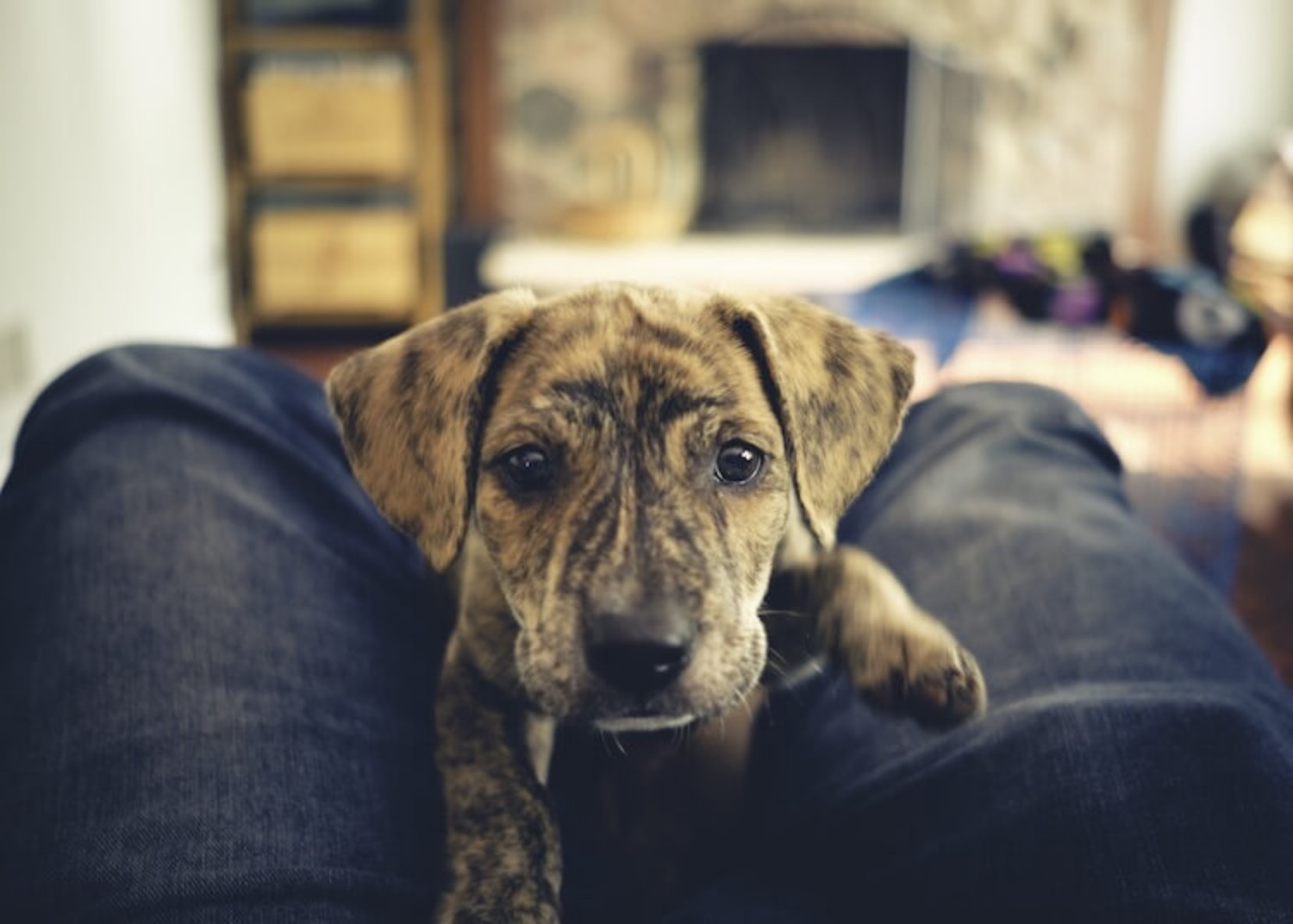
The Mountain Cur is a true American original, developed in the southern Appalachian Mountains by early settlers. Bred primarily for hunting and guarding, this breed was essential to rural life—used for treeing game like squirrels and raccoons, as well as protecting farms and livestock.
Its ancestry likely includes various European cur-type dogs brought by immigrants, mixed for utility rather than appearance. Mountain Curs were known as tough, no-nonsense working dogs. The breed began to decline in the mid-20th century as rural lifestyles shifted, but a group of dedicated breeders revived it, leading to the formal recognition of the breed by the United Kennel Club in 1998.
The Mountain Cur remains a favorite among hunters, outdoorsmen, and rural families, particularly in the southern United States. Though not as common in urban areas, its loyal nature and versatility have garnered a modest following nationwide. It’s still valued as a working dog but also thrives as a family companion when given adequate space and stimulation.
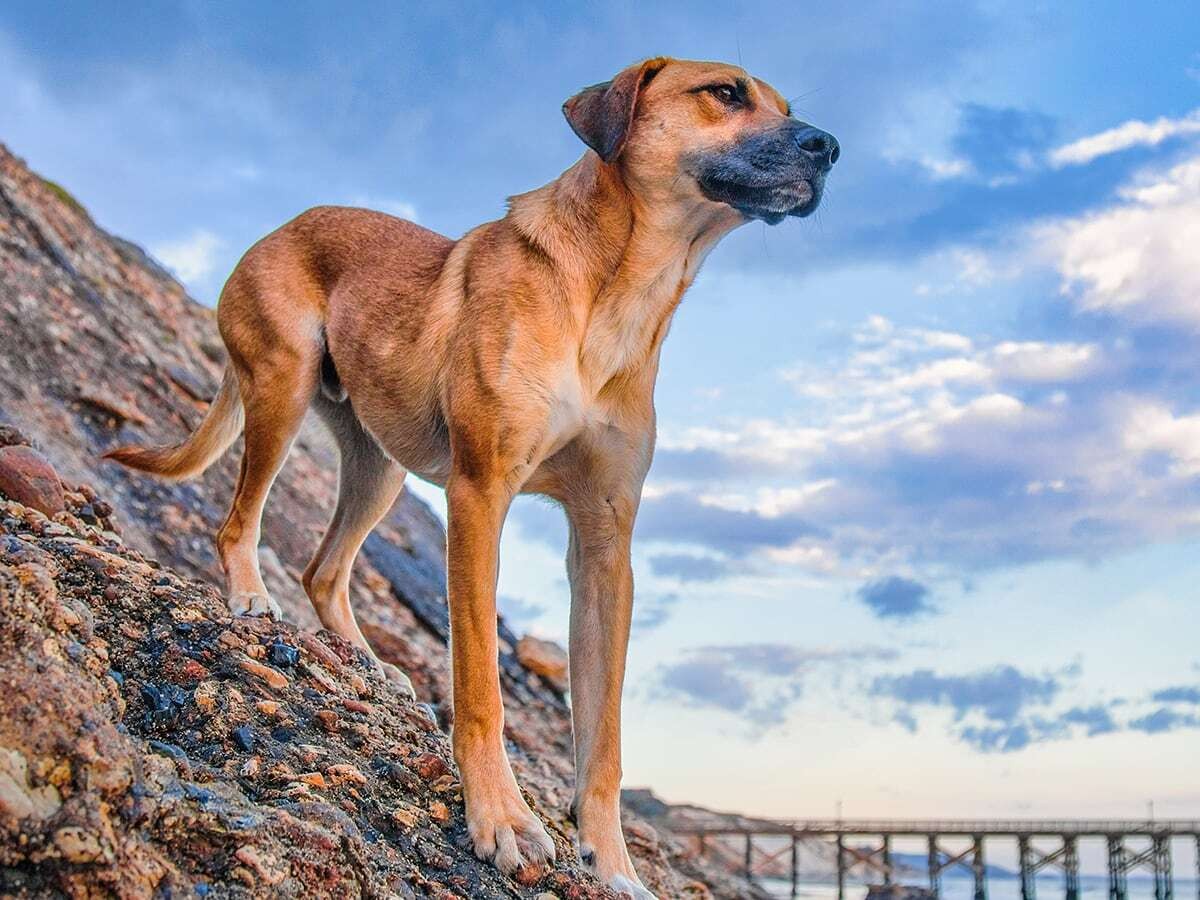
Athletic and rugged, the Mountain Cur is built for stamina and agility. Its appearance may vary slightly depending on regional strains, but its functionality always comes first.
Coat:
Short, dense, and weather-resistant
Color:
Comes in a variety of colors including brindle, yellow, black, brown, blue, and red—sometimes with white markings
Size:
• Height: 16–26 inches (41–66 cm)
• Weight: 30–60 lbs (14–27 kg)
Head & Expression:
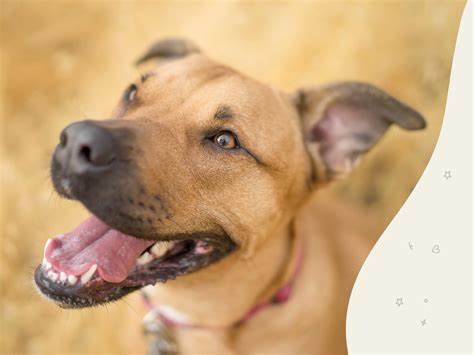
Broad skull with a strong, square muzzle and intelligent, alert expression
Ears:
Medium-sized, dropped, and slightly rounded at the tip
Tail:
Traditionally docked but may be left natural—carried high when alert
Body:
Muscular and well-balanced, with strong legs and a deep chest designed for hard work
This breed is an energetic, intelligent, and highly trainable working dog that needs a purpose and space to roam.
Devoted and Loyal:
Forms strong bonds with its family and is naturally protective
Courageous and Tenacious:
Bold when hunting or guarding—won’t back down from a challenge
Smart and Focused:
Quick to learn tasks and routines, particularly when used for hunting or working
Independent Yet Obedient:
Can work independently in the field but responds well to a confident handler
High Energy:
Needs regular physical and mental stimulation to avoid boredom-related behavior
Reserved with Strangers:
Can be wary of unfamiliar people or animals—socialization is important
• Excellent Hunting Companion:
Bred for generations to track and tree game—highly valued by hunters
• Loyal Protector:
Protective of home and family without being overly aggressive
• Hardworking and Driven:
Thrives in a home where it has a job or regular tasks
• Low-Maintenance Grooming:
Short coat is easy to care for and requires little upkeep
• Great for Active Families:
Does well in homes with large yards, farms, or access to nature
• Training:
Early training and firm, consistent leadership are essential
Excels with task-oriented training and hunting simulations
• Exercise:
Very high energy—needs ample outdoor exercise, room to roam, or regular hikes/hunting outings
May become destructive or vocal if bored
• Grooming:
Low-maintenance—brush weekly to remove loose hair
Bathe occasionally or as needed after outdoor activity
• Nutrition:
Feed a high-quality, protein-rich diet, especially for working or hunting dogs
Monitor weight to ensure healthy muscle development
• Companionship:
Needs plenty of interaction and mental stimulation
Not suited for apartment living or sedentary homes
The Mountain Cur is a hardy and healthy breed, often benefiting from a robust gene pool due to its working-dog lineage. Lifespan is generally 12–16 years.
Potential health issues may include:
• Ear infections (common in dogs with dropped ears)
• Hip dysplasia in highly active or aging dogs
• Injuries from fieldwork or hunting
• Allergies or skin irritations (typically minor)
Regular veterinary care and exercise will help ensure a long, active life.
Compared to breeds like the Black Mouth Cur, the Mountain Cur is slightly more focused on treeing and hunting game, whereas the Black Mouth Cur may also herd. It is less social than a Labrador Retriever, but more driven in working environments. Compared to a Plott Hound, the Mountain Cur is generally more reserved and less vocal.
The Mountain Cur is best suited for experienced dog owners who can match its energy and need for purpose. If you live in the country or enjoy hunting, hiking, or outdoor work, this breed could be an excellent companion.
Best For:
• Hunters and outdoorsmen
• Rural or active households
• Families looking for a protective, working dog
Not Ideal For:
• Apartment dwellers
• First-time dog owners seeking a laid-back companion
• Sedentary lifestyles
United Pet Club supports active and rural families looking for their next loyal companion. Whether you're looking for a hunting dog, a farm helper, or a loyal watchdog, we can help with resources, training advice, and gear tailored to the unique needs of working breeds like the Mountain Cur.