

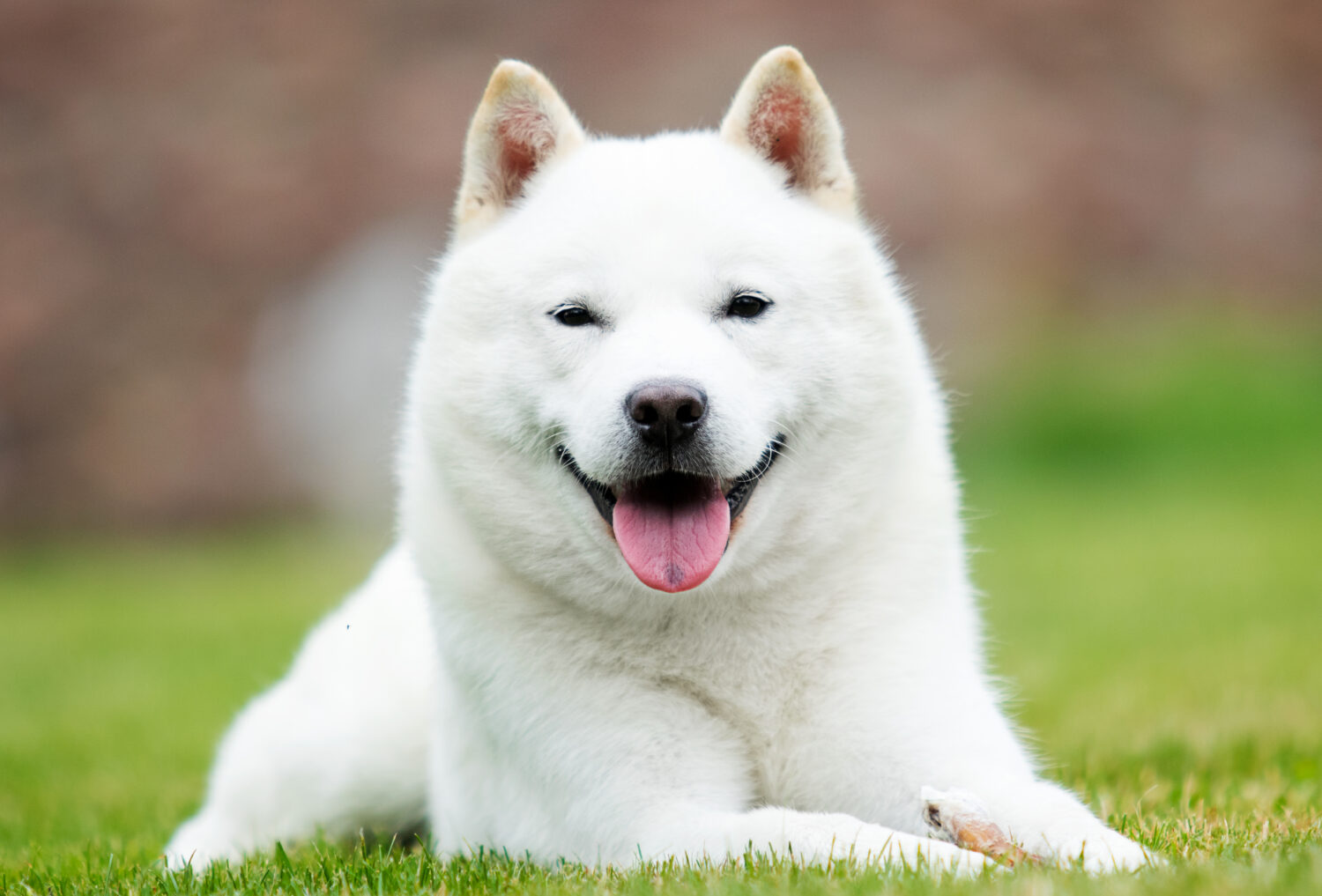
The Hokkaido, also known as the Ainu Dog, is a Japanese spitz-type breed that originated on the northernmost island of Hokkaido, where it was developed by the indigenous Ainu people. The breed was used for hunting large game, including bears and boars, as well as for guarding homes and property in harsh mountainous climates.
The Hokkaido is believed to have descended from dogs brought to Japan by early settlers over 3,000 years ago. It evolved to withstand extreme cold and rugged terrain, developing a thick double coat and bold temperament. In 1937, it was designated as a “Living Natural Monument” by the Japanese government for its cultural and historical significance. Though rare outside Japan, it is highly respected for its loyalty, bravery, and strong work ethic.
The Hokkaido remains a rare breed internationally, with most dogs still found in Japan. It has a dedicated following among Japanese dog enthusiasts and fans of spitz-type breeds. In recent years, small breeding programs in North America and Europe have helped introduce the breed to new audiences.
Its versatility, intelligence, and striking appearance have made it an appealing option for those looking for a devoted, medium-sized working dog.
The Hokkaido is a compact, muscular, and powerful spitz, built for endurance and cold weather.
• Coat: Thick, straight outer coat with a dense undercoat—adapted to harsh climates.
• Color:
o Comes in various shades: white, black, sesame, red, brindle, and wolf-gray.
• Size:
o Height: 18–20 inches (46–51 cm)
o Weight: 45–65 lbs (20–30 kg)
• Head & Expression: Fox-like head with triangular eyes, broad forehead, and well-developed cheeks.
• Ears: Upright, small, and triangular, with a slight forward tilt.
• Tail: Curled tightly over the back, typical of spitz breeds.
• Body: Balanced, with deep chest, strong limbs, and solid bone structure.
This breed is brave, intelligent, and incredibly loyal, making it a capable working partner and family dog.
• Loyal and Protective: Bonds deeply with its family and is naturally watchful and alert.
• Courageous: Known for fearlessly standing up to larger animals—a natural guardian.
• Smart and Focused: Learns quickly but requires structure and routine.
• Reserved with Strangers: Not naturally outgoing—early socialization is essential.
• Quiet and Composed: Generally calm indoors but energetic and agile outside.
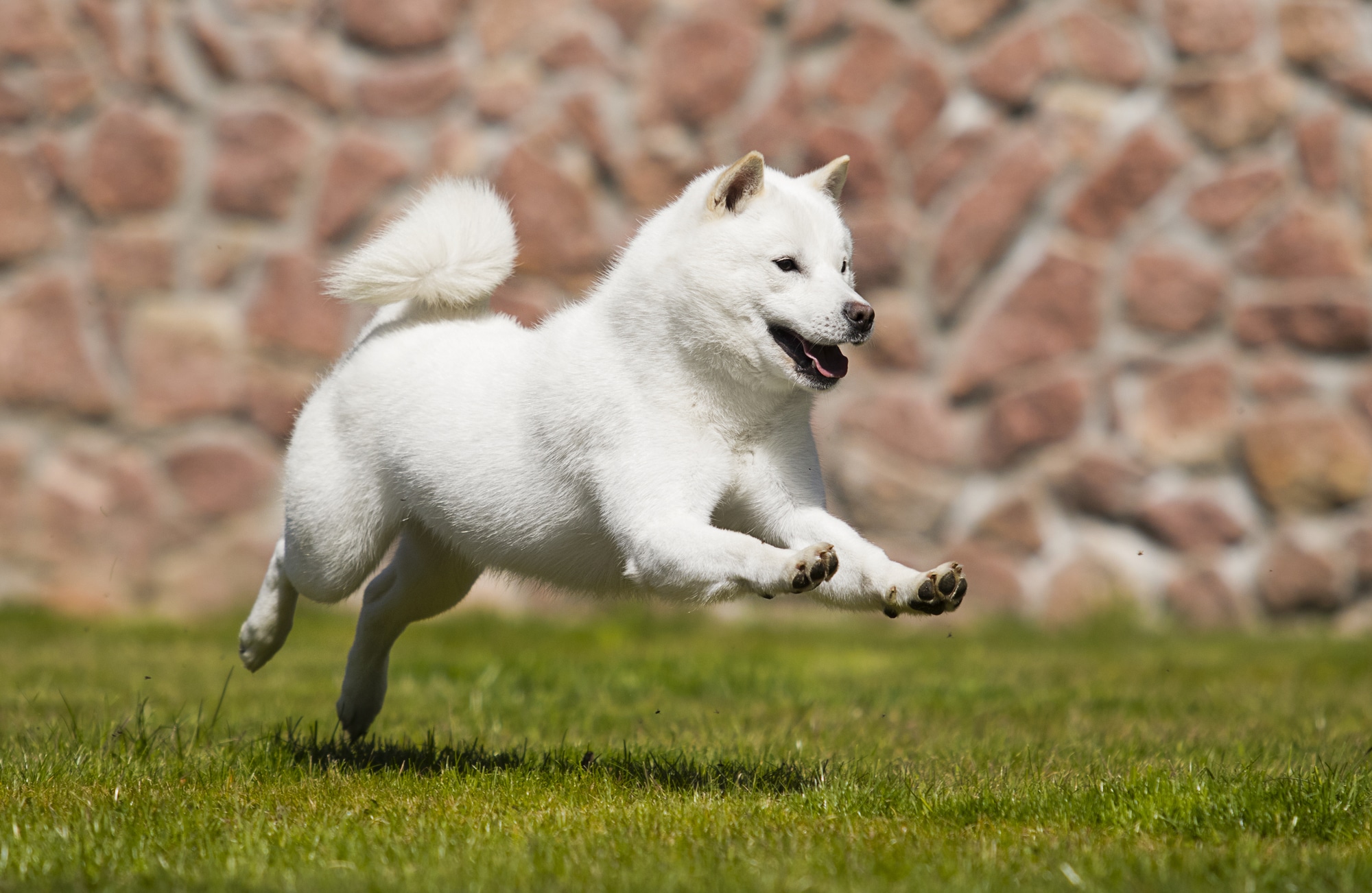
Ideal for those seeking a bold, loyal, and adaptable spitz, the Hokkaido thrives in active homes that appreciate independence and strength.
• Adapted for Cold Climates: Thick coat and hardy constitution.
• Protective Yet Affectionate: Loving with family but not overly clingy.
• Great for Active Households: Loves hiking, agility, and scent work.
• Highly Trainable: Smart and task-oriented, especially with confident owners.
• Beautiful and Rare: A unique breed with a rich heritage and striking appearance.
This breed does best with engaged owners who provide structure, stimulation, and exercise.
• Training:
o Begin early and use positive reinforcement with firm boundaries.
o May test limits—needs a confident handler.
• Exercise:
o Needs at least an hour of daily activity—running, play, or mental games.
o Thrives with purpose—herding, hiking, and even nose work are great outlets.
• Grooming:
o Weekly brushing, more during seasonal shedding.
o Coat is self-cleaning—bathing is infrequent but regular ear and nail care is a must.
• Nutrition:
o Feed a balanced, high-protein diet appropriate for a working breed.
• Companionship:
o Loyal and devoted—needs consistent interaction and a family to bond with.
The Hokkaido is generally healthy and long-lived, with a lifespan of 12–15 years. Potential issues include:
• Hip Dysplasia
• Patellar Luxation
• Collie Eye Anomaly (CEA)
• Autoimmune conditions (rare)
• Bloat (in large meals or after intense activity)
Choose breeders who perform health screenings, and maintain routine vet care.
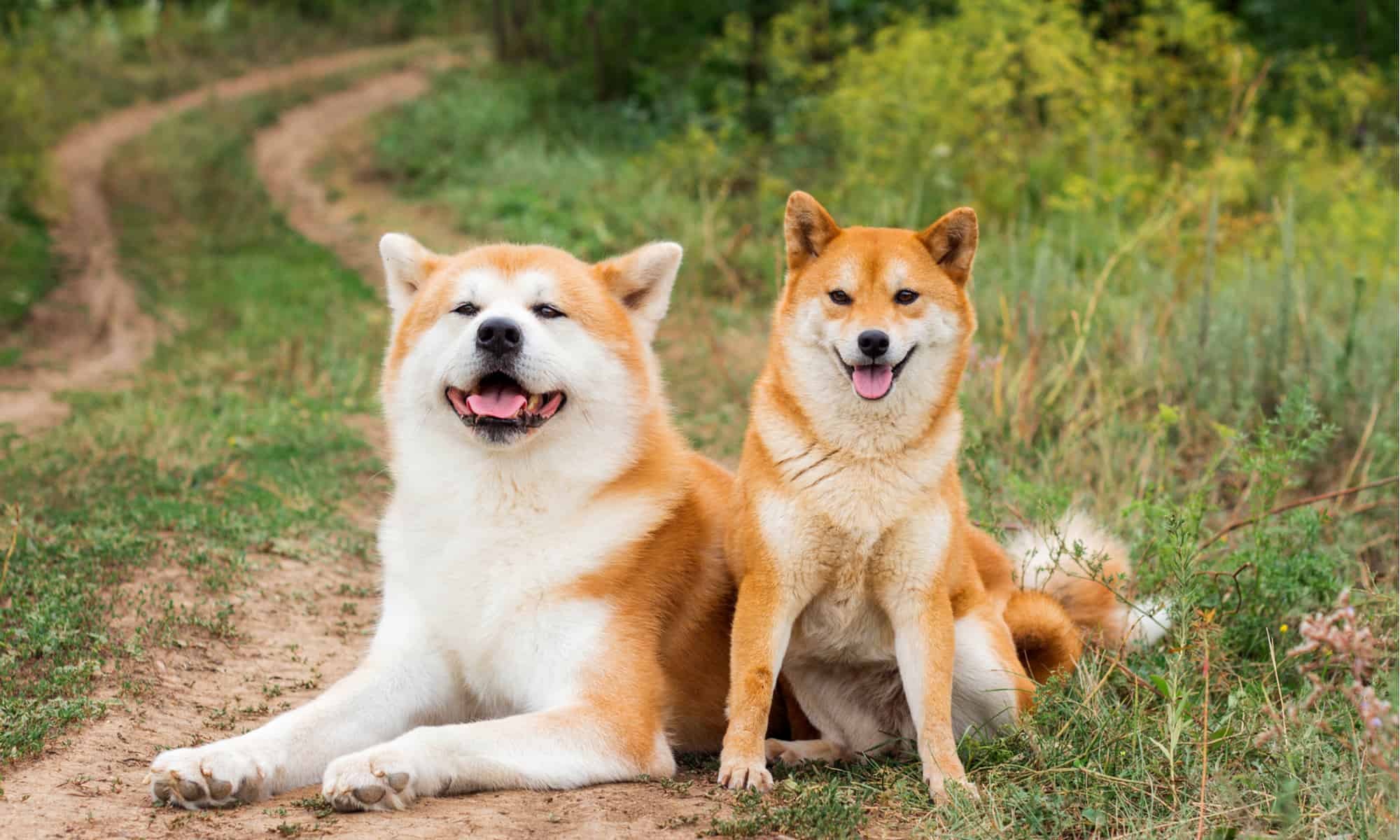
Compared to the Shiba Inu, the Hokkaido is larger, more even-tempered, and less aloof. It’s tougher and more rugged than the Akita Inu, though less massive. It also shares similarities with the Norwegian Elkhound and Finnish Spitz, but is more protective and work-driven.
If you’re looking for a rare, intelligent, and fiercely loyal spitz breed, the Hokkaido could be your perfect match. Best for active individuals or families with experience handling confident, independent dogs, it brings centuries of heritage, courage, and companionship.
Not ideal for first-time dog owners or those seeking an overly social or off-leash dog in unsecured areas.
United Pet Club is here to connect you with trusted breeders and educational resources for raising a Hokkaido. Whether you admire its heritage or seek a loyal, capable outdoor companion, this courageous Japanese breed is ready to impress.