

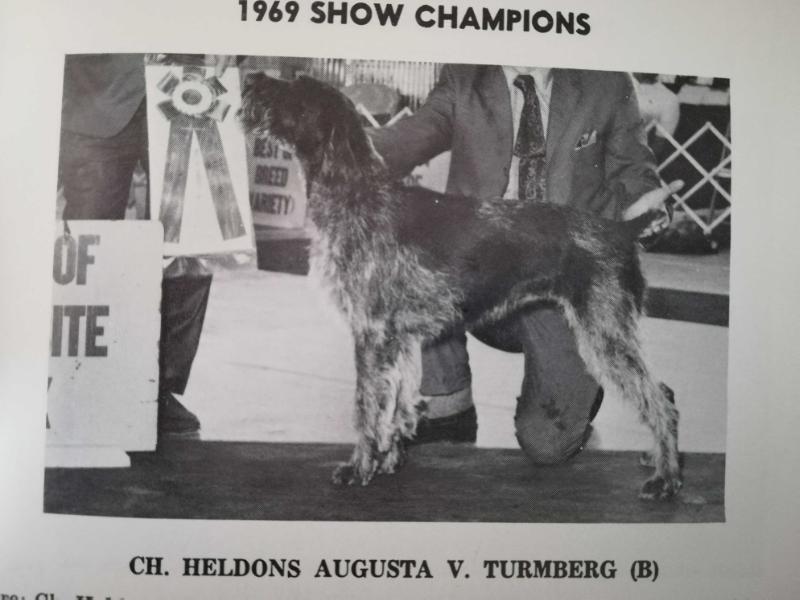
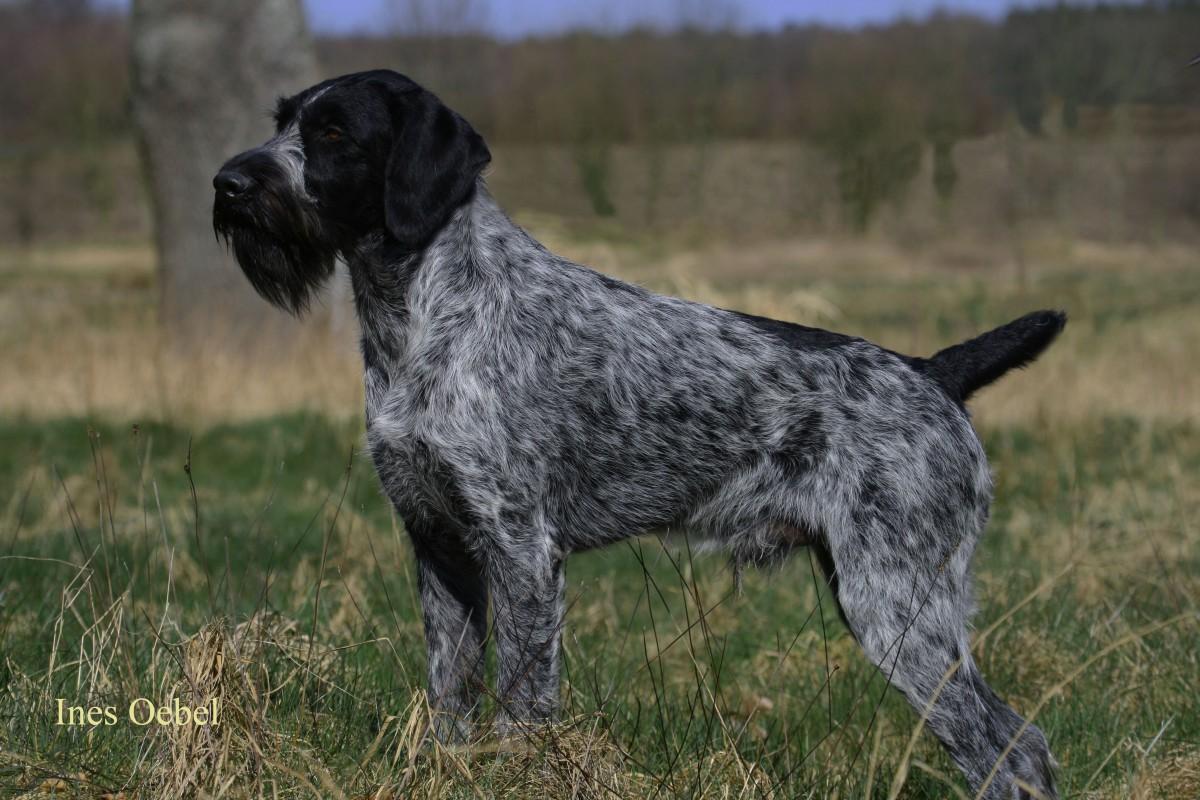
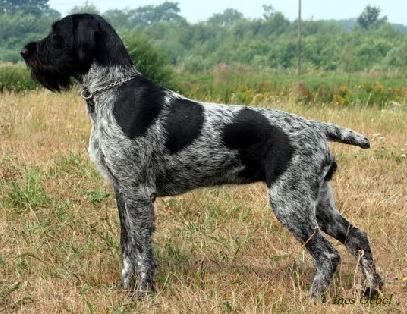
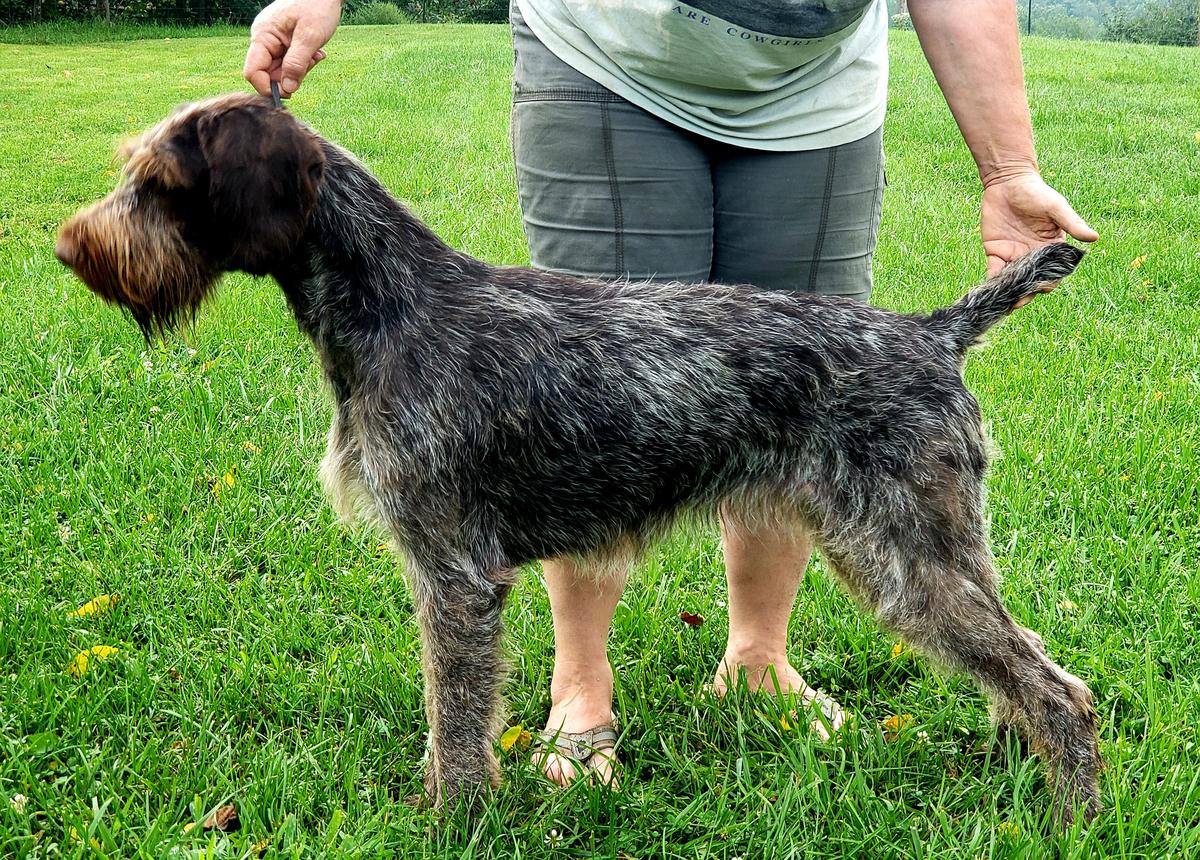
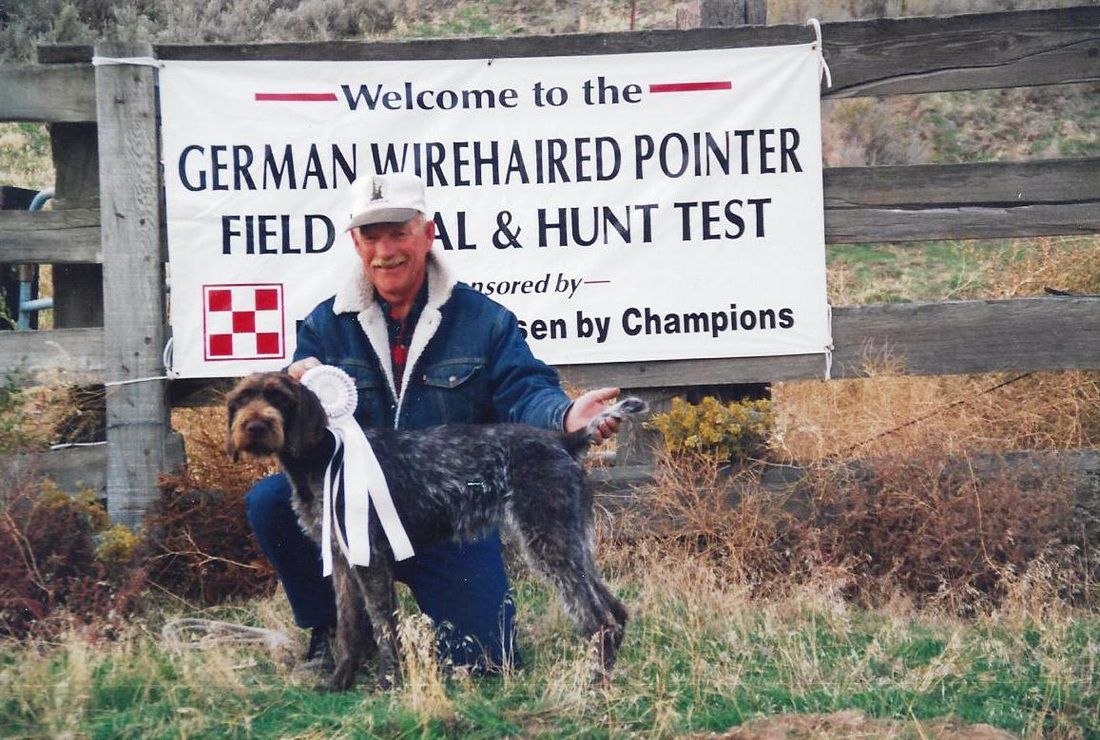
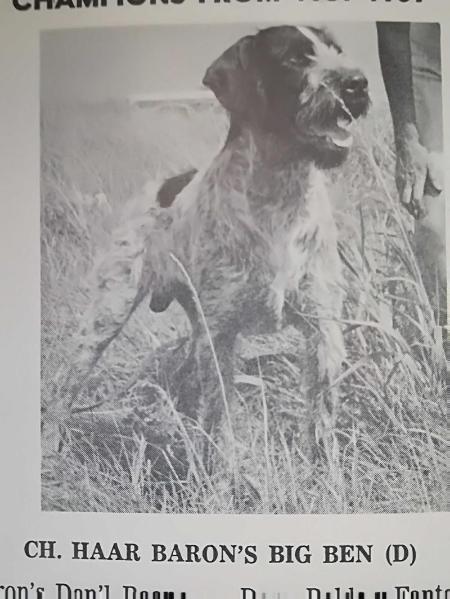
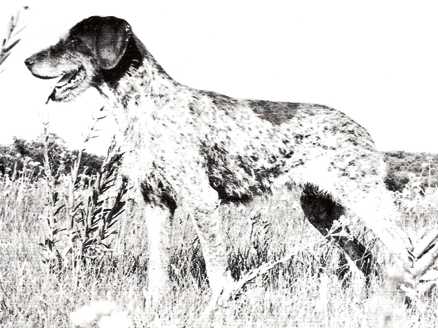
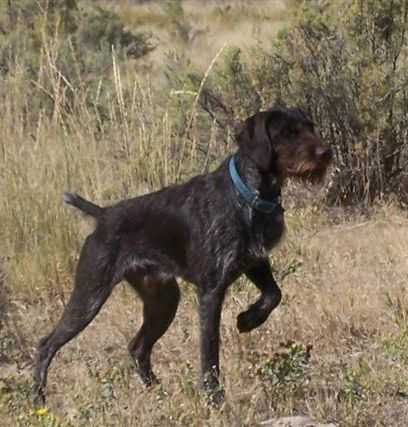
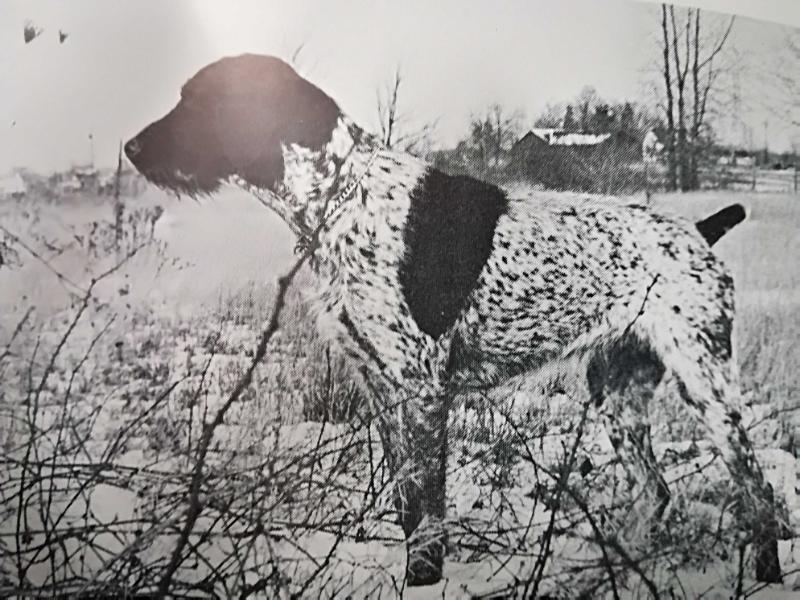
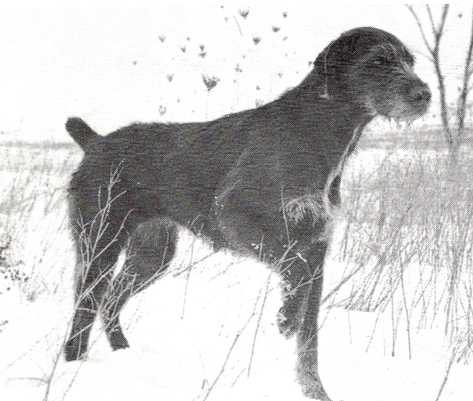
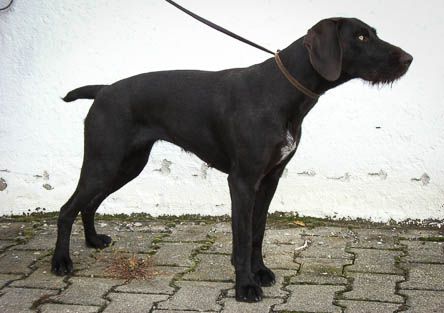
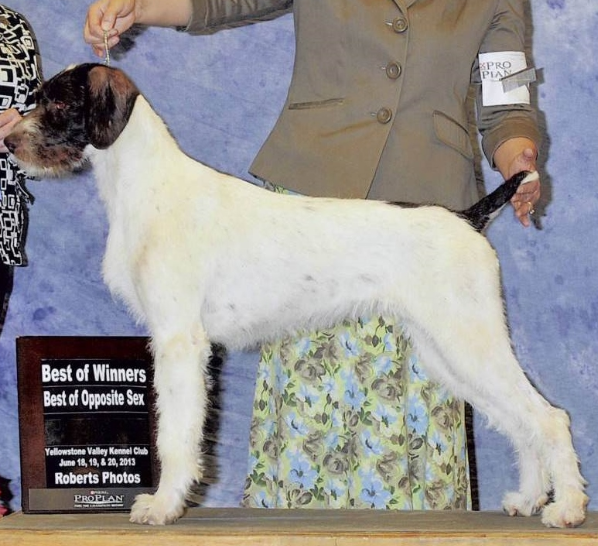
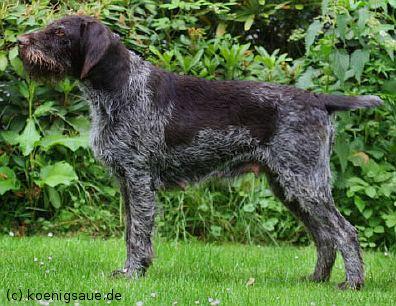
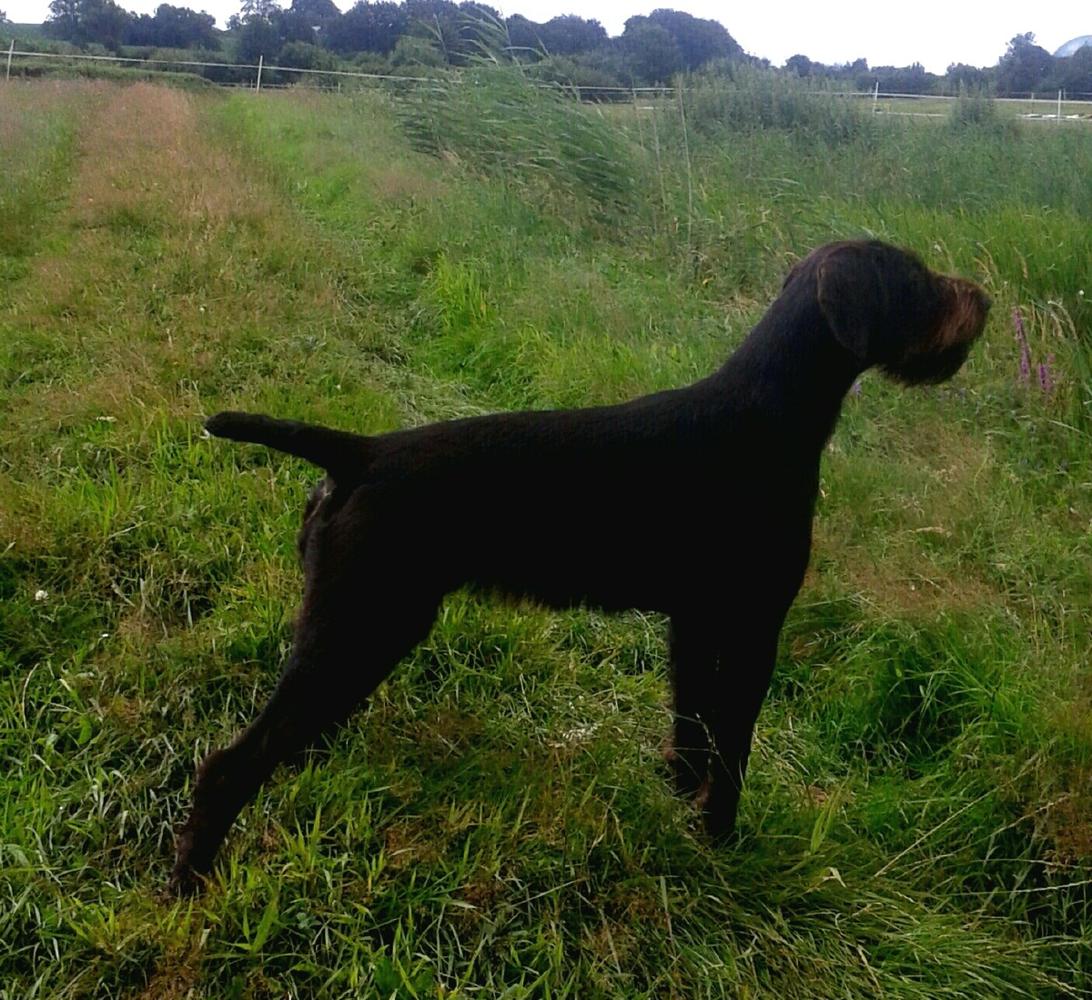
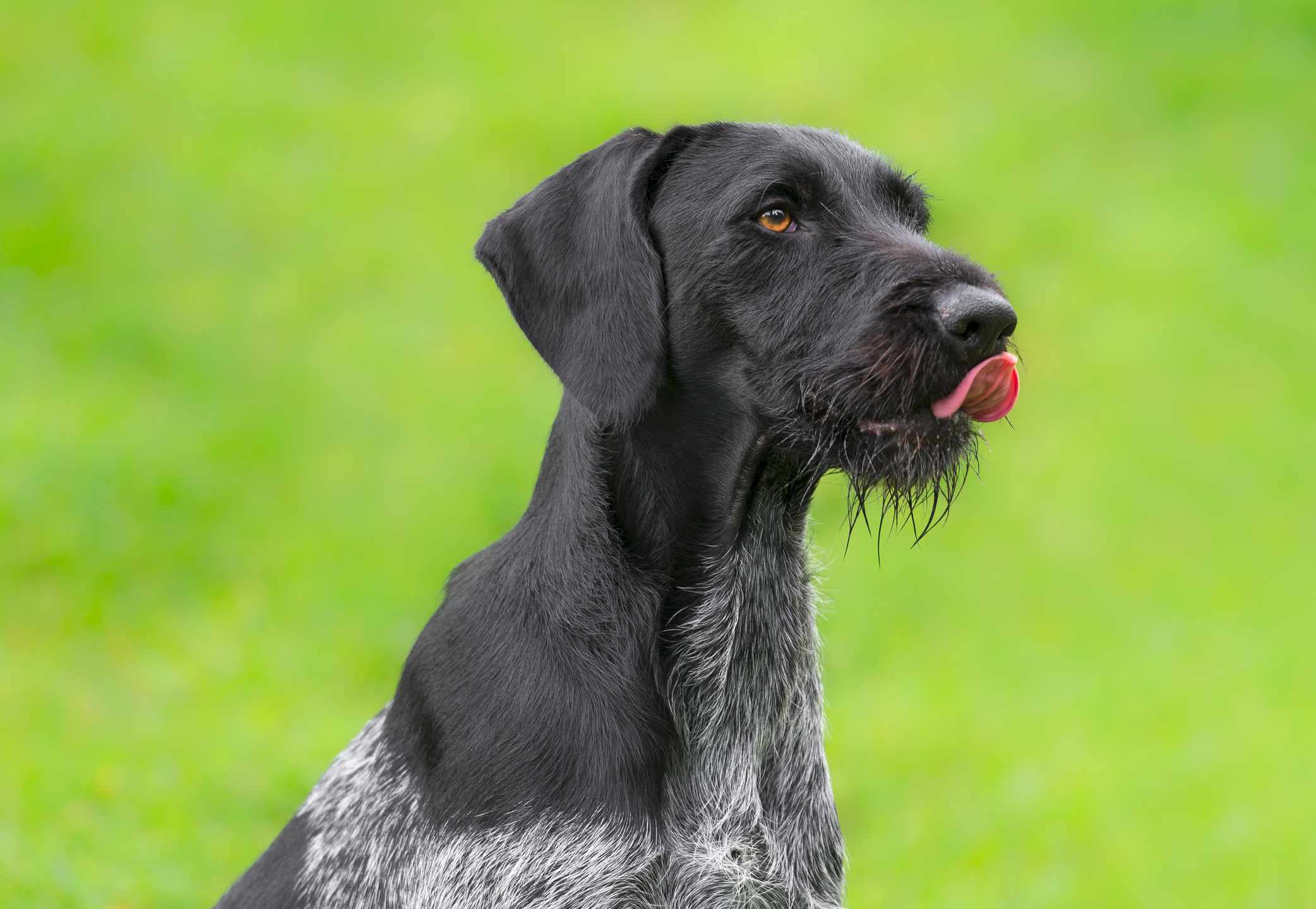
The German Wirehaired Pointer (GWP) was developed in late 19th-century Germany by hunters seeking a tough, all-purpose sporting dog capable of working on land and in water. German breeders combined traits from several breeds—including the German Shorthaired Pointer, Griffon, Pudelpointer, and Stichelhaar—to produce a dog that could track, point, retrieve, and withstand harsh terrain and weather.
This practical, rugged breed was designed to be a true hunter’s companion, with a weather-resistant coat, keen nose, and tireless drive. It was officially recognized by the German Kennel Club in the 1920s and the American Kennel Club (AKC) in 1959, where it now resides in the Sporting Group.
The GWP enjoys strong popularity among hunters, field trial enthusiasts, and active outdoorspeople, especially in North America and Europe. While not as widespread as the German Shorthaired Pointer, the GWP has gained a devoted following thanks to its endurance, intelligence, and protective temperament.
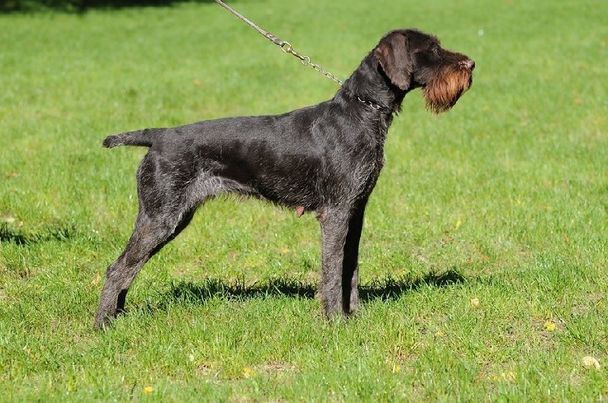
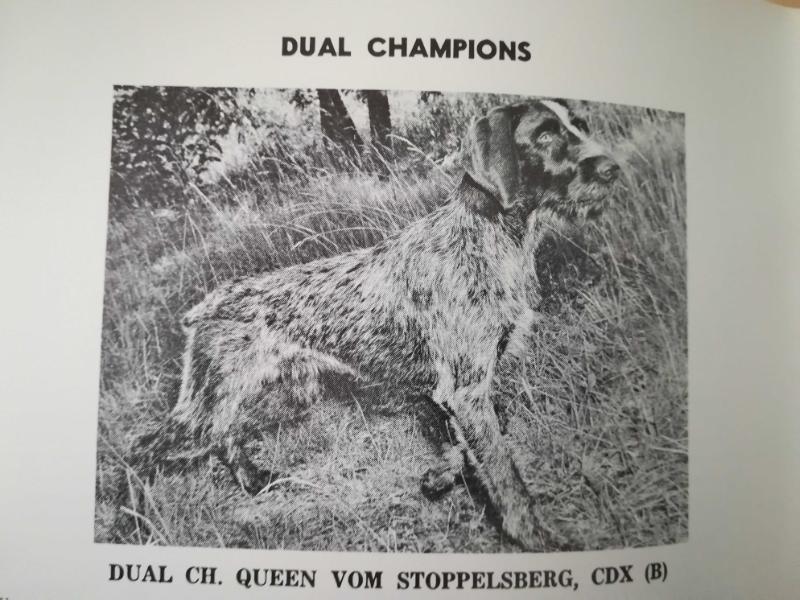
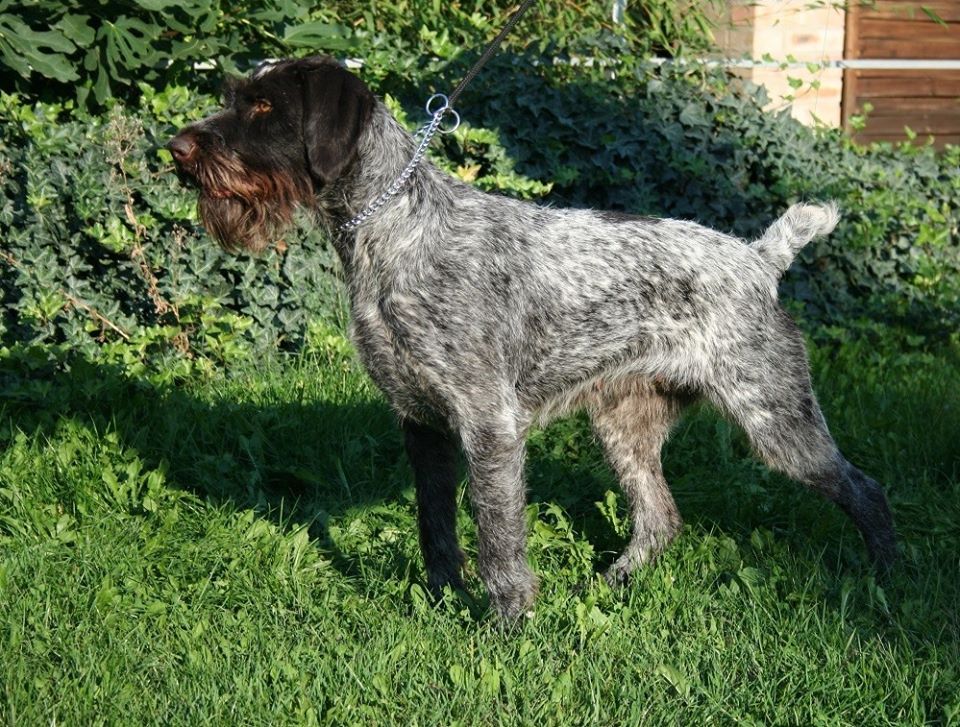
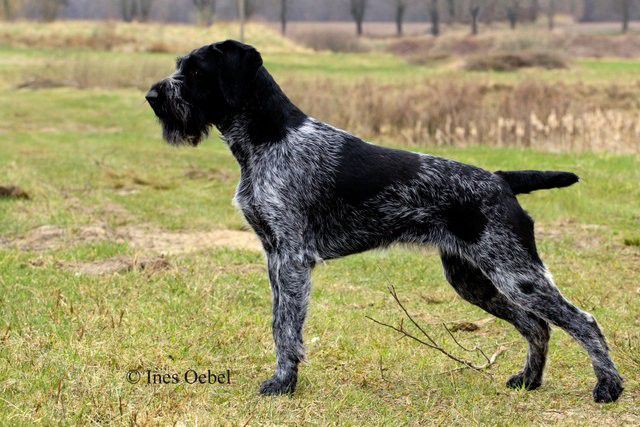
Its distinctive wiry coat and facial furnishings also make it stand out in the crowd, attracting attention from dog lovers who admire functional beauty.
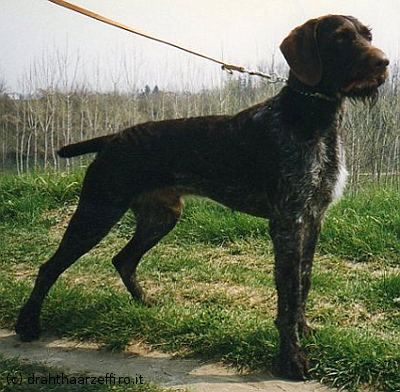
The GWP is a medium-to-large, athletic breed, built for stamina and durability in the field.
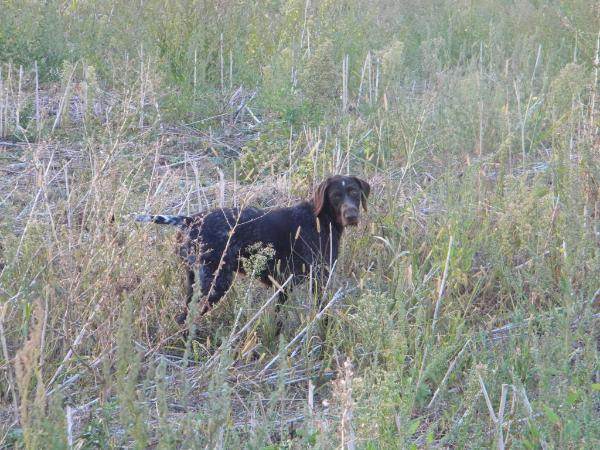
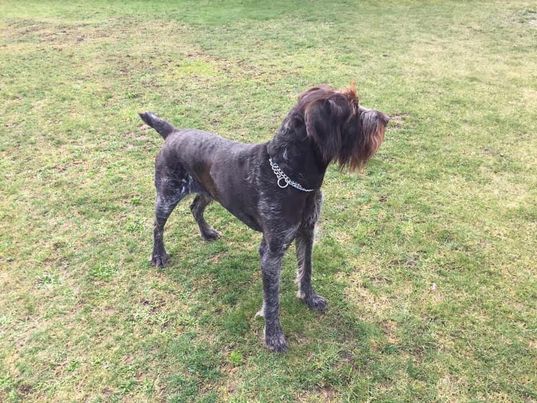
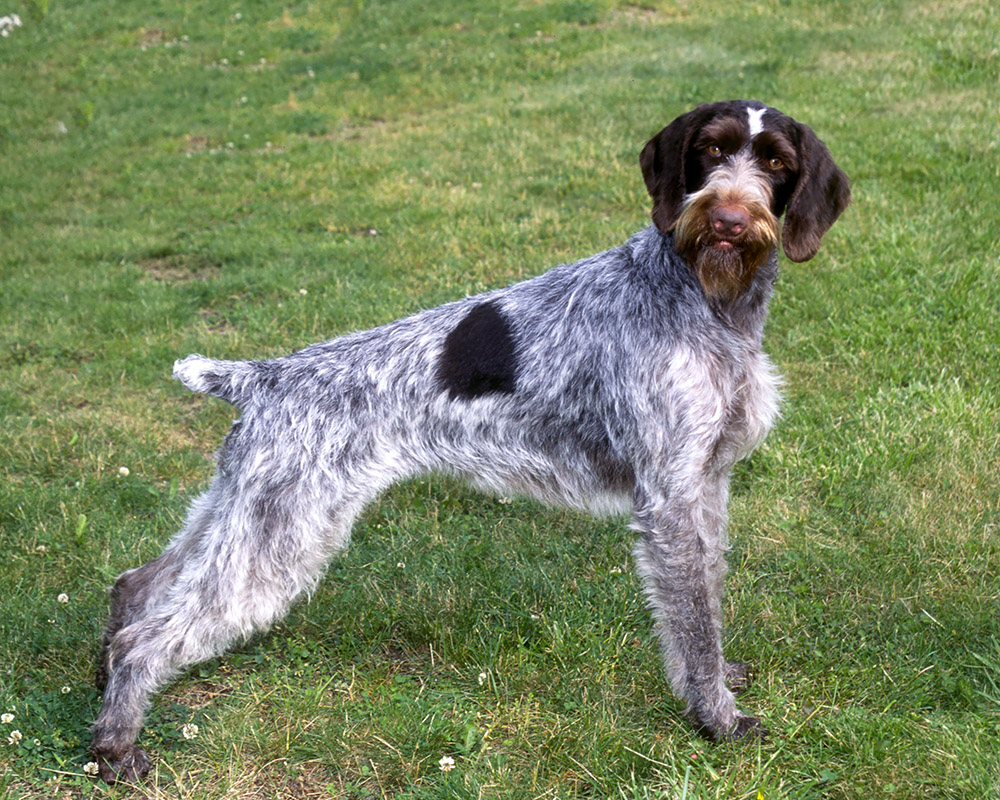
• Coat: Harsh, wiry, weather-resistant outer coat with a dense undercoat that protects against brambles and cold.
• Color:
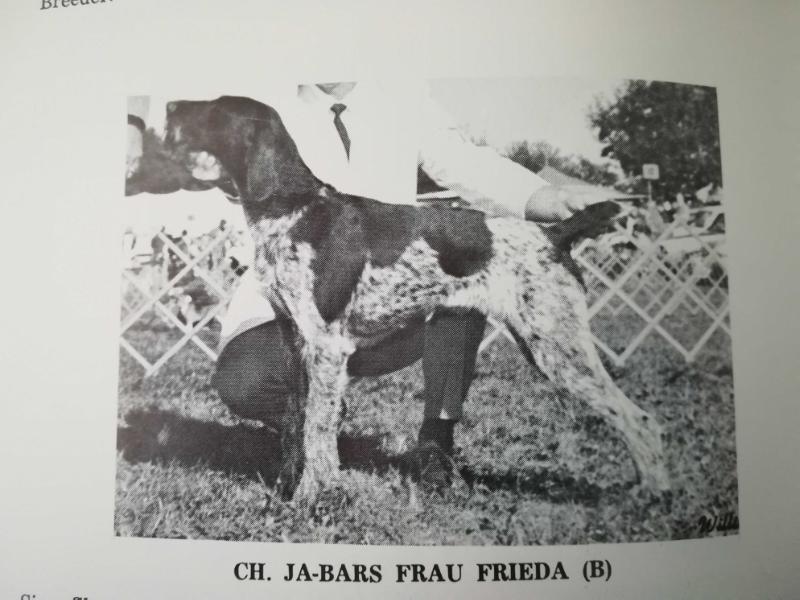
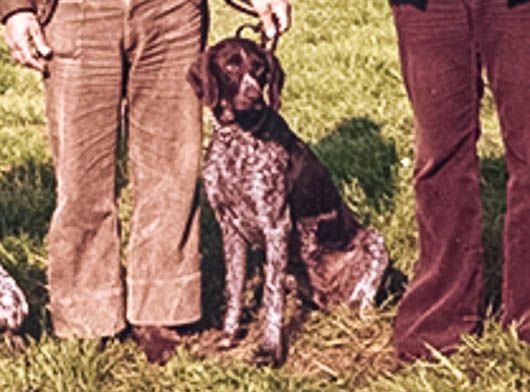
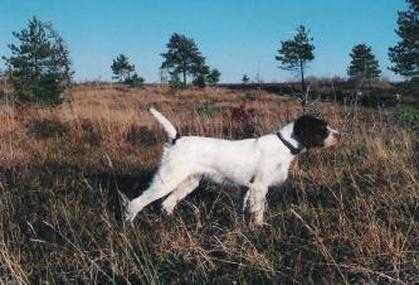
o Most commonly liver and white, either ticked, patched, or roan; solid liver also accepted.
• Size:
o Height: 22–26 inches (56–66 cm)
o Weight: 50–70 lbs (23–32 kg)
• Head & Expression: Broad skull, strong muzzle, and distinctive eyebrows and beard that add to its rugged charm.
• Ears: Medium length, set high, and lie flat against the head.
• Tail: Usually docked in the U.S., carried horizontally or slightly elevated.
• Body: Strong, well-muscled, and built for endurance in all types of terrain.
The GWP is a high-energy, intelligent, and loyal breed, known for its serious working drive and affectionate nature.
• Focused and Driven: Bred to work long hours—needs a job or active lifestyle.
• Loyal and Protective: Forms strong bonds with its family and is naturally watchful and wary of strangers.
• Highly Trainable: Intelligent and eager to work but may be strong-willed—requires consistent leadership.
• Versatile in the Field: Excels at tracking, pointing, retrieving, and water work.
• Can Be Aloof: Reserved with strangers—early socialization is essential.
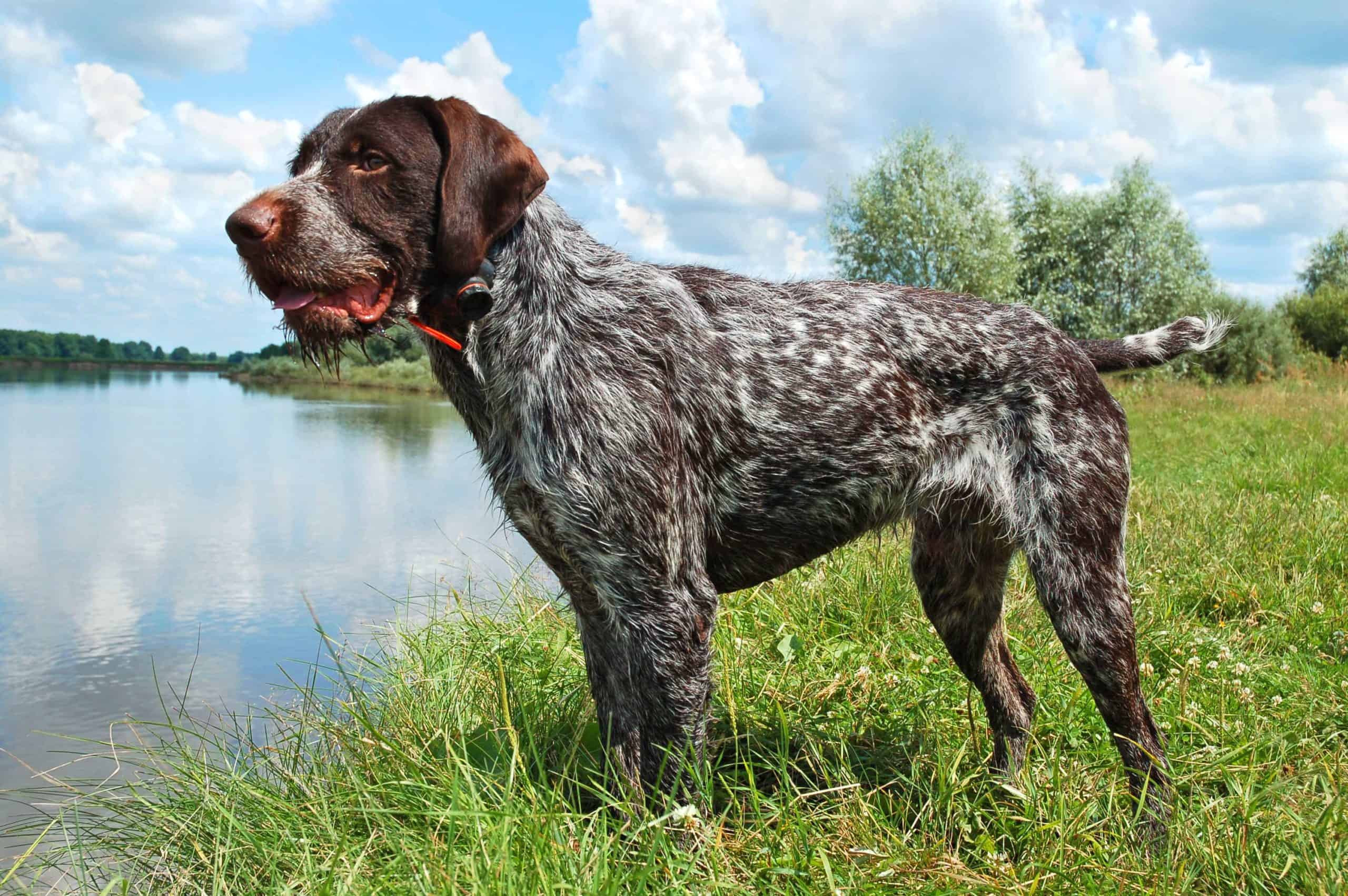
The GWP is a top choice for experienced owners seeking a working companion, hunting partner, or active outdoor buddy.
• Weatherproof and Rugged: Coat protects against tough terrain and elements.
• Versatile Hunter: Equally skilled on land and water.
• Protective Companion: Naturally alert and loyal—a great watchdog.
• Stands Out: Unique facial features and coat give it a bold, distinguished look.
• Endlessly Energetic: Ideal for runners, hikers, and hunters who want a dog that can keep up.
The GWP thrives in active homes with structure and purpose.
• Training:
o Begin early and use firm, positive methods—they do best with confident leadership.
o Teach impulse control and recall, especially due to prey drive.
• Exercise:
o Needs 90–120 minutes of daily activity, such as running, field work, agility, or hiking.
o Enjoys games that challenge both body and mind.
• Grooming:
o Brush weekly to remove debris and control shedding.
o Hand-strip the coat a few times per year to maintain texture.
o Clean beard and ears regularly.
• Nutrition:
o Feed a high-protein diet suited to active breeds.
o Monitor calorie intake to avoid joint strain.
• Companionship:
o Does best with active families who involve the dog in daily life—not suited for long hours alone.
The GWP typically lives 12–14 years and is generally hardy, but may be prone to:
• Hip and Elbow Dysplasia
• Eye Issues (like cataracts or entropion)
• Von Willebrand’s Disease (a bleeding disorder)
• Hypothyroidism
• Ear Infections (due to water activity and floppy ears)
Work with reputable breeders who perform health screenings and maintain regular vet care.
Compared to the German Shorthaired Pointer, the GWP is more protective and slightly more reserved. It is tougher in extreme terrain and less people-oriented, but still deeply loyal to its family. Compared to the Wirehaired Pointing Griffon, the GWP is more intense and higher energy, suited for experienced handlers.
This breed is best for hunters, outdoorsy individuals, or active families who can provide plenty of physical and mental stimulation. The GWP is an excellent choice for those who want a dog that can work all day and cuddle at night—but not for owners seeking a low-energy or hands-off pet.
United Pet Club offers resources for training, health care, and finding responsible breeders. Whether you’re a hunter or outdoor enthusiast, the German Wirehaired Pointer offers reliability, energy, and rugged beauty in one smart, spirited companion.