

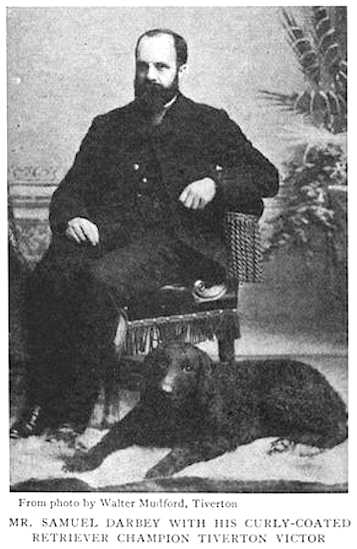
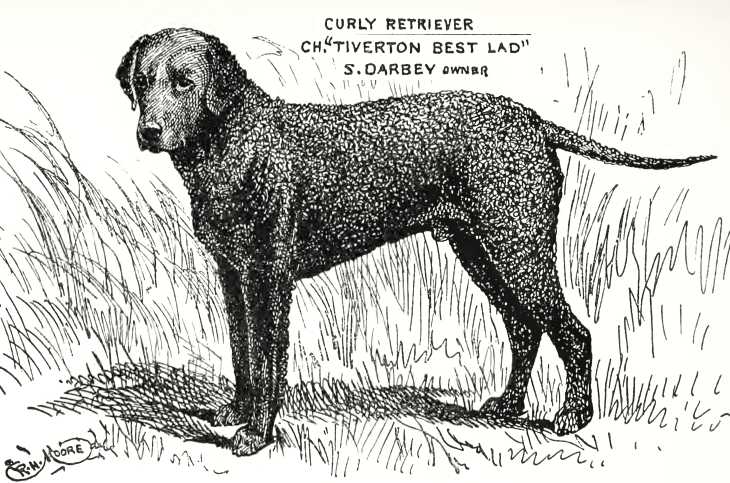
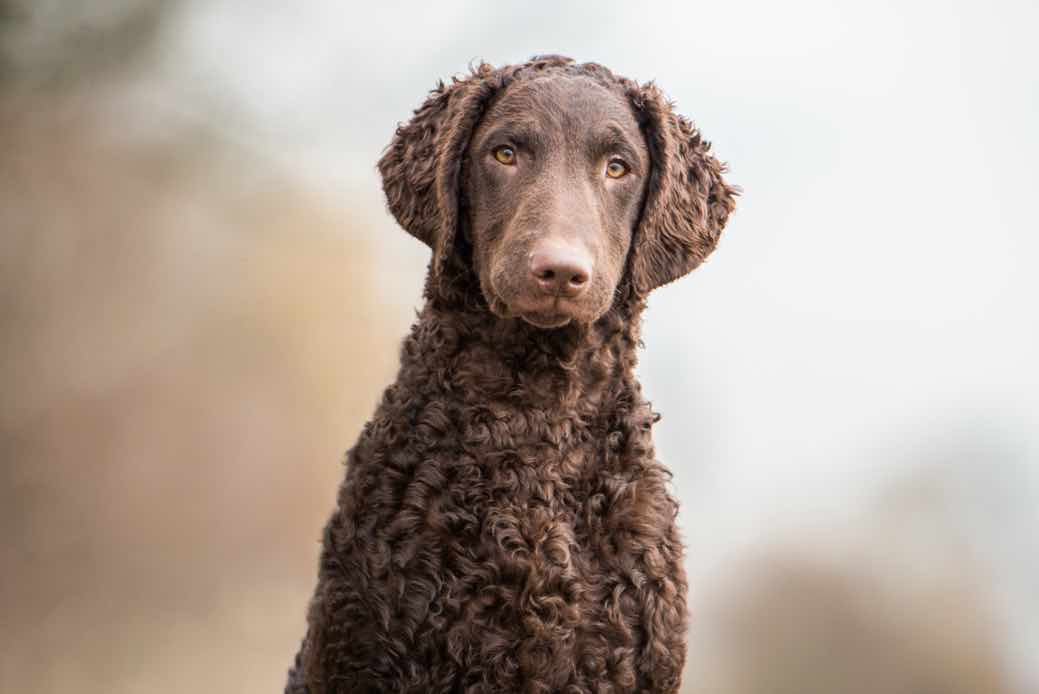
The Curly-Coated Retriever is one of the oldest of the retriever breeds, originating in England during the 18th century. It was developed to retrieve game from both land and water, prized for its intelligence, endurance, and uniquely curly coat that offered protection from the elements.
Though the exact lineage is unclear, the breed likely descended from a combination of English Water Spaniels, Poodles, Irish Water Spaniels, and retrieving setters. Curly-Coated Retrievers were popular among gamekeepers and hunters for their hardiness and versatility. They were one of the first breeds shown in dog shows in the UK and were recognized by the American Kennel Club (AKC) in 1924.
Though not as widely known as the Labrador or Golden Retriever, the Curly remains a beloved sporting companion and a symbol of classic British fieldwork tradition.
The Curly-Coated Retriever is less common than other retrievers, but maintains a loyal following among hunters, dog sport competitors, and breed enthusiasts. Its distinctive appearance and working ability appeal to those who want something different from the mainstream.
It’s ideal for active owners who appreciate a multi-talented dog that’s both elegant and athletic.
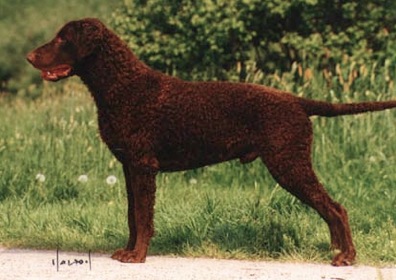
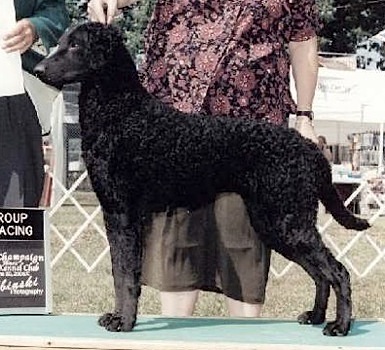
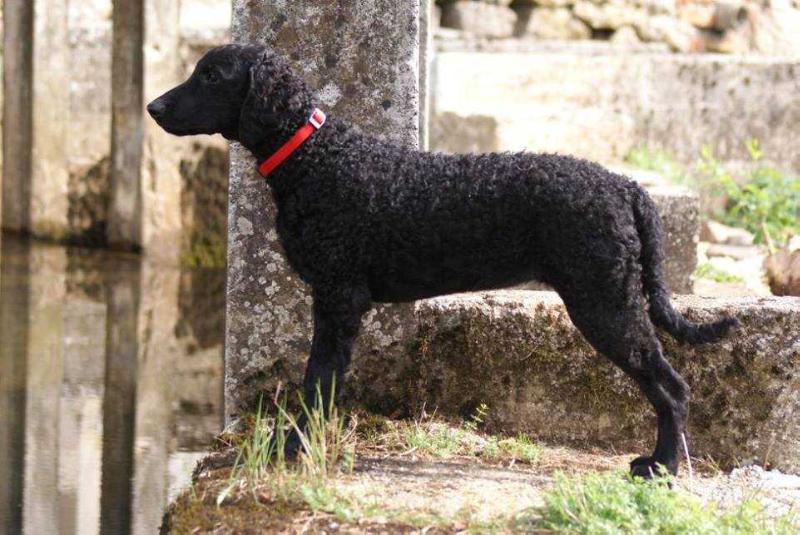
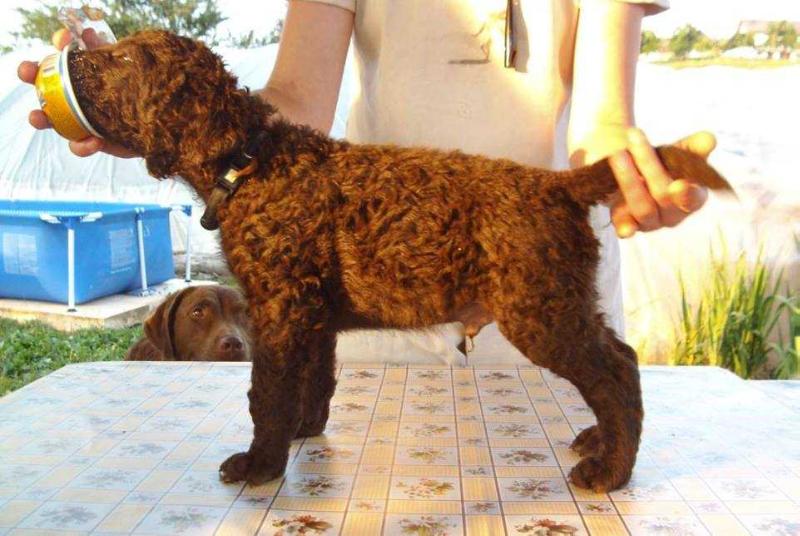
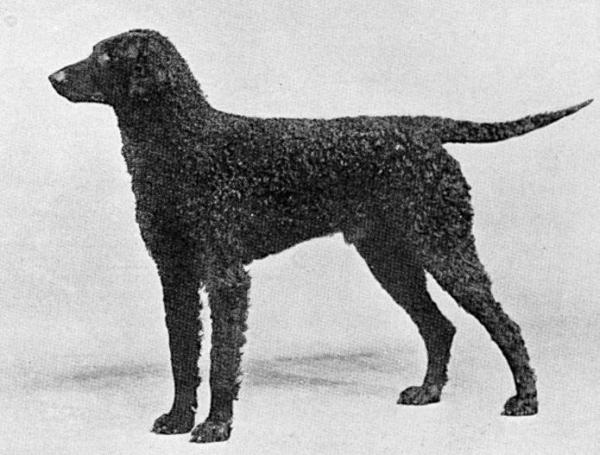
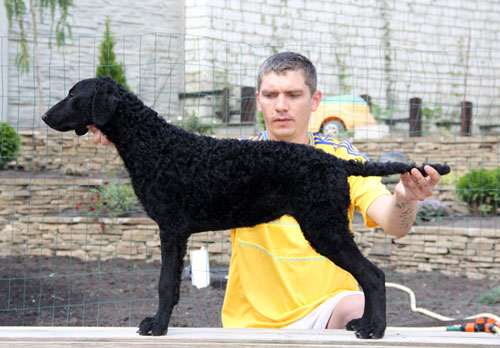
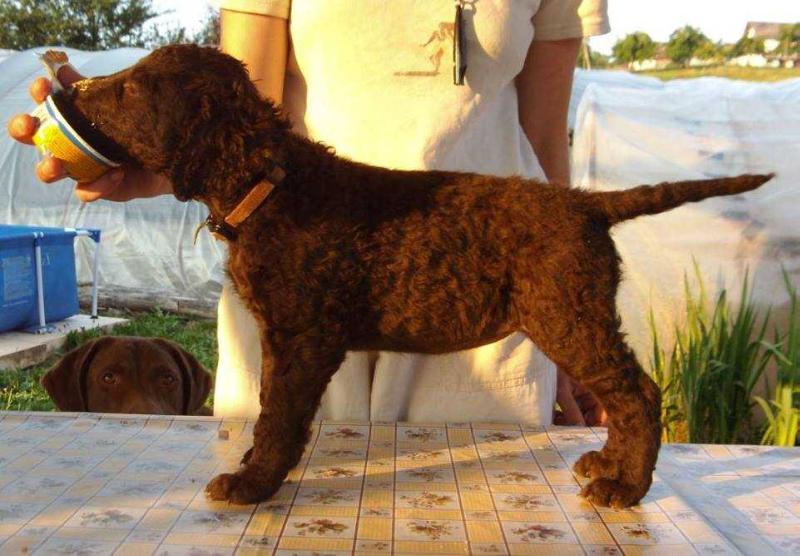
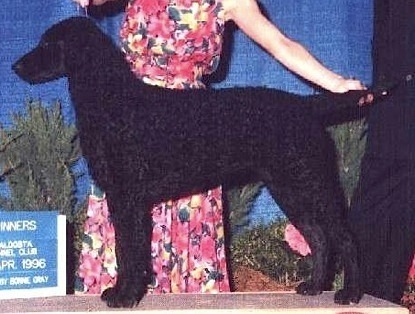
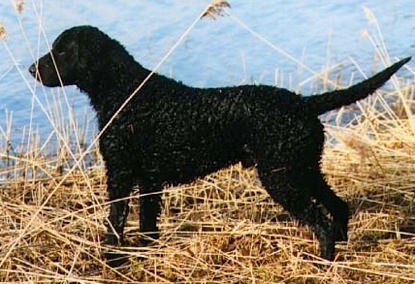
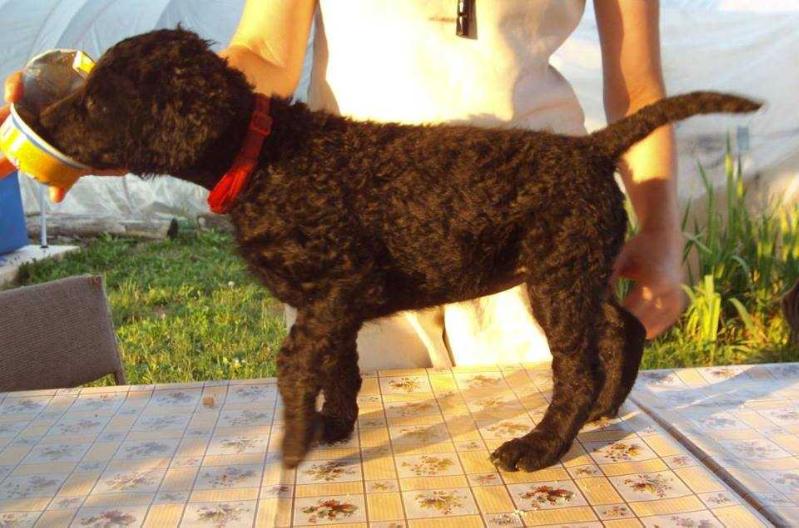
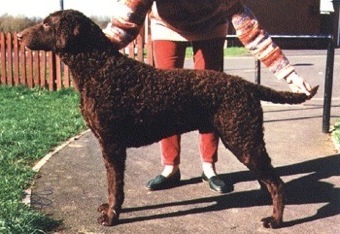
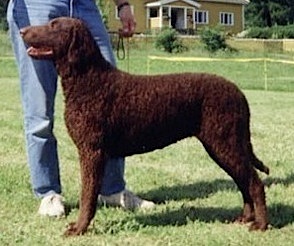
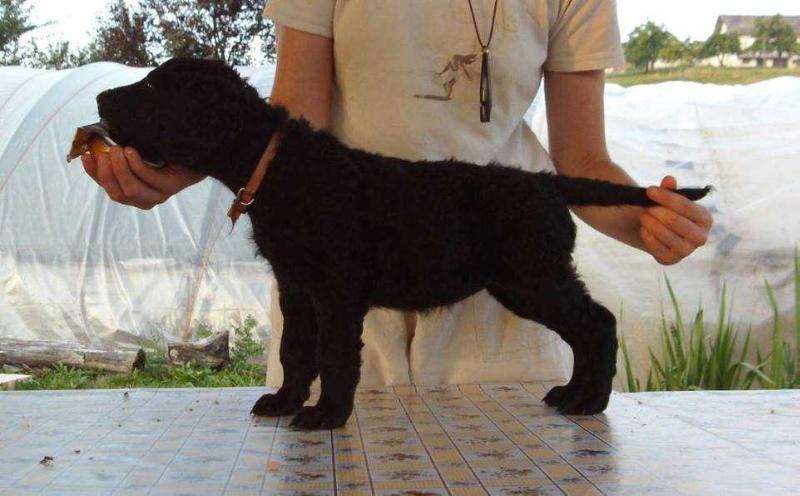
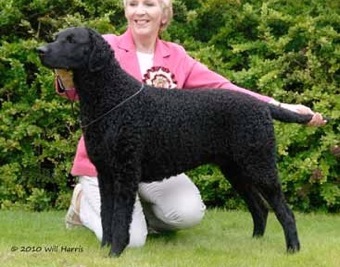
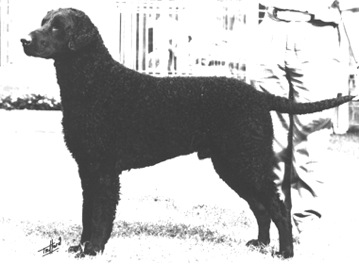
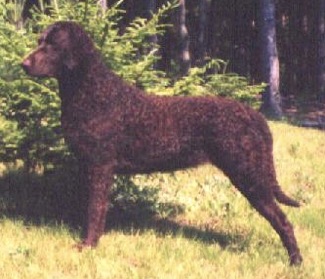
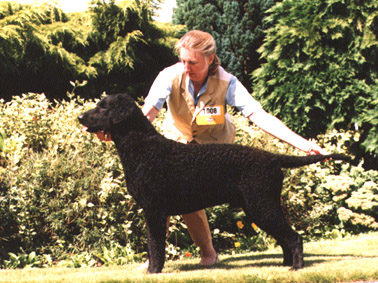
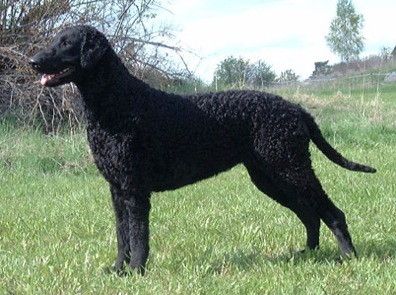
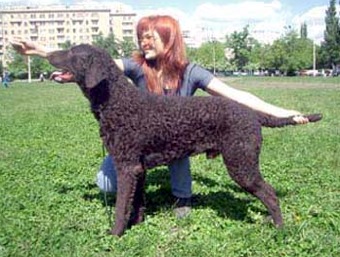
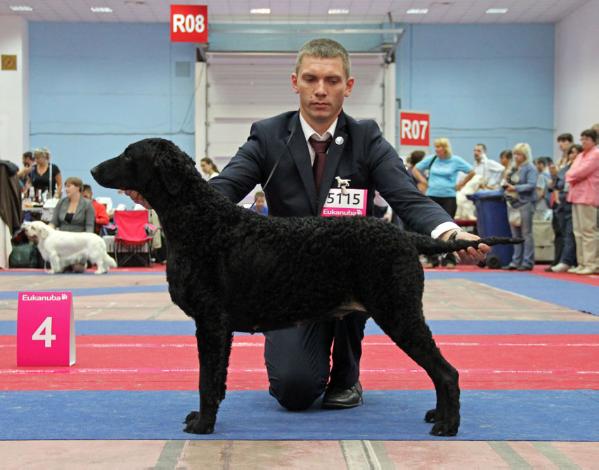
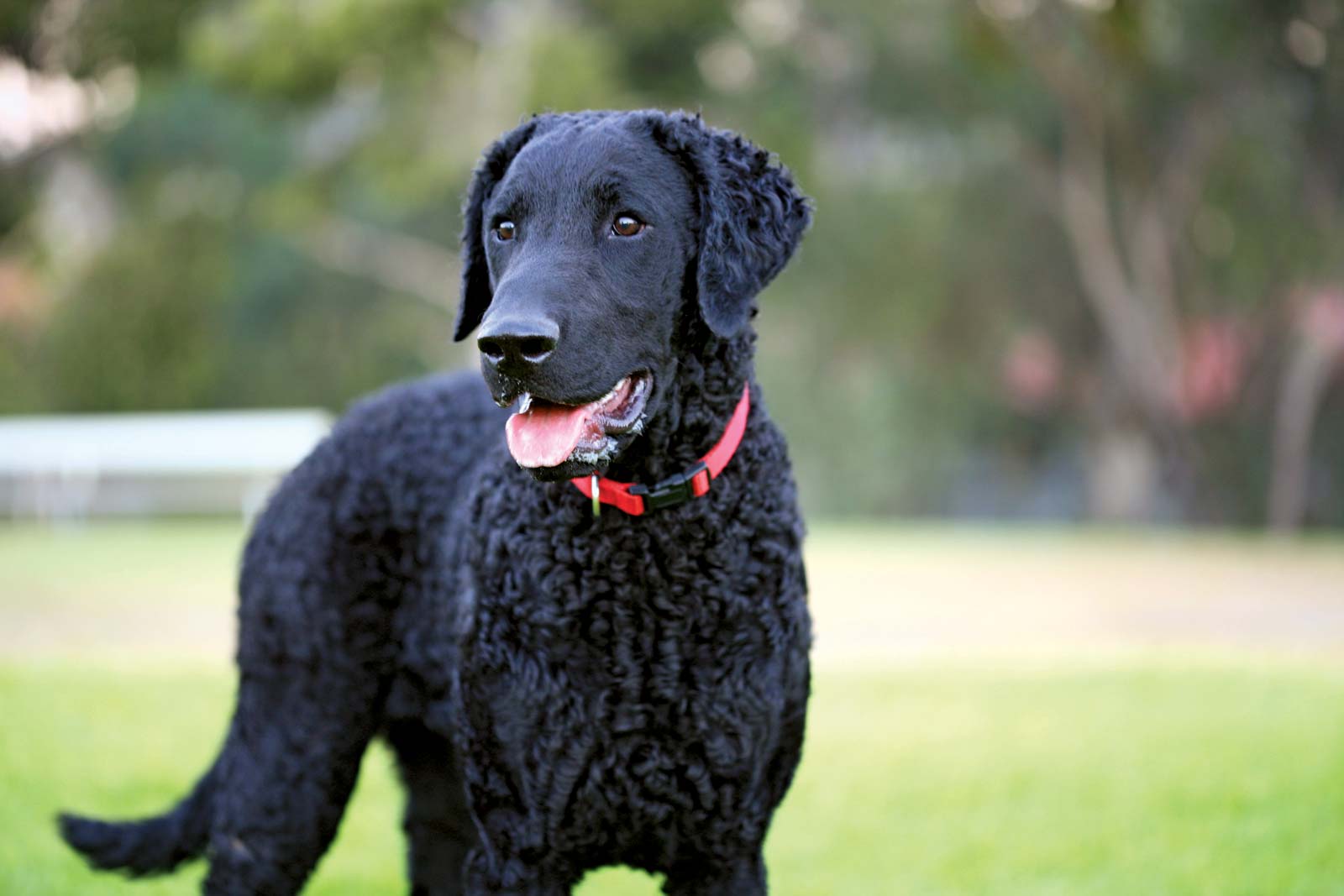
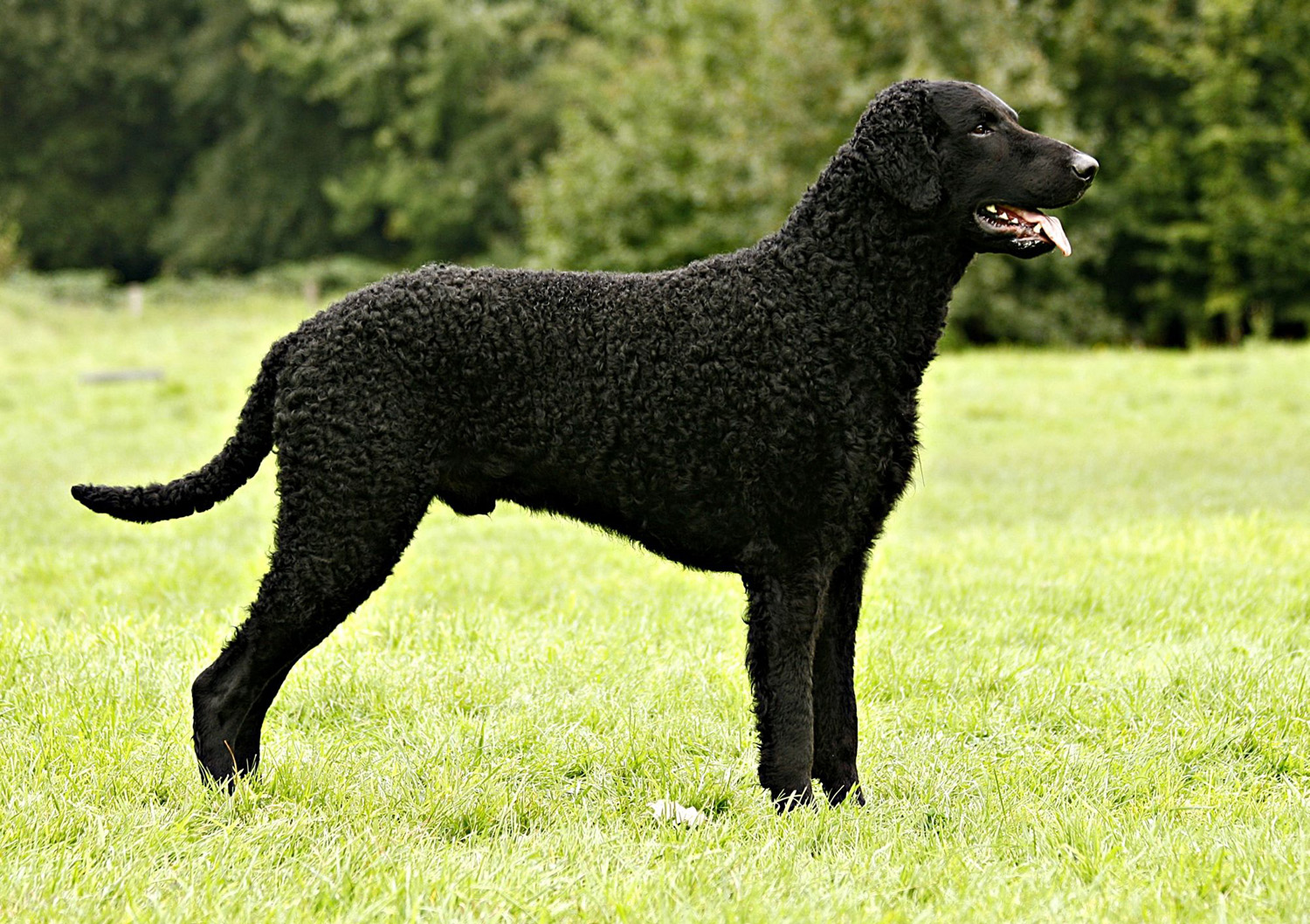
The Curly-Coated Retriever is tall, lean, and muscular, distinguished by its tight, water-resistant curls that cover most of its body.
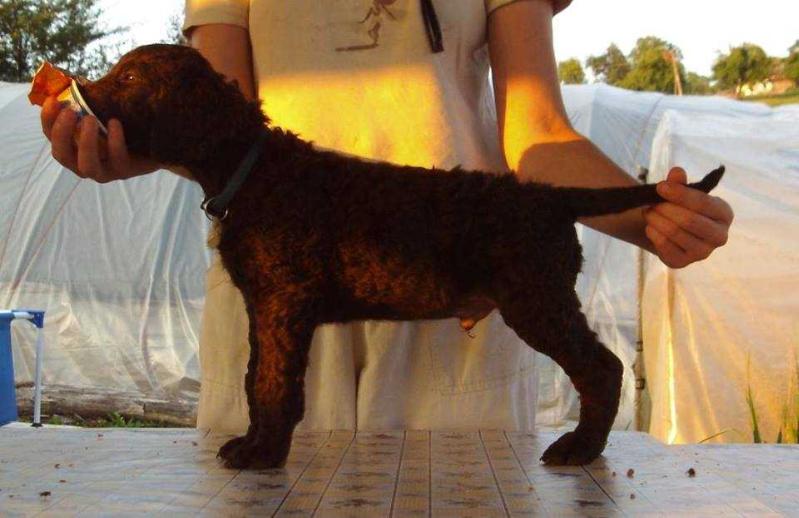
• Coat: Dense, crisp, tight curls that lie close to the body—no undercoat, and naturally water-repellent.
• Color:
o Solid black or solid liver (rich brown).
• Size:
o Height: 23–27 inches (58–69 cm)
o Weight: 60–95 lbs (27–43 kg)
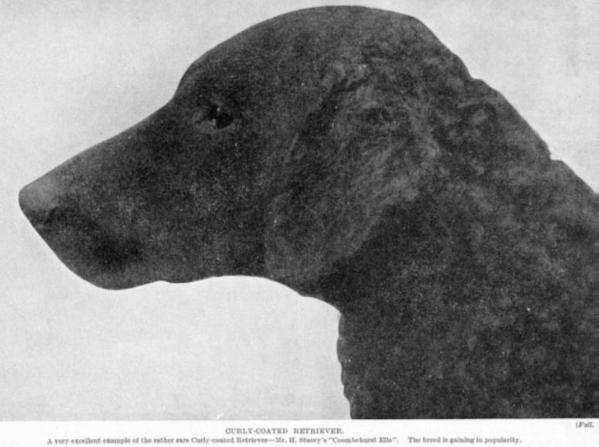
• Head & Expression: Long, wedge-shaped head with gentle eyes and a smart, composed look.
• Ears: Dropped and covered in tight curls, lying close to the head.
• Tail: Straight and carried in line with the back—also covered in curls.
• Body: Athletic, slightly longer than tall, with strong bones and graceful movement.
This breed is known for being confident, clever, and quietly affectionate, with an independent edge.
• Intelligent and Capable: Highly trainable and adept at solving problems on their own.
• Independent but Loyal: Slightly more aloof than other retrievers, but still devoted to their family.
• Calm and Composed: Not overly excitable or hyper—well-mannered indoors, especially as adults.
• Excellent Retriever: Natural at swimming, fetching, and fieldwork.
• Playful and Active: Enjoys running, hiking, and dog sports, but doesn’t require constant attention.
If you want a distinguished-looking, intelligent, and athletic retriever, the Curly offers a unique alternative to more popular retriever breeds.
• Ideal for Active Homes: Excels in hunting, agility, obedience, or outdoor recreation.
• Low-Maintenance Coat: No need for trimming or elaborate grooming—wash and wear.
• Distinctive Appearance: The only retriever with a curly coat, combining function and flair.
• Quiet and Self-Assured: Less clingy and more reserved than other retrievers.
• Long-Lived and Hardy: Generally healthy and thrives in various climates.
While relatively low-maintenance, Curlies need regular exercise, mental stimulation, and early socialization.
• Training:
o Intelligent and eager to learn, but can be independent-minded—consistency is key.
o Positive reinforcement works best—avoid harsh methods.
• Exercise:
o Needs 60–90 minutes of daily activity—fetch, swimming, jogging, and playtime are ideal.
o Enjoys off-leash time in safe areas and mentally stimulating activities.
• Grooming:
o Minimal grooming—just occasional brushing or combing to remove dead hair.
o Bathe only when necessary to preserve the coat’s natural oils.
• Nutrition:
o Feed a balanced, high-quality diet tailored to active, large breeds.
o Monitor weight and joint health.
• Companionship:
o Loves family life but can be reserved with strangers—early socialization helps build confidence.
The Curly-Coated Retriever is generally healthy and has a longer lifespan than many large breeds (10–13+ years). Some concerns include:
• Hip and Elbow Dysplasia
• Gastric Torsion (Bloat)
• Epilepsy
• Eye Issues (like cataracts or progressive retinal atrophy)
• Cancer (particularly in older dogs)Work with responsible breeders who screen for genetic issues, and schedule regular vet checkups to catch problems early.
Compared to the Labrador Retriever, the Curly is more independent and reserved, though equally skilled at retrieving. Unlike the Golden Retriever, which thrives on affection and attention, the Curly tends to be quieter and more self-contained.
It also sheds less than the Golden and has a wash-and-wear coat that needs little maintenance. Among retrievers, it is the most unique in both appearance and personality.
The Curly-Coated Retriever is ideal for outdoorsy individuals, hunters, or families looking for a smart, athletic, and lower-maintenance retriever with an independent spirit.
If you’re seeking a velcro dog or a highly social companion for a busy urban lifestyle, a different breed might be a better fit.
United Pet Club is here to help you find and care for your Curly-Coated Retriever. Whether you're interested in ethical breeders, training tips, or health resources, we’ve got everything you need.
Explore our platform today to learn more about this elegant, athletic breed, and connect with the oldest retriever breed in the world—the Curly-Coated Retriever.