Vet Checkups: What Actually Happens and How Often Your Pet Needs One
A walkthrough of what a routine veterinary checkup actually covers, how often different pets need one, and how to get more out of the visit.
United Pet Club@unitedpetclub4 min read
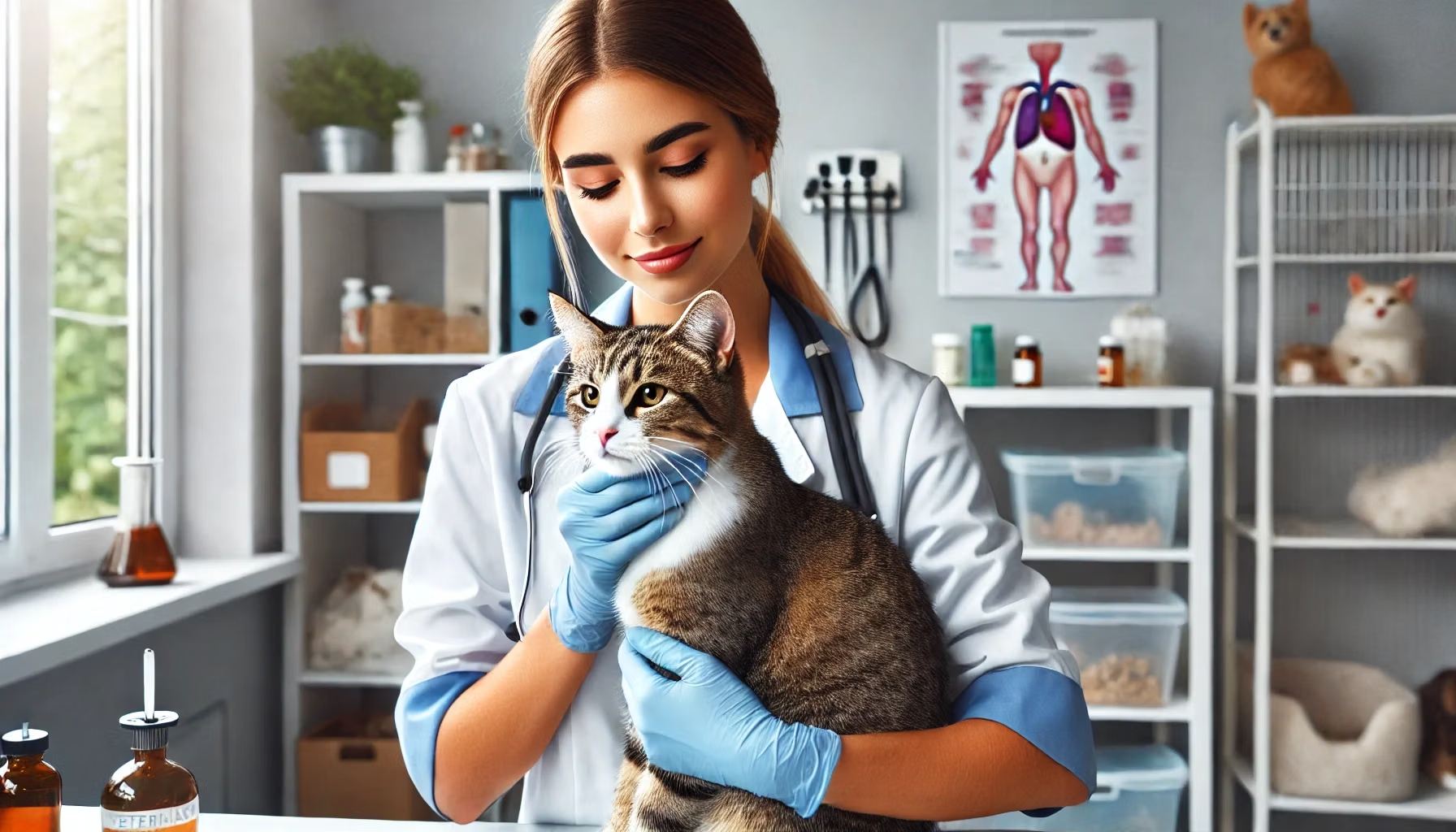
Healthy adult dogs and cats need a veterinary checkup once a year. Puppies, kittens, senior pets over roughly seven years old, and any pet on ongoing medication need to be seen more often, sometimes every three to six months. A standard checkup covers a full physical exam from nose to tail, a weight and body condition check, a review of vaccines and parasite prevention, and bloodwork when age or symptoms call for it. Skipping these visits does not save money over time. Conditions like dental disease, early kidney decline, and mild arthritis are far cheaper and easier to manage when a vet catches them before they cause symptoms you can see at home.
This guide walks through why regular checkups matter, what actually happens once you are in the exam room, how often different pets need to go, and how to get more out of the fifteen or twenty minutes you get with your vet.
Why checkups matter more than an annual formality
A lot of pet owners treat the yearly checkup as a box to check rather than something with a real payoff. That view misses what the visit is actually for. The diseases that matter most in dogs and cats, heart disease, kidney disease, hyperthyroidism in cats, and several cancers, tend to develop slowly and without symptoms an owner would notice day to day. A dog can lose function in one kidney and still act completely normal, because the body compensates until the damage is well advanced. A vet who listens to the heart, feels the abdomen, and checks bloodwork against last year's numbers can catch that kind of change while it is still manageable.
The same logic applies to weight and dental health, two of the most common problems vets see. Weight creeps up in small increments that are nearly impossible to notice at home but obvious on a scale next to last year's number. Dental disease starts as tartar and mild gum inflammation long before a pet stops eating or starts drooling, and left alone it can seed infection that reaches the heart or kidneys through the bloodstream. Annual exams catch both while the fix is still simple: a diet adjustment instead of managing diabetes, a cleaning instead of extractions.
What actually happens during the exam
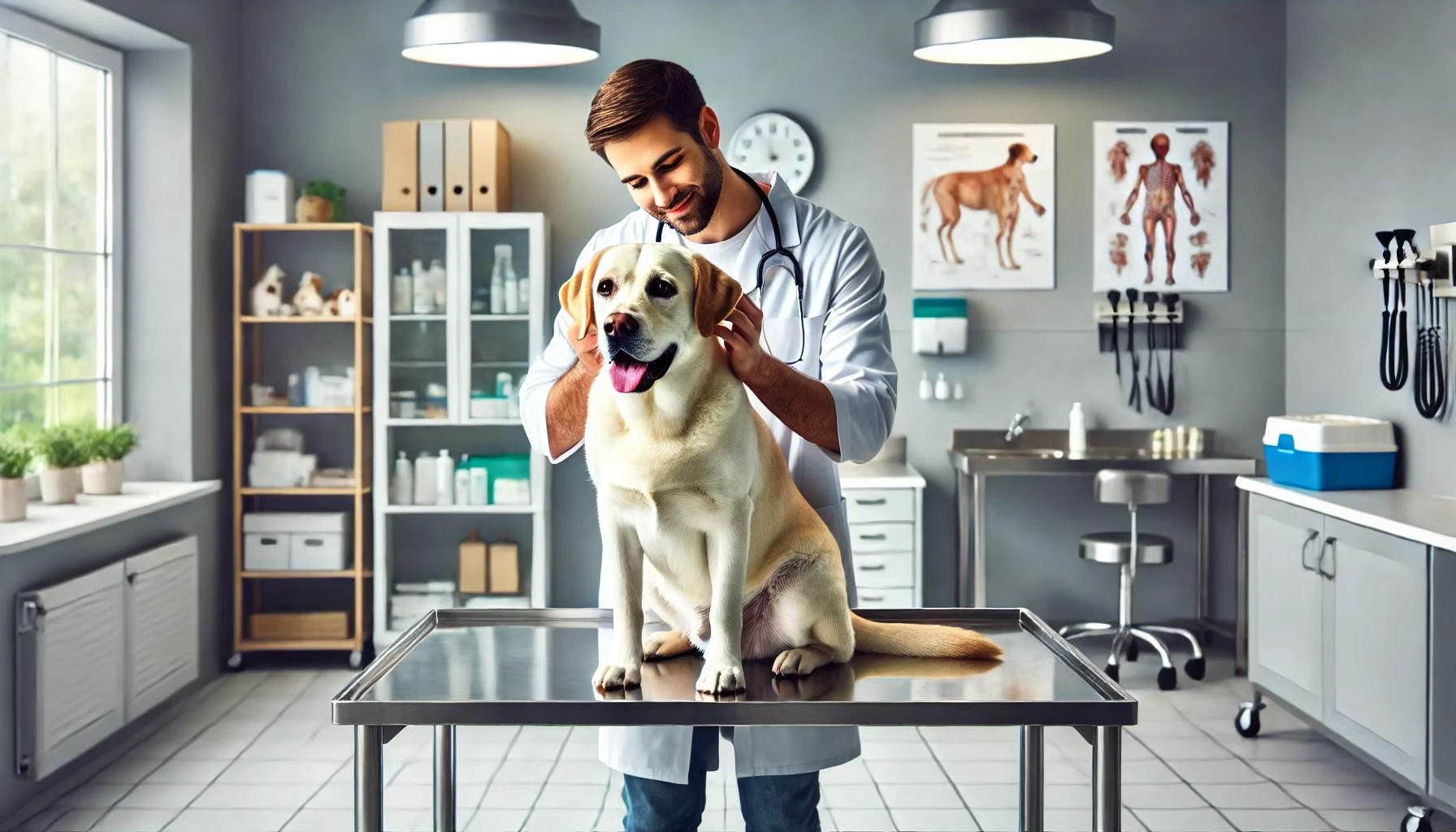
A typical wellness visit moves through a consistent sequence, even though it feels quick from the exam table. The vet starts with a hands on physical exam: eyes, ears, mouth, skin and coat, and a feel of the abdomen for anything that seems out of place. They listen to the heart and lungs for murmurs or irregular rhythms and check weight against your pet's history.
From there, the visit typically covers a few more things. Vaccines get reviewed and updated based on your pet's age, lifestyle, and local disease risk, whether that is rabies and distemper for dogs or feline leukemia and panleukopenia for cats. The vet checks for fleas, ticks, and signs of internal parasites, and may ask for a stool sample to screen for worms. For pets past middle age, or any pet showing a symptom worth investigating, bloodwork adds a layer the physical exam cannot reach: kidney and liver values, thyroid levels, and blood sugar all come from a lab panel, not a stethoscope. Most visits close with a conversation about diet, portion size, and any behavior changes worth flagging, since mood and appetite shifts are sometimes the first sign of a medical issue rather than a training problem.