

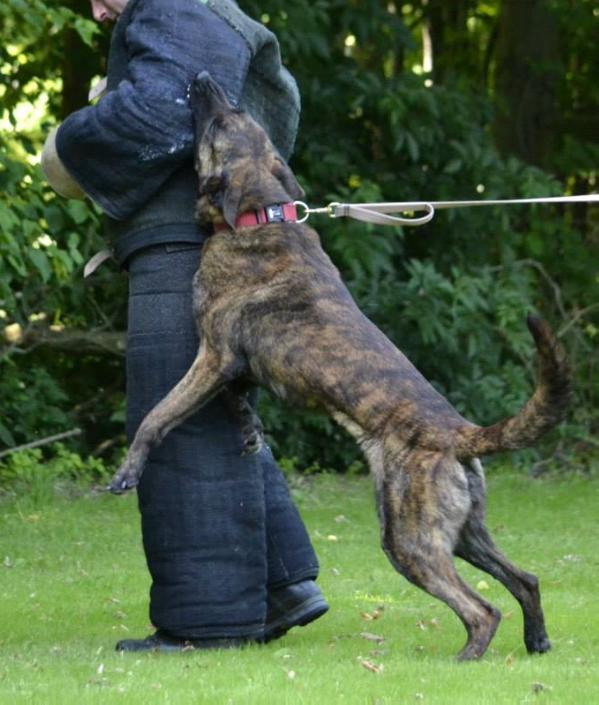
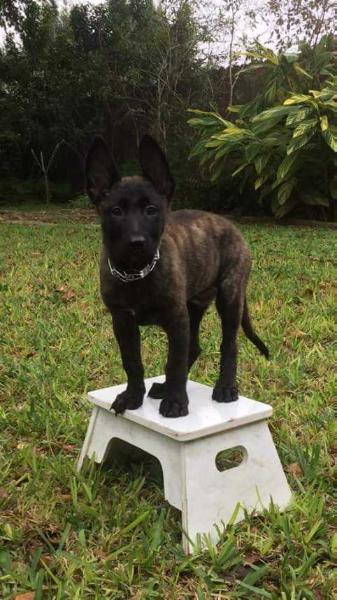
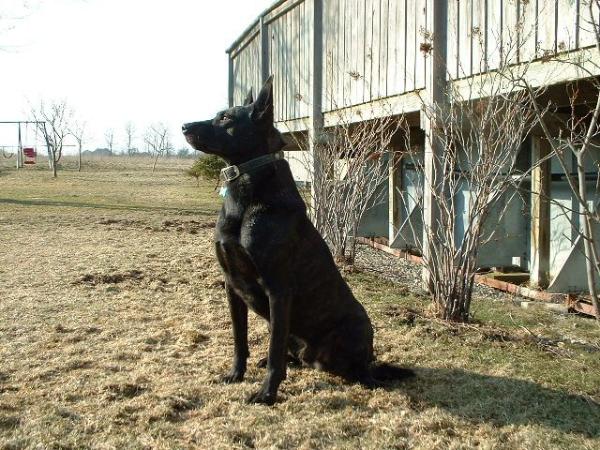
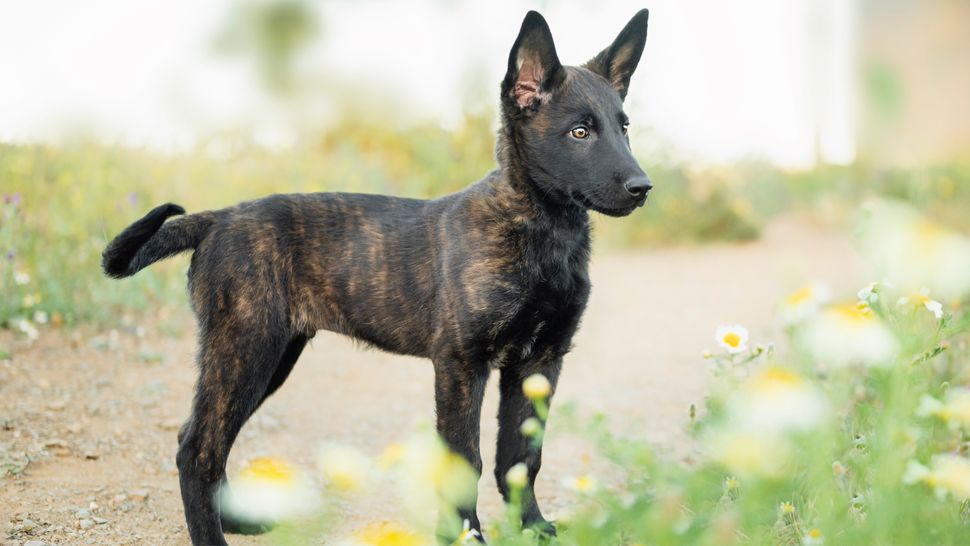
The Dutch Shepherd (Hollandse Herdershond) is a versatile herding and working dog developed in the Netherlands in the 19th century. Originally bred by farmers and shepherds, it was used for herding sheep, guarding property, and pulling carts. What set it apart was its adaptability, as it could handle various tasks around the farm and was known for its unwavering work ethic.
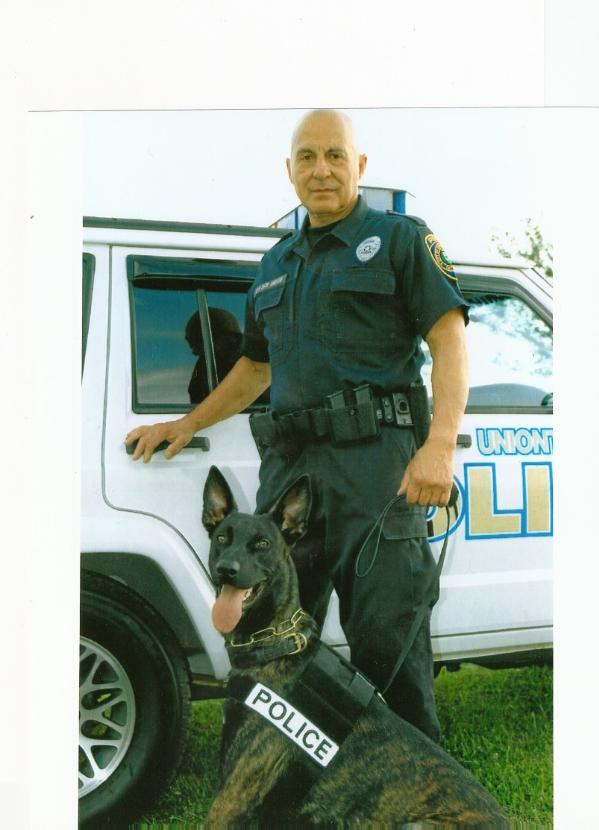
When traditional farming practices declined, so did the need for herding dogs. However, thanks to dedicated breeders, the Dutch Shepherd was preserved and found new roles in police work, search and rescue, military service, and dog sports. Today, it is still relatively rare but is celebrated for its versatility and intelligence.
Though less well-known than its cousins, the German Shepherd and Belgian Malinois, the Dutch Shepherd has earned a strong following among professional handlers, sport competitors, and active families. It is prized for its balanced temperament, trainability, and low grooming requirements, especially in working environments.
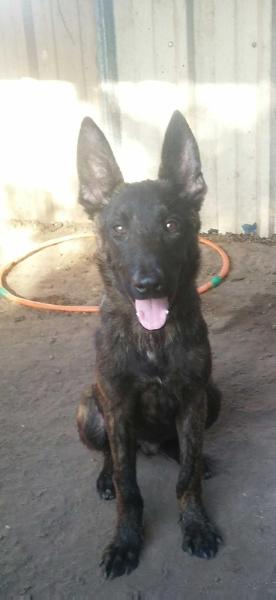
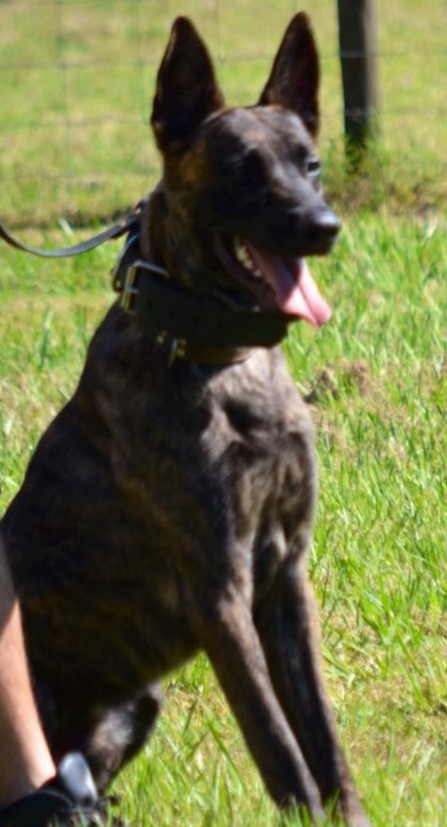
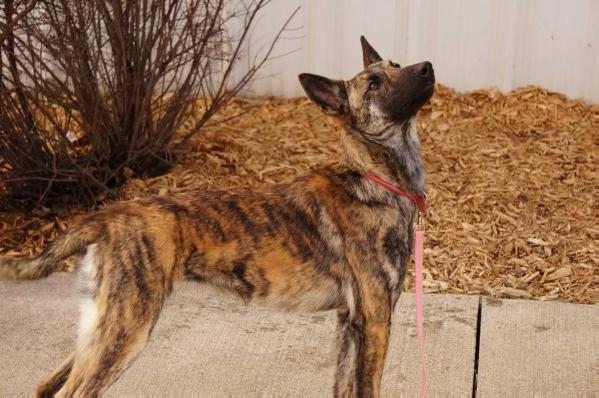
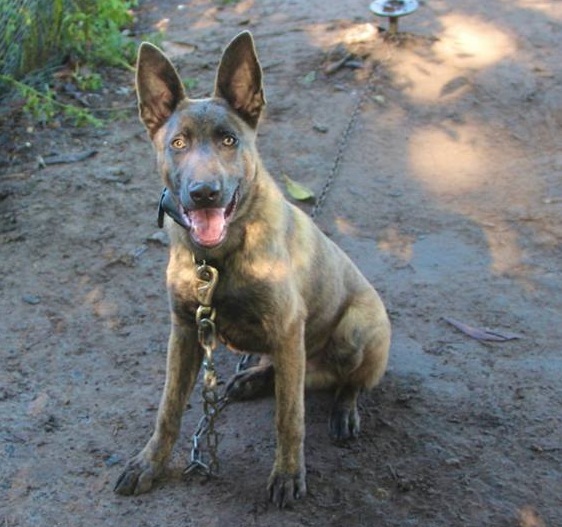
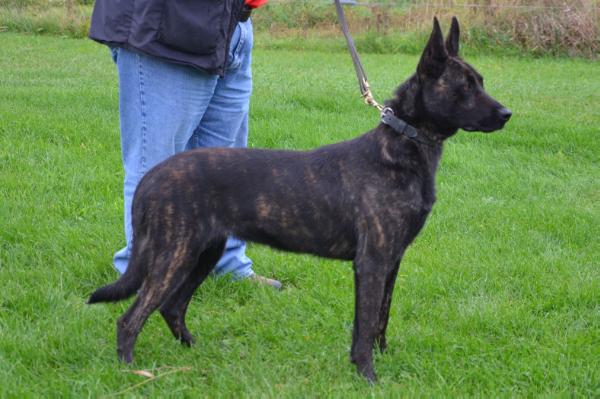
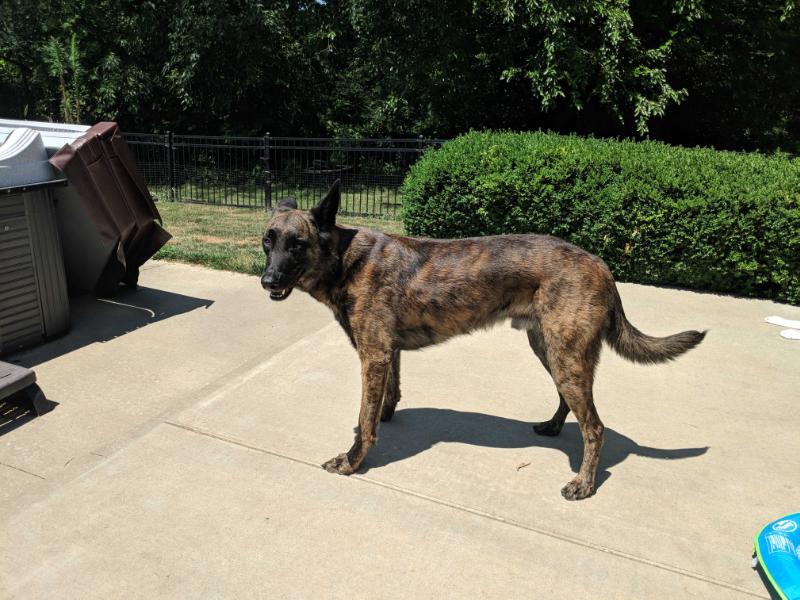
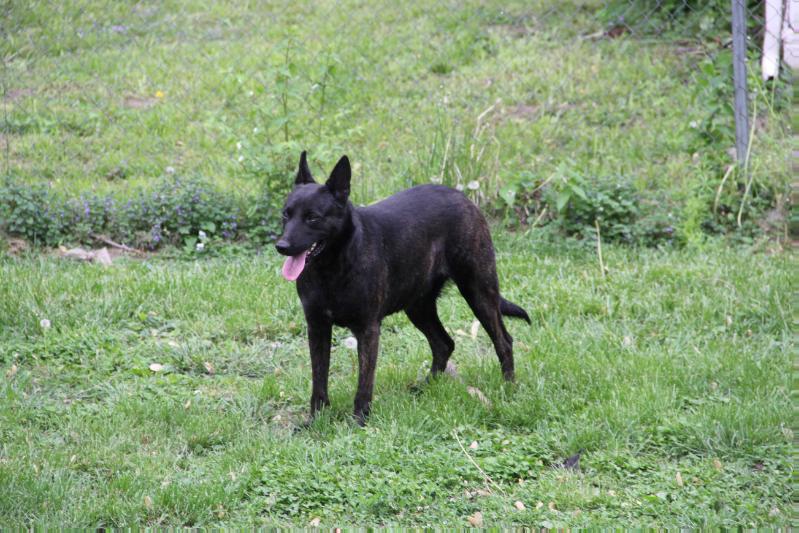
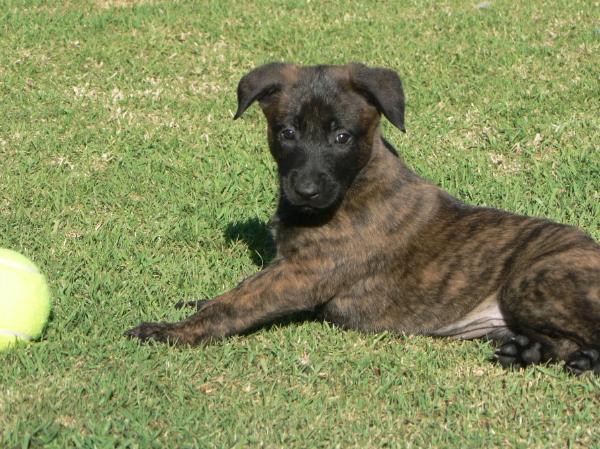
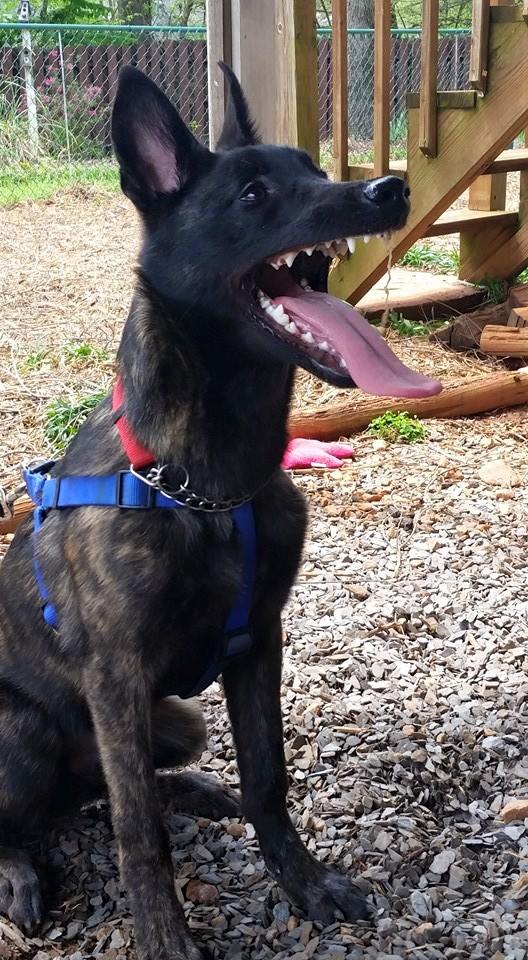
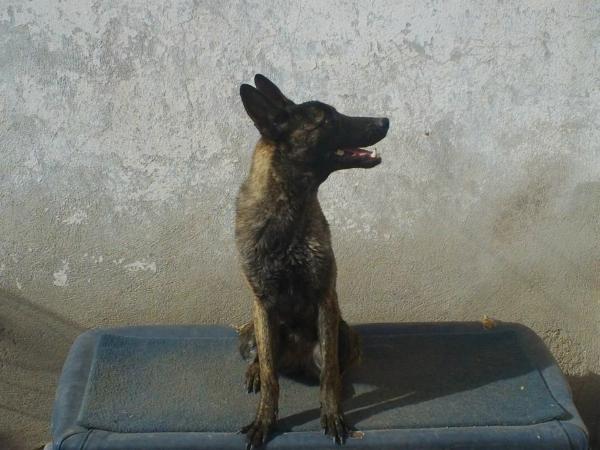
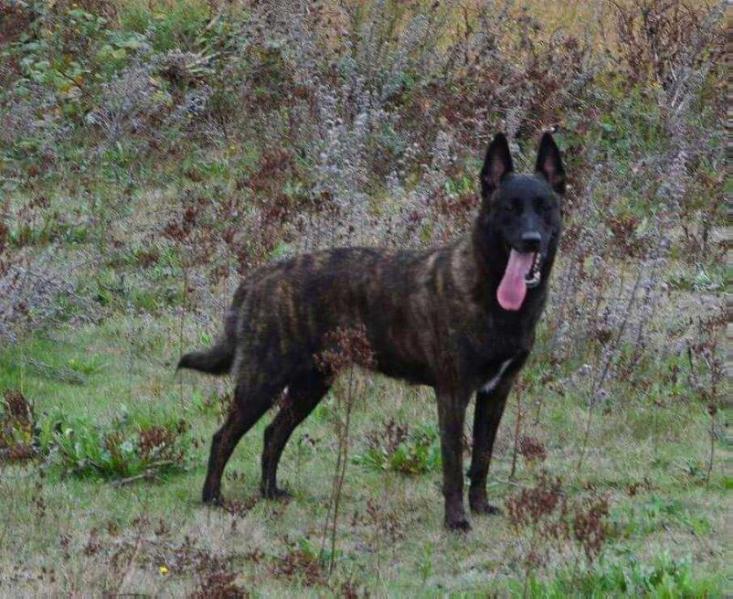
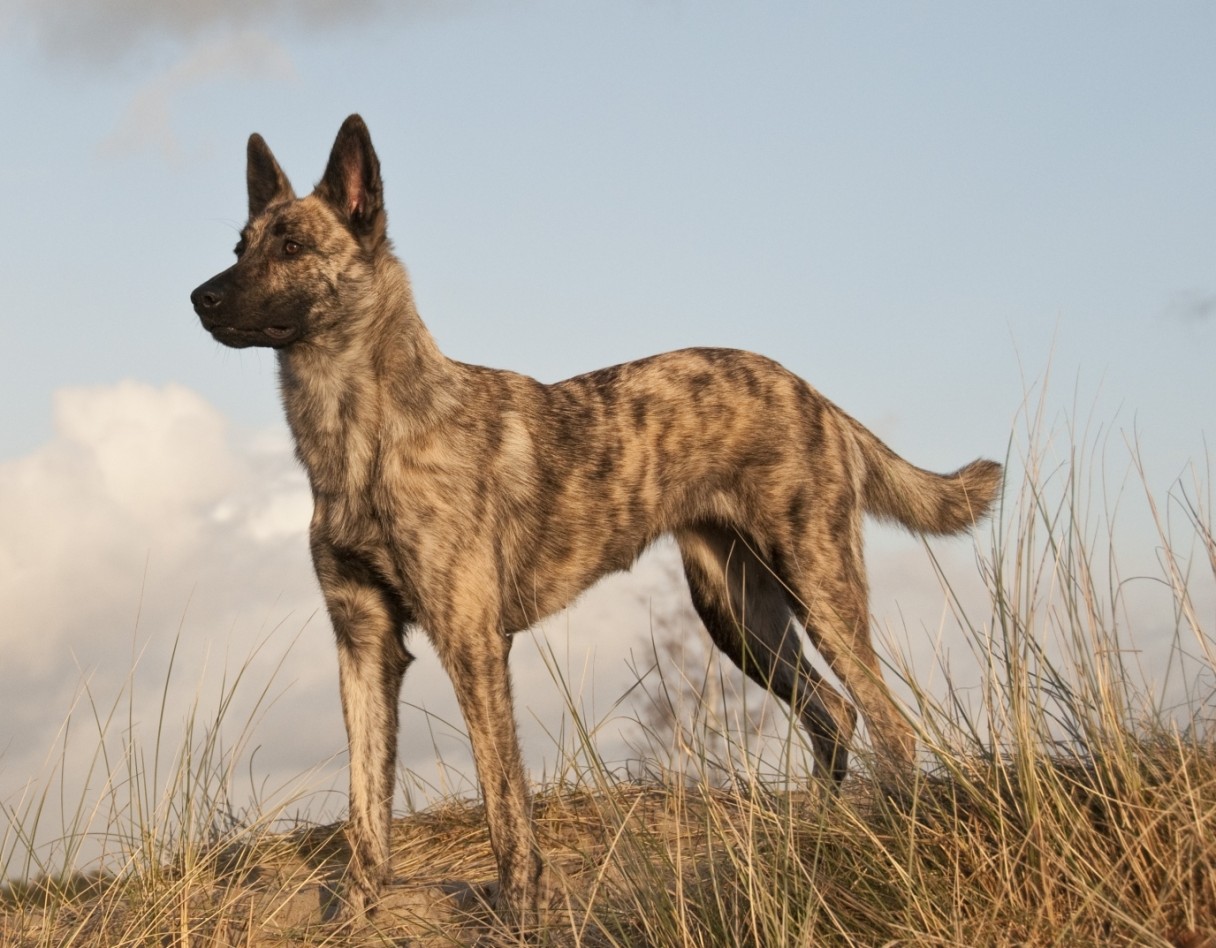
The Dutch Shepherd is a medium-sized, athletic, and well-proportioned breed, known for its brindle coat and alert expression.
• Coat Types:
o Short-haired: Smooth and harsh to the touch.
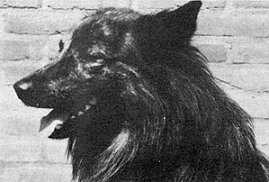
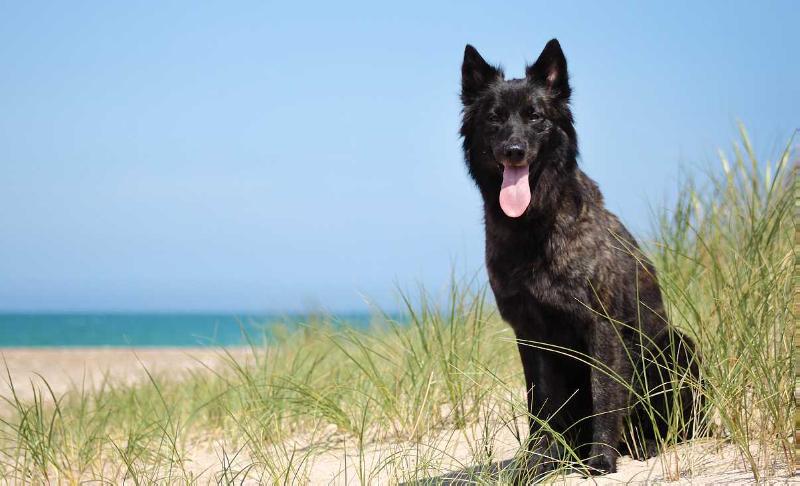
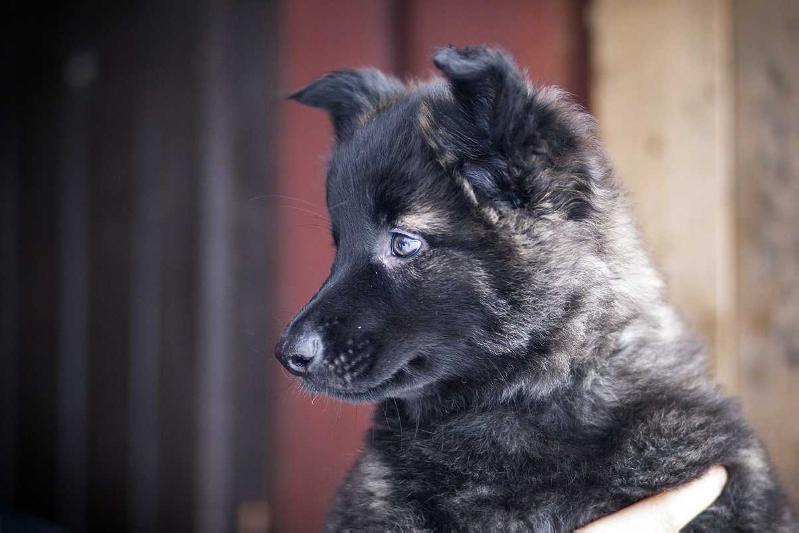
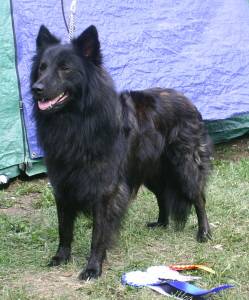
o Long-haired: Straight and dense with a harsh texture.
o Rough-haired: Harsh, tousled coat with beard and eyebrows.
• Color:
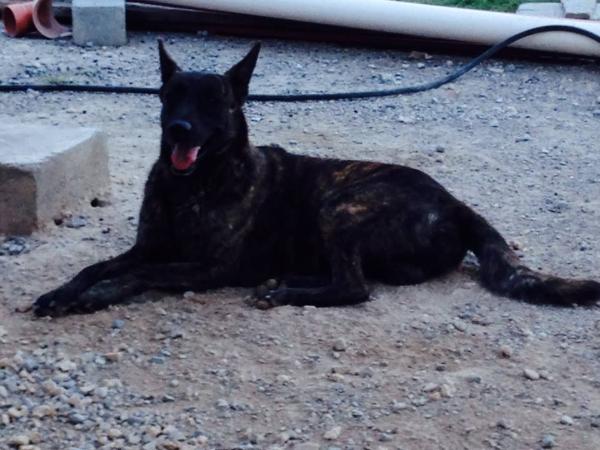
o Always brindle—a mix of black with gold or silver striping.
• Size:
o Height: 21.5–24.5 inches (55–62 cm)
o Weight: 42–75 lbs (19–34 kg)
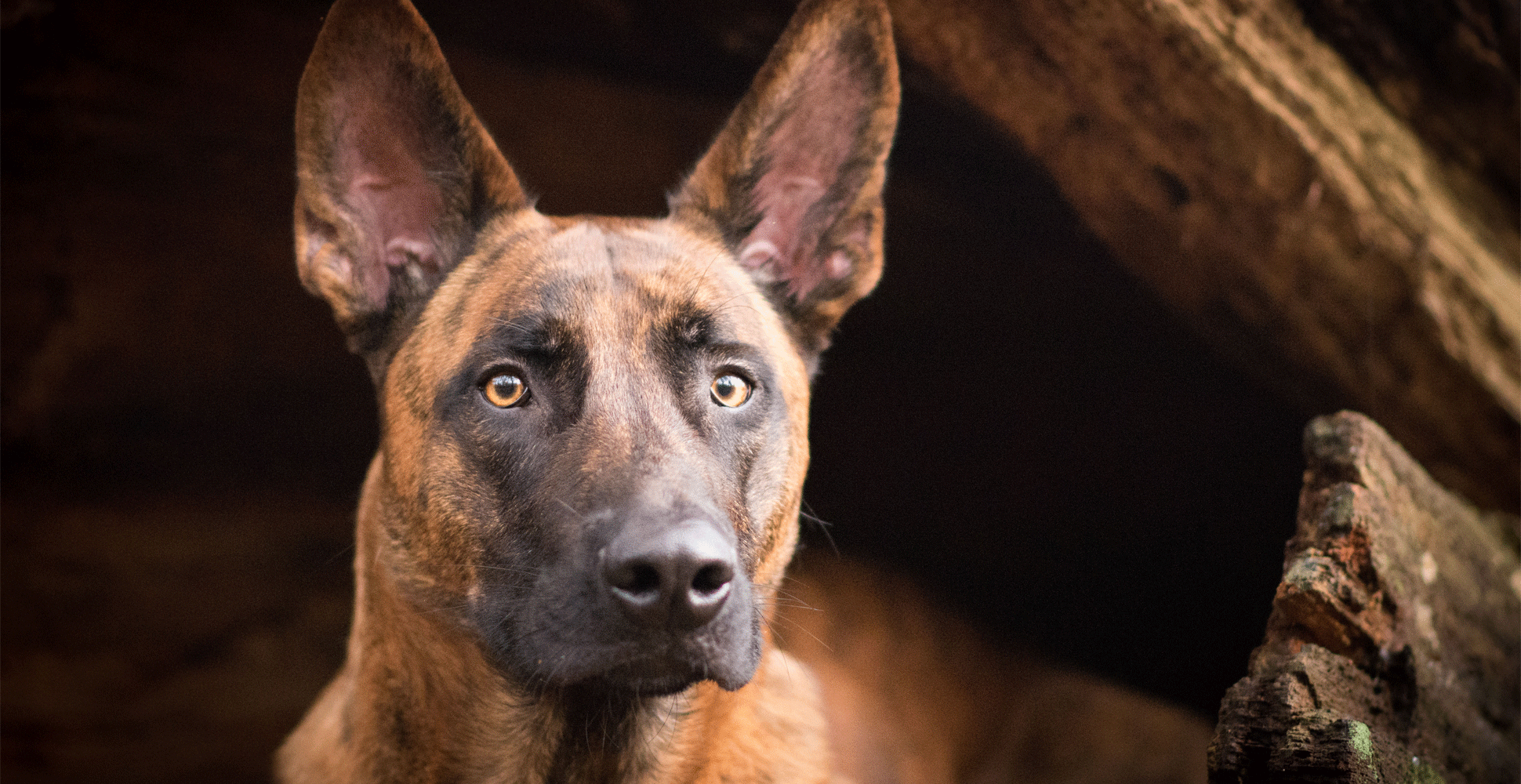
• Head & Expression: Wedge-shaped head with upright ears and dark, intelligent eyes.
• Ears: Medium and naturally erect, giving the breed a sharp and alert appearance.
• Tail: Long and bushy, carried naturally when relaxed or slightly raised when alert.
• Body: Strong, balanced, and agile—built for endurance and precision movement.
This breed is known for its intelligence, drive, and strong bond with its handler.
• Highly Trainable: Fast learners—excel in obedience, agility, protection, and scent work.
• Work-Oriented: Thrives when given a job or consistent activity.
• Loyal and Devoted: Bonds closely with its family, especially one primary handler.
• Alert and Watchful: Makes an excellent watchdog, though not overly aggressive.
• Social with Proper Guidance: Typically good with children and other dogs when socialized early.
This breed is a fantastic choice for working professionals or highly active dog owners who want a smart, agile, and reliable companion.
• Incredibly Versatile: Excels in herding, tracking, guarding, agility, and more.
• Loyal and Stable Temperament: Balanced, even under pressure—not overly reactive.
• Unique Appearance: The brindle coat and sleek build offer a striking, elegant look.
• Low Maintenance (Short Coat): Easy to groom and care for in most coat types.
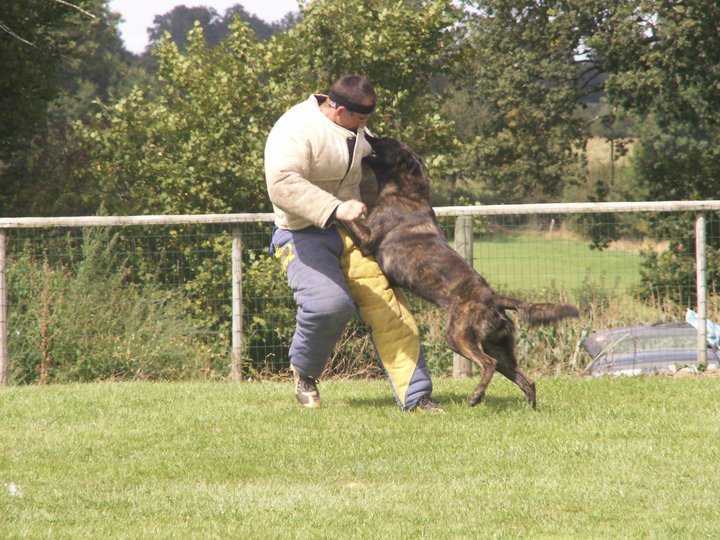
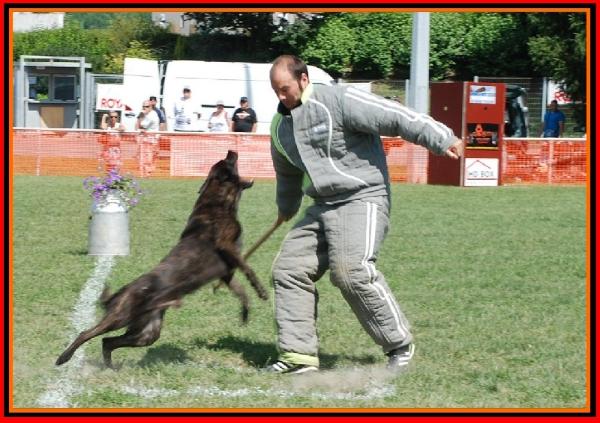
• Excellent in Dog Sports: Regularly places high in IPO, Schutzhund, agility, and obedience.
This intelligent, energetic breed needs a structured life full of activity and interaction.
• Training:
o Needs early obedience and socialization.
o Thrives on positive reinforcement and clear expectations.
• Exercise:
o Requires at least 1–2 hours of daily activity.
o Enjoys long walks, hikes, games, and working challenges.
• Grooming:
o Short coat: Weekly brushing.
o Long or rough coats: Brush several times a week to avoid mats.
o Bathe occasionally, and check ears, nails, and teeth regularly.
• Nutrition:
o Feed a balanced, protein-rich diet suitable for high-energy working dogs.
• Mental Stimulation:
o Needs problem-solving games, obedience drills, or scent work to stay content.
The Dutch Shepherd is generally a healthy and long-lived breed, with an average lifespan of 12–15 years. Some health issues to be aware of include:
• Hip Dysplasia
• Elbow Dysplasia
• Allergies (especially in rough-coated lines)
• Progressive Retinal Atrophy (PRA) (rare)
Responsible breeding and regular vet care are essential to maintaining health and performance.
Compared to the German Shepherd, the Dutch Shepherd is less prone to overbreeding issues, more nimble, and often healthier structurally. It shares similarities with the Belgian Malinois, but tends to be slightly more even-tempered and less reactive, making it more accessible for advanced pet homes.
It also differs visually with its distinct brindle coat, which is unique among shepherd breeds.
This breed is best suited for highly active individuals, sport competitors, and working dog handlers. If you're looking for a responsive, intelligent, and dependable partner, the Dutch Shepherd checks all the boxes.
However, if you're seeking a low-energy pet or cannot commit to daily training and exercise, this breed may be too demanding.
United Pet Club offers resources for those interested in the Dutch Shepherd, including breeder networks, training guides, and community support. Whether you want to work, compete, or simply live with a remarkable dog, the Dutch Shepherd is a top-tier choice for experienced handlers.