

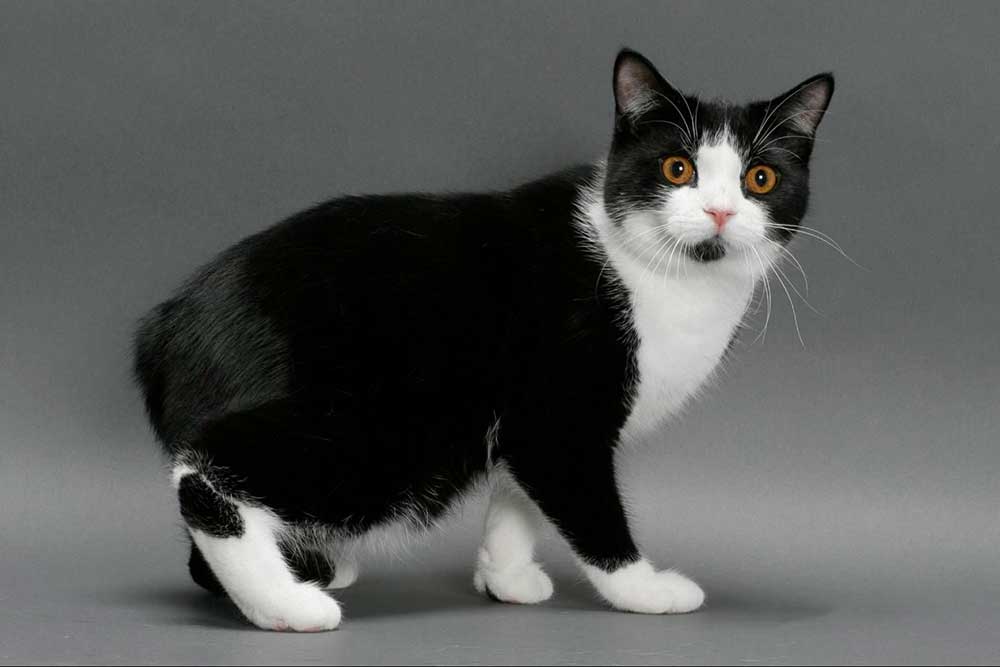
The Manx is one of the oldest known cat breeds, originating from the Isle of Man, a small island between England and Ireland. The breed developed naturally due to a genetic mutation that caused taillessness, and because of the island's isolated population, this unique trait was passed down through generations.
Manx cats were highly valued by sailors and farmers for their exceptional hunting skills, making them famous for keeping ships and barns free of rodents. The breed was officially recognized by cat registries in the early 20th century, and it remains one of the most distinctive and beloved natural breeds today.
Popularity of the Manx
The Manx is widely recognized worldwide, especially in Europe and North America, where it is prized for its playful personality, intelligence, and strong hunting instincts.
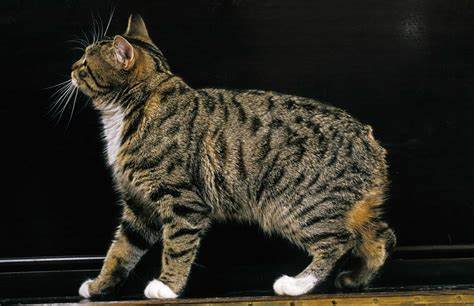
The Manx is a medium-sized, muscular cat with a rounded body and no (or very short) tail.
• Coat: Can be short-haired or long-haired, with a dense, plush double coat.
• Colors: Found in all colors and patterns, including solid, tabby, and tortoiseshell.
• Size: Medium-sized, weighing between 7 to 12 pounds.
• Head & Expression: Round head with large, expressive eyes that convey intelligence.
• Ears: Medium-sized, slightly rounded at the tips.
• Tail Variations:
o Rumpy: Completely tailless.
o Rumpy Riser: Has a small rise of cartilage at the base of the spine.
o Stumpy: Has a short, stubby tail.
o Longy: Has a near-normal tail length but is still considered a Manx.
• Body: Compact and muscular, with powerful hind legs that are longer than the front legs, giving them a rabbit-like hop when they run.
The Manx is known for its playful, affectionate, and highly intelligent personality, making it an engaging and social companion.
• Highly Intelligent: Learns tricks, enjoys problem-solving, and can be leash-trained.
• Loyal and Affectionate: Bonds deeply with its human family.
• Excellent Hunter: Has a strong prey drive, making it great for controlling household pests.
• Social and Friendly: Gets along well with children, other cats, and even dogs.
• Quiet but Communicative: Not overly vocal but uses chirps and trills to communicate.
For those looking for a smart, affectionate, and unique-looking cat, the Manx is an excellent choice.
• Great for Active Families: Playful and loves interactive games.
• Ideal for Multi-Pet Homes: Friendly and social with other animals.
• Low Grooming Needs: The short-haired variety requires minimal brushing, while the long-haired type needs weekly grooming.
• Excellent Mouser: A natural hunter with strong instincts.
• Adaptable and Hardy: Thrives in both indoor and outdoor environments.
The Manx requires mental stimulation, daily exercise, and a balanced diet to stay happy and healthy.
• Grooming: Weekly brushing keeps the coat healthy and free of tangles.
• Exercise: Needs daily playtime to stay active and prevent boredom.
• Mental Stimulation: Thrives on puzzle feeders, hunting-style games, and training exercises.
• Nutrition: A protein-rich diet supports muscle tone and energy levels.
• Companionship: Prefers human interaction and enjoys bonding with its family.
The Manx is generally a healthy breed, but some concerns include:
• Manx Syndrome: A genetic condition that affects some completely tailless (rumpy) Manx cats, leading to spinal issues.
• Joint and Spinal Sensitivity: Due to their shortened spine, some Manx cats may experience mobility issues.
• Obesity Prevention: Regular activity is essential to maintain a healthy weight.
• Digestive Sensitivities: Some Manx cats may have slightly sensitive digestion, requiring a balanced diet.
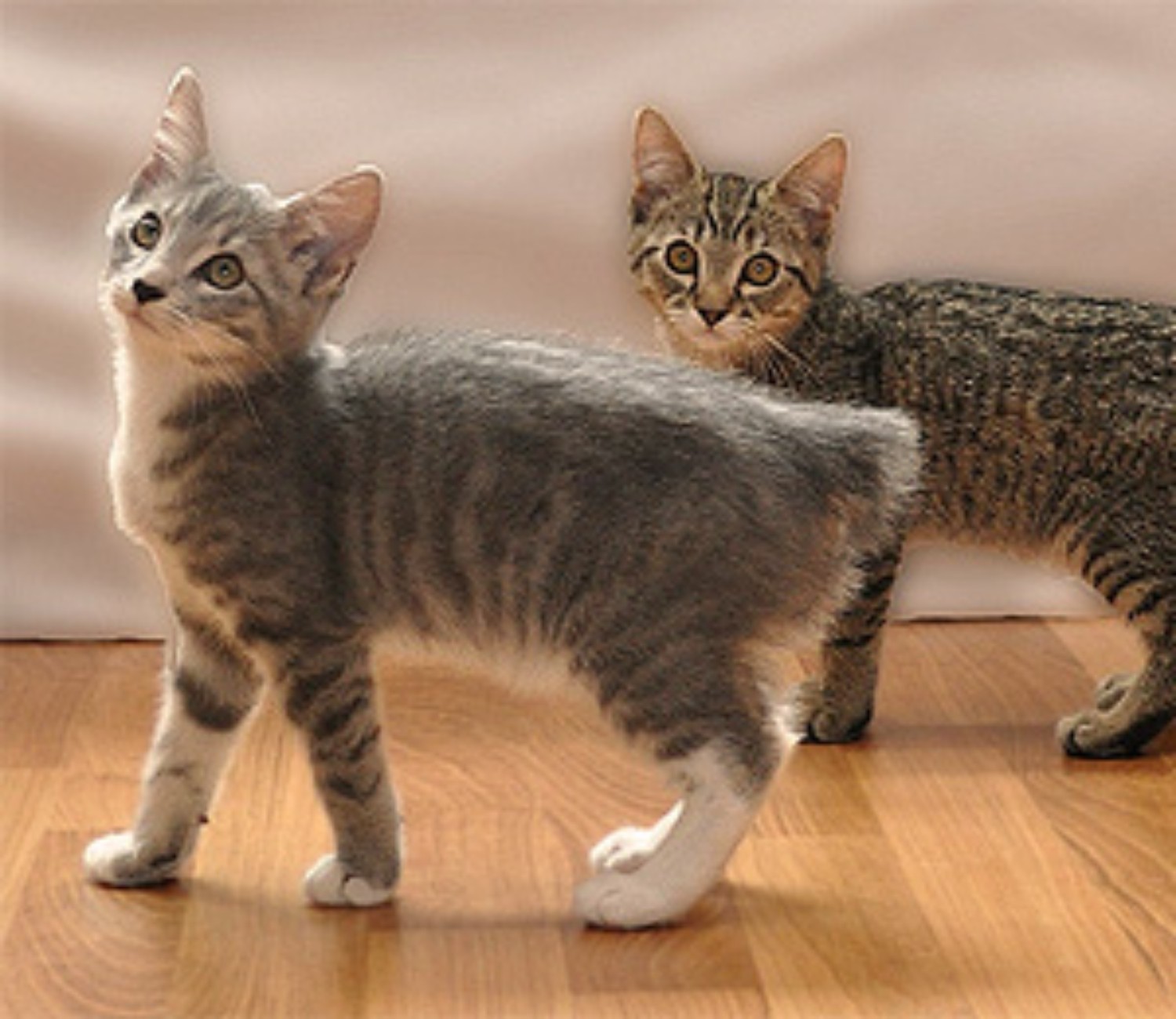
Compared to the Kurilian Bobtail, the Manx has a rounder body and a different genetic mutation for tail loss, whereas the Kurilian Bobtail always has a short, fluffy tail. Unlike the Japanese Bobtail, which has a long, lean body, the Manx is sturdier and more muscular.
Compared to the Maine Coon, the Manx is smaller and more compact but has a similarly playful and affectionate nature.
The Manx is perfect for families, singles, and cat lovers who want a smart, affectionate, and active companion. If you enjoy interactive play, social cats, and a breed with a unique history, the Manx will be a wonderful choice.
However, if you prefer a lap cat that is more relaxed and independent, this breed may not be the best fit.
United Pet Club is here to help you find the perfect Manx companion. Whether you're looking to adopt or connect with trusted breeders, we provide valuable resources to guide you every step of the way.
Explore our platform to learn more about Manx cats, their history, and how to care for them. Contact United Pet Club today to start your journey with this unique and intelligent feline!