
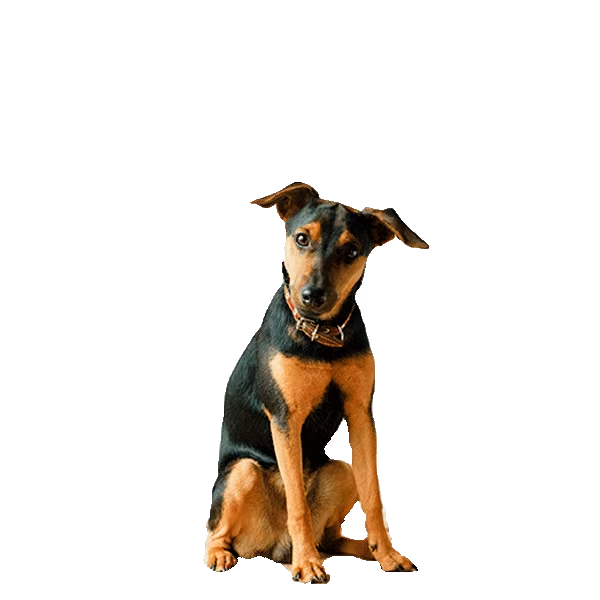
Transylvanian Hound
The Transylvanian Hound is a good-natured, determined Hungarian scenthound prized for its courage and tracking endurance.
- Size
- Medium
- Lifespan
- 10–14 years
- Origin
- Hungary
- Temperament
- Good-natured
- Standard colors
- Black, White, Tan, and Red
Characteristics
Coat and grooming
How the Transylvanian Hound coat is built, and what that means when you groom it.
- Coat layers
- Double coat
- Coat texture
- Smooth
- Coat length
- Short
- Shedding
- Seasonal shedding
Grooming guidance
Critical: A Transylvanian Hound should not be shaved.
The undercoat keeps heat out as well as in, and the outer coat shields the skin from sun and insect bites. Clipping the whole coat off removes both. It often grows back patchy, soft or a different colour, and in some animals the guard hairs never return properly. Brush the undercoat out instead of cutting it off.
Information: A Transylvanian Hound drops its undercoat in heavy bursts.
The undercoat comes out in heavy bursts over a few weeks. An undercoat rake, or a bath followed by a proper blow-dry, clears it far faster than daily brushing. Clipping the coat down is not a shortcut for this.
Transylvanian Hound colors and patterns
What each club's breed standard says about every Transylvanian Hound color and pattern. Point at a ruling to see the club's own wording.
Breed standards describe the Transylvanian Hound in Black, White, Tan, and Red. Standard patterns: Bicolor, Tricolor, and Tan point.
| Color or pattern | FCI | AKC | UKC |
|---|---|---|---|
| Black | Standard (“The primary colour of the Hungarian Hound is black”) | Standard (“Black & Tan”) | Standard (“a black base color”) |
| White | Standard (“a white marking may occur”) | Standard (“Black Tan & White”) | Standard (“white markings on the head, neck, chest, lower legs and tip of tail”) |
| Tan | Standard (“Tan markings on muzzle and legs”) | Standard (“Black & Tan”) | Standard (“tan on the muzzle, legs and eyebrows”) |
| Red | No ruling | Standard (“Red & White”) | No ruling |
| Albino | No ruling | No ruling | Disqualifying (“Albinism”) |
| Blue | Disqualifying (“blue colour with markings”) | Disqualifying (“blue colour with markings”) | Disqualifying (“blue base color”) |
| Brown | Disqualifying (“Brown ... colour with markings”) | Disqualifying (“Brown ... colour with markings”) | Disqualifying (“Brown ... base color”) |
| Patterns | |||
| Bicolor | No ruling | Standard (“Red & White”) | No ruling |
| Tricolor | Standard (“On the nose, a white marking may occur”) | Standard (“Black Tan & White”) | Standard (“Tri-color”) |
| Tan point | Standard (“Tan markings on muzzle and legs”) | Standard (“Black & Tan”) | Standard (“tan on the muzzle, legs and eyebrows”) |


| Color or pattern | FCI | AKC | UKC |
|---|---|---|---|
| Dark brown | Standard (“The colour is dark brown”) | Standard (“The colour is dark brown”) | Standard (“dark brown in color”) |
| Color or pattern | FCI | AKC | UKC |
|---|---|---|---|
| Black | Standard (“the colour is black”) | Standard (“the colour is black”) | Standard (“The nose is wide and black”) |
What the rulings mean
- Standard
- Described by the club's breed standard.
- Disqualifying
- The club's breed standard disqualifies an animal of this color or pattern.
Color changes
How a Transylvanian Hound's colors can change over its life.
Blackchanges toRust
Coat · With body condition · can change back
Blackchanges toGray
Coat · Progressive
Blackchanges toBrown
Coat · In the sun · can change back
Whitechanges toRoan
Coat · With age · from 2 weeks
Tan pointchanges toSaddle
Coat · With age · from 6 to 156 weeks
Blackchanges toSnow nose
Nose · With the season · can change back
Blackchanges toPink
Nose · With the season · can change back


Sources
Each ruling comes from the club's published breed standard or color list.
About the Transylvanian Hound
The Transylvanian Hound is a medium-sized Hungarian scenthound valued for grit and tracking stamina, a working breed still rare among Filipino dog owners.
The Transylvanian Hound is a medium-sized scenthound from Hungary, originally bred to trail game through the forests and hills of the Carpathian region. It is first and foremost a working dog, built to hold a scent line for hours and to stand its ground against big quarry. At home it settles into a steady, good-natured companion, then switches into an alert, single-minded tracker the moment it catches a scent.
The breed wears a short, dense coat, usually black with tan markings on the face, chest, and legs. The build favors athleticism over bulk, with a deep chest and strong legs meant for long days on cold, uneven ground back in its home country. Grown dogs sit in the medium size range, with enough weight behind them to push through brush and snow without tiring fast.
This is a dog that attaches closely to its family and gets along well with children, though it keeps the independent streak typical of hounds. It needs a daily outlet for its energy and a task to occupy its nose. Cooped up in a quiet home with nothing to do, it turns restless and noisy, and in the heat and humidity of the Philippines, that pent-up energy shows even faster.
| Attribute | Detail |
|---|---|
| Origin | Hungary |
| Size | Medium |
| Lifespan | 10 to 14 years |
| Group / role | Scenthound, tracking and hunting |
| Good with | Families, older children, and other dogs when socialized |
Who it suits
The Transylvanian Hound fits an active household willing to give it real exercise and time outdoors, ideally people who hike, run, or take an interest in scent work and tracking sports. It struggles in a condo or a small Metro Manila unit, and it does poorly left on its own for long stretches during the workday. Early socialization matters here too, since its prey drive is strong and it needs guided exposure to settle around cats and other small pets.
History of the Transylvanian Hound
The Transylvanian Hound grew out of Hungarian nobility's hunting grounds in the Carpathian Basin, nearly vanished in the twentieth century, and survives today through a focused recovery program.
The Transylvanian Hound goes back to the medieval Kingdom of Hungary, where hunters used it to work game through the Carpathian Basin. The terrain there, high mountains, dense forest, and open valleys, shaped two forms of the dog over time: a taller variety built for big game such as bison, bear, and boar, and a shorter-legged variety suited to fox and hare.
For generations the breed stayed tied to Hungarian and Transylvanian nobility, prized for its nose and its nerve on tough hunts. As hunting habits shifted and the large game it once chased grew scarce, demand for the dog dropped. By the early twentieth century, numbers had fallen sharply, and the shorter-legged variety disappeared outright.
The breed hit its lowest point around the mid-twentieth century, when the population nearly went extinct. A dedicated recovery effort in Hungary pulled together the surviving dogs and rebuilt the line, focusing on the tall variety that had held on in small numbers in remote areas.
That work stabilized the breed and set its standard, and it now carries recognition as a national breed of Hungary. It stays uncommon outside its home region, and in a tropical country like the Philippines it remains a rare sight, kept mostly by hunting enthusiasts and breed fanciers committed to preserving healthy bloodlines through PCCI-affiliated channels.
Appearance of the Transylvanian Hound
The Transylvanian Hound is an athletic medium-sized dog with a short black-and-tan coat, a deep chest, and the lean build of a scenthound made for distance work.
The Transylvanian Hound carries the clean, purposeful outline of a scenthound built for endurance. The body runs slightly longer than it stands tall, with a deep chest, a level back, and well-muscled hindquarters. The head is elongated with a moderate stop, and the ears hang flat against the cheeks. Overall, it reads as a strong dog without excess bulk, built to cover ground for hours at a stretch.
| Trait | Standard |
|---|---|
| Height | About 55 to 65 cm (22 to 26 in) at the shoulder |
| Weight | About 25 to 35 kg (55 to 77 lb) |
| Coat | Short, dense, smooth double coat that lies flat |
| Colors | Black with tan markings; tan points over the eyes, on the muzzle, chest, and legs |
| Eyes | Dark brown, oval, with an alert and calm expression |
Coat and colors
The coat runs short and weather-resistant, backed by a dense undercoat that once protected the dog on cold, wet Carpathian hunts, though that same coat also means it handles Philippine heat better than a heavier-coated breed would. The standard color is black with clearly defined tan markings, including the tan spots above the eyes that give the face its distinctive look, plus tan on the muzzle, chest, lower legs, and under the tail. A small white patch on the chest or toes turns up occasionally. Upkeep stays minimal, just regular brushing, with heavier shedding during the transition between the dry and wet seasons.
Temperament of the Transylvanian Hound
The Transylvanian Hound is affectionate and even-tempered at home, courageous and single-minded once on a trail, and generally sociable with people and other dogs.
At home the Transylvanian Hound stays even-tempered and affectionate, building a tight bond with its family. It shows patience with children and generally gets along with other dogs, more so when raised together from puppyhood. Around strangers it tends toward reserved rather than hostile, sizing up the situation before it warms up. That watchfulness makes it a decent alert dog, though guarding is not really its calling.
The working instinct comes out on a trail. Once it locks onto a scent, it turns single-minded and hard to call back. That same drive means it will chase after cats, chickens, or whatever small animal crosses its path, so a secured yard and a dependable recall are non-negotiable, especially in a barangay setting where loose animals and stray cats are common. The breed learns fast and thinks for itself, so it answers better to patient, consistent handling than to harsh correction. Left bored, it tends to dig, slip out of the yard, or bay for long stretches, which will not sit well with neighbors in close subdivisions.
| Trait | Rating |
|---|---|
| Affection | 4 |
| Energy | 4 |
| Trainability | 3 |
| Vocalness | 4 |
| Shedding | 3 |
Caring for a Transylvanian Hound
The Transylvanian Hound asks for simple coat care, a serious daily exercise routine, and a secure outdoor space to stay healthy in the Philippine climate.
Grooming
- Brush the short coat once a week to clear loose hair and spread natural oils
- Step up brushing during the seasonal coat change
- Bathe only when the dog is visibly dirty; frequent washing strips the coat's natural protection
- Check and clean the drop ears often, since heat and humidity make ear infections more likely
- Trim the nails every few weeks and brush the teeth several times a week
Exercise
- Give the dog at least 60 to 90 minutes of activity daily
- Combine walking or running with off-leash time in a securely fenced area
- Offer scent games, tracking drills, or canine sports to work the dog's nose
- Schedule exercise for early morning or evening to avoid the worst of the midday heat and humidity
- Keep the dog leashed or fenced in open areas, since a strong scent can override any amount of recall training
Environment
The Transylvanian Hound does best in a home with a securely fenced yard and easy access to outdoor space. Its short, dense coat manages Philippine heat reasonably well, though the dog still needs shade, fresh water, and a cool spot to rest during the hottest hours, plus shelter from sudden downpours during typhoon season. It should live indoors as part of the family rather than stay kennelled outside on its own. Fences need to be solid and tall enough to stop a determined climber or digger, and sturdy enough to hold up through monsoon winds. The breed adapts poorly to a condo unit or to being left alone for long periods, a common setup in Metro Manila households.
Feeding a Transylvanian Hound
The Transylvanian Hound thrives on a balanced diet matched to its activity level, served in measured meals to keep it lean and lower the risk of bloat.
As an active medium-sized working dog, the Transylvanian Hound needs a complete, balanced diet with enough protein and fat to fuel its stamina. A dog doing real fieldwork or regular tracking burns more energy and may need bigger portions during active stretches, while a mostly indoor pet can pack on weight fast if the bowl stays too full. Feed according to age, weight, and activity level, and adjust based on how the dog looks and feels rather than sticking rigidly to the bag's guide. Fresh water should stay available at all times, especially given how quickly a dog dehydrates in tropical heat.
| Life stage | Amount per day | Meals |
|---|---|---|
| Puppy (2 to 6 months) | Per puppy-formula guidance, by weight | 3 to 4 |
| Junior (6 to 12 months) | Tapering toward adult portion | 2 to 3 |
| Adult (1 to 7 years) | About 250 to 400 g of quality dry food | 2 |
| Senior (8+ years) | Slightly reduced, watch weight | 2 |
Treats and supplements
Keep treats to roughly ten percent of daily calories and trim the main meal to match, particularly when food rewards feature heavily in training. Most dogs on a complete diet need no extra supplements; add joint, skin, or other supplements only on a veterinarian's advice. Because deep-chested dogs run a higher bloat risk, skip heavy exercise right before and after meals, and consider splitting the daily food into two servings instead of one.
Health of the Transylvanian Hound
The Transylvanian Hound is generally hardy with a 10 to 14 year lifespan, though it shares the joint and ear concerns common to active, drop-eared dogs.
The Transylvanian Hound counts as a robust, healthy breed, a result of both its working background and the careful recovery program that rebuilt it from near extinction. With good care, most dogs live 10 to 14 years. The narrow gene pool left over from that near-collapse means responsible breeders keep a close eye on genetic diversity and health screening. As with any active, drop-eared dog, the main everyday concerns center on joints and ears, and in the Philippines, tick-borne disease deserves just as much attention given the year-round warm climate.
| Condition | Signs | Note |
|---|---|---|
| Hip dysplasia | Stiffness, limping, reluctance to jump or climb | Screen breeding stock; keep the dog lean |
| Elbow dysplasia | Foreleg lameness, especially after exercise | More likely in larger, active dogs |
| Ear infections | Head shaking, odor, scratching at the ears | Drop ears trap moisture; clean and dry regularly |
| Bloat (gastric torsion) | Swollen abdomen, retching, restlessness | Deep-chested build raises risk; an emergency |
Preventive care
- Keep vaccinations and parasite control current, including tick and heartworm prevention given year-round mosquito and tick exposure in the tropics
- Maintain a lean body condition to protect the joints
- Clean and dry the ears after wet outings or after getting caught in the rain
- Book annual checkups, with more frequent visits once the dog reaches senior age
- Use hip and elbow screening when selecting breeding dogs
Training a Transylvanian Hound
The Transylvanian Hound is intelligent and willing but independent, so it responds best to early, consistent, reward-based training with a strong focus on recall.
The Transylvanian Hound picks up commands fast, but it carries the independent streak typical of a scenthound. It works well for a handler it respects and tends to switch off during repetitive drilling or heavy-handed correction. Short, varied sessions with clear rewards hold its attention far better than long, repetitive ones. Start training and socialization early, while the puppy still stays open to new people, dogs, and situations.
Recall deserves extra attention. Once this hound catches a scent, it can go deaf to every command, so a solid recall and a secure environment count as safety essentials, particularly in a barangay with open streets, stray animals, and heavy traffic nearby. Channeling that nose into tracking or scent sports gives the dog the mental workout it craves and makes it far easier to live with day to day.
Basics
- Socialize early with a range of people, dogs, places, and sounds
- Teach name response and attention before anything else
- Build a reliable recall using high-value rewards in low-distraction settings, then raise the difficulty gradually
- Establish leash manners to manage the pulling that comes with chasing a scent
- Add scent or tracking games to give the nose a constructive outlet
Breeding the Transylvanian Hound
Breeding the Transylvanian Hound calls for careful health screening and pairing given the breed's limited gene pool, with litters typical of a medium working dog.
Breeding the Transylvanian Hound takes real care, since the breed nearly disappeared in the twentieth century and was rebuilt from a small founding population. Responsible breeders work to protect genetic diversity, avoid close matings, and screen for hip and elbow issues before pairing dogs. Bitches should reach full physical maturity before breeding, and a mating is usually timed around the female's heat cycle.
Gestation in dogs runs about 63 days. Litter sizes stay typical for a medium breed, and the dam usually handles whelping and early rearing with minimal help, though a quiet, cool whelping area, a real consideration in a hot, humid climate, and a vet on standby remain wise precautions. Puppies wean gradually onto solid food and should start socializing early, since exposure during those first weeks shapes the calm, confident temperament the breed is known for. Given how uncommon the breed stays in the Philippines, prospective owners typically join a waiting list with a recognized breeder, often coordinating an import through PCCI-linked channels rather than finding a local litter.
| Metric | Value |
|---|---|
| Sexual maturity | About 6 to 12 months (breed later) |
| Recommended breeding age | From about 2 years, after health screening |
| Cycle | Female comes into heat roughly twice a year |
| Gestation | About 63 days |
| Average litter size | Around 6 to 8 puppies |
| Weaning | About 6 to 8 weeks |
Registering your Transylvanian Hound and its microchip in the Philippines
The city vet office handles the RA 9482 paperwork; a free United Pet Club record is what a finder anywhere can actually search for your Transylvanian Hound.
How to register a Transylvanian Hound in the Philippines
Type in your Transylvanian Hound's name, his birth date, and a clear photo, add your mobile number, and save. That is the entire process, and the profile stays free for his whole life. Dog registration works with or without a chip, so the vet visit can come later.
The clinic's part ended with the implant; the tracing part is yours. File your Transylvanian Hound's 15-digit number with United Pet Club and every scan leads to your phone: free for life, all brands accepted, updates free every time your details change. Microchip registration plus a free account finishes the job.
How do I register my Transylvanian Hound in the Philippines?
Open a free United Pet Club account, add your Transylvanian Hound's details and a photo, then save the profile. It stays free for his whole life and sits alongside the city vet office registration RA 9482 requires.
How do I register my Transylvanian Hound's microchip?
Type the 15-digit chip number into your free account together with your mobile number and address. The lifetime plan charges nothing for the registration or for any update, whatever brand the clinic used.
Is registration required for a Transylvanian Hound in the Philippines?
Yes, RA 9482 requires dog registration with your city or municipal veterinary office, along with current anti-rabies vaccination. The United Pet Club profile is the searchable half: free, worldwide, and tied to your current mobile.
How much does it cost to register a Transylvanian Hound?
Nothing. The free lifetime plan covers the profile, the microchip record, and every update, with no renewal fees at all.
Transylvanian Hound frequently asked questions
Common questions about the Transylvanian Hound cover its size, temperament, care needs, lifespan, suitability as a family pet, and how hard it is to find in the Philippines.
How big does a Transylvanian Hound get?
It grows to a medium size, standing roughly 55 to 65 cm (22 to 26 in) at the shoulder and weighing about 25 to 35 kg (55 to 77 lb) once fully grown.
What is the Transylvanian Hound's temperament like?
It stays good-natured and devoted at home, patient with children, and generally friendly with other dogs. On a trail it turns focused and courageous, carrying the independent streak common to scenthounds.
Is the Transylvanian Hound hard to take care of?
Coat care is simple, but exercise needs run high. It needs daily activity, a secure yard, and ideally a job for its nose. It does not suit condo living or long hours left alone at home.
How long do Transylvanian Hounds live?
Most live 10 to 14 years given good nutrition, regular veterinary care, and a healthy weight.
Does the Transylvanian Hound make a good family pet?
Yes, for an active family that can meet its exercise needs. It bonds closely with its people and does well with children. Its strong prey drive means small pets and cats need a careful, supervised introduction.
Is the Transylvanian Hound easy to find in the Philippines?
No. It stays uncommon even in Hungary, and locally, buyers typically arrange an import or wait for a litter through a recognized, PCCI-linked breeder. Always pick a breeder who screens for health and works to protect the breed's genetic diversity.
Are Transylvanian Hounds vocal?
Yes, often. As a scenthound, it will bay and bark, particularly when bored or on a scent trail, so giving it a regular outlet for its energy and nose helps keep the noise down, which matters in a close-knit subdivision.
From the community
Ask about the Transylvanian HoundNo questions about the Transylvanian Hound yet. Be the first to ask.
Browse Dog breeds