
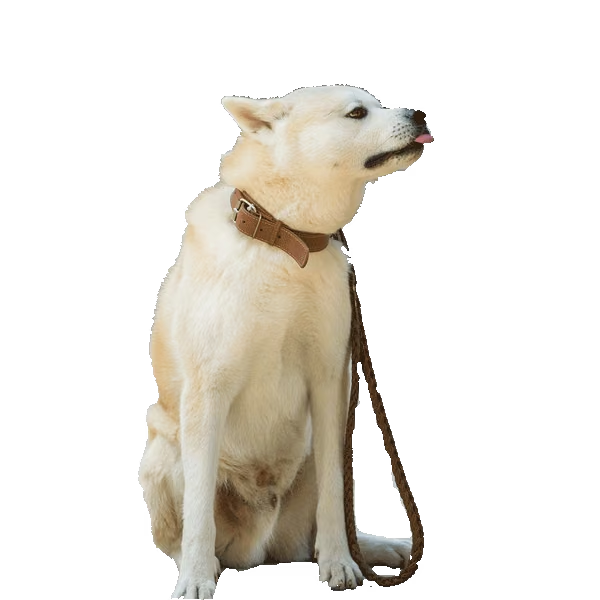
Shikoku
The Shikoku is a spirited Japanese mountain breed known for its independent, agile nature and devotion to its family.
- Size
- Medium
- Lifespan
- 10–12 years
- Origin
- Japan
- Temperament
- Independent
- Standard colors
- Black, Tan, and Red
Characteristics
Coat and grooming
How the Shikoku coat is built, and what that means when you groom it.
- Coat layers
- Double coat
- Coat texture
- Plush
- Coat length
- Medium
- Shedding
- Seasonal shedding
Grooming guidance
Critical: A Shikoku should not be shaved.
The undercoat keeps heat out as well as in, and the outer coat shields the skin from sun and insect bites. Clipping the whole coat off removes both. It often grows back patchy, soft or a different colour, and in some animals the guard hairs never return properly. Brush the undercoat out instead of cutting it off.
Information: A Shikoku drops its undercoat in heavy bursts.
The undercoat comes out in heavy bursts over a few weeks. An undercoat rake, or a bath followed by a proper blow-dry, clears it far faster than daily brushing. Clipping the coat down is not a shortcut for this.
Shikoku colors and patterns
What each club's breed standard says about every Shikoku color and pattern. Point at a ruling to see the club's own wording.
Breed standards describe the Shikoku in Black, Tan, and Red. Standard patterns: Sable and Tan point.
| Color or pattern | FCI | AKC | UKC |
|---|---|---|---|
| Black | Standard (“black and tan”) | Standard (“Black & Tan”) | Standard (“black sesame (more black than white hairs)”) |
| Tan | Standard (“black and tan”) | Standard (“Black & Tan”) | Not recognized |
| Red | Standard (“red”) | Standard (“Red”) | Standard (“red sesame (ground color of red mixed with black hairs)”) |
| Albino | Not recognized | Not recognized | Disqualifying (“Albinism”) |
| Patterns | |||
| Sable | Standard (“Sesame (well mixture of black, red and white hairs in whole.)”) | Standard (“Sesame”) | Standard (“Sesame (equal mix of black and white hairs), black sesame, and red sesame”) |
| Tan point | Standard (“black and tan”) | Standard (“Black & Tan”) | No ruling |
| Piebald | Fault (“Pinto colour”) | Fault (“Pinto colour”) | No ruling |


| Color or pattern | FCI | AKC | UKC |
|---|---|---|---|
| Dark brown | Standard (“dark brown in colour”) | Standard (“dark brown in colour”) | Standard (“dark brown in color”) |
| Color or pattern | FCI | AKC | UKC |
|---|---|---|---|
| Black | Standard (“Black”) | Standard (“Black”) | Standard (“Black”) |
What the rulings mean
- Standard
- Described by the club's breed standard.
- Fault
- Named by the club's breed standard as a fault: the animal can be shown but is penalized.
- Disqualifying
- The club's breed standard disqualifies an animal of this color or pattern.
- Not recognized
- The club does not accept this color or pattern for the breed.
Color changes
How a Shikoku's colors can change over its life.
Blackchanges toRust
Coat · With body condition · can change back
Blackchanges toGray
Coat · Progressive
Blackchanges toBrown
Coat · In the sun · can change back
Tan pointchanges toSaddle
Coat · With age · from 6 to 156 weeks
Blackchanges toSnow nose
Nose · With the season · can change back
Blackchanges toPink
Nose · With the season · can change back


Sources
Each ruling comes from the club's published breed standard or color list.
About the Shikoku
The Shikoku is a medium Japanese mountain dog prized for loyalty, sharp instincts, and agility, though it stays guarded around people it does not know.
The Shikoku is a medium-sized spitz-type dog that comes from the mountainous parts of Shikoku island in Japan. Hunters developed it to go after wild boar across steep, forested terrain, and it still carries that build today: a wedge-shaped head, upright prick ears, and a tail that curls tightly over the back. It moves with the sure footing of a dog meant for rough, uneven ground rather than flat pavement.
At home, the Shikoku is loyal and closely attached to its family, but it keeps its distance from people it does not know. It is alert and independent, qualities that made sense for a hunting dog once expected to track boar far from its handler without direction. It carries a lot of energy and needs regular mental work through scent, movement, and tasks, not just a walk around the block.
The breed remains far less common outside Japan than its cousins, the Shiba Inu and the Akita. Owners abroad, including the handful in the Philippines, tend to value the Shikoku for its honesty of character, its drive, and how firmly it attaches itself to one household.
| Attribute | Detail |
|---|---|
| Origin | Japan (Shikoku island) |
| Size | Medium |
| Lifespan | 10 to 12 years |
| Group/role | Spitz-type hunting dog |
| Good with | Family it knows; guarded with strangers |
Who it suits
The Shikoku fits an owner who has the time for daily exercise and firm, consistent handling. Given its independent streak and strong prey drive, a first-time dog owner will find it more demanding than someone who has already handled dogs before. It attaches strongly to its household and can thrive as a lone companion or within a family that respects its reserve toward outsiders and visitors.
History and origin
The Shikoku developed on Japan's Shikoku island as a boar-hunting dog, and the Japanese government named it a Living Natural Monument in 1937.
The Shikoku traces back to the mountainous interior of Shikoku, the smallest of Japan's four main islands. For generations it worked as a hunting dog for the people there, tracking wild boar and deer and holding them at bay across dense forest and steep slopes. Because the mountain valleys kept communities apart, local strains stayed distinct from other Japanese dogs for a long time.
Since the dogs came from separate valleys, breeders once recognized several regional lines, usually named after their home districts. Over the years these were folded into the single Shikoku name as fanciers worked toward one common standard.
In 1937, the Japanese government named the Shikoku a Living Natural Monument, the same protection given to several native dog breeds to guard them against extinction and indiscriminate crossbreeding. The Nihon Ken Hozonkai, the organization tasked with conserving native Japanese dogs, has kept the breed standard since then.
The Shikoku stays uncommon outside Japan, and that holds true in the Philippines as well, where the Philippine Canine Club, Inc. (PCCI) recognizes the breed only through its FCI pedigree standing rather than through any real local population. It remains far rarer here than the Shiba Inu or Akita, and the handful of owners who do have one usually imported the dog directly rather than found it through a domestic breeder.
Appearance and breed standard
The Shikoku is a medium spitz-type dog with a wedge-shaped head, prick ears, a curled or sickle tail, and a coarse double coat usually in sesame, red, or black-and-tan.
The Shikoku has the balanced, compact build typical of a working spitz. Its body runs slightly longer than it is tall, the chest is well filled out, and the legs are clean and muscular. The head forms a broad wedge with a clear stop, small triangular ears set forward and upright, and dark, slightly triangular eyes that give it a watchful look. The tail is thick and carried curled over the back or held in a sickle shape.
| Trait | Standard |
|---|---|
| Height | Males stand around 52 cm, females around 46 cm at the withers |
| Weight | Roughly 16 to 25 kg |
| Coat | Coarse, straight outer coat over a soft, dense undercoat |
| Colors | Sesame, red sesame, black sesame, red, and black-and-tan |
| Eyes | Dark brown, small and slightly triangular |
Coat and colors
The Shikoku carries a double coat built for the mountains: a coarse, weatherproof outer layer over a soft undercoat that traps heat against cold conditions. That undercoat matters less in the Philippine climate, where it mostly becomes something to manage during the shed rather than a feature to appreciate. Sesame, a blend of red, black, and white hairs across the body, is the color most linked to the breed, and it splits further into red sesame, black sesame, and standard sesame depending on how the tones balance out. Solid red and black-and-tan also turn up. Most dogs show pale cream markings, called urajiro, on the cheeks, chest, underside, and inner legs, a trait shared by native Japanese breeds.
Temperament and behavior
The Shikoku is loyal and devoted to its family, alert and reserved with strangers, and independent with a strong prey drive toward small animals.
The Shikoku forms a tight bond with its family and is affectionate and attentive once inside the home. Around strangers, it tends to hold back rather than turn aggressive, watching and sizing up a new person before it warms up. That mix of devotion at home and reserve with outsiders makes it a naturally watchful dog, one that notices when something around the house changes.
With children it already knows, a well-socialized Shikoku is usually gentle and patient, though given its energy and strength, an adult should still watch over interactions with very young kids. It can be choosy about other dogs, and putting two of the same sex together sometimes causes friction. Its hunting background leaves it with a strong prey drive, so cats, rabbits, hamsters, and other small pets are at risk unless the dog grew up alongside them and is managed with care.
The breed thinks for itself and forms its own opinions, a holdover from hunting at a distance from its handler. It is intelligent and capable of learning quickly, but it is not the type to comply without question, and it responds best to an owner it genuinely respects.
| Trait | Rating |
|---|---|
| Affection (with family) | 4 |
| Energy | 5 |
| Trainability | 3 |
| Vocalness | 2 |
| Shedding | 4 |
Care and grooming
The Shikoku needs vigorous daily exercise, secure fencing that contains its prey drive, and regular brushing that steps up sharply during its seasonal shed.
Grooming
- Brush the double coat weekly for most of the year to clear out loose hair.
- Brush daily during the two heavy seasonal molts, typically as the weather shifts, when the undercoat comes out in clumps.
- Bathe only when needed; the coat sheds dirt on its own, and washing too often strips away natural oils, which matters even more in a hot, humid climate where skin issues can flare up fast.
- Trim nails every few weeks and check the ears for dirt, wax, or a bad smell.
- Brush the teeth several times a week.
Exercise
- Give the dog at least one to two hours of activity every day.
- Combine brisk walks or runs with off-lead time in a securely fenced area.
- Add mental challenges such as scent games, training drills, or puzzle toys.
- Keep the dog on lead or contained in open spaces, since prey drive can override even a solid recall.
Environment
The Shikoku settles better into a house with a secure yard than into a small condo unit, though it can manage condo living if its exercise needs are fully met, which takes real effort in a place like Metro Manila. Fencing has to be solid and tall, since the breed is agile enough to climb or jump over anything flimsy. The coat handles cold well, which rarely comes up here, but the dog still needs shade, airflow, and constant access to water to get through the heat and humidity, especially during the dry season when temperatures spike. Owners should also plan around typhoon season, when heavy rain and flooding can cut exercise time short and call for a secure, sheltered spot where the dog can ride it out calmly.
Nutrition and feeding
The Shikoku does well on a complete, protein-forward diet portioned to its activity level and split into two meals a day to support its athletic build.
The Shikoku is an active, athletic dog that benefits from a complete and balanced diet built around good-quality animal protein as the main ingredient. Match the portion to the dog's age, weight, and workload, and adjust it as activity shifts through the year, including during the rainy season when outdoor exercise often drops. The breed runs lean by nature, so feed to keep a visible waist and ribs you can feel easily, rather than sticking to a fixed cup measurement.
| Life stage | Amount per day | Meals |
|---|---|---|
| Puppy (2 to 6 months) | Follow the product guide for growth | 3 to 4 |
| Adolescent (6 to 12 months) | Adjust as growth slows | 2 to 3 |
| Adult | About 200 to 350 g of quality dry food | 2 |
| Senior | Slightly reduced calories | 2 |
Treats and supplements
Keep treats to around ten percent of daily calories and put them to use in training, where this food-motivated breed responds well. Most Shikokus on a complete diet do not need extra supplements. Check with a veterinarian before adding anything for joints, skin, or coat, especially for growing puppies or older dogs.
Health and lifespan
The Shikoku is a generally hardy breed with a lifespan of 10 to 12 years, though hip dysplasia, luxating patella, and some eye conditions do show up.
The Shikoku is a sturdy, naturally bred dog considered healthy overall, helped along by a fairly small and closely managed gene pool built from working stock. Typical lifespan runs 10 to 12 years. As with most breeds, a handful of inherited conditions crop up, and responsible breeders screen their stock to cut down on them.
| Condition | Signs | Note |
|---|---|---|
| Hip dysplasia | Stiffness, limping, reluctance to jump | Screen breeding stock; keep the dog lean |
| Luxating patella | Skipping gait, occasional hop on a hind leg | Ranges from mild to needing surgery |
| Eye conditions | Cloudiness, changes in vision | Regular veterinary eye checks |
| Allergies/skin issues | Itching, redness, coat problems | Work with a vet to pin down triggers |
Preventive care
- Keep vaccinations and parasite control current; the tropical climate keeps ticks, fleas, and mosquito-borne heartworm a year-round risk rather than a seasonal one.
- Maintain a lean body condition to protect the joints.
- Book annual veterinary checks, moving to twice a year once the dog is a senior.
- Brush teeth regularly and schedule professional cleaning as your vet advises.
- Choose a breeder who can show hip and eye screening results.
Training
The Shikoku is intelligent and capable but independent, so it trains best with early socialization, consistency, and reward-based methods from a confident handler.
The Shikoku picks things up fast and reads its handler closely, but its independent streak means it weighs whether to comply rather than obeying purely on reflex. Harsh correction backfires with this breed and damages trust, while clear, consistent rules paired with rewards work well. Early and ongoing socialization matters, since it tempers the dog's natural reserve with strangers and its choosiness around other dogs. Recall is the hardest skill to lock in, because prey drive can pull the dog away from any command mid-chase, so off-lead freedom should be earned gradually and kept to areas that are actually safe and enclosed.
Basics
- Start socialization in puppyhood, exposing the dog to different people, dogs, places, and sounds.
- Teach name response and focus before moving to harder commands.
- Build sit, down, and stay using food rewards in short sessions.
- Train a solid recall early and keep reinforcing it for the dog's whole life.
- Practice loose-lead walking to manage the breed's pulling and drive outdoors.
- Add scent work or trick training to keep the mind busy.
Breeding
Shikoku breeding follows typical medium-dog patterns, with maturity around one to two years, a gestation near 63 days, and litters that usually fall between three and six puppies.
Breeding the Shikoku is a responsibility best left to experienced, conservation-minded breeders, given how small the global population is and the value placed on keeping the native type intact. Females generally reach physical maturity between one and two years old, and reputable breeders wait until a female is fully grown and health-screened before her first litter. Mating, pregnancy, and whelping follow the usual course for a medium dog. Gestation runs about 63 days, and most whelpings go smoothly, though the breeder should be ready to step in and have a veterinarian on call.
Litters tend to be small, usually three to six puppies. The mother typically raises the litter attentively on her own. Puppies should stay with their mother and littermates until at least eight weeks old, a period when early socialization and gentle handling build the foundation for the breed's sound temperament. Breeders working with native Japanese dogs commonly register and conserve their stock through bodies such as the Nihon Ken Hozonkai, and buyers here should look for a breeder who can produce proper documentation and health records rather than buy on impulse from a social media post.
| Metric | Value |
|---|---|
| Sexual maturity | About 1 to 2 years |
| Gestation | Approximately 63 days |
| Average litter size | 3 to 6 puppies |
| Weaning age | About 6 to 8 weeks |
| Recommended homing age | 8 weeks or older |
Registering your Shikoku and its microchip in the Philippines
The city vet office handles the RA 9482 paperwork; a free United Pet Club record is what a finder anywhere can actually search for your Shikoku.
How to register a Shikoku in the Philippines
Type in your Shikoku's name, his birth date, and a clear photo, add your mobile number, and save. That is the entire process, and the profile stays free for his whole life. Dog registration works with or without a chip, so the vet visit can come later.
The clinic's part ended with the implant; the tracing part is yours. File your Shikoku's 15-digit number with United Pet Club and every scan leads to your phone: free for life, all brands accepted, updates free every time your details change. Microchip registration plus a free account finishes the job.
How do I register my Shikoku in the Philippines?
Open a free United Pet Club account, add your Shikoku's details and a photo, then save the profile. It stays free for his whole life and sits alongside the city vet office registration RA 9482 requires.
How do I register my Shikoku's microchip?
Type the 15-digit chip number into your free account together with your mobile number and address. The lifetime plan charges nothing for the registration or for any update, whatever brand the clinic used.
Is registration required for a Shikoku in the Philippines?
Yes, RA 9482 requires dog registration with your city or municipal veterinary office, along with current anti-rabies vaccination. The United Pet Club profile is the searchable half: free, worldwide, and tied to your current mobile.
How much does it cost to register a Shikoku?
Nothing. The free lifetime plan covers the profile, the microchip record, and every update, with no renewal fees at all.
Frequently asked questions
Common questions about the Shikoku cover its size, temperament, care needs, lifespan, suitability, and how easy it is to find.
How big does a Shikoku get?
The Shikoku is a medium dog. Males stand around 52 cm and females around 46 cm at the withers, with most weighing roughly 16 to 25 kg.
What is the Shikoku's temperament like?
It is loyal and devoted to its family, alert, and independent. It tends to hold back around strangers rather than turn aggressive, and it carries a strong prey drive toward small animals.
Is the Shikoku hard to take care of?
It takes real effort. The main needs are one to two hours of daily exercise, secure fencing, consistent training, and regular brushing that picks up during the seasonal molts.
How long do Shikokus live?
The typical lifespan runs 10 to 12 years. The breed is generally hardy, and good diet, exercise, and routine veterinary visits support a long, full life.
Is the Shikoku a good family dog?
It can be, for an active household that understands the breed. It bonds closely with its family and gets along with children it knows, but its energy, drive, and reserve around strangers suit owners who already have some experience with dogs.
Are Shikokus easy to find in the Philippines?
No. The breed is rare outside Japan and far less common than the Shiba Inu or Akita. Expect a wait list and small litters from the few dedicated breeders abroad, since there is no established local breeding population.
Can a Shikoku live with cats or other small pets?
It is risky. Its hunting background gives it a strong prey drive, so small animals can be in real danger unless the dog was raised alongside them and is watched closely.
From the community
Ask about the ShikokuNo questions about the Shikoku yet. Be the first to ask.
Browse Dog breeds