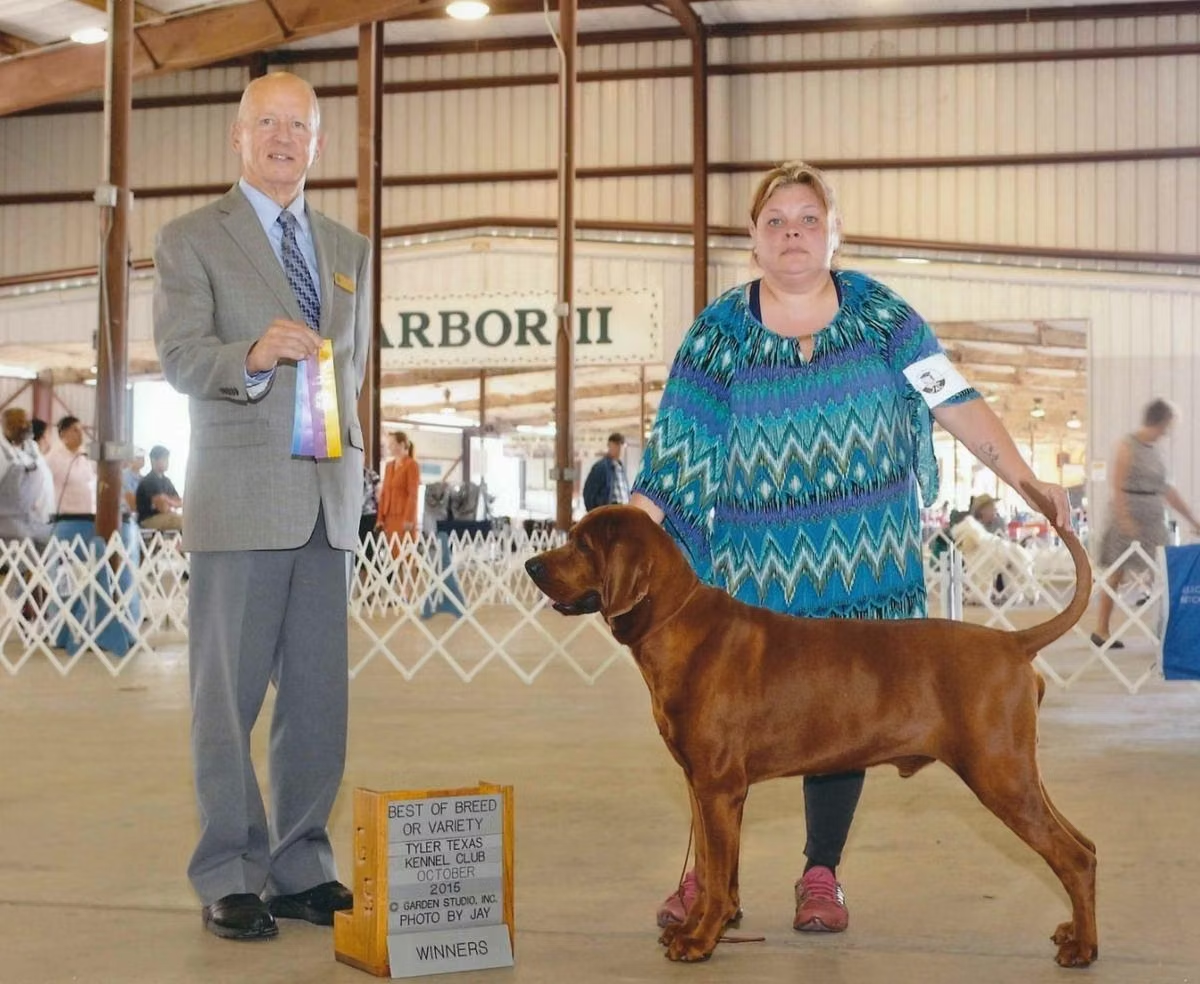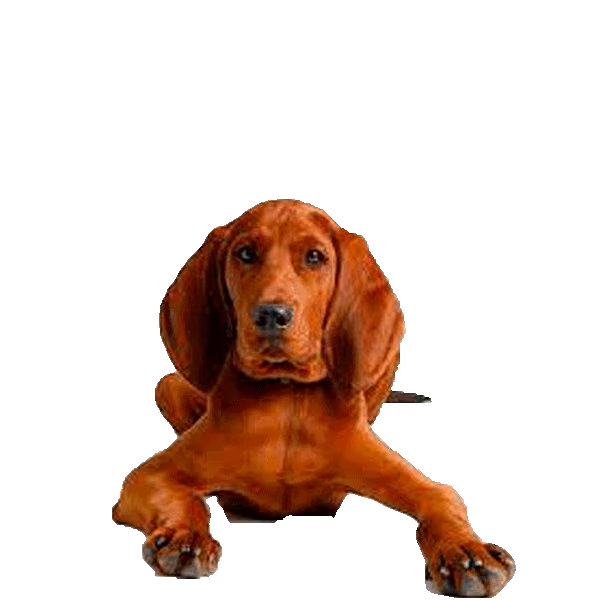
The Redbone Coonhound is an even-tempered, striking red scenthound known for its eager hunting drive and amiable family nature.
How the Redbone Coonhound coat is built, and what that means when you groom it.
A few of the Redbone Coonhound profiles members have added to United Pet Club.
The Redbone Coonhound is a big, solid red hunting hound from the American South, loyal at home and driven in the field. It needs an active fur parent with space to run.
The Redbone Coonhound is a medium to large scenthound that hunters in the southern United States developed to trail and tree raccoon and bigger game. It is the only coonhound breed with a coat that comes in one solid red color, which is what sets it apart from the other American coonhound breeds. A full-grown male usually stands 22 to 27 inches at the shoulder and weighs 45 to 70 pounds.
At home, the Redbone is gentle and easygoing with the people it lives with, but out in the field its drive to work does not let up. It tracks by scent, works comfortably with other dogs in a pack, and bays loudly once it picks up a trail; this is simply how the breed does its job, not bad behavior. Redbones are affectionate toward their families and usually patient with kids who grow up around them.
This is not a dog for a quiet, sedentary household. A Redbone that does not get enough exercise and something to think about will get restless and start baying out of boredom. Fur parents who hunt, jog, hike, or join scent-tracking activities tend to bring out the best in this breed.
| Trait | Detail |
|---|---|
| Origin | United States |
| Size | Large (45 to 70 lbs) |
| Lifespan | 12 to 15 years |
| Group/role | Hound, a scenthound bred to tree game |
| Good with | Families and kids; gets along with other dogs, especially with early socialization |
The Redbone Coonhound suits an active, outgoing fur parent who can commit to daily exercise, not someone after a low-key lap dog. It fits well with hunters and households in the province or in subdivisions with a decent, securely fenced yard. Because it follows its nose and bays when it does, a condo unit or a house close to neighbors is not the best setup. Owners away from home for long stretches, including those working overseas, will find this breed hard to manage without support at home.
Bred up through the 1800s from red foxhounds in the American South, the Redbone Coonhound is still a rare, specialist import among Filipino hound and hunting dog enthusiasts today.
The Redbone Coonhound goes back to red-coated foxhounds that Scottish and other European settlers brought to North America in the late 1700s and early 1800s. Breeders crossed these dogs with imported hounds, including some from Ireland, to come up with a hound built for American terrain and American game.
All throughout the 1800s, hound breeders in the southern United States kept refining a dog that could run fast on a trail, stay locked onto a scent, and tree raccoon as well as bigger quarry like bear and cougar. People often credit early breeders who worked on the line for the Redbone name, and little by little the breed settled into the solid red color it is known for today.
Careful, selective breeding phased out the black saddle markings that earlier red hounds carried, leaving a hound with a clean, solid red coat. This push toward one uniform color, on top of strong working ability, is what set the Redbone apart from the other American coonhound types.
The American Kennel Club recognized the Redbone Coonhound in 2009 under its Hound Group. The breed is still uncommon in the Philippines, known mainly among hunting dog circles and hound hobbyists rather than as a common household pet, but it holds its place both as a working coonhound and as a family companion wherever it is kept.
The Redbone Coonhound is a lean, athletic hound with a short, solid red coat, long drooping ears, and a build made for hours of work in the field.
The Redbone Coonhound has an athletic, well put together build, with a deep chest, straight legs, and a body a little longer than it is tall. It is built for speed and stamina, not bulk. The head is moderately wide with a clean muzzle, and the long, low-set ears hang close against the cheeks. Like most scenthounds, its expression is soft, almost pleading.
| Feature | Detail |
|---|---|
| Height | 21 to 27 inches at the shoulder |
| Weight | 45 to 70 pounds |
| Coat | Short, smooth, and tough enough to hold up out in the field |
| Colors | Solid red; a bit of white on the chest or feet sometimes shows up |
| Eyes | Dark brown to hazel, round, with a gentle look |
The signature trait is the solid red coat, which can run from a light red to a deep mahogany. A small white patch on the chest or feet is allowed under the breed standard, as long as it stays minimal. The coat itself is short, smooth, and lies flat against the body, giving some protection against brush and rough weather on a hunt. The nose is dark, and dark pigment around the eyes rounds out the breed's calm, alert expression.
The Redbone Coonhound is friendly and affectionate at home, patient with kids, but loud and scent-driven, traits straight out of its hunting background.
The Redbone Coonhound is even-tempered and easy to like, and it bonds tightly with its family. Around the house it is affectionate and often just wants to lie near its people once the day's activity is done. It is generally good with kids and tends to be patient, though given its size and energy, playtime with very young children should be watched.
Redbones are usually friendly with strangers rather than wary, so they will not double as guard dogs, though a loud bay will still let the household know someone is at the gate. They come from a long line of pack hounds and typically get along fine with other dogs. Cats and smaller pets are a different story: a strong prey drive can switch on around smaller animals, so introductions need to be slow and supervised.
This is a vocal breed. Baying and barking come with the territory of being a coonhound, and a Redbone left bored or alone at home will make noise about it, something worth keeping in mind in a subdivision with close neighbors. A scent on the ground can pull a Redbone away in seconds, so a secure fence and solid recall training matter a lot.
| Trait | Rating |
|---|---|
| Affection | 5 |
| Energy | 4 |
| Trainability | 3 |
| Vocalness | 5 |
| Shedding | 2 |
Grooming a Redbone Coonhound takes little effort, but the breed needs long daily exercise, a securely fenced yard, and protection from heat and heavy rain.
Keeping a Redbone Coonhound clean is simple, but keeping it satisfied takes real effort. Its short coat asks for very little upkeep, while its body and mind ask for plenty.
A Redbone does best in a home with a securely fenced yard and room to run around, the kind of setup more common in subdivisions or provincial properties than in a condo or a small city apartment. Given the Philippines' hot, humid climate and long rainy and typhoon season, make sure the dog has shade, fresh water, and good drainage outdoors, plus a dry, sheltered spot to retreat to during heavy rain and flooding.
A Redbone Coonhound needs a complete diet sized to its activity level, split into two meals to guard against bloat, with several common foods kept well out of reach.
Feed a complete and balanced dog food made for a large, active breed. A working hunting dog burns through more calories than a pet that mostly stays home, so adjust the amount to the individual dog and how much it is doing. Protein and fat levels should support muscle and stamina without piling on extra weight. Split the daily food into two meals to lower the risk of bloat, a serious stomach condition that deep-chested breeds like this one can develop.
| Life stage | Amount per day | Meals |
|---|---|---|
| Puppy (2 to 12 months) | Per the puppy formula's label instructions, divided across the day | 3 to 4 |
| Adult (pet, moderate activity) | About 2.5 to 3.5 cups of dry food | 2 |
| Adult (working or hunting) | Increased to match how much energy it burns | 2 |
| Senior (7+ years) | Reduced to keep a healthy weight | 2 |
Keep treats to around 10 percent of daily calories so they do not throw off the diet. Small pieces of plain cooked meat or commercial training treats both work well. Most Redbones on a complete diet do not need extra supplements, but a vet may recommend joint support for an aging dog or one that works hard in the field. Always keep fresh water available, especially after exercise and during the hot months.
The Redbone Coonhound is generally sturdy and lives 12 to 15 years, though hip dysplasia, ear infections, and bloat are worth watching for.
The Redbone Coonhound is a tough, hardy working breed that usually lives 12 to 15 years. Like most large dogs, it has a handful of conditions worth watching for, and responsible breeders screen their breeding stock to cut down the risk of passing on inherited problems. Routine vet visits and a healthy weight do a lot toward a long, active life.
| Condition | Signs | Note |
|---|---|---|
| Hip dysplasia | Stiffness, limping, reluctance to get up | Hereditary; breeders should have hips screened |
| Ear infections | Head shaking, bad smell, scratching at the ears | The long drop ears trap moisture, especially in humid weather; clean regularly |
| Bloat (gastric torsion) | Swollen belly, retching with nothing coming up, visible distress | A medical emergency; feed smaller meals |
| Obesity | Weight gain, low energy | Watch portions and keep the dog active |
A Redbone Coonhound is intelligent and eager to work with its owner, but its independent, scent-driven streak calls for early, consistent, reward-based training.
The Redbone Coonhound is smart and willing to work with you, but it carries the independent streak typical of scenthounds. Once it locks onto an interesting scent, commands can go right past it, so training calls for patience and consistency. Start young, keep sessions short and varied, and build a dependable recall before letting the dog off leash anywhere open. Harsh handling backfires with a Redbone; food, praise, and play work far better as rewards. Its strong nose is also an asset in tracking and scent-based games, which help burn off energy and cut down on nuisance baying.
Redbone Coonhounds reach breeding age at one to two years, carry puppies for about 63 days, and typically produce litters of 6 to 10 pups.
Breeding a Redbone Coonhound calls for planning around health and temperament, not just convenience. Dogs should be bred only once they are physically mature and have passed health screening, usually from one to two years old, rather than at their very first season. Screening both parents' hips and eyes helps cut down on inherited problems in the litter.
Pregnancy in dogs runs about 63 days. Litters in this breed usually fall between 6 and 10 puppies, though the number varies from one female to another. The pregnant dam needs good nutrition, a calm environment, and veterinary care right through pregnancy and whelping.
Newborn puppies are born blind and deaf and depend completely on their mother for warmth and feeding. Their eyes open at around two weeks old, and weaning usually starts close to four weeks. Gentle handling and early socialization from just a few weeks old help the puppies grow into stable, friendly adults. Puppies typically go to their new homes at around eight weeks old, and in the Philippines it is worth asking the breeder for proof of deworming and initial vaccinations before bringing a puppy home.
| Metric | Value |
|---|---|
| Breeding maturity | 1 to 2 years |
| Gestation | About 63 days |
| Average litter size | 6 to 10 puppies |
| Eyes open | About 2 weeks |
| Weaning begins | About 4 weeks |
| Typical age to new home | About 8 weeks |
The city vet office handles the RA 9482 paperwork; a free United Pet Club record is what a finder anywhere can actually search for your Redbone Coonhound.
A Redbone Coonhound that gets loose during a storm is identified by whatever record answers the scan, not by the barangay it came from. Give it a record that answers: your mobile number, the dog's photo, and his details, free for life with United Pet Club. Register your dog today and it is done for good.
The clinic's part ended with the implant; the tracing part is yours. File your Redbone Coonhound's 15-digit number with United Pet Club and every scan leads to your phone: free for life, all brands accepted, updates free every time your details change. Microchip registration plus a free account finishes the job.
Open a free United Pet Club account, add your Redbone Coonhound's details and a photo, then save the profile. It stays free for his whole life and sits alongside the city vet office registration RA 9482 requires.
Type the 15-digit chip number into your free account together with your mobile number and address. The lifetime plan charges nothing for the registration or for any update, whatever brand the clinic used.
Yes, RA 9482 requires dog registration with your city or municipal veterinary office, along with current anti-rabies vaccination. The United Pet Club profile is the searchable half: free, worldwide, and tied to your current mobile.
Nothing. The free lifetime plan covers the profile, the microchip record, and every update, with no renewal fees at all.
Common questions Filipino dog owners ask about the Redbone Coonhound cover its size, temperament, upkeep, lifespan, and where to find one locally.
It is a large breed, standing about 21 to 27 inches at the shoulder and weighing 45 to 70 pounds, with males usually bigger than females.
Yes. They are friendly, even-tempered, affectionate with their families, and generally good with kids who grow up around them. Watch playtime with very young children given the dog's size and energy.
Grooming is easy because of the short coat, but the breed needs plenty of exercise and can be quite vocal. Fur parents who can give it daily activity and a secure yard usually manage just fine.
They typically live 12 to 15 years with good care, a healthy weight, and regular vet visits.
They can get loud. Baying and barking are part of their hunting background, and a bored or under-exercised dog will use its voice often. Regular activity and training help keep the noise down.
They usually get along well with other dogs, since they were bred to work in packs. A strong prey drive means cats and small pets need slow, supervised introductions.
This breed is rare locally, so look for breeders who health-test their dogs, and check with hound and hunting dog clubs or breed-specific rescue groups. Ask about hip and eye screening of the parents, and confirm the pup's health papers before committing to a reservation fee.