

Mixed Breed Dog
Mixed Breed Dogs blend the best of many backgrounds, offering wonderfully unique, good-natured, and loyal companions of every shape and size.
- Size
- Medium
- Lifespan
- 10–15 years
- Origin
- Unknown
- Temperament
- Friendly
Characteristics
Meet some of our Mixed Breed Dog
A few of the Mixed Breed Dog profiles members have added to United Pet Club.




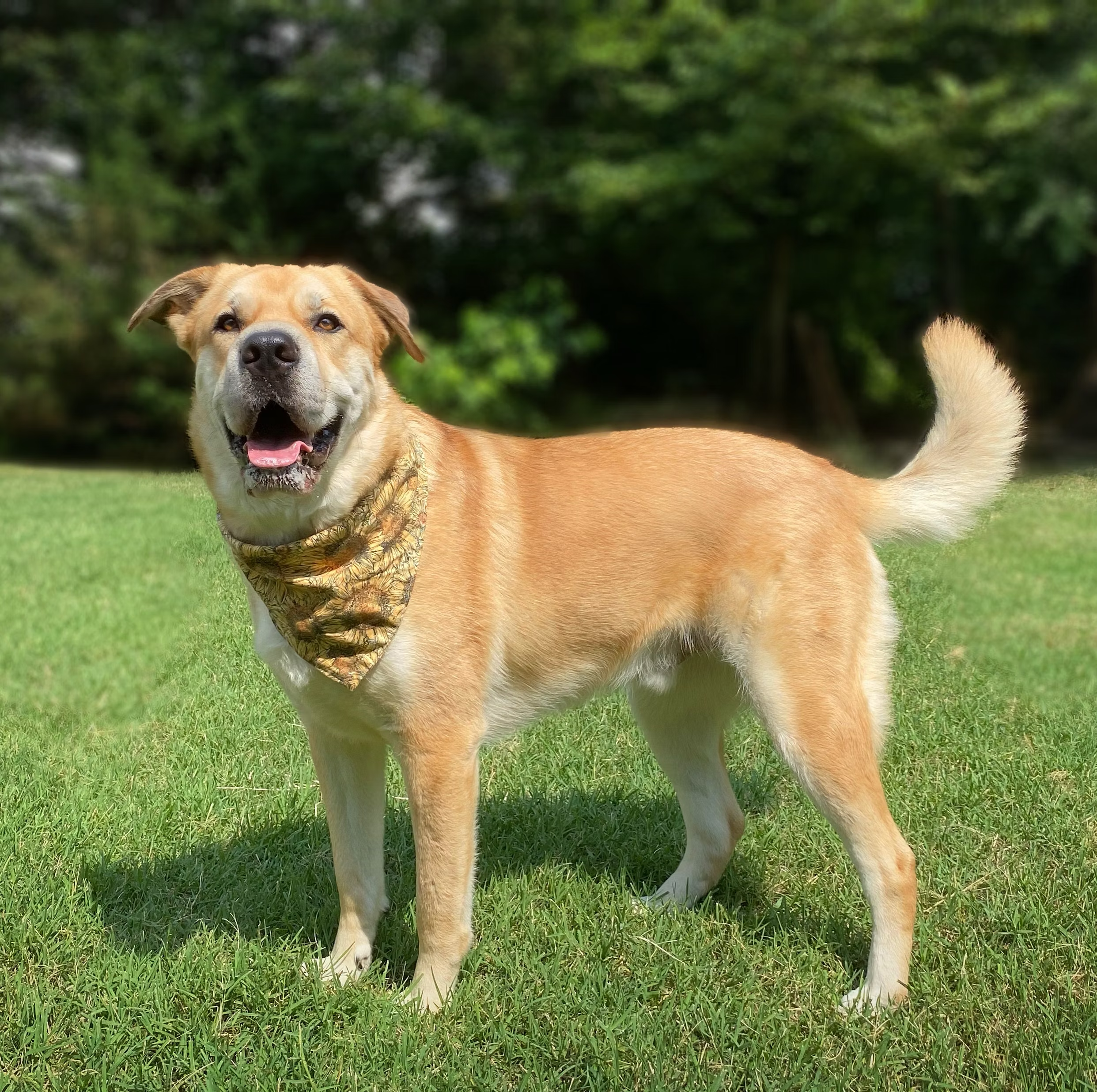


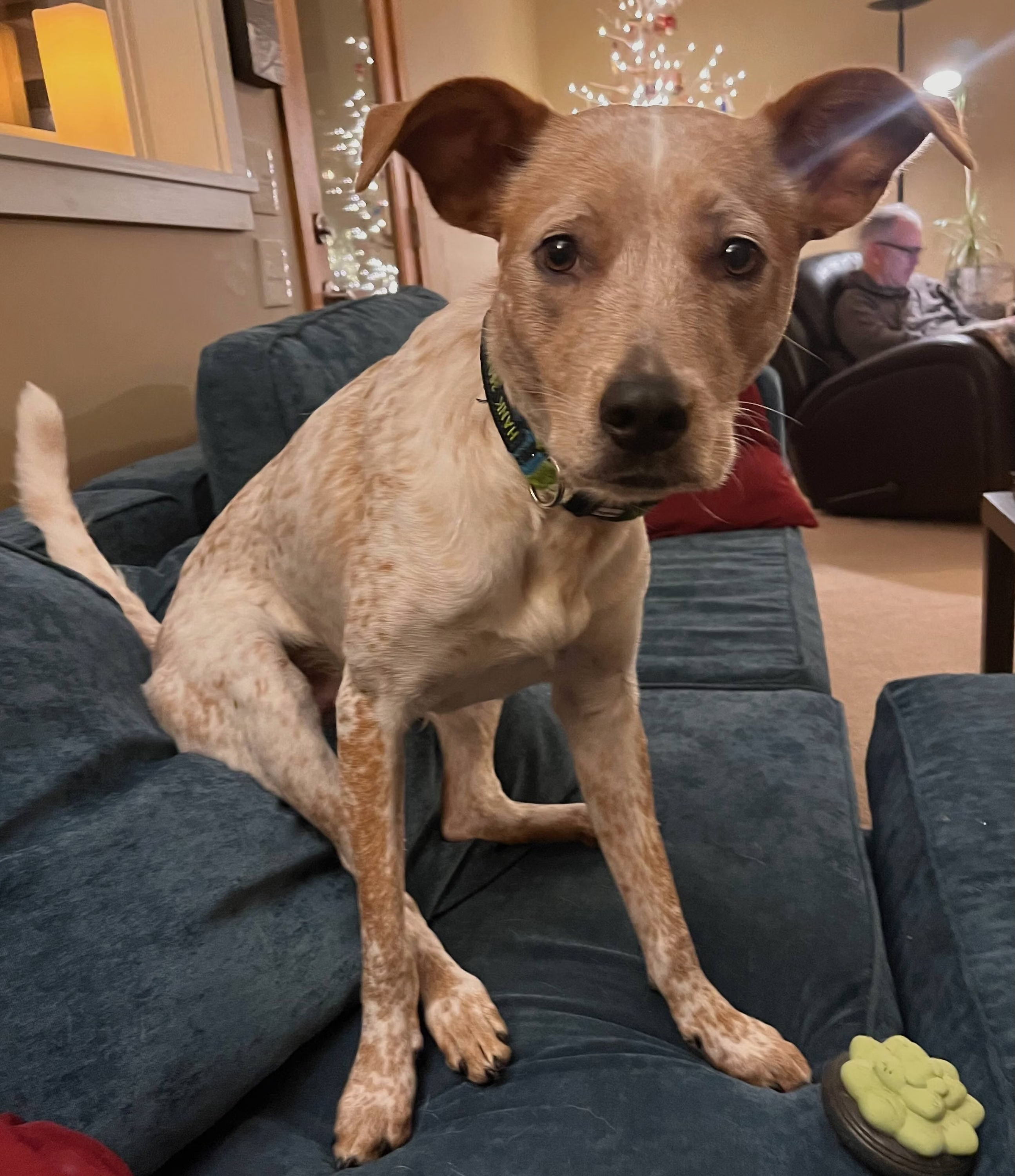



About the mixed breed dog (askal)
In the Philippines, mixed breed dogs are often called askal. They come from two or more breeds and vary widely in size, coat, and temperament, yet most are friendly, loyal, and easy to keep.
A mixed breed dog carries ancestry from more than one breed, or from many generations of dogs that paired without human selection. The group ranges from a deliberate cross of two known breeds to an askal with no known parentage, picked up from the street or a barangay. Because the gene pool is wide, individual dogs vary far more than dogs within one recognized breed.
Most mixed breed dogs settle into a medium build, though weight, frame, and coat depend entirely on the lineage behind a given dog. Common temperament traits include a friendly, easygoing nature and strong attachment to the household. Many get along well with people and other animals, and the group as a whole adapts to a wide range of homes, from a condo unit in Metro Manila to a house with a yard in the province.
Mixed breed dogs make up the majority of pet dogs across the Philippines and fill most animal shelters and rescue centers. Adopting one usually costs far less than buying a purebred puppy, and the wide genetic background can lower how often some inherited disorders tied to narrow breeding show up.
| Attribute | Detail |
|---|---|
| Origin | Unknown (found worldwide, common locally as the askal) |
| Size | Medium (varies by lineage) |
| Lifespan | 10 to 15 years |
| Group/role | Companion (varies) |
| Good with | Families, other pets, single owners |
Who it suits
A mixed breed dog suits owners who value temperament over a predictable look. Since traits vary from one dog to the next, spending time with an adult dog or asking about its behavior at the shelter tells you more than guessing from its appearance. The group suits first-time pet owners, families, and active households alike, as long as the dog's energy and size fit the home, whether that is a small unit in the city or a house with a yard in the province.
History and origin of the askal
Mixed breed dogs have no single origin. They occur wherever dogs of different ancestry interbreed, a pattern older than formal breed registries such as the Philippine Canine Club, Inc. (PCCI).
Mixed breed dogs have no documented starting point. Dogs were domesticated from wolves thousands of years ago, and for most of that history they paired with little human control over which dogs mated. What resulted was a population of village and working dogs whose look and behavior reflected local conditions rather than any written standard, much like the askal still seen along Philippine streets and coastlines today.
The line between purebred and mixed breed dog is fairly recent. Formal breed clubs and stud books mostly took shape in the nineteenth century, when registries such as The Kennel Club in Britain, founded in 1873, began keeping closed pedigrees. In the Philippines, the Philippine Canine Club, Inc. (PCCI) later took on a similar role as the national registry, recognizing pedigreed breeds and sanctioning conformation shows. A dog counted as purebred only if both parents belonged to the same registered breed, and every dog outside that system became, by definition, a mixed breed.
Through the twentieth century and into the present, mixed breed dogs have remained the most common type of dog across the Philippines and much of the world. Many live as free-roaming community dogs in barangays, fed and watched over informally by neighbors, while others are family pets adopted from shelters and rescue groups. Terms such as askal, mongrel, and mutt all describe dogs of mixed ancestry, while crossbreed usually points to a deliberate pairing of two known breeds.
More recently, intentional crosses sold under blended names have become common, including among Filipino breeders and hobbyists. These remain mixed breed dogs in genetic terms even when bred on purpose. The wider population continues to be defined by variety rather than by any fixed history.
Appearance of the mixed breed dog
Mixed breed dogs, or askal, vary widely in size, coat, and color since they carry genes from several breeds. Most adults are medium sized, but no single look defines the group.
There is no breed standard for a mixed breed dog. Looks depend on the breeds behind a given dog and on how those traits combine. Two puppies from the same litter, even one born under a neighbor's porch, can differ in size, coat length, ear set, and color. An adult dog's look is easiest to predict once the parents are known.
Many mixed breed dogs settle into a medium build, with proportions between the heavier and lighter breeds in their background. Heads, muzzles, ears, and tails all vary. Some dogs take strongly after one parent, while others show a balanced mix of both.
| Trait | Range |
|---|---|
| Height | Roughly 25 to 60 cm at the shoulder |
| Weight | Roughly 10 to 30 kg in the medium range |
| Coat | Short, medium, long, wiry, or curly |
| Colors | Any: black, brown, tan, white, brindle, merle, mixed |
| Eyes | Brown most common; amber or blue possible |
Coat and colors
Coat type follows ancestry. A dog with short-coated breeds behind it usually carries a sleek coat that suits the Philippine heat well, while one with herding or terrier lines may grow longer or wiry hair that needs more upkeep in the humidity. Color and pattern can be solid, parti-color, brindle, ticked, or patched. Because pigment genes recombine freely, color combinations rare within fixed breeds turn up often among mixed breed dogs, including the brown-and-white or black-and-tan coloring common among askal across the islands.
Temperament of the askal
Mixed breed dogs are generally friendly, loyal, and good-natured, though personality depends on lineage and upbringing. Many askal get along well with people and other pets.
Temperament in a mixed breed dog reflects its ancestry, early socialization, and training rather than any fixed breed profile. As a group, mixed breed dogs are often friendly, loyal, and good-natured, and many get along well with both people and other animals, a trait many Filipino households already know from raising an askal in the compound.
With family, most form close bonds and want to be part of daily life. Behavior toward visitors ranges from openly welcoming to reserved, depending on the breeds involved and on how the dog was raised. Dogs with guarding or herding ancestry tend to be more watchful of strangers at the gate, while those from sporting or companion lines usually greet new people without fuss.
With other pets, results vary too. Early, positive exposure to other dogs, cats, and small animals shapes how well an adult dog shares space, whether that is a shared yard or a small apartment. Because the genetic background is broad, the most reliable guide remains the individual dog's observed behavior, which is one reason adopting an adult askal can be easier than guessing how a puppy will turn out.
| Trait | Rating |
|---|---|
| Affection | 4 |
| Energy | 3 |
| Trainability | 3 |
| Vocalness | 3 |
| Shedding | 3 |
Care and grooming for a tropical climate
Care needs for a mixed breed dog depend on coat type, size, and energy level. Most do well with routine grooming, daily exercise, and a stable home suited to the tropical climate.
Day-to-day care for a mixed breed dog follows the same principles as for any dog, adjusted to the individual. Coat type sets grooming demands, while size and ancestry set exercise needs. Knowing the breeds behind a dog, where possible, helps in building a routine that fits both the dog and the Philippine climate.
Grooming
- Brush short coats weekly; brush medium, long, or double coats two to three times a week, more often during shedding season.
- Bathe every one to three months, or sooner if the coat gets muddy or smells from the humidity, using a dog shampoo.
- Trim nails every three to four weeks if they do not wear down naturally on pavement or rough ground.
- Check and clean ears regularly, especially in dogs with floppy ears, since humid weather encourages ear infections.
- Brush teeth several times a week to limit dental disease.
Exercise
- Give most medium mixed breed dogs 30 to 60 minutes of activity daily, preferably during the cooler hours of early morning or late afternoon.
- Increase exercise for dogs with sporting, herding, or working ancestry.
- Add mental work such as scent games, basic training, or puzzle feeders, especially useful indoors during heavy rain.
- Adjust intensity for puppies, senior dogs, and short-faced individuals, who overheat faster in Philippine heat and humidity.
Environment
Most mixed breed dogs adapt to houses or apartments as long as their exercise needs are met. A securely fenced yard helps but is not required, though it matters more during typhoon season, when a dog should not be left exposed outdoors. Provide a shaded, well-ventilated resting spot, fresh water, and protection from extreme heat, heavy rain, and flooding, particularly for thin-coated or very young and old dogs.
Nutrition and feeding
Mixed breed dogs thrive on a complete, life-stage-appropriate diet portioned to body size and activity. Daily amounts vary with weight, so feed to keep the dog in healthy condition.
A mixed breed dog needs a complete and balanced diet suited to its life stage and size. Choose a food labeled for the dog's stage, such as puppy, adult, or senior, and check that it meets a recognized nutritional standard, whether local or imported. Because the group spans many sizes, portion to the individual dog rather than to one fixed amount.
Feed measured meals on a routine, and adjust the quantity to keep the dog at a healthy weight where the ribs can be felt but not seen. Always provide fresh, clean water, especially during the hot months.
| Life stage | Amount per day | Meals |
|---|---|---|
| Puppy (2 to 6 months) | Per label, by expected adult weight | 3 to 4 |
| Puppy (6 to 12 months) | Per label, by expected adult weight | 2 to 3 |
| Adult (medium) | About 1.5 to 2.5 cups of dry food | 2 |
| Senior | Adult amount, often reduced for lower activity | 2 |
Treats and supplements
Keep treats to roughly 10 percent of daily calories so they do not throw off the diet. Healthy options include small pieces of plain cooked meat or dog-safe vegetables such as kamote or squash. Most dogs on a complete commercial diet do not need supplements; add joint, skin, or other supplements only on a veterinarian's advice.
Health of the mixed breed dog
Mixed breed dogs often benefit from a broad gene pool, which can lower the rate of some inherited disorders. Typical lifespan is 10 to 15 years with good care.
Mixed breed dogs are frequently healthy, and their wide genetic background can lower the frequency of some inherited conditions that concentrate in narrowly bred lines. This is sometimes called hybrid vigor, though it does not make any dog immune to disease. A dog can still inherit conditions carried by the breeds in its ancestry.
Typical lifespan is 10 to 15 years. Smaller dogs often live toward the longer end of that range, while larger dogs tend toward the shorter end. Routine veterinary care, a healthy weight, and dental hygiene all support a long life, along with protection from the parasites common in the Philippine climate.
| Condition | Signs | Note |
|---|---|---|
| Dental disease | Bad breath, tartar, sore gums | Very common; reduced by tooth brushing |
| Obesity | Excess weight, low stamina | Manage with diet and exercise |
| Hip or joint problems | Stiffness, limping, trouble rising | More likely in larger dogs |
| Ear infections | Head shaking, odor, scratching | More common in floppy-eared dogs and in humid weather |
| Skin allergies | Itching, redness, hair loss | Triggers vary by individual, often worse in the wet season |
Preventive care
- Schedule annual veterinary checkups, more often for senior dogs.
- Keep vaccinations and parasite control, including heartworm and tick prevention, current year-round, not just during the rainy season.
- Maintain a healthy weight with measured meals and regular activity.
- Brush teeth and schedule dental cleanings as advised.
- Consider availing of pet insurance or a savings plan for unexpected vet costs.
Training an askal
Most mixed breed dogs train well with consistent, reward-based methods. Trainability varies with ancestry, so match the approach to the individual dog's drive and attention.
Trainability in a mixed breed dog depends on its ancestry and on early experience. Dogs with working, herding, or sporting lines often pick things up quickly and want a job to do, while others may be more independent minded. Across the group, consistency and positive reinforcement produce reliable results.
Start socialization and basic training early, once a puppy has had its first vaccinations and can safely meet other dogs. Short, frequent sessions hold attention better than long ones, and ending on a success keeps the dog motivated. Since individual drive varies, read the dog in front of you and adjust pace and reward accordingly.
Basics
- Socialize the dog to people, places, and other animals from a young age, including the sounds of jeepneys, tricycles, and fireworks it will likely encounter.
- Teach a reliable name response and eye contact.
- Train core cues: sit, down, stay, come, and leave it.
- Practice loose-leash walking in low-distraction settings first, before tackling a busy street or market.
- Add house training and crate or settle routines.
- Build duration and distraction gradually as skills hold.
Breeding and puppies
Mixed breed dogs follow the same reproductive pattern as all dogs, with a gestation near 63 days and variable litter sizes. Outcomes in coat, size, and temperament are hard to predict.
Mixed breed dogs reproduce like all domestic dogs. Females usually reach sexual maturity between 6 and 12 months, though responsible breeding waits until a dog is physically and mentally mature, often after the first year or two. Many veterinary groups and animal welfare organizations in the Philippines, including those running community spay and neuter drives, recommend spaying or neutering pet dogs not intended for planned breeding, given how many dogs already need homes.
Gestation lasts about 63 days from conception. Litter size varies widely with the size and ancestry of the parents, commonly ranging from a few puppies to a dozen, and it is not unusual for a barangay askal to produce a large litter under a house or in a vacant lot. Because the genetic background is mixed, puppies in one litter can differ markedly in size, coat, color, and temperament, and adult outcomes are difficult to predict.
Newborn puppies are born blind and deaf and depend fully on the mother for warmth and milk. Eyes open at around two weeks. Weaning begins near three to four weeks and is usually complete by about eight weeks, when socialization with people and littermates becomes important for healthy development.
| Metric | Value |
|---|---|
| Sexual maturity | 6 to 12 months |
| Gestation | About 63 days |
| Litter size | Variable, commonly 1 to 12 |
| Eyes open | Around 14 days |
| Weaning | About 6 to 8 weeks |
Registering an aspin and its microchip
The aspin registers free for life with United Pet Club, microchip record included, searchable here and abroad.
How to register an aspin in the Philippines
The aspin is the Filipino dog, and RA 9482 treats it like any other: registration with the city or municipal veterinary office plus current anti-rabies shots. What the city record cannot do is tell a finder two provinces away how to reach you. A free United Pet Club profile fills that gap for life, no pedigree asked. Register your dog; it costs nothing to start and nothing later.
If a vet or shelter already implanted a chip, the number still has to be filed where a scanner can trace it. Register the microchip free on the lifetime plan: any brand sold in the Philippines qualifies, updates after you move house or change SIM cost nothing, and the record stays searchable here and abroad. Create your free account and cover both in one go.
How do I register an aspin in the Philippines?
Open a free United Pet Club account, add your dog's details and a photo, then save the profile. It stays free for his whole life and sits alongside the city vet office registration RA 9482 requires.
Can I register a rescued aspin's microchip?
Yes. Type the 15-digit number from the shelter's paperwork into your free account together with your mobile number. The lifetime plan charges nothing for the registration or any update.
Does an aspin need papers to be registered?
No papers, no pedigree, no fees. United Pet Club registers every dog on the same free lifetime plan; what matters is the record that connects the chip to your phone.
Frequently asked questions
Common questions about mixed breed dogs and askal cover their size, temperament, care needs, lifespan, suitability, and where to adopt one in the Philippines.
How big do askal or mixed breed dogs get?
Size depends entirely on ancestry. Many mixed breed dogs fall in the medium range, roughly 10 to 30 kg, but individuals can be much smaller or larger. If the parents are known, adult size is easier to estimate.
What is the temperament of a Filipino askal?
As a group they are often friendly, loyal, good-natured, and sociable, but personality varies with lineage and upbringing. The best guide is the individual dog's own observed behavior.
Are mixed breed dogs hard to take care of in the Philippines?
Care needs depend on coat, size, and energy rather than on a single profile. Most do well with routine grooming, daily exercise, a balanced diet, and regular veterinary care suited to the tropical climate.
How long do mixed breed dogs live?
Typical lifespan is 10 to 15 years. Smaller dogs often live longer than larger ones, and good weight management, dental care, and parasite control help extend healthy years.
Are mixed breed dogs healthier than purebreds?
A broad gene pool can lower the rate of some inherited disorders, but it does not guarantee health. A mixed breed dog can still inherit conditions carried by the breeds in its background.
Are askal good pets for families and first-time owners?
Many are, provided the individual dog's size and energy match the home. Meeting an adult dog and learning its behavior helps match it to a family or a first-time owner.
Where can I adopt a mixed breed dog in the Philippines?
Most come from animal shelters, rescue groups, and barangay adoption drives, where adoption is common and often less costly than buying a puppy. Some intentional crosses are also available from breeders registered with the Philippine Canine Club, Inc. (PCCI).
From the community
Ask about the Mixed Breed DogNo questions about the Mixed Breed Dog yet. Be the first to ask.
Browse Dog breeds