

Löwchen
The Löwchen is a cheerful, affectionate little 'lion dog' that thrives on companionship and lively play with its family.
- Size
- Small
- Lifespan
- 13–15 years
- Origin
- France
- Temperament
- Affectionate
- Standard colors
- Black, White, and Blue and 7 more
Characteristics
Coat and grooming
How the Löwchen coat is built, and what that means when you groom it.
- Coat layers
- Single coat
- Coat texture
- Wavy
- Coat length
- Long
- Shedding
- Low shedding
Grooming guidance
Caution: A Löwchen coat mats easily.
Fine or long hair tangles at the base of the coat, out of sight, where the mats tighten and pull on the skin. Brushing has to reach right down to the roots in sections, not just skim the surface.
Information: A Löwchen needs clipping every few weeks.
This coat keeps growing rather than shedding out, so it has to be trimmed every few weeks. Left to grow it mats down against the skin and traps moisture, dirt and heat.
Löwchen colors and patterns
What each club's breed standard says about every Löwchen color and pattern. Point at a ruling to see the club's own wording.
Breed standards describe the Löwchen in Black, White, Blue, Silver, Brown, Tan, Red, Gold, Cream, and Fawn. Standard patterns: Solid, Brindle, Piebald, Parti-color, Roan, Sable, Tan point, and Reverse brindle.
| Color or pattern | FCI | AKC | UKC | KC | KUSA |
|---|---|---|---|---|---|
| Black | Standard (“All colours and combinations of colours are permitted”) | Standard (“Black”) | Standard (“All colors and color combinations are acceptable”) | Standard (“Black”) | Standard (“All colours and combinations of colours are permitted”) |
| White | Standard (“All colours and combinations of colours are permitted”) | Standard (“White”) | Standard (“All colors and color combinations are acceptable”) | Standard (“White”) | Standard (“All colours and combinations of colours are permitted”) |
| Blue | Standard (“All colours and combinations of colours are permitted”) | Standard (“Blue”) | Standard (“All colors and color combinations are acceptable”) | Standard (“Any colour or combination of colours”) | Standard (“All colours and combinations of colours are permitted”) |
| Silver | Standard (“All colours and combinations of colours are permitted”) | Standard (“Silver”) | Standard (“All colors and color combinations are acceptable”) | Standard (“Silver”) | Standard (“All colours and combinations of colours are permitted”) |
| Brown | Standard (“brown coats and derivatives”) | Standard (“Chocolate”) | Standard (“dogs with brown coats”) | Standard (“Brown”) | Standard (“brown coats and derivatives”) |
| Tan | Standard (“All colours and combinations of colours are permitted”) | Standard (“Black & Tan”) | Standard (“All colors and color combinations are acceptable”) | Standard (“Any colour or combination of colours”) | Standard (“All colours and combinations of colours are permitted”) |
| Red | Standard (“All colours and combinations of colours are permitted”) | Standard (“Red”) | Standard (“All colors and color combinations are acceptable”) | Standard (“Any colour or combination of colours”) | Standard (“All colours and combinations of colours are permitted”) |
| Gold | Standard (“All colours and combinations of colours are permitted”) | Standard (“Gold”) | Standard (“All colors and color combinations are acceptable”) | Standard (“Gold”) | Standard (“All colours and combinations of colours are permitted”) |
| Cream | Standard (“All colours and combinations of colours are permitted”) | Standard (“Cream”) | Standard (“All colors and color combinations are acceptable”) | Standard (“Cream”) | Standard (“All colours and combinations of colours are permitted”) |
| Fawn | Standard (“All colours and combinations of colours are permitted”) | Standard (“Fawn”) | Standard (“All colors and color combinations are acceptable”) | Standard (“Any colour or combination of colours”) | Standard (“All colours and combinations of colours are permitted”) |
| Albino | No ruling | No ruling | Disqualifying (“Albinism”) | No ruling | No ruling |
| Patterns | |||||
| Solid | Standard (“All colours and combinations of colours are permitted”) | Standard (“All colors and color combinations are acceptable”) | Standard (“All colors and color combinations are acceptable”) | Standard (“Any colour or combination of colours”) | Standard (“All colours and combinations of colours are permitted”) |
| Brindle | Standard (“All colours and combinations of colours are permitted”) | Standard (“Black Brindle”) | Standard (“All colors and color combinations are acceptable”) | Standard (“Brindle”) | Standard (“All colours and combinations of colours are permitted”) |
| Piebald | Standard (“All colours and combinations of colours are permitted”) | Standard (“Irish Pied”) | Standard (“All colors and color combinations are acceptable”) | Standard (“Any colour or combination of colours”) | Standard (“All colours and combinations of colours are permitted”) |
| Parti-color | Standard (“All colours and combinations of colours are permitted”) | Standard (“Parti-Color”) | Standard (“All colors and color combinations are acceptable”) | Standard (“Particolour”) | Standard (“All colours and combinations of colours are permitted”) |
| Roan | Standard (“All colours and combinations of colours are permitted”) | Standard (“Parti Belton”) | Standard (“All colors and color combinations are acceptable”) | Standard (“Any colour or combination of colours”) | Standard (“All colours and combinations of colours are permitted”) |
| Sable | Standard (“All colours and combinations of colours are permitted”) | Standard (“Red Sable”) | Standard (“All colors and color combinations are acceptable”) | Standard (“Gold Sable”) | Standard (“All colours and combinations of colours are permitted”) |
| Tan point | Standard (“All colours and combinations of colours are permitted”) | Standard (“Tan Points”) | Standard (“All colors and color combinations are acceptable”) | Standard (“Any colour or combination of colours”) | Standard (“All colours and combinations of colours are permitted”) |
| Reverse brindle | Standard (“All colours and combinations of colours are permitted”) | Standard (“Black Brindle”) | Standard (“All colors and color combinations are acceptable”) | Standard (“Brindle”) | Standard (“All colours and combinations of colours are permitted”) |
| Merle | No ruling | No ruling | No ruling | Not recognized (“merle which is unacceptable”) | No ruling |
| Double merle | No ruling | No ruling | No ruling | No ruling | No ruling |


| Color or pattern | FCI | AKC | UKC | KC | KUSA |
|---|---|---|---|---|---|
| Dark brown | Standard (“very dark”) | Standard (“dark brown”) | Standard (“dark”) | Standard (“dark”) | Standard (“very dark”) |
| Light brown | Disqualifying (“too light”) | Standard (“lighter colored dogs may have lighter brown eyes”) | No ruling | No ruling | Disqualifying (“too light”) |
| Blue | Disqualifying (“wall”) | No ruling | No ruling | No ruling | Disqualifying (“wall”) |
| Color or pattern | FCI | UKC | KC | KUSA |
|---|---|---|---|---|
| Black | Standard (“Black”) | Standard (“black”) | Standard (“black or brown according to coat colour”) | Standard (“Black”) |
| Liver | Standard (“except for brown coats and derivatives ... the nose is dark brown”) | Standard (“except in the brown-coated dogs, when it is dark brown”) | Standard (“black or brown according to coat colour”) | Standard (“except for brown coats and derivatives ... the nose is dark brown”) |
What the rulings mean
- Standard
- Described by the club's breed standard.
- Disqualifying
- The club's breed standard disqualifies an animal of this color or pattern.
- Not recognized
- The club does not accept this color or pattern for the breed.
Color changes
How a Löwchen's colors can change over its life.
Blackchanges toRust
Coat · With body condition · can change back
Blackchanges toGray
Coat · Progressive
Blackchanges toBrown
Coat · In the sun · can change back
Whitechanges toRoan
Coat · With age · from 2 weeks
Tan pointchanges toSaddle
Coat · With age · from 6 to 156 weeks
Blackchanges toSnow nose
Nose · With the season · can change back
Blackchanges toPink
Nose · With the season · can change back


Sources
Each ruling comes from the club's published breed standard or color list.
Meet some of our Löwchen
A few of the Löwchen profiles members have added to United Pet Club.


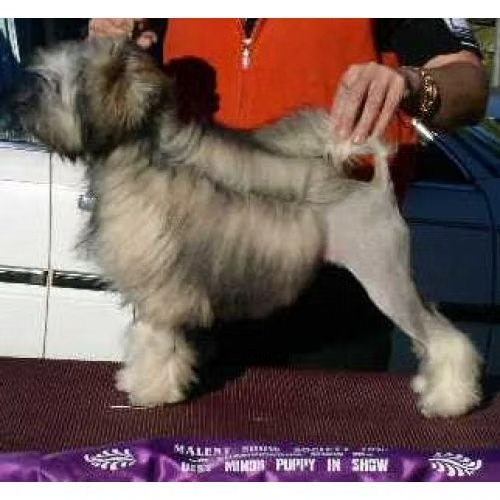

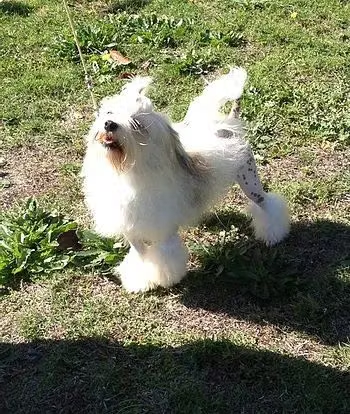
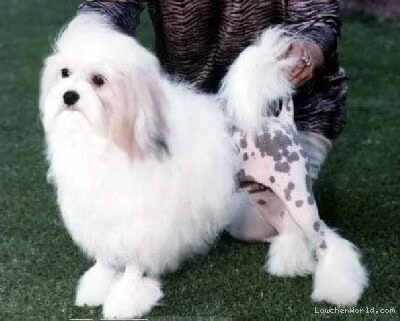
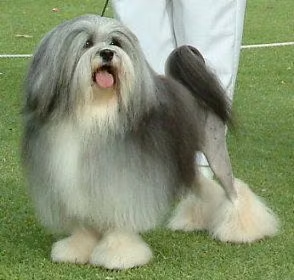
About the Löwchen
The Löwchen is a small, affectionate French companion dog that suits Philippine homes offering daily company, cool shelter from the heat, and regular grooming.
The Löwchen is a small companion breed whose name is German for "little lion." The name comes from the traditional lion clip, which leaves the front half of the body in full coat while the hindquarters are trimmed close, giving the shape of a lion's mane and tail. Underneath the grooming sits a sturdy toy-to-small dog built for lap time and for tagging along after its owner from room to room.
Temperament, more than looks, is what defines this breed. The Löwchen is affectionate, sociable, and playful, and it attaches closely to the household it lives with. It stays alert without becoming a constant barker, which suits condominium units and townhouses where the neighbors are within earshot. Adults weigh about 4 to 8 kg and stand roughly 26 to 32 cm at the shoulder, small enough for a Metro Manila condo or a provincial bungalow with a yard.
The coat is long and wavy and does not shed heavily, but in a hot, humid climate it mats quickly if left unbrushed, and trapped moisture in the coat can irritate the skin. People who choose the Löwchen usually want a steady, people-focused companion rather than a dog built for fieldwork or guard duty.
| Attribute | Detail |
|---|---|
| Origin | France |
| Size | Small (about 4 to 8 kg) |
| Lifespan | 13 to 15 years |
| Group / role | Companion / toy dog |
| Good with | Families, children, other pets (with proper introductions) |
Who it suits
The Löwchen fits owners who can give it daily company and are not out of the house for long stretches, whether in a Metro Manila condo or a house in the province. It works well for first-time dog owners, families with gentle children, and retirees who want a small, even-tempered companion. Coat care is the main ongoing commitment, so anyone considering the breed should plan for regular brushing or trips to the grooming salon, especially with the heat and humidity typical for most of the year.
History and origin
The Löwchen is an old European companion breed tied to France and pre-modern courts, and it nearly vanished before breeders rebuilt its numbers in the twentieth century.
The Löwchen is one of the older companion breeds of continental Europe. Small dogs cut in the lion style appear in European paintings from the Renaissance onward, often shown resting in the laps of noblewomen. Several small companion breeds wore the same lion trim, so tracing one exact line is difficult, but the type has long been associated with France and the regions around it.
Through the eighteenth and nineteenth centuries the Löwchen stayed a companion dog for households that could keep a small pet purely for company. It was never bred to hunt, herd, or guard, and its history sits with domestic life rather than farm or field work.
Numbers dropped sharply in the twentieth century, and at one point the Löwchen was counted among the rarest breeds anywhere. Committed breeders in Europe worked to rebuild the population from a small founding group, and the breed recovered enough to gain recognition from major kennel clubs worldwide.
The Löwchen remains uncommon in the Philippines and elsewhere compared with mainstream companion breeds, but it has a small, steady following among hobbyist breeders and owners who value a calm indoor companion. Today's dogs trace back to that mid-century recovery, and the breed is now kept mainly as a family pet rather than for any working role.
Appearance and breed standard
The Löwchen is a small, well-balanced dog with a long wavy coat, most recognizable in the lion clip that shapes the hindquarters into a short trim.
The Löwchen is compact and well proportioned, a touch longer than it is tall, with a level topline and a lively, confident way of moving. The head is fairly short and broad with a clear stop, dark round eyes set well apart, and drop ears feathered with long hair. The tail curves up and over the back when the dog is alert.
The breed's signature look is the lion clip: the coat stays long over the head, neck, chest, and front legs, while the rear half of the body, part of the legs, and part of the tail are clipped short, leaving a plume at the tip of the tail.
| Trait | Standard |
|---|---|
| Height | About 26 to 32 cm at the shoulder |
| Weight | About 4 to 8 kg |
| Coat | Long, wavy, single coat; soft texture |
| Colors | All colors and combinations permitted |
| Eyes | Round, dark, set well apart |
Coat and colors
The Löwchen's coat is a single coat, long and wavy rather than curly or corded. Without a dense undercoat, the breed sheds very little, but the long hair tangles fast if it goes a week or two without brushing, more so in Philippine humidity. Every color and color combination is accepted under the breed standard, from solid shades to parti-color patterns. A puppy's coat color can shift in tone as the adult coat comes in.
Temperament and personality
The Löwchen is affectionate, playful, and sociable, usually good with family, visitors, and other pets, and happiest with steady human company nearby.
The Löwchen is an outgoing, people-oriented dog. It is affectionate with its family and tends to bond with the whole household rather than fixate on one person. The breed stays playful well into adulthood and enjoys games, gentle fetch, and interactive toys.
With strangers the Löwchen is usually friendly once properly introduced, and it tends to greet visitors with curiosity rather than suspicion, a trait Filipino households with a steady stream of relatives and balikbayan guests tend to appreciate. It is alert and will announce arrivals, but it does not bark nonstop once its needs are met. It is patient and tolerant with children, though supervision still makes sense given its small size. It generally gets along with other dogs and cats, especially when raised together from puppyhood.
The breed is intelligent and reads its owners well, which makes it sensitive to mood and tone of voice. Because it craves company, a Löwchen left alone for long stretches on a regular basis, such as during a full workday with no one home, can grow unhappy or pick up nuisance habits.
| Trait | Rating |
|---|---|
| Affection | 5 |
| Energy | 3 |
| Trainability | 4 |
| Vocalness | 2 |
| Shedding | 1 |
Care and grooming
The Löwchen needs regular brushing to prevent mats, moderate daily exercise adjusted for heat and rain, and an indoor home with steady company.
Grooming
The long single coat is the main care task, and the Philippines' heat and humidity make it more demanding than in a cooler climate. Plan for routine brushing and periodic trimming, whether you keep the traditional lion clip or a shorter all-over cut better suited to the tropics.
- Brush two to three times a week, more often if you keep the full lion clip
- Comb through the longer feathering on the legs, ears, and chest to catch tangles before they set into mats
- Bathe roughly every three to four weeks, or sooner if the coat picks up mud during the rainy season
- Book a grooming salon visit every six to eight weeks if you keep the lion trim
- Check the ears, trim the nails, and brush the teeth as part of a regular routine
Exercise
The Löwchen has moderate energy and does not need long workouts, but it benefits from daily activity.
- One or two short walks a day, timed for the cooler morning or early evening hours rather than midday heat
- Indoor play sessions with toys or gentle fetch, useful when typhoon rains keep walks off the table
- Short training games for mental stimulation
- Supervised play with other friendly, similarly sized dogs
Environment
The breed adapts well to condo units, townhouses, and standalone houses alike. It is an indoor dog that wants to stay near its people and is not suited to living outdoors or being left alone for long days, particularly in direct tropical heat. A fan or air conditioning helps the coat and the dog stay comfortable during the hot months, and a securely fenced area is handy for off-lead play, though not required given the breed's modest exercise needs.
Nutrition and feeding
The Löwchen does well on a complete small-breed diet fed in measured meals, with portions adjusted for age, weight, and how active the dog actually is.
The Löwchen needs a complete and balanced diet formulated for small breeds. Since it is a small dog, calorie needs are modest, and weight creeps up fast if portions are not measured out. Feed according to the package guidance for the dog's weight, then adjust based on body condition: you should be able to feel the ribs easily without a thick layer of fat over them.
Small breeds are prone to dental tartar, so dry kibble, dental chews, or regular tooth brushing all help support oral health. Clean, fresh water should be available at all times, and bowls need more frequent refilling during hot weather.
| Life stage | Amount per day | Meals |
|---|---|---|
| Puppy (2 to 6 months) | Per puppy-food label for expected adult weight | 3 to 4 |
| Junior (6 to 12 months) | Per label, tapering toward adult portion | 2 to 3 |
| Adult (1 to 8 years) | About 60 to 120 g dry food | 2 |
| Senior (8+ years) | Adult amount, reduced if less active | 2 |
Treats and supplements
Keep treats to about 10 percent of daily calories so they do not throw off the diet or pack on weight. A complete commercial dog food usually covers nutritional needs on its own, so add supplements only on a veterinarian's advice, for instance for a specific joint or skin concern.
Health and common conditions
The Löwchen is generally healthy with a lifespan of 13 to 15 years, though it can be affected by patellar luxation, eye conditions, and dental disease.
The Löwchen is considered a generally healthy breed and commonly lives 13 to 15 years. Its modern population came through a narrow recovery, so working with a breeder who screens breeding stock, and who can show health clearances or registration through a body such as the Philippine Canine Club, Inc. (PCCI), helps lower the risk of inherited problems. As with most small breeds, dental care and weight control do a great deal for long-term health.
| Condition | Signs | Note |
|---|---|---|
| Patellar luxation | Skipping gait, intermittent hind-leg lameness | Kneecap slips out of position; common in small breeds |
| Progressive retinal atrophy | Night blindness, declining vision | Inherited; screening tests exist |
| Cataracts | Cloudy eye, vision loss | Can be age-related or inherited |
| Hip dysplasia | Stiffness, reluctance to jump | Less common in small dogs but reported |
| Dental disease | Tartar, bad breath, gum inflammation | Frequent in small breeds without dental care |
Preventive care
- Annual veterinary checkups, moving to twice a year for seniors
- Keep vaccinations and parasite control current, including protection against mosquito-borne heartworm, a real risk in the tropics
- Routine tooth brushing and dental checks
- Keep the dog at a lean body weight to protect the joints
- Ask breeders for knee and eye health screening results before committing to a puppy
Training and socialization
The Löwchen is intelligent and eager to please, which makes it responsive to short, reward-based training sessions started early.
The Löwchen is intelligent and watches its owners closely, so it picks things up quickly when training stays positive and consistent. It shuts down under harsh handling and does best with patience and rewards. Because the breed is sensitive and bonds closely, training sessions also build the relationship between dog and owner.
Early socialization matters. Exposing the puppy to a range of people, dogs, sounds, and places, from a quiet subdivision street to a noisy tricycle terminal, builds the confident, friendly adult the breed is known for. House training can take patience, as it does with most small breeds, so stick to a steady routine even when the rainy season makes outdoor trips less convenient.
Basics
- Start with name recognition and simple attention games
- Teach sit, down, and come using food rewards
- Begin house training on a fixed schedule from day one
- Get the puppy used to gentle handling for grooming and vet visits
- Add lead manners with short walks in low-distraction spots
- Socialize widely during the first few months
Breeding
The Löwchen is a small breed with modest litters; responsible breeding depends on health screening and careful, gradual rearing of the puppies.
Breeding a Löwchen should be approached responsibly, with both parents health-screened before mating. Because the breed came through a narrow recovery, keeping genetic diversity up and avoiding close pairings matters more here than in breeds with a wider gene pool.
Bitches reach sexual maturity in their first year, but responsible breeders usually wait until the dog is physically and mentally mature, generally around two years old, before the first litter. Gestation runs roughly 63 days from conception. As a small breed, the Löwchen tends to have small litters, commonly two to four puppies.
Puppies are born helpless, with eyes and ears closed, and depend entirely on the dam for the first weeks. Weaning starts at around three to four weeks, and puppies usually move to new homes from about eight weeks once weaned, vaccinated, and well socialized. Buyers in the Philippines should ask about PCCI registration or equivalent papers, and about the health screening done on both parents, before putting down a deposit. Early, gentle handling sets up the friendly temperament the breed is valued for.
| Metric | Value |
|---|---|
| Breeding maturity | Around 2 years (females) |
| Gestation | About 63 days |
| Typical litter size | 2 to 4 puppies |
| Weaning age | 3 to 4 weeks |
| Go-home age | From about 8 weeks |
Registering your Löwchen and its microchip in the Philippines
The city vet office handles the RA 9482 paperwork; a free United Pet Club record is what a finder anywhere can actually search for your Löwchen.
How to register a Löwchen in the Philippines
The Anti-Rabies Act, Republic Act 9482, tells every dog owner to register with the city or municipal veterinary office and keep the anti-rabies shots current, and that covers the local paperwork for your Löwchen. What the city record cannot do is tell a finder two provinces away how to reach you. A free United Pet Club profile fills that gap for life. Registering your dog costs nothing to start and nothing later.
If a vet has already implanted a chip, the number still has to be filed where a scanner can trace it, because an unfiled chip points at nobody. Register the microchip free on the lifetime plan: any brand sold in the Philippines qualifies, updates after you move house or change SIM cost nothing, and the record stays searchable here and abroad. Create your free account and cover both in one go.
How do I register my Löwchen in the Philippines?
Open a free United Pet Club account, add your Löwchen's details and a photo, then save the profile. It stays free for his whole life and sits alongside the city vet office registration RA 9482 requires.
How do I register my Löwchen's microchip?
Type the 15-digit chip number into your free account together with your mobile number and address. The lifetime plan charges nothing for the registration or for any update, whatever brand the clinic used.
Is registration required for a Löwchen in the Philippines?
Yes, RA 9482 requires dog registration with your city or municipal veterinary office, along with current anti-rabies vaccination. The United Pet Club profile is the searchable half: free, worldwide, and tied to your current mobile.
How much does it cost to register a Löwchen?
Nothing. The free lifetime plan covers the profile, the microchip record, and every update, with no renewal fees at all.
Frequently asked questions
Common questions about the Löwchen cover its size, temperament, grooming demands, lifespan, suitability for Filipino homes, and availability.
How big does a Löwchen get?
It is a small dog, standing about 26 to 32 cm at the shoulder and weighing roughly 4 to 8 kg as an adult.
What is the Löwchen's temperament like?
Friendly, affectionate, playful, and sociable. It bonds closely with its family, usually gets along with children and other pets, and stays alert without turning into a nonstop barker.
Is the Löwchen hard to take care of?
Care is moderate. Exercise needs are low to medium, but the long coat needs brushing two to three times a week and regular trims, so grooming is the main commitment, more so with Philippine heat and humidity.
How long do Löwchen live?
Typically 13 to 15 years. Good dental care, a lean weight, and routine vet checkups support a long, healthy life.
Is the Löwchen a good family dog for a Filipino household?
Yes. It suits families, first-time owners, and retirees, as long as someone is around during the day, since the breed dislikes being left alone for long periods, whether in a condo or a house in the province.
Does the Löwchen shed a lot?
No. It has a single coat and sheds very little, but the long hair tangles and mats without regular brushing, especially in humid weather.
Is the Löwchen easy to find in the Philippines?
No. It remains uncommon here compared with mainstream companion breeds. Expect to wait for a litter from a reputable, PCCI-registered breeder and to ask about health screening of the parents.
From the community
Ask about the LöwchenNo questions about the Löwchen yet. Be the first to ask.
Browse Dog breeds