
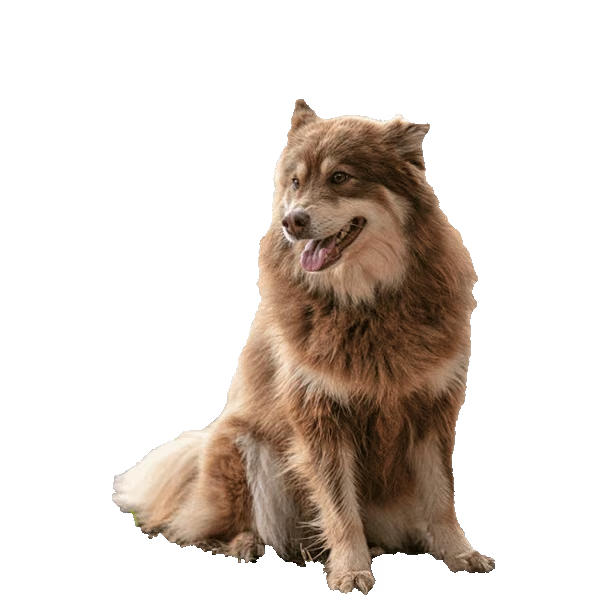
Lapponian Herder
The Lapponian Herder is a friendly, hardworking Finnish herding breed built for tireless work driving reindeer in harsh climates.
- Size
- Medium
- Lifespan
- 11–14 years
- Origin
- Finland
- Temperament
- Friendly
- Standard colors
- Black, White, Gray, and Liver
Characteristics
Coat and grooming
How the Lapponian Herder coat is built, and what that means when you groom it.
- Coat layers
- Double coat
- Coat texture
- Plush
- Coat length
- Medium
- Shedding
- Seasonal shedding
Grooming guidance
Critical: A Lapponian Herder should not be shaved.
The undercoat keeps heat out as well as in, and the outer coat shields the skin from sun and insect bites. Clipping the whole coat off removes both. It often grows back patchy, soft or a different colour, and in some animals the guard hairs never return properly. Brush the undercoat out instead of cutting it off.
Information: A Lapponian Herder drops its undercoat in heavy bursts.
The undercoat comes out in heavy bursts over a few weeks. An undercoat rake, or a bath followed by a proper blow-dry, clears it far faster than daily brushing. Clipping the coat down is not a shortcut for this.
Lapponian Herder colors and patterns
What each club's breed standard says about every Lapponian Herder color and pattern. Point at a ruling to see the club's own wording.
Breed standards describe the Lapponian Herder in Black, White, Gray, and Liver. Standard patterns: Tan point.
| Color or pattern | FCI | AKC |
|---|---|---|
| Black | Standard (“Black in different shades”) | Standard (“Black”) |
| White | Standard (“White markings may appear on neck, chest and legs”) | Standard (“White Markings”) |
| Gray | Standard (“even greyish”) | Standard (“Gray”) |
| Liver | Standard (“dark brown”) | Standard (“Liver”) |
| Blue | Disqualifying (“Blue, sable and fawn colour”) | Disqualifying (“Blue, sable and fawn colour”) |
| Fawn | Disqualifying (“Blue, sable and fawn colour”) | Disqualifying (“Blue, sable and fawn colour”) |
| Patterns | ||
| Tan point | Standard (“greyish or brownish colour markings often on head, the lower parts of the body and legs”) | Standard (“greyish or brownish colour markings often on head, the lower parts of the body and legs”) |
| Sable | Disqualifying (“Blue, sable and fawn colour”) | Disqualifying (“Blue, sable and fawn colour”) |


| Color or pattern | FCI | AKC |
|---|---|---|
| Dark brown | Standard (“Preferably dark in colour, yet harmonizing with the coat colour”) | Standard (“Preferably dark in colour, yet harmonizing with the coat colour”) |
| Light brown | Fault (“Very light eyes in black dogs”) | Fault (“Very light eyes in black dogs”) |
What the rulings mean
- Standard
- Described by the club's breed standard.
- Fault
- Named by the club's breed standard as a fault: the animal can be shown but is penalized.
- Disqualifying
- The club's breed standard disqualifies an animal of this color or pattern.
Color changes
How a Lapponian Herder's colors can change over its life.
Blackchanges toRust
Coat · With body condition · can change back
Blackchanges toGray
Coat · Progressive
Blackchanges toBrown
Coat · In the sun · can change back
Whitechanges toRoan
Coat · With age · from 2 weeks
Tan pointchanges toSaddle
Coat · With age · from 6 to 156 weeks
Blackchanges toSnow nose
Nose · With the season · can change back
Blackchanges toPink
Nose · With the season · can change back


Sources
Each ruling comes from the club's published breed standard or color list.
Meet some of our Lapponian Herder
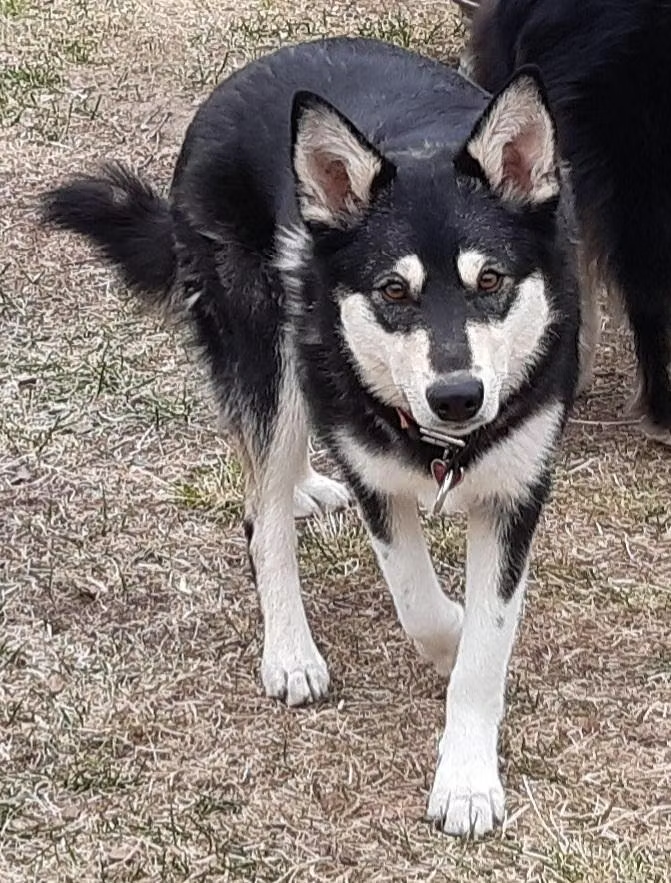
A few of the Lapponian Herder profiles members have added to United Pet Club.



About the Lapponian Herder
The Lapponian Herder is a medium-sized Finnish reindeer dog built for Arctic cold, friendly and highly trainable, but a real climate challenge for most Philippine households.
The Lapponian Herder comes from Lapland in northern Finland, where the Sami people bred it to herd and drive reindeer across open, frozen ground. It was built for stamina over long hours in brutal cold, not for short bursts of speed, and it keeps working in weather that stops most other breeds cold, literally.
The temperament is friendly and people-focused. It forms a tight bond with its household, works with real drive, and is not shy about using its voice on the job. That combination of trainability and energy is exactly why it still herds reindeer in Finland today and also settles well into active pet and sport homes.
Most Lapponian Herders live 11 to 14 years. Outside the Nordic countries the breed stays rare, and in the Philippines it is close to unknown. Anyone serious about owning one should plan on sourcing a puppy from Europe and waiting a while for a litter.
| Attribute | Detail |
|---|---|
| Origin | Finland |
| Size | Medium |
| Lifespan | 11 to 14 years |
| Group / role | Herding (reindeer driving) |
| Good with | Active families and experienced owners who can commit to daily work or exercise |
Who fits this breed
This dog needs an owner who can give it a job and real daily activity, not just a walk around the block. It does best with people who enjoy training, dog sports, or long outdoor sessions timed around the cooler hours of the day, and who do not mind a dog that barks while it works. A Lapponian Herder in a small condo unit, or a household that keeps the aircon off and stays indoors most of the time, is usually a bad match. Owners in cooler areas such as Baguio or Tagaytay have an easier time than those in Metro Manila or other lowland cities.
History and origin
The Lapponian Herder grew out of Sami reindeer-herding communities in northern Finland and only became a separate, recognized breed in the mid-1900s.
The Lapponian Herder goes back to the spitz-type dogs the Sami people kept across northern Finland, Sweden, and Norway. For generations these dogs worked reindeer herds, helping gather and move animals across huge stretches of Arctic land. Sami herders selected for working ability and the toughness to survive brutal winters, not for looks.
For a long stretch of its early history, the breed was not separated from the longer-coated Lapphund in any formal records. The two types shared the same herding grounds and were often lumped together. Once organized dog registration took hold across the Nordic countries, breeders started telling apart the shorter-coated herding dog from its fluffier companion cousin.
Finland gave the breed separate recognition in the mid-1900s, and the Finnish standard set it down as a working reindeer dog under the name now used in English, the Lapponian Herder. Numbers fell hard around that same period as machines took over reindeer transport, and breeders had to rebuild the population from a small base.
The Lapponian Herder still works reindeer in parts of Lapland today. It also competes in obedience, agility, and herding events across Finland and the rest of Europe. In the Philippines it stays outside the mainstream, with no established local breeding population and no PCCI show record to speak of.
Appearance and breed standard
The Lapponian Herder is a medium-sized, slightly rectangular spitz-type dog with a weather-resistant double coat, most often dark with lighter markings.
The Lapponian Herder is medium-sized, with a body slightly longer than it is tall, which gives it a balanced, agile outline built for long working days. The frame is strong without being bulky. The head is moderately broad, the ears stand erect or semi-erect, and the expression reads alert and friendly. The tail sits low at rest and can curl upward when the dog is moving or paying close attention.
| Trait | Standard |
|---|---|
| Height | Males about 51 cm, females about 46 cm at the withers |
| Weight | Approximately 25 to 30 kg |
| Coat | Medium-length, straight double coat with a dense undercoat |
| Colors | Most often black or dark grey to brown, with lighter tan or grey markings on the head, legs, and underside |
| Eyes | Oval, dark, with an attentive expression |
Coat and colors
The coat is a genuine working double coat: a coarser, weatherproof outer layer over a soft, insulating undercoat. It grows longer around the neck and the back of the legs, but stays shorter and closer than the Lapphund's coat. Dark base colors such as black, grey, and brown are typical, usually paired with lighter tan or grey markings that give the breed its patterned look. In a tropical setup this coat sheds fairly constantly rather than in one clean seasonal blowout, since there is no real winter here to trigger a single coat change.
Temperament and behavior
Friendly, energetic, and eager to work, the Lapponian Herder bonds closely with its family, gets along with people in general, and tends to be vocal on the job.
The Lapponian Herder is a friendly, attentive dog that wants to stay involved in whatever its people are doing. At home, once its activity needs are met, it settles down and is affectionate, but it carries a real working drive underneath and does best when given a purpose. It is intelligent and picks up training quickly, which is part of why it has moved well beyond herding into obedience and agility.
With family it is loyal and engaged. It is usually polite with strangers rather than defensive, though it tends to announce visitors loudly. Many Lapponian Herders bark often, using it both as a herding tool and as everyday communication, so this is a serious consideration in a subdivision with close neighbors or a condo building with thin walls. With other dogs it is generally sociable, and early exposure helps it settle around smaller pets, though its herding instinct can still trigger a chase after anything that runs, chickens in a provincial backyard included.
| Trait | Rating |
|---|---|
| Affection | 4 |
| Energy | 5 |
| Trainability | 5 |
| Vocalness | 4 |
| Shedding | 3 |
Care and daily needs
The Lapponian Herder needs substantial daily exercise and mental work, moderate grooming, and careful heat management in a tropical climate like the Philippines.
Grooming
- Brush the double coat once or twice a week to clear loose hair and stop matting before it starts
- Step up brushing to several times a week when shedding picks up, which in Philippine heat can feel almost constant rather than seasonal
- Bathe only when needed, since the coat already carries natural weather resistance and frequent baths strip that off
- Check and trim nails regularly, and keep the ears clean and dry, especially during the wet season
Exercise
- Give at least one to two hours of activity a day, split across walks, runs, and free movement
- Add mental work such as training drills, scent games, or herding-style tasks
- Use dog sports like agility, obedience, or rally to burn off the breed's drive
- Time outdoor sessions for early morning or late afternoon and skip the midday sun entirely
- Keep a backup plan of indoor games ready for typhoon days when outdoor exercise is not an option
Environment
The Lapponian Herder is built for cool and temperate climates and handles cold easily thanks to its double coat. That same coat makes lowland Philippine heat and humidity genuinely hard on the breed. Owners in Metro Manila, Cebu, or other hot, low-elevation cities need aircon, shade, and a strict no-midday-walk rule during summer. Dogs kept in higher, cooler spots such as Baguio, Tagaytay, or Sagada adjust more comfortably. During typhoon season, plan for stretches of confined indoor time and make sure the dog gets enough mental stimulation to avoid restlessness. The breed's tendency to bark also means it suits a home where neighbors will not mind the noise.
Nutrition and feeding
An active medium-sized working breed, the Lapponian Herder needs a complete, balanced diet with portions matched to its activity level and the local climate.
The Lapponian Herder does well on a complete, balanced diet made for active medium-sized dogs, widely available from pet shops and groceries around the Philippines. Because it is a working breed with high energy needs, calorie requirements go up with the amount of exercise or herding work the dog actually does, and drop during quieter periods. Adjust portions to keep the dog lean, with ribs easy to feel but not visible. Keep fresh water available at all times, and check it more often during hot months since the dog will drink more.
| Life stage | Amount per day | Meals |
|---|---|---|
| Puppy (2 to 6 months) | Per puppy-food label, divided | 3 to 4 |
| Junior (6 to 12 months) | Per label, transitioning to adult amounts | 2 to 3 |
| Adult (working / active) | Roughly 250 to 350 g of quality dry food | 2 |
| Adult (lower activity) | Roughly 200 to 280 g of quality dry food | 2 |
| Senior | Reduced calories, maintenance protein | 2 |
Treats and supplements
Keep treats to around ten percent of daily calories and factor them into the day's total, since this breed packs on weight fast if it is overfed during slower activity stretches. Most dogs on a complete diet need no extra supplements. Talk to a veterinarian before adding joint or skin supplements, particularly for a dog that works hard or is getting older. Store dry food in a sealed, airtight container to keep it fresh in the local humidity and out of reach of ants.
Health and common conditions
The Lapponian Herder is generally a hardy breed with a lifespan of 11 to 14 years, with a handful of hereditary conditions worth screening for.
The Lapponian Herder is generally healthy and tough, a direct result of its background as a working dog selected for endurance in a punishing environment. Most dogs live 11 to 14 years. Since the breed was rebuilt from a small population, responsible breeders run health screening to manage hereditary conditions and keep genetic diversity up.
| Condition | Signs | Note |
|---|---|---|
| Hip dysplasia | Stiffness, reluctance to jump, altered gait | Screen breeding stock; keep dogs lean |
| Elbow dysplasia | Front-limb lameness, especially after exercise | Hereditary; check parents' screening results |
| Progressive retinal atrophy | Night blindness progressing to vision loss | DNA and eye testing of breeding dogs reduces risk |
| Cataracts | Cloudy eyes, reduced vision | Veterinary eye examination can detect early |
Preventive care
- Stay current on core vaccinations and parasite control, which matters even more in a tropical climate with mosquitoes and ticks year round
- Keep the dog lean to protect its joints
- Book routine veterinary checks, including regular eye exams
- Choose puppies from parents with documented hip, elbow, and eye screening
- Build up exercise gradually rather than pushing sudden, hard sessions, especially in the heat
Training
The Lapponian Herder is intelligent and highly trainable, and does best with consistent, reward-based training that gives it real work to do.
The Lapponian Herder ranks among the more trainable herding breeds. It learns fast, watches its handler closely, and responds to activity and reward. That intelligence comes with independence bred for making quick calls out in the field on its own, so training works best when sessions stay consistent and engaging instead of repetitive. The breed does well at obedience, agility, rally, and herding, and giving it structured work to channel that drive cuts down on nuisance barking.
Basics
- Start socialization early, exposing the puppy to people, dogs, livestock, and different settings
- Teach the core cues, sit, down, stay, recall, in short, frequent sessions
- Add an off switch cue and reward calm behavior to manage the breed's energy
- Bring in a job or sport such as agility or herding once the basics are solid
- Practice a controlled quiet cue so barking stays manageable indoors, especially in tight housing
Breeding
Lapponian Herders reach maturity around one to two years, produce moderate litters after roughly nine weeks of pregnancy, and need careful selection because of a limited gene pool.
Lapponian Herders generally reach physical and behavioral maturity between one and two years old, and responsible breeders wait until a dog is fully grown and health tested before breeding it. Mating follows the bitch's normal heat cycle, and pregnancy runs about 63 days. Litters tend to be moderate in size for a medium breed.
Raising the puppies comes down to early handling and socialization. They benefit from gentle exposure to people, household sounds, and different surfaces during the first weeks, which supports the breed's friendly, adaptable nature. Because the breed was rebuilt from a small population, breeders weigh genetic diversity alongside hip, elbow, and eye screening when planning a litter. In the Philippines, prospective owners are more likely to find imported adult dogs than local litters, since there is no established breeding program here.
| Metric | Value |
|---|---|
| Sexual maturity | About 1 to 2 years |
| Gestation | Approximately 63 days |
| Average litter size | Roughly 4 to 7 puppies |
| Weaning | Around 7 to 8 weeks |
| Health screening | Hip, elbow, and eye testing of breeding stock |
Registering your Lapponian Herder and its microchip in the Philippines
The city vet office handles the RA 9482 paperwork; a free United Pet Club record is what a finder anywhere can actually search for your Lapponian Herder.
How to register a Lapponian Herder in the Philippines
Type in your Lapponian Herder's name, his birth date, and a clear photo, add your mobile number, and save. That is the entire process, and the profile stays free for his whole life. Dog registration works with or without a chip, so the vet visit can come later.
If a vet has already implanted a chip, the number still has to be filed where a scanner can trace it, because an unfiled chip points at nobody. Register the microchip free on the lifetime plan: any brand sold in the Philippines qualifies, updates after you move house or change SIM cost nothing, and the record stays searchable here and abroad. Create your free account and cover both in one go.
How do I register my Lapponian Herder in the Philippines?
Open a free United Pet Club account, add your Lapponian Herder's details and a photo, then save the profile. It stays free for his whole life and sits alongside the city vet office registration RA 9482 requires.
How do I register my Lapponian Herder's microchip?
Type the 15-digit chip number into your free account together with your mobile number and address. The lifetime plan charges nothing for the registration or for any update, whatever brand the clinic used.
Is registration required for a Lapponian Herder in the Philippines?
Yes, RA 9482 requires dog registration with your city or municipal veterinary office, along with current anti-rabies vaccination. The United Pet Club profile is the searchable half: free, worldwide, and tied to your current mobile.
How much does it cost to register a Lapponian Herder?
Nothing. The free lifetime plan covers the profile, the microchip record, and every update, with no renewal fees at all.
Frequently asked questions
Common questions about the Lapponian Herder's size, temperament, care needs, lifespan, suitability, and availability.
How big does a Lapponian Herder get?
It is a medium-sized dog. Males stand about 51 cm and females about 46 cm at the withers, and most weigh roughly 25 to 30 kg.
What is the Lapponian Herder's temperament like?
The breed is friendly, energetic, and hardworking. It bonds closely with its family, is usually sociable with people and other dogs, and tends to be vocal, especially when working or alerting.
Is the Lapponian Herder hard to take care of in the Philippines?
Grooming itself is moderate, with weekly brushing and heavier care when shedding picks up. The bigger challenge here is the climate: this breed needs one to two hours of daily activity plus mental work, and Philippine heat means exercise has to happen early morning or late afternoon, with aircon or shade available the rest of the day.
How long do Lapponian Herders live?
They typically live 11 to 14 years. Keeping the dog lean, well exercised, and current on veterinary care supports a long, healthy life.
Is the Lapponian Herder a good family dog?
Yes, for an active family. It is affectionate and trainable, but it fits best in a home that can provide daily exercise and tolerate some barking rather than a quiet, sedentary household.
Where can I get a Lapponian Herder puppy in the Philippines?
The breed is still rare outside the Nordic countries and essentially unavailable locally. Getting one usually means contacting breeders in Finland or elsewhere in Europe, arranging import, and waiting for a litter.
Does the Lapponian Herder bark a lot?
It can be quite vocal. Barking is part of how it works, and a dog that is under-exercised tends to bark more. Teaching a quiet cue and keeping up daily activity help keep it manageable, which matters a lot in condos and tight subdivisions.
From the community
Ask about the Lapponian HerderNo questions about the Lapponian Herder yet. Be the first to ask.
Browse Dog breeds