

Border Terrier
The Border Terrier is a happy, good-natured working terrier known for its easygoing affection and tireless love of activity.
- Size
- Small
- Lifespan
- 12–15 years
- Origin
- England
- Temperament
- Good-natured
- Standard colors
- Blue, Tan, Red, and Wheaten
Characteristics
Coat and grooming
How the Border Terrier coat is built, and what that means when you groom it.
- Coat layers
- Double coat
- Coat texture
- Wire
- Coat length
- Medium
- Shedding
- Low shedding
Grooming guidance
Caution: A Border Terrier coat should be hand-stripped rather than clipped.
A wire coat is meant to be pulled out at the root once the hair is ready to release. Clippers cut it off part way instead, leaving the soft undercoat behind. The result is a coat that grows back limp and faded, and the weatherproof texture only returns after the hair is stripped out again.
Border Terrier colors and patterns
What each club's breed standard says about every Border Terrier color and pattern. Point at a ruling to see the club's own wording.
Breed standards describe the Border Terrier in Blue, Tan, Red, and Wheaten. Standard patterns: Grizzle and Tan point.
| Color or pattern | FCI | AKC | UKC | KC | KUSA |
|---|---|---|---|---|---|
| Blue | Standard (“blue and tan”) | Standard (“Blue & Tan”) | Standard (“blue and tan”) | Standard (“blue and tan”) | Standard (“blue and tan”) |
| Tan | Standard (“grizzle and tan, or blue and tan”) | Standard (“Grizzle & Tan”) | Standard (“grizzle and tan and blue and tan”) | Standard (“grizzle and tan, or blue and tan”) | Standard (“grizzle and tan, or blue and tan”) |
| Red | Standard (“Red”) | Standard (“Red”) | Standard (“red”) | Standard (“Red”) | Standard (“Red”) |
| Wheaten | Standard (“wheaten”) | Standard (“Wheaten”) | Standard (“wheaten”) | Standard (“wheaten”) | Standard (“wheaten”) |
| Black | Not recognized | Alternate (“Black & Tan”) | Not recognized | Not recognized | Not recognized |
| Albino | Not recognized | Not recognized | Disqualifying (“Albinism”) | Not recognized | Not recognized |
| Patterns | |||||
| Grizzle | Standard (“grizzle and tan”) | Standard (“Grizzle & Tan”) | Standard (“grizzle and tan”) | Standard (“grizzle and tan”) | Standard (“grizzle and tan”) |
| Tan point | Standard (“grizzle and tan, or blue and tan”) | Standard (“Blue & Tan”) | Standard (“grizzle and tan and blue and tan”) | Standard (“grizzle and tan, or blue and tan”) | Standard (“grizzle and tan, or blue and tan”) |


| Color or pattern | FCI | AKC | UKC | KC | KUSA |
|---|---|---|---|---|---|
| Dark brown | Standard (“dark”) | No ruling | Standard (“dark”) | Standard (“Dark”) | Standard (“Dark”) |
| Hazel | No ruling | Standard (“Eyes dark hazel”) | No ruling | No ruling | No ruling |
| Color or pattern | FCI | AKC | UKC | KC | KUSA |
|---|---|---|---|---|---|
| Black | Standard (“Black nose preferable”) | Standard (“Nose black”) | Standard (“black preferred”) | Standard (“Black nose preferable”) | Standard (“Black nose preferable”) |
| Liver | Fault (“liver or flesh-coloured one not a serious fault”) | No ruling | Standard (“liver or flesh colored are acceptable”) | Fault (“liver- or flesh-coloured nose not a serious fault and tolerated”) | Fault (“liver- or flesh-coloured nose not a serious fault and tolerated”) |
| Pink | Fault (“liver or flesh-coloured one not a serious fault”) | No ruling | Standard (“liver or flesh colored are acceptable”) | Fault (“liver- or flesh-coloured nose not a serious fault and tolerated”) | Fault (“liver- or flesh-coloured nose not a serious fault and tolerated”) |
What the rulings mean
- Standard
- Described by the club's breed standard.
- Alternate
- Registrable with the club but not described by its breed standard, such as an AKC alternate color.
- Fault
- Named by the club's breed standard as a fault: the animal can be shown but is penalized.
- Disqualifying
- The club's breed standard disqualifies an animal of this color or pattern.
- Not recognized
- The club does not accept this color or pattern for the breed.
Color changes
How a Border Terrier's colors can change over its life.
Blackchanges toRust
Coat · With body condition · can change back
Blackchanges toGray
Coat · Progressive
Blackchanges toBrown
Coat · In the sun · can change back
Tan pointchanges toSaddle
Coat · With age · from 6 to 156 weeks
Blackchanges toSnow nose
Nose · With the season · can change back
Blackchanges toPink
Nose · With the season · can change back


Sources
Each ruling comes from the club's published breed standard or color list.
Meet some of our Border Terrier
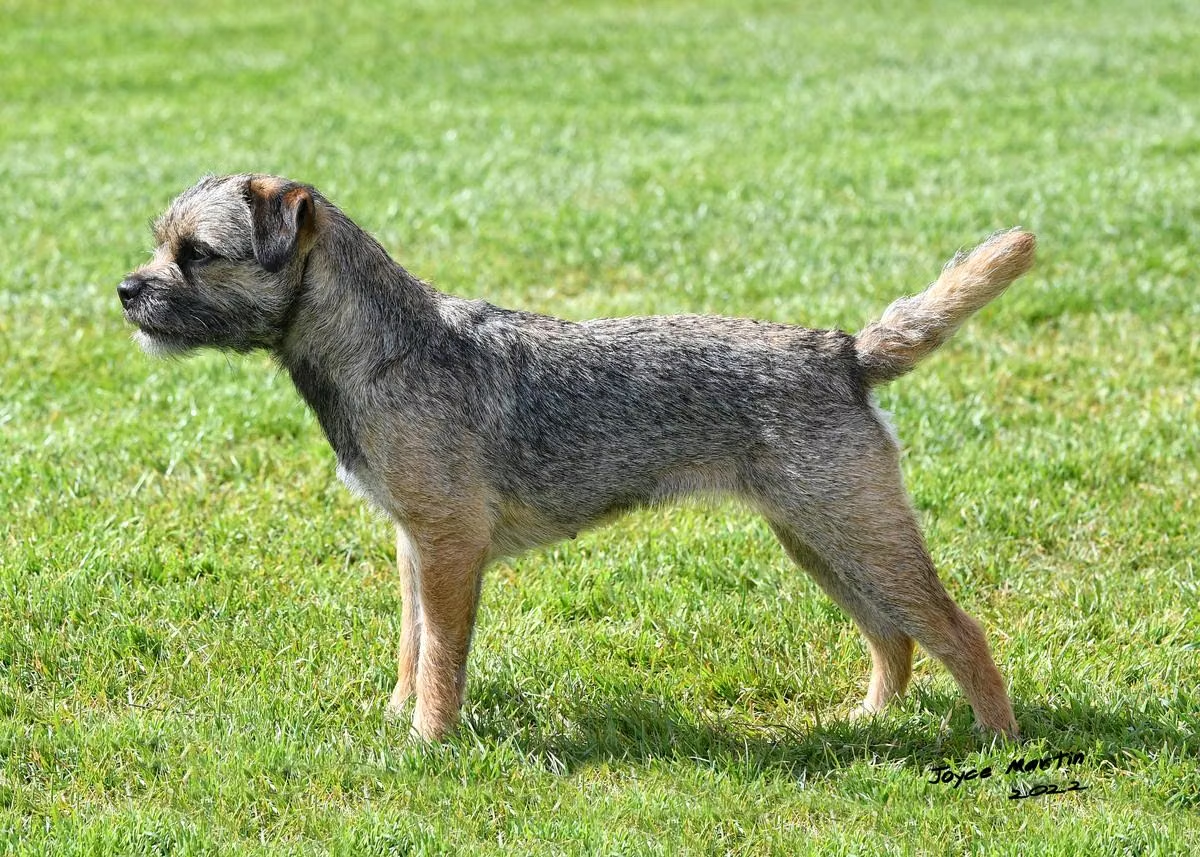
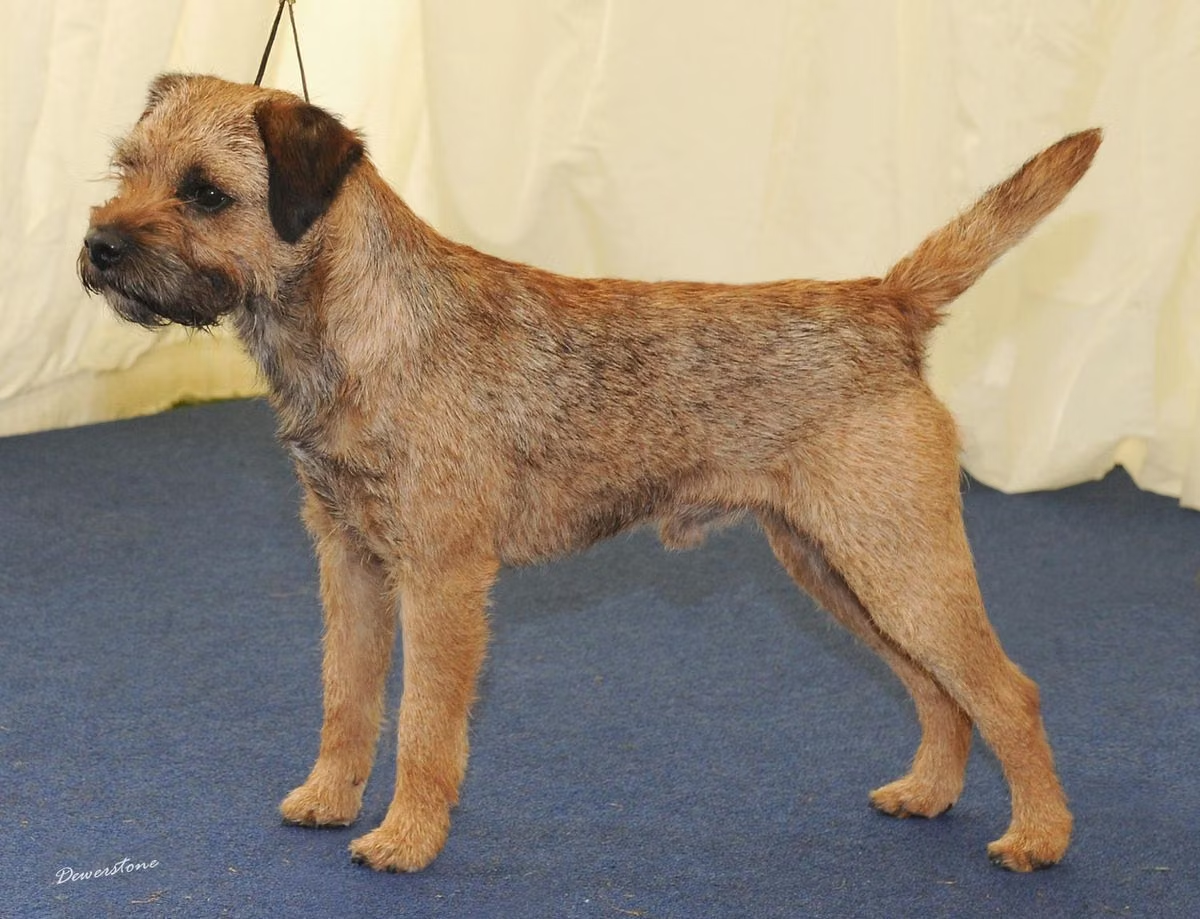
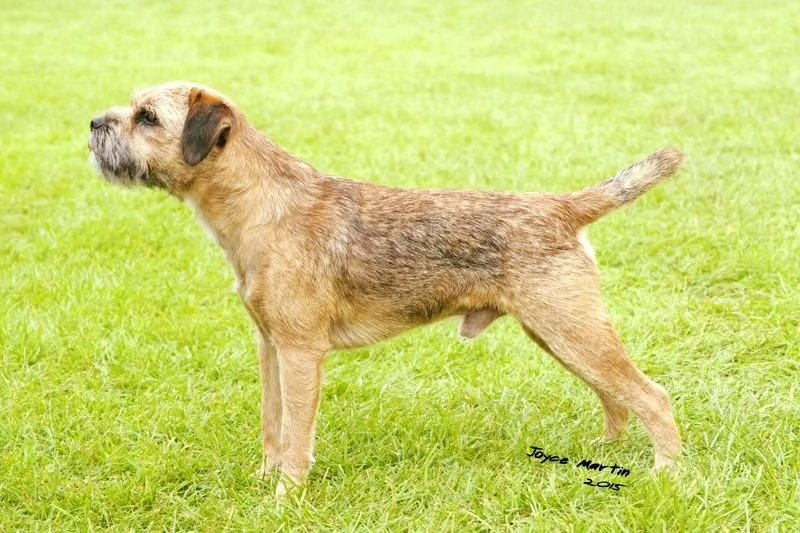
A few of the Border Terrier profiles members have added to United Pet Club.






About the Border Terrier
The Border Terrier is a small, sturdy terrier from England, friendly and full of energy, that settles well into Philippine homes as long as it gets daily exercise and company.
The Border Terrier is a small, sturdy working terrier that comes from the border country between England and Scotland. Farmers there bred it to keep pace with hounds on horseback and then squeeze into a den after foxes, so it has the compact frame of a small dog paired with the endurance of one twice its size. A grown Border Terrier usually weighs 5 to 7 kg (about 11 to 16 lb), a size that fits comfortably into a condo unit or a house lot in most Philippine subdivisions.
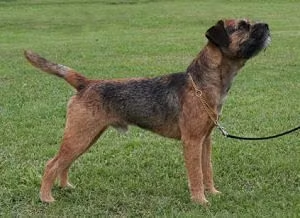
Its coat is a wiry, weatherproof double coat over loose, thick skin, and the head has a distinctive otter-like shape that sets the breed apart from other terriers. For a terrier, the temperament is unusually easygoing. Border Terriers are affectionate, playful, and good-natured, and they typically get along with other household pets once raised together.
This is a working breed that wants a job, or at least a daily outlet for its energy. Given the heat and humidity here, walks are best scheduled for early morning or late afternoon, when the pavement has cooled and the sun is not as harsh. A Border Terrier that gets regular exercise and mental stimulation is calm and easy to live with indoors. One that is left alone and under-exercised will invent its own amusement, usually by digging or chewing.
| Attribute | Detail |
|---|---|
| Origin | England |
| Size | Small (about 5 to 7 kg / 11 to 16 lb) |
| Lifespan | 12 to 15 years |
| Group / role | Terrier; originally a fox-working dog |
| Good with | Families, children, and other pets when socialized |
Who it suits
The Border Terrier suits active owners and families who can commit to a daily walk plus playtime, and who like a dog that wants to be part of everything happening at home. It does well in gated subdivisions with a securely fenced yard and can adapt to smaller condo living if its exercise needs are met. Households with cats or other small pets should manage introductions carefully, since the breed keeps a hunting instinct toward small animals it does not know.
History and origin
The Border Terrier developed in the hill country between England and Scotland as a working fox terrier bred to run with hounds and go to ground.
The breed takes its name from the border region between England and Scotland, centered on the Cheviot Hills in Northumberland. Farmers and hunts working this rough country needed a terrier that could travel long distances with a pack of foxhounds, then go underground to bolt or face a fox raiding the livestock. What resulted was a small terrier built for stamina rather than for looks.
Dogs of this type worked the hills for generations before anyone wrote the breed down. Early names tied the terriers to the local hunts, and the form known today was fixed by farming families who valued working ability over appearance. The legs stayed long enough to keep up with horses and hounds, and the chest stayed narrow enough to follow quarry into a den.
The Kennel Club in Britain recognized the Border Terrier in 1920, and the breed standard it set out described the working build fanciers wanted to keep. The American Kennel Club followed with recognition in 1930. Breeders through this period resisted the heavier, more exaggerated look that crept into some other terrier breeds.
The Border Terrier is still uncommon in the Philippines compared with the popular companion breeds, but it has a following among local terrier enthusiasts, and the Philippine Canine Club, Inc. (PCCI) classifies it under the Terrier Group, following the same international breed standard used abroad. The dog is kept far more often as a companion now than as a hunter, but the working temperament remains. Stamina, an even temper, and the habit of living alongside other dogs, the same qualities that made it useful in the hills, are what make it a steady family dog today.
Appearance and breed standard
The Border Terrier is a small, narrow-bodied terrier with a wiry double coat and a distinctive otter-shaped head.
The Border Terrier has a workmanlike, unexaggerated look. The body is narrow, and a handler should be able to span it behind the shoulder with two hands, a test that reflects the need to follow quarry into a den. The legs are moderately long for the body size, the back is fairly long, and the overall outline reads as racy rather than stocky. The most recognizable feature is the head, often described as shaped like an otter's, with a short, strong muzzle and a moderate stop.
| Feature | Standard |
|---|---|
| Height | About 28 to 40 cm (11 to 16 in) at the shoulder |
| Weight | Dogs 6 to 7 kg (13 to 15.5 lb); bitches 5 to 6.4 kg (11.5 to 14 lb) |
| Coat | Harsh, dense, wiry topcoat over a soft, close undercoat; thick, loose skin |
| Colors | Red, grizzle and tan, blue and tan, or wheaten |
| Eyes | Dark, keen expression, with a moderate set |
Coat and color
The double coat is the breed's main protection against the weather, which matters even in a tropical climate: the harsh outer layer sheds rain during the monsoon season, and the dense undercoat still gives some insulation on cooler nights in the highlands. Recognized colors are red, grizzle and tan, blue and tan, and wheaten, and many dogs carry a small patch of white on the chest. Coat color can shift with age, and grizzle in particular changes shade as the dog matures. To keep its texture and protective quality, the coat should be hand-stripped rather than clipped, since Manila's humidity tends to soften a clipped coat and make it prone to matting.
Temperament and personality
The Border Terrier is affectionate, playful, and good-natured, friendly with people and usually sociable with other dogs, though it keeps a terrier's prey drive toward small animals.
The Border Terrier has an easygoing, good-natured temperament, milder than many terriers. It is affectionate with its family and likes being part of daily life, trailing people from room to room and joining in on games. With children it is generally patient and playful, and it handles the noise of a busy household well, though play with very young kids should still be supervised.
With strangers the breed tends to be friendly or politely reserved rather than aggressive, which makes it a poor watchdog but a pleasant companion for visitors. Because it was bred to live and work in packs with hounds, it usually gets along with other dogs and can share a home with other pets when raised together. The exception is small, fast-moving animals such as rats, rabbits, and sometimes cats it does not already know, since the hunting instinct is still strong.
This is an alert, energetic dog that needs an outlet, and that matters even more in a hot, humid climate where exercise has to be timed around the heat of the day. A Border Terrier that gets enough activity and company is calm and adaptable indoors. Without it, the breed digs, chews, or barks out of boredom, and some individuals develop separation-related behavior if left alone for long stretches, which can be an issue for owners who work long shifts in Metro Manila.
| Trait | Rating |
|---|---|
| Affection | 5 |
| Energy | 5 |
| Trainability | 4 |
| Vocalness | 3 |
| Shedding | 2 |
Care and grooming
The Border Terrier needs hand-stripping a few times a year, daily exercise, and company, and it does well in most Philippine homes with a secure yard.
The Border Terrier is low-maintenance in most respects, but its coat and activity level both need regular attention. Grooming is simple week to week, while exercise and mental stimulation are the parts owners need to commit to every single day.
Grooming
- Brush the coat once or twice a week to remove loose hair and prevent matting, which happens faster in humid weather.
- Hand-strip the coat about two to three times a year to keep its harsh texture and weatherproofing. Clipping softens the coat and dulls the color.
- Check and clean the ears regularly, since humidity raises the risk of ear infections, and trim nails every few weeks.
- Bathe only when needed, since frequent washing softens the coat and strips its natural oils.
Exercise
- Give at least an hour of activity a day, split across walks and play, scheduled for early morning or evening to avoid the midday heat.
- Let the dog run off leash in secure areas, since the breed has plenty of stamina to burn.
- Add scent games, fetch, and puzzle feeders to work the mind along with the body.
- Keep the dog on leash or inside fenced areas near small animals or roads, since prey drive can override recall, and check paw pads after walks on hot pavement.
Environment
The Border Terrier adapts to a condo unit or a house provided its exercise needs are met, but it is happiest with access to a securely fenced yard. Fencing should be solid and dug-proof, since the breed is an enthusiastic digger and a determined escape artist. The dog prefers company and does not suit an owner who is out for long stretches without a plan for its day, especially during heavy rains when outdoor time is limited.
Nutrition and feeding
The Border Terrier does well on a complete, balanced diet measured to its weight and activity, fed in two meals a day, with portions watched to prevent weight gain.
Feed a complete, balanced dog food suited to the breed's size and life stage. Because the Border Terrier is small but active, energy needs vary a lot between a working dog and a homebody, so portions should match the individual dog rather than the average amount printed on the bag. The breed has a healthy appetite and can put on weight quickly, so daily amounts are best measured out rather than left in the bowl all day.
| Life stage | Amount per day | Meals |
|---|---|---|
| Puppy (2 to 6 months) | Per food label, divided across the day | 3 to 4 |
| Junior (6 to 12 months) | Per food label for growing dogs | 2 to 3 |
| Adult | About 100 to 160 g of complete dry food | 2 |
| Senior / less active | Reduced portion to maintain lean weight | 2 |
Treats and supplements
Keep treats to no more than about 10 percent of daily calories, and subtract them from meals so the dog does not gain weight. Small, low-fat treats work well for training. A dog on a complete, balanced food usually does not need supplements; add any only on a vet's advice. Keep fresh water available at all times, especially after exercise in the heat.
Health and lifespan
The Border Terrier is generally a healthy, hardy breed with a typical lifespan of 12 to 15 years, with a few hereditary conditions worth screening for.
The Border Terrier is one of the hardier terrier breeds and often lives between 12 and 15 years. Its working background favored fit, functional dogs, and the breed avoids many of the structural problems seen in more exaggerated types. Even so, like every breed it carries some hereditary risks, and responsible breeders screen their stock and share the results.
| Condition | Signs | Note |
|---|---|---|
| Canine epileptoid cramping syndrome (CECS) | Episodes of cramping, staggering, or muscle spasm | Also called Spike's disease; often diet-responsive |
| Hip dysplasia | Stiffness, limping, reluctance to jump | Reduced by screening breeding dogs |
| Patellar luxation | Skipping gait, intermittent hind-leg lameness | Ranges from mild to surgical cases |
| Heart murmurs / cardiac defects | Tiring easily, cough, fainting | Detected on routine veterinary exams |
Preventive care
- Keep vaccinations, including the rabies shot required under Philippine law, and parasite control (fleas, ticks, worms, heartworm) up to date, since mosquitoes and ticks are active year-round in this climate.
- Schedule annual veterinary check-ups, moving to twice a year for senior dogs.
- Maintain a lean body weight to protect the joints and the heart.
- Brush teeth regularly and offer dental chews to limit dental disease.
- Buy from breeders who screen for hereditary conditions where tests exist.
Training and socialization
The Border Terrier is intelligent and eager to please, which makes it trainable, but it has an independent streak and a strong prey drive that call for early, consistent work.
The Border Terrier is bright and willing, and it picks up commands quickly once training feels rewarding. It tends to be more biddable than many terriers, partly because of the cooperative, pack-friendly temperament bred into it. The main challenges are an independent streak left over from its working past and a strong instinct to chase small animals, which can undermine recall. Both are managed with early, consistent training and good socialization rather than force.
Start socialization in puppyhood by exposing the dog, in a calm and positive way, to people, other dogs, traffic, and the everyday sounds of Philippine streets: jeepneys, tricycles, motorcycles, and market noise. Keep sessions short and varied, since the breed loses interest with repetition. Recall deserves particular attention: practice it from an early age with high-value rewards and build up gradually around distractions before trusting the dog off leash near roads or wildlife.
Basics
- Begin with name response and attention to build focus.
- Teach sit, down, and stay in short daily sessions.
- Train a reliable recall first indoors, then in a secure yard, then in larger open spaces.
- Add leash manners early, before the dog is strong enough to pull hard.
- Introduce a settle or place command to help the dog relax indoors.
- Use enrichment such as scent work and puzzle toys to channel its energy.
Breeding and raising puppies
The Border Terrier reaches breeding maturity at around one to two years, carries litters of about four to six puppies, and benefits from health screening of both parents.
Responsible breeding of Border Terriers focuses on temperament, working soundness, and health rather than looks alone. A bitch should not be bred on her first season; waiting until physical and mental maturity, usually around two years, gives healthier results. Both parents should be assessed for known hereditary problems where screening is available, and breeders should be open about the results.
Gestation lasts about 63 days. Litters are typically small to moderate, often four to six puppies. Border Terriers are generally good mothers and whelp without difficulty in most cases, though a vet should be reachable for advice. Puppies are weaned gradually from around three to four weeks and benefit from early, gentle handling and exposure to normal household life.
Puppies should stay with the mother and littermates until at least eight weeks, which supports their social development. Early socialization during this period shapes the confident, even temperament the breed is valued for. Buyers should expect breeders to ask questions about the home, since this breed needs active owners who can meet its exercise and company needs, and reputable local breeders will want to know the size of the yard and how much time the family spends outdoors.
| Metric | Value |
|---|---|
| Sexual maturity | About 6 to 12 months (breed later, around 2 years) |
| Gestation | About 63 days |
| Average litter size | 4 to 6 puppies |
| Weaning | From about 3 to 4 weeks |
| Leave for new home | Not before 8 weeks |
Registering your Border Terrier and its microchip in the Philippines
The city vet office handles the RA 9482 paperwork; a free United Pet Club record is what a finder anywhere can actually search for your Border Terrier.
How to register a Border Terrier in the Philippines
A Border Terrier that gets loose during a storm is identified by whatever record answers the scan, not by the barangay it came from. Give it a record that answers: your mobile number, the dog's photo, and his details, free for life with United Pet Club. Register your dog today and it is done for good.
The clinic's part ended with the implant; the tracing part is yours. File your Border Terrier's 15-digit number with United Pet Club and every scan leads to your phone: free for life, all brands accepted, updates free every time your details change. Microchip registration plus a free account finishes the job.
How do I register my Border Terrier in the Philippines?
Open a free United Pet Club account, add your Border Terrier's details and a photo, then save the profile. It stays free for his whole life and sits alongside the city vet office registration RA 9482 requires.
How do I register my Border Terrier's microchip?
Type the 15-digit chip number into your free account together with your mobile number and address. The lifetime plan charges nothing for the registration or for any update, whatever brand the clinic used.
Is registration required for a Border Terrier in the Philippines?
Yes, RA 9482 requires dog registration with your city or municipal veterinary office, along with current anti-rabies vaccination. The United Pet Club profile is the searchable half: free, worldwide, and tied to your current mobile.
How much does it cost to register a Border Terrier?
Nothing. The free lifetime plan covers the profile, the microchip record, and every update, with no renewal fees at all.
Frequently asked questions
Common questions about the Border Terrier's size, temperament, care needs, lifespan, and suitability as a family dog.
How big does a Border Terrier get in kilograms?
It is a small breed. Adults stand about 28 to 40 cm at the shoulder and usually weigh 5 to 7 kg (roughly 11 to 16 lb), with males a little bigger than females.
Is the Border Terrier a good family dog for kids?
Yes. The breed is affectionate, playful, and good-natured, and it is generally patient and tolerant with children. Supervise play with very young kids, as with any dog.
Does the Border Terrier get along with other pets?
It usually gets along well with other dogs and can live with cats when raised together. It keeps a strong prey drive toward small animals it does not know, such as rats and rabbits, so introductions should be handled carefully.
Is a Border Terrier hard to take care of?
Grooming is easy, needing weekly brushing plus hand-stripping a few times a year. The bigger commitment is exercise and company: this is an active dog that needs daily activity and does not like being left alone for long stretches.
How long do Border Terriers live?
Typically 12 to 15 years. It is one of the hardier terrier breeds, and a healthy weight, good preventive care, and screened breeding stock all support a long life.
Is the Border Terrier a good first dog to own?
It can be, for active owners willing to provide daily exercise and consistent, reward-based training. Owners who are out all day or want a low-energy lapdog would find it a poor match.
Do Border Terriers shed a lot in hot weather?
Shedding is light compared with many breeds, especially when the wiry coat is hand-stripped on schedule. Regular grooming keeps loose hair under control even through the hot months.
From the community
Ask about the Border TerrierNo questions about the Border Terrier yet. Be the first to ask.
Browse Dog breeds