
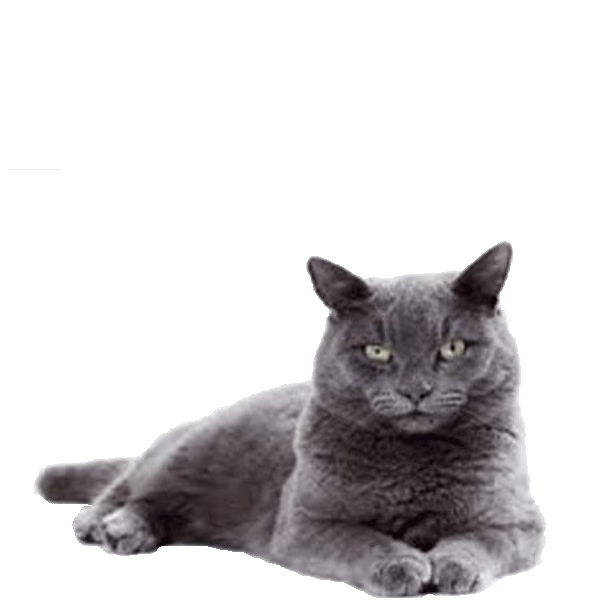
Raas
The Raas is a rare natural breed from Indonesia's Raas Island, known for its independent, alert, and somewhat reserved character.
- Size
- Medium
- Lifespan
- 12–16 years
- Origin
- Indonesia
- Temperament
- Independent
Characteristics
Coat and grooming
How the Raas coat is built, and what that means when you groom it.
- Coat layers
- Single coat
- Coat texture
- Smooth
- Coat length
- Short
- Shedding
- Moderate shedding
About the Raas cat
The Raas is a rare natural cat breed from Raas Island in Indonesia, valued for an independent, alert, and reserved character on a medium frame.
The Raas is a medium-sized natural cat breed that traces back to Raas Island, which sits within the Sumenep area of Indonesia's Madura region. It came about without formal breeding programmes and stays uncommon beyond its home islands. Locally the breed is recognised for a watchful, self-contained manner rather than for any showy or decorative look.
Owners tend to call the Raas independent and a bit distant with people it has not met. It usually observes before it acts, and it grows close to only a handful of trusted humans. The cat stays alert and quick to catch any shift in its surroundings, which suits its history as a free-living animal in island homes and village settings.
Since the breed is rare and only lightly documented, most of what gets recorded about the Raas comes from regional observation instead of large pedigree databases. Cats of this type earn regard for their toughness and their quiet, attentive presence.
| Attribute | Detail |
|---|---|
| Origin | Indonesia (Raas Island) |
| Size | Medium |
| Lifespan | 12 to 16 years |
| Role | Companion, household cat |
| Good with | Adults and patient households that respect a reserved cat |
Who it suits
The Raas fits a calm home where a cat can hold some distance and come near on its own terms. Anyone hoping for a constantly affectionate lap cat may find it too independent. It works well for owners who enjoy an intelligent, watchful animal and who can offer steady routine and trust that builds over time.
History and origin
The Raas is a natural landrace cat from Raas Island in Indonesia's Madura region, shaped by local populations rather than planned breeding.
The Raas takes its name from Raas Island, a small island off the eastern coast of Madura in the Indonesian province of East Java. The cat forms part of the everyday animal life of the island and nearby communities, where it lived side by side with fishing and farming households.
The breed is a landrace, which means it took shape through natural selection and local breeding rather than a planned programme with stud books and shows. Because of that, no single founding date exists on record. Its traits, among them a reserved manner and an alert disposition, mirror generations of cats adjusting to island life.
Awareness of the Raas travelled slowly past its home region. Interest from cat enthusiasts and local writers helped record the population, yet the breed stays rare and is not widely kept in international registries. Most cats described as Raas can still be found in or near their place of origin.
Since documentation is limited, claims about exact lineage deserve caution. What holds up well is the geographic origin on Raas Island and the breed's standing as an indigenous Indonesian cat.
Appearance and breed standard
The Raas is a medium, solidly built cat with a short coat, an alert expression, and watchful eyes.
The Raas carries a medium, balanced body that reads as sturdy without looking heavy. The head is moderate in size with an attentive expression, and the ears sit alert on the head. The whole impression is of a practical, athletic cat suited to an active life both outdoors and indoors.
The coat is short and lies close to the body, which suits the warm Indonesian climate. Grooming needs stay low because of this. The eyes stand out as a notable feature, often called wide and watchful, in keeping with the breed's alert temperament.
| Feature | Description |
|---|---|
| Build | Medium, solid, athletic |
| Coat | Short, close-lying |
| Colours | Various; darker and tabby-type coats get reported often |
| Eyes | Alert and watchful |
| Tail | Proportionate to the body |
Coat and colours
The short coat stays easy to maintain and sheds at a moderate rate. Because the Raas is a natural breed rather than a tightly standardised show breed, coat colour and pattern can differ from one cat to the next. Recorded descriptions lean towards darker coats, though lighter and patterned cats also turn up within the population.
Temperament and behaviour
The Raas is independent, intelligent, and reserved, often watchful around strangers and devoted to a small circle of trusted people.
The Raas is an independent cat that guards its own space. With its trusted humans it can turn attentive and quietly affectionate, but it usually keeps a careful distance from strangers and new situations. It tends to watch first and decide for itself when to step in.
The breed is intelligent and alert. It picks up on movement and sound fast, and it may patrol or survey its territory rather than chase constant interaction. With other pets the Raas can get along, though early, gradual introductions help given its reserved nature.
Within family settings the Raas suits households that respect boundaries. It is generally neither demanding nor loud, and it responds best to calm, predictable handling instead of forced attention.
| Trait | Rating |
|---|---|
| Affection | 2 |
| Energy | 3 |
| Trainability | 3 |
| Vocalness | 2 |
| Shedding | 2 |
Care and grooming
The Raas needs little grooming thanks to its short coat, benefits from regular play, and settles well into a calm, secure home.
Grooming
- Brush the short coat once a week to lift loose hair.
- Check ears now and then, and clean only when dirty.
- Trim nails as needed, usually every few weeks.
- Set out a scratching post to support natural claw care.
Exercise
- Offer daily interactive play to spend the cat's energy and alertness.
- Provide climbing spots and perches for observation.
- Rotate toys so an intelligent cat stays engaged.
- Allow safe, supervised activity when outdoor access forms part of the routine.
Environment
The Raas does best in a stable home where it can slip away to quiet spots and come near people on its own terms. Hiding places and raised perches help a reserved cat feel secure. Sudden changes and crowded, noisy settings can push it to withdraw further.
Nutrition and feeding
The Raas needs a balanced, protein-rich cat diet portioned to its medium size and activity level, with fresh water always within reach.
As an obligate carnivore, the Raas needs a diet built around animal protein. A complete commercial cat food that meets recognised nutritional standards covers its core needs. Portion it to the cat's medium size, age, and activity so it avoids both underfeeding and excess weight. Fresh water should always be within reach.
| Life stage | Amount per day | Meals |
|---|---|---|
| Kitten | Per package guidance for age and weight | 3 to 4 |
| Adult | Approximately 200 to 300 kcal, adjusted to body condition | 2 |
| Senior | Maintenance amount, adjusted for lower activity | 2 |
Treats and supplements
Hold treats to a small share of daily calories, generally under ten percent. A complete diet usually supplies the needed nutrients, so add supplements only when a veterinarian recommends them for a specific reason.
Health and lifespan
The Raas is a hardy natural breed with a typical lifespan of 12 to 16 years that benefits from routine preventive veterinary care.
As a natural landrace, the Raas tends to be hardy and is not tied to a long list of breed-specific inherited disorders in the available records. Its typical lifespan runs 12 to 16 years with good care. Like all cats, it can pick up common feline health issues, so regular check-ups matter.
| Condition | Signs | Note |
|---|---|---|
| Dental disease | Bad breath, drooling, reduced eating | Common in cats; supported by dental care |
| Obesity | Weight gain, low activity | Manage with portion control and play |
| Parasites | Scratching, digestive upset | Use routine prevention |
| Kidney issues (older cats) | Increased thirst, weight loss | Monitor with senior screening |
Preventive care
- Book annual veterinary exams, and more often for senior cats.
- Keep vaccinations and parasite prevention current.
- Maintain dental hygiene through checks and cleaning.
- Track weight and adjust the diet as the cat ages.
Training
The Raas is intelligent and can pick up routines and basic cues, but its independent, reserved nature calls for patient, reward-based methods.
The Raas is intelligent and observant, which aids learning, though its independent streak means it cooperates on its own terms. Training works best when it stays short, calm, and rewarding. Litter training and basic house routines usually come easily to a cat raised in a stable home.
Basics
- Set a consistent feeding and play schedule.
- Place the litter box in a quiet, accessible spot and keep it clean.
- Pair a clear cue with a small reward for behaviours you want.
- Keep sessions short and end on a success.
- Provide a scratching post to guide natural behaviour.
Breeding
The Raas reproduces as a natural breed with typical feline maturity, gestation around two months, and small to moderate litters raised by the queen.
The Raas follows the general reproductive pattern of domestic cats. Females usually reach sexual maturity within the first year, though responsible breeding waits until the cat is physically mature. Gestation lasts roughly nine weeks, after which the queen gives birth to a small to moderate litter.
The queen handles most early care, nursing the kittens and keeping them warm. Kittens begin weaning at around four weeks and grow more independent over the following weeks. Because the Raas is rare, breeding it calls for care to keep the population healthy and to avoid close inbreeding within a limited pool.
Prospective breeders should put the cat's welfare first, secure veterinary support, and plan to socialise kittens early, since the breed's reserved nature responds well to gentle, consistent handling from a young age.
| Metric | Value |
|---|---|
| Sexual maturity | Around 6 to 12 months |
| Gestation | Approximately 63 to 65 days |
| Litter size | Around 3 to 5 kittens |
| Weaning | About 4 to 8 weeks |
| Recommended breeding age | After full physical maturity |
Registering a Raas in the Philippines, chip included
No law licenses cats here, so your Raas's only paper trail is the one you create: free for life with United Pet Club.
Raas registration and microchip registration in the Philippines
No Philippine law asks you to license a cat, so when a Raas slips out during a brownout there is nothing on paper pointing back to you unless you put it there yourself. A free United Pet Club profile is that paper trail: your contact details, tied to your cat, readable the moment someone looks her up. Registering your cat takes a few minutes and stays free for her whole life.
A microchip makes your Raas much harder to lose track of, but only after the number is registered, and the clinic that implants it does not do that part for you. Register the microchip free on the lifetime plan: any brand works, updating after you move or change SIM costs nothing, and the record can be searched from anywhere. Create your free account and be done with both.
How do I register my Raas in the Philippines?
Sign up for a free United Pet Club account, add your Raas's name, markings, and a photo, and save. The profile is free for life, no microchip required, and you can add the chip number after the vet visit.
How do I register my Raas's microchip?
Add the 15-digit number from the clinic's paperwork to your free account along with your current mobile number. The lifetime plan never charges for the registration or the updates, whatever the chip brand.
Do cats need to be registered in the Philippines?
No law requires it; RA 9482 covers dogs. That is exactly why a Raas's record matters: unless you create one, a found cat has no trail at all. United Pet Club keeps that trail free for life.
What does it cost to register a Raas?
Zero pesos. Profile, microchip registration, and unlimited updates are all free on the lifetime plan, with no renewal ever.
Frequently asked questions
Common questions about the Raas cat's size, temperament, care, lifespan, suitability, and availability.
How big does a Raas cat get?
The Raas is a medium-sized cat with a solid, athletic build.
What is the Raas cat's temperament like?
It is independent, intelligent, alert, and reserved. It bonds with a few trusted people and tends to keep its distance from strangers.
Is the Raas easy to care for?
Yes. The short coat needs only weekly brushing, and the breed is generally hardy. It does need daily play and a calm, secure home.
How long does a Raas cat live?
A typical lifespan is 12 to 16 years with good nutrition and routine veterinary care.
Is the Raas a good family cat?
It suits calm households that respect a cat's boundaries. It is best for owners who value an independent, watchful companion rather than a constant lap cat.
Are Raas cats rare?
Yes. The Raas is a rare natural breed from Raas Island in Indonesia and is uncommon outside its home region.