
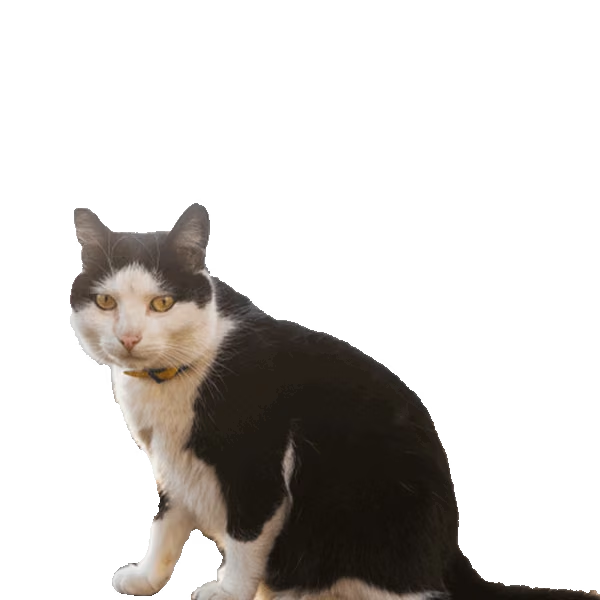
Cyprus
The Cyprus is a friendly, affectionate breed valued for its sociable, easygoing nature and naturally robust island heritage.
- Size
- Medium
- Lifespan
- 12–15 years
- Origin
- Cyprus
- Temperament
- Friendly
Characteristics
Coat and grooming
How the Cyprus coat is built, and what that means when you groom it.
- Coat layers
- Double coat
- Coat texture
- Silky
- Coat length
- Medium
- Shedding
- Moderate shedding
Grooming guidance
Critical: A Cyprus should not be shaved.
The undercoat keeps heat out as well as in, and the outer coat shields the skin from sun and insect bites. Clipping the whole coat off removes both. It often grows back patchy, soft or a different colour, and in some animals the guard hairs never return properly. Brush the undercoat out instead of cutting it off.
Caution: A Cyprus coat mats easily.
Fine or long hair tangles at the base of the coat, out of sight, where the mats tighten and pull on the skin. Brushing has to reach right down to the roots in sections, not just skim the surface.
About the Cyprus Cat
A warm and loving natural breed from the Mediterranean island of Cyprus, friendly, family-oriented, and wonderfully easygoing.
The Cyprus cat is a medium-sized natural breed that has called the island of Cyprus home for thousands of years. Much like the beloved aspin here in the Philippines, the Cyprus cat is a true community cat, shaped not by selective breeding programs but by generations of life alongside people, farms, and villages. The result is a hardy, sociable, and deeply affectionate companion that fits beautifully into the warmth of Filipino family life. These cats are easygoing and gentle, making them a wonderful addition to any household that values a loyal, low-maintenance companion.
| Trait | Detail |
|---|---|
| Origin | Cyprus (Mediterranean) |
| Size | Medium (4–6 kg) |
| Lifespan | 12–15 years |
| Group Role | Natural / Landrace breed |
| Good With | Families, older children, other cats |
The Cyprus cat is a great fit for Filipino families who want a cat that truly feels like pamilya. It bonds closely with everyone in the household, is patient with older kids, and gets along well with other cats. If your home is full of love and activity, this cat will thrive alongside you.
History
One of the oldest naturally occurring cat populations in the world, with roots stretching back to ancient Cyprus.
The history of the Cyprus cat is as rich as the island itself. Archaeological evidence suggests that cats have lived alongside humans on Cyprus since the Neolithic period, making this one of the oldest recorded human-cat relationships anywhere in the world. For centuries, these cats lived as farm and village companions, keeping grain stores free of rodents and earning their place in the daily lives of Cypriot families.
Unlike many modern pedigree breeds that were carefully engineered in catteries, the Cyprus cat evolved naturally through thousands of years of island life. This natural development has given the breed its hardy constitution and its famously adaptable, people-friendly personality.
In recent years, breeders and cat enthusiasts have begun formal efforts to document and standardize the Cyprus cat as a recognized breed, preserving this living piece of Mediterranean history. Today, the Cyprus cat remains a beloved fixture on the island and is slowly gaining recognition and appreciation around the world.
Appearance
A balanced, athletic cat with a rounded head, expressive eyes, and a short to medium coat that comes in many beautiful colors and patterns.
The Cyprus cat has a naturally athletic and balanced build, not too heavy, not too fine. Its rounded head, medium-to-large ears, and large, expressive eyes give it a warm and open expression that matches its friendly personality perfectly. The coat is short to medium in length, lying close to the body and requiring minimal upkeep. You will find Cyprus cats in a wide range of colors and patterns, from classic tabby and solid coats to striking bicolor combinations.
| Feature | Description |
|---|---|
| Height | Medium frame, moderate height |
| Weight | 4–6 kg |
| Coat | Short to medium length, close-lying |
| Colors | Tabby, solid, bicolor, wide variety accepted |
| Eyes | Large, expressive; color varies with coat |
The coat of the Cyprus cat is one of its most practical features. It is dense enough to be soft and satisfying to pet, but short enough that it does not mat or tangle easily. Tabby patterns are very common, but solid and bicolor coats are also seen throughout the breed. No matter the color, Cyprus cats tend to have a clean, well-kept appearance even without frequent grooming.
Temperament
Warm, people-loving, and full of gentle energy, the Cyprus cat is the kind of companion that becomes a true member of the family.
If you are looking for a cat that loves people as much as Filipinos love cats, the Cyprus is a perfect match. These cats form deep bonds with their families and thrive on closeness and daily interaction. They are gentle and patient with older children, confident around guests, and rarely shy or withdrawn. Cyprus cats have a healthy amount of energy, they enjoy play, exploring, and climbing, but they are not hyperactive or demanding. They are also not particularly vocal, so they express their affection through presence and physical closeness rather than constant meowing. Expect a cat that will follow you from room to room, curl up beside you in the evenings, and greet you at the door when you come home.
| Trait | Rating (out of 5) |
|---|---|
| Affection | 5, Extremely loving and people-oriented |
| Energy | 4, Active and playful, enjoys daily activity |
| Trainability | 3, Responds well to consistent, reward-based guidance |
| Vocalness | 2, Quiet and expressive in other ways |
| Shedding | 3, Moderate shedding, manageable with brushing |
Care
A low-maintenance cat that adapts easily to indoor life, a little grooming, daily play, and plenty of love is all this breed needs to thrive.
One of the best things about the Cyprus cat is how easy it is to care for. It does not demand hours of grooming or constant entertainment. A consistent routine of basic care, daily play, and genuine affection is enough to keep a Cyprus cat healthy and happy. This makes it an ideal choice for busy Filipino families who want a loving companion without an overwhelming care commitment.
Grooming Routine
- Brush the coat once a week to remove loose fur and keep the coat looking its best
- Increase brushing to two or three times per week during shedding seasons
- Check and clean the ears weekly using a soft, damp cloth or a veterinarian-approved ear cleaner
- Trim the claws every few weeks to prevent overgrowth and snagging
- Brush the teeth regularly using a cat-safe toothpaste, dental health is important for long-term wellbeing
Exercise and Play
- Set aside at least one dedicated play session each day using wand toys, balls, or interactive feeders
- Provide a sturdy cat tree or wall-mounted shelves so your cat can climb and survey its territory
- Rotate toys regularly to keep playtime fresh and engaging
- Puzzle feeders are a fun way to combine mental stimulation with mealtime
Living Environment
The Cyprus cat adapts well to indoor living, which is great news for families in urban and suburban areas of the Philippines. Even without outdoor access, these cats stay content as long as their environment is enriched with climbing opportunities, hiding spots, and regular human interaction. A cat that feels safe and stimulated indoors is a happy cat.
Nutrition
A complete, high-quality diet matched to your cat's life stage is the foundation of long-term health.
Cats are obligate carnivores, which means their bodies are built to run on animal protein. The Cyprus cat thrives on a complete, commercially prepared cat food that meets all of its nutritional needs at each stage of life. Whether you choose wet food, dry food, or a combination of both, the most important thing is that the food is formulated specifically for cats and is appropriate for your cat's age, weight, and activity level. Fresh, clean water should always be available, hydration is especially important in the Philippine tropical climate.
| Life Stage | Meals per Day | Approximate Portion |
|---|---|---|
| Kitten (up to 12 months) | 3–4 meals | Follow packaging, kittens need more frequent feeding |
| Adult (1–7 years) | 2 meals | 50–70 g dry food per day, split into two servings |
| Senior (7+ years) | 2 meals | Adjust portions based on body condition and veterinarian guidance |
Treats are a wonderful way to reward your cat and strengthen your bond, but they should make up no more than 10% of your cat's total daily calorie intake. Choose cat-specific treats rather than human food scraps, and use them thoughtfully during play and training sessions.
Health
A naturally hardy breed with a long lifespan, regular veterinary care and attentive ownership go a long way.
The Cyprus cat's long history as a natural island breed has given it a robust constitution that many purpose-bred cats simply do not have. With proper care, a Cyprus cat can live comfortably for 12 to 15 years or more. While the breed has no known hereditary conditions specific to it, responsible owners should be aware of the common health concerns that affect cats in general, particularly as they age.
| Condition | Signs to Watch For | Notes |
|---|---|---|
| Dental Disease | Bad breath, drooling, difficulty eating | Very common in cats; regular brushing and annual dental checks help prevent it |
| Obesity | Visible weight gain, reduced activity, difficulty grooming | Manage through portion control and daily exercise |
| Parasites | Scratching, hair loss, visible worms or fleas | Use veterinarian-recommended preventive treatments regularly |
| Kidney Disease | Increased thirst, frequent urination, weight loss | More common in older cats; monitor and catch early with regular check-ups |
Preventive Care Essentials
- Keep vaccinations up to date according to your veterinarian's schedule
- Schedule an annual wellness check-up, even when your cat seems healthy
- Maintain a lean, healthy body condition through proper feeding and exercise
- Include dental care as a regular part of your grooming routine
- Spay or neuter your cat unless you are an experienced, responsible breeder
Training
Intelligent and willing to learn, Cyprus cats respond beautifully to patient, reward-based guidance.
The Cyprus cat is an intelligent and sociable breed that picks up on routines and cues quickly. Training is not just about obedience, it is a wonderful way to deepen the bond between you and your cat and keep their mind engaged. The key to success is patience, consistency, and positive reinforcement. Cyprus cats do not respond well to harsh corrections or punishment. Instead, they thrive when good behavior is recognized and rewarded with treats, praise, or play.
Keep training sessions short, five to ten minutes is ideal, and repeat them regularly. Cats learn through repetition and association, so consistency matters much more than long, exhausting sessions.
Training Basics for Your Cyprus Cat
- Set up the litter box in a quiet, accessible location from day one, most cats will take to it naturally
- Provide a sturdy scratching post near areas your cat already likes to scratch, and reward them when they use it
- Handle your cat gently and regularly from a young age to build confidence and comfort with touch
- Introduce simple cues like "come" or "sit" using small, high-value treats as rewards
- When your cat engages in unwanted behavior, redirect them calmly to an appropriate alternative rather than scolding
Breeding
Responsible breeding prioritizes the health of the mother and the welfare of every kitten from birth through rehoming.
Cyprus cats are seasonal breeders, meaning females typically come into heat during certain times of the year in response to daylight and environmental cues. Female Cyprus cats can reach sexual maturity as early as five to ten months of age, but responsible breeders always wait until the queen is fully grown and in excellent health before allowing her to mate. Rushing into early breeding puts unnecessary strain on a young cat and can affect the health of both mother and kittens.
Gestation lasts approximately 63 to 65 days, after which the queen will typically give birth to a litter of four to six kittens. Kittens should remain with their mother until at least 12 weeks of age, this time is essential for proper socialization, immune development, and learning species-appropriate behavior from the mother and littermates.
Anyone breeding Cyprus cats should ensure that both parents are in good health, that vaccinations are current, and that the breeding environment is calm, clean, and supportive. Health screening and honest, transparent communication with prospective owners are marks of a responsible breeder.
| Factor | Detail |
|---|---|
| Sexual Maturity | 5–10 months (breed responsibly from adulthood only) |
| Gestation Period | 63–65 days |
| Average Litter Size | 4–6 kittens |
| Weaning Age | Around 8 weeks |
| Recommended Rehoming Age | 12 weeks minimum |
Registering a Cyprus in the Philippines, chip included
No law licenses cats here, so your Cyprus's only paper trail is the one you create: free for life with United Pet Club.
Cyprus registration and microchip registration in the Philippines
A Cyprus does not carry an ID; her record carries it for her. Set it up free: her name, her markings, a photo, and your mobile number, saved with United Pet Club for life. Register your cat now, while she is asleep on the sofa rather than out the window.
A microchip makes your Cyprus much harder to lose track of, but only after the number is registered, and the clinic that implants it does not do that part for you. Register the microchip free on the lifetime plan: any brand works, updating after you move or change SIM costs nothing, and the record can be searched from anywhere. Create your free account and be done with both.
How do I register my Cyprus in the Philippines?
Sign up for a free United Pet Club account, add your Cyprus's name, markings, and a photo, and save. The profile is free for life, no microchip required, and you can add the chip number after the vet visit.
How do I register my Cyprus's microchip?
Add the 15-digit number from the clinic's paperwork to your free account along with your current mobile number. The lifetime plan never charges for the registration or the updates, whatever the chip brand.
Do cats need to be registered in the Philippines?
No law requires it; RA 9482 covers dogs. That is exactly why a Cyprus's record matters: unless you create one, a found cat has no trail at all. United Pet Club keeps that trail free for life.
What does it cost to register a Cyprus?
Zero pesos. Profile, microchip registration, and unlimited updates are all free on the lifetime plan, with no renewal ever.
Frequently Asked Questions
Common questions from Filipino cat lovers about the Cyprus cat.
How big do Cyprus cats get?
Cyprus cats are a medium-sized breed, typically weighing between 4 and 6 kilograms when fully grown. They have an athletic, well-proportioned build, not too big, not too small. They are a comfortable, manageable size for most Filipino homes.
What is their personality like?
Cyprus cats are warm, sociable, and people-oriented. They form close bonds with their families, enjoy being part of daily household life, and are gentle with older children. They have good energy and love to play, but they are also happy to relax and cuddle. Think of them as a loyal kasama, always happy to be near you.
Are Cyprus cats difficult to care for?
Not at all. The Cyprus cat is one of the easier breeds to care for. Their coat is short to medium and only needs weekly brushing. They do not require specialized diets, and their grooming needs are minimal. A clean home, regular meals, daily play, and plenty of affection are all this cat needs to thrive.
How long do Cyprus cats live?
With proper care, Cyprus cats typically live between 12 and 15 years. As a naturally developed breed with no known inherited health issues specific to the breed, they tend to be hardy and long-lived. Regular veterinary check-ups and a healthy lifestyle help them reach their full potential lifespan.
Are they good family pets for Filipino households?
Yes, absolutely. Cyprus cats thrive in warm, family-oriented homes, exactly the kind of environment found in many Filipino households. They are gentle with older children, get along with other cats, and love being part of a busy, affectionate family. They adapt well to indoor living and are content in homes of all sizes.
Are Cyprus cats easy to find in the Philippines?
Cyprus cats are commonly found on the island of Cyprus and in parts of Europe, but they are relatively uncommon in the Philippines. You may need to seek out a specialist importer or an international breeder. However, many natural mixed-breed cats in the Philippines share similar traits and temperaments, the loving personality of the Cyprus is not exclusive to the registered breed.
Do Cyprus cats need a companion?
Cyprus cats are sociable by nature and generally do well with other cats in the home. If your household is often busy and active, a single Cyprus cat will be fine with human companionship. However, if your cat will spend several hours alone each day, getting a second cat as a companion is a great way to keep them happy, stimulated, and emotionally fulfilled.