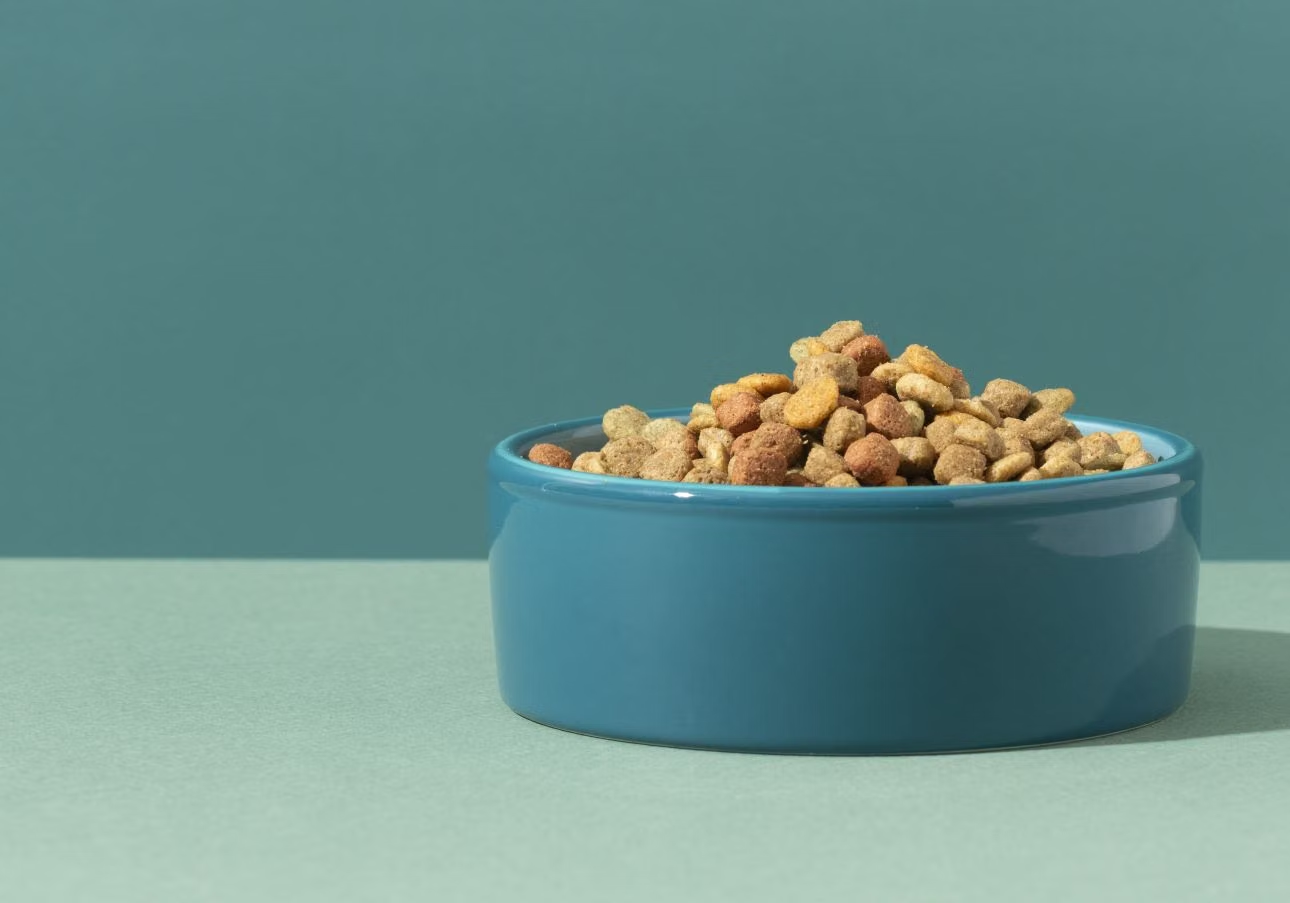
How to read pet food labels: what dog and cat food packaging actually tells you
The front of a pet food bag is marketing. The ingredients list, guaranteed analysis, and AAFCO statement on the back are what actually tell you what's in the food.
Words like natural or premium on packaging aren't regulated the way most owners assume. The ingredient list and the guaranteed analysis panel on the back tell the real story, and they take a bit of practice to read properly.
Check where the protein actually comes from before you look at anything else. A named meat near the top of the list matters more than any word printed on the front.
Overfeeding is far more common than underfeeding, and it creeps up slowly enough that owners often don't notice until a vet flags the weight at a check-up. The feeding guide on a bag is a starting point, not a fixed rule.
It needs adjusting for how active a pet actually is, their age, and whether they're carrying extra weight already. A dog that spends most of the day on the sofa needs less than the guide suggests.
Not for most. Grain-free diets are only necessary for pets with a diagnosed grain allergy, and some have been linked to heart problems in dogs without that history.
You should be able to feel the ribs without pressing hard, and see a waist when you look down at them from above. A vet can confirm this with a body condition score.
The front of a pet food bag is marketing. The ingredients list, guaranteed analysis, and AAFCO statement on the back are what actually tell you what's in the food.
What protein, fat, carbohydrates, fiber, and micronutrients actually do for a dog or cat, and how to match food to age, breed, and health status.