
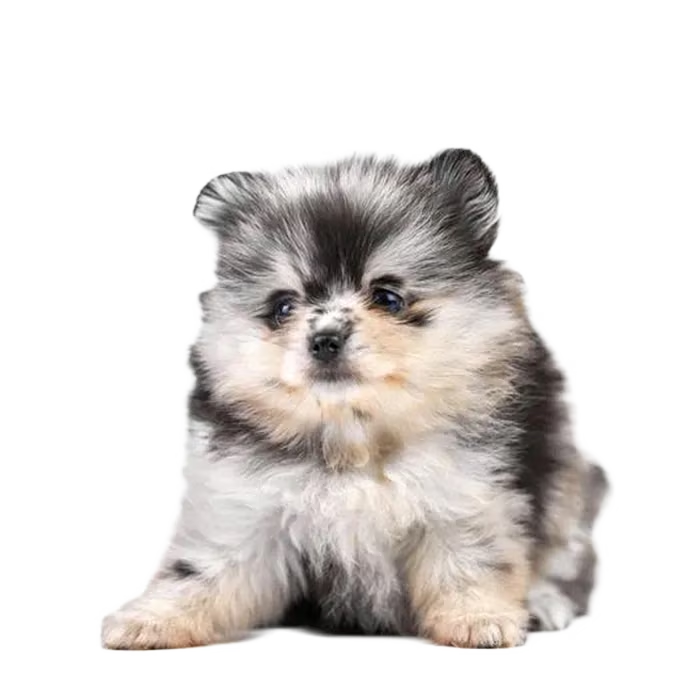
German Spitz
The German Spitz is a spirited, alert little watchdog that bonds closely with its family and is quick to sound the alarm.
- Size
- Small
- Lifespan
- 13–15 years
- Origin
- Germany
- Temperament
- Spirited
- Standard colors
- Black, White and Grey and 10 more
Characteristics
Coat and grooming
How the German Spitz coat is built, and what that means when you groom it.
- Coat layers
- Double coat
- Coat texture
- Plush
- Coat length
- Long
- Shedding
- Seasonal shedding
Grooming guidance
Critical: A German Spitz should not be shaved.
The undercoat keeps heat out as well as in, and the outer coat shields the skin from sun and insect bites. Clipping the whole coat off removes both. It often grows back patchy, soft or a different colour, and in some animals the guard hairs never return properly. Brush the undercoat out instead of cutting it off.
Caution: A German Spitz coat mats easily.
Fine or long hair tangles at the base of the coat, out of sight, where the mats tighten and pull on the skin. Brushing has to reach right down to the roots in sections, not just skim the surface.
Information: A German Spitz drops its undercoat in heavy bursts.
The undercoat comes out in heavy bursts over a few weeks. An undercoat rake, or a bath followed by a proper blow-dry, clears it far faster than daily brushing. Clipping the coat down is not a shortcut for this.
German Spitz colors and patterns
What each club's breed standard says about every German Spitz color and pattern. Point at a ruling to see the club's own wording.
Breed standards describe the German Spitz in Black, White, Grey, Blue, Lilac, Silver, Brown, Seal, Tan, Red, Orange, Gold and Cream. Standard patterns: Solid, Tricolour, Parti-colour, Sable, Agouti and Tan point.
| Color or pattern | FCI | AKC | UKC | KC | KUSA |
|---|---|---|---|---|---|
| Black | Standard (“black”) | Standard (“Black”) | Standard (“all colors”) | Standard (“Black”) | Standard (“black”) |
| White | Standard (“white”) | Standard (“White”) | Standard (“including pure white”) | Standard (“White”) | Standard (“white”) |
| Grey | Standard (“grey-shaded (Medium, Miniature)”) | Standard (“Gray”) | Standard (“all colors”) | Standard (“all colour varieties ... acceptable”) | Standard (“grey-shaded”) |
| Blue | Disqualifying | Not recognised | Standard (“all colors”) | Standard (“Blue”) | Disqualifying |
| Lilac | Disqualifying | Not recognised | Standard (“all colors”) | Standard (“Lilac”) | Disqualifying |
| Silver | Standard (“black-and-silver (Medium, Miniature)”) | Standard (“black and silver”) | Standard (“all colors”) | Standard (“all colour varieties ... acceptable”) | Standard (“black-and-silver”) |
| Brown | Standard (“brown”) | Standard (“Brown”) | Standard (“all colors”) | Standard (“Brown”) | Standard (“brown”) |
| Seal | Disqualifying | Not recognised | Standard (“all colors”) | Standard (“Seal”) | Disqualifying |
| Tan | Standard (“black-and-tan, brown-and-tan (Medium, Miniature)”) | Standard (“Black & Tan”) | Standard (“all colors”) | Standard (“Black & Tan”) | Standard (“black and tan”) |
| Red | Disqualifying | Standard (“Red”) | Standard (“all colors”) | Standard (“all colour varieties ... acceptable”) | Disqualifying |
| Orange | Standard (“orange (Medium, Miniature)”) | Standard (“Orange”) | Standard (“all colors”) | Standard (“Orange”) | Standard (“orange”) |
| Gold | Disqualifying | Not recognised | Standard (“all colors”) | Standard (“Gold”) | Disqualifying |
| Cream | Standard (“cream (Medium, Miniature)”) | Standard (“Cream”) | Standard (“all colors”) | Standard (“Cream”) | Standard (“cream”) |
| Albino | Disqualifying | Not recognised | Disqualifying (“albinism”) | No ruling | Disqualifying |
| Patterns | |||||
| Solid | Standard (“white, black, brown, orange”) | Standard (“White”) | Standard (“all colors”) | Standard (“Black”) | Standard (“white, black, brown, orange”) |
| Tricolour | Standard (“coats with patches ... black-and-tan (Medium, Miniature)”) | Not recognised | Standard (“all colors and markings are acceptable”) | Standard (“Black Tricolour”) | Standard (“the patches must be uniformly in one colour ... black-and-tan”) |
| Parti-colour | Standard (“coats with patches (Medium, Miniature)”) | Standard (“Parti-Color”) | Standard (“parti-colors”) | Standard (“Black & White Particolour”) | Standard (“parti-colour”) |
| Sable | Standard (“orange-sable, cream-sable (Medium, Miniature)”) | Standard (“Sable”) | Standard (“all colors and markings are acceptable”) | Standard (“Sable”) | Standard (“cream-sable, orange-sable”) |
| Agouti | No ruling | Standard (“Wolfgray”) | Standard (“all colors and markings are acceptable”) | Standard (“Wolf Sable”) | No ruling |
| Tan point | Standard (“black-and-tan, black-and-silver, brown-and-tan (Medium, Miniature)”) | Standard (“Black & Tan”) | Standard (“black and tans”) | Standard (“Black & Tan”) | Standard (“black and tan, black-and-silver, brown-and-tan”) |
| Merle | No ruling | Disqualifying (“merle”) | No ruling | Not recognised (“with the exception of merle, which is unacceptable”) | No ruling |
| Double merle | No ruling | Not recognised | No ruling | No ruling | No ruling |


| Color or pattern | FCI | AKC | UKC | KC | KUSA |
|---|---|---|---|---|---|
| Dark brown | Standard (“dark”) | Standard (“dark brown”) | Standard (“always dark in color”) | Standard (“always dark”) | Standard (“dark”) |
| Light brown | Fault (“too big and too light eyes”) | Standard (“the brown dog may have a lighter brown eye”) | No ruling | No ruling | Fault (“too big or too light eyes”) |
| Color or pattern | FCI | AKC | UKC | KC | KUSA |
|---|---|---|---|---|---|
| Black | Standard (“pure black”) | Standard (“small and solid black”) | Standard (“black in black, white, black and white parti-colors and black and tan dogs”) | Standard (“nose black in black, white, black/white parti-colours”) | Standard (“pure black”) |
| Liver | Standard (“the nose of brown Spitz dogs is dark brown”) | Standard (“the nose of brown dogs is dark brown”) | Standard (“in other colors it matches the color of the coat”) | Standard (“in other self colours, nose compatible with coat colour”) | Standard (“the nose of brown Spitz dogs is dark brown”) |
| Pink | Fault (“flesh-coloured nose”) | Fault (“flesh colored noses are a serious fault”) | No ruling | Fault (“pink nose highly undesirable”) | Fault (“flesh-coloured nose”) |
| Patterns | |||||
| Butterfly nose | No ruling | No ruling | Disqualifying (“butterfly nose”) | Fault (“parti-colour ... nose highly undesirable”) | No ruling |

Giant
| Color or pattern | FCI | AKC | UKC |
|---|---|---|---|
| Black | Standard (“black”) | Standard (“Black”) | Standard (“all colors”) |
| White | Standard (“white”) | Standard (“White”) | Standard (“including pure white”) |
| Grey | Disqualifying | Not recognised | Standard (“all colors”) |
| Blue | Disqualifying | Not recognised | Standard (“all colors”) |
| Lilac | Disqualifying | Not recognised | Standard (“all colors”) |
| Silver | Disqualifying | Not recognised | Standard (“all colors”) |
| Brown | Standard (“brown”) | Standard (“Brown”) | Standard (“all colors”) |
| Seal | Disqualifying | Not recognised | Standard (“all colors”) |
| Tan | Disqualifying | Not recognised | Standard (“all colors”) |
| Red | Disqualifying | Not recognised | Standard (“all colors”) |
| Orange | Disqualifying | Not recognised | Standard (“all colors”) |
| Gold | Disqualifying | Not recognised | Standard (“all colors”) |
| Cream | Disqualifying | Not recognised | Standard (“all colors”) |
| Albino | Disqualifying | Not recognised | Disqualifying (“albinism”) |
| Patterns | |||
| Solid | Standard (“white, black, brown”) | Standard (“White”) | Standard (“all colors”) |
| Tricolour | Disqualifying (“any colour not mentioned in section "Colours"”) | Not recognised | Standard (“all colors and markings are acceptable”) |
| Parti-colour | Disqualifying (“any colour not mentioned in section "Colours"”) | Standard (“parti-color of black, brown and sable”) | Standard (“parti-colors”) |
| Sable | Disqualifying (“any colour not mentioned in section "Colours"”) | Standard (“parti-color of black, brown and sable”) | Standard (“all colors and markings are acceptable”) |
| Agouti | No ruling | Not recognised | Standard (“all colors and markings are acceptable”) |
| Tan point | Disqualifying (“any colour not mentioned in section "Colours"”) | Not recognised | Standard (“black and tans”) |
| Merle | No ruling | Disqualifying (“merle”) | No ruling |
| Double merle | No ruling | Not recognised | No ruling |
What the rulings mean
- Standard
- Described by the club's breed standard.
- Fault
- Named by the club's breed standard as a fault: the animal can be shown but is penalised.
- Disqualifying
- The club's breed standard disqualifies an animal of this colour or pattern.
- Not recognised
- The club does not accept this colour or pattern for the breed.
Color changes
How a German Spitz's colors can change over its life.
Blackchanges toRust
Coat · With body condition · can change back
Blackchanges toGrey
Coat · Progressive
Blackchanges toBrown
Coat · In the sun · can change back
Whitechanges toRoan
Coat · With age · from 2 weeks
Tan pointchanges toSaddle
Coat · With age · from 6 to 156 weeks
Blackchanges toSnow nose
Nose · With the season · can change back
Blackchanges toPink
Nose · With the season · can change back


Sources
Each ruling comes from the club's published breed standard or color list.
Meet some of our German Spitz
A few of the German Spitz profiles members have added to United Pet Club.

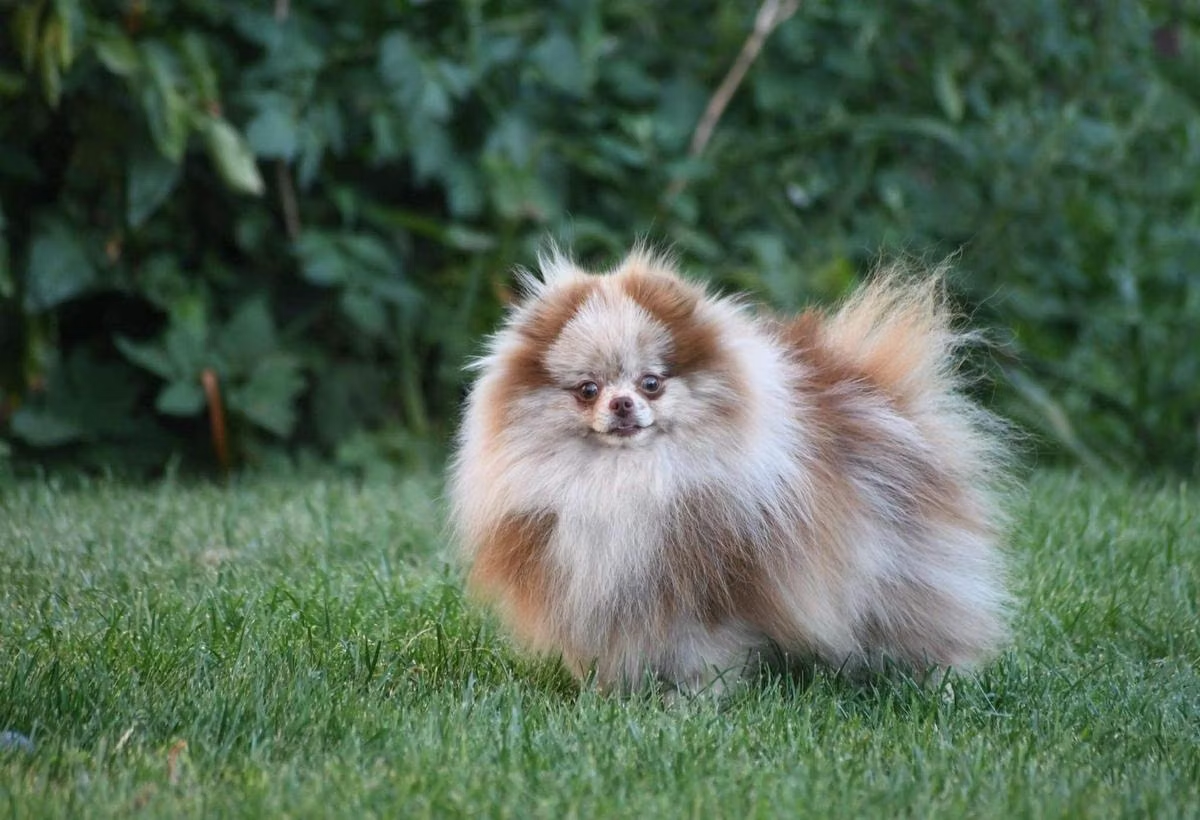
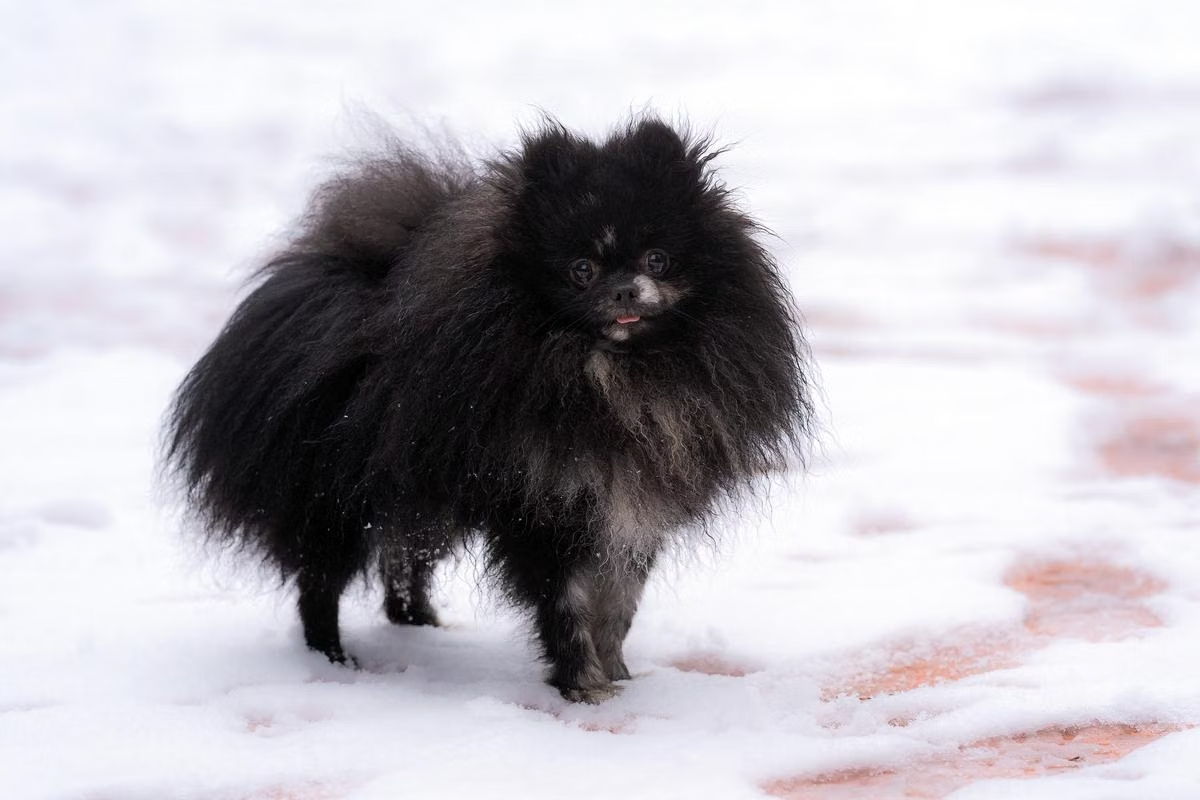

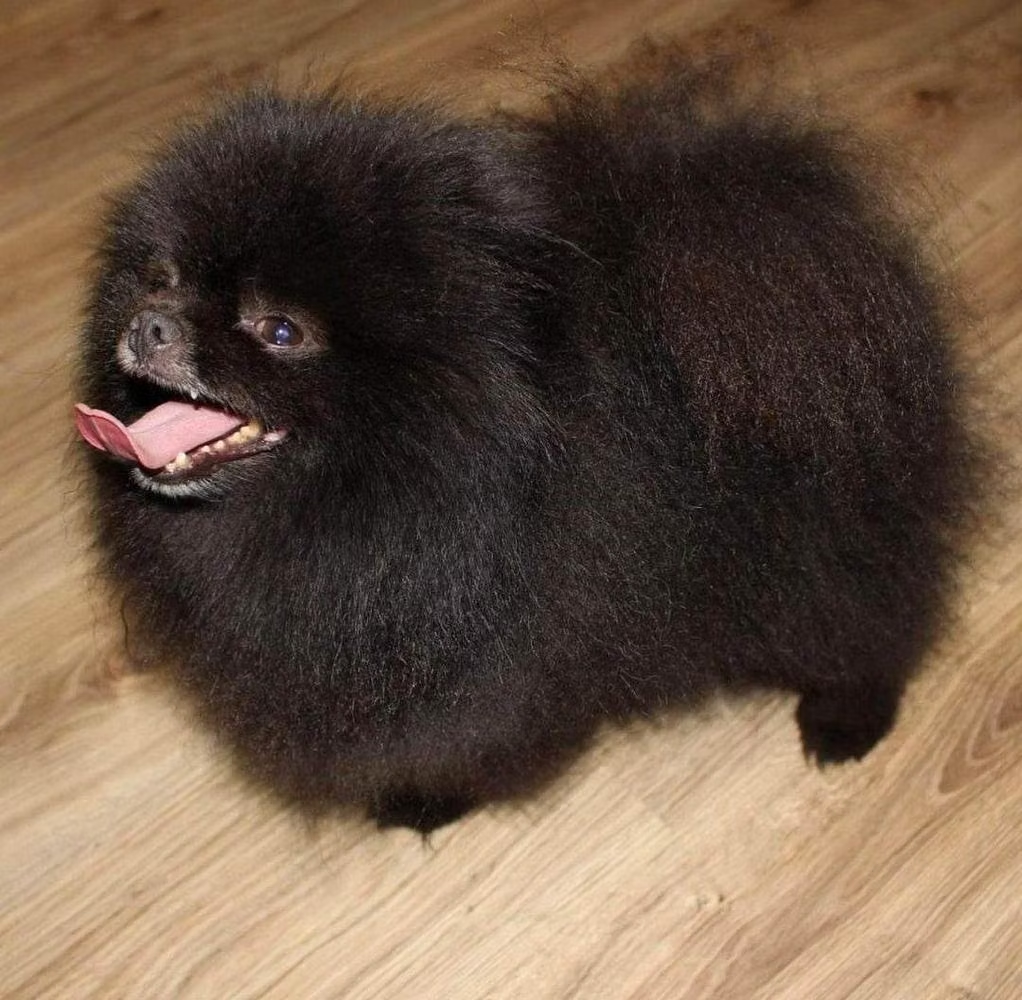
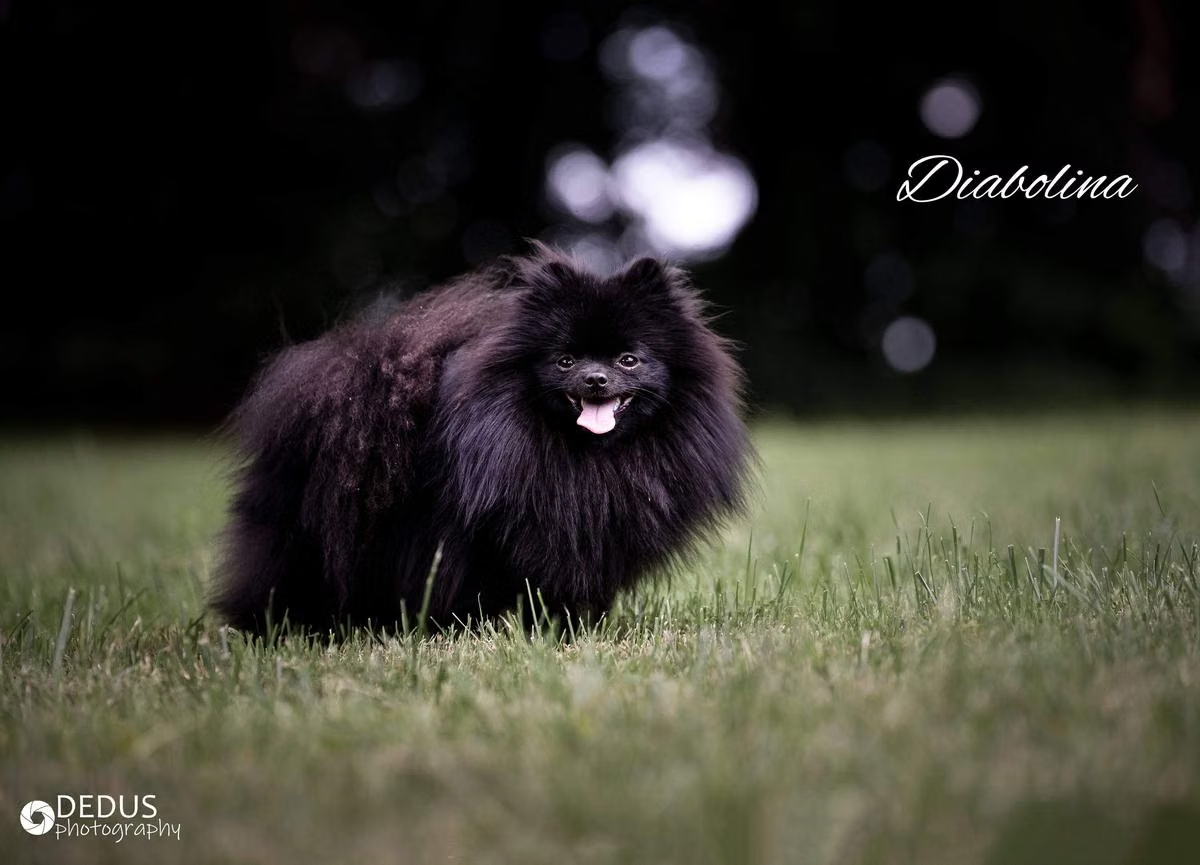
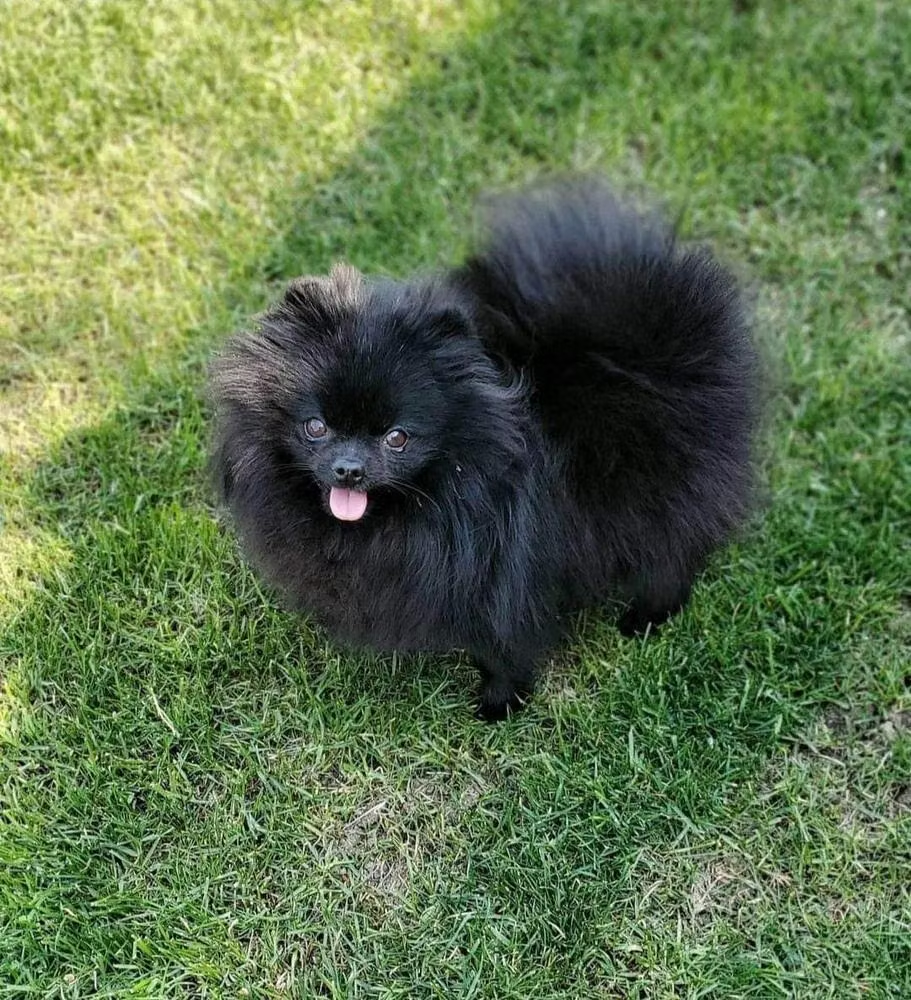
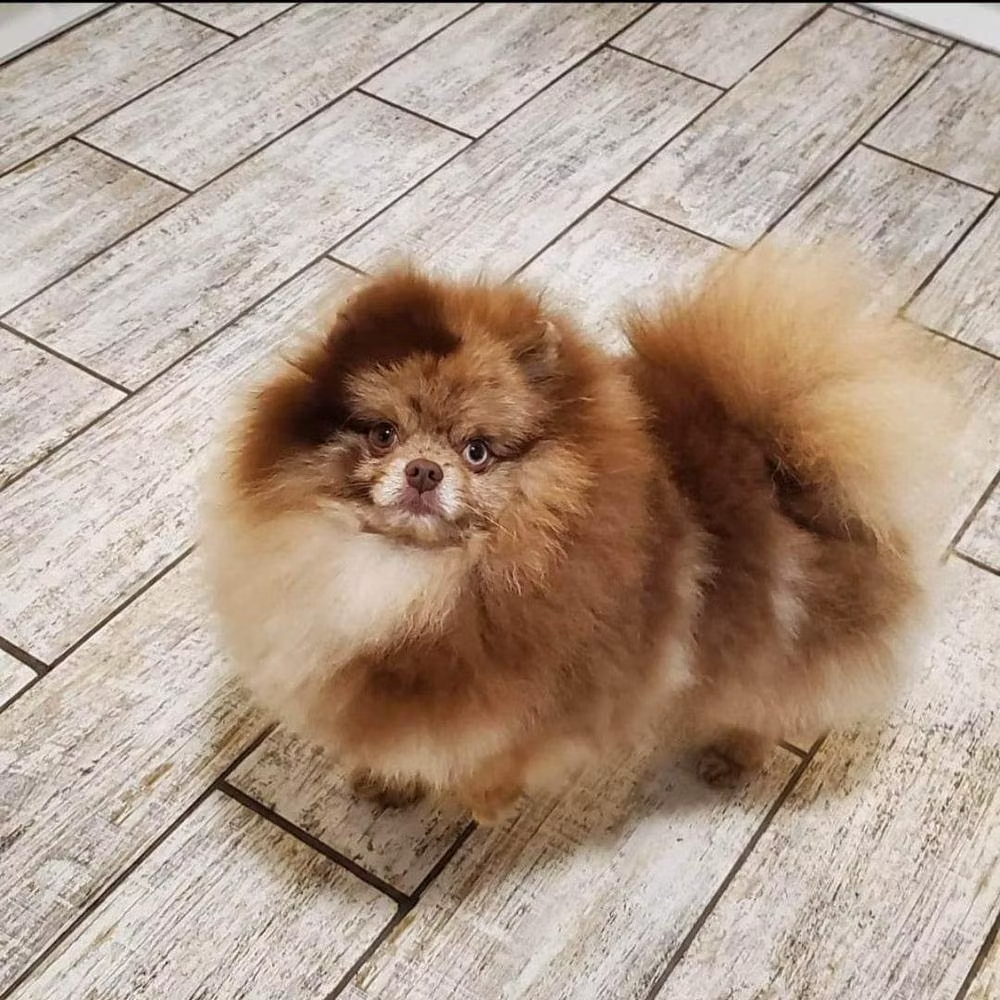


About the German Spitz
The German Spitz is a small, alert watchdog from Germany that bonds closely with its family and is quick to sound the alarm. It weighs roughly 4.5 to 11 kg and lives 13 to 15 years.
The German Spitz is a small companion dog recognised for a fox-like face, a thick double coat, and a tightly curled tail carried over the back. Adults stand low to the ground but carry themselves with an upright, confident posture. The breed belongs to the wider Spitz family, a group of northern-type dogs marked by pointed ears, dense fur, and curled tails.
This is a devoted, spirited dog that forms strong attachments to the people it lives with. It stays attentive to household activity and reacts quickly to anything unfamiliar. That watchfulness has made it a capable alarm dog for centuries, though it is too small to act as a guard in any physical sense.
Despite its size, the German Spitz has a busy, energetic character. It enjoys being included in household life and does not take well to long periods left alone. Owners describe it as lively company that settles happily in a flat or a house, provided it receives daily attention and a few short walks.
| Attribute | Detail |
|---|---|
| Origin | Germany |
| Size | Small (about 4.5 to 11 kg depending on variety) |
| Lifespan | 13 to 15 years |
| Group/role | Companion and watchdog (Spitz type) |
| Good with | Families, single owners, and older people who want an attentive small dog |
Who it suits
The German Spitz suits owners who want a small, interactive dog and can manage a vocal one. It fits well in flats because of its size, but a tendency to bark at sounds and passers-by is worth considering if walls are thin or neighbours are close. People who are at home much of the time, or who can take the dog with them, tend to get the best out of the breed. The thick double coat needs regular brushing, so it suits someone willing to spend a few minutes on grooming several times a week.
History and origin
The German Spitz descends from old northern herding and farm dogs of central Europe and was valued for centuries as a watchful companion across German-speaking regions.
The German Spitz traces back to the Spitz-type dogs of central and northern Europe, a lineage counted among the oldest of European dog types. These dogs were kept on farms and in villages across German-speaking lands, where alertness and a tendency to bark made them useful for warning of strangers and intruders.
Written and pictorial records of Spitz dogs in Germany span several centuries. They were found on farms, on river boats, and in towns, where a small size and a loud voice were practical traits. Because they guarded property by raising the alarm rather than by confronting intruders, owners often preferred the smaller, more portable dogs.
Over time the German Spitz was developed in a range of sizes, from larger Wolfspitz types down to small companion varieties. The smaller end of the family is closely related to the Pomeranian, which was bred down to a much smaller size, particularly in Britain during the nineteenth century. The German Spitz and the Pomeranian share common ancestry within the same broad group.
Kennel clubs in Germany and elsewhere later set written standards that organised the Spitz varieties by size and coat. Today the German Spitz is recognised as a distinct companion breed, kept mainly for company and as a household watchdog rather than for any working farm role. In Britain the breed is registered with The Kennel Club.
Appearance
The German Spitz is a small, square-built dog with a fox-like head, erect ears, a dense stand-off double coat, and a plumed tail curled over the back.
The German Spitz has a compact, nearly square outline, with body length close to height at the shoulder. The head is wedge-shaped and fox-like, with a pointed muzzle, dark almond-shaped eyes, and small, erect, triangular ears set high and close together. The most striking feature is the coat, which stands away from the body and forms a distinct ruff around the neck and shoulders. The tail is set high and curls forward over the back, resting against the body, and carries a thick plume of hair.
| Trait | Typical range |
|---|---|
| Height | About 23 to 30 cm at the shoulder (small variety) |
| Weight | About 4.5 to 11 kg depending on variety |
| Coat | Double coat: long, straight stand-off outer coat over a short, dense undercoat |
| Colours | White, black, brown, orange, cream, and various sable and parti patterns |
| Eyes | Dark, almond-shaped, alert expression |
Coat and colours
The double coat is the defining feature. The outer coat is long and straight and stands away from the body, supported by a soft, dense undercoat that gives the dog its rounded, plush appearance. Hair is shorter on the head, ears, and the fronts of the legs, and longer on the neck, chest, and tail. Accepted colours include solid white, black, brown, orange, and cream, along with sable shading and parti-colour combinations. The coat sheds steadily throughout the year and goes through heavier seasonal moults when the undercoat is replaced.
Temperament
The German Spitz is devoted, spirited, and alert, deeply attached to its family and quick to bark at anything unfamiliar.
The German Spitz is a confident, lively dog that stays closely connected to its household. It tends to attach strongly to its people and likes to be where the activity is. With family members it is affectionate and playful, and it often singles out one or two people to follow closely.
Toward strangers the breed is naturally cautious. It will announce visitors and react to unfamiliar sounds, which is the trait that kept it valued as a small watchdog for centuries. Early, steady socialisation helps it remain alert without becoming nervous or over-suspicious. With other dogs and household pets it generally gets on well when raised together, though its bold nature means it does not back down readily from larger dogs.
The German Spitz is intelligent and reads its owner's mood quickly. It can be independent and mildly stubborn, but responds well to attention and consistent handling. The main consideration for prospective owners is the voice: this is a vocal breed, and barking needs to be addressed from puppyhood rather than after it has become a fixed habit.
| Trait | Rating |
|---|---|
| Affection | 5 |
| Energy | 4 |
| Trainability | 3 |
| Vocalness | 5 |
| Shedding | 4 |
Care and grooming
The German Spitz needs regular brushing for its double coat, short daily exercise, and close contact with its family, and adapts well to flat or house living.
Day-to-day care centres on the coat and on keeping an active, social dog occupied. The breed is hardy and adapts to most homes, but the thick fur and busy mind both need attention.
Grooming
- Brush two or three times a week to lift the undercoat and prevent matting, and daily during seasonal moults
- Pay extra attention to the ruff, behind the ears, and the trousers on the hind legs, where tangles form
- Bathe only when needed, as over-bathing strips the coat; dry thoroughly down to the skin
- Trim nails every few weeks and check ears for wax or debris
- Brush teeth regularly, as small breeds are prone to dental buildup
Exercise
- Two short walks a day, around 20 to 30 minutes in total, suit most adults
- Add play sessions and simple games indoors to use up mental energy
- The breed enjoys learning tricks and small tasks, which tire it more effectively than walking alone
- Avoid long, strenuous outings in hot weather, as the dense coat traps warmth
Environment
The German Spitz lives happily in a flat or a house and does not need a large garden. What it does need is company. It fares poorly when left alone for long periods and may bark or become restless. A secure space is important because the breed is alert and curious. The coat insulates well, so the dog handles cool, damp British weather better than heat.
Nutrition and feeding
The German Spitz does well on a complete small-breed diet fed in measured portions across two meals a day, with care taken to avoid weight gain.
The German Spitz needs a complete, balanced diet formulated for small breeds. Small dogs have fast metabolisms but small stomachs, so quality food in correctly sized portions matters more than volume. Match the food to the dog's life stage, using a puppy formula while growing and an adult formula once mature. Because the breed is compact, even a small amount of extra weight adds strain, so portions should be measured rather than offered freely.
| Life stage | Amount per day | Meals |
|---|---|---|
| Puppy (2 to 6 months) | Per food label, divided small | 3 to 4 |
| Puppy (6 to 12 months) | Per food label for growth | 2 to 3 |
| Adult | About 60 to 90 g of dry food | 2 |
| Senior | Slightly reduced, watch weight | 2 |
Treats and supplements
Keep treats to roughly ten per cent of daily calories and account for them in the overall portion, since a small dog reaches its limit quickly. Use small, low-calorie treats for training. Most German Spitz on a complete diet need no supplements. Discuss any additions, such as joint or skin support, with a veterinary surgeon before starting. Fresh water should be available at all times.
Health
The German Spitz is generally hardy with a 13 to 15 year lifespan, but owners should watch for patellar luxation, dental disease, and eye conditions.
The German Spitz is a generally healthy, long-lived small breed, with a typical lifespan of 13 to 15 years. Like all dogs, it is prone to certain conditions, several of which are common across small breeds. Buying from a KC-assured or health-testing breeder and keeping up with routine veterinary care reduce the risk of the most serious problems.
| Condition | Signs | Note |
|---|---|---|
| Patellar luxation | Skipping, hind-leg lameness, intermittent limping | Common in small breeds; ranges from mild to surgical |
| Dental disease | Bad breath, tartar, sore or bleeding gums | Small jaws crowd teeth; routine cleaning helps |
| Progressive retinal atrophy | Night blindness, declining vision | Inherited eye condition; screened by responsible breeders |
| Patent ductus arteriosus | Heart murmur, low energy, poor growth in pups | A heart defect found in some lines |
| Obesity | Weight gain, reduced activity | Manageable with measured feeding and exercise |
Preventive care
- Keep core vaccinations and parasite prevention up to date
- Schedule annual health checks, moving to twice yearly for senior dogs
- Brush teeth and arrange professional dental cleaning as advised by your vet
- Keep the dog at a lean weight to protect joints and the heart
- Ask the breeder about eye and knee screening in the parent dogs
Training
The German Spitz is intelligent and learns quickly with consistent, reward-based training, though early work on barking and recall is important.
The German Spitz is bright and picks up commands and tricks quickly when training is consistent and positive. It enjoys mental work and the attention that training brings, which makes short, upbeat sessions more effective than long, repetitive ones. The breed can show an independent, mildly stubborn side, so patience and a steady routine matter. Two areas deserve early focus: barking, because the breed is naturally vocal, and recall, because its alertness can pull it toward distractions.
Basics
- Start socialisation early, exposing the puppy calmly to people, dogs, sounds, and new places
- Teach a reliable name response and basic cues (sit, stay, come) with food rewards
- Introduce a 'quiet' cue so the dog learns to stop barking on command
- Build recall in a safe, enclosed space before practising with distractions
- Use short daily sessions and keep them finishing on a success
- Add tricks and simple tasks to satisfy the breed's busy mind
Breeding
German Spitz females typically have small litters of one to four puppies after a gestation of about 63 days, and the breed generally whelps without major difficulty.
Breeding the German Spitz should be approached responsibly, with health-tested parents and a clear purpose. Dogs reach sexual maturity in the first year, but breeding is best delayed until the female is physically mature and has passed relevant health screening, generally after the first year and often around two years of age. Females come into season roughly twice a year.
Gestation lasts about 63 days from conception. Litters are usually small, commonly one to four puppies, in keeping with the breed's size. The German Spitz generally whelps naturally without the level of difficulty seen in some flat-faced breeds, though any breeding should have veterinary support arranged in case of complications.
Puppies are born with short coats that thicken over the following weeks, and the adult stand-off coat develops over many months. Newborns depend fully on the mother for warmth and feeding. Weaning typically begins around three to four weeks, and puppies should remain with the mother and littermates until at least eight weeks to learn normal canine behaviour. Early gentle handling and socialisation during this period shape a confident adult.
| Metric | Value |
|---|---|
| Sexual maturity | Around 6 to 12 months (breed later) |
| Recommended breeding age (female) | Physically mature, often about 2 years |
| Seasons per year | About 2 |
| Gestation | About 63 days |
| Typical litter size | 1 to 4 puppies |
| Weaning | Around 3 to 4 weeks |
| Leave for new home | 8 weeks or later |
German Spitz registration and microchipping in the UK
Your German Spitz's details on a record that satisfies UK microchip law: free with United Pet Club, for life, with nothing to renew.
Registering a German Spitz in the United Kingdom
Give your German Spitz five minutes of paperwork before it needs rescuing. The free profile takes a name, a date of birth, a photo and your contact details, and it lives on a registry that never charges for the privilege. Dog registration works whether the chip is already in or still on the to-do list.
The implant happens at the vet surgery; the record is your half of the bargain, and the 2016 regulations expect it kept up to date. Register the microchip free on the lifetime plan: any brand a British vet implants is accepted, amendments after moving house cost nothing, and the record stays searchable through the lookups rescue centres and wardens turn to first. Create your free account and square it away this evening.
How do I register my German Spitz in the UK?
Set up a free United Pet Club account, add your German Spitz's details and a photo, and save. The profile stays live for the whole of the dog's life at no charge, and the chip number can be added the moment you have it.
How do I register my German Spitz's microchip?
Key the fifteen digit number into your free United Pet Club account with your current address and phone number. The lifetime plan accepts any brand a British vet implants, and amendments after a house move are free.
Is microchipping a German Spitz required by law in the UK?
Yes. Dogs in England, Scotland and Wales have had to be chipped since 2016, with the keeper's details kept current. The law covers the chip; keeping the record pointing at a live phone number is what United Pet Club handles, free.
How much does it cost to register a German Spitz in the UK?
Nothing at all. The United Pet Club lifetime plan covers the profile, the microchip record and every amendment without a fee, so there is no renewal to remember.
Frequently asked questions
Common questions about the German Spitz cover its size, temperament, barking, care needs, lifespan, and suitability for different homes.
How big does a German Spitz get?
It is a small dog, standing roughly 23 to 30 cm at the shoulder in the small variety and weighing about 4.5 to 11 kg depending on the variety and individual.
Do German Spitz bark a lot?
Yes. The breed is naturally vocal and was kept for centuries as a watchdog that sounds the alarm. Barking can be managed with early training and a 'quiet' cue, but a prospective owner should expect an alert, talkative dog.
Are German Spitz hard to care for?
Care is moderate. The main commitments are brushing the double coat two or three times a week, daily company and short walks, and routine dental care. The breed does not need a large home or heavy exercise, which suits flat life well.
How long do German Spitz live?
Typically 13 to 15 years, which is long even for a small dog. Good nutrition, weight control, and regular veterinary checks help it reach the upper end of that range.
Are German Spitz good family dogs?
Yes, for many households. They are devoted and playful with their families and can get on well with children and other pets when socialised early. They suit homes where someone is around often, as they dislike long periods alone.
Is a German Spitz the same as a Pomeranian?
They are closely related and share common ancestry within the Spitz family, but they are recognised as separate breeds by The Kennel Club. The Pomeranian was bred down to a smaller size, particularly in Britain, while the German Spitz exists in a range of sizes.
Are German Spitz easy to find in the UK?
They are less common in Britain than in Germany and parts of continental Europe. Waiting lists with reputable, health-testing breeders are not unusual. The Kennel Club breed register is a useful starting point for finding responsible breeders.
From the community
Ask about the German SpitzNo questions about the German Spitz yet. Be the first to ask.
Browse Dog breeds