
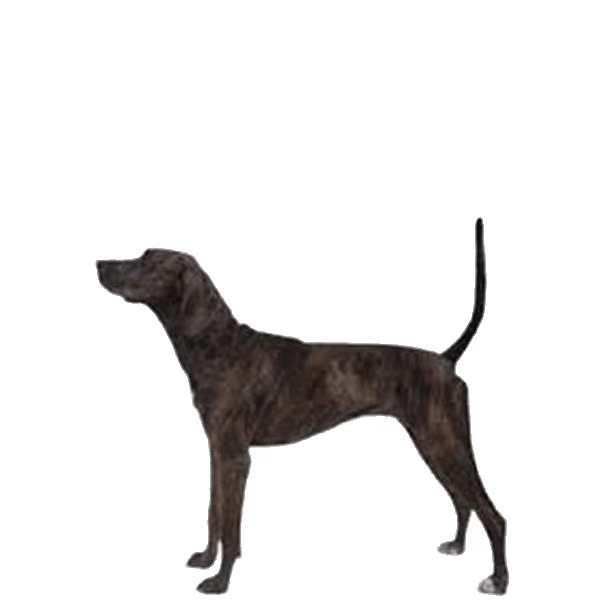
Xoloitzcuintli
The Xoloitzcuintli is an ancient, loyal Mexican hairless breed prized for its calm devotion and watchful, attentive nature.
- Size
- Medium
- Lifespan
- 13–18 years
- Origin
- Mexico
- Temperament
- Loyal
- Standard colors
- Black, White and Grey and 12 more
Characteristics
Coat and grooming
How the Xoloitzcuintli coat is built, and what that means when you groom it.
- Coat layers
- Hairless
- Coat length
- Short
- Shedding
- Low shedding
Grooming guidance
Caution: A Xoloitzcuintli needs protection from the sun.
Bare skin burns quickly and offers no insulation against cold either. Time outdoors needs shade, a coat in cool weather, or a sunscreen a vet has approved for animals.
Xoloitzcuintli colors and patterns
What each club's breed standard says about every Xoloitzcuintli color and pattern. Point at a ruling to see the club's own wording.
Breed standards describe the Xoloitzcuintli in Black, White, Grey, Blue, Lilac, Slate, Liver, Tan, Red, Copper, Yellow, Palomino, Cream, Fawn and Isabella. Standard patterns: Solid, Bicolour, Tricolour, Brindle, Merle, Sable, Spotted, Tan point and Reverse brindle.
| Color or pattern | FCI | AKC | UKC | KC | KUSA |
|---|---|---|---|---|---|
| Black | Standard (“black”) | Standard (“Black”) | Standard (“Any color combination is allowed”) | Standard (“black”) | Standard (“black”) |
| White | Standard (“spots of any colour, including white markings (white: disqualifying)”) | Standard (“white spots and markings are permitted”) | Standard (“Any color combination is allowed”) | Standard (“spots of any colour, including white markings”) | Standard (“spots of any colour, including white markings (white: disqualifying)”) |
| Grey | Standard (“blackish grey, slate grey, dark grey”) | Standard (“Gray”) | Standard (“Any color combination is allowed”) | Standard (“grey in any shade”) | Standard (“blackish grey, slate grey, dark grey”) |
| Blue | Disqualifying | No ruling | Standard (“Any color combination is allowed”) | Standard (“Blue”) | Disqualifying |
| Lilac | Disqualifying | No ruling | Standard (“Any color combination is allowed”) | Standard (“Lilac”) | Disqualifying |
| Slate | Standard (“slate grey”) | Standard (“Slate”) | Standard (“Any color combination is allowed”) | Standard (“grey in any shade”) | Standard (“slate grey”) |
| Liver | Standard (“liver”) | Standard (“Liver”) | Standard (“Any color combination is allowed”) | Standard (“liver”) | Standard (“liver”) |
| Tan | Disqualifying (“black and tan”) | Standard (“Tan Markings”) | Standard (“Any color combination is allowed”) | Standard (“Black & Tan”) | Disqualifying (“black and tan”) |
| Red | Standard (“reddish”) | Standard (“Red”) | Standard (“Any color combination is allowed”) | Standard (“red”) | Standard (“reddish”) |
| Copper | Disqualifying | No ruling | Standard (“Any color combination is allowed”) | Standard (“Copper”) | Disqualifying |
| Yellow | Disqualifying | No ruling | Standard (“Any color combination is allowed”) | Standard (“White & Yellow”) | Disqualifying |
| Palomino | Disqualifying | Standard (“Palomino”) | Standard (“Any color combination is allowed”) | No ruling | Disqualifying |
| Cream | Standard (“blond”) | No ruling | Standard (“Any color combination is allowed”) | Standard (“blonde”) | Standard (“blonde”) |
| Fawn | Disqualifying | Standard (“Fawn”) | Standard (“Any color combination is allowed”) | Standard (“Fawn”) | Disqualifying |
| Isabella | Disqualifying | No ruling | Standard (“Any color combination is allowed”) | Standard (“Isabella”) | Disqualifying |
| Albino | Disqualifying (“Albinism”) | No ruling | Disqualifying (“Albinism”) | No ruling | Disqualifying (“Albinism”) |
| Patterns | |||||
| Solid | Standard (“Solid, uniform, dark colours are preferred”) | Standard (“A dark, uniform color is preferred”) | Standard (“Any color combination is allowed”) | Standard (“Solid, uniform and dark colours are preferable”) | Standard (“Solid, uniform, dark-coloured skin is preferred”) |
| Bicolour | Standard (“spots of any colour, including white markings”) | Alternate (“Black & White”) | Standard (“Any color combination is allowed”) | Standard (“Black & White”) | Standard (“spots of any colour, including white markings”) |
| Tricolour | Disqualifying | Alternate (“Black White & Tan”) | Standard (“Any color combination is allowed”) | Standard (“Tricolour”) | Disqualifying |
| Brindle | Disqualifying (“brindle”) | Standard (“Brindle”) | Standard (“Any color combination is allowed”) | Standard (“Black Brindle”) | Disqualifying (“brindle”) |
| Merle | Disqualifying (“Merle colour”) | Alternate (“Merle”) | Standard (“Any color combination is allowed”) | Not recognised (“Merle unacceptable”) | Disqualifying (“Merle colour”) |
| Sable | Disqualifying (“sable”) | Standard (“Sable”) | Standard (“Any color combination is allowed”) | Standard (“Sable”) | Disqualifying (“sable”) |
| Spotted | Standard (“There may also be spots of any colour”) | Standard (“Spotted”) | Standard (“Any color combination is allowed”) | Standard (“There may also be spots of any colour”) | Standard (“There may also be spots of any colour”) |
| Tan point | Disqualifying (“black and tan”) | Standard (“Tan Markings”) | Standard (“Any color combination is allowed”) | Standard (“Black & Tan”) | Disqualifying (“black and tan”) |
| Reverse brindle | Disqualifying (“brindle”) | Standard (“Brindle”) | Standard (“Any color combination is allowed”) | Standard (“Black Brindle”) | Disqualifying (“brindle”) |
| Double merle | Disqualifying | No ruling | No ruling | No ruling | Disqualifying |


| Color or pattern | FCI | AKC | UKC | KC | KUSA |
|---|---|---|---|---|---|
| Black | Standard (“black”) | Standard (“Black”) | Standard (“Any color combination is allowed”) | Standard (“black”) | Standard (“black”) |
| Grey | Standard (“blackish grey, slate grey, dark grey”) | Standard (“Gray”) | Standard (“Any color combination is allowed”) | Standard (“grey in any shade”) | Standard (“blackish grey, slate grey, dark grey”) |
| Slate | Standard (“slate grey”) | Standard (“Slate”) | Standard (“Any color combination is allowed”) | Standard (“grey in any shade”) | Standard (“slate grey”) |
| Liver | Standard (“liver”) | Standard (“Liver”) | Standard (“Any color combination is allowed”) | Standard (“liver”) | Standard (“liver”) |
| Bronze | Standard (“bronze”) | Standard (“Bronze”) | Standard (“Any color combination is allowed”) | Standard (“bronze”) | Standard (“bronze”) |
| Red | Standard (“reddish”) | Standard (“Red”) | Standard (“Any color combination is allowed”) | Standard (“red”) | Standard (“reddish”) |
| Cream | Standard (“blond”) | No ruling | Standard (“Any color combination is allowed”) | Standard (“blonde”) | Standard (“blonde”) |
| Patterns | |||||
| Solid | Standard (“Solid, uniform, dark coloured skin is preferred”) | Standard (“A dark, uniform color is preferred”) | Standard (“Any color combination is allowed”) | Standard (“Solid, uniform and dark colours are preferable”) | Standard (“Solid, uniform, dark-coloured skin is preferred”) |
| Spotted | Standard (“There may also be spots of any colour, including white markings”) | Standard (“white spots and markings are permitted”) | Standard (“Any color combination is allowed”) | Standard (“There may also be spots of any colour, including white markings”) | Standard (“There may also be spots of any colour, including white markings”) |
| Color or pattern | FCI | AKC | UKC | KC | KUSA |
|---|---|---|---|---|---|
| Black | Standard (“black, brown, hazel, amber or yellow tones”) | Standard (“The color varies from yellow to black”) | No ruling | Standard (“black, brown, hazel, amber or yellow tones”) | Standard (“black, brown, hazel, amber, or yellow tones”) |
| Brown | Standard (“black, brown, hazel, amber or yellow tones”) | No ruling | No ruling | Standard (“black, brown, hazel, amber or yellow tones”) | Standard (“black, brown, hazel, amber, or yellow tones”) |
| Dark brown | No ruling | No ruling | Standard (“ranges from yellow to a very dark brown”) | No ruling | No ruling |
| Hazel | Standard (“black, brown, hazel, amber or yellow tones”) | No ruling | No ruling | Standard (“black, brown, hazel, amber or yellow tones”) | Standard (“black, brown, hazel, amber, or yellow tones”) |
| Amber | Standard (“black, brown, hazel, amber or yellow tones”) | No ruling | No ruling | Standard (“black, brown, hazel, amber or yellow tones”) | Standard (“black, brown, hazel, amber, or yellow tones”) |
| Yellow | Standard (“black, brown, hazel, amber or yellow tones”) | Standard (“The color varies from yellow to black”) | Standard (“ranges from yellow to a very dark brown”) | Standard (“black, brown, hazel, amber or yellow tones”) | Standard (“black, brown, hazel, amber, or yellow tones”) |
| Light brown | Fault (“Light coloured ... eyes”) | No ruling | No ruling | No ruling | Fault (“Light-coloured ... eyes”) |
| Blue | Disqualifying (“Blue eyes”) | No ruling | Disqualifying (“Blue eyes or flecks of blue in the eyes”) | Not recognised (“Blue or wall eyes unacceptable”) | Disqualifying (“Blue eyes”) |
| Patterns | |||||
| Odd-eyed | Disqualifying (“different coloured eyes (Heterocromia)”) | Not recognised (“Both eyes must be of the same color”) | Not recognised (“Both eyes are to be of the same color”) | No ruling | Disqualifying (“different-coloured eyes (Heterocromia)”) |
| Sectoral | No ruling | No ruling | Disqualifying (“flecks of blue in the eyes”) | No ruling | No ruling |


| Color or pattern | FCI | UKC | KUSA |
|---|---|---|---|
| Liver | Standard (“It can be brown or pinkish in bronze-coloured dogs”) | Standard (“brown or pink in bronze and blond dogs”) | Standard (“It can be brown or pinkish in bronze-coloured dogs”) |
| Pink | Standard (“It can be brown or pinkish in bronze-coloured dogs”) | Standard (“brown or pink in bronze and blond dogs”) | Standard (“It can be brown or pinkish in bronze-coloured dogs”) |
| Patterns | |||
| Butterfly nose | Standard (“spotted in spotted dogs”) | Standard (“spotted as the rest of the body only in spotted dogs”) | Standard (“spotted in spotted dogs”) |

| Color or pattern | FCI | UKC | KUSA |
|---|---|---|---|
| Pink | Standard (“The tongue is generally pink”) | No ruling | Standard (“The tongue is generally pink”) |
| Patterns | |||
| Spotted | Standard (“may have black markings, spots or marks”) | Standard (“The tongue may have black markings, spots or stripes”) | Standard (“may have black markings, spots, or marks”) |

Coated
| Color or pattern | FCI | AKC | UKC | KC | KUSA |
|---|---|---|---|---|---|
| Black | Standard (“black”) | Standard (“Black”) | Standard (“Any color combination is allowed”) | Standard (“black”) | Standard (“black”) |
| White | Standard (“spots of any colour, including white markings (white: disqualifying)”) | Standard (“white spots and markings are permitted”) | Standard (“Any color combination is allowed”) | Standard (“spots of any colour, including white markings”) | Standard (“spots of any colour, including white markings (white: disqualifying)”) |
| Grey | Standard (“blackish grey, slate grey, dark grey”) | Standard (“Gray”) | Standard (“Any color combination is allowed”) | Standard (“grey in any shade”) | Standard (“blackish grey, slate grey, dark grey”) |
| Blue | Disqualifying | No ruling | Standard (“Any color combination is allowed”) | Standard (“Blue”) | Disqualifying |
| Lilac | Disqualifying | No ruling | Standard (“Any color combination is allowed”) | Standard (“Lilac”) | Disqualifying |
| Slate | Standard (“slate grey”) | Standard (“Slate”) | Standard (“Any color combination is allowed”) | Standard (“grey in any shade”) | Standard (“slate grey”) |
| Liver | Standard (“liver”) | Standard (“Liver”) | Standard (“Any color combination is allowed”) | Standard (“liver”) | Standard (“liver”) |
| Tan | Disqualifying (“black and tan”) | Standard (“Tan Markings”) | Standard (“Any color combination is allowed”) | Standard (“Black & Tan”) | Disqualifying (“black and tan”) |
| Red | Standard (“reddish”) | Standard (“Red”) | Standard (“Any color combination is allowed”) | Standard (“red”) | Standard (“reddish”) |
| Copper | Disqualifying | No ruling | Standard (“Any color combination is allowed”) | Standard (“Copper”) | Disqualifying |
| Yellow | Disqualifying | No ruling | Standard (“Any color combination is allowed”) | Standard (“White & Yellow”) | Disqualifying |
| Palomino | Disqualifying | Standard (“Palomino”) | Standard (“Any color combination is allowed”) | No ruling | Disqualifying |
| Cream | Standard (“blond”) | No ruling | Standard (“Any color combination is allowed”) | Standard (“blonde”) | Standard (“blonde”) |
| Fawn | Disqualifying | Standard (“Fawn”) | Standard (“Any color combination is allowed”) | Standard (“Fawn”) | Disqualifying |
| Isabella | Disqualifying | No ruling | Standard (“Any color combination is allowed”) | Standard (“Isabella”) | Disqualifying |
| Albino | Disqualifying (“Albinism”) | No ruling | Disqualifying (“Albinism”) | No ruling | Disqualifying (“Albinism”) |
| Patterns | |||||
| Solid | Standard (“Solid, uniform, dark colours are preferred”) | Standard (“A dark, uniform color is preferred”) | Standard (“Any color combination is allowed”) | Standard (“Solid, uniform and dark colours are preferable”) | Standard (“Solid, uniform, dark-coloured skin is preferred”) |
| Bicolour | Standard (“spots of any colour, including white markings”) | Alternate (“Black & White”) | Standard (“Any color combination is allowed”) | Standard (“Black & White”) | Standard (“spots of any colour, including white markings”) |
| Tricolour | Disqualifying | Alternate (“Black White & Tan”) | Standard (“Any color combination is allowed”) | Standard (“Tricolour”) | Disqualifying |
| Brindle | Disqualifying (“brindle”) | Standard (“Brindle”) | Standard (“Any color combination is allowed”) | Standard (“Black Brindle”) | Disqualifying (“brindle”) |
| Merle | Disqualifying (“Merle colour”) | Alternate (“Merle”) | Standard (“Any color combination is allowed”) | Not recognised (“Merle unacceptable”) | Disqualifying (“Merle colour”) |
| Sable | Disqualifying (“sable”) | Standard (“Sable”) | Standard (“Any color combination is allowed”) | Standard (“Sable”) | Disqualifying (“sable”) |
| Spotted | Standard (“There may also be spots of any colour”) | Standard (“Spotted”) | Standard (“Any color combination is allowed”) | Standard (“There may also be spots of any colour”) | Standard (“There may also be spots of any colour”) |
| Tan point | Disqualifying (“black and tan”) | Standard (“Tan Markings”) | Standard (“Any color combination is allowed”) | Standard (“Black & Tan”) | Disqualifying (“black and tan”) |
| Reverse brindle | Disqualifying (“brindle”) | Standard (“Brindle”) | Standard (“Any color combination is allowed”) | Standard (“Black Brindle”) | Disqualifying (“brindle”) |
| Double merle | Disqualifying | No ruling | No ruling | No ruling | Disqualifying |
Hairless
| Color or pattern | FCI | AKC | UKC | KC | KUSA |
|---|---|---|---|---|---|
| Black | Standard (“black”) | Standard (“Black”) | Standard (“Any color combination is allowed”) | Standard (“black”) | Standard (“black”) |
| Grey | Standard (“blackish grey, slate grey, dark grey”) | Standard (“Gray”) | Standard (“Any color combination is allowed”) | Standard (“grey in any shade”) | Standard (“blackish grey, slate grey, dark grey”) |
| Slate | Standard (“slate grey”) | Standard (“Slate”) | Standard (“Any color combination is allowed”) | Standard (“grey in any shade”) | Standard (“slate grey”) |
| Liver | Standard (“liver”) | Standard (“Liver”) | Standard (“Any color combination is allowed”) | Standard (“liver”) | Standard (“liver”) |
| Bronze | Standard (“bronze”) | Standard (“Bronze”) | Standard (“Any color combination is allowed”) | Standard (“bronze”) | Standard (“bronze”) |
| Red | Standard (“reddish”) | Standard (“Red”) | Standard (“Any color combination is allowed”) | Standard (“red”) | Standard (“reddish”) |
| Cream | Standard (“blond”) | No ruling | Standard (“Any color combination is allowed”) | Standard (“blonde”) | Standard (“blonde”) |
| Patterns | |||||
| Solid | Standard (“Solid, uniform, dark coloured skin is preferred”) | Standard (“A dark, uniform color is preferred”) | Standard (“Any color combination is allowed”) | Standard (“Solid, uniform and dark colours are preferable”) | Standard (“Solid, uniform, dark-coloured skin is preferred”) |
| Spotted | Standard (“There may also be spots of any colour, including white markings”) | Standard (“white spots and markings are permitted”) | Standard (“Any color combination is allowed”) | Standard (“There may also be spots of any colour, including white markings”) | Standard (“There may also be spots of any colour, including white markings”) |
What the rulings mean
- Standard
- Described by the club's breed standard.
- Alternate
- Registrable with the club but not described by its breed standard, such as an AKC alternate colour.
- Fault
- Named by the club's breed standard as a fault: the animal can be shown but is penalised.
- Disqualifying
- The club's breed standard disqualifies an animal of this colour or pattern.
- Not recognised
- The club does not accept this colour or pattern for the breed.
Color changes
How a Xoloitzcuintli's colors can change over its life.
Blackchanges toRust
Coat · With body condition · can change back
Blackchanges toGrey
Coat · Progressive
Blackchanges toBrown
Coat · In the sun · can change back
Whitechanges toRoan
Coat · With age · from 2 weeks
Tan pointchanges toSaddle
Coat · With age · from 6 to 156 weeks


Sources
Each ruling comes from the club's published breed standard or color list.
About the Xoloitzcuintli
The Xoloitzcuintli is an ancient hairless dog from Mexico, a medium-sized companion known for calm devotion and a watchful, alert nature.
The Xoloitzcuintli (pronounced show-low-eats-QUEENT-lee, often shortened to Xolo) is one of the oldest dog breeds in the Americas. It comes from Mexico, where it has lived alongside people for thousands of years. The breed exists in two coat types: a hairless variety with smooth, tough skin, and a coated variety covered in a short, flat coat.
This is a medium-sized dog with a calm, even temperament. Xolos are devoted to their families and form close bonds with the people they live with. They are alert and watchful, attentive to changes around the home, but they are not constant barkers. Around strangers they tend to be reserved rather than aggressive.
The breed also appears in standard sizes ranging from toy to standard, though the medium build is common. Owners value the Xolo for its loyalty, its quiet nature indoors, and its long lifespan.
| Attribute | Detail |
|---|---|
| Origin | Mexico |
| Size | Medium |
| Lifespan | 13 to 18 years |
| Group / role | Companion and watchdog |
| Good with | Family members, with early socialisation for children and other pets |
Who it suits
The Xolo suits owners who want a calm, loyal companion and can provide consistent socialisation and daily exercise. The hairless variety needs skin care and protection from sun and cold, so it fits households willing to manage those needs. Its watchful nature makes it a good fit for people who want an alert dog without heavy barking.
History and origin
The Xoloitzcuintli is a native Mexican breed with roots going back thousands of years, tied to the Aztec and earlier Mesoamerican cultures.
The Xoloitzcuintli is among the oldest breeds of the Americas. Archaeological remains and pottery from ancient Mexico depict hairless dogs that match the type, and the breed is generally held to date back several thousand years.
The name comes from the Aztec language Nahuatl. It joins Xolotl, the name of an Aztec deity associated with the underworld, with itzcuintli, the word for dog. In Aztec belief the dog was linked to guiding souls, and the Xolo held a place in religious and daily life.
For centuries the breed lived across central and southern Mexico. It nearly disappeared during the twentieth century as its numbers fell. A recovery effort in Mexico in the mid-twentieth century located surviving dogs and rebuilt the population, which helped secure the breed's future.
The Xolo was later recognised as a national dog of Mexico and gained formal recognition with major kennel registries. Today it remains closely associated with Mexican heritage and is kept both in its homeland and abroad.
Appearance and breed standard
The Xoloitzcuintli is a lean, well-proportioned dog that comes in hairless and coated varieties, with dark skin or coat and an alert expression.
The Xoloitzcuintli has a lean, athletic build that is slightly longer than it is tall. The body is well-muscled without being bulky, and the overall look is one of quiet strength and balance. The head is wedge-shaped, the ears are large and erect, and the expression is thoughtful and alert.
The most recognised form is the hairless variety, which has smooth, tough skin and may carry a few coarse hairs on the top of the head, the feet, and the tip of the tail. The coated variety has a short, flat coat over the whole body. Both types occur within the same litters.
| Trait | Standard |
|---|---|
| Height | Roughly 36 to 45 cm at the shoulder (medium) |
| Weight | Roughly 7 to 14 kg (medium) |
| Coat | Hairless with smooth skin, or short flat coat |
| Colours | Dark slate, black, grey, bronze, liver, and red tones |
| Eyes | Almond-shaped, ranging from amber to dark brown |
Coat and colours
Hairless Xolos have skin that is usually a dark, solid tone, though lighter shades and spotting occur. The skin is firm and warm to the touch. Coated Xolos show the same range of colours in a short, close-lying coat. Both varieties most often appear in dark, uniform colours, with bronze and red among the lighter options.
Temperament and personality
The Xoloitzcuintli is calm, loyal, and watchful, devoted to its family while staying reserved with strangers.
The Xoloitzcuintli is a calm and devoted dog. It bonds closely with its family and often chooses one or two people to stay near. Indoors it is generally quiet and settled, content to rest close to the people it trusts.
With strangers the Xolo is reserved and watchful rather than outgoing. This makes it an effective alert dog, since it notices new arrivals and changes in its surroundings. Early and ongoing socialisation helps it stay confident and prevents the reserve from turning into shyness.
With children the breed can do well when raised together and when interactions are supervised, especially with young children. With other pets it usually adjusts when introduced early, though its alert nature means introductions should be managed. The Xolo is sensitive to its household and responds best to a steady, consistent home.
| Trait | Rating |
|---|---|
| Affection | 5 |
| Energy | 3 |
| Trainability | 4 |
| Vocalness | 2 |
| Shedding | 1 |
Care and grooming
The Xoloitzcuintli needs skin or coat care, daily exercise, and protection from sun and cold, particularly the hairless variety.
Grooming
- Hairless variety: wipe the skin clean regularly and bathe as needed to keep pores clear, then keep the skin moisturised as advised by a veterinarian
- Apply pet-safe sunscreen before time outdoors to protect exposed skin
- Coated variety: brush the short coat occasionally to remove loose hair
- Trim nails regularly and check ears for buildup
- Brush teeth several times a week to support dental health
Exercise
- Provide one or two walks each day plus some active play
- Allow time in a secure yard or open space to move and explore
- Include light training or scent games for mental stimulation
- Avoid heavy exercise during the hottest or coldest parts of the day for hairless dogs
Environment
The Xolo adapts well to home living, including apartments, as long as it gets daily exercise. The hairless variety is sensitive to temperature. It needs shade and sun protection in hot weather and a sweater or coat in cold weather. Indoors it prefers warm, comfortable resting spots.
Nutrition and feeding
The Xoloitzcuintli does well on a complete, balanced diet portioned to its size and activity, fed in measured daily meals.
The Xoloitzcuintli thrives on a complete and balanced diet formulated for its life stage and size. A quality food with adequate protein supports its lean, muscular build. Because the breed can be prone to gaining weight if overfed, portion control matters, and treats should be counted as part of the daily total.
Fresh water should always be available. Feeding amounts vary with the individual dog's weight, age, and activity, so use the figures below as a starting point and adjust to keep the dog at a healthy weight.
| Life stage | Amount per day | Meals |
|---|---|---|
| Puppy (2 to 6 months) | Per food label, divided | 3 to 4 |
| Junior (6 to 12 months) | Per food label, divided | 2 to 3 |
| Adult | Roughly 1 to 1.5 cups of quality dry food | 2 |
| Senior | Adjusted lower for activity | 2 |
Treats and supplements
Use treats in moderation and keep them under about ten percent of daily calories. Most Xolos on a complete commercial diet do not need supplements. Discuss any additions, such as joint or skin support, with a veterinarian, since hairless dogs sometimes have specific skin needs.
Health and lifespan
The Xoloitzcuintli is generally a hardy, long-lived breed with a lifespan of 13 to 18 years, with skin and dental care being key concerns.
The Xoloitzcuintli is regarded as a hardy and healthy breed. Many dogs live long lives, with a typical lifespan of 13 to 18 years. The hairless variety has particular skin needs, and the breed is also commonly associated with incomplete dentition, meaning some teeth may be missing, especially in hairless dogs.
Responsible breeding and routine veterinary care help keep the breed sound. As with any dog, regular checkups support early detection of problems.
| Condition | Signs | Note |
|---|---|---|
| Skin irritation (hairless) | Redness, dryness, acne-like bumps | Linked to exposed skin; managed with care routine and sun protection |
| Dental issues | Missing teeth, tartar buildup | Hairless dogs often have fewer teeth; brush regularly |
| Sunburn | Reddened or sore skin after sun | Use pet-safe sunscreen and shade |
| Joint problems | Stiffness, reluctance to move | Keep a healthy weight to reduce strain |
Preventive care
- Keep vaccinations and parasite prevention up to date
- Schedule annual veterinary exams, more often for seniors
- Maintain skin and dental routines suited to the variety
- Manage weight with measured feeding and daily exercise
- Protect the dog from extreme heat and cold
Training
The Xoloitzcuintli is intelligent and trainable, responding best to calm, consistent, reward-based methods and early socialisation.
The Xoloitzcuintli is intelligent and capable of learning quickly. It is sensitive to its handler's tone and responds best to patient, consistent training. Harsh methods can make a Xolo withdraw, so a calm and steady approach works better.
Early socialisation is important. Exposing the dog to a range of people, places, and other animals while young helps it grow into a confident adult and tempers its natural reserve with strangers. Consistency across the household keeps expectations clear.
Basics
- Start socialisation early with gentle, varied experiences
- Teach name recognition and basic recall first
- Build core commands such as sit, stay, and come
- Keep sessions short and positive to hold attention
- Practise calm greetings to manage reserve around strangers
- Reinforce house manners and crate or settle routines
Breeding
Xoloitzcuintli breeding requires care with the genetics of the hairless trait, since pairing two hairless dogs affects litter outcomes.
Breeding the Xoloitzcuintli calls for knowledge of the breed's genetics. The hairless trait is dominant, and the gene involved means that puppies inheriting two copies do not survive. For this reason, hairless dogs are usually paired in a way that produces both hairless and coated puppies in the same litter. Coated dogs are an important part of the breed and are used in responsible breeding programmes.
Dogs should reach full maturity before breeding, and both parents should be health-screened and of sound temperament. Females are typically bred after they are physically mature. Gestation in dogs lasts about 63 days. Newborn puppies depend fully on the mother for warmth and feeding in the early weeks, and the hairless variety is especially sensitive to cold, so the whelping area must be kept warm. Puppies are weaned gradually and benefit from early handling and socialisation.
| Metric | Value |
|---|---|
| Sexual maturity | Around 1 to 2 years |
| Gestation | About 63 days |
| Average litter size | Roughly 3 to 7 puppies |
| Weaning age | About 6 to 8 weeks |
| Hairless genetics | Two-copy hairless gene is not viable; coated dogs occur in litters |
Registering a Xoloitzcuintli in Canada: profile and microchip
A free lifetime United Pet Club record for your Xoloitzcuintli, with the microchip registered at no cost and kept current through every move.
Xoloitzcuintli registration and microchip registration in Canada
Canadian shelters and vet clinics scan strays at intake as a matter of routine, and the scan helps only when a registry ties your Xoloitzcuintli to a phone that still rings. Registering your dog with United Pet Club takes a few minutes, never costs anything, and works whether or not a chip is in place yet. Add the breed, a photo, and your postal code, and the record is live.
Sixty seconds with a scanner reads the chip; whether your Xoloitzcuintli gets home depends on the record behind the number. Microchip registration with United Pet Club is free for life, takes every brand sold in Canada, and keeps the record searchable on both sides of the border. Sign up free and give the number somewhere to point.
How do I register my Xoloitzcuintli in Canada?
Open a free United Pet Club account, fill in your Xoloitzcuintli's name, breed details, and a photo, and save. The lifetime plan is free, no chip required, and the chip number can be attached after your vet appointment.
How do I register my Xoloitzcuintli's microchip?
Add the 15-digit number to your account along with your address, postal code, and phone number. Registration and unlimited updates are free for life, and chips from any manufacturer a Canadian vet uses are accepted.
Is a microchip required for a Xoloitzcuintli in Canada?
There is no federal requirement, but several cities fold chips into their licensing bylaws, and travel with the dog goes smoother when the chip is registered. The record, not the implant, is what identifies your Xoloitzcuintli.
What does Xoloitzcuintli registration cost in Canada?
Nothing, ever. United Pet Club's lifetime plan covers the profile, the chip record, and every update without fees or renewals.
Frequently asked questions
Common questions about the Xoloitzcuintli, covering size, temperament, care needs, lifespan, suitability, and availability.
How big does a Xoloitzcuintli get?
The breed comes in toy, miniature, and standard sizes. The common medium build stands roughly 36 to 45 cm at the shoulder and weighs about 7 to 14 kg.
What is the Xolo's temperament like?
Xolos are calm, devoted, and loyal. They bond closely with their families, stay quiet indoors, and are watchful and reserved around strangers.
Is the Xoloitzcuintli hard to care for?
Care is moderate. The main needs are skin protection and routine care for hairless dogs, daily exercise, and basic socialisation. Coated dogs need only occasional grooming.
How long do Xoloitzcuintlis live?
They are a long-lived breed, generally living 13 to 18 years with good care.
Is the Xolo a good family dog?
Yes, when socialised early. It is loyal and gentle with its household and can do well with children and other pets when introductions are managed and interactions supervised.
Does the Xoloitzcuintli need a lot of grooming?
The hairless variety needs skin cleaning, moisturising as advised, and sun protection rather than brushing. The coated variety needs only occasional brushing, and both shed very little.
Are Xoloitzcuintlis easy to find?
They are less common than many breeds. Finding one usually means contacting responsible breeders or breed-specific rescues, and waiting lists are possible.
From the community
Ask about the XoloitzcuintliNo questions about the Xoloitzcuintli yet. Be the first to ask.
Browse Dog breeds