
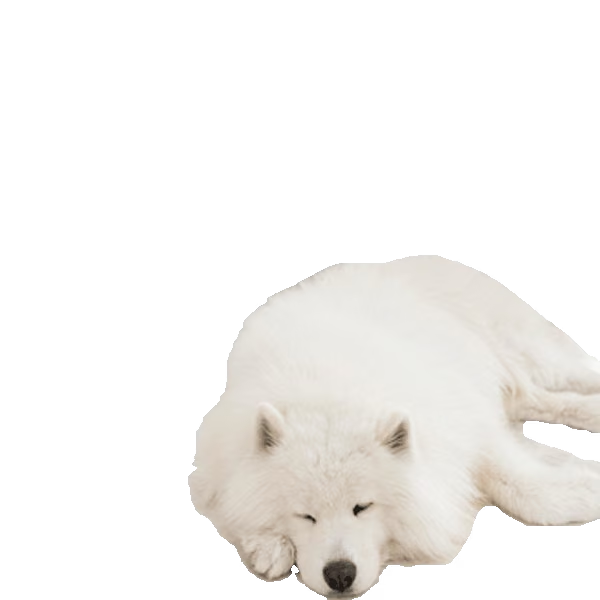
Samoyed
The Samoyed is a friendly, smiling Siberian breed known for its gentle nature, playful spirit, and sociable love of people.
- Size
- Medium
- Lifespan
- 12–14 years
- Origin
- Russia
- Temperament
- Friendly
- Standard colors
- White and Cream
Characteristics
Coat and grooming
How the Samoyed coat is built, and what that means when you groom it.
- Coat layers
- Double coat
- Coat texture
- Plush
- Coat length
- Medium
- Shedding
- Seasonal shedding
Grooming guidance
Critical: A Samoyed should not be shaved.
The undercoat keeps heat out as well as in, and the outer coat shields the skin from sun and insect bites. Clipping the whole coat off removes both. It often grows back patchy, soft or a different colour, and in some animals the guard hairs never return properly. Brush the undercoat out instead of cutting it off.
Information: A Samoyed drops its undercoat in heavy bursts.
The undercoat comes out in heavy bursts over a few weeks. An undercoat rake, or a bath followed by a proper blow-dry, clears it far faster than daily brushing. Clipping the coat down is not a shortcut for this.
Samoyed colors and patterns
What each club's breed standard says about every Samoyed color and pattern. Point at a ruling to see the club's own wording.
Breed standards describe the Samoyed in White and Cream. Standard patterns: Solid and Bicolour.
| Color or pattern | FCI | AKC | UKC | KC | KUSA |
|---|---|---|---|---|---|
| White | Standard (“pure white”) | Standard (“White”) | Standard (“pure white”) | Standard (“pure white”) | Standard (“pure white”) |
| Cream | Standard (“cream”) | Standard (“Cream”) | Standard (“cream, or all biscuit”) | Standard (“cream”) | Standard (“cream”) |
| Albino | Disqualifying | Disqualifying | Disqualifying (“albinism”) | Not recognised | Disqualifying |
| Brown | Disqualifying (“should never give the impression of being pale brown”) | Disqualifying | Disqualifying | Not recognised | Disqualifying (“should never give the impression of being pale brown”) |
| Patterns | |||||
| Solid | Standard (“pure white”) | Standard (“White”) | Standard (“pure white”) | Standard (“pure white”) | Standard (“pure white”) |
| Bicolour | Standard (“white with biscuit”) | Standard (“White & Biscuit”) | Standard (“white and biscuit”) | Standard (“white and biscuit”) | Standard (“white with biscuit”) |

%22%3E%3Cpath%20d%3D%22M0%2023L9.5%2020.4L14%2025.4L19%2029.6Q21%2035%2023.5%2035.5Q36%2033%2050%2036L56%2040V64H0Z%22%20fill%3D%22%23F5F5F0%22%2F%3E%3C%2Fg%3E%3Cuse%20href%3D%22%23s%22%20fill%3D%22none%22%20stroke%3D%22%233B2A20%22%20stroke-opacity%3D%220.6%22%20stroke-width%3D%221%22%20stroke-linejoin%3D%22round%22%2F%3E%3Cellipse%20cx%3D%223.2%22%20cy%3D%2221.7%22%20rx%3D%221.3%22%20ry%3D%221.2%22%20fill%3D%22%231C1C1C%22%2F%3E%3Ccircle%20cx%3D%2210.8%22%20cy%3D%2219.3%22%20r%3D%221.1%22%20fill%3D%22%231C1C1C%22%2F%3E%3C%2Fsvg%3E)
| Color or pattern | FCI | AKC | UKC | KC | KUSA |
|---|---|---|---|---|---|
| Brown | No ruling | No ruling | No ruling | Standard (“medium to dark brown”) | No ruling |
| Dark brown | Standard (“dark brown”) | Standard (“dark for preference”) | Standard (“dark brown”) | Standard (“medium to dark brown”) | Standard (“dark brown”) |
| Black | No ruling | No ruling | No ruling | Fault (“light or black eyes undesirable”) | No ruling |
| Light brown | No ruling | No ruling | No ruling | Fault (“light or black eyes undesirable”) | No ruling |
| Yellow | Fault (“yellow eyes”) | No ruling | No ruling | No ruling | Fault (“yellow eyes”) |
| Blue | Disqualifying (“eyes blue”) | Disqualifying (“blue eyes”) | Disqualifying (“blue eyes”) | No ruling | Disqualifying (“eyes blue”) |
| Patterns | |||||
| Odd-eyed | Disqualifying (“eyes ... of different colours”) | No ruling | No ruling | No ruling | Disqualifying (“eyes ... of different colours”) |
%22%3E%3Ccircle%20cx%3D%2216%22%20cy%3D%2232%22%20r%3D%228%22%20fill%3D%22%23D9C3A0%22%2F%3E%3Ccircle%20cx%3D%2216%22%20cy%3D%2232%22%20r%3D%223.4%22%20fill%3D%22%231C1C1C%22%2F%3E%3Ccircle%20cx%3D%2213.6%22%20cy%3D%2229.6%22%20r%3D%221.3%22%20fill%3D%22%23F5F5F0%22%2F%3E%3C%2Fg%3E%3Cpath%20d%3D%22M3%2032Q16%2017%2029%2032Q16%2047%203%2032Z%22%20fill%3D%22none%22%20stroke%3D%22%233B2A20%22%20stroke-opacity%3D%220.75%22%20stroke-width%3D%221.4%22%20stroke-linejoin%3D%22round%22%2F%3E%3Cpath%20d%3D%22M35%2032Q48%2017%2061%2032Q48%2047%2035%2032Z%22%20fill%3D%22%23F5F5F0%22%2F%3E%3Cg%20clip-path%3D%22url(%23e1)%22%3E%3Ccircle%20cx%3D%2248%22%20cy%3D%2232%22%20r%3D%228%22%20fill%3D%22%23847865%22%2F%3E%3Ccircle%20cx%3D%2248%22%20cy%3D%2232%22%20r%3D%223.4%22%20fill%3D%22%231C1C1C%22%2F%3E%3Ccircle%20cx%3D%2245.6%22%20cy%3D%2229.6%22%20r%3D%221.3%22%20fill%3D%22%23F5F5F0%22%2F%3E%3C%2Fg%3E%3Cpath%20d%3D%22M35%2032Q48%2017%2061%2032Q48%2047%2035%2032Z%22%20fill%3D%22none%22%20stroke%3D%22%233B2A20%22%20stroke-opacity%3D%220.75%22%20stroke-width%3D%221.4%22%20stroke-linejoin%3D%22round%22%2F%3E%3C%2Fsvg%3E)
| Color or pattern | FCI | AKC | UKC | KC | KUSA |
|---|---|---|---|---|---|
| Black | Standard (“preferably black”) | Standard (“black for preference”) | Standard (“black is preferred”) | Standard (“black for preference”) | Standard (“preferably black”) |
| Liver | No ruling | Standard (“brown, liver ... nose not penalized”) | Standard (“a brown, liver, or Dudley nose is acceptable”) | Standard (“may be brown”) | No ruling |
| Pink | No ruling | No ruling | No ruling | Standard (“flesh-coloured”) | No ruling |
| Dudley | No ruling | Standard (“Dudley nose not penalized”) | Standard (“a brown, liver, or Dudley nose is acceptable”) | No ruling | No ruling |
| Patterns | |||||
| Snow nose | Standard (“the pigment of the nose can fade to a so called « winter nose »”) | Standard (“color of nose sometimes changes with age and weather”) | Standard (“changes in nose color due to age or weather are not penalized”) | No ruling | Standard (“the pigment of the nose can fade to a so called "winter nose"”) |
%22%3E%3Crect%20x%3D%2217%22%20y%3D%2210%22%20width%3D%2230%22%20height%3D%2242%22%20fill%3D%22url(%23g)%22%2F%3E%3C%2Fg%3E%3Cuse%20href%3D%22%23s%22%20fill%3D%22none%22%20stroke%3D%22%233B2A20%22%20stroke-opacity%3D%220.6%22%20stroke-width%3D%221%22%20stroke-linejoin%3D%22round%22%2F%3E%3Cpath%20d%3D%22M12.5%2037Q13%2032%2018.5%2032Q23.5%2032.5%2023.5%2036.5Q20.5%2035.5%2018.8%2037Q17.4%2038.6%2018%2041.5Q13.6%2040.4%2012.5%2037Z%22%20fill%3D%22%231C1C1C%22%20fill-opacity%3D%220.8%22%20stroke%3D%22%23F5F5F0%22%20stroke-opacity%3D%220.4%22%20stroke-width%3D%220.9%22%2F%3E%3Cpath%20d%3D%22M51.5%2037Q51%2032%2045.5%2032Q40.5%2032.5%2040.5%2036.5Q43.5%2035.5%2045.2%2037Q46.6%2038.6%2046%2041.5Q50.4%2040.4%2051.5%2037Z%22%20fill%3D%22%231C1C1C%22%20fill-opacity%3D%220.8%22%20stroke%3D%22%23F5F5F0%22%20stroke-opacity%3D%220.4%22%20stroke-width%3D%220.9%22%2F%3E%3Cpath%20d%3D%22M32%2040V50%22%20fill%3D%22none%22%20stroke%3D%22%231C1C1C%22%20stroke-width%3D%221.3%22%20stroke-opacity%3D%220.5%22%20stroke-linecap%3D%22round%22%20stroke-linejoin%3D%22round%22%2F%3E%3Cellipse%20cx%3D%2232%22%20cy%3D%2221%22%20rx%3D%2212%22%20ry%3D%223.5%22%20fill%3D%22%23F5F5F0%22%20fill-opacity%3D%220.18%22%2F%3E%3C%2Fsvg%3E)
What the rulings mean
- Standard
- Described by the club's breed standard.
- Fault
- Named by the club's breed standard as a fault: the animal can be shown but is penalised.
- Disqualifying
- The club's breed standard disqualifies an animal of this colour or pattern.
- Not recognised
- The club does not accept this colour or pattern for the breed.
Color changes
How a Samoyed's colors can change over its life.
Whitechanges toRoan
Coat · With age · from 2 weeks
Blackchanges toSnow nose
Nose · With the season · can change back
Blackchanges toPink
Nose · With the season · can change back
Blackchanges toSnow nose
Nose · With the season · can change back
%22%3E%3Cg%20fill%3D%22none%22%20stroke%3D%22%23F5F5F0%22%20stroke-width%3D%221.15%22%20stroke-linecap%3D%22round%22%20stroke-linejoin%3D%22round%22%3E%3Cpath%20d%3D%22M28.6%2025h.1M51.3%2028.8h.1M34.7%2024.3h.1M34.2%2041.6h.1M51%2044.2h.1M55.9%2024.7h.1M27.5%2026.3h.1M18.5%2028.6h.1M25.2%2028.9h.1M24.2%2019.3h.1M20.6%2017.6h.1M34.1%2030.6h.1M57.3%2023.3h.1M23.5%2030.7h.1M26.5%2023.1h.1M40%2031.5h.1M51.7%2038.6h.1M20.2%2022.1h.1M40.4%2037.8h.1M35%2043.1h.1M20.6%2031.7h.1M27.8%2031.9h.1M17.2%2021.1h.1M38.1%2037.7h.1M25.3%2040.5h.1M32%2029.3h.1M41.6%2039.5h.1M23.6%2024h.1M26.4%2018.6h.1M30.3%2031.9h.1M31.2%2035.2h.1M36.5%2043.7h.1M35.2%2026.3h.1M55.6%2019.1h.1M22.4%2036.8h.1M39.2%2020h.1M49.5%2039.1h.1M33.6%2033.5h.1M36.4%2032.4h.1M56.3%2042.4h.1M54.8%2031.2h.1M36.9%2023.2h.1M52.7%2019.1h.1M21.5%2033.8h.1M48.6%2028h.1M36.6%2017.5h.1M45.6%2031.3h.1M37.9%2030.5h.1M17%2031.8h.1M21.1%2043.1h.1M55.7%2021.1h.1M30.8%2041.9h.1M57.4%2038.4h.1M54.8%2026.9h.1M29.1%2017.5h.1M24.3%2037.7h.1M26%2032h.1M39.3%2022.8h.1M53.5%2029h.1M53.3%2023.3h.1M20%2038.4h.1M28.3%2044.7h.1M28.6%2039.8h.1M51.9%2041.1h.1M52.3%2033.7h.1M19.6%2042.2h.1M19%2033h.1M47.8%2021.7h.1M45.7%2024.8h.1M24.6%2035.5h.1M29.8%2036.8h.1M50.7%2032h.1M29.5%2043.5h.1M28.2%2041.5h.1M47.4%2034.8h.1M25.4%2033.7h.1M50.2%2041.2h.1M27.7%2029.5h.1M21.5%2024.8h.1M55.5%2017.5h.1M41.2%2044.3h.1M39.2%2018.4h.1M41.1%2042.5h.1M54.7%2035.3h.1M42.8%2034.5h.1M30.1%2023h.1M42.6%2025.1h.1M32.9%2024.4h.1M42.4%2032.4h.1M49.7%2022.2h.1M49.1%2043.1h.1M38%2035.2h.1M47.7%2043.8h.1M43.1%2022.4h.1M22.4%2040.4h.1M44.4%2019.8h.1M53.3%2040.1h.1M20.7%2029.3h.1M55.6%2043.9h.1M17.6%2039.2h.1M41.7%2028.9h.1M44.1%2036.3h.1M24.3%2043.6h.1M26.4%2038.1h.1M30.3%2029.2h.1M31.5%2030.8h.1M32.1%2023h.1M18.3%2040.9h.1M48%2033.4h.1M36.4%2038.7h.1M31.9%2020.8h.1M32.6%2026.2h.1M22%2031.2h.1M53.4%2021.7h.1M41.9%2017.7h.1M53.3%2037.3h.1M47.7%2040.3h.1M54.4%2033.7h.1M33.6%2037.5h.1M25.3%2017.2h.1M37.6%2019.7h.1M31.6%2019h.1M29.2%2019.6h.1M50.7%2027.3h.1M22%2022.1h.1M31%2037.8h.1M56.5%2026.6h.1M34.7%2039.5h.1M56.5%2040.8h.1M47.6%2038h.1M48.6%2026.1h.1M49.7%2034.2h.1M45.4%2027.4h.1M22.6%2038.9h.1M56.5%2035.3h.1M35.1%2021h.1M41.9%2020.1h.1M37.6%2040h.1M32.6%2044.4h.1M37.9%2025.2h.1M26.6%2043h.1M18.9%2036.7h.1M47.2%2028.9h.1M30.5%2026.2h.1M17.4%2027.3h.1M47.1%2017.2h.1M22.3%2044.3h.1M32.5%2042.4h.1M23.6%2025.7h.1M31.4%2024.9h.1%22%2F%3E%3Cpath%20d%3D%22M26%2020.9h.1M41.2%2023.8h.1M39.9%2026.4h.1M28.5%2033.4h.1M42.8%2043.8h.1M17.6%2034.3h.1M34%2017.1h.1M31.2%2017.2h.1M46.5%2036.1h.1M25.1%2022.1h.1M50.3%2023.7h.1M20.2%2026.6h.1M20.8%2020.4h.1M50.9%2017.3h.1M49.5%2020.2h.1M52.9%2044.1h.1M23.9%2017.8h.1M43.2%2028.1h.1M57.6%2030h.1M52%2025.6h.1M19.2%2019.1h.1M19.5%2024.4h.1M32.8%2040.1h.1M36.1%2027.7h.1M39.6%2029.5h.1M38.4%2041.5h.1M47.9%2019.4h.1M49.1%2031.7h.1M55.9%2036.9h.1M29.2%2027.2h.1M46%2043.5h.1M44.6%2028.8h.1M47.5%2031.5h.1M22.8%2020h.1M27.6%2017.1h.1M43.1%2018.6h.1M54.3%2020h.1M57.2%2033.8h.1M44.5%2043.8h.1M27.1%2035.5h.1M45.3%2041.8h.1M56.7%2028.8h.1M36.7%2021.4h.1M43.3%2042.3h.1M17.3%2022.9h.1M32.7%2035.5h.1M30.5%2039.8h.1M29.1%2021.2h.1M34.5%2018.8h.1M25.8%2027h.1%22%2F%3E%3C%2Fg%3E%3Cpath%20d%3D%22M56.3%2038.4l0%201.2M40%2027.2l-0.3%201.3M32.6%2043.6l-0.4%201.5M29%2023.3l0.8%201.5M55.1%2044l0.4%201.1M47.5%2022.5l-0.2%201.6M42.9%2038.6l0.7%201.2M35.2%2041.8l-0.5%201.7M26.9%2040l-0.1%201.2M41%2042.8l-0.1%201.6M18.4%2021.2l0.7%201.3M49.4%2019.3l-0.5%201.4M50.1%2041.7l0%201.8M28.2%2041.8l-0.6%201.2M55.5%2027.1l0.2%201.2M44.7%2019.3l0.5%201.7M48.6%2020.5l-0.8%201.4M43.7%2039.6l0.3%201.1M22.1%2033.8l-0.6%201.6M50.1%2038.1l-0.5%201.3M51.8%2044.1l-0.1%201.8M39%2017.5l0%201.4M30.2%2026.7l0.2%201.4M25.8%2031.2l0.2%201.6M29.6%2043.5l0.1%201M43.7%2018.3l0.1%201.5M29.6%2018.2l0.3%201.6M24.4%2017.6l0.3%201.1M22%2028.2l-0.6%201.6M25.9%2043.3l-0.3%201.4M22.2%2024.3l0.3%201.3M47.3%2029.2l-0.2%201.4M21.8%2033.2l0.5%200.9M32.9%2037l0.4%201M40%2029.9l0.8%201.4M17.4%2038.3l0.2%201.3M31%2039.2l0%201.2M37.3%2033.7l0.3%201.5M48.1%2040.5l0%201.6M33.9%2031.2l0.1%201.2M29.8%2035.2l-0.4%201M25.1%2037.3l-0.2%201.5M30.2%2039.8l0.5%201M44.6%2034.8l0.4%200.9M55.3%2034.2l0%201.7M50.6%2017.9l0.4%201M30.2%2034.9l-0.4%201.4M19.5%2035.7l-0.5%201.7M40.7%2028.7l0.8%201.4M23.3%2029l-0.4%201.4M17%2040.5l-0.2%201M48.4%2023.2l-0.3%201M37.3%2025.1l-0.4%201.3M23%2021.4l-0.4%201.3M20.4%2017.2l-0.1%201.3M42.3%2020.4l0.6%201.4M41%2031.8l0.6%201.2M45.4%2034.3l-0.1%201.2M32.5%2018l0%201.3M46.2%2021.6l0.1%201.4M30.5%2022.3l0.5%201.1M58%2044.6l0.3%201.5M57.1%2033.9l0.8%201.4M18.3%2042.6l0.3%201M40.5%2035.1l-0.6%201.4M38.8%2044.3l-0.3%201.1%22%20fill%3D%22none%22%20stroke%3D%22%23F5F5F0%22%20stroke-width%3D%220.8%22%20stroke-linecap%3D%22round%22%20stroke-linejoin%3D%22round%22%2F%3E%3C%2Fg%3E%3Cuse%20href%3D%22%23s%22%20fill%3D%22none%22%20stroke%3D%22%233B2A20%22%20stroke-opacity%3D%220.6%22%20stroke-width%3D%221%22%20stroke-linejoin%3D%22round%22%2F%3E%3Crect%20x%3D%2220%22%20y%3D%2258%22%20width%3D%223.6%22%20height%3D%222%22%20fill%3D%22%234A4038%22%2F%3E%3Crect%20x%3D%2226%22%20y%3D%2258%22%20width%3D%223.6%22%20height%3D%222%22%20fill%3D%22%234A4038%22%2F%3E%3Crect%20x%3D%2244%22%20y%3D%2258%22%20width%3D%223.6%22%20height%3D%222%22%20fill%3D%22%234A4038%22%2F%3E%3Crect%20x%3D%2250%22%20y%3D%2258%22%20width%3D%223.6%22%20height%3D%222%22%20fill%3D%22%234A4038%22%2F%3E%3Ccircle%20cx%3D%229.5%22%20cy%3D%2211.5%22%20r%3D%221.1%22%20fill%3D%22%231C1C1C%22%2F%3E%3C%2Fsvg%3E)
Sources
Each ruling comes from the club's published breed standard or color list.
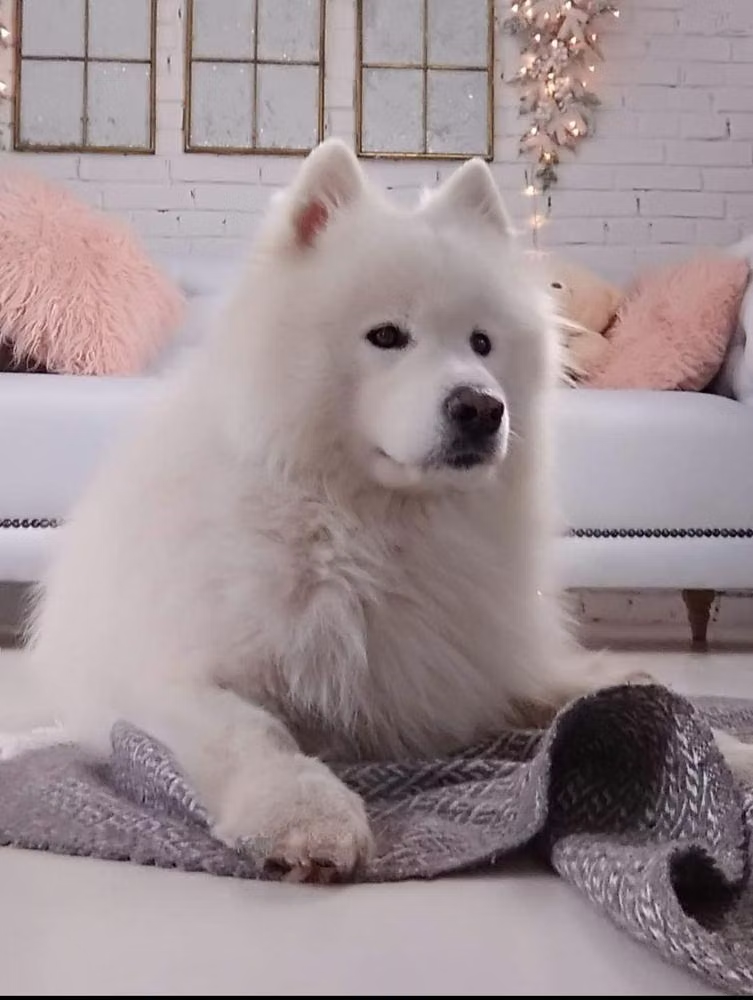
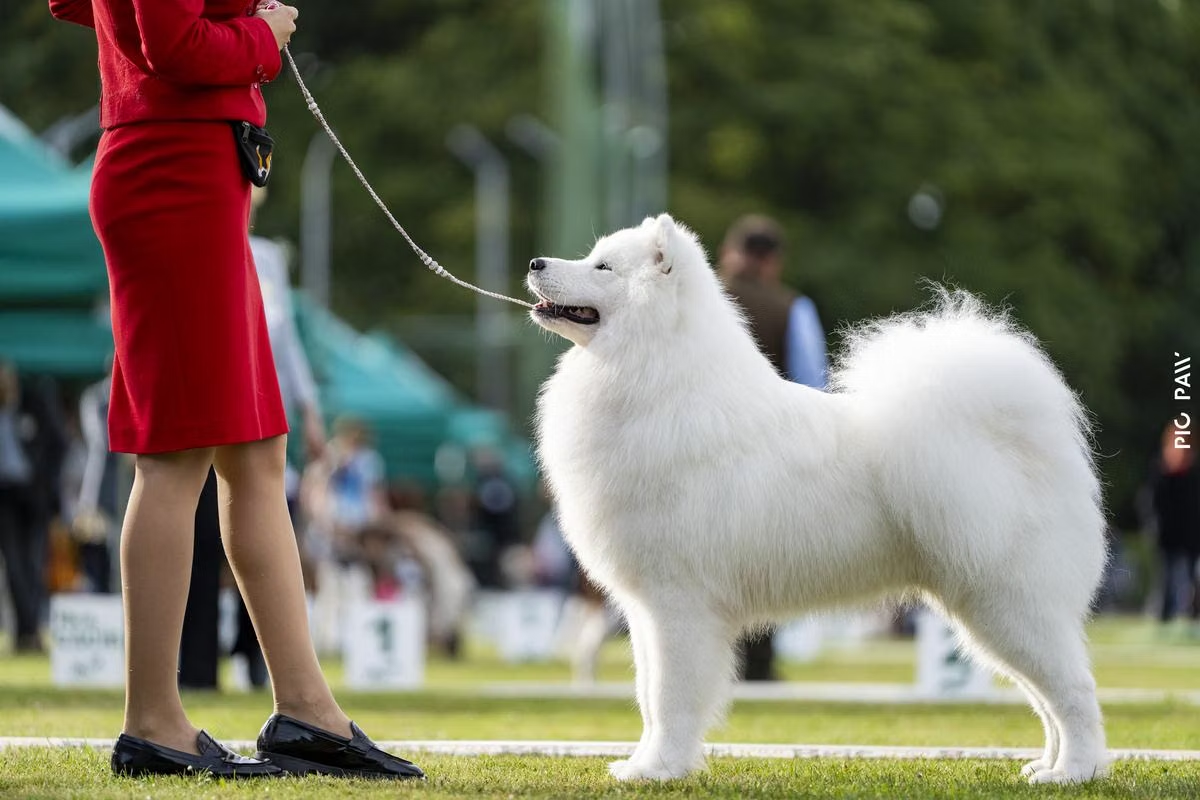
Meet some of our Samoyed
A few of the Samoyed profiles members have added to United Pet Club.



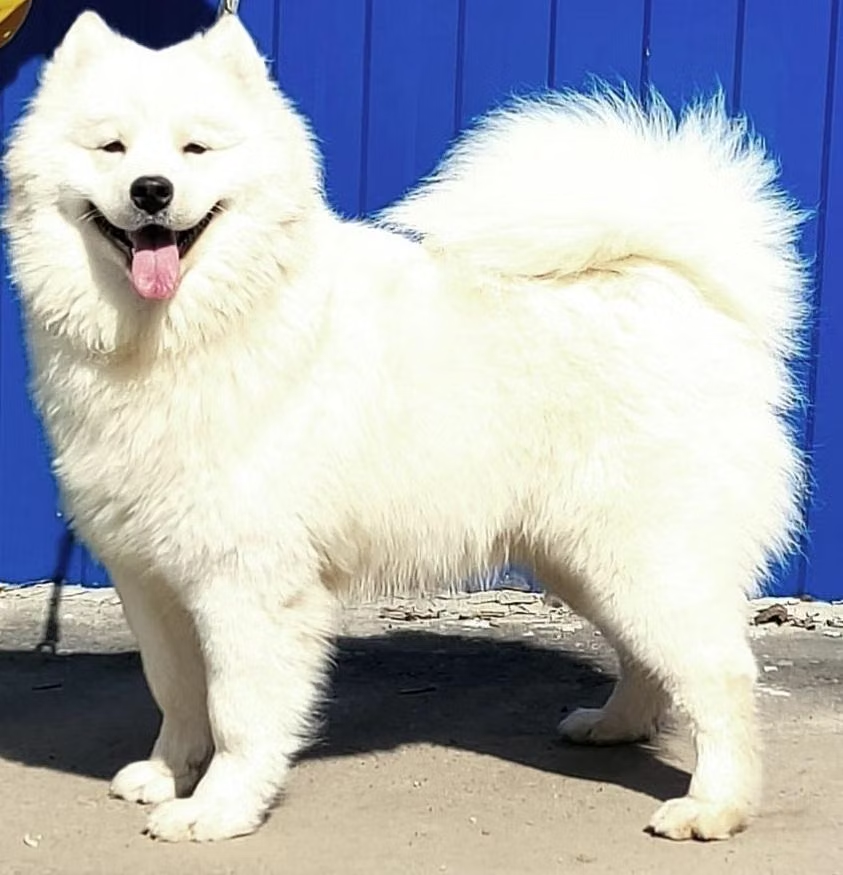

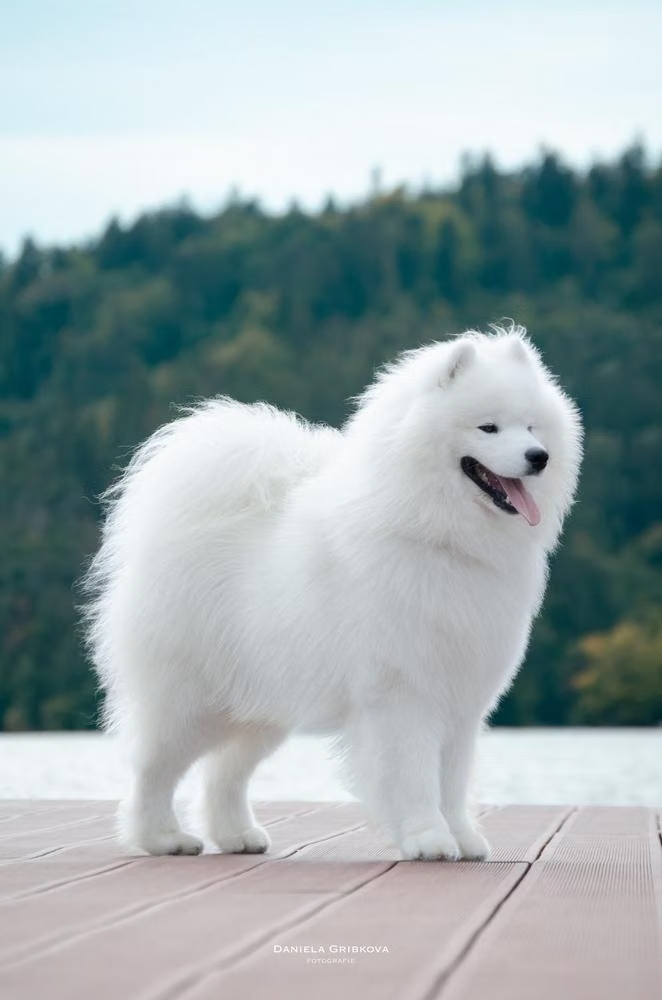
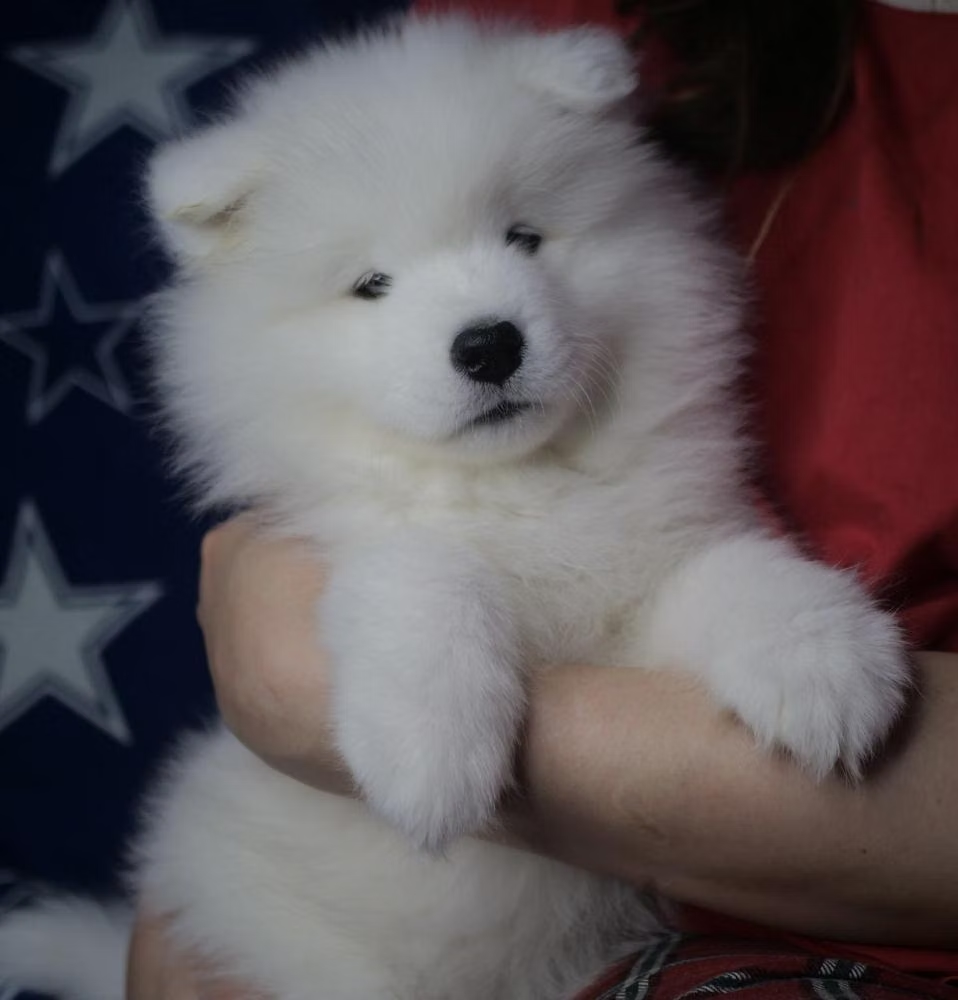
About the Samoyed
The Samoyed is a medium-sized Siberian working breed with a white double coat, a gentle and sociable temperament, and a lifespan of 12 to 14 years.
The Samoyed is a medium-sized spitz breed that originated in Siberia, where it lived and worked alongside the Samoyedic people. The breed is recognised for its dense white coat, dark eyes, and the upturned corners of the mouth that give it the appearance of a permanent smile. Adults typically stand between 19 and 23.5 inches at the shoulder and weigh roughly 35 to 65 pounds.
Samoyeds were bred to hunt, herd reindeer, and haul sleds, and they often slept among the people they worked for. That close contact shaped a dog that is friendly, gentle, and strongly people-oriented. The breed remains active and playful, and it tends to do poorly when left alone for long stretches.
The coat is the breed's most demanding feature. It is a true double coat that sheds heavily and needs regular brushing throughout the year. People considering a Samoyed should plan for steady grooming and daily activity.
| Attribute | Detail |
|---|---|
| Origin | Russia (Siberia) |
| Size | Medium |
| Lifespan | 12 to 14 years |
| Group / role | Working breed (sledding, herding, companionship) |
| Good with | Families, children, and other dogs when socialised |
Who it suits
The Samoyed fits active households that can give it company, exercise, and consistent grooming. It is a sociable dog that wants to be part of daily life, so it suits people who are home often or can bring the dog along. It is less suited to those who want a low-maintenance coat or a quiet, independent dog.
History of the Samoyed
The Samoyed comes from Siberia, where the nomadic Samoyedic people used it for herding reindeer, hauling sleds, and hunting before it reached Western Europe in the late nineteenth century.
The Samoyed takes its name from the Samoyedic peoples of northern Siberia, who kept the dogs for centuries in one of the coldest inhabited regions on earth. The dogs herded reindeer, pulled sleds, hunted, and helped keep their owners warm at night. Because these communities depended on the dogs and lived in close quarters with them, aggression toward people was not bred into the line.
The breed worked across a wide area of the Siberian tundra. Its thick white coat and stamina made it suited to long travel over snow and ice in temperatures well below freezing. Coat colours in the working population included white, cream, and biscuit shades.
Explorers brought Samoyeds out of Siberia in the late nineteenth century, and the dogs were used on polar expeditions because of their pulling power and cold tolerance. From there the breed reached England, where early breeders established it in the West. The English fancier Ernest Kilburn-Scott is often credited with promoting the breed in Britain during this period.
The Samoyed was recognised by major kennel clubs in the early twentieth century and spread to North America and beyond. The Canadian Kennel Club recognises the breed within the Working Group. Today it is kept mainly as a companion and show dog, though some owners still train it for sledding and other working tasks.
Samoyed appearance
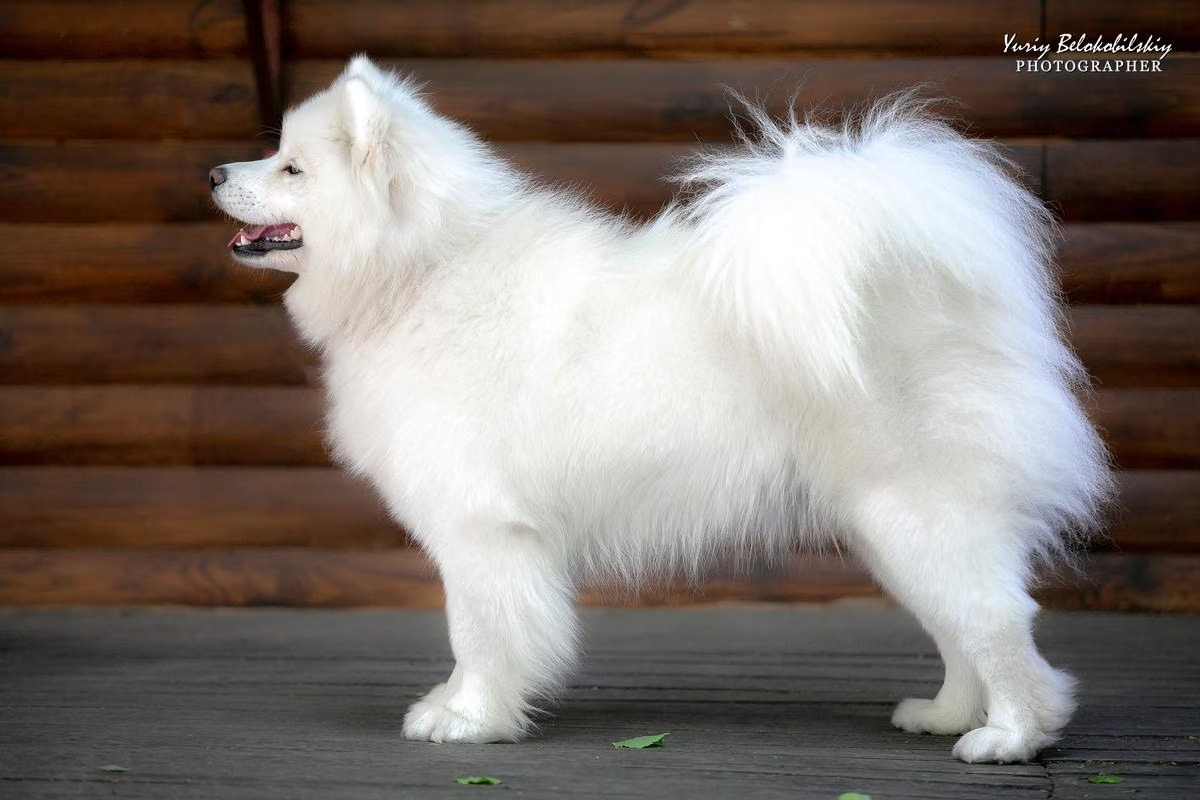
The Samoyed is a medium-sized white spitz with a thick double coat, erect ears, a tail carried over the back, and dark, deep-set eyes.
The Samoyed has the classic spitz outline: a wedge-shaped head, erect triangular ears, a deep chest, and a plumed tail carried over the back. The body is slightly longer than it is tall, and the dog moves with an easy, ground-covering trot. Males are generally larger and more heavily coated than females.
The most distinctive feature is the so-called Samoyed smile, formed by the upward curve at the corners of the mouth. This shape is not only cosmetic; the upturned lips help prevent drooling, which reduces ice forming on the face in cold weather.
| Feature | Standard |
|---|---|
| Height | Males 21 to 23.5 in; females 19 to 21 in |
| Weight | Males 45 to 65 lb; females 35 to 50 lb |
| Coat | Dense double coat: harsh straight outer coat over soft thick undercoat |
| Colours | White, cream, biscuit, and white and biscuit |
| Eyes | Dark, almond-shaped, set well apart |
Coat and colours
The outer coat is straight and stands off from the body, while the undercoat is soft and dense. Accepted colours are white, cream, biscuit, and combinations of white and biscuit. The coat carries a slight silver sheen at the tips. The breed sheds steadily year-round and blows its undercoat heavily once or twice a year, when loose hair comes out in large amounts.
Samoyed temperament
Samoyeds are friendly, gentle, and sociable dogs that bond closely with people, get along with children and other dogs, and tend to be talkative rather than aggressive.
The Samoyed is friendly, gentle, and playful, with a strong attachment to its family. It was bred to live among people and does best when included in household activity. The breed is generally good with children and tends to get along with other dogs, particularly when socialised from a young age.
The breed is poorly suited to guard work. Samoyeds are inclined to greet strangers rather than challenge them, so they make unreliable watchdogs beyond raising an alarm. They are vocal dogs and will bark, howl, and make a range of sounds, particularly when bored or left alone.
Left without company or exercise, a Samoyed can become restless and destructive. The same intelligence and energy that made it a capable working dog mean it needs mental and physical outlets. Early socialisation and steady routines help produce a settled adult.
| Trait | Rating |
|---|---|
| Affection | 5 |
| Energy | 4 |
| Trainability | 3 |
| Vocalness | 4 |
| Shedding | 5 |
Samoyed care
Samoyeds need frequent brushing, daily exercise, and regular company; their heavy coat and high sociability make them a higher-maintenance breed.
Grooming
- Brush the coat several times a week, and daily during heavy shedding periods
- Use a slicker brush and an undercoat rake to reach the dense undercoat
- Bathe occasionally; the coat repels dirt and does not need frequent washing
- Trim nails regularly and check ears for debris
- Brush teeth several times a week to support dental health
Exercise
- Provide at least one to two hours of activity per day
- Mix walks with running, hiking, or play in a secure area
- Offer jobs such as fetch, scent games, or pulling sports
- Avoid hard exercise in heat, since the heavy coat limits cooling
Environment
The Samoyed handles cold well and is well suited to Canada's winters. In warm weather it needs shade, fresh water, and care to prevent overheating. The breed is happiest indoors with its family rather than left outside alone, and it does best where it can be near people for much of the day.
Samoyed nutrition
Samoyeds do well on a complete, balanced diet suited to their life stage and activity level, fed in measured meals to keep them at a healthy weight.
A Samoyed should eat a complete and balanced diet formulated for its life stage, whether puppy, adult, or senior. Active and working dogs need more calories than less active pets, so feeding amounts should track the individual dog's body condition rather than a fixed number. Measure meals and adjust based on weight and activity.
Keeping a Samoyed lean supports joint health and reduces strain on the body over time. Fresh water should always be available, which matters more for a heavily coated dog in warm weather.
| Life stage | Amount per day | Meals |
|---|---|---|
| Puppy (2 to 6 months) | Per product guide for growth | 3 to 4 |
| Puppy (6 to 12 months) | Per product guide for growth | 2 to 3 |
| Adult | About 1.5 to 2.5 cups of dry food | 2 |
| Senior | Adjusted lower for activity | 2 |
Treats and supplements
Keep treats to a small share of daily calories, roughly ten percent or less, to avoid weight gain. Most dogs on a complete diet do not need supplements. Discuss any joint, skin, or coat supplements with a veterinarian before adding them.
Samoyed health
Samoyeds are generally hardy and live 12 to 14 years, but the breed is prone to certain hereditary conditions including hip dysplasia and a breed-linked kidney disease.
The Samoyed is generally a healthy breed with a typical lifespan of 12 to 14 years. As with many purebred dogs, it carries some inherited health risks, and responsible breeders screen breeding stock to reduce them. Buyers should ask about health testing of the parents.
The breed is associated with a hereditary kidney condition known as Samoyed hereditary glomerulopathy, which affects the kidneys and is more severe in males. Eye and joint conditions also occur in the breed.
| Condition | Signs | Note |
|---|---|---|
| Hip dysplasia | Stiffness, limping, reluctance to exercise | Screen breeding dogs; keep the dog lean |
| Samoyed hereditary glomerulopathy | Increased thirst, weight loss, kidney decline | Hereditary; more severe in males |
| Progressive retinal atrophy | Night blindness, declining vision | DNA and eye testing available |
| Hypothyroidism | Weight gain, lethargy, coat changes | Managed with daily medication |
| Diabetes mellitus | Increased thirst and urination, weight loss | Requires veterinary management |
Preventive care
- Keep vaccinations and parasite prevention current
- Maintain a healthy weight to protect the joints
- Schedule regular veterinary exams, including for older dogs
- Brush teeth and arrange dental checks
- Ask breeders for hip, eye, and relevant DNA test results
Samoyed training
Samoyeds are intelligent but independent, so they train best with early, consistent, reward-based methods and plenty of variety to keep them engaged.
The Samoyed is intelligent and learns quickly, but it has an independent streak inherited from its working past. It can lose interest in repetitive drills and may decide for itself whether a request is worth following. Training works best when it is consistent, positive, and varied enough to hold the dog's attention.
Early socialisation matters. Exposing a puppy to people, other dogs, and new settings helps it grow into a confident, settled adult. Because the breed is vocal, it also helps to teach a quiet cue and to manage barking through exercise and company rather than punishment.
Basics
- Start socialisation and gentle handling in puppyhood
- Teach name response and basic cues: sit, down, come, stay
- Practise loose-lead walking early, since the breed likes to pull
- Add recall work in a secure area before trusting it off lead
- Keep sessions short and frequent to match the breed's attention span
Samoyed breeding
Samoyeds reach breeding maturity in their second year, carry litters for about nine weeks, and typically produce litters of around four to six puppies.
Samoyeds reach physical maturity slowly, and responsible breeders usually wait until a dog is well into its second year before breeding so that health screening can be completed. Hip, eye, and breed-relevant DNA testing of both parents helps reduce inherited problems in the litter, including the kidney condition linked to the breed. CKC-registered breeders are expected to follow health testing guidelines before breeding.
Gestation in dogs lasts about 63 days, a little over nine weeks. Samoyed litters commonly contain four to six puppies, though sizes vary. Puppies are born with a soft coat that thickens as they grow, and the adult double coat develops over the first months and years.
Early weeks focus on the mother's care, warmth, and steady weight gain in the puppies. From a few weeks of age, breeders begin gentle handling and socialisation so the puppies are used to people before they go to new homes, usually at around eight weeks or later.
| Metric | Value |
|---|---|
| Breeding maturity | Typically after about 18 to 24 months |
| Gestation | About 63 days |
| Average litter size | 4 to 6 puppies |
| Weaning | Around 6 to 8 weeks |
| Recommended health tests | Hips, eyes, and breed DNA screening |
Registering a Samoyed in Canada: profile and microchip
A free lifetime United Pet Club record for your Samoyed, with the microchip registered at no cost and kept current through every move.
Samoyed registration and microchip registration in Canada
Canadian shelters and vet clinics scan strays at intake as a matter of routine, and the scan helps only when a registry ties your Samoyed to a phone that still rings. Registering your dog with United Pet Club takes a few minutes, never costs anything, and works whether or not a chip is in place yet. Add the breed, a photo, and your postal code, and the record is live.
The vet implants the chip and leaves the recording part to you. Register the microchip on the free lifetime plan: any brand a Canadian clinic implants is accepted, updates after a change of address are free, and a current record keeps the border paperwork the Canadian Food Inspection Agency asks about from becoming a scramble. Create your free account and finish both in one evening.
How do I register my Samoyed in Canada?
Open a free United Pet Club account, fill in your Samoyed's name, breed details, and a photo, and save. The lifetime plan is free, no chip required, and the chip number can be attached after your vet appointment.
How do I register my Samoyed's microchip?
Add the 15-digit number to your account along with your address, postal code, and phone number. Registration and unlimited updates are free for life, and chips from any manufacturer a Canadian vet uses are accepted.
Is a microchip required for a Samoyed in Canada?
There is no federal requirement, but several cities fold chips into their licensing bylaws, and travel with the dog goes smoother when the chip is registered. The record, not the implant, is what identifies your Samoyed.
What does Samoyed registration cost in Canada?
Nothing, ever. United Pet Club's lifetime plan covers the profile, the chip record, and every update without fees or renewals.
Samoyed frequently asked questions
Common questions about Samoyed size, temperament, grooming needs, lifespan, and suitability for families.
How big does a Samoyed get?
Samoyeds are a medium breed. Males stand about 21 to 23.5 inches and weigh roughly 45 to 65 pounds, while females stand about 19 to 21 inches and weigh roughly 35 to 50 pounds.
What is the Samoyed's temperament like?
Samoyeds are friendly, gentle, playful, and sociable. They bond closely with their families, generally do well with children and other dogs, and tend to greet strangers warmly rather than guard.
Are Samoyeds hard to care for?
They are a higher-maintenance breed. The dense double coat needs brushing several times a week, daily during shedding, and the dog needs one to two hours of exercise and regular company to stay content.
How long do Samoyeds live?
The typical lifespan is 12 to 14 years. Regular veterinary care, a healthy weight, and screening for breed-related conditions support a long life.
Are Samoyeds good family dogs?
Yes. Their gentle, people-oriented nature makes them well suited to active families who can provide company, exercise, and grooming. They are less suited to homes that are empty for long hours.
Do Samoyeds shed a lot?
Yes. They shed steadily all year and blow their undercoat heavily once or twice a year, when large amounts of loose hair come out and brushing needs increase.
Are Samoyeds good guard dogs?
Not really. They are friendly toward strangers and make poor guard dogs, though they are vocal and will bark to raise an alarm.
From the community
Ask about the SamoyedNo questions about the Samoyed yet. Be the first to ask.
Browse Dog breeds