
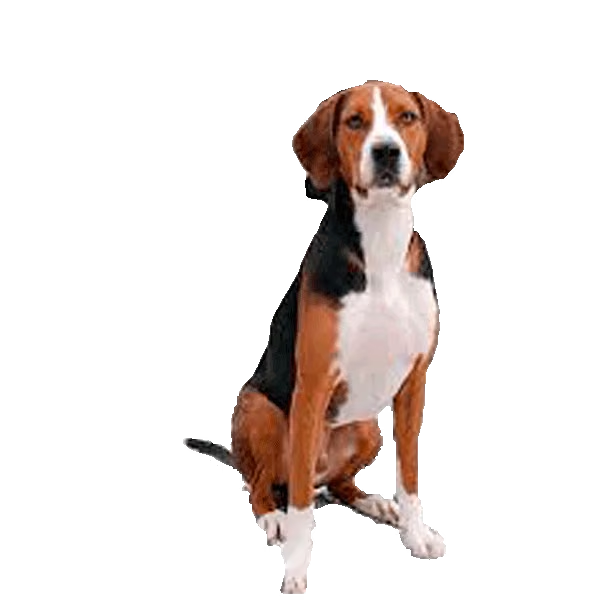
Hamiltonstovare
The Hamiltonstovare is a friendly, even-tempered Swedish scenthound that combines a keen nose with an affectionate home life.
- Size
- Medium
- Lifespan
- 12–15 years
- Origin
- Sweden
- Temperament
- Friendly
- Standard colors
- Black, White and Tan
Characteristics
Coat and grooming
How the Hamiltonstovare coat is built, and what that means when you groom it.
- Coat layers
- Double coat
- Coat texture
- Smooth
- Coat length
- Short
- Shedding
- Seasonal shedding
Grooming guidance
Critical: A Hamiltonstovare should not be shaved.
The undercoat keeps heat out as well as in, and the outer coat shields the skin from sun and insect bites. Clipping the whole coat off removes both. It often grows back patchy, soft or a different colour, and in some animals the guard hairs never return properly. Brush the undercoat out instead of cutting it off.
Information: A Hamiltonstovare drops its undercoat in heavy bursts.
The undercoat comes out in heavy bursts over a few weeks. An undercoat rake, or a bath followed by a proper blow-dry, clears it far faster than daily brushing. Clipping the coat down is not a shortcut for this.
Hamiltonstovare colors and patterns
What each club's breed standard says about every Hamiltonstovare color and pattern. Point at a ruling to see the club's own wording.
Breed standards describe the Hamiltonstovare in Black, White and Tan. Standard patterns: Tricolour.
| Color or pattern | FCI | AKC | UKC | KC | KUSA |
|---|---|---|---|---|---|
| Black | Standard (“black colour to form a mantle”) | Standard (“Tri-Colored”) | Standard (“black”) | Standard (“black colour to form a mantle over body”) | Standard (“black colour to form a mantle”) |
| White | Standard (“White markings as a blaze, on throat, upper side of neck”) | Standard (“Tri-Colored”) | Standard (“tip of tail and lower part of legs and feet white”) | Standard (“White colouring as a blaze on muzzle, on throat, brisket, tip of tail”) | Standard (“White markings as a blaze on throat, upper side of neck”) |
| Tan | Standard (“The tan colour can range from a golden tint to a rich, deep rusty red”) | Standard (“Tri-Colored”) | Standard (“Tan can range from golden tint to a rich, deep reddish-brown”) | Standard (“Tan ranges from golden to a rich, deep, rusty red”) | Standard (“The tan colour can range from a golden tint to a rich, deep, rusty red”) |
| Yellow | Disqualifying (“Two-coloured (yellow-white”) | Disqualifying (“Two-coloured (yellow-white”) | Fault (“Two colored (yellow and white”) | Not recognised | Disqualifying (“Bi-coloured (yellow-white”) |
| Albino | Disqualifying | Disqualifying | Disqualifying (“Albinism”) | Not recognised | Disqualifying |
| Patterns | |||||
| Tricolour | Standard (“Tricolour”) | Standard (“Tri-Colored”) | Standard (“Tri-color”) | Standard (“Tricolour”) | Standard (“Tricolour”) |
| Bicolour | Disqualifying (“Two-coloured (yellow-white, black-white, black-tan)”) | Disqualifying (“Two-coloured (yellow-white, black-white, black-tan)”) | Fault (“Two colored (yellow and white, black and white, black and tan)”) | Not recognised | Disqualifying (“Bi-coloured (yellow-white, black-white, black-tan)”) |
| Sable | Fault (“Undefined mantle with strong mixture of black and tan hairs”) | Fault (“Undefined mantle with strong mixture of black and tan hairs”) | Fault (“Black and brown hairs mixed together”) | Fault (“Lack of clear division between black and tan undesirable in an adult dog”) | Fault (“Undefined mantle with strong mixture of black and tan hairs”) |
| Tan point | Disqualifying (“Two-coloured (... black-tan)”) | Disqualifying (“Two-coloured (... black-tan)”) | Fault (“Two colored (... black and tan)”) | Fault (“Lack of white markings highly undesirable”) | Disqualifying (“Bi-coloured (... black-tan)”) |


| Color or pattern | FCI | AKC | UKC | KC | KUSA |
|---|---|---|---|---|---|
| Dark brown | Standard (“dark brown”) | Standard (“dark brown”) | Standard (“dark brown”) | Standard (“dark brown”) | Standard (“dark brown”) |
| Light brown | Fault (“Light eyes”) | Fault (“Light eyes”) | Fault (“Light eyes”) | No ruling | Fault (“Light eyes”) |
| Blue | Disqualifying (“Blue eyes, one or both”) | Disqualifying (“Blue eyes, one or both”) | No ruling | No ruling | Disqualifying (“Blue eyes, one or both”) |
| Patterns | |||||
| Odd-eyed | Disqualifying (“Blue eyes, one or both”) | Disqualifying (“Blue eyes, one or both”) | No ruling | No ruling | Disqualifying (“Blue eyes, one or both”) |

| Color or pattern | FCI | AKC | UKC | KC | KUSA |
|---|---|---|---|---|---|
| Black | Standard (“Black”) | Standard (“Black”) | Standard (“Black, fully pigmented”) | Standard (“Nose always black”) | Standard (“Black”) |
What the rulings mean
- Standard
- Described by the club's breed standard.
- Fault
- Named by the club's breed standard as a fault: the animal can be shown but is penalised.
- Disqualifying
- The club's breed standard disqualifies an animal of this colour or pattern.
- Not recognised
- The club does not accept this colour or pattern for the breed.
Color changes
How a Hamiltonstovare's colors can change over its life.
Blackchanges toRust
Coat · With body condition · can change back
Blackchanges toGrey
Coat · Progressive
Blackchanges toBrown
Coat · In the sun · can change back
Whitechanges toRoan
Coat · With age · from 2 weeks
Tan pointchanges toSaddle
Coat · With age · from 6 to 156 weeks
Blackchanges toSnow nose
Nose · With the season · can change back
Blackchanges toPink
Nose · With the season · can change back


Sources
Each ruling comes from the club's published breed standard or color list.
About the Hamiltonstovare
The Hamiltonstovare is a medium-sized Swedish scenthound, friendly and even-tempered at home while keeping a strong working nose in the field.
The Hamiltonstovare is a medium-sized scenthound from Sweden, bred to track hare and fox over snow and forest terrain. It works on its own rather than in a pack, following a scent trail and giving voice so the hunter can locate the chase. The breed carries the tricolour coat common to many European hounds: black, brown and white in a recognizable pattern.
Away from work, the Hamiltonstovare is good-natured and affectionate. It settles well into a household and forms close bonds with the people it lives with. The breed is active and alert, with the stamina you would expect of a hunting hound, so it suits owners who can give it daily exercise and a job to keep its mind busy.
The dog combines two sides that owners should plan for: a calm, easygoing companion indoors and a driven tracker outdoors. A securely fenced space and reliable recall training matter, because a hound on a scent can become single-minded.
| Attribute | Detail |
|---|---|
| Origin | Sweden |
| Size | Medium |
| Lifespan | 12 to 15 years |
| Group/role | Scenthound, solo hare and fox hunting |
| Good with | Families and older children; supervise around small pets given the hunting drive |
Who it suits
The Hamiltonstovare fits an active household that can offer long daily walks, running or scent work. It is well-behaved indoors but needs an outlet for its energy and its nose. Owners who hike, run or hunt will find it a steady partner. People with limited time for exercise, or with free-roaming small animals, should weigh the breed's strong prey drive before committing.
History and origin
The Hamiltonstovare was developed in Sweden in the late nineteenth century by crossing English Foxhound and German hound stock to create a hare hound suited to Swedish hunting conditions.
The breed takes its name from Count Adolf Patrick Hamilton, a founder of the Swedish Kennel Club, who developed the type in the late nineteenth century. His goal was a scenthound that could hunt hare and fox across Swedish terrain and handle cold weather.
To build the breed, Hamilton drew on imported hounds, including English Foxhounds and several German hound types. Selective crossing produced a tricolour dog with the nose, voice and stamina to track game on its own rather than in a pack, which suited the Swedish hunting style of the period.
The Hamiltonstovare was presented to the public at a dog show in Stockholm in 1886, where it appeared under an earlier name before being renamed in honour of its creator. It went on to become one of the more common hunting hounds in Sweden.
The breed remains primarily a working hound in its home country, valued for its tracking ability, while also keeping a presence as a companion. It is less widely distributed outside Scandinavia, though it is recognized by the major kennel organizations.
Appearance
The Hamiltonstovare is a medium, well-proportioned tricolour scenthound with a black, brown and white coat, drop ears and a moderate build suited to endurance.
The Hamiltonstovare is a rectangular, well-balanced hound built for stamina rather than speed. It has a fairly long head, a black nose and dark brown eyes with a calm expression. The ears are set high, hang close to the cheeks and are of moderate length. The tail is carried roughly level with the back.
| Trait | Detail |
|---|---|
| Height | Males about 53 to 61 cm; females about 49 to 57 cm at the withers |
| Weight | About 23 to 27 kg |
| Coat | Short, close-lying double coat with a dense undercoat |
| Colours | Tricolour: black, brown (tan) and white |
| Eyes | Dark brown, calm expression |
Coat and colours
The coat is short and lies flat against the body, with a weather-resistant undercoat that thickens in winter. The defining pattern is tricolour: the upper side of the neck, the back and the sides are black, the head and legs carry brown markings, and white shows up on the muzzle, a blaze, the neck, the chest, the feet and the tip of the tail. The black saddle should be clearly defined rather than mottled. The double coat handles cold and damp well, which reflects the breed's origins as a Swedish working hound.
Temperament and behaviour
The Hamiltonstovare is friendly, even-tempered and good-natured at home, while remaining an active, alert worker with strong scent drive in the field.
The Hamiltonstovare is known for an even temper and a friendly, good-natured manner. With its own family it is affectionate and settled, and it generally gets along with children when raised alongside them. It is not a typical guard dog; most are sociable with people and tend to greet strangers calmly rather than warily.
With other dogs the breed is usually friendly, a trait you would expect from a hound bred to work near people and livestock. Small pets are a different matter. The breed has a strong prey drive built for chasing hare and fox, so cats and small animals should be introduced carefully and interactions supervised.
The Hamiltonstovare is alert and uses its voice. On a trail it bays to signal the hunter, and at home it may bark when something catches its attention. Boredom can lead to noise and restlessness, so the breed does best with regular exercise and mental work. It is intelligent but independent, the result of being bred to hunt alone and make its own decisions on a scent.
| Trait | Rating |
|---|---|
| Affection | 5 |
| Energy | 4 |
| Trainability | 3 |
| Vocalness | 4 |
| Shedding | 3 |
Care and grooming
The Hamiltonstovare is low-maintenance to groom but needs a lot of daily exercise and a secure environment to manage its hunting drive.
Grooming
- Brush weekly with a bristle brush or grooming mitt to remove loose hair and spread the skin's natural oils.
- Expect heavier shedding during seasonal coat changes, when more frequent brushing helps.
- Bathe only when the dog is dirty; the short coat sheds mud easily once it has dried.
- Check the drop ears regularly and clean as needed, since hanging ears trap moisture.
- Trim the nails every few weeks and brush the teeth several times a week.
Exercise
- Provide at least one to two hours of activity a day, split across walks and free running.
- Offer scent games, tracking or trailing work to use the breed's nose and tire it out mentally.
- Keep the dog on leash or in a fenced area in open country, because a scent can override recall.
- Build a reliable recall early and reward it consistently.
Environment
The Hamiltonstovare adapts to a house with a securely fenced yard better than to apartment life, mainly because of its exercise needs and its tendency to give voice. The double coat handles cold weather well, in keeping with its Swedish origins, though the dog should still have shelter and not be left outside on its own for long stretches. It is happiest living close to its family with daily access to the outdoors.
Nutrition and feeding
An active medium scenthound, the Hamiltonstovare does well on a complete diet matched to its energy level, fed in measured meals to avoid putting on excess weight.
The Hamiltonstovare needs a complete, balanced diet suited to a medium, active dog. Working or hard-exercised dogs may need more food than companions kept on lighter routines, so portions should follow the dog's body condition rather than a fixed number. You should be able to feel the ribs without seeing them, and the dog should show a visible waist from above. Adjust the amount up or down based on weight, age and activity.
| Life stage | Amount per day | Meals |
|---|---|---|
| Puppy (2 to 6 months) | Per product guide for growth | 3 to 4 |
| Junior (6 to 12 months) | Tapering toward the adult amount | 2 to 3 |
| Adult | About 250 to 350 g of quality dry food | 2 |
| Senior | Slightly reduced, watch the weight | 2 |
Treats and supplements
Treats should stay within roughly ten percent of daily calories, which matters for a food-motivated hound used in scent-based training. Use small, low-calorie rewards during sessions and subtract them from the meal portions. A complete commercial diet usually meets nutritional needs without extra supplements; ask a vet before adding joint, skin or other supplements, and make sure fresh water is always available.
Health and lifespan
The Hamiltonstovare is generally a hardy breed with a typical lifespan of 12 to 15 years, with routine care and ear checks the main ongoing concerns.
The Hamiltonstovare is regarded as a robust, healthy breed without a long list of breed-specific disorders. With good care it typically lives 12 to 15 years. As with many medium dogs, the main concerns are general rather than unique to the breed, and responsible breeding plus routine veterinary care help keep the population sound. The hanging ears warrant attention because they can trap moisture and lead to infection.
| Condition | Signs | Note |
|---|---|---|
| Ear infections | Head shaking, scratching, odour, discharge | Drop ears need regular checking and cleaning |
| Hip dysplasia | Stiffness, reluctance to exercise, altered gait | Choose breeders who screen their breeding stock |
| Weight gain | Loss of waistline, lethargy | Manage portions; the breed is food-driven |
| Minor injuries | Limping, cuts, foreign bodies in coat or pads | Active outdoor work raises the chance of scrapes |
Preventive care
- Keep vaccinations and parasite control (fleas, ticks, worms) up to date.
- Inspect and clean the ears regularly, especially after wet outings.
- Maintain a healthy weight with measured meals and daily exercise.
- Book annual veterinary checks, with more frequent visits for senior dogs.
- Brush the teeth regularly to support dental health.
Training
The Hamiltonstovare is intelligent but independent, so it responds best to early, consistent, reward-based training with a firm focus on recall.
The Hamiltonstovare is a clever dog, but it was bred to hunt alone and follow its nose, which makes it more independent than eager-to-please breeds. Training works best when it is consistent, patient and rewarding. Short, varied sessions hold the dog's attention better than long drills. Recall deserves special effort, because a hound locked onto a scent can ignore commands; train it from puppyhood and keep reinforcing it. Early socialization with people, other dogs and household animals helps the breed grow into a steady adult.
Basics
- Start socialization and gentle handling in puppyhood.
- Teach name response and attention before harder skills.
- Build a strong recall using high-value food rewards in low-distraction settings, then add distractions gradually.
- Practise leash walking to manage pulling on a scent.
- Add scent or tracking games to channel the breed's natural drive.
- Keep sessions short, end on a success and repeat daily.
Breeding
The Hamiltonstovare reaches breeding maturity in its second year, carries an average-sized litter after about a two-month pregnancy, and benefits from health-screened parents.
Hamiltonstovare females generally should not be bred until they are physically and mentally mature, usually after the first year and often in the second year. As with most dogs, pregnancy lasts roughly 63 days from mating. Litter sizes are typical for a medium breed, commonly around six to eight puppies, though this varies from one dog to another.
Responsible breeders select for the breed's even temperament and working ability and screen their breeding stock for general health, including hip status, before mating. Puppies should stay with the mother and littermates until about eight weeks of age, which supports early socialization. Raising the young includes gradual weaning, early handling, exposure to household sights and sounds, and the start of house-training and crate routines. Prospective owners should look for breeders who raise their litters in the home and provide health and temperament information on the parents.
| Metric | Value |
|---|---|
| Breeding maturity | Typically the second year |
| Gestation | About 63 days |
| Average litter size | About 6 to 8 puppies |
| Weaning | Around 4 to 8 weeks |
| Leave for new home | About 8 weeks |
Registering a Hamiltonstovare in Canada: profile and microchip
A free lifetime United Pet Club record for your Hamiltonstovare, with the microchip registered at no cost and kept current through every move.
Hamiltonstovare registration and microchip registration in Canada
Canadian shelters and vet clinics scan strays at intake as a matter of routine, and the scan helps only when a registry ties your Hamiltonstovare to a phone that still rings. Registering your dog with United Pet Club takes a few minutes, never costs anything, and works whether or not a chip is in place yet. Add the breed, a photo, and your postal code, and the record is live.
Sixty seconds with a scanner reads the chip; whether your Hamiltonstovare gets home depends on the record behind the number. Microchip registration with United Pet Club is free for life, takes every brand sold in Canada, and keeps the record searchable on both sides of the border. Sign up free and give the number somewhere to point.
How do I register my Hamiltonstovare in Canada?
Open a free United Pet Club account, fill in your Hamiltonstovare's name, breed details, and a photo, and save. The lifetime plan is free, no chip required, and the chip number can be attached after your vet appointment.
How do I register my Hamiltonstovare's microchip?
Add the 15-digit number to your account along with your address, postal code, and phone number. Registration and unlimited updates are free for life, and chips from any manufacturer a Canadian vet uses are accepted.
Is a microchip required for a Hamiltonstovare in Canada?
There is no federal requirement, but several cities fold chips into their licensing bylaws, and travel with the dog goes smoother when the chip is registered. The record, not the implant, is what identifies your Hamiltonstovare.
What does Hamiltonstovare registration cost in Canada?
Nothing, ever. United Pet Club's lifetime plan covers the profile, the chip record, and every update without fees or renewals.
Frequently asked questions
Common questions about the Hamiltonstovare cover its size, temperament, care needs, lifespan, suitability and availability.
How big does a Hamiltonstovare get?
It is a medium-sized hound. Males stand about 53 to 61 cm at the shoulder and females about 49 to 57 cm, with most dogs weighing around 23 to 27 kg.
What is the Hamiltonstovare's temperament like?
It is friendly, even-tempered and good-natured at home, and affectionate with its family. It is also active and alert, with a strong hunting nose and a tendency to use its voice.
Is the Hamiltonstovare hard to care for?
Grooming is easy thanks to the short coat, but the breed needs plenty of daily exercise and mental work. The bigger challenge is meeting its activity needs and managing its scent drive, not coat care.
How long do Hamiltonstovares live?
The typical lifespan is 12 to 15 years. The breed is generally hardy, and routine veterinary care, a healthy weight and regular ear checks all help support a long life.
Is the Hamiltonstovare a good family dog?
Yes, for active families. It is sociable and good with children when raised alongside them, but its prey drive means small pets need careful introductions and supervision.
Does the Hamiltonstovare get along with other dogs?
It is usually friendly with other dogs, reflecting its background as a hound bred to work near people. Early socialization still helps it become a confident, well-mannered adult.
Are Hamiltonstovares easy to find?
The breed is most common in Sweden and the rest of Scandinavia and is less widespread elsewhere. Outside its home region you may need to contact breed clubs or wait for a litter from a reputable breeder.
From the community
Ask about the HamiltonstovareNo questions about the Hamiltonstovare yet. Be the first to ask.
Browse Dog breeds