
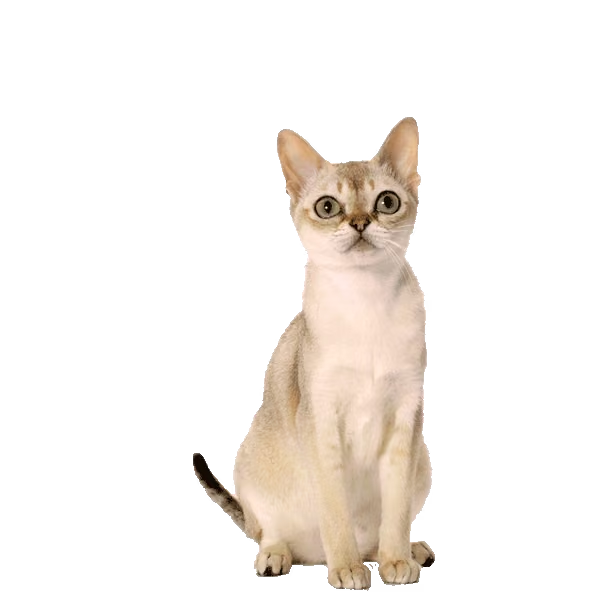
Singapura
The Singapura is one of the smallest cat breeds, prized for its curious, affectionate personality and big-eyed, pixie-like charm.
- Size
- Small
- Lifespan
- 11–15 years
- Origin
- Unknown
- Temperament
- Curious
- Standard colors
- Sable
Characteristics
Coat and grooming
How the Singapura coat is built, and what that means when you groom it.
- Coat layers
- Single coat
- Coat texture
- Smooth
- Coat length
- Short
- Shedding
- Low shedding
Singapura colors and patterns
What each club's breed standard says about every Singapura color and pattern. Point at a ruling to see the club's own wording.
Breed standards describe the Singapura in Sable. Standard patterns: Ticked tabby and Sepia.
| Color or pattern | TICA | CFA | FIFE | GCCF |
|---|---|---|---|---|
| Sable | Standard (“Sable Ticked”) | Standard (“Sepia agouti”) | Standard (“Seal sepia”) | Standard (“sepia brown”) |
| Patterns | ||||
| Ticked tabby | Standard (“Ticked tabby”) | Standard (“agouti”) | Standard (“ticked”) | Standard (“ticked”) |
| Sepia | Standard (“Sepia”) | Standard (“Sepia”) | Standard (“sepia”) | Standard (“sepia”) |
%22%3E%3Cg%20fill%3D%22none%22%20stroke%3D%22%231C1C1C%22%20stroke-width%3D%221.25%22%20stroke-linecap%3D%22round%22%20stroke-linejoin%3D%22round%22%3E%3Cpath%20d%3D%22M55.8%2023.1l-0.3%201.9M7.5%2020.6l0.6%201.7M43.9%2028.2l-0.3%201.7M39.2%2031.8l0.6%201.1M9.8%2028l-0.3%201.8M20.7%2029.6l0.1%202M39.9%2031.8l0.2%201.3M17.1%2022.1l0.7%201.1M38.7%2052.5l0.9%201.4M45.2%2051l0.6%201.2M50.4%2024.5l0.1%201.9M18.8%2054.3l0%202.1M17.3%2036l0.3%201.2M25.9%2029.2l0.2%201.6M49.4%2036.5l0.7%201.3M40.1%2025l-0.6%202.1M27.5%2025.6l0.4%201.2M8.8%2024.9l0.1%201.8M47.9%2022.8l0.5%201.3M32.8%2031.8l0.8%201.9M23.4%2050.6l-0.2%202.2M28.4%2023.9l-0.5%201.6M24.9%2040.6l0.4%201.7M58.1%2015.3l-0.5%201.7M29.6%2021.6l1.1%201.9M49.8%2029.3l0.4%202M5.8%2019.1l0%201.3M13.1%2025.3l0.6%201.5M52%2027l0.6%201.7M8%2022.4l0.5%201.1M18.4%2031.3l-0.1%201.6M24.8%2021.5l-0.6%202.1M53.6%2021.9l0.2%201.5M53.2%2022.7l0.3%201.6M33.5%2028.3l-0.6%201.7M22.9%2020.9l-0.4%201.3M57.4%2010.8l-0.2%202M48%2053.3l-0.6%201.8M17%2015.6l0.6%201.1M25.7%2031.6l0.9%201.1M22.6%2053.7l0.1%201.6M17.5%2017.5l-0.4%201.7M19.4%2046.5l0.1%201.8M27.3%2037.2l-0.6%202M12.9%2024.8l0.5%201.8M28.5%2030.1l0.3%201.5M17.7%2021.4l-0.4%201.2M18%2052.8l-0.3%201.8M9.1%2021.6l1.3%201.8M38.4%2043.5l0.1%201.9M32.1%2021.8l1.1%201.6M32%2034.5l0%201.9M53.8%2022.7l0.1%202M18.2%2028.8l0.4%201.8M19.3%2019.5l-0.2%201.3M40.4%2028.1l0.8%201.1M46.7%2037.8l-0.2%201.3M51.2%2029.1l-0.6%201.8M20.7%2031l0.1%201.9M30.6%2035.4l0.9%201.9M36.3%2021.9l-0.5%201.9M45.9%2039.6l0.1%201.8M35.5%2035.5l-0.3%201.3M43.2%2024.8l-0.2%201.9M42.8%2023.2l0.8%201.8M15.8%2026l0.8%201.5M38.2%2048.8l-0.4%201.3M35.2%2029.3l-0.6%202M42.9%2029.6l-0.1%201.2M30%2034.8l1%201.4M30.1%2027l0.6%202M45.5%2033.7l0.7%201.1M49.1%2028.9l0.5%201.4M52%2029.1l-0.6%202M29.5%2027.2l-0.6%202M55.9%2016.3l-0.5%201.7M29%2022.9l0.6%201.7M34.3%2029.2l0.4%202.1M29.4%2024.1l0.1%201.5M21.6%2040.3l-0.1%201.6M43.5%2034l0.8%201.8M46.1%2048.7l0.4%201.9M40.8%2052.9l0.4%201.5M45.9%2039.5l-0.1%202.1M7.6%2028.3l0.2%201.7M16.7%2054.8l0.7%201.2M24.8%2033.3l-0.3%201.2M25.6%2038.4l-0.1%201.9M24.4%2052.5l0.6%201.4M40.7%2047.1l0.2%202.1M37.8%2047.4l0.6%201.3M10.2%2022l0.2%202.1M7.3%2017.6l0.8%201.9M44.8%2042.9l0.4%201.1M38.2%2029l-0.1%201.9M56.6%2015.8l-0.2%201.5M38.1%2033.9l1.1%201.6M42.9%2027.2l-0.3%201.2M6%2020.9l0.7%201.1M55.5%2013.2l-0.2%201.3M19.6%2028.9l0.3%202M35.9%2034l-0.2%202.1M12.8%2016l0.2%202.1M45.9%2038.9l-0.2%201.2M46.5%2029.8l-0.3%201.7M31.1%2037l0.7%201.6M37.7%2030.8l0.8%201.6M20.5%2024.7l1.2%201.5%22%2F%3E%3Cpath%20d%3D%22M21.8%2031.8l0.7%202M12.1%2027.4l0.1%202.1M6.5%2020.9l-0.3%201.3M37.6%2048l1%201.6M47.8%2039.2l0.7%201.3M47.3%2050l-0.5%201.5M43.9%2033.6l-0.4%202.1M39.8%2032.3l-0.1%201.3M18.2%2018.3l0.1%201.5M25.1%2038.2l0.7%201.4M42.9%2028.2l0.9%201.9M17.3%2029.8l0.9%201.9M50.6%2028.2l0.5%201.9M40.1%2025.6l0%201.2M29.6%2023.7l0%201.8M57.7%2013.6l0.5%201.5M22.7%2030.1l-0.1%202.2M46.8%2049.4l0.6%201.1M47.8%2052.5l-0.4%201.6M31.5%2020.6l0.6%202M20.5%2030.6l0.6%201.6M37.3%2027.1l-0.2%201.8M36.4%2037.5l0.9%201.1M21.7%2042.2l-0.2%201.2M42.8%2022.6l0.4%201.8M37.9%2040.4l0.5%201.5M52.6%2023.4l0.4%202M34.2%2027.8l0.8%201.4M16.1%2023l1.1%201.5M55.6%2021.9l0.4%201.6M17.6%2053.4l0.9%201.5M41.9%2030l1%201.7M16.8%2054.6l0.4%202.2M40.3%2030.9l0.6%201.4M18.9%2034.3l1.3%201.6M34.5%2021.7l0.5%201.8M42.4%2036.5l1%201.8M23.3%2040.2l-0.3%201.7M21.1%2029.8l0.5%201.4M58%2010.8l0%202M41.7%2035.4l0.8%202M10.3%2021.9l-0.2%201.7%22%2F%3E%3C%2Fg%3E%3Cpath%20d%3D%22M15%2047H50M15%2051H50%22%20fill%3D%22none%22%20stroke%3D%22%231C1C1C%22%20stroke-width%3D%221.6%22%20stroke-linecap%3D%22round%22%20stroke-linejoin%3D%22round%22%2F%3E%3Ccircle%20cx%3D%2259.8%22%20cy%3D%227.8%22%20r%3D%222%22%20fill%3D%22%231C1C1C%22%2F%3E%3Cpath%20d%3D%22M12.6%2015.5l.6%204.2M15%2015.5l-.2%204.2%22%20fill%3D%22none%22%20stroke%3D%22%231C1C1C%22%20stroke-width%3D%221%22%20stroke-linecap%3D%22round%22%20stroke-linejoin%3D%22round%22%2F%3E%3C%2Fg%3E%3Cuse%20href%3D%22%23s%22%20fill%3D%22none%22%20stroke%3D%22%233B2A20%22%20stroke-opacity%3D%220.6%22%20stroke-width%3D%221%22%20stroke-linejoin%3D%22round%22%2F%3E%3Cpath%20d%3D%22M3.4%2022.3L5.4%2022.5L4.3%2024Z%22%20fill%3D%22%23E8A0B4%22%2F%3E%3Ccircle%20cx%3D%229.6%22%20cy%3D%2221.2%22%20r%3D%221.1%22%20fill%3D%22%231C1C1C%22%2F%3E%3C%2Fsvg%3E)
%22%3E%3Crect%20x%3D%220%22%20y%3D%220%22%20width%3D%2264%22%20height%3D%2264%22%20fill%3D%22%23847865%22%20fill-opacity%3D%220.7%22%2F%3E%3Cpath%20d%3D%22M5.5%2017L7.5%207L12%2015ZM14%2015L17.5%207L20%2018.5Z%22%20fill%3D%22%23847865%22%2F%3E%3Cellipse%20cx%3D%227.6%22%20cy%3D%2223.6%22%20rx%3D%225%22%20ry%3D%225.2%22%20fill%3D%22%23847865%22%2F%3E%3Crect%20x%3D%220%22%20y%3D%2244%22%20width%3D%2264%22%20height%3D%2220%22%20fill%3D%22%23847865%22%2F%3E%3Cpath%20d%3D%22M50%2027L53.5%205L64%203L64%2013L59%2024L53%2033Z%22%20fill%3D%22%23847865%22%2F%3E%3C%2Fg%3E%3Cuse%20href%3D%22%23s%22%20fill%3D%22none%22%20stroke%3D%22%233B2A20%22%20stroke-opacity%3D%220.6%22%20stroke-width%3D%221%22%20stroke-linejoin%3D%22round%22%2F%3E%3Cpath%20d%3D%22M3.4%2022.3L5.4%2022.5L4.3%2024Z%22%20fill%3D%22%23E8A0B4%22%2F%3E%3Ccircle%20cx%3D%229.6%22%20cy%3D%2221.2%22%20r%3D%221.1%22%20fill%3D%22%231C1C1C%22%2F%3E%3C%2Fsvg%3E)
| Color or pattern | TICA | CFA | FIFE | GCCF |
|---|---|---|---|---|
| Hazel | Standard (“hazel”) | Standard (“hazel”) | Standard (“hazel”) | Standard (“hazel”) |
| Copper | Standard (“copper”) | No ruling | No ruling | No ruling |
| Yellow | No ruling | Standard (“yellow”) | No ruling | Standard (“yellow”) |
| Gold | Standard (“gold”) | No ruling | No ruling | No ruling |
| Green | Standard (“Celadon green, green”) | Standard (“green”) | Standard (“brilliant green”) | Standard (“green”) |
| Blue | Disqualifying (“definite blue”) | Disqualifying (“blue”) | No ruling | No ruling |
| Aqua | Disqualifying (“aqua”) | No ruling | No ruling | No ruling |
| Color or pattern | TICA | CFA | FIFE |
|---|---|---|---|
| Pink | Standard (“pale to dark salmon”) | Standard (“pale to dark salmon”) | Standard (“pale to dark salmon”) |
What the rulings mean
- Standard
- Described by the club's breed standard.
- Disqualifying
- The club's breed standard disqualifies an animal of this colour or pattern.
Color changes
How a Singapura's colors can change over its life.
Pinkchanges toSeal
Nose · With age · from 1 to 52 weeks
Pinkchanges toBlue
Nose · With age · from 1 to 52 weeks
Pinkchanges toChocolate
Nose · With age · from 1 to 52 weeks
Pinkchanges toLilac
Nose · With age · from 1 to 52 weeks
Sources
Each ruling comes from the club's published breed standard or color list.
About the Singapura cat
The Singapura is one of the smallest domestic cat breeds, known for its curious, affectionate nature and large eyes set in a compact, muscular body.
The Singapura is a small shorthaired cat with a distinctive ticked coat and oversized eyes and ears that give it an alert, kitten-like appearance well into adulthood. Adults typically weigh between 4 and 8 pounds, placing the breed among the smallest of all pedigreed cats. Despite the slight frame, the body is firm and muscular, and the cat moves with noticeable energy.
The breed is people-oriented and tends to stay close to its household. Singapuras are curious about the activity around them and will often follow family members from room to room. They remain active and playful well past kittenhood, and many retain a strong interest in climbing, fetching, and investigating high perches.
The coat is short, fine, and low in maintenance, which suits owners who want an interactive cat without heavy grooming demands. The combination of small size and a warm temperament makes the Singapura a practical fit for apartments and homes where the cat is treated as a close companion.
| Attribute | Detail |
|---|---|
| Origin | Unknown |
| Size | Small (4 to 8 pounds) |
| Lifespan | 11 to 15 years |
| Group / role | Shorthaired companion cat |
| Good with | Families, attentive single owners, other cats |
Who it suits
The Singapura suits people who want an engaged, interactive cat and can give it daily attention. It does well in apartments and is comfortable with other cats and gentle dogs. Households that are empty for long stretches each day are less ideal, because the breed prefers company and can become bored when left alone for extended periods.
Singapura cat history and origin
The Singapura takes its name from Singapore, though the verified origins of the breed are unclear and have been the subject of dispute.
The Singapura is named after Singapore, where small ticked-coat street cats have long been present. The breed was introduced to the United States in the 1970s by American breeders who brought cats said to have come from Singapore and began a development programme from that foundation stock.
The early history is documented inconsistently, and the exact origin of the founding cats has been questioned. Records connected to the imports were later disputed, and some accounts suggest the foundation animals may have had ties to cats already in North America. Because of these conflicting claims, the verified origin is generally listed as unknown.
Despite the unsettled record, the breed was developed into a stable type with a consistent appearance. Cat registries recognised the Singapura over the following decades, and a small but steady community of breeders has maintained it since.
The Singapura remains an uncommon breed. Litters are typically small, which limits the number of kittens available and keeps the breed relatively rare compared with mainstream shorthaired cats.
Singapura cat appearance and coat
The Singapura is a small, muscular cat with a short ticked coat, large almond-shaped eyes, and oversized ears.
The Singapura is compact and well muscled for its size. The head is rounded with a short muzzle, large ears, and large almond-shaped eyes that are a defining feature of the breed. The tail is slender and tapers to a blunt tip. Overall the cat looks small and delicate but feels solid and dense when handled.
| Feature | Standard |
|---|---|
| Height | About 6 to 8 inches at the shoulder |
| Weight | 4 to 8 pounds |
| Coat | Short, fine, close-lying, ticked |
| Colours | Sepia agouti (warm ivory ground with dark brown ticking) |
| Eyes | Large, almond-shaped; hazel, green, or yellow |
Coat and colours
The Singapura has a single recognised coat pattern: a ticked tabby known as sepia agouti. Each hair carries bands of light and dark colour, producing a warm ivory base with brown ticking. The face usually shows faint tabby markings, and the inner legs and underside are a lighter shade. The short, fine coat lies close to the body and gives the cat a smooth, sleek outline.
Singapura cat temperament and personality
The Singapura is affectionate, curious, and people-oriented, staying playful and active well into adulthood.
The Singapura is an extroverted, attentive cat that forms close bonds with its household. It tends to involve itself in daily activity, sitting nearby, watching what people are doing, and joining in. The breed keeps a playful, kitten-like energy long past its first year.
With family, the Singapura is warm and seeks contact, frequently choosing laps and shoulders. With strangers it is usually curious rather than shy, though individual cats vary. With other pets it generally gets along well, including with other cats and calm dogs, partly because of its small size and sociable nature.
The breed is not loud. Singapuras tend to communicate with soft, quiet voices rather than persistent meowing. They do best with regular interaction and can become bored or restless when left without company or stimulation for long periods.
| Trait | Rating |
|---|---|
| Affection | 5 |
| Energy | 4 |
| Trainability | 4 |
| Vocalness | 2 |
| Shedding | 2 |
Singapura cat care and grooming
The Singapura is low-maintenance to groom but needs daily interaction, play, and vertical space to stay content.
Grooming
- Brush the short coat once a week to remove loose hair and spread skin oils.
- Trim claws every two to three weeks.
- Check ears weekly and clean gently if needed.
- Brush teeth regularly and schedule dental checks to limit gum disease.
- Bathing is rarely necessary because the coat is short and self-cleaning.
Exercise
- Provide daily interactive play with wand toys or fetch sessions.
- Offer a cat tree or shelves so the cat can climb and perch.
- Rotate toys to keep an active, curious mind engaged.
- Aim for at least two short play sessions a day.
Environment
The Singapura adapts well to apartments and smaller homes as long as it has vertical space and company. Keep it indoors or in a secure enclosed area, since the breed is small and not built for outdoor hazards. A warm spot to rest is appreciated, as these cats often seek out heat.
Singapura cat nutrition and feeding
The Singapura needs a balanced, protein-rich diet in measured portions, since its small size makes overfeeding easy.
The Singapura does well on a complete, balanced cat food with animal protein as the main ingredient. Because the breed is small and active, portions must be measured carefully. Calorie needs are modest, and it is easy to overfeed a cat this size. Fresh water should always be available, and wet food can help support hydration.
| Life stage | Amount per day | Meals |
|---|---|---|
| Kitten (to 12 months) | Per label, fed to appetite | 3 to 4 |
| Adult (1 to 7 years) | About 3.5 to 5 ounces wet, or label amount | 2 |
| Senior (7 years and older) | Adjust to weight and activity | 2 |
Treats and supplements
Keep treats to a small share of daily calories so they do not unbalance the diet. A cat on a complete commercial food usually needs no supplements. Discuss any joint, skin, or coat supplements with a veterinarian before adding them, particularly given the breed's small frame.
Singapura cat health and lifespan
The Singapura is generally healthy with a typical lifespan of 11 to 15 years, though a few inherited conditions are known in the breed.
The Singapura is generally a healthy breed with a typical lifespan of 11 to 15 years. The small gene pool means responsible breeders screen for known inherited conditions. Routine veterinary care, a controlled diet, and indoor living all support a long life.
| Condition | Signs | Note |
|---|---|---|
| Pyruvate kinase deficiency (PKDef) | Lethargy, pale gums, weakness from anaemia | Inherited; a DNA test is available for breeding cats |
| Uterine inertia | Difficulty during labour in queens | Linked partly to small body size; affects breeding females |
| Dental disease | Bad breath, drooling, reluctance to eat | Common in many cats; managed with dental care |
Preventive care
- Keep core vaccinations and parasite control up to date.
- Schedule annual veterinary exams, with more frequent visits for seniors.
- Maintain dental hygiene through brushing and professional cleanings.
- Monitor weight to avoid both under- and overfeeding.
- Ask breeders for evidence of PKDef testing in the parents.
Training a Singapura cat
The Singapura is intelligent and motivated by interaction, which makes it responsive to play-based training and simple tricks.
The Singapura is clever and people-focused, which makes it more responsive to training than many cats. It can learn to come when called, use scratching posts, fetch, and perform simple tricks. The breed's curiosity and food motivation help, and its desire for attention makes praise an effective reward. Short, frequent sessions work better than long ones.
Basics
- Establish litter habits early with a clean, accessible box.
- Redirect scratching to posts and reward use of them.
- Introduce a name and a recall cue paired with treats or play.
- Teach one trick at a time, such as sit or fetch, in short sessions.
- Use a carrier with the door open and treats inside to make travel less stressful.
Singapura cat breeding
The Singapura breeds in small litters, and its small body size can make queening more demanding than in larger cats.
Singapuras reach sexual maturity at roughly 7 to 12 months, though responsible breeders usually wait until a cat is physically mature before mating. Gestation lasts about 63 to 67 days. Litters are characteristically small, often two to three kittens, which is one reason the breed remains uncommon.
The small body size of the queen can make labour more difficult, and uterine inertia has been reported in the breed. Breeders monitor pregnant queens closely and arrange veterinary support for the birth. Kittens are slow to mature in appearance, keeping their large-eyed, kitten-like look for an extended time.
Responsible breeding includes DNA testing for pyruvate kinase deficiency, attention to the limited gene pool, and careful selection to maintain health and temperament. Kittens should stay with the mother and litter until they are well socialised, generally not before 12 weeks.
| Metric | Value |
|---|---|
| Sexual maturity | About 7 to 12 months |
| Gestation | 63 to 67 days |
| Average litter size | 2 to 3 kittens |
| Weaning age | About 8 weeks |
| Recommended rehoming age | 12 weeks or older |
Your Singapura on the registry, microchip included
Free lifetime registration for your Singapura, plus a microchip record that satisfies bylaws like Montreal's and never costs a cent.
Registering a Singapura and its microchip in Canada
Registering a Singapura is a smaller job than most people expect: name, colouring, photo, contact details, save. The record costs nothing for the life of the cat and works chip or no chip. Cat registration is where to start.
Where a bylaw like Montreal's requires the chip, the record behind it still falls to you. United Pet Club keeps that record free for life: any manufacturer, unlimited updates, searchable from any clinic in the country. Microchip registration plus a free account covers cat and chip in one sitting.
How do I register my Singapura in Canada?
Sign up free with United Pet Club, add your Singapura's name, colouring, and a photo, and the record is live. Indoor and outdoor cats alike stay covered for life at no charge.
How do I register my Singapura's microchip?
Type the 15-digit number from your vet paperwork into your free account and confirm your contact details. The plan accepts every chip brand and never charges for updates.
Do cats like the Singapura have to be microchipped in Canada?
In some cities, yes. Montreal's bylaw requires pet cats to be chipped and licensed, and other municipalities are moving the same way. The registration behind the chip is yours to keep current, and with United Pet Club that part is free.
What does it cost to register a Singapura in Canada?
Zero. The lifetime plan includes the profile, microchip registration, and every future update, with no renewal fees.
Singapura cat frequently asked questions
Common questions about the Singapura's size, temperament, care needs, lifespan, suitability, and availability.
How big does a Singapura cat get?
The Singapura is one of the smallest cat breeds. Adults usually weigh 4 to 8 pounds and stand about 6 to 8 inches at the shoulder, with a compact but muscular body.
What is the Singapura cat's temperament like?
It is affectionate, curious, and people-oriented. Singapuras stay playful into adulthood, bond closely with their household, and tend to be quiet rather than vocal.
Is the Singapura easy to care for?
Grooming is simple because the coat is short and sheds little. The main need is daily interaction and play, since the breed prefers company and can become bored if left alone for long periods.
How long do Singapura cats live?
A typical lifespan is 11 to 15 years. Routine veterinary care, a measured diet, and indoor living help support a long, healthy life.
Is the Singapura a good family cat?
Yes. It is sociable, gentle, and gets along with children, other cats, and calm dogs. It suits apartments and homes where it receives regular attention.
Are Singapuras rare or hard to find in Canada?
They are uncommon. Litters are small, often two to three kittens, so availability is limited and waiting lists with reputable breeders are common.