
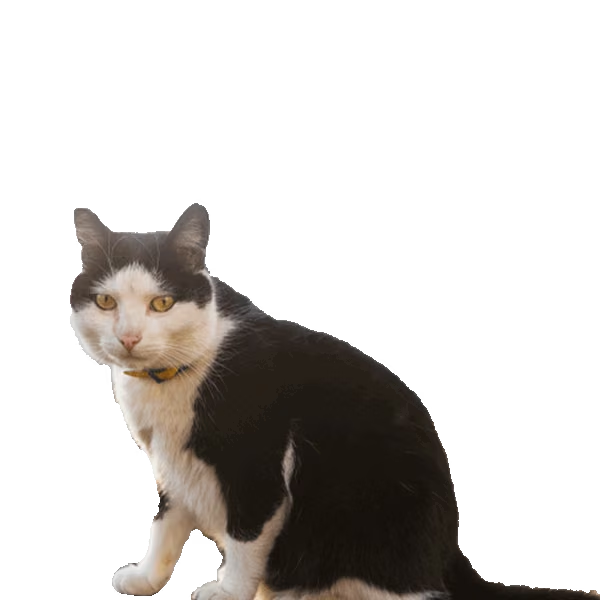
Cyprus
The Cyprus is a friendly, affectionate breed valued for its sociable, easygoing nature and naturally robust island heritage.
- Size
- Medium
- Lifespan
- 12–15 years
- Origin
- Cyprus
- Temperament
- Friendly
Characteristics
Coat and grooming
How the Cyprus coat is built, and what that means when you groom it.
- Coat layers
- Double coat
- Coat texture
- Silky
- Coat length
- Medium
- Shedding
- Moderate shedding
Grooming guidance
Critical: A Cyprus should not be shaved.
The undercoat keeps heat out as well as in, and the outer coat shields the skin from sun and insect bites. Clipping the whole coat off removes both. It often grows back patchy, soft or a different colour, and in some animals the guard hairs never return properly. Brush the undercoat out instead of cutting it off.
Caution: A Cyprus coat mats easily.
Fine or long hair tangles at the base of the coat, out of sight, where the mats tighten and pull on the skin. Brushing has to reach right down to the roots in sections, not just skim the surface.
About the Cyprus cat
The Cyprus is a medium-sized natural cat breed originating from the island of Cyprus, recognized for its sociable, good-natured temperament and sturdy physique developed through centuries of island living.
The Cyprus is a medium-sized domestic cat with roots on the Mediterranean island of Cyprus. It qualifies as a natural breed, its original form came about through the pressures of local conditions and ordinary selection rather than through deliberate crossing of established breeds. Cats of this lineage have shared space with people on the island for an extraordinarily long time, and today's breed still reflects the resilience and balanced build of those self-sufficient ancestors.
Physically, the Cyprus occupies a moderate middle ground. It carries a muscular, athletic frame without leaning toward either extreme of slight or heavy. Owners consistently describe the breed as warm and affectionate, with an easy, accommodating temperament that integrates well into a busy household. This is a cat that takes genuine interest in the people around it and remains sociable with those it has come to know.
On a daily basis, the Cyprus makes for reliable, engaged company. It gravitates toward people, participates readily in household rhythms, and maintains solid energy levels well into its adult years. The short to medium coat demands very little in the way of grooming, which most owners find quite convenient.
| Attribute | Detail |
|---|---|
| Origin | Cyprus |
| Size | Medium |
| Lifespan | 12 to 15 years |
| Group / role | Natural breed, companion cat |
| Good with | Families, older children, other cats; people who want a sociable pet |
Who it suits
The Cyprus is a good match for a household that can offer it regular companionship and some daily engagement. It settles well with adults, older children, or other cats, and it tends to thrive when someone is home for a reasonable portion of the day. Those seeking an affectionate, interactive companion rather than an independent, standoffish cat are likely to find this breed quite satisfying. Owners who travel frequently or work long hours should plan to provide a second pet or additional enrichment to account for the Cyprus's sociable disposition.
History and origin
The Cyprus traces its lineage to cats that have inhabited the island of Cyprus for thousands of years, with contemporary breeding efforts focused on documenting and standardizing this long-established local type.
The relationship between cats and Cyprus stretches back a remarkable length of time. Archaeological findings on the island point to cats living in close proximity to people during the early Neolithic period, among the earliest documented connections between humans and cats recorded anywhere in the world. The cats living on Cyprus today are broadly understood to be part of that same, unbroken presence.
Through most of its history, the Cyprus functioned as a working and farm cat rather than a recognized breed with a formal pedigree. It earned its place in villages, monasteries, and agricultural settings by managing rodent populations, all while remaining in everyday contact with people. The island's characteristically hot, dry summers and the cooler conditions of its mountain winters selected for a tough, adaptable animal over many generations.
In more recent decades, dedicated breeders and cat enthusiasts undertook the work of documenting the local type and establishing a breed standard. The intention was to preserve what already existed and to secure formal recognition for it, not to alter the cat's fundamental character. The Cyprus is therefore most accurately described as a standardized expression of a long-rooted island population.
Because the breed emerged from an established native population rather than from a single founding pair, precise founding records and modern-style pedigrees are necessarily limited. What runs consistently through its history is continuity: a working cat, valued on Cyprus across countless generations, that now carries official recognition as a named breed.
Appearance
The Cyprus is a medium to large, well-muscled cat with a short to medium coat that presents in a broad range of colours and patterns.
The Cyprus presents a balanced, athletic appearance. Its body is medium in length, solidly constructed, and carried on legs of moderate length supported by firm musculature. The head is rounded with a soft profile, the ears are medium to fairly large and placed fairly wide apart, and the eyes are large and expressive. The overall impression is of a sturdy, natural working cat rather than something refined to an extreme.
| Trait | Typical range |
|---|---|
| Height (at shoulder) | About 23 to 30 cm |
| Weight | About 4 to 6 kg, males larger than females |
| Coat | Short to medium, lying close to the body |
| Colours | Many, including tabby, solid, bicolour, and other patterns |
| Eyes | Large, rounded; colour often relates to coat colour |
Coat and colours
The coat is short to medium in length and requires minimal upkeep. Given that the breed descends from a broad island population, colour and pattern vary considerably. Tabby patterns are particularly prevalent, though solid colours, bicolours, and various other markings appear regularly as well. No single colour is required, and a wide range is accepted under the breed standard. The coat typically comes in a bit thicker during the winter months and thins again as the weather warms.
Temperament
The Cyprus is a friendly, affectionate, and sociable cat with an energetic, good-natured character well suited to interactive households.
The Cyprus is recognized for its warm, people-centred personality. It builds strong attachments to its family, regularly seeking out company by following household members from room to room and settling comfortably nearby. The breed shows genuine affection without becoming excessively demanding, and most individuals are happiest when they can be part of whatever is happening around them.
Around family members the Cyprus is gentle and even-tempered, and it tends to get on well with older children who treat it respectfully. Around newcomers it typically shows confidence rather than anxiety, though it appreciates, as most cats do, the opportunity to approach unfamiliar people at its own pace. With other animals it leans sociable, and sharing a home with another cat often suits it well, helping to satisfy its ongoing need for interaction.
The breed is notably energetic. It enjoys play sessions, climbing, and observing its environment, and it remains curious and engaged long into adulthood. Vocally, the Cyprus is fairly restrained, it communicates, but not excessively.
| Trait | Rating |
|---|---|
| Affection | 5 |
| Energy | 4 |
| Trainability | 3 |
| Vocalness | 2 |
| Shedding | 3 |
Care and grooming
The Cyprus requires only basic grooming, consistent active play, and a safe indoor or supervised environment to remain healthy and content.
In terms of grooming and general maintenance, the Cyprus is a fairly low-demand breed. Its primary needs come down to regular interaction, daily activity, and access to a secure space where it can climb and take in its surroundings.
Grooming
- Brush once or twice a week to clear loose hair and reduce shedding throughout the home.
- Increase the frequency of brushing during seasonal coat transitions in spring and autumn.
- Check ears weekly and clean gently only when there is an obvious need.
- Trim claws every few weeks and make a sturdy scratching post readily available.
- Brush teeth on a regular schedule or follow a dental care routine recommended by a veterinarian.
Exercise
- Provide at least two brief, active play sessions daily using wand toys or interactive chase toys.
- Install climbing furniture such as a cat tree or wall-mounted shelves to give the breed an outlet for its energy.
- Rotate toys periodically and introduce puzzle feeders to provide mental stimulation.
- In households where people are frequently away, consider a second cat as a play companion.
Environment
The Cyprus adjusts well to indoor living when it has sufficient vertical space and enrichment opportunities. Supervised outdoor time or access to a secure enclosure can also be beneficial. The breed comes from a Mediterranean climate, so a warm, draft-free resting area is appreciated.
Nutrition and feeding
The Cyprus thrives on a complete, meat-based cat food offered in carefully measured daily portions, with fresh water consistently available.
As obligate carnivores, cats, the Cyprus included, require a diet centred on animal protein. A complete commercial food formulated to recognized nutritional standards addresses the breed's fundamental dietary needs. Portions ought to reflect the individual cat's age, body weight, and activity level, with fresh water always on hand. Since the Cyprus is an active, well-muscled breed, maintaining a lean body condition through thoughtful portioning is an effective way to prevent weight gain over time.
| Life stage | Amount per day | Meals |
|---|---|---|
| Kitten (2 to 12 months) | Per package guidance, fed to appetite while growing | 3 to 4 |
| Adult (1 to 7 years) | About 50 to 70 g dry, or equivalent wet food | 2 |
| Senior (7 years and older) | Adjusted to weight and activity | 2 |
Treats and supplements
Treats should account for no more than roughly ten percent of the cat's daily caloric intake so that the core diet stays properly balanced. A Cyprus eating a complete commercial food generally has no need for additional supplements. Before introducing anything extra, a joint support product or a skin and coat supplement, for instance, it is worth consulting a veterinarian, since unnecessary additions can disrupt nutritional balance.
Health
The Cyprus is a generally robust natural breed with a typical lifespan of 12 to 15 years, supported by routine veterinary care and consistent weight management.
As a natural breed rooted in a long-established island population, the Cyprus tends toward hardiness and is not associated with the narrow hereditary conditions sometimes observed in more intensively developed breeds. Most individuals enjoy healthy lives spanning roughly 12 to 15 years when they receive good care. The conditions listed below represent general feline health concerns to be aware of, rather than issues that are specific to this particular breed.
| Condition | Signs | Note |
|---|---|---|
| Dental disease | Bad breath, drooling, trouble eating | Common in cats; regular dental care helps prevent it |
| Obesity | Weight gain, low activity | Manage with measured feeding and play |
| Parasites | Scratching, poor coat, digestive upset | Use routine flea and worm prevention |
| Kidney disease (older cats) | Increased thirst, weight loss | Senior screening aids early detection |
Preventive care
- Keep core vaccinations and parasite prevention current.
- Book an annual veterinary check-up, increasing to twice yearly for senior cats.
- Sustain a lean body condition through careful portion control.
- Attend to dental hygiene and inspect teeth and gums on a regular basis.
- Consider neutering or spaying, both of which contribute to long-term health outcomes.
Training
The Cyprus is moderately trainable and responds reliably to patient, reward-based approaches covering litter habits, handling, and basic cues.
The Cyprus is an intelligent, people-oriented cat that picks up household routines and simple behaviours without too much difficulty, provided training remains consistent and positive. Like most cats, it responds to incentives rather than directives, so keeping sessions short and frequent tends to produce the best outcomes. Its sociable nature means it is generally willing to engage with an owner who approaches training in a calm, predictable manner.
Basics
- Introduce a clean, quiet litter box early on and maintain consistency in its location.
- Reward the use of the scratching post consistently to help protect household furniture.
- Familiarize the cat with gentle handling, carriers, and grooming routines from a young age.
- Build simple cues, such as coming when called, by consistently pairing the action with a small reward.
- Redirect unwanted behaviour toward an appropriate alternative rather than resorting to punishment.
Breeding
The Cyprus reaches breeding maturity within its first year, with a standard feline gestation of roughly nine weeks and typical litters of four to six kittens.
The Cyprus follows the standard reproductive pattern seen in domestic cats. Females generally reach sexual maturity somewhere between five and ten months of age, though responsible breeders customarily wait until a queen has finished growing before proceeding with mating. In many regions cats are seasonal breeders and may produce more than one litter annually. Because mating stimulates ovulation in cats, successful pairings frequently result in pregnancy.
Gestation runs approximately 63 to 65 days. Litters typically number four to six kittens, with natural variation from one queen to the next. Queens normally handle birth and the early stages of kitten care capably, with kittens nursing for several weeks prior to weaning.
Kittens should remain with their mother and littermates until they are at least twelve weeks old. This developmental window is important for socialization, which is especially relevant for a breed prized for its friendly, outgoing character. Thoughtful, gentle handling during this period helps kittens mature into well-adjusted adults. Breeders should screen for general feline health concerns, maintain current vaccination and parasite control records, and place kittens only with owners who are genuinely prepared for the commitment.
| Metric | Value |
|---|---|
| Sexual maturity | About 5 to 10 months |
| Gestation | About 63 to 65 days |
| Average litter size | 4 to 6 kittens |
| Weaning age | About 6 to 8 weeks |
| Recommended rehoming age | 12 weeks or older |
Your Cyprus on the registry, microchip included
Free lifetime registration for your Cyprus, plus a microchip record that satisfies bylaws like Montreal's and never costs a cent.
Registering a Cyprus and its microchip in Canada
An open balcony door is all it takes for a Cyprus to become a shelter intake. The free United Pet Club profile answers that scan with your name, your postal code, and the cat's photo. Register your cat once; it holds for her whole life.
A chip the vet implanted but nobody registered reads as a dead end on the scanner. Register the microchip free on the lifetime plan: every brand a Canadian clinic implants is accepted, updates after each move are free, and the record answers the lookup tools shelters lean on. Create your free account and close both gaps tonight.
How do I register my Cyprus in Canada?
Sign up free with United Pet Club, add your Cyprus's name, colouring, and a photo, and the record is live. Indoor and outdoor cats alike stay covered for life at no charge.
How do I register my Cyprus's microchip?
Type the 15-digit number from your vet paperwork into your free account and confirm your contact details. The plan accepts every chip brand and never charges for updates.
Do cats like the Cyprus have to be microchipped in Canada?
In some cities, yes. Montreal's bylaw requires pet cats to be chipped and licensed, and other municipalities are moving the same way. The registration behind the chip is yours to keep current, and with United Pet Club that part is free.
What does it cost to register a Cyprus in Canada?
Zero. The lifetime plan includes the profile, microchip registration, and every future update, with no renewal fees.
Frequently asked questions
Common questions about the Cyprus cat address its size, temperament, care requirements, lifespan, suitability as a pet, and where to find one.
How big does a Cyprus cat get?
The Cyprus is a medium-sized cat, typically weighing somewhere in the range of 4 to 6 kg, with males generally larger than females. It has a solidly built, well-muscled frame rather than a slight or delicate one.
What is the Cyprus cat's temperament like?
The breed is warm, affectionate, and sociable, with an active and even-tempered nature. It forms close bonds with its family and tends to do well with older children and other cats.
Is the Cyprus cat hard to care for?
Not at all. The breed needs weekly brushing, daily playtime, and a safe indoor or supervised environment. The short to medium coat is low maintenance, which makes regular grooming quite straightforward.
How long do Cyprus cats live?
The typical lifespan runs from 12 to 15 years. Being a hardy natural breed, the Cyprus commonly enjoys a healthy life when it receives routine veterinary care and is maintained at a reasonable body weight.
Is the Cyprus cat a good family pet?
Yes, quite. Its sociable, affectionate disposition suits family households and homes that include other cats. It does best when it has regular company and adequate space to stay active.
Are Cyprus cats easy to find?
The breed is plentiful on the island of Cyprus itself but considerably less common elsewhere. Prospective owners outside the region should expect the search for a kitten to take longer and should seek out reputable sources.
Do Cyprus cats need another pet for company?
It is not strictly necessary, but the Cyprus is a sociable cat that genuinely enjoys companionship. In households where people are frequently absent for extended periods, a second cat can go a long way toward meeting its social needs.