
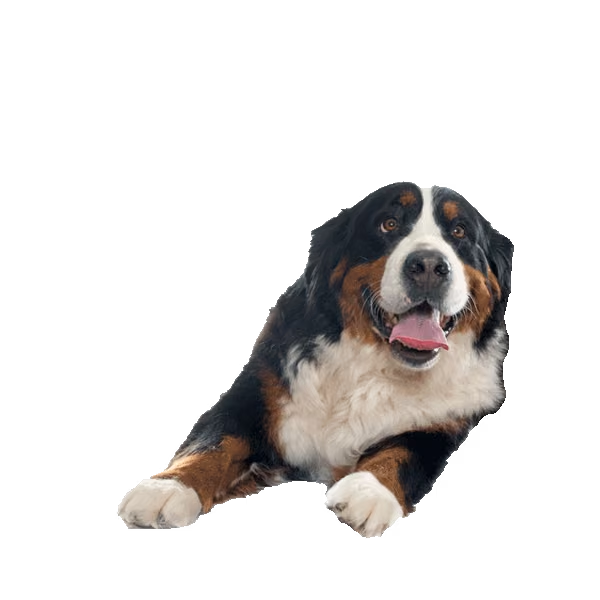
Mountain Cur
The Mountain Cur is a courageous, hardworking American treeing breed prized for its loyalty and versatile hunting ability.
- Size
- Medium
- Lifespan
- 12–16 years
- Origin
- United States
- Temperament
- Courageous
- Standard colors
- Black, White and Blue and 5 more
Characteristics
Coat and grooming
How the Mountain Cur coat is built, and what that means when you groom it.
- Coat layers
- Double coat
- Coat texture
- Smooth
- Coat length
- Short
- Shedding
- Moderate shedding
Grooming guidance
Critical: A Mountain Cur should not be shaved.
The undercoat keeps heat out as well as in, and the outer coat shields the skin from sun and insect bites. Clipping the whole coat off removes both. It often grows back patchy, soft or a different colour, and in some animals the guard hairs never return properly. Brush the undercoat out instead of cutting it off.
Mountain Cur colors and patterns
What each club's breed standard says about every Mountain Cur color and pattern. Point at a ruling to see the club's own wording.
Breed standards describe the Mountain Cur in Black, White, Blue, Brown, Tan, Red, Yellow and Cream. Standard patterns: Solid, Brindle, Tan point and Reverse brindle.
| Color or pattern | AKC | UKC |
|---|---|---|
| Black | Standard (“Black”) | Standard (“Black (with or without tan or brindle points)”) |
| White | No ruling | Standard (“White markings are permissible provided the dog is not more than one-third white”) |
| Blue | Standard (“Blue”) | Standard (“blue”) |
| Brown | Standard (“Brown”) | Standard (“brown”) |
| Tan | Standard (“Tan Points”) | Standard (“tan ... points”) |
| Red | Standard (“Red”) | Standard (“red”) |
| Yellow | Standard (“Yellow”) | Standard (“yellow”) |
| Cream | No ruling | Standard (“blonde or buttermilk buckskin”) |
| Albino | No ruling | Disqualifying (“Albinism”) |
| Patterns | ||
| Solid | Standard (“Black”) | Standard (“Black (with or without tan or brindle points)”) |
| Brindle | Standard (“Brindle”) | Standard (“brindle”) |
| Tan point | Standard (“Tan Points”) | Standard (“with or without tan or brindle points”) |
| Reverse brindle | Standard (“Brindle”) | Standard (“brindle”) |


What the rulings mean
- Standard
- Described by the club's breed standard.
- Disqualifying
- The club's breed standard disqualifies an animal of this colour or pattern.
Color changes
How a Mountain Cur's colors can change over its life.
Blackchanges toRust
Coat · With body condition · can change back
Blackchanges toGrey
Coat · Progressive
Blackchanges toBrown
Coat · In the sun · can change back
Whitechanges toRoan
Coat · With age · from 2 weeks
Tan pointchanges toSaddle
Coat · With age · from 6 to 156 weeks
Blackchanges toSnow nose
Nose · With the season · can change back
Blackchanges toPink
Nose · With the season · can change back


Sources
Each ruling comes from the club's published breed standard or color list.
About the Mountain Cur
The Mountain Cur is a medium-sized American working dog bred to tree game and guard the home block, known for its loyalty, courage and strong work drive.
The Mountain Cur is a solid, medium-sized working dog that started out on farms and hunting grounds in rural America. It was bred to earn its keep: treeing small game such as squirrel and raccoon, taking on bigger quarry, and keeping watch over the homestead. Looks were never the point, so the breed built up stamina and grit rather than a show-ring silhouette.
These dogs are muscular and athletic, with a short coat and a sharp, no-nonsense expression. They lock onto one family and usually pick a favourite person in the house. A Mountain Cur with a job to do and a leader it respects is calm and reliable. Leave one sitting around with nothing to do and it turns restless, even a handful.
The breed is best known for loyalty, a strong work ethic, high energy, protectiveness and courage. Those traits make a first-rate hunting partner and watchdog, but they also mean the dog needs an owner who is active, experienced and happy to set clear boundaries.
| Attribute | Detail |
|---|---|
| Origin | United States |
| Size | Medium |
| Lifespan | 12 to 16 years |
| Group/role | Treeing and hunting dog, homestead guardian |
| Good with | Its own family and older children; needs early socialisation with strangers and other pets |
Who it's for
The Mountain Cur suits an active household that can offer daily exercise and a genuine sense of purpose. Hunters, families on rural properties, and owners who work and train their dogs tend to get on well with the breed. It's a poor match for unit or apartment living, long days home alone, or first-time owners after a low-maintenance pet.
History and origin
The Mountain Cur was shaped by settlers in the mountains of the south-eastern and central United States as an all-round hunting and farm dog, formally organised as a breed in the mid-20th century.
The Mountain Cur goes back to dogs kept by European settlers who pushed into the mountain country of the south-eastern and central United States, through parts of Tennessee, Kentucky, Virginia and Ohio. Pioneer families needed one dog that could turn its hand to several jobs at once: treeing game for meat and fur, running down bigger animals, and guarding the cabin and stock. A dog that couldn't pull its weight wasn't bred from, so the type was shaped by hard, practical selection rather than any written standard.
The word "cur" here means a working farm and hunting dog, not a mongrel. These dogs earned their reputation through their treeing instinct, their toughness, and their knack for working rough country. They were part of everyday frontier life across the Appalachian and Ozark regions for generations.
Through the 20th century, numbers of these mountain working dogs dropped away as country life changed. A group of breeders set out to preserve the type, and the Original Mountain Cur Breeders Association was formed in 1957 to register and protect the breed. That effort kept the bloodlines from dying out.
The breed has since picked up wider recognition as a hunting and companion dog and is recognised by the United Kennel Club. It is not currently among the breeds recognised by Dogs Australia, so dogs found in this country usually trace back to imported working lines or specialist hunting-dog contacts. It remains closest to its working roots and is still used as a treeing and hunting dog today.
Appearance
The Mountain Cur is a compact, muscular medium-sized dog with a short, dense coat, an athletic build suited to rough country, and an alert, watchful expression.
The Mountain Cur is built to work. It's a medium-sized, well-muscled dog with a sturdy frame, a broad head and a deep chest that backs up its stamina. The legs are strong and the body runs slightly longer than it is tall, which gives the dog agility on steep, broken ground. The tail can be natural or short, and bobtails turn up in some lines.
The overall picture is functional and balanced rather than polished. Ears sit high and hang close to the head. The expression is alert and switched-on, the look of a dog that's always clocking what's going on around it.
| Feature | Description |
|---|---|
| Height | Roughly 41 to 66 cm (16 to 26 inches) at the shoulder |
| Weight | About 14 to 27 kg (30 to 60 pounds) |
| Coat | Short, dense, can be rough or smooth |
| Colours | Brindle, black, brown, yellow, blue and red, often with white markings |
| Eyes | Medium, usually brown, alert |
Coat and colour
The coat is short and protective, suited to outdoor work through changeable weather. It can be smooth or slightly rough. Common colours include brindle, black, brown, yellow, blue and red, and plenty of dogs carry white markings on the chest, feet or face. It's a low-maintenance coat with a moderate shed, though owners in the hotter, drier parts of the country should keep an eye out for sunburn on any patch of pink skin under a thin section of coat.
Temperament and personality
The Mountain Cur is loyal, courageous and protective with its family, reserved around strangers, and driven to work, with a strong prey drive around small animals.
The Mountain Cur is devoted to its family and forms a tight bond with its people. It's brave and protective, which gives it a natural instinct to sound the alarm and hold its ground against anything it reads as a threat. With its own household, including older kids who know how to handle a dog, it's affectionate and steady.
Around strangers the breed tends to hang back and watch until it decides the situation is safe. Early and ongoing socialisation helps stop that wariness turning into something more difficult. It can get along with other dogs given the right introductions, but the strong prey drive means small pets such as cats, rabbits and rodents may well be chased. Households running small animals need to manage that carefully.
This is a high-energy, sharp dog that wants a task to do. A bored or under-exercised Mountain Cur may bark, dig up the yard, or turn hard to manage. Give it enough physical and mental work and it settles into a calm, well-mannered dog at home.
| Trait | Rating |
|---|---|
| Affection (with family) | 4 |
| Energy | 5 |
| Trainability | 4 |
| Vocalness | 3 |
| Shedding | 3 |
Care and grooming
The Mountain Cur is easy to groom but needs solid daily exercise and a job to do, and does best with space and an active owner rather than life cooped up in a flat.
Grooming
- Brush the short coat once a week to lift out loose hair and spread natural oils through the skin.
- Bathe only when the dog is genuinely dirty, since frequent washing strips the coat.
- Check and clean the ears regularly, as drop ears trap moisture and grass seeds.
- Trim nails every few weeks and brush teeth several times a week.
Exercise
- Give the dog at least one to two hours of solid activity every day.
- Mix physical work with scent games, fetch and training to work the brain as well as the body.
- Find the dog a job where you can, whether that's hunting, hiking or dog sports.
- Keep the dog on lead or inside a secure yard outdoors, because prey drive can override recall in a heartbeat.
- Through the warmer months, exercise early morning or evening and keep paws off hot bitumen and sand.
Environment
The Mountain Cur does best in a home with a securely fenced yard and plenty of access to the outdoors. Its dense coat copes with a range of climates, but through a hot Australian summer the dog needs shade, fresh water and exercise timed around the cooler parts of the day. It isn't suited to long stretches alone or to cramped indoor living without a proper daily outlet. A rural or outer-suburban block with an active family suits it best.
Nutrition and feeding
The Mountain Cur is an active working dog that needs a quality, protein-rich diet, with portions adjusted for its workload, age and body condition.
The Mountain Cur is a hardworking, athletic breed, and its diet needs to keep up with that output. Choose a complete, balanced dog food with quality animal protein as the main ingredient. Working and hunting dogs in heavy training burn through more energy and may need extra food during the season, while less active dogs need smaller portions to avoid piling on weight. Keep fresh water up to the dog at all times, especially after exercise and through summer heat.
| Life stage | Amount per day | Meals |
|---|---|---|
| Puppy (2 to 6 months) | Per the food label, for growth | 3 to 4 |
| Puppy (6 to 12 months) | Per the food label, tapering down | 2 to 3 |
| Adult | About 1.5 to 3 cups of dry food (check the packet for grams) | 2 |
| Senior or less active | Smaller portion to hold body condition | 2 |
Treats and supplements
Keep treats to about ten per cent of daily calories, and use small high-value treats for training sessions. A balanced commercial diet usually covers all nutritional needs, so only add supplements on a vet's advice. Keep an eye on body condition over time and adjust portions rather than leaving food down all day.
Health and lifespan
The Mountain Cur is generally a tough, healthy breed with a lifespan of 12 to 16 years, though it can face ear infections, joint issues, and skin or eye problems.
The Mountain Cur is considered a robust, healthy breed, the result of generations of selection for working ability rather than looks. With good care, most dogs live 12 to 16 years. There's no long list of inherited disorders tied to the breed, but owners should still keep an eye out for a handful of common issues and stay on top of routine vet care.
| Condition | Signs | Note |
|---|---|---|
| Ear infections | Head shaking, smell, scratching at the ears | Drop ears trap moisture; clean and check them regularly |
| Hip or joint problems | Limping, stiffness, reluctance to jump | Less common than in many breeds; keep weight in check |
| Skin irritation | Itching, redness, hot spots | Can follow ticks, allergies or damp conditions |
| Eye irritation or injury | Redness, squinting, discharge | Working dogs pick up scratches from scrub and debris |
Preventive care
- Book annual vet checkups, and twice yearly once the dog is a senior.
- Keep vaccinations and parasite control up to date, including tick prevention in tick-prone areas.
- Check ears, skin and feet after every hunt or hike for ticks, grass seeds and cuts.
- Keep the dog at a healthy weight and stay on top of dental care throughout its life.
Training
The Mountain Cur is intelligent and keen to work, so it trains well, but its independent streak and prey drive call for early, consistent, reward-based training.
The Mountain Cur is smart and willing to work, and it picks up tasks fast once it understands what's wanted. That same intelligence comes with a streak of independence, bred into a dog that had to make its own calls out in the field. Training goes best when it's consistent, fair and started early. Heavy-handed methods tend to backfire with this sensitive, loyal breed. Socialisation with people, places and other animals from puppyhood helps keep natural wariness and prey drive in check.
Basics
- Start socialisation and house training as soon as the puppy comes home.
- Teach core cues such as sit, stay, come and leave it, with short sessions every day.
- Build a reliable recall early, since prey drive will pull the dog towards anything that moves.
- Add a job or sport, such as hunting work, scent games or hiking, to put the dog's drive to use.
- Keep reinforcing manners and obedience throughout the dog's life, not just as a puppy.
Breeding
Responsible Mountain Cur breeding focuses on working ability, health and temperament, with bitches typically having litters of several puppies after a pregnancy of around nine weeks.
Mountain Cur breeding has long centred on working ability, soundness and temperament rather than looks. Responsible breeders health-test the parents, confirm stable temperaments, and hold off breeding dogs too young. Dogs generally reach physical maturity around one to two years of age, and it's best to wait until the dog is fully grown before breeding.
Pregnancy in dogs runs about 63 days, or roughly nine weeks. A bitch needs a quiet, clean whelping area and a vet on standby around the birth. Puppies are born blind and deaf and rely entirely on their mother for the first few weeks.
Raising the litter well comes down to good maternal nutrition, careful weaning and early handling so the puppies grow into confident dogs. Given this breed's strong working background, socialisation and gentle exposure to new experiences should start while the puppies are still with the litter.
| Metric | Value |
|---|---|
| Breeding maturity | About 1 to 2 years |
| Gestation | About 63 days (roughly 9 weeks) |
| Typical litter size | Around 4 to 8 puppies |
| Weaning | About 6 to 8 weeks |
| Eyes and ears open | Around 2 weeks of age |
Getting your Mountain Cur registered, chip and all
A free lifetime United Pet Club record for your Mountain Cur, with the microchip registered at no charge and nothing falling due each year.
How to register a Mountain Cur in Australia
Rangers and shelters can only call the number the scan hands them. Give your Mountain Cur a free United Pet Club profile and that number is yours: dog registration takes a few minutes, costs nothing for his lifetime, and works with or without a chip in place.
A chipped Mountain Cur without a registration is carrying a number nobody can use. File it with United Pet Club and the number works for him: free for life, open to every chip brand sold here, searchable from any clinic or pound in the country. Microchip registration now, free account while you're at it.
How do I register my Mountain Cur in Australia?
Sign up free with United Pet Club, add his name, breed, and a photo, and you're done. The lifetime plan keeps the profile live at no cost, and the chip number can go in whenever the vet's done his bit.
How do I register my Mountain Cur's microchip?
Add the 15-digit number to your free account with your address and mobile. Registration and every update after it are free, and chips from any manufacturer an Australian vet implants are accepted.
Does my Mountain Cur have to be microchipped in Australia?
In most states and territories, yes, chipping is required and the register entry comes with it. The state register and your United Pet Club record do different jobs: one satisfies the council, the other keeps a current phone number one scan away, free.
What does it cost to register a Mountain Cur?
Nothing with United Pet Club. Profile, chip registration, and unlimited updates are covered for his whole life, no annual fee in sight.
Frequently asked questions
Common questions about the Mountain Cur cover its size, temperament, care needs, lifespan, suitability as a family dog, and how easy it is to find in Australia.
How big does a Mountain Cur get?
It's a medium-sized dog, generally about 41 to 66 cm (16 to 26 inches) at the shoulder and 14 to 27 kg (30 to 60 pounds), with a muscular, athletic build.
What is the Mountain Cur's temperament like?
It's loyal, courageous and protective with its family, reserved around strangers, and full of energy. It has a strong prey drive and bonds tightly with its people.
Is the Mountain Cur hard to look after?
Grooming is straightforward thanks to the short coat, but the breed needs plenty of daily exercise and a job to stay content. The real challenge is meeting its high activity needs, not coat care.
How long do Mountain Curs live?
Most live about 12 to 16 years. It's a hardy breed, and good diet, exercise and routine vet care support a long, healthy life.
Is the Mountain Cur a good family dog?
It can be an excellent family dog for an active household, especially with older kids, given proper socialisation, exercise and training. It suits experienced, outdoorsy owners best.
Does the Mountain Cur get along with other pets?
It can live alongside other dogs when introduced carefully, but its strong prey drive means small animals such as cats and rabbits may be chased. Early socialisation and supervision help.
Are Mountain Curs easy to find in Australia?
They're a rare breed here and aren't currently registered with Dogs Australia. Most dogs in the country come through specialist hunting-dog contacts or overseas imports, so expect to look well beyond the usual pet sources.
From the community
Ask about the Mountain CurNo questions about the Mountain Cur yet. Be the first to ask.
Browse Dog breeds