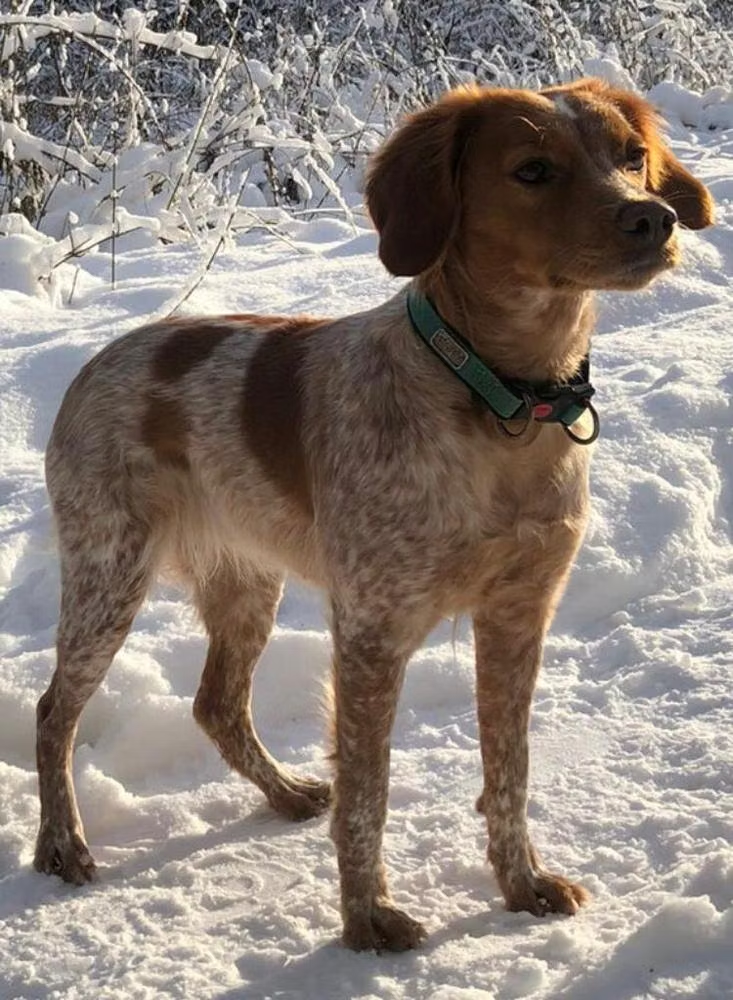
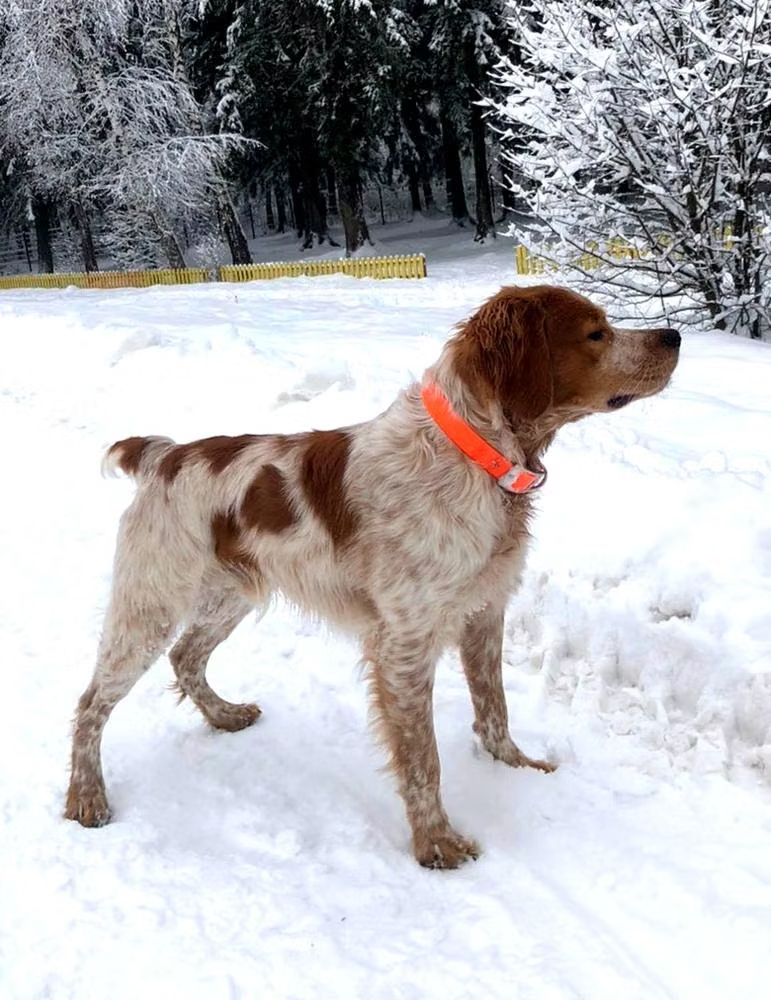
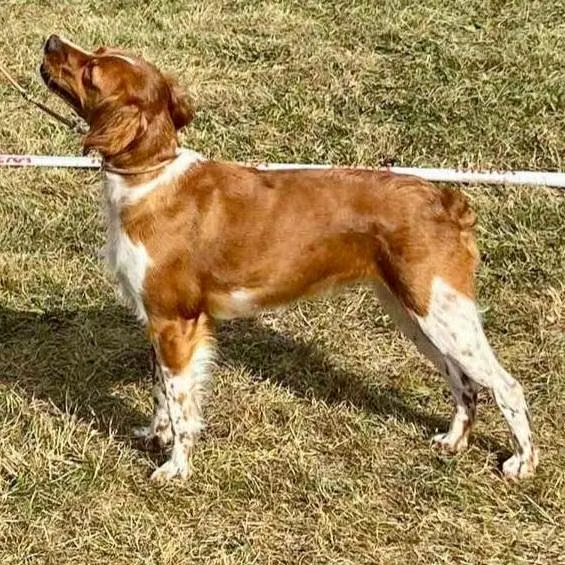
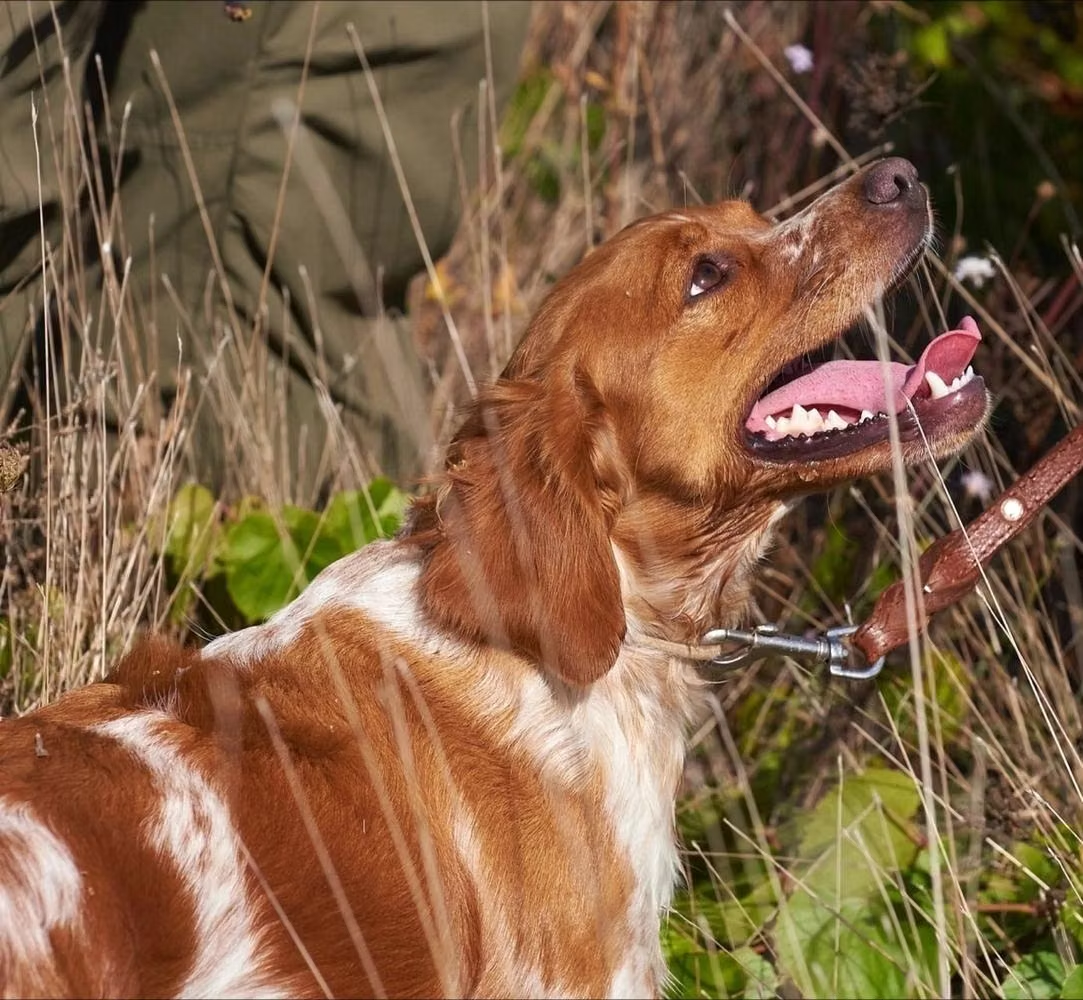
The Brittany is a bright, athletic French pointing breed, beloved for its boundless energy and friendly, eager-to-please nature.
How the Brittany coat is built, and what that means when you groom it.
Caution: A Brittany coat mats easily.
Fine or long hair tangles at the base of the coat, out of sight, where the mats tighten and pull on the skin. Brushing has to reach right down to the roots in sections, not just skim the surface.
A few of the Brittany profiles members have added to United Pet Club.
The Brittany is a compact French sporting dog bred for pointing and flushing game birds, valued for high energy, trainability, and an affectionate nature at home.
The Brittany is a medium-sized sporting dog developed in France for pointing and flushing upland game birds. Known for its energy, intelligence, and willing nature, the Brittany suits active families and serious hunters alike. In Australia, registered breeders are found through Dogs Australia, and the breed competes in both field trials and conformation showing under the Sporting Group.
Compact, agile, and affectionate, the Brittany is often called a "dual dog" because it performs well in the field and settles comfortably at home. Prospective owners should contact Dogs Australia to locate health-tested breeders rather than turning to online classifieds.
| Trait | Detail |
|---|---|
| Origin | France (Brittany region) |
| Size | Medium |
| Lifespan | 12 to 14 years |
| Group / role | Sporting / pointing gundog |
| Good with | Active families, older children, other dogs when socialised |
Brittanys are a strong choice for Australian hunters targeting quail (including stub-quail and button-quail in Queensland and New South Wales), pheasant on private estates, and duck under state game authority regulations. The breed adapts well to open country and bush terrain. Less common than Labradors or Spaniels in Australia, the Brittany has a loyal following of registered breeders and field trial competitors who keep the breed active and healthy.
Developed in 19th-century France as a versatile bird dog, the Brittany reached Australia through exports and now competes in Dogs Australia field trials and conformation events.
The Brittany developed in the Brittany region of north-western France during the 19th century. Local hunters needed a versatile bird dog that could point and flush game on foot, and early crosses with English Setters and Pointers produced a lighter, faster animal than the heavy Continental breeds of the day. French sportsmen valued the Brittany because it could work close to the gun without requiring a horse, which was practical for hunters working varied terrain on foot.
The breed gained formal recognition in France in 1907 and reached the United States in the 1930s, receiving American Kennel Club recognition in 1934. Exports eventually reached Australia, where the breed is registered through Dogs Australia and competes in field trials run under Dogs Australia rules.
Although less common than Labradors or Spaniels in Australia, the Brittany has earned a loyal following among upland hunters and field trial competitors. Its compact build, eager nature, and genuine versatility produced the definitive dual dog: equally capable in the paddock and at ease in the lounge room.
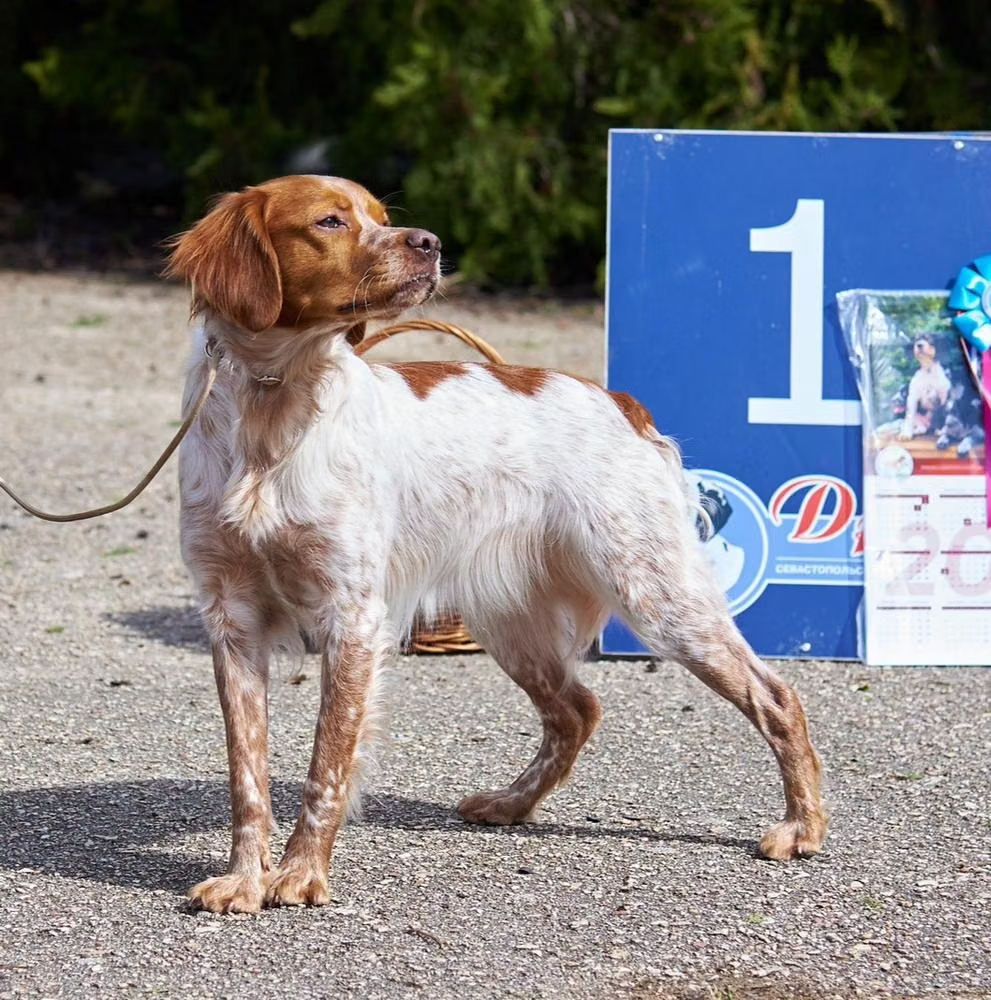
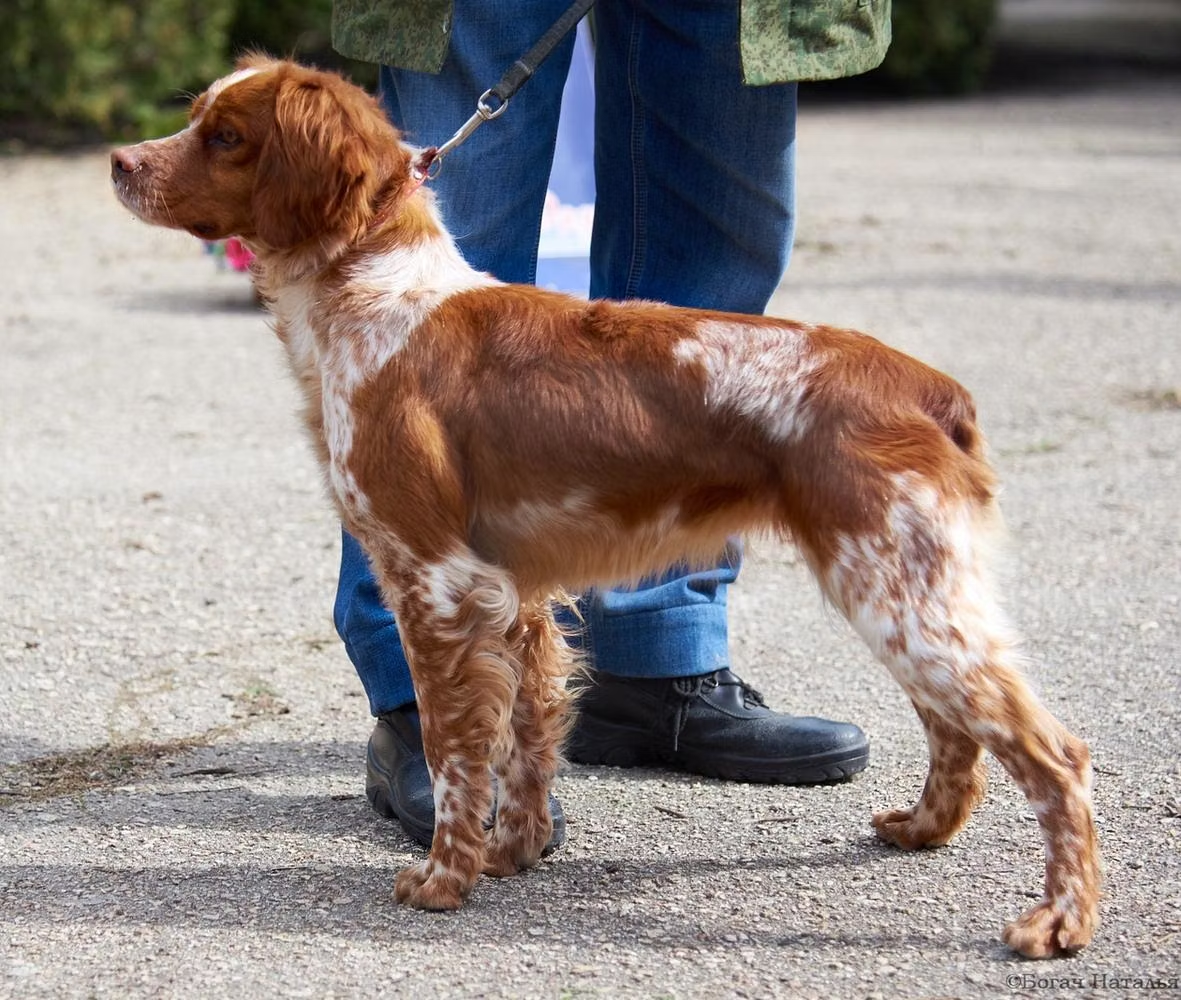
The Brittany stands 44 to 52 cm at the shoulder with a dense, slightly wavy coat in orange or liver and white; many dogs are born with a natural bob tail common to the breed.
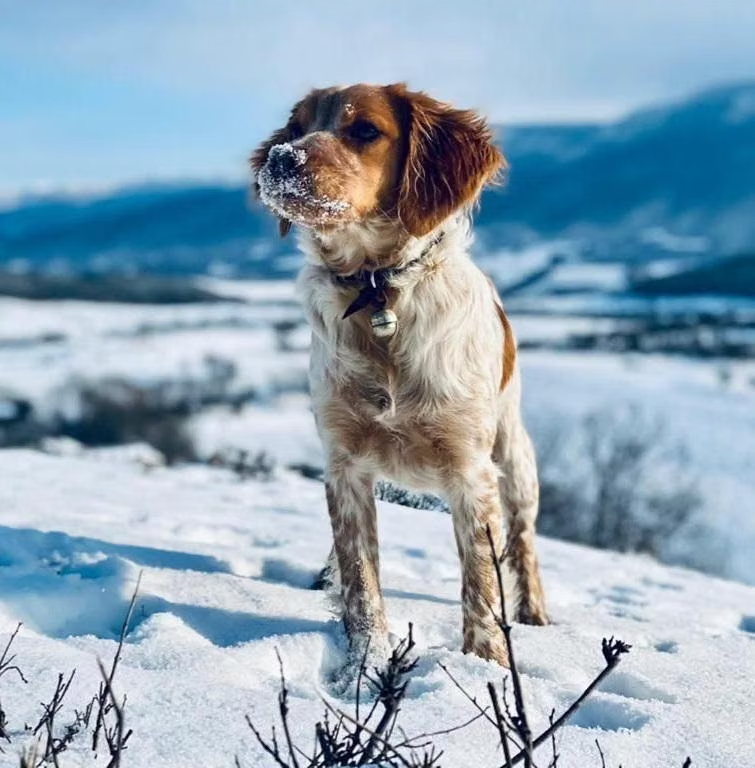
The Brittany is a compact, square-bodied dog with a deep chest, strong hindquarters, and a lively, alert expression. The coat is dense, flat or slightly wavy, with light feathering on the legs and ears. Coat colours include orange and white, liver and white, roan, and tricolour patterns. The eyes are amber to brown, set well back, and carry a gentle, intelligent expression.
| Feature | Detail |
|---|---|
| Height | 44 to 52 cm (17.5 to 20.5 in) at the shoulder, males and females |
| Weight | 14 to 18 kg (30 to 40 lb) |
| Coat | Dense, flat or slightly wavy, with light feathering on legs and ears |
| Colours | Orange and white, liver and white, roan and tricolour patterns |
| Eyes | Amber to brown, set well back, alert and gentle expression |
Many Brittanys are born tailless or with a naturally short bob tail, a characteristic of the breed rather than the result of surgery. Australia has restrictions on cosmetic tail docking, but this is less of a concern for the Brittany than for many other sporting breeds, as a natural bobtail is common in the gene pool. Dogs born without a natural bob typically carry a short tail that Australian breeders leave undocked in line with state animal welfare regulations.
Affectionate and energetic, the Brittany bonds closely with its family, responds well to positive training, and needs daily activity and company to stay settled and content.
The Brittany is affectionate, energetic, and highly trainable. It bonds closely with its family and thrives on human company. A Brittany left alone for long hours tends to become anxious, vocal, and destructive. The breed is sensitive and responds best to calm, consistent handling. Early socialisation with people, other animals, and everyday noise is essential for a well-rounded adult dog.
Brittanys are generally good with children who can match their energy level, and they typically get along well with other dogs when introduced during puppyhood. Their strong bird instinct means care is needed around pet birds and sometimes cats, though early and consistent introduction usually helps both species coexist.
| Trait | Score |
|---|---|
| Affection | 5 / 5 |
| Energy | 5 / 5 |
| Trainability | 5 / 5 |
| Vocalness | 3 / 5 |
| Shedding | 3 / 5 |
The Brittany needs minimal grooming but 60 to 90 minutes of vigorous daily exercise, a secure yard, and a household active enough to keep it engaged and settled.
Grooming
The Brittany's coat is low maintenance compared to heavier-coated sporting breeds.
Exercise
The Brittany needs at least 60 to 90 minutes of vigorous activity every day. A short walk around the block is not enough for this breed.
A Brittany that does not get enough exercise is likely to become noisy, destructive, and restless. On hot summer days (November to March), schedule activity for early morning or evening to avoid heat stress.
Environment
The Brittany does best in a home with a secure, fenced yard where it can move freely. It can adapt to smaller living arrangements if its daily exercise needs are consistently met, but apartment living is a serious challenge without a dedicated routine. The breed is not suited to long hours alone and thrives in an active household or on a working property. The Brittany's origins in mild coastal France mean it handles most Australian climates well, though shade, fresh water, and restricted activity during the heat of the day are necessary in warmer regions.
Feed a quality life-stage food for the Brittany's high energy needs; active adults need roughly 1.5 to 2 cups daily, with adjustments for working or field trial dogs.
Feed a Brittany a quality commercial dog food appropriate for its life stage, or a balanced home-prepared diet formulated with veterinary guidance. The breed's energy requirements are higher than many dogs of similar size, and working or field trial dogs may need more food during active seasons. Always provide access to fresh water, particularly after exercise or swimming.
| Life stage | Amount per day | Meals per day |
|---|---|---|
| Puppy (2 to 6 months) | Per puppy-food label, divided | 3 to 4 meals |
| Junior (6 to 12 months) | Roughly 1.5 to 2 cups | 2 to 3 meals |
| Adult (1 to 7 years) | Roughly 1.5 to 2 cups | 2 meals |
| Senior (8 years and older) | Slightly reduced, adjusted for activity | 2 meals |
Treats used in training should count toward the daily food allowance to avoid overfeeding. Working Brittanys in field trials or regular hunting seasons may need a higher-energy diet during those periods. Transition to any new food gradually over seven to ten days to avoid digestive upset.
Generally hardy with a 12 to 14 year lifespan, the Brittany benefits from breeder screening for hip dysplasia and epilepsy, and regular ear care after water work in Australian rivers and dams.
The Brittany is generally a healthy breed with a lifespan of 12 to 14 years. Responsible breeders in Australia screen for known hereditary conditions before mating, and buyers should ask to see relevant health clearances for both parents. Annual veterinary checks, a healthy weight, and regular dental care all contribute to a long, active life.
| Condition | Signs | Note |
|---|---|---|
| Hip dysplasia | Stiffness, limping, trouble rising | Hereditary; screen breeding dogs; maintain lean weight |
| Epilepsy | Seizures, collapse, disorientation | Managed with medication; genetic component suspected; testing available |
| Ear infections | Head shaking, odour, scratching at ears | Drop ears trap moisture; clean regularly, especially after water work |
| Hypothyroidism | Weight gain, low energy, coat changes | Managed with daily medication once diagnosed |
Ear health deserves particular attention for Australian Brittanys that swim regularly in rivers and farm dams. The drop ear conformation traps moisture and debris, creating conditions where infections develop quickly. Dry the ears thoroughly after any water activity and inspect them weekly. Regular cleaning with a vet-recommended ear solution reduces the risk of problems.
Importing a Brittany from France involves compliance with DAFF (Department of Agriculture, Fisheries and Forestry) biosecurity requirements. France is not classified as rabies-free, placing it in the Category B import pathway, which involves additional health testing and quarantine arrangements before the dog can enter Australia.
One of the most trainable sporting breeds, the Brittany is eager to please and competes successfully in Australian field trials, obedience, and agility with reward-based handling.
The Brittany is one of the most trainable sporting breeds. It is eager to please, highly food and praise motivated, and quick to learn commands and new behaviours. In Australia, Brittanys compete successfully in Dogs Australia obedience trials, agility, and field trials, a reflection of the breed's genuine versatility as both a working dog and a sport dog.
The key is consistency and positive, reward-based methods. Harsh corrections or heavy-handed handling cause anxiety in this sensitive breed and can undermine the dog's confidence and willingness. Short, varied training sessions hold the breed's attention better than long, repetitive drills.
Socialisation
Early and thorough socialisation shapes a well-mannered Brittany. Expose puppies to a wide range of people, children, other animals, and environments during the socialisation window (approximately three to fourteen weeks). Australian working and hunting dogs benefit from early exposure to farm machinery, livestock, gunshots, and the sounds and scents of the bush. Dogs Australia puppy classes and obedience clubs provide a structured path to confidence and social skills.
Brittanys with a strong bird instinct need careful, supervised introduction to cats and pet birds. Most can learn to coexist with other household animals when introduced young and managed consistently.
Responsible Australian breeders screen for hip dysplasia and epilepsy before mating; average litters run 6 to 8 puppies, placed in new homes at about 8 weeks of age.
Responsible Brittany breeding in Australia is conducted through Dogs Australia registered breeders who follow the canine council's code of ethics. Breeders screen for hip dysplasia and epilepsy before using dogs in their programmes, and buyers should request copies of health clearances for both parents. The Brittany Society of Australia is the national breed body and a useful contact for breeders and prospective owners alike.
Australia's biosecurity requirements affect the importation of Brittanys from France and other countries. Prospective importers should consult DAFF import conditions before proceeding, as requirements include health testing, treatment, and quarantine periods depending on the country of origin.
| Parameter | Detail |
|---|---|
| Sexual maturity | About 6 to 12 months |
| Recommended breeding age | Around 2 years, after health screening |
| Heat cycle | Roughly twice per year |
| Gestation | About 63 days |
| Average litter size | 6 to 8 puppies |
| Weaning | About 3 to 4 weeks, complete by 7 to 8 weeks |
| Typical age to new home | About 8 weeks |
A free lifetime United Pet Club record for your Brittany, with the microchip registered at no charge and nothing falling due each year.
Rangers and shelters can only call the number the scan hands them. Give your Brittany a free United Pet Club profile and that number is yours: dog registration takes a few minutes, costs nothing for his lifetime, and works with or without a chip in place.
A chipped Brittany without a registration is carrying a number nobody can use. File it with United Pet Club and the number works for him: free for life, open to every chip brand sold here, searchable from any clinic or pound in the country. Microchip registration now, free account while you're at it.
Sign up free with United Pet Club, add his name, breed, and a photo, and you're done. The lifetime plan keeps the profile live at no cost, and the chip number can go in whenever the vet's done his bit.
Add the 15-digit number to your free account with your address and mobile. Registration and every update after it are free, and chips from any manufacturer an Australian vet implants are accepted.
In most states and territories, yes, chipping is required and the register entry comes with it. The state register and your United Pet Club record do different jobs: one satisfies the council, the other keeps a current phone number one scan away, free.
Nothing with United Pet Club. Profile, chip registration, and unlimited updates are covered for his whole life, no annual fee in sight.
Common Australian questions about Brittany size, exercise needs, temperament, lifespan, compatibility with other pets, trainability, and how to find a registered breeder.
Brittanys are a medium-sized breed. Both males and females stand approximately 44 to 52 cm (17.5 to 20.5 in) at the shoulder and weigh between 14 and 18 kg (30 to 40 lb). Their compact, square build makes them easy to transport and house by comparison with larger sporting breeds.
Yes. Brittanys are loving, loyal, and energetic, and they suit active Australian families well. They are good with children who can keep up with their pace. Early socialisation is important to build confidence and good manners. The breed does best in a household that can provide regular outdoor activity, whether that is hunting, field trial work, or long runs in open country.
Grooming is straightforward: a weekly brush, regular ear checks, and occasional baths are about all the coat requires. The bigger commitment is exercise. A Brittany needs at least 60 to 90 minutes of vigorous activity each day, plus mental stimulation through training or scent work. Owners who cannot meet that requirement will find the breed difficult to live with.
The typical lifespan is 12 to 14 years. Maintaining a healthy weight, providing regular veterinary care, keeping teeth clean, and meeting the dog's exercise needs all support a longer, healthier life. Purchasing from a breeder who screens for hereditary conditions also improves long-term health outcomes.
Brittanys generally get along well with other dogs, especially when socialised from puppyhood. Their strong bird instinct means they may chase or harass pet birds and sometimes cats. Early, supervised introductions and consistent training usually produce a dog that can coexist peacefully with other household animals.
No. The Brittany is one of the most trainable sporting breeds. It is eager to please, responds well to positive reinforcement, and picks up new commands quickly. The breed excels at obedience, agility, and field work in Australia. The key is reward-based methods and varied sessions. Harsh training makes this sensitive breed anxious and less reliable.
Start with the Dogs Australia national breed register and the Brittany Society of Australia, which can refer you to health-testing breeders in your state. Reputable breeders provide hip scores and can discuss the epilepsy history in their lines. Avoid purchasing puppies through online classifieds such as Gumtree, where health documentation is rarely available.