
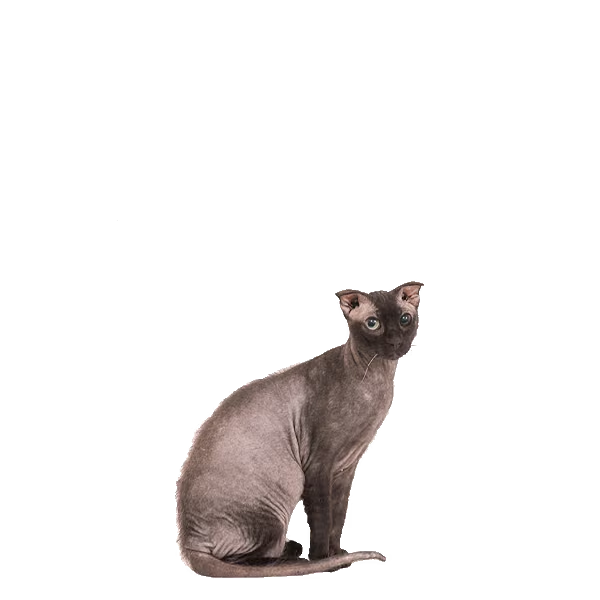
Ukrainian Levkoy
The Ukrainian Levkoy is a distinctive hairless, folded-ear breed loved for its affectionate, gentle nature and devoted companionship.
- Size
- Medium
- Lifespan
- 9–15 years
- Origin
- Ukraine
- Temperament
- Affectionate
Characteristics
Coat and grooming
How the Ukrainian Levkoy coat is built, and what that means when you groom it.
- Coat layers
- Hairless
- Coat length
- Short
- Shedding
- Low shedding
Grooming guidance
Caution: A Ukrainian Levkoy needs protection from the sun.
Bare skin burns quickly and offers no insulation against cold either. Time outdoors needs shade, a coat in cool weather, or a sunscreen a vet has approved for animals.
%22%3E%3Cpath%20d%3D%22M20%2021Q34%2018.8%2048%2022%22%20fill%3D%22none%22%20stroke%3D%22%231C1C1C%22%20stroke-width%3D%222.2%22%20stroke-linecap%3D%22round%22%20stroke-linejoin%3D%22round%22%2F%3E%3Cpath%20d%3D%22M25%2021.5q3%206%20-.5%2016M31.5%2020.8q3%207%20-.5%2016.6M38%2021q3%207%20-.5%2016.6M44.5%2022q2.6%206%20-.5%2014%22%20fill%3D%22none%22%20stroke%3D%22%231C1C1C%22%20stroke-width%3D%222.6%22%20stroke-linecap%3D%22round%22%20stroke-linejoin%3D%22round%22%2F%3E%3Cpath%20d%3D%22M15%2044H50M15%2048H50%22%20fill%3D%22none%22%20stroke%3D%22%231C1C1C%22%20stroke-width%3D%221.8%22%20stroke-linecap%3D%22round%22%20stroke-linejoin%3D%22round%22%2F%3E%3Cpath%20d%3D%22M50%2022H62M51%2017H62M52%2012H63%22%20fill%3D%22none%22%20stroke%3D%22%231C1C1C%22%20stroke-width%3D%221.8%22%20stroke-linecap%3D%22round%22%20stroke-linejoin%3D%22round%22%2F%3E%3Ccircle%20cx%3D%2259.8%22%20cy%3D%227.8%22%20r%3D%222%22%20fill%3D%22%231C1C1C%22%2F%3E%3Cpath%20d%3D%22M12.6%2015.5l.6%204.2M15%2015.5l-.2%204.2M9%2025.2l4.6%201M9.6%2027.4l4%20.2%22%20fill%3D%22none%22%20stroke%3D%22%231C1C1C%22%20stroke-width%3D%221.1%22%20stroke-linecap%3D%22round%22%20stroke-linejoin%3D%22round%22%2F%3E%3C%2Fg%3E%3Cuse%20href%3D%22%23s%22%20fill%3D%22none%22%20stroke%3D%22%233B2A20%22%20stroke-opacity%3D%220.6%22%20stroke-width%3D%221%22%20stroke-linejoin%3D%22round%22%2F%3E%3Cpath%20d%3D%22M3.4%2022.3L5.4%2022.5L4.3%2024Z%22%20fill%3D%22%23E8A0B4%22%2F%3E%3Ccircle%20cx%3D%229.6%22%20cy%3D%2221.2%22%20r%3D%221.1%22%20fill%3D%22%231C1C1C%22%2F%3E%3C%2Fsvg%3E)
About the Ukrainian Levkoy
The Ukrainian Levkoy is a medium-sized hairless cat from Ukraine with inward-folding ears, a distinctive angular body, and a close, affectionate temperament.
The Ukrainian Levkoy is a hairless cat with distinctive inward-folding ears and a long, angular body. Its near-bald coat and folded ear set produce a profile unlike most other breeds, sometimes likened to a dog. The breed was developed in Kyiv, Ukraine, in the early 2000s and is recognised mainly by cat registries in Ukraine and Russia. Australia's National Cat Alliance (ANCATS) does not currently recognise the breed, and strict Australian biosecurity requirements mean that importing one from Ukraine or elsewhere in Europe involves DAFF (Department of Agriculture, Fisheries and Forestry) permits and a managed quarantine process.
Levkoys are medium in size, with most adults weighing between roughly 3.5 and 5 kilograms. The skin is soft and warm to the touch, often wrinkled around the head, neck, and limbs. Because there is little or no hair, the body feels warmer than that of a coated cat, and the skin shows the underlying muscle and bone structure clearly.
The breed is valued for companionship. Levkoys tend to stay close to their owners, follow them between rooms, and seek out laps and warm spots. They are gentle with children and usually get along with other cats and dogs, which makes them suited to busy households where a cat will not be left alone for long stretches.
| Attribute | Detail |
|---|---|
| Origin | Ukraine (Kyiv) |
| Size | Medium (roughly 3.5 to 5 kg) |
| Lifespan | 9 to 15 years |
| Group/role | Companion cat |
| Good with | Children, other cats, dogs |
Who it suits
The Levkoy suits people who want a close, interactive cat and can commit to regular skin care. The hairless coat needs wiping or bathing to manage skin oils, and the cat must be kept out of cold draughts and strong sun. Australia's climate varies widely, and in warmer regions owners need to take particular care that the cat cannot get sunburnt through windows or on outdoor access. Households where someone is home often, or where another pet provides company, fit this breed well.
History and origin
The Ukrainian Levkoy was developed in Kyiv in the early 2000s by crossing hairless Donskoy cats with Scottish Fold cats, resulting in a distinctive hairless breed with folded ears.
The Ukrainian Levkoy is a recent breed, developed in Ukraine in the early 2000s. It is credited to breeder Elena Biriukova in Kyiv, who set out to create a hairless cat with folded ears and a particular body type.
The foundation crosses paired the Donskoy, a hairless cat from Russia, with the Scottish Fold, which carries the gene for forward-folding ears. The Donskoy contributed the hairless coat and the breed's skin character, while the Scottish Fold side contributed the folded ear set. The first kittens that matched the intended look appeared around 2004.
The breed takes its name from the levkoy, a fragrant garden flower, in reference to the way the folded ears were thought to resemble the plant's leaves. Early breeding work concentrated on fixing both the ear fold and the hairlessness while keeping the long, lean frame that distinguishes the type.
Recognition has remained largely regional. The Ukrainian Levkoy is registered by cat associations in Ukraine and Russia, and numbers outside those countries are small. In Australia, ANCATS does not recognise the breed, and biosecurity requirements for importing cats from Ukraine or Europe are considerable. Prospective owners should contact DAFF for current import conditions before pursuing acquisition.
Appearance
The Ukrainian Levkoy is a hairless, medium-sized cat with a long angular body, wrinkled skin, and ears that fold inward and downward.
The Levkoy has an immediately recognisable look. The body is long, lean, and muscular, set on slender legs with long oval paws and noticeably long, mobile toes. The head is angular, sometimes described as dog-like, with high cheekbones, a flat forehead, and a defined muzzle. The eyes are large and almond-shaped.
The defining features are the lack of a coat and the ears, which fold forward and downward at the upper third. Skin covers the whole body and is loose enough to form wrinkles, most visibly on the head, neck, and around the joints. The skin may carry a fine, almost invisible down rather than true fur.
| Trait | Description |
|---|---|
| Height | About 23 to 28 cm at the shoulder |
| Weight | About 3.5 to 5 kg |
| Coat | Hairless; skin soft and wrinkled, sometimes with fine down |
| Colours | Any skin colour or pattern, including pink, grey, and pigmented markings |
| Eyes | Large, almond-shaped, in shades of blue, green, or amber |
Coat and colours
Because the Levkoy is hairless, colour shows in the skin pigment rather than in fur. Skin can be plain pink or carry darker pigment that forms patches or tabby-like patterns, mirroring the colours that would appear in a coated cat. The skin often deepens in tone with sun exposure, and pigmented areas can look like a faint outline of a coat pattern. In the Australian sun, monitoring skin colour changes is especially important, since exposed skin is susceptible to sunburn. Texture matters more than colour in the breed standard: the skin should feel soft, warm, and slightly sticky, with clear wrinkling around the head and limbs.
Temperament
Ukrainian Levkoys are affectionate, gentle, and people-oriented cats that bond closely with their families and get along with children and other pets.
The Ukrainian Levkoy is a companion-focused cat. It forms strong attachments to its people and tends to stay near them, following from room to room and settling on a lap whenever one is available. Much of this behaviour is also practical: the hairless body loses heat quickly, so the cat seeks out warm laps, sunny spots, and other animals to curl up against.
With family members the breed is gentle and patient, and it generally tolerates handling well, which makes it a reasonable match for households with considerate children. Toward strangers most Levkoys are curious rather than shy and warm up quickly once introduced. The breed is sociable with other cats and with dogs, and many owners keep a second pet so the Levkoy has company during the day.
Levkoys stay playful well into adulthood. They enjoy interactive toys, climbing, and games that involve their owners, and their long toes let them grip and manipulate small objects. They are moderately vocal, using soft sounds to get attention rather than constant calling. Left alone for long periods, a Levkoy can become bored or lonely, so steady company suits the breed best.
| Trait | Rating |
|---|---|
| Affection | 5 |
| Energy | 4 |
| Trainability | 4 |
| Vocalness | 2 |
| Shedding | 1 |
Care and grooming
Hairless skin gives the Levkoy unusual care needs, including regular wiping or bathing, sun and cold protection, and ear cleaning.
Grooming
- Wipe the skin with a soft damp cloth several times a week to remove the oils that build up without a coat to absorb them.
- Bathe every one to two weeks with a mild cat-safe cleanser, then dry the cat fully before returning it to cool air.
- Clean the folded ears gently with a vet-approved solution, since the fold can trap wax and debris.
- Trim claws regularly and check the skin folds for redness or irritation.
Exercise
- Provide daily interactive play with wand toys, balls, or puzzle feeders to use the breed's energy.
- Offer climbing posts and shelves, which the Levkoy uses readily.
- Keep play sessions indoors where temperature and sun can be controlled.
Environment
The Levkoy is an indoor cat. Without a coat it has little protection from cold, heat, or sun, so keep the home draught-free and comfortably cool-to-warm, and provide soft bedding and resting spots away from direct sun. In Australia's hotter months, air conditioning and blocked window access are important to prevent sunburn and overheating. In cooler southern regions, soft warm bedding and draft protection matter in winter.
Nutrition and feeding
Levkoys need a complete, protein-rich diet and often eat slightly more than coated cats to support the energy spent keeping warm.
The Ukrainian Levkoy does well on a complete, balanced cat food with animal protein as the main ingredient. Because the body burns extra energy to stay warm without insulating fur, many Levkoys have a healthy appetite and may eat a little more than a coated cat of the same size. Portions should still be measured against body condition to avoid weight gain. Fresh water should always be available, and a mix of wet and dry food helps support hydration, which is especially relevant in a warm climate.
| Life stage | Amount per day | Meals |
|---|---|---|
| Kitten (2 to 12 months) | Follow package amount, fed to appetite | 3 to 4 |
| Adult (1 to 7 years) | About 115 to 170 g wet, or equivalent dry | 2 |
| Senior (8 years and older) | Adjusted to weight and activity | 2 |
Treats and supplements
Keep treats to a small share of daily calories and choose plain meat or commercial cat treats over table scraps. A diet built on complete cat food usually supplies all needed nutrients, so supplements should only be added on a veterinarian's advice. Owners sometimes ask about skin support; if dryness is a concern, discuss diet adjustments or omega-rich foods with a vet rather than self-prescribing.
Health
The Ukrainian Levkoy lives roughly 9 to 15 years and is generally healthy, though hairlessness and the folded-ear gene bring specific concerns.
The Ukrainian Levkoy typically lives between 9 and 15 years. As a young breed with a relatively small gene pool, it has no large body of long-term health data, but its parent breeds point to areas that need attention. The hairless skin and the folded ears are the two features most tied to health concerns, so both deserve routine monitoring.
| Condition | Signs | Note |
|---|---|---|
| Skin problems | Dryness, oily build-up, rashes, sunburn | Linked to the hairless coat; managed with cleaning and sun protection |
| Cartilage and joint issues | Stiffness, reluctance to jump | Associated with the folded-ear gene inherited from Scottish Fold lines |
| Ear infections | Head shaking, odour, discharge | The folded ear can trap wax and moisture |
| Temperature sensitivity | Seeking heat, shivering, lethargy | No coat means poor protection from cold and heat |
Preventive care
- Schedule annual veterinary examinations, with more frequent visits for senior cats.
- Keep vaccinations and parasite control current.
- Maintain the skin and ear cleaning routine and inspect for irritation during grooming.
- Watch body condition and joint movement, and raise any stiffness with a vet early.
Training
Levkoys are intelligent and people-oriented, which makes them responsive to reward-based training, simple tricks, and harness work.
The Ukrainian Levkoy is bright and eager to interact, two traits that make training easier than with many cats. The breed's wish to be near its people gives it a built-in motivation to engage, and its long, dexterous toes let it learn to handle toys and simple puzzles. Levkoys can pick up their name, basic commands, and games of fetch, and many tolerate harness and lead training for safe outdoor time in mild weather.
Basics
- Start with litter training and a fixed feeding spot to build routine.
- Reward the cat for coming when called, using a treat or praise each time.
- Teach one simple behaviour at a time, such as sit or touch, in short sessions.
- Introduce a harness indoors before any lead work outside.
- Redirect scratching to posts and pads from the start.
Breeding
Levkoy breeding requires careful genetic management because both the hairless and folded-ear genes carry health implications.
Breeding the Ukrainian Levkoy calls for planning, because the two signature traits both involve genes that affect health. The folded ear comes from the same gene linked to cartilage problems in Scottish Folds, so responsible programmes avoid mating two folded-ear cats together. Pairing a folded-ear cat with a straight-eared partner reduces the risk of skeletal issues in kittens while still producing folded-ear offspring.
Females generally reach sexual maturity by around 7 to 9 months, though breeders usually wait until a queen is fully grown before her first litter. Gestation lasts roughly 63 to 65 days. Litters tend to be small to moderate, commonly two to five kittens.
Newborn Levkoys are especially vulnerable to cold because they have no coat, so the nest must be kept warm and draught-free. Kittens nurse for the first weeks and begin weaning at around four to five weeks. The breed is essentially unavailable in Australia through local breeders. Anyone wishing to establish a breeding programme here would need to import foundation stock from Europe under DAFF requirements, with full quarantine compliance. Genetic diversity is limited globally, so record-keeping and careful outcrossing are important.
| Metric | Value |
|---|---|
| Sexual maturity | About 7 to 9 months |
| Recommended pairing | Folded-ear with straight-eared cat |
| Gestation | About 63 to 65 days |
| Litter size | Commonly 2 to 5 kittens |
| Weaning | Around 4 to 5 weeks |
Registering a Ukrainian Levkoy the easy way, microchip included
Free lifetime registration for your Ukrainian Levkoy, chip record included, searchable wherever in the country she wanders.
Ukrainian Levkoy registration and microchipping in Australia
Torn flyscreens and doors left ajar send indoor cats to the pound every week, and a fair few states expect pet cats chipped and on the register anyway. A free United Pet Club profile means the scan pulls up your number wherever your Ukrainian Levkoy turns up. Register your cat in a couple of minutes, free for her whole life.
If she's already chipped, the register entry is the missing half; the vet's part ended with the needle. Register the microchip free for life with United Pet Club: any brand qualifies, address changes cost nothing, and the record answers scans from any clinic or shelter in the country. Create your free account and knock both jobs over tonight.
How do I register my Ukrainian Levkoy in Australia?
Free with United Pet Club: set up an account, add her name, colouring, and a photo, and the profile's live for her whole life. A chip isn't required to start.
How do I register my Ukrainian Levkoy's microchip?
Enter the 15-digit number into your free account with your current details. Registration and updates never cost anything, whatever brand of chip your vet used.
Do cats need to be microchipped in Australia?
Several states and territories require it, and shelters chip before rehoming as standard. Requirement or not, the register entry with your current number is what actually brings a Ukrainian Levkoy home.
How much is it to register a Ukrainian Levkoy?
Nothing at all. United Pet Club's lifetime plan covers her profile, the chip record, and every update, with no annual renewal.
Frequently asked questions
Common questions about the Ukrainian Levkoy cover its size, temperament, care needs, lifespan, family suitability, and how to import one into Australia.
How big does a Ukrainian Levkoy get?
It is a medium-sized cat. Most adults weigh about 3.5 to 5 kg and stand roughly 23 to 28 cm at the shoulder, with a long, lean body.
What is the Ukrainian Levkoy's temperament like?
Levkoys are affectionate, gentle, and people-oriented. They bond closely with their families, stay playful as adults, and usually get along with children, other cats, and dogs.
Can I buy a Ukrainian Levkoy in Australia?
The breed is essentially unavailable through local breeders. Bringing one into Australia requires DAFF import permits and quarantine compliance. Prospective owners should contact DAFF and research the current import conditions before looking for a kitten.
How long do Ukrainian Levkoys live?
Most live between 9 and 15 years with good care, including annual veterinary checks and attention to skin, ears, and joints.
Are Ukrainian Levkoys good family pets?
Yes. Their gentle, sociable nature suits families and homes with other pets, especially where someone is around often, since the breed dislikes being alone for long.
Are Ukrainian Levkoys hypoallergenic?
No cat is fully hypoallergenic. The lack of a coat means less shed hair, but the cat still produces the proteins in skin and saliva that trigger most allergies. People with allergies should spend time with the breed before committing.
Does ANCATS recognise the Ukrainian Levkoy?
ANCATS does not currently recognise the breed. The Ukrainian Levkoy is registered mainly by cat associations in Ukraine and Russia. Owners in Australia who wish to show their cat would need to check with individual show societies for their rules on unrecognised breeds.