
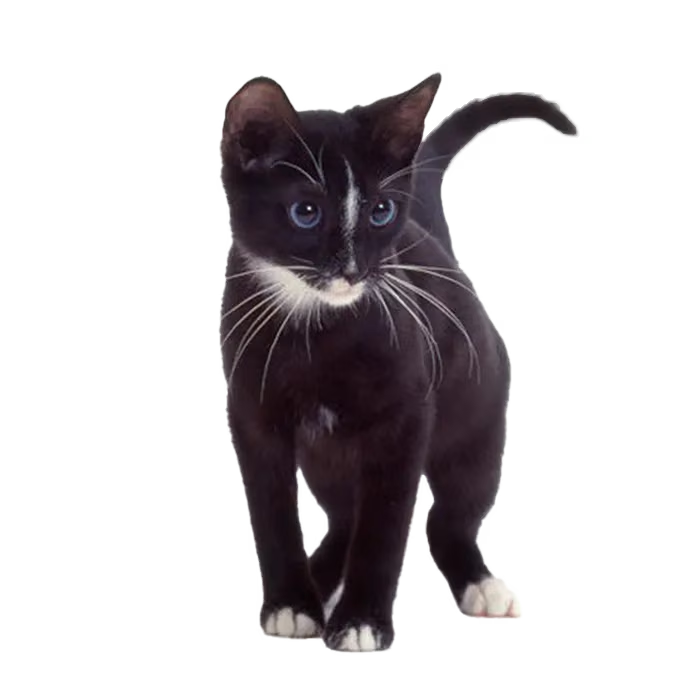
Ojos Azules
The Ojos Azules is a rare breed famed for its striking deep-blue eyes, paired with an affectionate and gentle temperament.
- Size
- Medium
- Lifespan
- 12–16 years
- Origin
- United States
- Temperament
- Affectionate
Characteristics
Coat and grooming
How the Ojos Azules coat is built, and what that means when you groom it.
- Coat layers
- Single coat
- Coat texture
- Smooth
- Coat length
- Short
- Shedding
- Moderate shedding
Ojos Azules colors and patterns
What each club's breed standard says about every Ojos Azules color and pattern. Point at a ruling to see the club's own wording.

%22%3E%3Cpath%20d%3D%22M0%2023L9.5%2020.4L14%2025.4L19%2029.6Q21%2035%2023.5%2035.5Q36%2033%2050%2036L56%2040V64H0Z%22%20fill%3D%22%23F5F5F0%22%2F%3E%3C%2Fg%3E%3Cuse%20href%3D%22%23s%22%20fill%3D%22none%22%20stroke%3D%22%233B2A20%22%20stroke-opacity%3D%220.6%22%20stroke-width%3D%221%22%20stroke-linejoin%3D%22round%22%2F%3E%3Cellipse%20cx%3D%223.2%22%20cy%3D%2221.7%22%20rx%3D%221.3%22%20ry%3D%221.2%22%20fill%3D%22%231C1C1C%22%2F%3E%3Ccircle%20cx%3D%2210.8%22%20cy%3D%2219.3%22%20r%3D%221.1%22%20fill%3D%22%231C1C1C%22%2F%3E%3C%2Fsvg%3E)
%22%3E%3Cpath%20d%3D%22M5.5%2017L7.5%207L12%2015ZM14%2015L17.5%207L20%2018.5Z%22%20fill%3D%22%23847865%22%2F%3E%3Cellipse%20cx%3D%227.6%22%20cy%3D%2223.6%22%20rx%3D%225%22%20ry%3D%225.2%22%20fill%3D%22%23847865%22%2F%3E%3Crect%20x%3D%220%22%20y%3D%2244%22%20width%3D%2264%22%20height%3D%2220%22%20fill%3D%22%23847865%22%2F%3E%3Cpath%20d%3D%22M50%2027L53.5%205L64%203L64%2013L59%2024L53%2033Z%22%20fill%3D%22%23847865%22%2F%3E%3C%2Fg%3E%3Cuse%20href%3D%22%23s%22%20fill%3D%22none%22%20stroke%3D%22%233B2A20%22%20stroke-opacity%3D%220.6%22%20stroke-width%3D%221%22%20stroke-linejoin%3D%22round%22%2F%3E%3Cpath%20d%3D%22M3.4%2022.3L5.4%2022.5L4.3%2024Z%22%20fill%3D%22%23E8A0B4%22%2F%3E%3Ccircle%20cx%3D%229.6%22%20cy%3D%2221.2%22%20r%3D%221.1%22%20fill%3D%22%231C1C1C%22%2F%3E%3C%2Fsvg%3E)
%22%3E%3Cpath%20d%3D%22M20%2021Q34%2018.8%2048%2022%22%20fill%3D%22none%22%20stroke%3D%22%231C1C1C%22%20stroke-width%3D%222.2%22%20stroke-linecap%3D%22round%22%20stroke-linejoin%3D%22round%22%2F%3E%3Cpath%20d%3D%22M25%2021.5q3%206%20-.5%2016M31.5%2020.8q3%207%20-.5%2016.6M38%2021q3%207%20-.5%2016.6M44.5%2022q2.6%206%20-.5%2014%22%20fill%3D%22none%22%20stroke%3D%22%231C1C1C%22%20stroke-width%3D%222.6%22%20stroke-linecap%3D%22round%22%20stroke-linejoin%3D%22round%22%2F%3E%3Cpath%20d%3D%22M15%2044H50M15%2048H50%22%20fill%3D%22none%22%20stroke%3D%22%231C1C1C%22%20stroke-width%3D%221.8%22%20stroke-linecap%3D%22round%22%20stroke-linejoin%3D%22round%22%2F%3E%3Cpath%20d%3D%22M50%2022H62M51%2017H62M52%2012H63%22%20fill%3D%22none%22%20stroke%3D%22%231C1C1C%22%20stroke-width%3D%221.8%22%20stroke-linecap%3D%22round%22%20stroke-linejoin%3D%22round%22%2F%3E%3Ccircle%20cx%3D%2259.8%22%20cy%3D%227.8%22%20r%3D%222%22%20fill%3D%22%231C1C1C%22%2F%3E%3Cpath%20d%3D%22M12.6%2015.5l.6%204.2M15%2015.5l-.2%204.2M9%2025.2l4.6%201M9.6%2027.4l4%20.2%22%20fill%3D%22none%22%20stroke%3D%22%231C1C1C%22%20stroke-width%3D%221.1%22%20stroke-linecap%3D%22round%22%20stroke-linejoin%3D%22round%22%2F%3E%3C%2Fg%3E%3Cuse%20href%3D%22%23s%22%20fill%3D%22none%22%20stroke%3D%22%233B2A20%22%20stroke-opacity%3D%220.6%22%20stroke-width%3D%221%22%20stroke-linejoin%3D%22round%22%2F%3E%3Cpath%20d%3D%22M3.4%2022.3L5.4%2022.5L4.3%2024Z%22%20fill%3D%22%23E8A0B4%22%2F%3E%3Ccircle%20cx%3D%229.6%22%20cy%3D%2221.2%22%20r%3D%221.1%22%20fill%3D%22%231C1C1C%22%2F%3E%3C%2Fsvg%3E)
%22%3E%3Cg%20fill%3D%22%23A6402A%22%3E%3Cpath%20d%3D%22M33.4%2041.5C32.7%2042.3%2029.1%2042.6%2027.6%2042.6C26.1%2042.6%2024.8%2042.1%2024.2%2041.4C23.7%2040.8%2024.1%2039.5%2024.4%2038.7C24.7%2037.9%2025.4%2037.1%2026.1%2036.6C26.7%2036.2%2027.1%2036.1%2028.2%2036C29.4%2035.8%2032.3%2035.3%2032.9%2035.7C33.5%2036.1%2031.8%2037.2%2031.9%2038.2C32%2039.1%2034.1%2040.8%2033.4%2041.5ZM43.8%2021C44.8%2021.8%2044.6%2022.4%2045.1%2023.5C45.7%2024.7%2047.5%2026.8%2047.1%2027.9C46.8%2029.1%2044.4%2030.1%2042.9%2030.2C41.5%2030.3%2039.7%2029.4%2038.4%2028.8C37.2%2028.1%2035.9%2027.2%2035.5%2026.3C35%2025.3%2035.4%2024.2%2036%2023C36.5%2021.8%2037.3%2019.3%2038.6%2019C39.9%2018.6%2042.7%2020.3%2043.8%2021ZM32.1%2031.7C30.8%2031.1%2027.1%2030.8%2026.3%2030.2C25.5%2029.5%2026%2028.5%2027.2%2027.9C28.4%2027.2%2031.6%2026.4%2033.4%2026.5C35.1%2026.5%2036.4%2027.9%2037.7%2028.4C38.9%2028.9%2040.6%2029.1%2040.9%2029.6C41.2%2030.2%2040.6%2031.1%2039.5%2031.7C38.5%2032.4%2035.8%2033.6%2034.5%2033.6C33.3%2033.6%2033.5%2032.3%2032.1%2031.7ZM14.2%2025.9C14.7%2025.4%2017.6%2025%2018.9%2025C20.2%2024.9%2021.2%2025.1%2022.2%2025.4C23.2%2025.6%2024.4%2025.9%2024.9%2026.4C25.5%2026.8%2025.8%2027.3%2025.7%2027.8C25.7%2028.3%2025.4%2029.2%2024.5%2029.4C23.6%2029.6%2021.8%2029.2%2020.3%2029C18.8%2028.8%2016.5%2028.7%2015.5%2028.2C14.5%2027.7%2013.6%2026.5%2014.2%2025.9ZM12.7%2024.9C11.2%2024.1%208.1%2024.5%207.7%2023.6C7.4%2022.8%209.8%2020.5%2010.7%2019.8C11.7%2019.1%2012.2%2019.6%2013.3%2019.5C14.3%2019.4%2015.7%2018.9%2017.1%2019.1C18.5%2019.3%2021.2%2019.9%2021.7%2020.8C22.3%2021.6%2021.1%2023%2020.3%2024.3C19.5%2025.6%2018.3%2028.2%2017%2028.3C15.7%2028.4%2014.2%2025.7%2012.7%2024.9ZM4.1%2022.6C5%2021.8%209.9%2021.6%2011.1%2022.2C12.2%2022.8%2010.7%2025.1%2011%2026.1C11.2%2027.2%2012.6%2027.6%2012.8%2028.5C12.9%2029.3%2012.9%2030.8%2011.9%2031.2C10.9%2031.6%208.2%2031.1%206.8%2030.9C5.4%2030.7%203.9%2030.6%203.6%2029.9C3.3%2029.2%205.2%2027.9%205.2%2026.7C5.3%2025.5%203.1%2023.3%204.1%2022.6ZM44.6%2058.9C43.2%2058.4%2041.4%2057.6%2040.5%2056.7C39.7%2055.9%2038.9%2054.4%2039.5%2053.7C40.1%2053%2042.8%2053.2%2043.9%2052.4C45.1%2051.5%2045.7%2048.8%2046.6%2048.6C47.5%2048.4%2048.7%2050.2%2049.1%2051.3C49.6%2052.3%2049.3%2053.4%2049.2%2054.9C49.2%2056.4%2049.8%2059.5%2049%2060.1C48.3%2060.8%2046%2059.5%2044.6%2058.9Z%22%2F%3E%3Cpath%20d%3D%22M13.4%2021.1C13.1%2021.7%2011.8%2022%2010.3%2022.4C8.8%2022.9%205.2%2023.9%204.3%2023.6C3.4%2023.3%205.5%2021.4%204.8%2020.6C4.1%2019.8%200.1%2019.3%200.2%2018.9C0.3%2018.4%203.6%2018.1%205.3%2017.8C7%2017.6%209.3%2017.2%2010.4%2017.3C11.5%2017.4%2011.7%2018%2012.2%2018.6C12.7%2019.2%2013.8%2020.4%2013.4%2021.1ZM19.7%2020.4C18.8%2020.9%2017.5%2019.9%2016.2%2019.7C14.9%2019.4%2012.5%2019.9%2011.8%2019C11.2%2018%2011.6%2015.2%2012.4%2014.3C13.3%2013.3%2015.6%2013.6%2016.8%2013.4C18.1%2013.3%2019.1%2013.2%2019.9%2013.3C20.8%2013.4%2021.5%2013.5%2021.7%2014C22%2014.5%2021.8%2015.4%2021.5%2016.5C21.1%2017.5%2020.6%2019.8%2019.7%2020.4ZM34.3%2048.7C33.9%2048%2035%2046.2%2035%2044.7C35.1%2043.2%2034.2%2040.4%2034.6%2039.4C35.1%2038.5%2036.2%2038.8%2037.5%2038.9C38.9%2039.1%2042.1%2039.5%2042.7%2040.3C43.2%2041.2%2040.9%2042.8%2040.7%2044.1C40.6%2045.4%2042.3%2047.5%2041.8%2048.3C41.3%2049.1%2038.8%2048.7%2037.5%2048.7C36.3%2048.8%2034.8%2049.3%2034.3%2048.7ZM40.6%2033.5C40.2%2032.1%2038.2%2031.9%2038.5%2030.8C38.7%2029.8%2041.1%2027.9%2042.2%2027.2C43.3%2026.6%2044.6%2026.3%2045.3%2027.1C45.9%2027.8%2046%2030.2%2046.4%2031.6C46.7%2032.9%2047.4%2034.1%2047.2%2035.2C47%2036.4%2046.4%2037.8%2045.2%2038.5C44.1%2039.2%2041.1%2040.3%2040.3%2039.4C39.5%2038.6%2040.9%2035%2040.6%2033.5ZM27.8%2024.7C27%2023.4%2027.6%2020.6%2028%2019.3C28.3%2018%2028.9%2017.8%2030%2017C31%2016.1%2033.4%2014%2034.2%2014.1C35%2014.3%2034.3%2016.9%2034.9%2018.1C35.5%2019.3%2037.9%2020.5%2037.8%2021.2C37.7%2022%2035.1%2021.9%2034.2%2022.8C33.3%2023.8%2033.7%2026.8%2032.7%2027.1C31.6%2027.4%2028.5%2026%2027.8%2024.7ZM24.5%2050.5C23.4%2050.6%2022.7%2048.1%2022.1%2047.5C21.6%2046.9%2021.5%2047.5%2020.9%2046.8C20.3%2046%2018.2%2043.9%2018.4%2043.2C18.6%2042.6%2020.6%2043.2%2022.1%2042.9C23.6%2042.6%2026.4%2041.1%2027.3%2041.4C28.2%2041.7%2027.3%2043.8%2027.5%2044.7C27.7%2045.6%2029%2045.8%2028.5%2046.8C28%2047.7%2025.5%2050.4%2024.5%2050.5ZM49.9%2046.9C48.9%2047.3%2046.2%2047%2045.3%2046.6C44.3%2046.3%2044.2%2045.5%2044%2044.6C43.8%2043.7%2043.8%2041.9%2044.2%2041.2C44.6%2040.6%2045.6%2040.7%2046.2%2040.5C46.9%2040.3%2047.4%2039.8%2048.2%2040.1C49%2040.3%2050.4%2041.2%2050.8%2041.9C51.3%2042.6%2051.2%2043.3%2051.1%2044.1C50.9%2045%2050.8%2046.5%2049.9%2046.9Z%22%2F%3E%3Cpath%20d%3D%22M23.4%2058.2C22.3%2058.9%2020.7%2061.5%2020.2%2061.2C19.7%2060.9%2020.6%2058%2020.2%2056.3C19.8%2054.6%2017.8%2052.5%2017.9%2051.1C17.9%2049.6%2019.7%2047.9%2020.7%2047.7C21.6%2047.5%2022.8%2049%2023.6%2049.8C24.3%2050.6%2024.6%2051.1%2025.1%2052.3C25.6%2053.6%2027%2056.2%2026.7%2057.2C26.4%2058.2%2024.4%2057.6%2023.4%2058.2ZM50.2%2017.9C51%2018.5%2052.1%2021.9%2052.1%2023.2C52%2024.5%2050.5%2025.2%2050%2025.8C49.5%2026.4%2049.7%2026.4%2049%2026.8C48.4%2027.1%2046.8%2028.5%2046.3%2028.1C45.8%2027.7%2046.3%2025.6%2046.2%2024.5C46%2023.5%2045.4%2022.5%2045.5%2021.7C45.7%2020.9%2046.3%2020.3%2047%2019.7C47.8%2019.1%2049.4%2017.3%2050.2%2017.9Z%22%2F%3E%3C%2Fg%3E%3Cpath%20d%3D%22M18.9%2037.1h.1M44.8%2032.6h.1M39.4%2020.9h.1M26.4%2038.1h.1M31.6%2025.6h.1M32.5%2038.6h.1M48.1%2025h.1M56.5%2014.7h.1M16.4%2022.9h.1M45.4%2042.6h.1M12.2%2025.5h.1M15.6%2014.7h.1M44.2%2026.5h.1M47.1%2050.9h.1M7.7%2021.4h.1M25.8%2025.2h.1M38%2041.5h.1M21.9%2028.5h.1M17%2043.1h.1M26.4%2033.5h.1M7.6%2012h.1M56.3%2022.8h.1%22%20fill%3D%22none%22%20stroke%3D%22%231C1C1C%22%20stroke-width%3D%222%22%20stroke-linecap%3D%22round%22%20stroke-linejoin%3D%22round%22%2F%3E%3Cpath%20d%3D%22M48.6%2029.8h.1M8.5%2028.3h.1M21.9%2030h.1M48.5%2042.7h.1M18.7%2047.5h.1M45.4%2052.3h.1M27.7%2036h.1M34%2029.5h.1M44.5%2039.6h.1M57.5%2017.2h.1M31.4%2026.1h.1M17.5%2025.8h.1M22.4%2051.3h.1M14.5%2019h.1M55.2%2012.8h.1M22.2%2039.1h.1M18.9%2021h.1M36.4%2037.7h.1M58.8%208.8h.1M7.2%2016.6h.1M26.4%2030h.1M38.5%2047.6h.1%22%20fill%3D%22none%22%20stroke%3D%22%23A6402A%22%20stroke-width%3D%222%22%20stroke-linecap%3D%22round%22%20stroke-linejoin%3D%22round%22%2F%3E%3C%2Fg%3E%3Cuse%20href%3D%22%23s%22%20fill%3D%22none%22%20stroke%3D%22%233B2A20%22%20stroke-opacity%3D%220.6%22%20stroke-width%3D%221%22%20stroke-linejoin%3D%22round%22%2F%3E%3Cpath%20d%3D%22M3.4%2022.3L5.4%2022.5L4.3%2024Z%22%20fill%3D%22%23E8A0B4%22%2F%3E%3Ccircle%20cx%3D%229.6%22%20cy%3D%2221.2%22%20r%3D%221.1%22%20fill%3D%22%231C1C1C%22%2F%3E%3C%2Fsvg%3E)
%22%3E%3Ccircle%20cx%3D%2216%22%20cy%3D%2232%22%20r%3D%228%22%20fill%3D%22%23D9C3A0%22%2F%3E%3Ccircle%20cx%3D%2216%22%20cy%3D%2232%22%20r%3D%223.4%22%20fill%3D%22%231C1C1C%22%2F%3E%3Ccircle%20cx%3D%2213.6%22%20cy%3D%2229.6%22%20r%3D%221.3%22%20fill%3D%22%23F5F5F0%22%2F%3E%3C%2Fg%3E%3Cpath%20d%3D%22M3%2032Q16%2017%2029%2032Q16%2047%203%2032Z%22%20fill%3D%22none%22%20stroke%3D%22%233B2A20%22%20stroke-opacity%3D%220.75%22%20stroke-width%3D%221.4%22%20stroke-linejoin%3D%22round%22%2F%3E%3Cpath%20d%3D%22M35%2032Q48%2017%2061%2032Q48%2047%2035%2032Z%22%20fill%3D%22%23F5F5F0%22%2F%3E%3Cg%20clip-path%3D%22url(%23e1)%22%3E%3Ccircle%20cx%3D%2248%22%20cy%3D%2232%22%20r%3D%228%22%20fill%3D%22%23847865%22%2F%3E%3Ccircle%20cx%3D%2248%22%20cy%3D%2232%22%20r%3D%223.4%22%20fill%3D%22%231C1C1C%22%2F%3E%3Ccircle%20cx%3D%2245.6%22%20cy%3D%2229.6%22%20r%3D%221.3%22%20fill%3D%22%23F5F5F0%22%2F%3E%3C%2Fg%3E%3Cpath%20d%3D%22M35%2032Q48%2017%2061%2032Q48%2047%2035%2032Z%22%20fill%3D%22none%22%20stroke%3D%22%233B2A20%22%20stroke-opacity%3D%220.75%22%20stroke-width%3D%221.4%22%20stroke-linejoin%3D%22round%22%2F%3E%3C%2Fsvg%3E)
About the Ojos Azules cat
The Ojos Azules is a rare cat breed from the United States, prized for deep-blue eyes that show up whatever the coat colour, paired with a gentle, friendly nature.
The Ojos Azules is a rare domestic cat whose name comes from the Spanish for "blue eyes." One feature defines the breed above all: deep-blue eyes that appear independently of coat colour. In most cats, vivid blue eyes go hand in hand with a white coat or a colour-point pattern. The Ojos Azules can carry that same blue no matter what colour its fur happens to be, and that alone separates it from almost every other breed.
This is a medium-sized cat with a balanced, moderate build. It is neither heavy and stocky nor slim in the manner of the oriental breeds. Owners describe the temperament as friendly, affectionate, gentle, calm, and sociable, so the cat settles easily with the people it knows.
Numbers stay very low. The Ojos Azules has never been produced in any quantity, and the gene behind its eye colour brings health concerns that have kept breeders cautious. The upshot is a breed you are far more likely to read about than to meet in person, and one that remains all but unseen in Australia.
| Attribute | Detail |
|---|---|
| Origin | United States |
| Size | Medium |
| Lifespan | 12 to 16 years |
| Group/role | Companion cat |
| Good with | Families and other household pets, given gradual introductions |
Who it suits
The Ojos Azules suits people who want a calm, sociable companion and who accept what a rare breed involves. Cats are scarce, waiting lists are the norm, and anyone keen should expect to deal with a knowledgeable breeder, most likely overseas. The gentle, people-loving nature suits a home that can offer a cat steady attention and a settled routine.
History and origin of the Ojos Azules
First recorded in New Mexico in 1984, when a tortoiseshell cat with deep-blue eyes turned up in a feral colony, the Ojos Azules has stayed rare ever since.
The Ojos Azules traces back to the United States, and to New Mexico in particular. In 1984 a tortoiseshell queen with unusually deep-blue eyes was spotted within a colony of feral cats. What drew attention was that the blue eyes were not tied to a white coat or a colour-point pattern, the usual reasons a cat's eyes turn blue.
Breeders set about studying the cat and its offspring to work out the trait. The eye colour proved to stem from a dominant gene, meaning it could pass on without two copies being present. Early test matings showed the gene could bring blue eyes across a spread of coat colours.
The trait carried a grave catch. When two copies of the gene came together, the kittens often had cranial and skeletal defects and did not survive. That finding meant an Ojos Azules could only be mated to a cat without the gene, which sharply narrowed how the breed could grow.
The International Cat Association accepted the breed for registration, yet the population stayed tiny. In Australia the breed sits outside the recognised standards of bodies such as the Co-ordinating Cat Council of Australia and the Australian Cat Federation, and local examples are effectively nonexistent. Between the genetic risk and the slender founding stock, the Ojos Azules remains one of the rarest cats going, with few well-documented specimens anywhere.
Ojos Azules appearance and breed standard
A medium-sized cat of moderate build, the Ojos Azules is defined by deep-blue eyes that show regardless of coat colour or pattern.
The Ojos Azules is a medium-sized cat with a moderate, well-proportioned body. The build steers clear of extremes: not cobby and heavy, and not long and fine-boned. The head is a touch rounded, and the body rests on legs of medium length and proportion.
The eyes are the whole point. They are deep blue, often likened to the blue of a colour-point or white cat, but here they turn up on cats of any coat colour. A marker often linked to the trait is a flattened tip to the tail along with small white patches, features breeders watch for when weighing up the gene.
| Feature | Description |
|---|---|
| Height | Roughly 23 to 28 cm at the shoulder |
| Weight | Approximately 4 to 5.5 kg |
| Coat | Short to medium, depending on the individual |
| Colours | Any colour or pattern; the blue eyes are independent of coat |
| Eyes | Deep blue, the breed's signature trait |
Coat and colours
Unlike many breeds, the Ojos Azules asks for no set coat colour or pattern. A cat can be solid, tortoiseshell, tabby, or any other colouring and still carry the blue-eyed trait. Both shorthaired and longhaired cats have been recorded. Because coat colour is not what the breed rests on, selection turns on eye colour and on steering clear of the health risks bound up with the defining gene.
Ojos Azules temperament and behaviour
The Ojos Azules is a friendly, affectionate, and gentle cat with a calm, sociable streak that fits attentive family homes.
The Ojos Azules has a friendly, affectionate temperament. It tends to seek out its people and forms tight bonds within the household. On the whole the breed is calm rather than busy, and owners describe it as gentle in the way it handles people and its surroundings.
With the family it is sociable and happy to sit near the middle of the action. With visitors it is usually approachable but may take a while to warm up, which fits its even temper. Around other pets the calm disposition helps, though introductions should be gradual and supervised, as with any cat.
The Ojos Azules is not one for being pushy or loud. It slots neatly into a quiet, settled home where it gets steady attention. Because the breed is so scarce, individual characters vary, but the accounts that exist point consistently to a gentle, people-focused companion.
| Trait | Rating |
|---|---|
| Affection | 5 |
| Energy | 3 |
| Trainability | 3 |
| Vocalness | 2 |
| Shedding | 2 |
Ojos Azules care and grooming
The Ojos Azules needs routine grooming, moderate play and enrichment, and a calm indoor home, with grooming needs shifting by coat length.
Everyday care for the Ojos Azules is uncomplicated and much like that of any other medium-sized companion cat. Coat care hinges on whether the cat is shorthaired or carries a longer coat. Regular handling keeps the cat at ease and gives the owner a routine chance to check eyes, ears, and skin.
Grooming
- Brush a shorthaired cat once a week to lift out loose hair
- Brush a longhaired cat two to three times a week to head off matting
- Check and gently wipe the eyes, given how central they are to the breed
- Trim claws every few weeks
- Check ears and teeth on a regular schedule
Exercise
- Offer daily interactive play with wand toys or balls
- Provide a scratching post and a climbing or perch spot
- Rotate toys to keep a calm cat interested
- Aim for short, regular play sessions rather than one long stint
Environment
The Ojos Azules does well as an indoor cat in a settled home, which also keeps it clear of Australia's traffic, heat, and native wildlife. Its calm nature means it does not call for a high-energy setup, but it appreciates quiet corners, a comfortable resting spot, and the regular company of its people. A predictable routine suits the breed's even temper.
Ojos Azules nutrition and feeding
The Ojos Azules needs a complete, balanced cat food suited to its life stage, served in measured meals to hold a healthy weight.
The Ojos Azules has no special dietary needs beyond those of a typical medium-sized cat. Feed a complete and balanced food formulated for the cat's life stage, with animal protein as the main ingredient. Fresh water should always be on hand. Because the breed leans towards a calm activity level, portion control matters to keep excess weight off.
| Life stage | Amount per day | Meals |
|---|---|---|
| Kitten (to 12 months) | Per package guidance, fed to appetite | 3 to 4 |
| Adult | Roughly 50 to 70 g dry, or equivalent wet, adjusted to weight | 2 |
| Senior | Adjusted to hold ideal body condition | 2 |
Treats and supplements
Keep treats within about 10 percent of daily kilojoules so they do not throw the diet off balance. A cat on a complete commercial food usually needs no supplements. Run any supplement, such as a joint or coat product, past your vet before adding it, especially for older cats.
Ojos Azules health and lifespan
The Ojos Azules usually lives 12 to 16 years, and its chief health concern is the fatal defect tied to inheriting two copies of the blue-eyed gene, which careful breeding avoids.
The Ojos Azules generally lives 12 to 16 years. The health matter that counts most is bound up with the gene that gives the breed its blue eyes. One copy produces the blue-eyed trait, but two copies are linked to cranial and skeletal defects that a kitten cannot survive. For that reason an Ojos Azules is only ever mated to a cat that does not carry the gene, which keeps litters safe while limiting breeding options.
Beyond this breed-specific concern, the Ojos Azules faces the same general health issues as any other domestic cat. Routine veterinary care and attention to weight, teeth, and the eyes all support a long life.
| Condition | Signs | Note |
|---|---|---|
| Homozygous gene defect | Cranial and skeletal abnormalities in affected kittens | Avoided by never mating two blue-eyed carriers |
| Dental disease | Bad breath, drooling, reduced appetite | Common in cats; routine dental care helps |
| Obesity | Weight gain, low activity | Manage with measured feeding and play |
Preventive care
- Book annual vet checkups, more often for older cats
- Keep core vaccinations and parasite prevention up to date
- Stay on top of dental care to hold back gum and tooth disease
- Watch body weight and adjust food as needed
- Use only health-screened breeding pairs
Ojos Azules training and enrichment
A gentle, sociable cat, the Ojos Azules takes well to patient, reward-based training for the basics such as litter use, handling, and simple cues.
The Ojos Azules is bright and people-focused, which gives a calm and willing base for training. Cats learn through reward and repetition, not pressure. The breed's sociable streak helps, since a cat that enjoys time with its owner is keener to join in short training sessions. Keep the goals realistic: litter training, relaxed handling, carrier acceptance, and a handful of simple cues are all fair aims.
Basics
- Set litter habits early with a clean, easy-to-reach tray
- Pair the carrier with treats so it becomes a familiar, safe space
- Reward calm handling of paws, ears, and mouth for grooming and vet visits
- Teach a simple recall or target cue using food rewards
- Keep sessions short, a few minutes at a time, and finish on a win
Breeding the Ojos Azules
Breeding the Ojos Azules is hemmed in by genetics: a blue-eyed cat must be paired only with a non-carrier, since two copies of the defining gene cause fatal defects.
Breeding the Ojos Azules is ruled by the gene that defines it. The blue-eyed trait is dominant, so a single copy delivers the eye colour. Pairing two blue-eyed cats risks kittens that inherit two copies, which is linked to cranial and skeletal defects a kitten cannot survive. Responsible breeders therefore mate an Ojos Azules only to a cat without the gene. On average, about half of such a litter picks up the blue eyes.
Queens reach sexual maturity within the first year, and feline pregnancy runs roughly 63 to 65 days. Litters tend to be small. The queen raises her kittens through nursing and weaning over the first weeks, with kittens usually ready to go to new homes at around 12 weeks once weaned, socialised, and given their first veterinary care. Because the founding population is small and the gene limits pairings, the breed turns out very few kittens, which explains its rarity.
| Metric | Value |
|---|---|
| Sexual maturity | Around 6 to 12 months |
| Gestation | Approximately 63 to 65 days |
| Litter size | Typically small (a few kittens) |
| Weaning age | About 6 to 8 weeks |
| Required pairing | Blue-eyed cat to a non-carrier only |
Registering an Ojos Azules the easy way, microchip included
Free lifetime registration for your Ojos Azules, chip record included, searchable wherever in the country she wanders.
Ojos Azules registration and microchipping in Australia
Torn flyscreens and doors left ajar send indoor cats to the pound every week, and a fair few states expect pet cats chipped and on the register anyway. A free United Pet Club profile means the scan pulls up your number wherever your Ojos Azules turns up. Register your cat in a couple of minutes, free for her whole life.
If she's already chipped, the register entry is the missing half; the vet's part ended with the needle. Register the microchip free for life with United Pet Club: any brand qualifies, address changes cost nothing, and the record answers scans from any clinic or shelter in the country. Create your free account and knock both jobs over tonight.
How do I register my Ojos Azules in Australia?
Free with United Pet Club: set up an account, add her name, colouring, and a photo, and the profile's live for her whole life. A chip isn't required to start.
How do I register my Ojos Azules's microchip?
Enter the 15-digit number into your free account with your current details. Registration and updates never cost anything, whatever brand of chip your vet used.
Do cats need to be microchipped in Australia?
Several states and territories require it, and shelters chip before rehoming as standard. Requirement or not, the register entry with your current number is what actually brings an Ojos Azules home.
How much is it to register an Ojos Azules?
Nothing at all. United Pet Club's lifetime plan covers her profile, the chip record, and every update, with no annual renewal.
Ojos Azules frequently asked questions
Common questions about the Ojos Azules cover its size, temperament, care needs, lifespan, suitability, and just how hard the breed is to find.
How big does an Ojos Azules get?
It is a medium-sized cat of moderate build, generally weighing around 4 to 5.5 kg, neither stocky nor slim.
What is the temperament of the Ojos Azules?
The breed is friendly, affectionate, gentle, calm, and sociable. It bonds closely with its people and is usually approachable once it knows you.
Is the Ojos Azules hard to look after?
No. Care runs much like that of other medium-sized cats: routine grooming, daily play, measured feeding, and regular vet checkups. Longhaired cats need a touch more brushing.
How long does an Ojos Azules live?
The typical lifespan is 12 to 16 years with good care, which sits in the normal range for domestic cats.
Is the Ojos Azules good for families?
Yes. Its gentle, sociable nature suits family homes, and it can live alongside other pets when introductions are gradual and supervised.
Why is the Ojos Azules so rare?
The gene behind its blue eyes is fatal when inherited in two copies, so a blue-eyed cat can only be mated to a non-carrier. Add a small founding population and numbers stay very low, with the breed all but unseen in Australia.
What makes its eyes different from other blue-eyed cats?
In most cats, blue eyes come with a white coat or a colour-point pattern. The Ojos Azules has deep-blue eyes whatever the coat colour, which is unusual among cats.