Holistic and Alternative Medicine for Pets: What Actually Helps
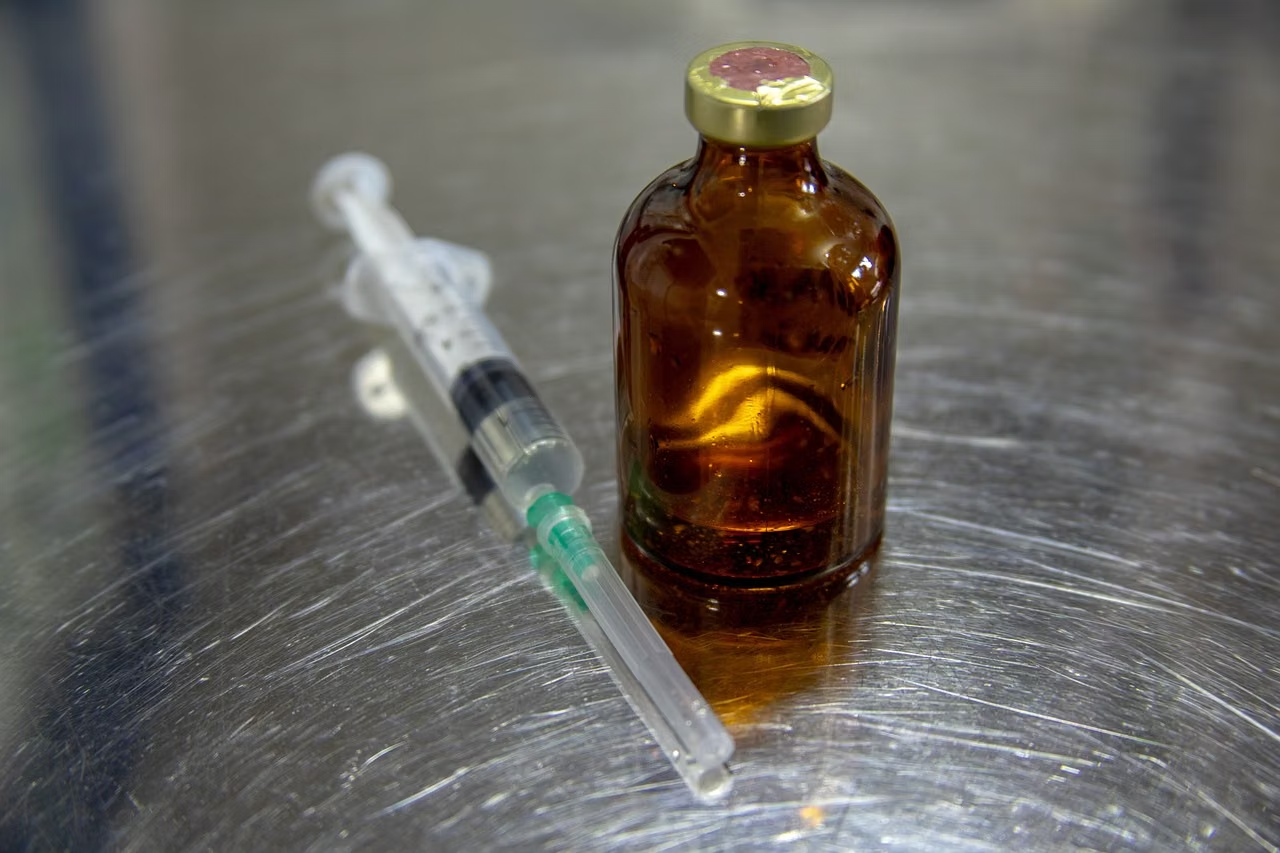
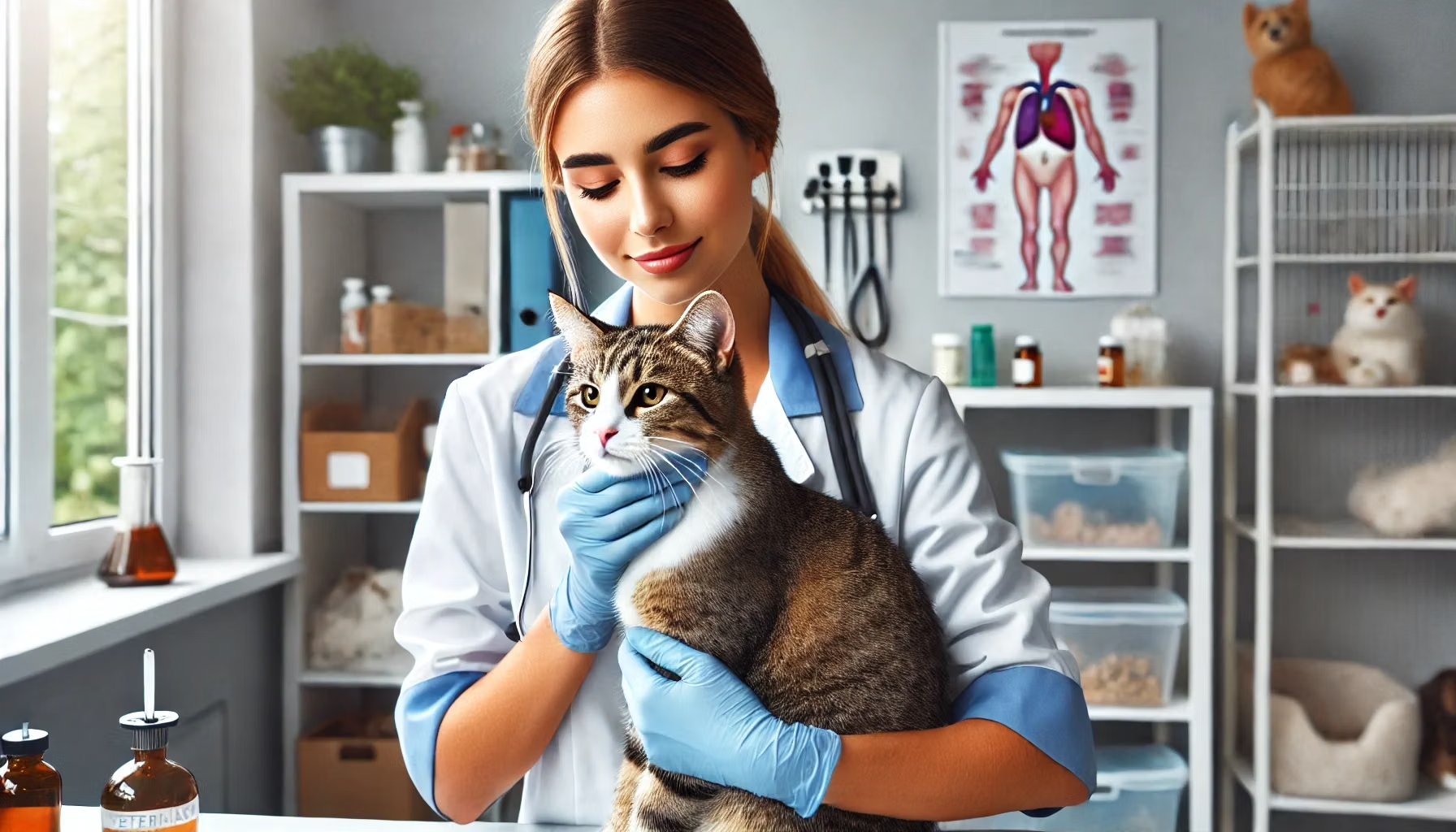
An overview of holistic therapies for pets, including acupuncture, herbal remedies, massage, and hydrotherapy, and how they work alongside regular vet care rather than instead of it.
Zdrowie i dobrostan opiera się na profilaktyce: badaniach, przesiewowych testach i nawykach żywieniowych, które pozwalają uchwycić problem, gdy leczenie jest jeszcze tanie i proste, zamiast dopiero wtedy, gdy zamienia się w nagły przypadek. Większość problemów zdrowotnych u zwierzęcia daje wcześniej jakiś sygnał.
To, co zwierzę je, i to, jak zmieniają się jego potrzeby wraz z wiekiem, wpływa na zdrowie bardziej, niż przypuszcza większość opiekunów. Plan żywienia odpowiedni dla sześciomiesięcznego szczeniaka jest błędny dla tego samego psa w wieku siedmiu lat, a rasa też ma znaczenie.
Opieka profilaktyczna obejmuje badania i testy przesiewowe. Żywienie obejmuje karmienie i uczciwe czytanie etykiet. Opieka sezonowa obejmuje upały, chłód i sezony alergiczne. Zdrowie zależne od rasy obejmuje schorzenia związane z linią genetyczną. Opieka nad starszym zwierzęciem obejmuje to, co zmienia się wraz z wiekiem.
Raz w roku w przypadku większości dorosłych psów i kotów, częściej u zwierząt starszych lub z trwającym schorzeniem.
To prawda. Niektóre rasy mają udokumentowane wyższe ryzyko konkretnych schorzeń, na przykład dysplazję stawu biodrowego u dużych ras psów, dlatego zalecenia dotyczące badań przesiewowych różnią się w zależności od rasy.
Zależy to od rozmiaru i gatunku: u psów zwykle od około siedmiu lat, wcześniej u ras olbrzymich, później u małych ras, a u kotów zwykle między dziesiątym a dwunastym rokiem życia.
An overview of holistic therapies for pets, including acupuncture, herbal remedies, massage, and hydrotherapy, and how they work alongside regular vet care rather than instead of it.
A guide to preventive care for senior dogs and cats, covering vet visit frequency, nutrition, mobility, cognitive decline, and home safety changes.
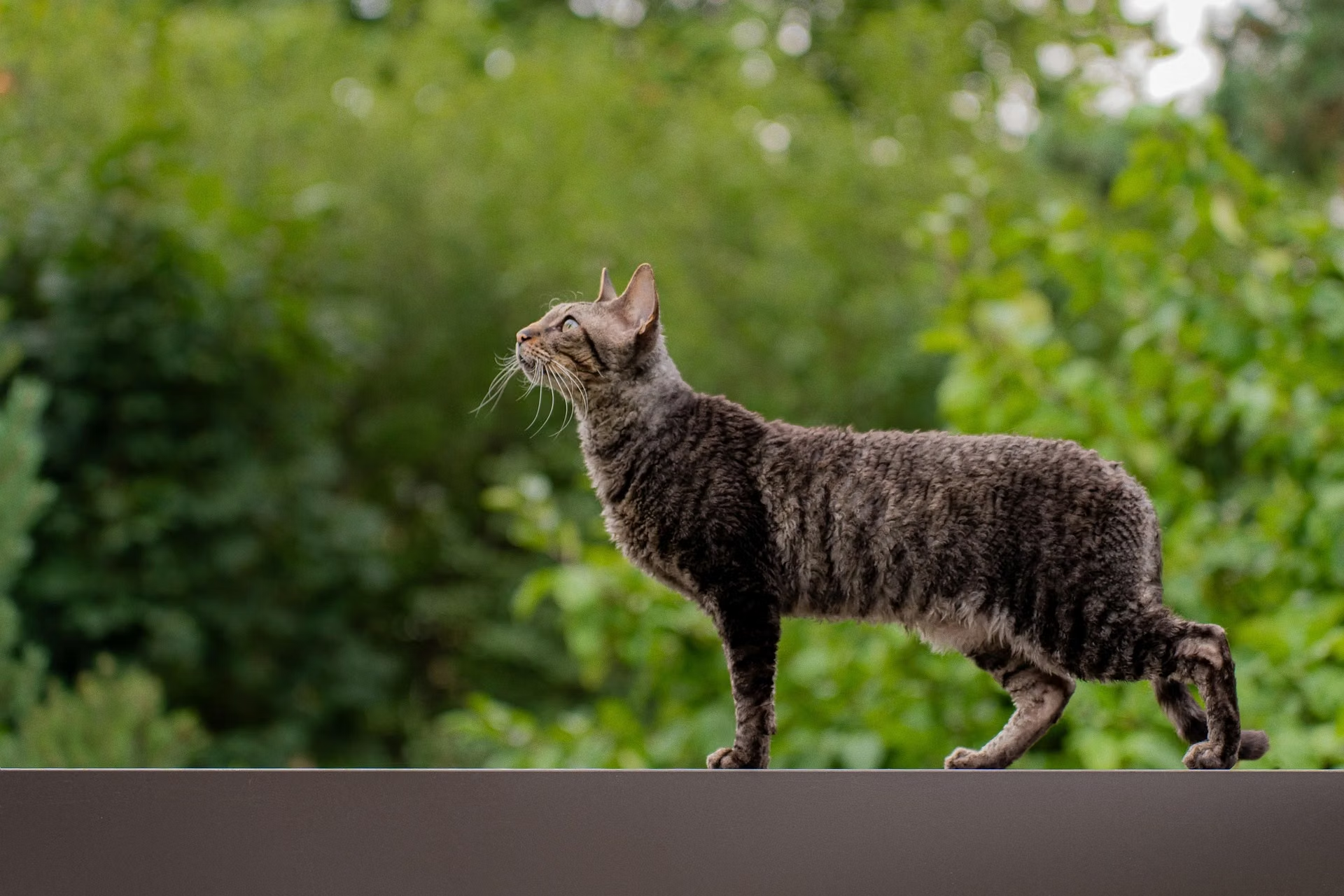
Why selective breeding concentrated certain inherited health risks in specific dog and cat breeds, what those risks are, and how testing and proactive care lower them.
From genetic screening to wearable activity monitors, several real changes in veterinary care are making it easier to catch problems early and manage them better.
The most common health problems in dogs and cats, from obesity to ear infections, with the early signs that tell you when to book a vet visit.
The front of a pet food bag is marketing. The ingredients list, guaranteed analysis, and AAFCO statement on the back are what actually tell you what's in the food.
What protein, fat, carbohydrates, fiber, and micronutrients actually do for a dog or cat, and how to match food to age, breed, and health status.
The specific risk each season brings for dogs and cats, and the precautions that actually prevent an emergency vet visit.
A walkthrough of what a routine veterinary checkup actually covers, how often different pets need one, and how to get more out of the visit.