
Seasonal Pet Care: What Changes Every Three Months
The specific risk each season brings for dogs and cats, and the precautions that actually prevent an emergency vet visit.
United Pet Club@unitedpetclub5 min lesetid
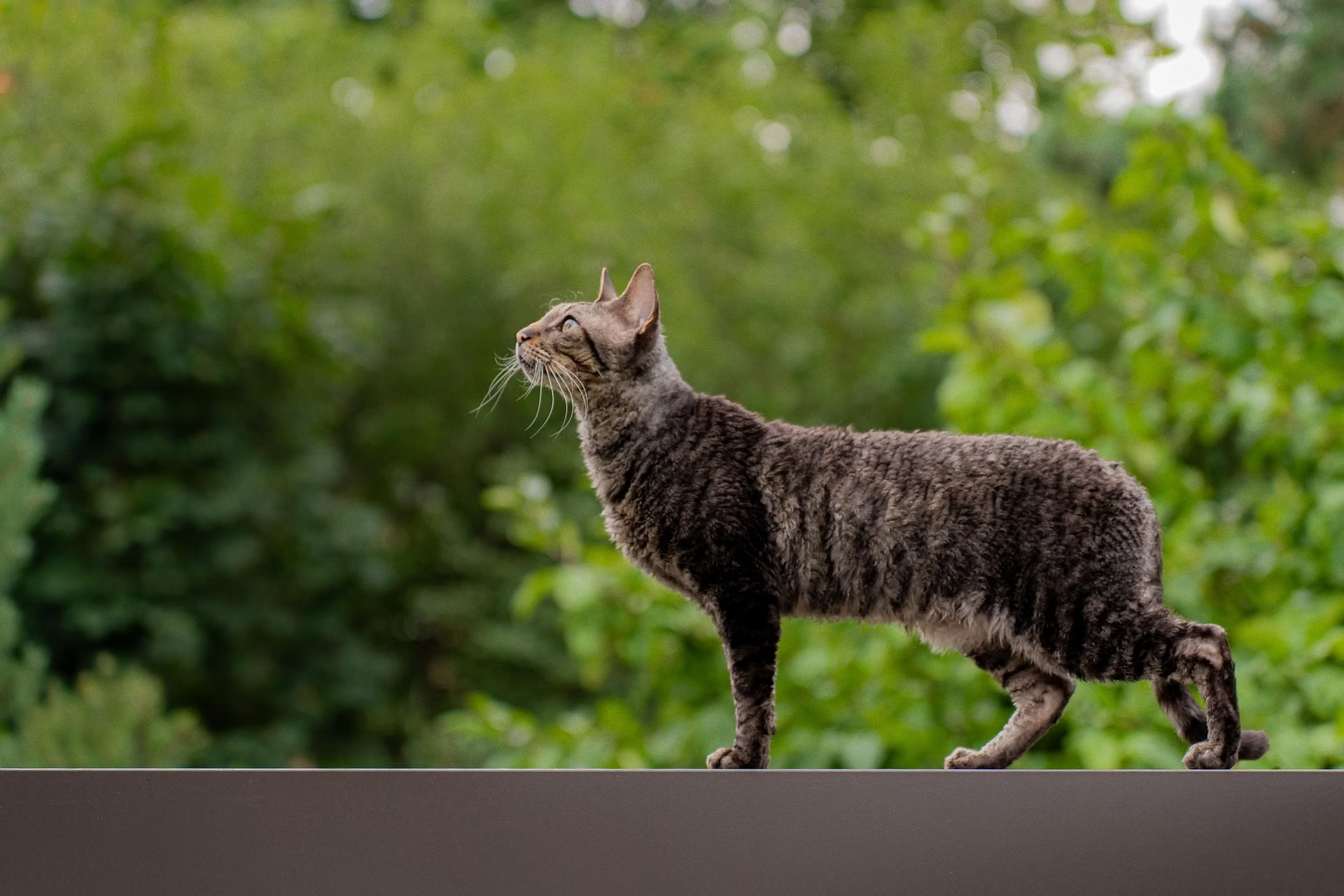
Pet care needs shift with the seasons because the real risks change. Spring brings pollen allergies and parasites waking back up after winter. Summer brings heatstroke risk and burned paw pads from hot pavement. Fall brings toxic holiday foods and rodenticide exposure as pests move indoors looking for warmth. Winter brings hypothermia, ice melt chemical burns, and antifreeze poisoning, one of the more dangerous seasonal hazards because of how appealing it smells and tastes to pets. Adjusting for whichever season you are actually in prevents more emergency vet visits than any other single habit.
This guide walks through each season's specific risks and the precautions worth actually building into your routine, plus a simple supply kit that covers most of the year at once.
Spring: allergies, parasites, and mud
Spring brings a jump in pollen and dust that affects pets almost the same way it affects allergy prone people. Watch for itchy skin, watery eyes, sneezing, and excessive paw licking, which is a common sign of an allergic reaction in dogs specifically. If your pet is showing these signs regularly each spring, a vet visit is worth it, since allergies are manageable with the right treatment but tend to get worse year over year if ignored.
Warmer temperatures also mean fleas, ticks, and other parasites become active again after a slow winter. Restart or confirm your pet's flea and tick prevention as soon as temperatures climb, rather than waiting until you spot an actual flea, since by then an infestation is already established. Regular grooming after outdoor time, wiping down paws, ears, and coat, helps remove pollen and mud before it becomes a skin irritant or gets tracked through the house.
Summer: heat, hydration, and hot pavement
Summer heat is the most dangerous seasonal risk for most pets, particularly dogs with thick coats, short muzzled breeds like bulldogs and pugs, and any pet with an existing heart or respiratory condition. Keep fresh water available at all times and expect your pet to drink more, especially after exercise. Move walks to early morning or evening when temperatures are lower, and avoid exercise entirely during the hottest stretch of the afternoon.
Hot pavement is an underappreciated risk. Asphalt and concrete can reach temperatures well above the surrounding air on a sunny day, hot enough to burn paw pads within a few minutes of contact. A simple test works well: hold the back of your hand against the pavement for five seconds, and if it is too hot for you, it is too hot for your pet's paws. Stick to grass or shaded dirt paths when the pavement test fails. Never leave a pet in a parked car, even briefly and even with windows cracked, since interior temperatures climb far faster than most people expect.
Fall: holiday hazards and dropping temperatures
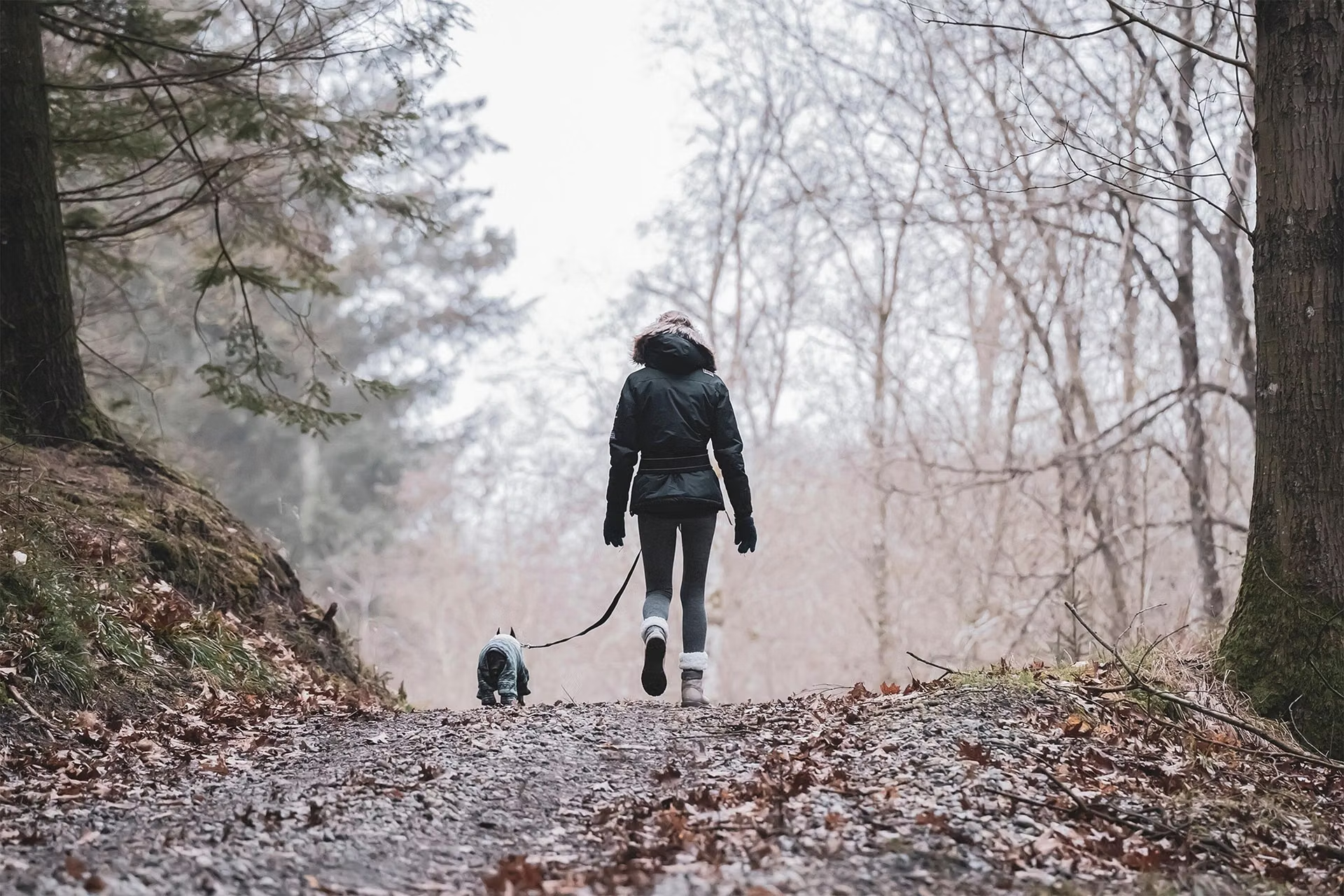
Fall cools things down after summer, which is a relief for most pets, but it introduces its own set of risks. As temperatures drop, senior pets and short coated breeds may need a sweater or extra bedding sooner than owners expect. Watch for stiffness or reluctance to move as the weather turns colder, particularly in older dogs with joint issues, since colder temperatures can make existing arthritis pain noticeably worse.
Holiday gatherings bring food hazards into the house in larger quantities than the rest of the year. Chocolate, grapes and raisins, and fatty table scraps are all genuinely dangerous to pets, and it only takes one distracted moment at a crowded table for a pet to grab something off a plate or the counter. Fall is also when rodents look for warm places to spend the winter, which means rodenticide products show up in more homes and garages; keep any of these completely inaccessible to pets, since rodent poison is also poisonous to the animal that eats a poisoned rodent or the bait itself.
| Season | Main risk | Key precaution |
|---|---|---|
| Spring | Allergies and reawakening parasites | Restart flea and tick prevention, rinse paws and coat after walks |
| Summer | Heatstroke and burned paw pads | Walk during cooler hours, test pavement with your hand first |
| Fall | Toxic holiday foods and rodenticide exposure | Keep table scraps and rodent bait completely inaccessible |
| Winter | Hypothermia and antifreeze poisoning | Limit outdoor time, rinse paws, store antifreeze securely |
Winter: cold, ice, and chemical hazards
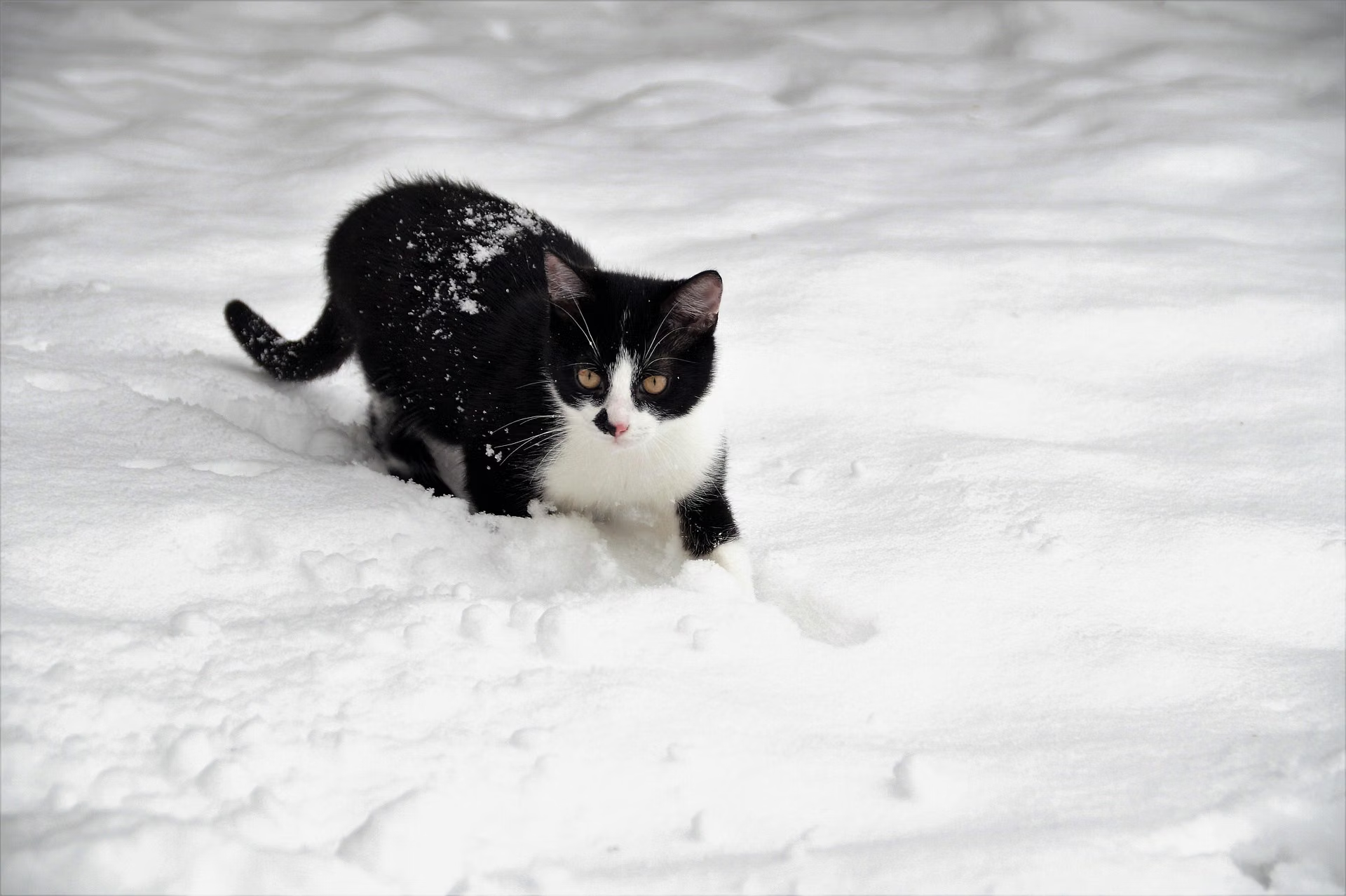
Smaller breeds, short coated dogs, and any pet with reduced mobility need real protection from winter cold, not just a shorter walk. A warm, dry sleeping area away from drafts matters, and a winter jacket for short walks helps pets that get cold quickly. Watch closely for shivering, lethargy, or reluctance to keep moving on a walk, which can be early signs of hypothermia in freezing conditions.
Ice, snow, and de-icing salt all irritate or damage paw pads, so rinse and dry your pet's paws with warm water after every winter walk to remove residue before they lick it off themselves. Antifreeze deserves particular attention: ethylene glycol, the main ingredient in most antifreeze, has a sweet taste that attracts pets, and even a small amount is enough to cause fatal kidney failure if not treated immediately. Clean up any spills completely and store containers somewhere your pet cannot reach. Our guide to traveling safely with your pet covers additional precautions if winter travel is part of your plans.
Building a simple seasonal supply kit
A few items cover most of the year's risks without much ongoing effort. Keep flea and tick prevention current year round rather than seasonally, since mild winters in many regions no longer reliably kill off parasite populations the way they once did. A paw balm handles both hot pavement in summer and salt or ice irritation in winter. A cooling mat or elevated bed helps in summer, while an extra blanket or heated bed pad covers winter. Fresh water access, whether that means extra bowls around the house or a portable option for walks, matters in every season but especially summer.
Senior pets and pets with chronic conditions feel seasonal extremes more acutely than a healthy young adult, so it is worth reviewing their specific needs with a vet each time the season changes rather than applying general advice uniformly; our preventive care guide for aging pets covers what that conversation typically includes. And whatever the season, permanent identification matters more during months when pets spend more time outdoors or get spooked by fireworks, storms, or unfamiliar holiday guests; see our guide to the benefits of microchipping if your pet is not chipped yet. Many of the health issues that show up seasonally, from allergy flare ups to joint pain in cold weather, are covered in more depth in our common pet health issues guide.
Can dogs get sunburned?
Yes, especially dogs with thin or light colored coats, pink skin, or areas with little fur, such as the nose, ears, and belly. Limit midday sun exposure for these dogs and ask a vet about pet safe sunscreen for extended time outdoors, since regular human sunscreen can be toxic if licked off.
Is it safe to shave a double coated dog in summer?
Generally no. A double coat insulates against both heat and cold and helps prevent sunburn, so shaving it down can actually make a dog more vulnerable to overheating and skin damage, not less. Regular brushing to remove loose undercoat is a better cooling strategy than a full shave for breeds like huskies or golden retrievers.
What temperature is too cold to walk my dog?
There is no single number that applies to every dog, since size, coat, age, and health all change the threshold. As a general guide, temperatures below freezing call for shorter walks and a jacket for small or short coated breeds, and anything approaching zero degrees Fahrenheit or below is a signal to keep outdoor time very brief for most dogs.
Are poinsettias actually toxic to pets?
Poinsettias are mildly irritating rather than seriously toxic, typically causing minor drooling or an upset stomach if chewed, and are far less dangerous than their reputation suggests. Lilies, by contrast, are genuinely severe for cats and can cause kidney failure, so they deserve far more caution around the holidays than poinsettias do.
How do I know if my pet has heatstroke?
Heavy, uncontrolled panting, thick drooling, weakness, vomiting, and collapse are the key signs. If you notice any of these after heat exposure, move your pet to shade or air conditioning, offer water, and get to a vet immediately, since heatstroke can become fatal within a short window without treatment.