Holistic and Alternative Medicine for Pets: What Actually Helps
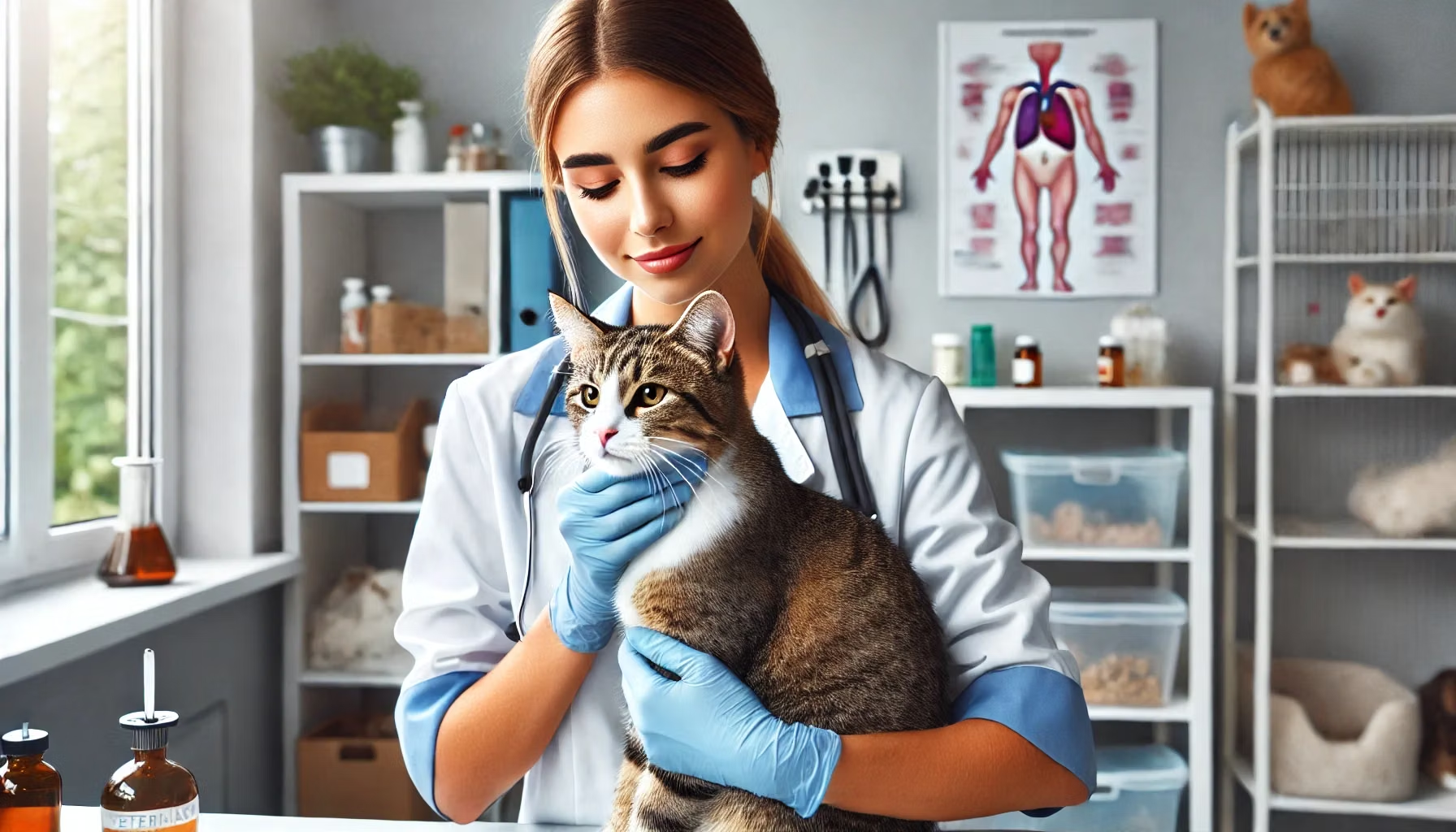
An overview of holistic therapies for pets, including acupuncture, herbal remedies, massage, and hydrotherapy, and how they work alongside regular vet care rather than instead of it.
Santé et bien-être repose sur la prévention : les consultations, les dépistages et les habitudes alimentaires qui permettent de traiter un problème quand il coûte encore peu et se soigne facilement, plutôt qu'une fois devenu une urgence. La plupart des soucis de santé chez un animal donnent d'abord des signes avant-coureurs.
Ce que mange un animal et la façon dont ses besoins évoluent avec l'âge pèsent plus lourd sur sa santé que ne le pensent la plupart des propriétaires. Un plan alimentaire adapté à un chiot de six mois ne convient plus au même chien à sept ans, et la race entre aussi en ligne de compte.
Soins préventifs couvre les consultations et le dépistage. Nutrition traite de l'alimentation et de la lecture honnête des étiquettes. Soins saisonniers couvre la chaleur, le froid et les périodes d'allergies. Santé selon la race couvre les affections liées à la lignée. Soins des animaux seniors couvre les changements liés à l'âge.
Une fois par an pour la plupart des chiens et chats adultes, plus souvent pour les seniors ou les animaux souffrant d'une affection chronique.
C'est bien réel. Certaines races présentent un risque documenté plus élevé pour des affections précises, la dysplasie de la hanche chez les grandes races de chiens par exemple, ce qui explique pourquoi les recommandations de dépistage varient selon la race.
Cela dépend de la taille et de l'espèce : souvent autour de sept ans pour les chiens, plus tôt pour les races géantes, plus tard pour les petites races, et entre dix et douze ans pour les chats.
An overview of holistic therapies for pets, including acupuncture, herbal remedies, massage, and hydrotherapy, and how they work alongside regular vet care rather than instead of it.
A guide to preventive care for senior dogs and cats, covering vet visit frequency, nutrition, mobility, cognitive decline, and home safety changes.
Why selective breeding concentrated certain inherited health risks in specific dog and cat breeds, what those risks are, and how testing and proactive care lower them.
From genetic screening to wearable activity monitors, several real changes in veterinary care are making it easier to catch problems early and manage them better.
The most common health problems in dogs and cats, from obesity to ear infections, with the early signs that tell you when to book a vet visit.
The front of a pet food bag is marketing. The ingredients list, guaranteed analysis, and AAFCO statement on the back are what actually tell you what's in the food.
What protein, fat, carbohydrates, fiber, and micronutrients actually do for a dog or cat, and how to match food to age, breed, and health status.
The specific risk each season brings for dogs and cats, and the precautions that actually prevent an emergency vet visit.
A walkthrough of what a routine veterinary checkup actually covers, how often different pets need one, and how to get more out of the visit.