Holistic and Alternative Medicine for Pets: What Actually Helps
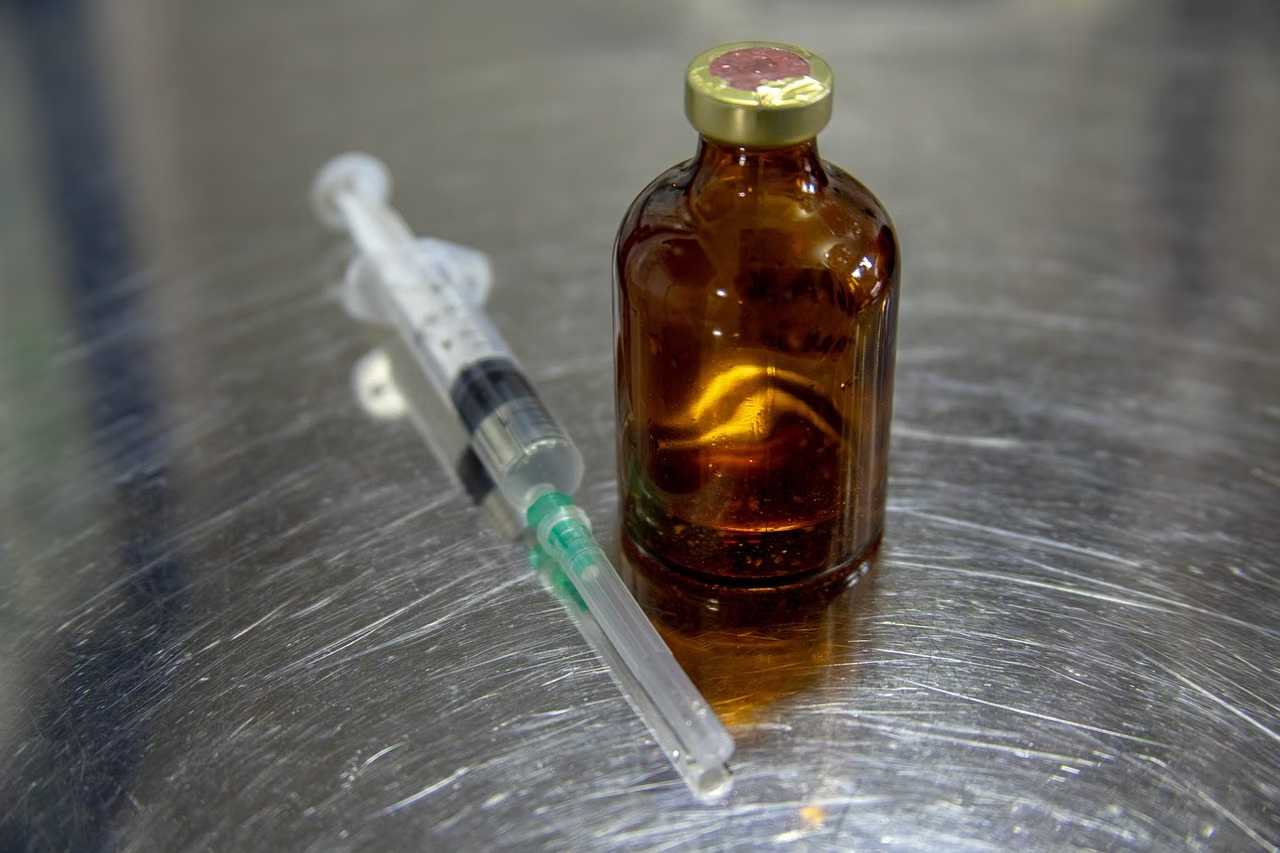
An overview of holistic therapies for pets, including acupuncture, herbal remedies, massage, and hydrotherapy, and how they work alongside regular vet care rather than instead of it.
Salud y Bienestar gira alrededor de la prevención: los chequeos, los exámenes de detección y los hábitos de alimentación que permiten notar un problema cuando todavía es sencillo y económico de manejar, en lugar de esperar a que se vuelva una urgencia. La mayoría de los problemas de salud en las mascotas dan alguna señal antes de complicarse.
Lo que come una mascota, y cómo cambian sus necesidades con la edad, pesa más en su salud de lo que muchos dueños creen. Un plan de alimentación que le funciona a un cachorro de seis meses deja de servir para ese mismo perro a los siete años, y la raza también influye.
Cuidado Preventivo cubre los chequeos y los exámenes de detección. Nutrición cubre la alimentación y cómo leer bien una etiqueta. Cuidado Según la Temporada cubre el calor, el frío y la época de alergias. Salud Según la Raza cubre las condiciones ligadas al linaje. Cuidado de Mascotas Mayores cubre lo que cambia cuando una mascota envejece.
Una vez al año en la mayoría de los perros y gatos adultos, y con más frecuencia si es un animal mayor o tiene alguna condición médica activa.
Sí influye. Ciertas razas tienen un riesgo comprobado más alto de sufrir ciertas condiciones, la displasia de cadera en razas grandes es un ejemplo, por eso las recomendaciones de chequeo cambian según la raza.
Depende del tamaño y la especie: por lo general desde los siete años en perros, antes en razas gigantes, después en las pequeñas, y entre los diez y doce años en gatos.
An overview of holistic therapies for pets, including acupuncture, herbal remedies, massage, and hydrotherapy, and how they work alongside regular vet care rather than instead of it.
A guide to preventive care for senior dogs and cats, covering vet visit frequency, nutrition, mobility, cognitive decline, and home safety changes.
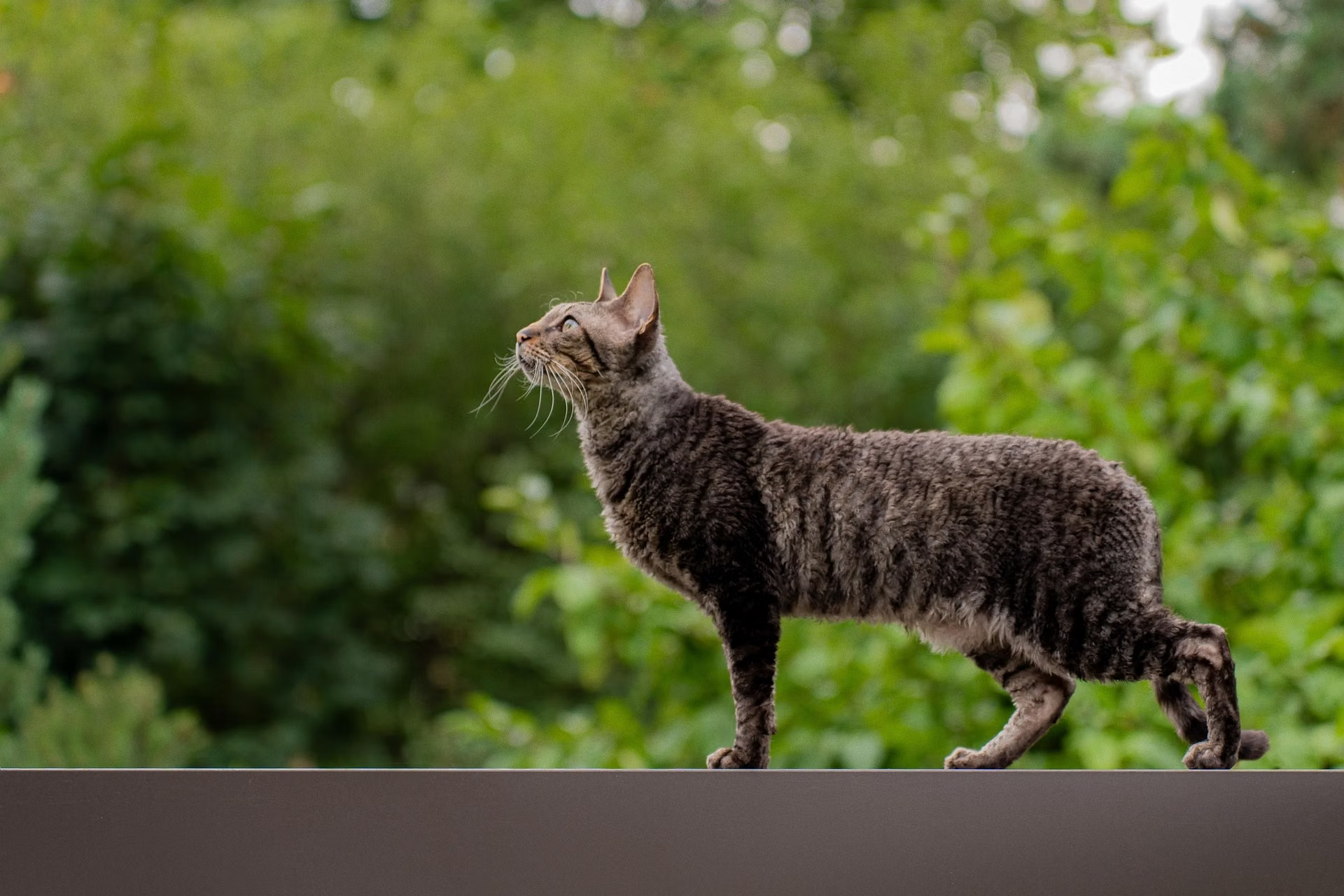
Why selective breeding concentrated certain inherited health risks in specific dog and cat breeds, what those risks are, and how testing and proactive care lower them.
From genetic screening to wearable activity monitors, several real changes in veterinary care are making it easier to catch problems early and manage them better.
The most common health problems in dogs and cats, from obesity to ear infections, with the early signs that tell you when to book a vet visit.
The front of a pet food bag is marketing. The ingredients list, guaranteed analysis, and AAFCO statement on the back are what actually tell you what's in the food.
What protein, fat, carbohydrates, fiber, and micronutrients actually do for a dog or cat, and how to match food to age, breed, and health status.
The specific risk each season brings for dogs and cats, and the precautions that actually prevent an emergency vet visit.
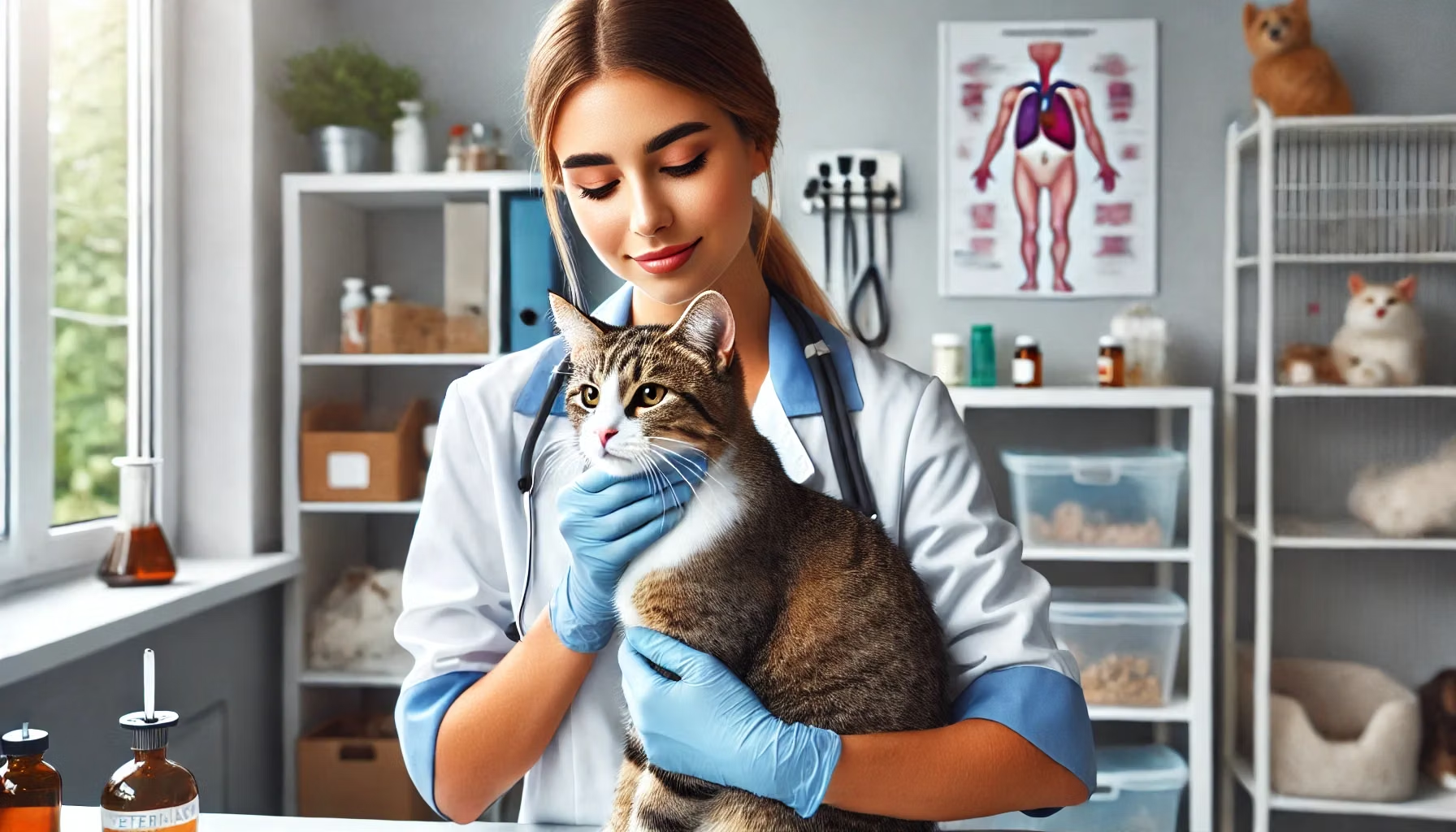
A walkthrough of what a routine veterinary checkup actually covers, how often different pets need one, and how to get more out of the visit.