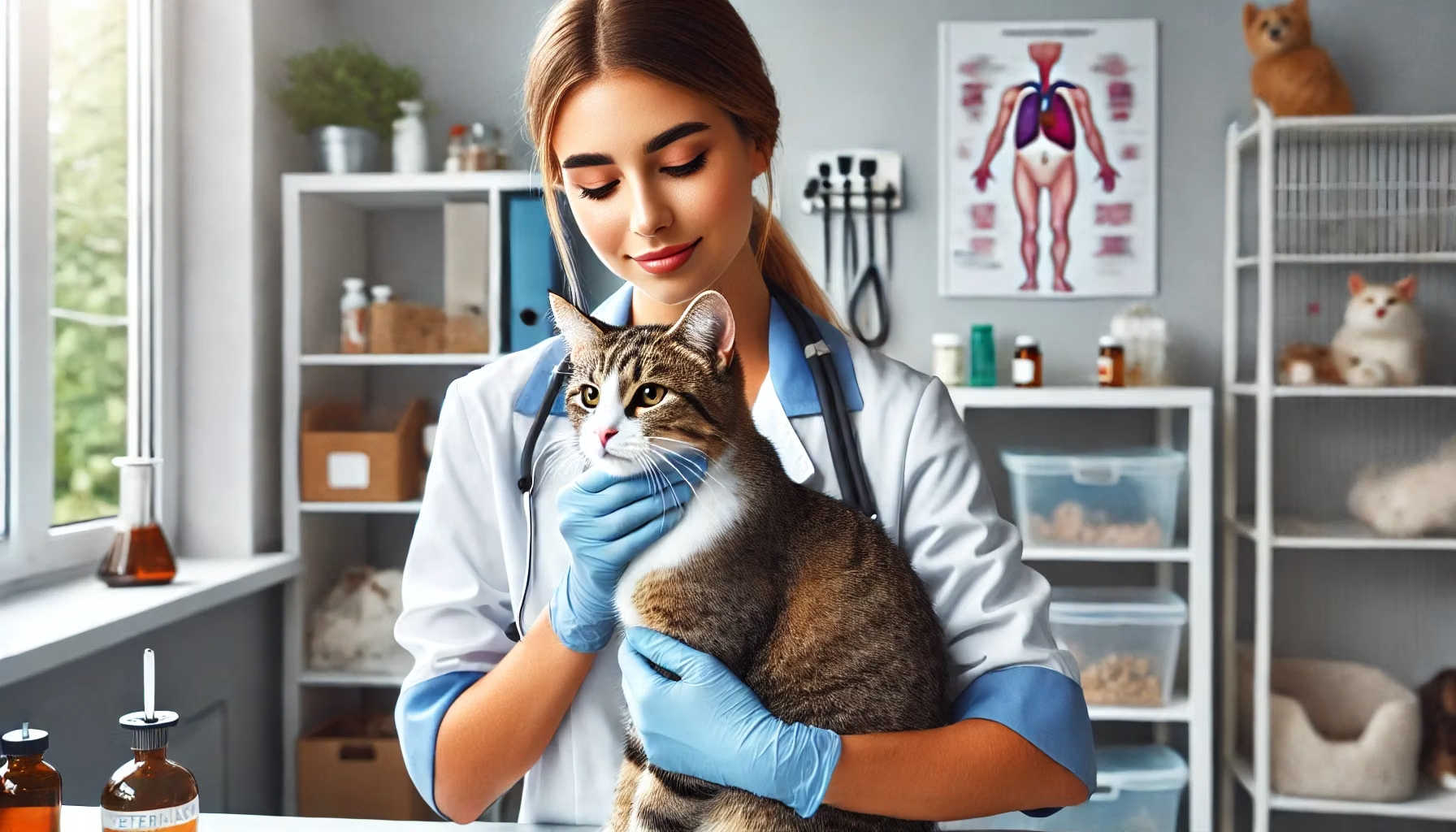
Holistic and Alternative Medicine for Pets: What Actually Helps
An overview of holistic therapies for pets, including acupuncture, herbal remedies, massage, and hydrotherapy, and how they work alongside regular vet care rather than instead of it.
Prevention is what Health & Wellness is built around: check-ups, screening tests and feeding routines designed to catch a problem while it can still be treated simply and cheaply. Waiting until it becomes an emergency costs more, and most conditions give some warning before they reach that point.
What a pet eats, and how those requirements shift over its lifetime, shapes its health more than many owners expect. A feeding plan built for a six-month-old puppy stops being right once that same dog reaches seven, and breed adds another variable.
Preventive Care deals with check-ups and screening. Nutrition deals with feeding and reading a label properly. Seasonal Care deals with heat, cold and allergy season. Breed Specific Health deals with conditions linked to lineage. Senior Pet Care deals with what changes as a pet ages.
Once a year for most adult dogs and cats, more often for seniors or pets managing an ongoing condition.
It genuinely does. Certain breeds carry a documented higher risk for specific conditions, hip dysplasia in large breeds is a common one, which is why vets recommend different screening depending on the breed.
It depends on size and species: usually from around seven for dogs, earlier for giant breeds, later for small ones, and around ten to twelve for cats.
An overview of holistic therapies for pets, including acupuncture, herbal remedies, massage, and hydrotherapy, and how they work alongside regular vet care rather than instead of it.
A guide to preventive care for senior dogs and cats, covering vet visit frequency, nutrition, mobility, cognitive decline, and home safety changes.
Why selective breeding concentrated certain inherited health risks in specific dog and cat breeds, what those risks are, and how testing and proactive care lower them.
From genetic screening to wearable activity monitors, several real changes in veterinary care are making it easier to catch problems early and manage them better.
The most common health problems in dogs and cats, from obesity to ear infections, with the early signs that tell you when to book a vet visit.
The front of a pet food bag is marketing. The ingredients list, guaranteed analysis, and AAFCO statement on the back are what actually tell you what's in the food.
What protein, fat, carbohydrates, fiber, and micronutrients actually do for a dog or cat, and how to match food to age, breed, and health status.
The specific risk each season brings for dogs and cats, and the precautions that actually prevent an emergency vet visit.
A walkthrough of what a routine veterinary checkup actually covers, how often different pets need one, and how to get more out of the visit.