
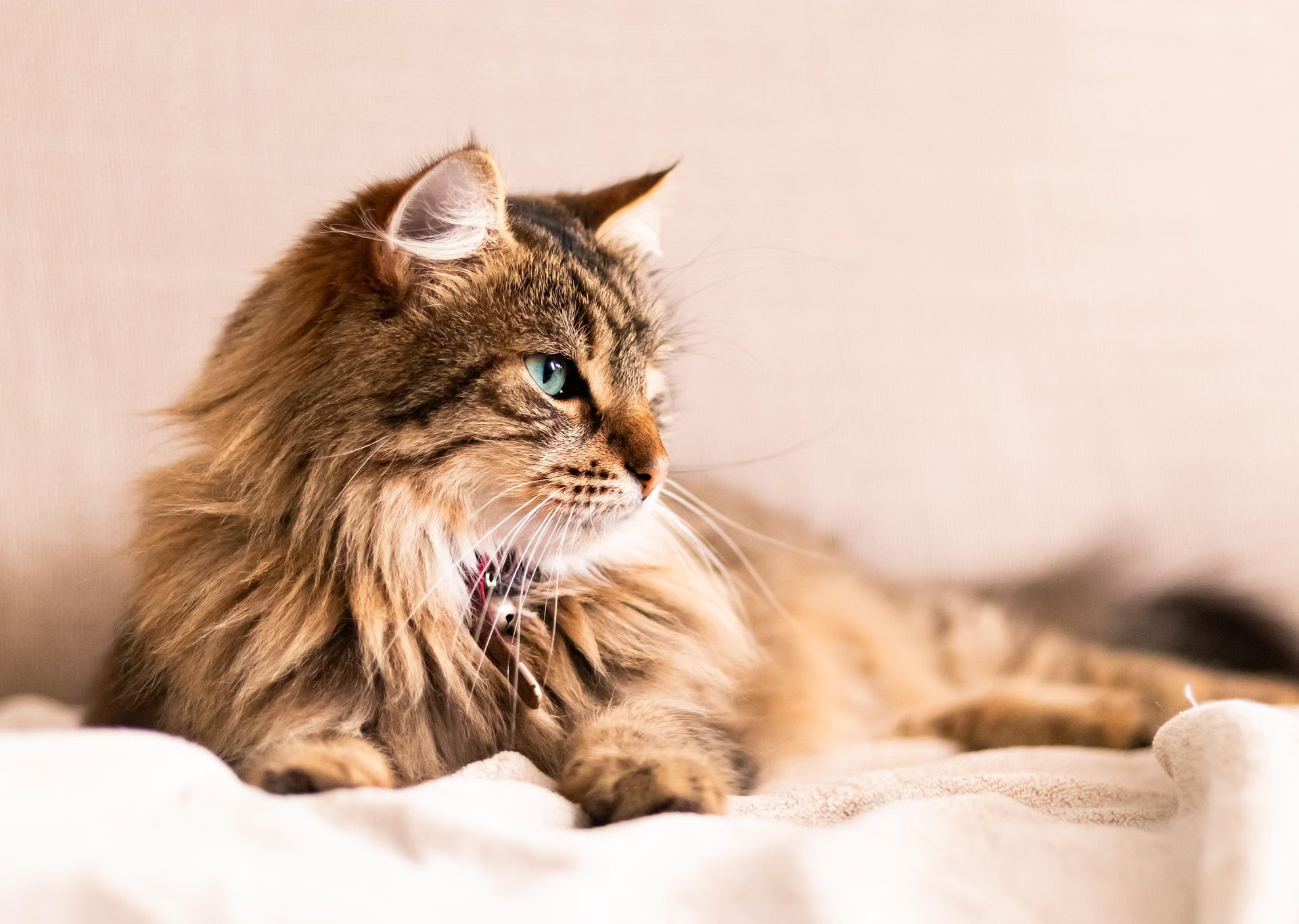
Pet friendly home tips: how to set up a space that is actually safe
A pet friendly home is less about décor and more about removing hazards, giving your animal a real retreat space, and picking furniture and cleaners that hold up to daily life.
A frayed cord on the blinds, a torn flyscreen, a gap under the fence out the back of the section, a bottle of pills left on a low shelf. After years in the same house, none of that registers any more. A curious pup, or a cat working its way across every surface, finds it all within days.
A new baby, a second pet, a shift to a smaller flat: animals notice a change in space and routine well before most owners think they will, and the fallout tends to show up as behaviour problems rather than anything obvious. Sorting out the transition in advance heads off most of it.
Frayed blind cords, an unsecured rubbish bin, houseplants that are toxic to pets, and small gaps in the fence that a determined animal can widen.
Slowly, and on the existing pet's terms: short, controlled introductions, somewhere it can retreat to, and no forced contact.
A pet friendly home is less about décor and more about removing hazards, giving your animal a real retreat space, and picking furniture and cleaners that hold up to daily life.