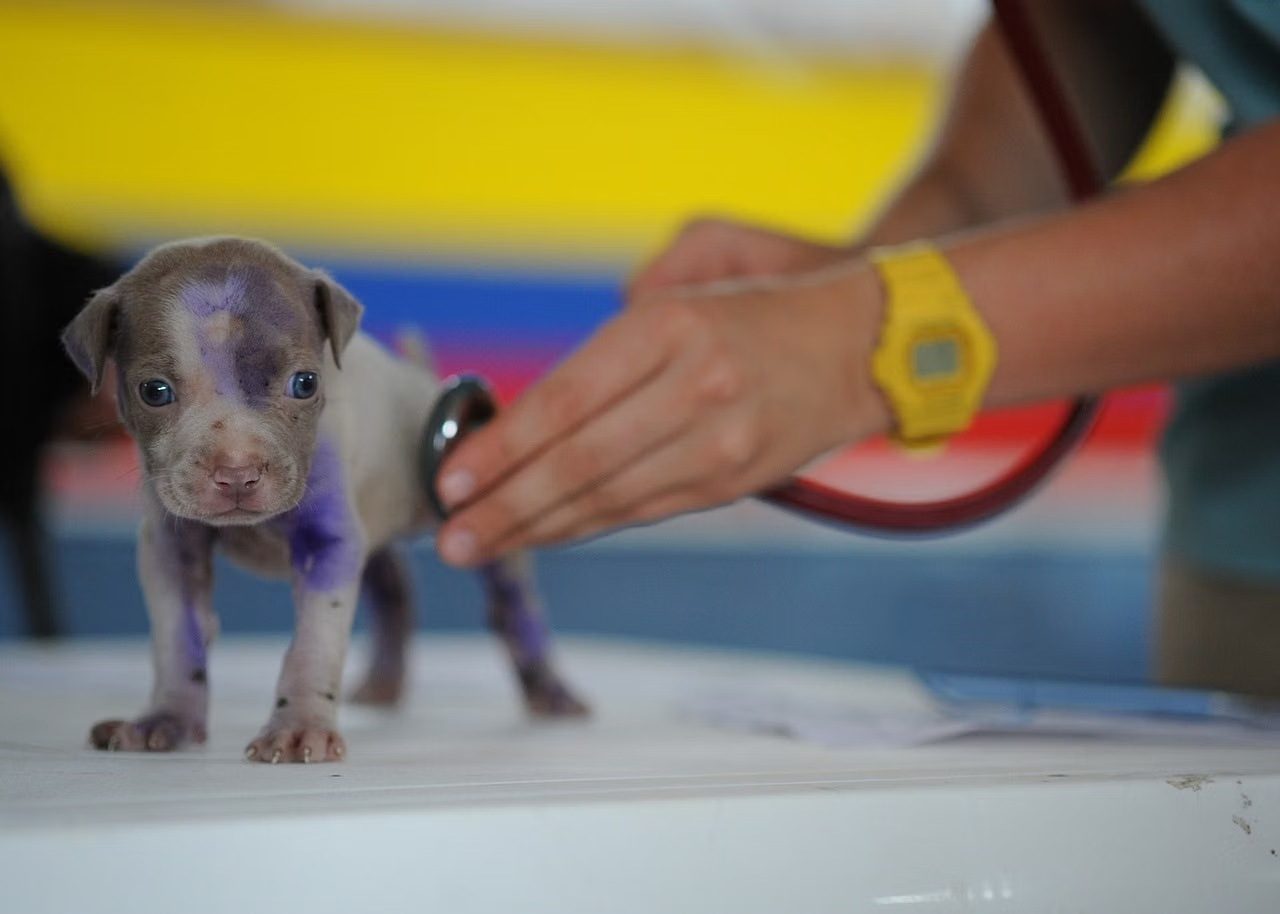
New Pet Owner Guide: Setting Up the First Weeks Right
The six things to get right in the first weeks with a new dog or cat, from pet proofing the house to booking the first vet visit and getting a microchip.
United Pet Club@unitedpetclub4 Min. Lesezeit

The first few weeks with a new dog or cat go smoothest when you handle six things early: pet proof the house before arrival, pick an age appropriate food and set a feeding routine, build a predictable daily schedule, book a vet visit in the first week, start basic training with positive reinforcement from day one, and get your pet a collar tag plus a registered microchip. None of these are complicated on their own, but skipping one tends to create a problem, a chewed cord, a food related upset stomach, a lost pet with no way to identify it, that a little preparation would have avoided entirely.
This guide covers each of those six areas in enough detail to actually act on, whether you are bringing home an eight week old puppy, an adult shelter dog, or a kitten.
Pet proofing the house before your pet arrives
Walk through your home at pet height before your new arrival gets there. Secure loose electrical cords, put cleaning chemicals and medications behind closed doors, and pick up small objects a puppy or kitten could swallow. A handful of common houseplants are genuinely dangerous, lilies are highly toxic to cats and sago palm is toxic to dogs, so either remove them or keep them somewhere your pet cannot reach.
Set up a designated space before arrival day rather than scrambling on the spot. Dogs do well with a defined bed area, water bowl, and a few appropriate chew toys. Cats need a quiet spot for food and water kept well away from the litter box, since cats are surprisingly particular about that separation. A baby gate across an unsafe room and a trash can with a locking lid solve two of the most common early accidents before they happen.
Choosing food and building a feeding routine
Pick a food formulated for your pet's age and species rather than reaching for whatever is on sale. Cats are obligate carnivores and need a diet built around animal protein specifically, while active or working dog breeds often need more protein and calories than a sedentary house pet of the same size. Our pet nutrition basics guide breaks down what to actually look for on the label if you want to go deeper than the basics here.
Feed at the same times each day from the start. A consistent feeding schedule does more than keep a routine, it reduces the stomach upset and anxiety that come with unpredictable mealtimes, especially in a pet still adjusting to a new home. Keep human food out of reach during this period too; chocolate, grapes, onions, and a handful of other common kitchen items are toxic to pets and are easy to forget about during the chaos of settling a new animal in.