

فِنش اسپٹز
فِنش سپِٹز ایک جوشیلی، لومڑی جیسی سرخ نسل اور فن لینڈ کا قومی کتا ہے، جسے ایک آواز نکالنے والے 'بھونکنے والے پرندہ شکاری کتے' اور چست ساتھی کے طور پر قدر کیا جاتا ہے۔
- Size
- درمیانہ
- Lifespan
- 13–15 years
- Origin
- فن لینڈ
- Temperament
- جوشیلا
- Standard colors
- سفید، سرخ، اور سنہرا
Characteristics
Coat and grooming
How the فِنش اسپٹز coat is built, and what that means when you groom it.
- بالوں کی تہیں
- دوہری چادر
- بالوں کی ساخت
- مخملی
- بالوں کی لمبائی
- درمیانے
- بال گرنا
- موسمی بال گرنا
Grooming guidance
نازک: A فِنش اسپٹز should not be shaved.
زیریں تہہ حدت کو اتنا ہی باہر رکھتی ہے جتنا سردی کو، اور اوپری بال جلد کو دھوپ اور کیڑوں کے کاٹنے سے بچاتے ہیں۔ پوری چادر مونڈنے سے دونوں ختم ہو جاتے ہیں۔ اکثر یہ دھبوں میں، نرم یا مختلف رنگ میں واپس اگتی ہے، اور بعض جانوروں میں اوپری بال کبھی ٹھیک سے واپس نہیں آتے۔ زیریں تہہ کو کاٹنے کے بجائے برش کر کے نکالیں۔
معلومات: A فِنش اسپٹز drops its undercoat in heavy bursts.
زیریں تہہ چند ہفتوں میں شدید مرحلوں میں نکلتی ہے۔ زیریں تہہ کا خاص کنگھا، یا نہلانے کے بعد ہوا سے اچھی طرح خشک کرنا، اسے روزانہ برش کرنے سے کہیں تیزی سے نکال دیتا ہے۔ چادر چھوٹی کر دینا اس کا شارٹ کٹ نہیں۔
فِنش اسپٹز colors and patterns
What each club's breed standard says about every فِنش اسپٹز color and pattern. Point at a ruling to see the club's own wording.
Breed standards describe the فِنش اسپٹز in سفید، سرخ، اور سنہرا. Standard patterns: سموری.
| Color or pattern | FCI | AKC | UKC | KC | KUSA |
|---|---|---|---|---|---|
| سفید | معیاری (“A small white spot on the chest and small white markings on the feet are permitted”) | معیاری (“White markings on the tips of the toes and a quarter-sized spot or narrow white strip ... on the forechest are permitted”) | معیاری (“The following white markings are permitted”) | معیاری (“Narrow white stripe not exceeding one and half centimetres in width on breast permitted”) | معیاری (“A small white spot on the chest and small white markings on the feet are permitted”) |
| سرخ | معیاری (“bright red”) | متبادل (“Red”) | No ruling | معیاری (“reddish brown”) | معیاری (“bright red”) |
| سنہرا | معیاری (“golden red”) | معیاری (“Red Gold”) | معیاری (“Golden-red, ranging from pale honey to a deep auburn”) | معیاری (“red gold”) | معیاری (“golden red”) |
| البینو | نااہل قرار دینے والا | No ruling | نااہل قرار دینے والا (“Albinism”) | تسلیم شدہ نہیں | نااہل قرار دینے والا |
| Patterns | |||||
| سموری | No ruling | معیاری (“sparse, separate black hairs on tail and back permitted”) | معیاری (“separate black hairs on the tail and back”) | معیاری (“sparse separate black pointed hairs on back and tail permitted”) | No ruling |
%22%3E%3Crect%20x%3D%220%22%20y%3D%220%22%20width%3D%2264%22%20height%3D%2264%22%20fill%3D%22url(%23g)%22%2F%3E%3Cg%20fill%3D%22none%22%20stroke%3D%22%231C1C1C%22%20stroke-width%3D%221%22%20stroke-linecap%3D%22round%22%20stroke-linejoin%3D%22round%22%3E%3Cpath%20d%3D%22M15.7%2014.8l1.9%203.6M26.4%2024.1l1.2%204.1M42.7%2029.5l0.1%203.3M35.9%2025l1.6%203.2M31.3%2028.1l0.7%203.7M15.5%2011.1l1.6%203.6M41.1%2023.8l0.6%203.2M12.1%2020.7l1.2%203M15.4%2011.2l0.8%203.8M42.9%2027.3l0.7%202.9M48.2%2033.2l0.5%204.1M23.1%2024.7l1.4%203.4M51.9%2036.1l0.3%204.3M18.7%2023.9l1.2%203.7M50.4%2027.4l0.5%204.1M18.4%2020.4l0.1%203.1M55.6%2021.4l1.1%203.9M18.6%2024.9l1.7%203.8M8.3%2023.2l1.7%202.9M18.7%2024.2l0.2%203.1M46.4%2022.7l0.6%202.6M14.3%207l0.9%203.5M50.5%2024.9l0.5%203.7M23.2%2024.7l1.2%204.3M10.5%2022.3l1.6%203.4M56.9%2018.2l1.1%202.5M20.8%2021.7l1.1%203.5M10.9%2020.2l0.2%203.9M6.6%2023.3l1%202.4M54.5%2021.7l0.9%203.8M13.3%2021l0.4%203M11.7%2019.5l0.3%204M39%2023.2l0.7%202.5M20.8%2016.7l0%202.6M18.4%2016l0.2%202.6M46.4%2038.2l1.4%203.2M12.9%2022.6l0.6%203.3M13%2020.9l0.3%204.3M35.3%2024.9l1.3%202.3M29.5%2022.1l0.5%202.8M36.6%2023.4l0.2%204.3M20.5%2017.6l0.7%204.1M18.3%2020.6l0.6%203M20.5%2025.8l0.5%203.8M23.5%2040.2l1.1%202.9M22.8%2024.9l1.5%203M25.5%2023.1l0.5%203.3M47.7%2024.7l1.5%203.7M12.9%2018.4l1.9%203.8M29.5%2023.7l0.5%204.1M37.7%2026.5l0%202.9M16.8%2016.4l0.1%203.3M49.8%2028l1.7%203.8M29.4%2025.5l0.5%203.6M9.3%2023l1.3%203.1M47.4%2025.6l0.5%203.5M48.1%2023.8l1.6%203.2M9.9%2018.3l1.3%202.5M12.2%2016.6l0.4%203.2M22%2022.1l1.4%202.7M43.9%2024.7l1.4%203.9M14.3%2020l1.8%203.2M46.3%2040.1l0.3%203.6M14.9%207l0.3%204M17.5%2016.7l1.2%202.4M54.6%2040l1%203.5M13.3%2013.9l1.6%204.2M15.3%2016.5l1.2%202.9M23.8%2038.5l0.2%203.8M18.2%2019l0.6%203M11.2%2023.6l0.7%204.1M33.1%2023.2l0.9%204.3M13.6%2019.9l0.4%204.5M19.7%2023.1l1.9%203.7M50.5%2027.1l0.3%204.1M28.2%2028.5l0.2%203.8M29%2028.4l0.1%204M47.7%2024.5l0.6%202.5M10.7%2017.2l1.4%202.7M25.5%2040.3l0.6%204.1M37.6%2022.8l0.7%204.4M57%2018.6l0.2%203.4M16.9%2022.2l1.7%203.8M43.5%2024.7l1.8%203.4M49.2%2026l1.5%203.6M47.7%2032.3l0.4%203.7M35.4%2030.8l0.5%202.7M47%2026.1l1%203.9M24.3%2028.1l1.5%204.2M50.5%2023.8l1.3%203.4M58.1%2014.1l0.3%202.6M13.9%2018.2l0.7%202.5M8.2%2021l0.7%202.9M41.4%2026.4l0.4%202.7M16.3%2020.4l0.5%204.3M43.4%2025.9l1.2%203.2M32.3%2022.4l0.3%203.9M43.6%2025.9l2.1%203.8M33.5%2026.3l1.5%203M48.3%2030.6l1.4%203.4M44.2%2024.7l0.9%203.2M12.3%2017.7l0.9%203.7M46.2%2032l1.9%203.4M51%2028.3l0.1%203.7M30.4%2023.1l1.1%203.2M52.6%2022.6l0.9%204.3M16.6%2015.4l0.9%203.1M58.4%2012.8l0.3%202.8M42.8%2032.5l1.8%203.2%22%2F%3E%3Cpath%20d%3D%22M16.4%2026.1l0.1%204.3M14%2017.1l1.3%202.8M36.9%2027.2l1.3%202.6M38.6%2025.8l0.4%203.6M57.6%2014.3l0.3%203.9M14.7%208.2l1%204.3M53.4%2023l1.9%203.4M51.5%2030.3l0.8%202.7M56.2%2020l1.9%203.5M15.9%2010l0.2%202.8M15.8%2022.6l1.8%203.9%22%2F%3E%3C%2Fg%3E%3C%2Fg%3E%3Cuse%20href%3D%22%23s%22%20fill%3D%22none%22%20stroke%3D%22%233B2A20%22%20stroke-opacity%3D%220.6%22%20stroke-width%3D%221%22%20stroke-linejoin%3D%22round%22%2F%3E%3Cellipse%20cx%3D%223.2%22%20cy%3D%2221.7%22%20rx%3D%221.3%22%20ry%3D%221.2%22%20fill%3D%22%231C1C1C%22%2F%3E%3Ccircle%20cx%3D%2210.8%22%20cy%3D%2219.3%22%20r%3D%221.1%22%20fill%3D%22%231C1C1C%22%2F%3E%3C%2Fsvg%3E)
| Color or pattern | FCI | AKC | UKC | KC | KUSA |
|---|---|---|---|---|---|
| گہرا بھورا | معیاری (“preferably dark”) | معیاری (“Dark in color”) | معیاری (“preferably dark in color”) | معیاری (“preferably dark”) | معیاری (“preferably dark”) |
| ہلکا بھورا | No ruling | نقص (“light eyes should be faulted”) | نقص (“Light”) | No ruling | No ruling |
| نیلا | نااہل قرار دینے والا (“wall eye”) | No ruling | No ruling | No ruling | نااہل قرار دینے والا (“wall eye”) |
| پیلا | نااہل قرار دینے والا (“Eyes bright yellow”) | No ruling | No ruling | No ruling | نااہل قرار دینے والا (“Eyes bright yellow”) |
| Color or pattern | FCI | AKC | UKC | KC | KUSA |
|---|---|---|---|---|---|
| سیاہ | معیاری (“jet-black”) | معیاری (“Black”) | معیاری (“black”) | معیاری (“Nose pitch black”) | معیاری (“jet-black”) |
What the rulings mean
- معیاری
- Described by the club's breed standard.
- متبادل
- Registrable with the club but not described by its breed standard, such as an AKC alternate color.
- نقص
- Named by the club's breed standard as a fault: the animal can be shown but is penalized.
- نااہل قرار دینے والا
- The club's breed standard disqualifies an animal of this color or pattern.
- تسلیم شدہ نہیں
- The club does not accept this color or pattern for the breed.
Color changes
How a فِنش اسپٹز's colors can change over its life.
سفیدchanges toچال
کھال · عمر کے ساتھ · from 2 weeks
سیاہchanges toبرفانی ناک
ناک · موسم کے ساتھ · can change back
سیاہchanges toگلابی
ناک · موسم کے ساتھ · can change back
%22%3E%3Cg%20fill%3D%22none%22%20stroke%3D%22%23F5F5F0%22%20stroke-width%3D%221.15%22%20stroke-linecap%3D%22round%22%20stroke-linejoin%3D%22round%22%3E%3Cpath%20d%3D%22M28.6%2025h.1M51.3%2028.8h.1M34.7%2024.3h.1M34.2%2041.6h.1M51%2044.2h.1M55.9%2024.7h.1M27.5%2026.3h.1M18.5%2028.6h.1M25.2%2028.9h.1M24.2%2019.3h.1M20.6%2017.6h.1M34.1%2030.6h.1M57.3%2023.3h.1M23.5%2030.7h.1M26.5%2023.1h.1M40%2031.5h.1M51.7%2038.6h.1M20.2%2022.1h.1M40.4%2037.8h.1M35%2043.1h.1M20.6%2031.7h.1M27.8%2031.9h.1M17.2%2021.1h.1M38.1%2037.7h.1M25.3%2040.5h.1M32%2029.3h.1M41.6%2039.5h.1M23.6%2024h.1M26.4%2018.6h.1M30.3%2031.9h.1M31.2%2035.2h.1M36.5%2043.7h.1M35.2%2026.3h.1M55.6%2019.1h.1M22.4%2036.8h.1M39.2%2020h.1M49.5%2039.1h.1M33.6%2033.5h.1M36.4%2032.4h.1M56.3%2042.4h.1M54.8%2031.2h.1M36.9%2023.2h.1M52.7%2019.1h.1M21.5%2033.8h.1M48.6%2028h.1M36.6%2017.5h.1M45.6%2031.3h.1M37.9%2030.5h.1M17%2031.8h.1M21.1%2043.1h.1M55.7%2021.1h.1M30.8%2041.9h.1M57.4%2038.4h.1M54.8%2026.9h.1M29.1%2017.5h.1M24.3%2037.7h.1M26%2032h.1M39.3%2022.8h.1M53.5%2029h.1M53.3%2023.3h.1M20%2038.4h.1M28.3%2044.7h.1M28.6%2039.8h.1M51.9%2041.1h.1M52.3%2033.7h.1M19.6%2042.2h.1M19%2033h.1M47.8%2021.7h.1M45.7%2024.8h.1M24.6%2035.5h.1M29.8%2036.8h.1M50.7%2032h.1M29.5%2043.5h.1M28.2%2041.5h.1M47.4%2034.8h.1M25.4%2033.7h.1M50.2%2041.2h.1M27.7%2029.5h.1M21.5%2024.8h.1M55.5%2017.5h.1M41.2%2044.3h.1M39.2%2018.4h.1M41.1%2042.5h.1M54.7%2035.3h.1M42.8%2034.5h.1M30.1%2023h.1M42.6%2025.1h.1M32.9%2024.4h.1M42.4%2032.4h.1M49.7%2022.2h.1M49.1%2043.1h.1M38%2035.2h.1M47.7%2043.8h.1M43.1%2022.4h.1M22.4%2040.4h.1M44.4%2019.8h.1M53.3%2040.1h.1M20.7%2029.3h.1M55.6%2043.9h.1M17.6%2039.2h.1M41.7%2028.9h.1M44.1%2036.3h.1M24.3%2043.6h.1M26.4%2038.1h.1M30.3%2029.2h.1M31.5%2030.8h.1M32.1%2023h.1M18.3%2040.9h.1M48%2033.4h.1M36.4%2038.7h.1M31.9%2020.8h.1M32.6%2026.2h.1M22%2031.2h.1M53.4%2021.7h.1M41.9%2017.7h.1M53.3%2037.3h.1M47.7%2040.3h.1M54.4%2033.7h.1M33.6%2037.5h.1M25.3%2017.2h.1M37.6%2019.7h.1M31.6%2019h.1M29.2%2019.6h.1M50.7%2027.3h.1M22%2022.1h.1M31%2037.8h.1M56.5%2026.6h.1M34.7%2039.5h.1M56.5%2040.8h.1M47.6%2038h.1M48.6%2026.1h.1M49.7%2034.2h.1M45.4%2027.4h.1M22.6%2038.9h.1M56.5%2035.3h.1M35.1%2021h.1M41.9%2020.1h.1M37.6%2040h.1M32.6%2044.4h.1M37.9%2025.2h.1M26.6%2043h.1M18.9%2036.7h.1M47.2%2028.9h.1M30.5%2026.2h.1M17.4%2027.3h.1M47.1%2017.2h.1M22.3%2044.3h.1M32.5%2042.4h.1M23.6%2025.7h.1M31.4%2024.9h.1%22%2F%3E%3Cpath%20d%3D%22M26%2020.9h.1M41.2%2023.8h.1M39.9%2026.4h.1M28.5%2033.4h.1M42.8%2043.8h.1M17.6%2034.3h.1M34%2017.1h.1M31.2%2017.2h.1M46.5%2036.1h.1M25.1%2022.1h.1M50.3%2023.7h.1M20.2%2026.6h.1M20.8%2020.4h.1M50.9%2017.3h.1M49.5%2020.2h.1M52.9%2044.1h.1M23.9%2017.8h.1M43.2%2028.1h.1M57.6%2030h.1M52%2025.6h.1M19.2%2019.1h.1M19.5%2024.4h.1M32.8%2040.1h.1M36.1%2027.7h.1M39.6%2029.5h.1M38.4%2041.5h.1M47.9%2019.4h.1M49.1%2031.7h.1M55.9%2036.9h.1M29.2%2027.2h.1M46%2043.5h.1M44.6%2028.8h.1M47.5%2031.5h.1M22.8%2020h.1M27.6%2017.1h.1M43.1%2018.6h.1M54.3%2020h.1M57.2%2033.8h.1M44.5%2043.8h.1M27.1%2035.5h.1M45.3%2041.8h.1M56.7%2028.8h.1M36.7%2021.4h.1M43.3%2042.3h.1M17.3%2022.9h.1M32.7%2035.5h.1M30.5%2039.8h.1M29.1%2021.2h.1M34.5%2018.8h.1M25.8%2027h.1%22%2F%3E%3C%2Fg%3E%3Cpath%20d%3D%22M56.3%2038.4l0%201.2M40%2027.2l-0.3%201.3M32.6%2043.6l-0.4%201.5M29%2023.3l0.8%201.5M55.1%2044l0.4%201.1M47.5%2022.5l-0.2%201.6M42.9%2038.6l0.7%201.2M35.2%2041.8l-0.5%201.7M26.9%2040l-0.1%201.2M41%2042.8l-0.1%201.6M18.4%2021.2l0.7%201.3M49.4%2019.3l-0.5%201.4M50.1%2041.7l0%201.8M28.2%2041.8l-0.6%201.2M55.5%2027.1l0.2%201.2M44.7%2019.3l0.5%201.7M48.6%2020.5l-0.8%201.4M43.7%2039.6l0.3%201.1M22.1%2033.8l-0.6%201.6M50.1%2038.1l-0.5%201.3M51.8%2044.1l-0.1%201.8M39%2017.5l0%201.4M30.2%2026.7l0.2%201.4M25.8%2031.2l0.2%201.6M29.6%2043.5l0.1%201M43.7%2018.3l0.1%201.5M29.6%2018.2l0.3%201.6M24.4%2017.6l0.3%201.1M22%2028.2l-0.6%201.6M25.9%2043.3l-0.3%201.4M22.2%2024.3l0.3%201.3M47.3%2029.2l-0.2%201.4M21.8%2033.2l0.5%200.9M32.9%2037l0.4%201M40%2029.9l0.8%201.4M17.4%2038.3l0.2%201.3M31%2039.2l0%201.2M37.3%2033.7l0.3%201.5M48.1%2040.5l0%201.6M33.9%2031.2l0.1%201.2M29.8%2035.2l-0.4%201M25.1%2037.3l-0.2%201.5M30.2%2039.8l0.5%201M44.6%2034.8l0.4%200.9M55.3%2034.2l0%201.7M50.6%2017.9l0.4%201M30.2%2034.9l-0.4%201.4M19.5%2035.7l-0.5%201.7M40.7%2028.7l0.8%201.4M23.3%2029l-0.4%201.4M17%2040.5l-0.2%201M48.4%2023.2l-0.3%201M37.3%2025.1l-0.4%201.3M23%2021.4l-0.4%201.3M20.4%2017.2l-0.1%201.3M42.3%2020.4l0.6%201.4M41%2031.8l0.6%201.2M45.4%2034.3l-0.1%201.2M32.5%2018l0%201.3M46.2%2021.6l0.1%201.4M30.5%2022.3l0.5%201.1M58%2044.6l0.3%201.5M57.1%2033.9l0.8%201.4M18.3%2042.6l0.3%201M40.5%2035.1l-0.6%201.4M38.8%2044.3l-0.3%201.1%22%20fill%3D%22none%22%20stroke%3D%22%23F5F5F0%22%20stroke-width%3D%220.8%22%20stroke-linecap%3D%22round%22%20stroke-linejoin%3D%22round%22%2F%3E%3C%2Fg%3E%3Cuse%20href%3D%22%23s%22%20fill%3D%22none%22%20stroke%3D%22%233B2A20%22%20stroke-opacity%3D%220.6%22%20stroke-width%3D%221%22%20stroke-linejoin%3D%22round%22%2F%3E%3Crect%20x%3D%2220%22%20y%3D%2258%22%20width%3D%223.6%22%20height%3D%222%22%20fill%3D%22%234A4038%22%2F%3E%3Crect%20x%3D%2226%22%20y%3D%2258%22%20width%3D%223.6%22%20height%3D%222%22%20fill%3D%22%234A4038%22%2F%3E%3Crect%20x%3D%2244%22%20y%3D%2258%22%20width%3D%223.6%22%20height%3D%222%22%20fill%3D%22%234A4038%22%2F%3E%3Crect%20x%3D%2250%22%20y%3D%2258%22%20width%3D%223.6%22%20height%3D%222%22%20fill%3D%22%234A4038%22%2F%3E%3Ccircle%20cx%3D%229.5%22%20cy%3D%2211.5%22%20r%3D%221.1%22%20fill%3D%22%231C1C1C%22%2F%3E%3C%2Fsvg%3E)
%22%3E%3Crect%20x%3D%2217%22%20y%3D%2210%22%20width%3D%2230%22%20height%3D%2242%22%20fill%3D%22url(%23g)%22%2F%3E%3C%2Fg%3E%3Cuse%20href%3D%22%23s%22%20fill%3D%22none%22%20stroke%3D%22%233B2A20%22%20stroke-opacity%3D%220.6%22%20stroke-width%3D%221%22%20stroke-linejoin%3D%22round%22%2F%3E%3Cpath%20d%3D%22M12.5%2037Q13%2032%2018.5%2032Q23.5%2032.5%2023.5%2036.5Q20.5%2035.5%2018.8%2037Q17.4%2038.6%2018%2041.5Q13.6%2040.4%2012.5%2037Z%22%20fill%3D%22%231C1C1C%22%20fill-opacity%3D%220.8%22%20stroke%3D%22%23F5F5F0%22%20stroke-opacity%3D%220.4%22%20stroke-width%3D%220.9%22%2F%3E%3Cpath%20d%3D%22M51.5%2037Q51%2032%2045.5%2032Q40.5%2032.5%2040.5%2036.5Q43.5%2035.5%2045.2%2037Q46.6%2038.6%2046%2041.5Q50.4%2040.4%2051.5%2037Z%22%20fill%3D%22%231C1C1C%22%20fill-opacity%3D%220.8%22%20stroke%3D%22%23F5F5F0%22%20stroke-opacity%3D%220.4%22%20stroke-width%3D%220.9%22%2F%3E%3Cpath%20d%3D%22M32%2040V50%22%20fill%3D%22none%22%20stroke%3D%22%231C1C1C%22%20stroke-width%3D%221.3%22%20stroke-opacity%3D%220.5%22%20stroke-linecap%3D%22round%22%20stroke-linejoin%3D%22round%22%2F%3E%3Cellipse%20cx%3D%2232%22%20cy%3D%2221%22%20rx%3D%2212%22%20ry%3D%223.5%22%20fill%3D%22%23F5F5F0%22%20fill-opacity%3D%220.18%22%2F%3E%3C%2Fsvg%3E)
Sources
Each ruling comes from the club's published breed standard or color list.
Meet some of our فِنش اسپٹز
A few of the فِنش اسپٹز profiles members have added to United Pet Club.


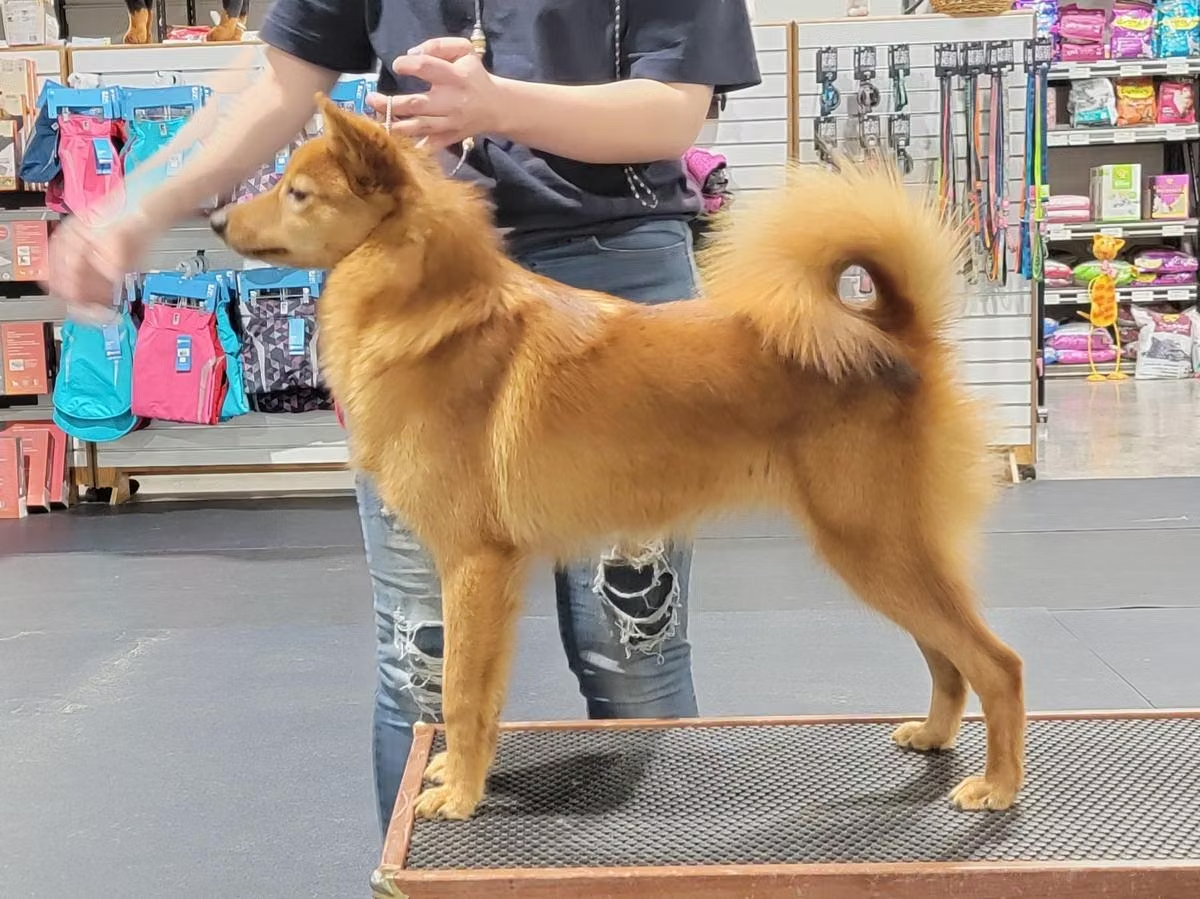


فینش اسپٹز کا تعارف
فینش اسپٹز فن لینڈ سے تعلق رکھنے والا درمیانے قد کا، لومڑی جیسے سرخ رنگ کا کتا ہے جو بھونکنے والے شکاری ساتھی اور زندہ دل خاندانی کتے کے طور پر تیرہ سے پندرہ سال زندگی گزارتا ہے۔
فینش اسپٹز درمیانے قد کی اسپٹز نسل کا کتا ہے جس کا جسم مربع نما، کان کھڑے اور دم پیٹھ پر بل کھائے ہوئے ہوتی ہے۔ اس کی جلد گرم لومڑی جیسے سرخ رنگ کی ہوتی ہے، جو اسے ایک منفرد شناخت دیتی ہے۔ یہ نسل فن لینڈ کا قومی کتا ہے، جہاں شمالی جنگلات میں شکاری ساتھی کے طور پر اس کی تاریخ صدیوں پرانی ہے۔
اپنے آبائی ملک میں فینش اسپٹز بارک پوائنٹر کا کام انجام دیتا ہے۔ یہ جنگلی پرندوں کا سراغ لگاتا ہے، انہیں درخت پر روک لیتا ہے، اور مسلسل بھونک کر شکاری کو مقام تک رہنمائی دیتا ہے۔ اسی کام نے اس نسل کی طبیعت کو تشکیل دیا: میدان میں خودمختاری، حرکت اور آواز کے تئیں چوکسی، اور بلند و بار بار بھونکنے کی عادت۔ مالکان اکثر اسے ہر قیمت پر خوش کرنے والے کے بجائے زندہ دل اور خودارادی کتا قرار دیتے ہیں۔
ساتھی کتے کے طور پر فینش اسپٹز متحرک اور اپنے گھرانے سے مخلص ہوتا ہے۔ یہ گھر کے افراد سے گہرا تعلق بناتا ہے جبکہ اجنبیوں سے محتاط رہتا ہے۔ یہ نسل ایسے لوگوں کے لیے موزوں ہے جو روزانہ ورزش کرا سکیں اور جنہیں بھونکنے والے کتے پر اعتراض نہ ہو۔
| خصوصیت | تفصیل |
|---|---|
| اصل | فن لینڈ |
| قد و جثہ | درمیانہ |
| عمر | ۱۳ سے ۱۵ سال |
| گروپ / کردار | اسپٹز قسم، شکاری بارک پوائنٹر اور ساتھی کتا |
| موزوں افراد | خاندان، بڑی عمر کے بچے، وہ مالکان جو ورزش اور نگہداشت کی ضروریات پوری کر سکیں |
یہ کن لوگوں کے لیے موزوں ہے
فینش اسپٹز ایسے فعال گھرانے کے لیے موزوں ہے جو باہر وقت گزارنا پسند کرتا ہو اور بھونکنے والے، خودمختار کتے کو سنبھال سکے۔ یہ ان مالکان کے ساتھ بہترین رہتا ہے جو مستقل مزاجی سے انعام پر مبنی تربیت دیں اور روزانہ کتے کو ساتھ اور ورزش فراہم کریں۔ خاموش کتے کے خواہاں یا طویل عرصہ گھر سے باہر رہنے والے افراد کو اس نسل کی آواز اور توانائی مشکل محسوس ہو سکتی ہے۔
تاریخ اور ابتدا
فینش اسپٹز فن لینڈ کے شمالی اسپٹز کتوں سے تیار ہوا، جہاں اسے صدیوں تک بھونکنے والے شکاری کتے کے طور پر پالا گیا اور بعد میں قومی نسل کا درجہ دیا گیا۔
فینش اسپٹز کا تعلق ان اسپٹز نما کتوں سے ہے جو صدیوں تک فن لینڈ اور گرد و نواح کے شمالی جنگلاتی علاقوں میں آباد لوگوں کے ساتھ رہتے تھے۔ ان کتوں کی قدر شکار کا سراغ لگانے اور نشاندہی کرنے کی صلاحیت کی وجہ سے کی جاتی تھی، اور یہ سخت موسم اور طویل سردیوں کے مطابق ڈھل چکے تھے۔
نسلوں تک دیہی فن لینڈ کے شکاری اس نسل کو تیتر اور کیپرکیلی جیسے پرندوں کی نشاندہی کے لیے رکھتے رہے۔ کتا پرندے کا سراغ لگاتا، اسے درخت کی طرف دھکیلتا، اور مقام بتانے کے لیے بھونکتا رہتا جبکہ شکاری قریب پہنچتا۔ اسی طریقہ کار نے اس نسل کو بھونکنے والے شکاری کتے کا لقب دیا۔
انیسویں صدی تک دور دراز علاقوں میں یہ نسل دیگر کتوں سے مل کر خالص پن کھو رہی تھی، جس پر بریڈرز نے اصل فنش شکاری اسپٹز کو جمع اور محفوظ کرنے کے لیے کام کیا۔ فن لینڈ میں منظم کوششوں سے ایک معیار طے کیا گیا اور لومڑی جیسے سرخ رنگ اور بھونک کر نشاندہی کرنے کی جبلت کو، جو اس کام کرنے والے کتے کی پہچان تھی، منتخب کیا گیا۔
بعد میں فینش اسپٹز کو فن لینڈ کے قومی کتے کا درجہ دیا گیا۔ اپنے وطن سے یہ نسل بطور شکاری کتا اور ساتھی دیگر ممالک تک پھیلی، تاہم شمالی یورپ سے باہر یہ دیگر کئی اسپٹز نسلوں کے مقابلے میں کم عام ہے۔
شکل و صورت اور نسلی معیار
فینش اسپٹز درمیانے قد کا مربع جسامت والا کتا ہے جس کی دوہری جلد لومڑی جیسے سرخ رنگوں میں ہوتی ہے، کان کھڑے اور دم مضبوطی سے بل کھائی ہوئی ہوتی ہے۔
فینش اسپٹز کا خدوخال متوازن اور مربع نما ہوتا ہے، سر لومڑی جیسا، کان تیز اور کھڑے، اور آنکھیں بادامی شکل کی گہری رنگت والی۔ جسم مضبوط اور پٹھیلا ہوتا ہے مگر بھاری نہیں۔ دم آگے کی طرف بل کھا کر پیٹھ پر ٹکتی ہے اور ران سے لگی رہتی ہے، جو اسپٹز نسلوں کی مخصوص علامت ہے۔ نر عموماً مادہ سے بڑے ہوتے ہیں اور گردن کے گرد زیادہ گھنے بال رکھتے ہیں۔
| خصوصیت | تفصیل |
|---|---|
| قد | نر تقریباً ۴۴ سے ۵۰ سینٹی میٹر (۱۷ سے ۲۰ انچ)؛ مادہ تقریباً ۳۹ سے ۴۵ سینٹی میٹر (۱۵ سے ۱۸ انچ) |
| وزن | نر تقریباً ۱۲ سے ۱۶ کلوگرام (۲۶ سے ۳۵ پاؤنڈ)؛ مادہ تقریباً ۷ سے ۱۰ کلوگرام (۱۵ سے ۲۲ پاؤنڈ) |
| جلد | دوہری جلد: باریک اور گھنی اندرونی تہ کے ساتھ لمبے اور کھردرے بیرونی بال |
| رنگ | لومڑی جیسے سرخ کے مختلف شیڈز، ہلکے شہد سے گہرے مہاگنی تک؛ سینے اور پنجوں پر معمولی سفید نشانات قابلِ قبول |
| آنکھیں | درمیانے حجم کی، بادامی شکل، گہرے رنگ کی |
جلد اور رنگت
جلد اس نسل کی سب سے نمایاں پہچان ہے۔ پلے اکثر گہرے رنگ کے ساتھ پیدا ہوتے ہیں اور جوں جوں بڑے ہوتے ہیں، بالغ لومڑی جیسے سرخ رنگ میں تبدیل ہو جاتے ہیں۔ بیرونی بال جسم سے کھڑے رہتے ہیں اور کندھوں، رانوں کی پچھلی سمت اور دم پر سب سے لمبے ہوتے ہیں۔ اندرونی تہ نرم اور گھنی ہوتی ہے جو سردی سے تحفظ دیتی ہے۔ سینے اور پنجوں پر معمولی سفید نشانات قبول کیے جاتے ہیں، مگر مجموعی تاثر واضح سرخ رنگت کا ہونا چاہیے۔
مزاج اور شخصیت
فینش اسپٹز زندہ دل، چوکس اور خودمختار کتا ہے، اپنے خاندان سے محبت کرنے والا مگر اجنبیوں سے محتاط، اور نمایاں طور پر بھونکنے والا۔
فینش اسپٹز زندہ دل، چوکس اور پراعتماد ہوتا ہے۔ یہ اپنے خاندان سے گہرا تعلق بناتا ہے اور گھر میں عموماً نرم مزاج اور کھلنڈرا رہتا ہے، اکثر ان بچوں کے ساتھ صبر آزما ہوتا ہے جن کے ساتھ وہ پلا بڑھا ہو۔ اجنبیوں کے سامنے یہ نسل جارحانہ ہونے کے بجائے محتاط اور نگران رہتی ہے، جو اسے مؤثر نگہبان کتا بناتی ہے۔
خودمختاری اس نسل کی نمایاں خاصیت ہے۔ چونکہ اسے شکاری سے فاصلے پر کام کرنے اور میدان میں خود فیصلے لینے کے لیے پالا گیا، یہ کتا اپنی سوچ سے چلتا ہے اور بغیر وجہ کے حکم نہیں مانتا۔ یہ اس نسل کے لیے معمول کی بات ہے اور زور زبردستی کے بجائے صبر کا تقاضا کرتی ہے۔
فینش اسپٹز زیادہ بھونکنے والی نسلوں میں شمار ہوتا ہے۔ بھونکنا اس کی کام کی صلاحیت کے طور پر منتخب کیا گیا تھا، اور یہ کتا خبردار کرنے، جوش ظاہر کرنے اور بات چیت کے لیے کھلے دل سے آواز استعمال کرتا ہے۔ دوسرے کتوں کے ساتھ یہ ملنسار ہو سکتا ہے، اگرچہ بعض افراد ہم جنس کے ساتھ سختی دکھاتے ہیں۔ ابتدائی سماجی تربیت اسے دیگر پالتو جانوروں اور لوگوں کے ساتھ گھلنے ملنے میں مدد دیتی ہے۔
| خاصیت | درجہ |
|---|---|
| محبت | ۴ |
| توانائی | ۴ |
| تربیت پذیری | ۳ |
| بھونکنے کی عادت | ۵ |
| بال جھڑنا | ۴ |
دیکھ بھال اور آرائش
فینش اسپٹز کو باقاعدہ برش، روزانہ ورزش اور ایسے ماحول کی ضرورت ہوتی ہے جہاں اس کی بھونک اور توانائی سنبھالی جا سکے۔
فینش اسپٹز صاف ستھرا اور کم بو والا کتا ہے جو اپنی جلد کو خود ایک حد تک سنبھال لیتا ہے، مگر پھر بھی بال جھڑنے اور تندرستی برقرار رکھنے کے لیے باقاعدہ نگہداشت درکار ہوتی ہے۔ موسمی تبدیلی کے دوران دوہری جلد بہت زیادہ بال جھاڑتی ہے، جب روزانہ توجہ ضروری ہوتی ہے۔
آرائش
- ہفتے میں ایک یا دو بار برش کریں، اور دو اہم بال جھڑنے کے موسموں میں روزانہ
- گھنی اندرونی تہ تک پہنچنے کے لیے کنگھی یا سلیکر برش استعمال کریں
- نہلائیں صرف ضرورت پڑنے پر؛ جلد میل کچیل کو دور رکھتی ہے
- ہر چند ہفتوں بعد ناخن تراشیں اور کانوں میں گندگی چیک کریں
- دانتوں کی صحت کے لیے باقاعدگی سے برش کریں
ورزش
- روزانہ کم از کم ساٹھ منٹ سرگرمی فراہم کریں، سیر اور کھیل میں تقسیم کر کے
- محفوظ جگہ پر بغیر پٹے دوڑنے کا موقع دیں، کیونکہ اس نسل میں تعاقب کی مضبوط جبلت پائی جاتی ہے
- کتے کے ذہن کو مصروف رکھنے کے لیے سونگھنے کے کھیل اور دماغی کھلونے شامل کریں
- سڑکوں اور جنگلی حیات کے قریب کتے کو پٹے پر رکھیں
ماحول
فینش اسپٹز اپنی دوہری جلد کی بدولت سرد موسم سے ہم آہنگ ہو جاتا ہے اور ٹھنڈے حالات کو ترجیح دیتا ہے۔ یہ محفوظ باڑ والے صحن والے گھر میں رہ سکتا ہے۔ چونکہ یہ نسل کھل کر بھونکتی ہے، قریبی پڑوسیوں اور اپارٹمنٹ کے ماحول میں مسئلہ پیدا ہو سکتا ہے جب تک مالک خاموش رہنے کا قابلِ بھروسا اشارہ نہ سکھائے اور کافی سرگرمی فراہم نہ کرے۔
غذا اور خوراک
فینش اسپٹز کو اس کی عمر اور سرگرمی کی سطح کے مطابق متوازن غذا دیں، اور اسے چاق و چوبند رکھنے کے لیے خوراک کی مقدار پر نظر رکھیں۔
فینش اسپٹز مکمل اور متوازن غذا پر بہتر رہتا ہے جو اس کی عمر کے مرحلے کے مطابق تیار کی گئی ہو۔ فعال کام کرنے والے کتوں کو ہلکی سرگرمی رکھنے والے ساتھی کتوں کے مقابلے میں زیادہ حرارے درکار ہو سکتے ہیں۔ چونکہ اس نسل کا جسم درمیانہ ہوتا ہے، کتے کو دبلا رکھنے اور وزن بڑھنے سے بچانے کے لیے خوراک ناپ کر دینی چاہیے۔
| عمر کا مرحلہ | روزانہ مقدار | اوقاتِ طعام |
|---|---|---|
| پلا (۲ سے ۶ ماہ) | جسمانی وزن کے مطابق پروڈکٹ گائیڈ کے تحت | ۳ سے ۴ |
| پلا (۶ سے ۱۲ ماہ) | جسمانی وزن کے مطابق پروڈکٹ گائیڈ کے تحت | ۲ سے ۳ |
| بالغ | معیاری خشک خوراک کے تقریباً ۱ سے ۱.۵ کپ، وزن اور سرگرمی کے مطابق | ۲ |
| بزرگ | کم سرگرمی کے مطابق حراروں میں معمولی کمی | ۲ |
ٹریٹس اور سپلیمنٹس
روزانہ کے حراروں میں ٹریٹس کا حصہ کم رکھیں تاکہ وزن نہ بڑھے۔ مکمل غذا لینے والے زیادہ تر فینش اسپٹز کتوں کو سپلیمنٹس کی ضرورت نہیں ہوتی۔ جوڑوں، جلد یا بالوں کے سپلیمنٹس شامل کرنے سے پہلے ڈاکٹر سے مشورہ کریں، اور کتے کو ہر وقت تازہ پانی دستیاب رکھیں۔
صحت اور عمر
فینش اسپٹز عموماً صحت مند نسل ہے جس کی عمر تقریباً ۱۳ سے ۱۵ سال ہوتی ہے، تاہم چند وراثتی بیماریوں پر نظر رکھنا ضروری ہے۔
فینش اسپٹز مضبوط جسامت کا کتا ہے جس کی عمر عموماً ۱۳ سے ۱۵ سال ہوتی ہے۔ اسے دیگر کئی نسلوں کے مقابلے میں کم صحت کے مسائل کا سامنا ہوتا ہے، جس کی ایک وجہ اس کا کام کرنے والا پس منظر بھی ہے۔ ذمہ دار بریڈرز معلوم وراثتی بیماریوں کے لیے اسکریننگ کرتے ہیں، اور باقاعدہ ویٹرنری نگہداشت طویل عمر میں مددگار ہوتی ہے۔
| بیماری | علامات | نوٹ |
|---|---|---|
| ہپ ڈسپلیزیا | اکڑن، لنگڑانا، اٹھنے میں دشواری | افزائشی کتوں کی اسکریننگ خطرہ کم کرتی ہے |
| پٹیلر لکسیشن | چھلانگ نما چال، وقفے وقفے سے لنگڑاہٹ | ہلکے سے لے کر سرجری کی ضرورت تک مختلف ہو سکتی ہے |
| البو ڈسپلیزیا | اگلی ٹانگ میں لنگڑاہٹ، ورزش سے گریز | وراثتی جوڑوں کی بیماری؛ افزائشی نسل چیک کریں |
| مرگی | دورے | بیشتر صورتوں میں ویٹرنری نگہداشت سے قابلِ انتظام |
احتیاطی نگہداشت
- ویکسینیشن اور پرجیوی کنٹرول کو تازہ رکھیں
- سالانہ چیک اپ کروائیں، بزرگ کتوں کے لیے زیادہ کثرت سے وزٹ ضروری ہیں
- جوڑوں کی حفاظت کے لیے وزن دبلا برقرار رکھیں
- دانت برش کریں اور دانتوں کے چیک اپ کا انتظام کریں
- ایسے بریڈرز سے خریدیں جو اپنے کتوں کا صحت ٹیسٹ کرواتے ہیں، جیسے پاکستان کینل کلب سے رجسٹرڈ بریڈرز
تربیت
فینش اسپٹز ذہین مگر خودمختار ہے، اس لیے یہ تکرار یا سختی کے بجائے مختصر، متنوع اور انعام پر مبنی تربیت پر بہتر جواب دیتا ہے۔
فینش اسپٹز ذہین اور قابل ہے، مگر اس کی خودمختار اور کام کرنے والی فطرت کا مطلب ہے کہ یہ فرمانبردار ساتھی نسلوں کی طرح تربیت قبول نہیں کرتا۔ جب اسے وجہ اور انعام نظر آئے تو یہ جلدی سیکھتا ہے، مگر بورنگ تکرار سے دلچسپی کھو دیتا ہے۔ صبر اور تسلسل دباؤ سے زیادہ اہم ہیں۔ سخت طریقے اس نسل کو ضدی بنا دیتے ہیں۔
بھونک کو سنبھالنا ایک عام تربیتی مقصد ہے۔ چونکہ بھونکنا فطری عمل ہے، مقصد اسے ختم کرنا نہیں بلکہ قابو میں رکھنا ہے۔ خاموش رہنے کا قابلِ بھروسا اشارہ سکھانا اور پرسکون رویے پر انعام دینا مالک کو کتے کو ٹھنڈا رکھنے کا طریقہ دیتا ہے۔ لوگوں، کتوں اور روزمرہ حالات کے ساتھ ابتدائی سماجی تربیت اعتماد بڑھاتی ہے اور محتاطی کم کرتی ہے۔
بنیادی اصول
۱. پلپن ہی سے سماجی تربیت اور نرم ہینڈلنگ شروع کریں ۲. توجہ برقرار رکھنے کے لیے سیشن مختصر، پرجوش اور متنوع رکھیں ۳. درست ردعمل پر فوری طور پر خوراک، کھیل یا تعریف سے انعام دیں ۴. واپسی کا حکم ابتدا میں سکھائیں اور محفوظ جگہ پر مشق کریں ۵. خاموش رہنے کا اشارہ متعارف کروائیں اور پرسکون، خاموش لمحات پر انعام دیں ۶. کتے کی کامیابی کے ساتھ دورانیہ اور مشکل آہستہ آہستہ بڑھائیں
افزائش نسل
فینش اسپٹز کی افزائش عام کینائن تولیدی طریقہ کار پر عمل کرتی ہے، صحت ٹیسٹ شدہ والدین اور تقریباً تین سے چھ پلوں کے لِٹر کے ساتھ۔
فینش اسپٹز کی افزائش درمیانے قد کے کتوں کے عمومی انداز پر عمل کرتی ہے۔ مادہ عموماً اپنی پہلی یا دوسری فصل تک جنسی بلوغت کو پہنچ جاتی ہے، مگر ذمہ دار بریڈرز ملاپ سے پہلے مادہ کے جسمانی طور پر پختہ ہونے اور متعلقہ صحت اسکریننگ پاس کرنے کا انتظار کرتے ہیں۔ جوڑے کا انتخاب اس طرح کیا جانا چاہیے کہ نسل کا ڈھانچہ، لومڑی جیسا سرخ رنگ اور کام کرنے والا مزاج برقرار رہے جبکہ معلوم وراثتی بیماریوں سے بچا جائے۔
حمل کا دورانیہ تقریباً نو ہفتے ہوتا ہے۔ لِٹر عموماً چھوٹے سے درمیانے حجم کے ہوتے ہیں۔ نوزائیدہ پلے ابتدائی ہفتوں میں گرمی اور خوراک کے لیے مکمل طور پر ماں پر انحصار کرتے ہیں، اور بریڈرز صاف ستھری، پرسکون وہیلپنگ جگہ فراہم کرتے ہیں۔ ابتدائی ہینڈلنگ اور گھریلو آوازوں و لوگوں سے نرم تعارف پلوں کو خوش اسلوب کتوں میں ڈھلنے میں مدد دیتا ہے۔ پلے اکثر گہرے رنگ کے ساتھ پیدا ہوتے ہیں اور بڑے ہوتے ہوتے بالغ سرخ رنگ کی طرف مائل ہو جاتے ہیں۔
| پیمانہ | قدر |
|---|---|
| جنسی بلوغت | تقریباً ۶ سے ۱۸ ماہ (صرف مکمل پختگی پر ملاپ کروائیں) |
| حمل کا دورانیہ | تقریباً ۶۳ دن (قریباً ۹ ہفتے) |
| اوسط لِٹر حجم | تقریباً ۳ سے ۶ پلے |
| دودھ چھڑانے کی عمر | تقریباً ۶ سے ۸ ہفتے |
| تجویز کردہ صحت چیک | والدین کے ہپ، البو اور پٹیلا کا معائنہ |
فِنش اسپٹز نسل کے کتے اور اس کی مائیکروچپ کی رجسٹریشن
United Pet Club پر آپ کے فِنش اسپٹز نسل کے کتے کے لیے تاحیات مفت پروفائل، مائیکروچپ رجسٹریشن سمیت، بغیر کسی فیس کے۔
پاکستان میں فِنش اسپٹز نسل کا کتا رجسٹر کرنے کا طریقہ
فِنش اسپٹز نسل کے کتے کا نام، تاریخِ پیدائش اور صاف تصویر درج کریں، اپنا فون نمبر شامل کریں اور محفوظ کر لیں۔ بس اتنا ہی کام ہے، اور یہ آج بھی مفت ہے اور ہمیشہ رہے گا۔ کتے کی رجسٹریشن چپ کے ساتھ بھی چلتی ہے اور اس کے بغیر بھی۔
ویٹرنری ڈاکٹر چپ لگا دیتا ہے مگر اس کا اندراج کوئی آپ کی جگہ نہیں کرتا، اور بغیر اندراج چپ کسی کی شناخت نہیں کراتی۔ مائیکروچپ رجسٹر کریں، تاحیات مفت پلان پر: ہر برانڈ کی چپ قبول ہے، پتہ بدلنے پر اپ ڈیٹ مفت ہے، اور ریکارڈ ہر وقت تلاش کے لیے دستیاب رہتا ہے، پاکستان میں بھی اور باہر بھی۔ مفت اکاؤنٹ بنائیں اور دونوں کام آج نمٹا لیں۔
پاکستان میں اپنے فِنش اسپٹز نسل کے کتے کی رجسٹریشن کیسے کروں؟
United Pet Club پر مفت اکاؤنٹ بنائیں، فِنش اسپٹز نسل کے کتے کی تفصیلات تصویر کے ساتھ درج کریں اور پروفائل محفوظ کریں۔ یہ کتے کی ساری عمر مفت رہتا ہے، اور چپ نمبر بعد میں بھی شامل ہو سکتا ہے۔
اپنے فِنش اسپٹز نسل کے کتے کی مائیکروچپ کیسے رجسٹر کروں؟
پندرہ ہندسوں کا چپ نمبر اپنے مفت اکاؤنٹ میں پتے اور فون نمبر کے ساتھ درج کریں۔ تاحیات پلان ہر برانڈ کی چپ قبول کرتا ہے اور اپ ڈیٹس کی کوئی فیس نہیں لیتا۔
کیا پاکستان میں فِنش اسپٹز نسل کے کتے کے لیے چپ لازمی ہے؟
قومی سطح پر کوئی پابندی نہیں؛ کچھ شہروں میں بلدیاتی لائسنس کے قواعد ہیں۔ چپ کا فائدہ صرف اس وقت ہے جب اس کے پیچھے تازہ ریکارڈ ہو، اور یہ ریکارڈ United Pet Club پر مفت ہے۔
فِنش اسپٹز نسل کے کتے کی رجسٹریشن پر کتنا خرچ آتا ہے؟
کچھ نہیں۔ تاحیات مفت پلان میں پروفائل، مائیکروچپ رجسٹریشن اور آئندہ تمام اپ ڈیٹس شامل ہیں، سالانہ فیس کے بغیر۔
اکثر پوچھے جانے والے سوالات
فینش اسپٹز کے بارے میں عام سوالات اس کے قد، مزاج، بھونکنے، دیکھ بھال کی ضروریات، عمر اور پالتو کتے کے طور پر موزونیت کا احاطہ کرتے ہیں۔
فینش اسپٹز کتنا بڑا ہوتا ہے؟
یہ درمیانے قد کی نسل ہے۔ نر تقریباً ۴۴ سے ۵۰ سینٹی میٹر (۱۷ سے ۲۰ انچ) قد اور ۱۲ سے ۱۶ کلوگرام (۲۶ سے ۳۵ پاؤنڈ) وزن رکھتے ہیں؛ مادہ چھوٹی ہوتی ہیں، تقریباً ۳۹ سے ۴۵ سینٹی میٹر (۱۵ سے ۱۸ انچ) اور ۷ سے ۱۰ کلوگرام (۱۵ سے ۲۲ پاؤنڈ)۔
فینش اسپٹز کا مزاج کیسا ہوتا ہے؟
یہ زندہ دل، چوکس اور خودمختار ہوتا ہے۔ یہ نسل اپنے خاندان سے محبت کرنے والی، اجنبیوں سے محتاط، اور ایک قابل نگہبان کتا ہے۔
کیا فینش اسپٹز زیادہ بھونکتا ہے؟
جی ہاں۔ اسے بھونکنے والے شکاری کتے کے طور پر پالا گیا اور یہ زیادہ بھونکنے والی نسلوں میں شمار ہوتا ہے۔ مالکان ابتدائی تربیت اور قابلِ بھروسا خاموشی کے اشارے سے بھونک کو قابو میں رکھ سکتے ہیں، مگر کتا اپنی آواز ضرور استعمال کرے گا۔
کیا فینش اسپٹز کی دیکھ بھال آسان ہے؟
دیکھ بھال درمیانے درجے کی ہے۔ جلد کو ہفتہ وار برش اور موسمی بال جھڑنے کے دوران روزانہ توجہ درکار ہوتی ہے، اور کتے کو روزانہ کم از کم ایک گھنٹہ ورزش چاہیے۔ اس کی بھونک اور خودمختاری تجربہ کار اور متحرک مالک کا تقاضا کرتی ہے۔
فینش اسپٹز کتوں کی عمر کتنی ہوتی ہے؟
عموماً ۱۳ سے ۱۵ سال۔ یہ نسل عام طور پر صحت مند ہے، اور اچھی غذا، ورزش اور ویٹرنری نگہداشت طویل عمر میں معاون ہوتی ہیں۔
کیا فینش اسپٹز اچھا خاندانی کتا ہے؟
درست گھرانے کے لیے، جی ہاں۔ یہ اپنے خاندان سے گہرا تعلق بناتا ہے اور عموماً واقف بچوں کے ساتھ اچھا رہتا ہے۔ یہ فعال گھرانوں کے لیے موزوں ہے جو بھونکنے والے، توانا کتے کو سنبھال سکیں اور اسے روزانہ ورزش دے سکیں۔
کیا فینش اسپٹز عام نسل ہے؟
یہ فن لینڈ کا قومی کتا ہے اور شمالی یورپ میں معروف ہے، مگر باقی دنیا میں یہ کئی دیگر اسپٹز نسلوں کے مقابلے میں کم عام ہے، اس لیے پلا حاصل کرنے میں وقت لگ سکتا ہے۔
From the community
Ask about the فِنش اسپٹزNo questions about the فِنش اسپٹز yet. Be the first to ask.
Browse Dog breeds