
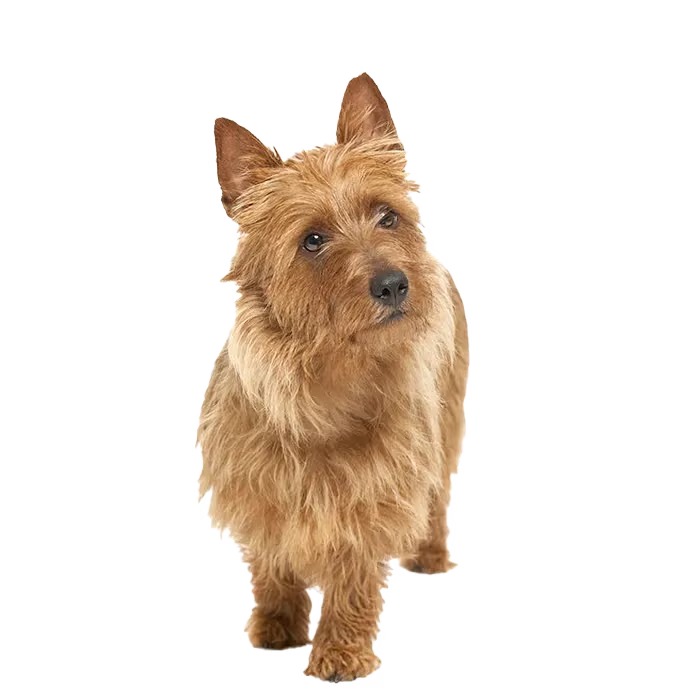
ஆஸ்திரேலியன் டெரியர்
ஆஸ்திரேலியன் டெரியர் ஒரு உற்சாகமான, துணிச்சலான சிறிய வேலை டெரியர் ஆகும், அதன் தைரியமான தன்னம்பிக்கை மற்றும் அர்ப்பணிப்புள்ள துணைக்காக அறியப்படுகிறது.
- Size
- சிறிய
- Lifespan
- 11–15 years
- Origin
- ஆஸ்திரேலியா
- Temperament
- உற்சாகமான
- Standard colors
- நீலம், டான், சிவப்பு மற்றும் மணல் நிறம்
Characteristics
Coat and grooming
How the ஆஸ்திரேலியன் டெரியர் coat is built, and what that means when you groom it.
- ரோமப் படலங்கள்
- இரட்டை ரோமம்
- ரோம அமைப்பு
- கரடுமுரடான
- ரோம நீளம்
- நடுத்தர
- ரோமம் உதிர்தல்
- குறைவான உதிர்தல்
Grooming guidance
எச்சரிக்கை: A ஆஸ்திரேலியன் டெரியர் coat should be hand-stripped rather than clipped.
கரடுமுரடான ரோமம், முதிர்ந்து விடுபடத் தயாரானதும் வேரோடு இழுத்து எடுக்கப்பட வேண்டியது. இயந்திரம் அதற்குப் பதிலாக நடுவில் வெட்டி, கீழே மென்மையான உள்படலத்தை விட்டுவிடும். இதனால் ரோமம் தளர்ச்சியாகவும் மங்கியும் வளரும்; வானிலையைத் தாங்கும் அமைப்பு மீண்டும் பிடுங்கிய பிறகே திரும்பும்.
ஆஸ்திரேலியன் டெரியர் colors and patterns
What each club's breed standard says about every ஆஸ்திரேலியன் டெரியர் color and pattern. Point at a ruling to see the club's own wording.
Breed standards describe the ஆஸ்திரேலியன் டெரியர் in நீலம், டான், சிவப்பு மற்றும் மணல் நிறம். Standard patterns: ஒற்றை நிறம் மற்றும் டான் பாயிண்ட்.
| Color or pattern | FCI | AKC | UKC | KC | KUSA |
|---|---|---|---|---|---|
| நீலம் | தரநிலைக்கு உட்பட்டது (“Blue, steel blue or dark grey blue”) | தரநிலைக்கு உட்பட்டது (“Blue & Tan”) | தரநிலைக்கு உட்பட்டது (“dark blue, steel blue, dark gray blue or silver blue”) | தரநிலைக்கு உட்பட்டது (“Blue, steel blue or dark grey blue”) | தரநிலைக்கு உட்பட்டது (“Blue, steel blue, or dark grey-blue”) |
| டான் | தரநிலைக்கு உட்பட்டது (“rich tan (not sandy)”) | தரநிலைக்கு உட்பட்டது (“Blue & Tan”) | தரநிலைக்கு உட்பட்டது (“The tan markings are as rich as possible”) | தரநிலைக்கு உட்பட்டது (“rich tan (not sandy)”) | தரநிலைக்கு உட்பட்டது (“rich tan (not sandy)”) |
| சிவப்பு | தரநிலைக்கு உட்பட்டது (“red”) | தரநிலைக்கு உட்பட்டது (“Red”) | தரநிலைக்கு உட்பட்டது (“solid red”) | தரநிலைக்கு உட்பட்டது (“red”) | தரநிலைக்கு உட்பட்டது (“red”) |
| மணல் நிறம் | தரநிலைக்கு உட்பட்டது (“Clear sandy”) | தரநிலைக்கு உட்பட்டது (“Sandy”) | தரநிலைக்கு உட்பட்டது (“any shade of solid sandy”) | தரநிலைக்கு உட்பட்டது (“Clear sandy”) | தரநிலைக்கு உட்பட்டது (“Clear sandy”) |
| கருப்பு | அங்கீகரிக்கப்படவில்லை | குறைபாடு (“All black body coat in the adult dog”) | குறைபாடு (“All black coat (except in puppies)”) | அங்கீகரிக்கப்படவில்லை | அங்கீகரிக்கப்படவில்லை |
| அல்பினோ | அங்கீகரிக்கப்படவில்லை | அங்கீகரிக்கப்படவில்லை | தகுதிநீக்கம் செய்யும் (“Albinism”) | அங்கீகரிக்கப்படவில்லை | அங்கீகரிக்கப்படவில்லை |
| Patterns | |||||
| ஒற்றை நிறம் | தரநிலைக்கு உட்பட்டது (“Clear sandy or red”) | தரநிலைக்கு உட்பட்டது (“solid sandy and solid red”) | தரநிலைக்கு உட்பட்டது (“solid sandy or solid red”) | தரநிலைக்கு உட்பட்டது (“Clear sandy or red”) | தரநிலைக்கு உட்பட்டது (“Clear sandy or red”) |
| டான் பாயிண்ட் | தரநிலைக்கு உட்பட்டது (“with rich tan (not sandy) on face, ears, under body, lower legs and feet”) | தரநிலைக்கு உட்பட்டது (“Blue & Tan”) | தரநிலைக்கு உட்பட்டது (“tan markings ... on the face, ears, underbody, lower legs and feet”) | தரநிலைக்கு உட்பட்டது (“with rich tan (not sandy) on face, ears, under body, lower legs and feet”) | தரநிலைக்கு உட்பட்டது (“with rich tan (not sandy) on face, ears, under body, lower legs, feet”) |
| சேபிள் | குறைபாடு (“any smuttiness or dark shadings objectionable”) | குறைபாடு (“dark smut in sandy/red coated dogs”) | குறைபாடு (“Dark smut in Sandy or Red dogs”) | குறைபாடு (“smuttiness or dark shading undesirable”) | குறைபாடு (“any smuttiness or dark shadings objectionable”) |

%22%3E%3Ccircle%20cx%3D%2212%22%20cy%3D%2217.2%22%20r%3D%221.25%22%20fill%3D%22%23C4996A%22%2F%3E%3Cpath%20d%3D%22M1.5%2021.2L9%2018.6L12.6%2021L12.2%2026.2L3.5%2024.4Z%22%20fill%3D%22%23C4996A%22%2F%3E%3Cpath%20d%3D%22M10%2026L14.5%2026.4L18.2%2029.2L13.5%2029.8Z%22%20fill%3D%22%23C4996A%22%2F%3E%3Cellipse%20cx%3D%2221.2%22%20cy%3D%2230.6%22%20rx%3D%221.6%22%20ry%3D%222.3%22%20fill%3D%22%23C4996A%22%2F%3E%3Crect%20x%3D%220%22%20y%3D%2247%22%20width%3D%2264%22%20height%3D%2217%22%20fill%3D%22%23C4996A%22%2F%3E%3Cpath%20d%3D%22M51.5%2024.5L55%2027L54.2%2032L50.5%2028.5Z%22%20fill%3D%22%23C4996A%22%2F%3E%3Cpath%20d%3D%22M45%2038.5L48%2039L48.5%2047L45.5%2047Z%22%20fill%3D%22%23C4996A%22%2F%3E%3C%2Fg%3E%3Cuse%20href%3D%22%23s%22%20fill%3D%22none%22%20stroke%3D%22%233B2A20%22%20stroke-opacity%3D%220.6%22%20stroke-width%3D%221%22%20stroke-linejoin%3D%22round%22%2F%3E%3Cellipse%20cx%3D%223.2%22%20cy%3D%2221.7%22%20rx%3D%221.3%22%20ry%3D%221.2%22%20fill%3D%22%231C1C1C%22%2F%3E%3Ccircle%20cx%3D%2210.8%22%20cy%3D%2219.3%22%20r%3D%221.1%22%20fill%3D%22%231C1C1C%22%2F%3E%3C%2Fsvg%3E)
%22%3E%3Crect%20x%3D%220%22%20y%3D%220%22%20width%3D%2264%22%20height%3D%2264%22%20fill%3D%22url(%23g)%22%2F%3E%3Cg%20fill%3D%22none%22%20stroke%3D%22%231C1C1C%22%20stroke-width%3D%221%22%20stroke-linecap%3D%22round%22%20stroke-linejoin%3D%22round%22%3E%3Cpath%20d%3D%22M15.7%2014.8l1.9%203.6M26.4%2024.1l1.2%204.1M42.7%2029.5l0.1%203.3M35.9%2025l1.6%203.2M31.3%2028.1l0.7%203.7M15.5%2011.1l1.6%203.6M41.1%2023.8l0.6%203.2M12.1%2020.7l1.2%203M15.4%2011.2l0.8%203.8M42.9%2027.3l0.7%202.9M48.2%2033.2l0.5%204.1M23.1%2024.7l1.4%203.4M51.9%2036.1l0.3%204.3M18.7%2023.9l1.2%203.7M50.4%2027.4l0.5%204.1M18.4%2020.4l0.1%203.1M55.6%2021.4l1.1%203.9M18.6%2024.9l1.7%203.8M8.3%2023.2l1.7%202.9M18.7%2024.2l0.2%203.1M46.4%2022.7l0.6%202.6M14.3%207l0.9%203.5M50.5%2024.9l0.5%203.7M23.2%2024.7l1.2%204.3M10.5%2022.3l1.6%203.4M56.9%2018.2l1.1%202.5M20.8%2021.7l1.1%203.5M10.9%2020.2l0.2%203.9M6.6%2023.3l1%202.4M54.5%2021.7l0.9%203.8M13.3%2021l0.4%203M11.7%2019.5l0.3%204M39%2023.2l0.7%202.5M20.8%2016.7l0%202.6M18.4%2016l0.2%202.6M46.4%2038.2l1.4%203.2M12.9%2022.6l0.6%203.3M13%2020.9l0.3%204.3M35.3%2024.9l1.3%202.3M29.5%2022.1l0.5%202.8M36.6%2023.4l0.2%204.3M20.5%2017.6l0.7%204.1M18.3%2020.6l0.6%203M20.5%2025.8l0.5%203.8M23.5%2040.2l1.1%202.9M22.8%2024.9l1.5%203M25.5%2023.1l0.5%203.3M47.7%2024.7l1.5%203.7M12.9%2018.4l1.9%203.8M29.5%2023.7l0.5%204.1M37.7%2026.5l0%202.9M16.8%2016.4l0.1%203.3M49.8%2028l1.7%203.8M29.4%2025.5l0.5%203.6M9.3%2023l1.3%203.1M47.4%2025.6l0.5%203.5M48.1%2023.8l1.6%203.2M9.9%2018.3l1.3%202.5M12.2%2016.6l0.4%203.2M22%2022.1l1.4%202.7M43.9%2024.7l1.4%203.9M14.3%2020l1.8%203.2M46.3%2040.1l0.3%203.6M14.9%207l0.3%204M17.5%2016.7l1.2%202.4M54.6%2040l1%203.5M13.3%2013.9l1.6%204.2M15.3%2016.5l1.2%202.9M23.8%2038.5l0.2%203.8M18.2%2019l0.6%203M11.2%2023.6l0.7%204.1M33.1%2023.2l0.9%204.3M13.6%2019.9l0.4%204.5M19.7%2023.1l1.9%203.7M50.5%2027.1l0.3%204.1M28.2%2028.5l0.2%203.8M29%2028.4l0.1%204M47.7%2024.5l0.6%202.5M10.7%2017.2l1.4%202.7M25.5%2040.3l0.6%204.1M37.6%2022.8l0.7%204.4M57%2018.6l0.2%203.4M16.9%2022.2l1.7%203.8M43.5%2024.7l1.8%203.4M49.2%2026l1.5%203.6M47.7%2032.3l0.4%203.7M35.4%2030.8l0.5%202.7M47%2026.1l1%203.9M24.3%2028.1l1.5%204.2M50.5%2023.8l1.3%203.4M58.1%2014.1l0.3%202.6M13.9%2018.2l0.7%202.5M8.2%2021l0.7%202.9M41.4%2026.4l0.4%202.7M16.3%2020.4l0.5%204.3M43.4%2025.9l1.2%203.2M32.3%2022.4l0.3%203.9M43.6%2025.9l2.1%203.8M33.5%2026.3l1.5%203M48.3%2030.6l1.4%203.4M44.2%2024.7l0.9%203.2M12.3%2017.7l0.9%203.7M46.2%2032l1.9%203.4M51%2028.3l0.1%203.7M30.4%2023.1l1.1%203.2M52.6%2022.6l0.9%204.3M16.6%2015.4l0.9%203.1M58.4%2012.8l0.3%202.8M42.8%2032.5l1.8%203.2%22%2F%3E%3Cpath%20d%3D%22M16.4%2026.1l0.1%204.3M14%2017.1l1.3%202.8M36.9%2027.2l1.3%202.6M38.6%2025.8l0.4%203.6M57.6%2014.3l0.3%203.9M14.7%208.2l1%204.3M53.4%2023l1.9%203.4M51.5%2030.3l0.8%202.7M56.2%2020l1.9%203.5M15.9%2010l0.2%202.8M15.8%2022.6l1.8%203.9%22%2F%3E%3C%2Fg%3E%3C%2Fg%3E%3Cuse%20href%3D%22%23s%22%20fill%3D%22none%22%20stroke%3D%22%233B2A20%22%20stroke-opacity%3D%220.6%22%20stroke-width%3D%221%22%20stroke-linejoin%3D%22round%22%2F%3E%3Cellipse%20cx%3D%223.2%22%20cy%3D%2221.7%22%20rx%3D%221.3%22%20ry%3D%221.2%22%20fill%3D%22%231C1C1C%22%2F%3E%3Ccircle%20cx%3D%2210.8%22%20cy%3D%2219.3%22%20r%3D%221.1%22%20fill%3D%22%231C1C1C%22%2F%3E%3C%2Fsvg%3E)
| Color or pattern | FCI | AKC | UKC | KC | KUSA |
|---|---|---|---|---|---|
| கருப்பு | No ruling | தரநிலைக்கு உட்பட்டது (“dark brown to black (the darker the better)”) | No ruling | No ruling | No ruling |
| அடர் பழுப்பு | தரநிலைக்கு உட்பட்டது (“dark brown”) | தரநிலைக்கு உட்பட்டது (“dark brown to black (the darker the better)”) | தரநிலைக்கு உட்பட்டது (“dark brown”) | தரநிலைக்கு உட்பட்டது (“dark brown”) | தரநிலைக்கு உட்பட்டது (“dark brown”) |
| வெளிர் பழுப்பு | No ruling | குறைபாடு (“Light-colored ... eyes”) | No ruling | No ruling | No ruling |
| Color or pattern | FCI | AKC | UKC | KC | KUSA |
|---|---|---|---|---|---|
| கருப்பு | தரநிலைக்கு உட்பட்டது (“Black”) | தரநிலைக்கு உட்பட்டது (“Black”) | தரநிலைக்கு உட்பட்டது (“black”) | தரநிலைக்கு உட்பட்டது (“black”) | தரநிலைக்கு உட்பட்டது (“Black”) |
| இளஞ்சிவப்பு | No ruling | No ruling | குறைபாடு (“Flesh-colored nose”) | No ruling | No ruling |
What the rulings mean
- தரநிலைக்கு உட்பட்டது
- Described by the club's breed standard.
- குறைபாடு
- Named by the club's breed standard as a fault: the animal can be shown but is penalized.
- தகுதிநீக்கம் செய்யும்
- The club's breed standard disqualifies an animal of this color or pattern.
- அங்கீகரிக்கப்படவில்லை
- The club does not accept this color or pattern for the breed.
Color changes
How a ஆஸ்திரேலியன் டெரியர்'s colors can change over its life.
கருப்புchanges toதுரு
உரோமம் · உடல் நிலையுடன் · can change back
கருப்புchanges toசாம்பல்
உரோமம் · படிப்படியான
கருப்புchanges toநீலம்
உரோமம் · படிப்படியான
கருப்புchanges toபழுப்பு
உரோமம் · வெயிலில் · can change back
டான் பாயிண்ட்changes toசேண வடிவம்
உரோமம் · வயதுடன் · from 6 to 156 weeks
கருப்புchanges toபனி மூக்கு
மூக்கு · பருவத்துடன் · can change back
கருப்புchanges toஇளஞ்சிவப்பு
மூக்கு · பருவத்துடன் · can change back
%22%3E%3Cpath%20d%3D%22M22.5%2018.5Q24%2021%2025%2021.5L47%2022.5Q50%2022.5%2051.5%2023.5L54%2026Q55%2032%2053%2034Q46%2031.5%2038%2033Q30%2034.5%2025.5%2032Q22.5%2026%2022.5%2018.5Z%22%20fill%3D%22%231C1C1C%22%2F%3E%3Cpath%20d%3D%22M51%2024L56%209L63%209L61%2019L54.5%2028Z%22%20fill%3D%22%231C1C1C%22%2F%3E%3Cpath%20d%3D%22M2%2021.2L7.5%2019.2L8.5%2023.6L3.5%2024.2Z%22%20fill%3D%22%231C1C1C%22%20fill-opacity%3D%220.85%22%2F%3E%3C%2Fg%3E%3Cuse%20href%3D%22%23s%22%20fill%3D%22none%22%20stroke%3D%22%233B2A20%22%20stroke-opacity%3D%220.6%22%20stroke-width%3D%221%22%20stroke-linejoin%3D%22round%22%2F%3E%3Cellipse%20cx%3D%223.2%22%20cy%3D%2221.7%22%20rx%3D%221.3%22%20ry%3D%221.2%22%20fill%3D%22%231C1C1C%22%2F%3E%3Ccircle%20cx%3D%2210.8%22%20cy%3D%2219.3%22%20r%3D%221.1%22%20fill%3D%22%231C1C1C%22%2F%3E%3C%2Fsvg%3E)
%22%3E%3Crect%20x%3D%2217%22%20y%3D%2210%22%20width%3D%2230%22%20height%3D%2242%22%20fill%3D%22url(%23g)%22%2F%3E%3C%2Fg%3E%3Cuse%20href%3D%22%23s%22%20fill%3D%22none%22%20stroke%3D%22%233B2A20%22%20stroke-opacity%3D%220.6%22%20stroke-width%3D%221%22%20stroke-linejoin%3D%22round%22%2F%3E%3Cpath%20d%3D%22M12.5%2037Q13%2032%2018.5%2032Q23.5%2032.5%2023.5%2036.5Q20.5%2035.5%2018.8%2037Q17.4%2038.6%2018%2041.5Q13.6%2040.4%2012.5%2037Z%22%20fill%3D%22%231C1C1C%22%20fill-opacity%3D%220.8%22%20stroke%3D%22%23F5F5F0%22%20stroke-opacity%3D%220.4%22%20stroke-width%3D%220.9%22%2F%3E%3Cpath%20d%3D%22M51.5%2037Q51%2032%2045.5%2032Q40.5%2032.5%2040.5%2036.5Q43.5%2035.5%2045.2%2037Q46.6%2038.6%2046%2041.5Q50.4%2040.4%2051.5%2037Z%22%20fill%3D%22%231C1C1C%22%20fill-opacity%3D%220.8%22%20stroke%3D%22%23F5F5F0%22%20stroke-opacity%3D%220.4%22%20stroke-width%3D%220.9%22%2F%3E%3Cpath%20d%3D%22M32%2040V50%22%20fill%3D%22none%22%20stroke%3D%22%231C1C1C%22%20stroke-width%3D%221.3%22%20stroke-opacity%3D%220.5%22%20stroke-linecap%3D%22round%22%20stroke-linejoin%3D%22round%22%2F%3E%3Cellipse%20cx%3D%2232%22%20cy%3D%2221%22%20rx%3D%2212%22%20ry%3D%223.5%22%20fill%3D%22%23F5F5F0%22%20fill-opacity%3D%220.18%22%2F%3E%3C%2Fsvg%3E)
Sources
Each ruling comes from the club's published breed standard or color list.
Meet some of our ஆஸ்திரேலியன் டெரியர்
A few of the ஆஸ்திரேலியன் டெரியர் profiles members have added to United Pet Club.


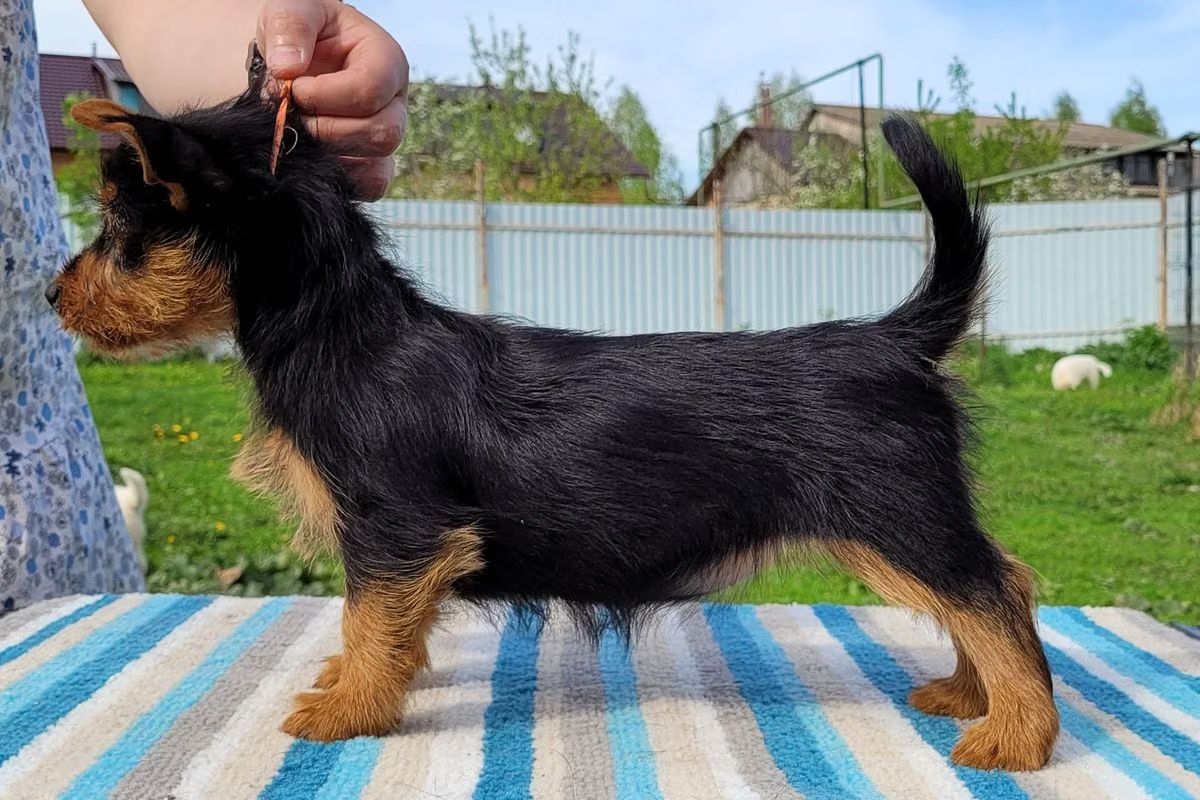

ஆஸ்திரேலியன் டெரியரைப் பற்றி
ஆஸ்திரேலியாவைச் சேர்ந்த மிகச் சிறிய பணிபுரியும் டெரியர் இனங்களில் ஒன்றான ஆஸ்திரேலியன் டெரியர், துணிச்சல், விழிப்புணர்வு, உரிமையாளருடனான நெருங்கிய பிணைப்பு ஆகியவற்றுக்குப் பெயர் பெற்றது.
ஆஸ்திரேலியாவில் உருவாக்கப்பட்ட மிகச் சிறிய பணிபுரியும் டெரியர் இனங்களில் ஆஸ்திரேலியன் டெரியரும் ஒன்று. தோள்பட்டை உயரம் சுமார் 25 முதல் 28 செ.மீ., எடை 5 முதல் 7 கிலோ வரை இருக்கும். வீடுகள், பண்ணைகள், சுரங்கங்கள் ஆகியவற்றைச் சுற்றி எலி மற்றும் பாம்புகளைக் கட்டுப்படுத்தவும், காவல் நாயாகவும் துணை நாயாகவும் பணியாற்றவும் இந்த இனம் உருவாக்கப்பட்டது. இதன் விளைவாக, கடினமான, வானிலையைத் தாங்கும் மயிர்க்கவசம் கொண்ட, குட்டையான உடலமைப்புடைய, மிகுந்த தன்னம்பிக்கை நிறைந்த ஒரு உறுதியான நாய் கிடைத்தது.
உடலளவில் சிறியதாக இருந்தாலும், சுபாவத்தில் இது முழுமையான டெரியர் இனமே. உற்சாகமும் துணிச்சலும் மிக்கது; தன் எல்லைக்குள் புதிதாக எதுவும் நிகழ்ந்தாலும் உடனடியாக எதிர்வினையாற்றும். அதே சமயம், தன் குடும்பத்துடன் நெருங்கிய பிணைப்பை வளர்த்துக் கொள்கிறது, பொதுவாக ஒன்று அல்லது இரண்டு பேருடன் அதிக நெருக்கம் காட்டி, அவர்கள் செல்லும் இடமெல்லாம் பின்தொடர்ந்து அவர்களின் அசைவுகளை உன்னிப்பாகக் கவனிக்கும்.
பெரிய ஆளுமை கொண்ட சிறிய நாயை விரும்பும், அமைதியான மடி நாய்க்குப் பதிலாக சுறுசுறுப்பான, விழிப்புணர்வுள்ள துணையை விரும்பும் உரிமையாளர்களுக்கு இந்த இனம் பொருந்தும். தினசரி செயல்பாடும் நிறுவனமும் கிடைக்கும் வரை, குடியிருப்புகளிலும் தனி வீடுகளிலும் இது நன்கு பொருந்திக்கொள்ளும்.
| பண்பு | விவரம் |
|---|---|
| தோற்றம் | ஆஸ்திரேலியா |
| அளவு | சிறியது (சுமார் 5 முதல் 7 கிலோ) |
| ஆயுட்காலம் | 11 முதல் 15 ஆண்டுகள் |
| வகை/பணி | டெரியர்; எலி பிடிப்பான், காவல் நாய், துணை நாய் |
| பொருந்துவோர் | குடும்பங்கள் மற்றும் அர்ப்பணிப்புள்ள தனி உரிமையாளர்கள்; வளர்ந்த குழந்தைகள்; பழக்கப்படுத்தினால் மற்ற நாய்களுடன் இணக்கம் |
யாருக்குப் பொருந்தும்
அடிக்கடி வீட்டில் இருப்பவர்களுக்கு அல்லது நாயை உடன் அழைத்துச் செல்ல முடிபவர்களுக்கு இந்த இனம் ஏற்றது; ஏனெனில் நீண்ட நேரம் தனிமையில் இருப்பதை இது விரும்பாது. தொடர்ச்சியான ஒழுங்கு முறையையும் தினசரி மனத் தூண்டுதலையும் அளிக்கும் உரிமையாளர்களுக்கு இது நன்றாகப் பதிலளிக்கும். எலி, முயல் போன்ற சிறு செல்லுயிரினங்கள் வீட்டில் இருந்தால் கவனமாக இருக்க வேண்டும், ஏனெனில் இந்த டெரியரின் வேட்டையாடும் உள்ளுணர்வு இன்னும் வலுவாகவே உள்ளது.
வரலாறும் தோற்றமும்
19ஆம் நூற்றாண்டு ஆஸ்திரேலியாவில், இங்கிலாந்திலிருந்து கொண்டுவரப்பட்ட கரடுமுரடான மயிர் டெரியர்களிலிருந்து ஆஸ்திரேலியன் டெரியர் உருவாக்கப்பட்டது; அதிகாரப்பூர்வ அங்கீகாரம் பெற்ற முதல் தேசிய ஆஸ்திரேலிய இனமும் இதுவே.
1800களின் தொடக்கத்தில், குடியேறிகள் இங்கிலாந்திலிருந்து பலவகையான கரடுமுரடான மயிர் டெரியர்களை ஆஸ்திரேலியாவிற்குக் கொண்டு வந்ததில் இருந்து இந்த இனத்தின் வரலாறு தொடங்குகிறது. காலனித்துவ கால வாழ்க்கையின் நடைமுறைத் தேவைகளுக்கு ஏற்ப, இந்த வேலை நாய்கள் கலப்பினமாக்கப்பட்டு தேர்ந்தெடுக்கப்பட்டன: எலி, பாம்புகளைக் கொல்வது, கிடங்குகளையும் பண்ணை வீடுகளையும் காவல் காப்பது, கடுமையான நிலப்பகுதிகளில் ஆடு மந்தை முகாம்களைப் பராமரிப்பது ஆகியவை இதில் அடங்கும்.
இங்கிலாந்தின் மேட்டுநில மற்றும் வடபகுதிகளைச் சேர்ந்த சிறிய கரடுமுரடான மயிர் டெரியர்கள் உட்பட, பல பிரிட்டிஷ் டெரியர் வகைகள் இந்த இனத்தின் அமைப்பிற்குப் பங்களித்தன. அழுக்கை உதிர்த்து வானிலையைத் தாங்கும் கடினமான மயிர்க்கவசமும், தன்னை விட மிகப்பெரிய தீங்கு விளைவிக்கும் உயிரினங்களை எதிர்கொள்ளும் துணிச்சலும் கொண்ட உறுதியான, குட்டையான நாயை வளர்ப்பாளர்கள் விரும்பினர்.
19ஆம் நூற்றாண்டின் பிற்பகுதியில் ஆஸ்திரேலியாவில் இந்த இனம் முதன்முதலில் காட்சிக்கு வைக்கப்பட்டது; அப்போது அதன் கரடுமுரடான, உடைந்த மயிரைக் குறிக்கும் பெயர்களில் காட்சிப்படுத்தப்பட்டது. ஆஸ்திரேலியாவில் அங்கீகாரம் பெற்று அங்கேயே காட்சிக்கு வைக்கப்பட்ட முதல் இனம் இதுவே; பின்னர் 20ஆம் நூற்றாண்டில் இங்கிலாந்து மற்றும் அமெரிக்க நாய் வளர்ப்பாளர் சங்கங்களிடமும் அங்கீகாரம் பெற்றது.
இதனுடன் நெருங்கிய தொடர்புடைய ஆஸ்திரேலியன் சில்கி டெரியர் இதே மூதாதையர் பரம்பரையின் ஒரு பகுதியைப் பகிர்ந்துகொள்கிறது, ஆனாலும் நீளமான, பட்டு போன்ற மயிர்க்கவசத்தையும் துணை நாய் பணியையும் நோக்கி வளர்க்கப்பட்டது; ஆஸ்திரேலியன் டெரியரோ தன் கரடுமுரடான மயிரையும் உழைப்பாளித் தன்மையையும் தக்கவைத்துக் கொண்டது.
தோற்றமும் இனத் தரநிலையும்
ஆஸ்திரேலியன் டெரியர் ஒரு சிறிய, குட்டையான, உறுதியான நாய்; கடினமான நேரான மயிர்க்கவசம், மென்மையான தலைமுடிக்கற்றை, நிமிர்ந்த காதுகள் கொண்டது; உயரத்தை விட உடல் நீளமானது.
ஆஸ்திரேலியன் டெரியரின் உடல் உயரத்தை விட நீளமானது, இது தரையை ஒட்டிய, குறைந்த வெளிக்கோட்டை உருவாக்குகிறது. தலை நீளமானது; சிறிய நிமிர்ந்த காதுகளும் கருமையான ஓவல் வடிவக் கண்களும் விழிப்புணர்வும் கூர்மையும் கொண்ட பார்வையை அளிக்கின்றன. மண்டையை மூடும் தனித்துவமான மென்மையான தலைமுடிக்கற்றை உடலின் கடினமான மயிர்க்கவசத்திற்கு மாறாக இருக்கும். சில பகுதிகளில் பாரம்பரியமாக வால் வெட்டப்பட்டு வந்தது; ஆனால் வால் வெட்டு தடைசெய்யப்பட்ட இடங்களில் இயற்கையாகவே விடப்படுகிறது.
| பண்பு | தரநிலை |
|---|---|
| உயரம் | தோள்பட்டையில் சுமார் 25 முதல் 28 செ.மீ. |
| எடை | சுமார் 5 முதல் 7 கிலோ |
| மயிர்க்கவசம் | சுமார் 6 செ.மீ. நீளமுள்ள கடினமான, நேரான வெளிமயிர்; குட்டையான மென்மையான உள்மயிர்; மென்மையான தலைமுடிக்கற்றை |
| நிறங்கள் | நீலமும் பழுப்பும், முழுமையான மணல் நிறம், அல்லது முழுமையான சிவப்பு |
| கண்கள் | சிறிய, ஓவல் வடிவ, கருஞ்சிவப்பு-பழுப்பு நிறம் |
மயிர்க்கவசமும் நிறங்களும்
வெளிமயிர் கடினமாகவும் நேராகவும் இருந்து உடலை நெருக்கமாக ஒட்டியிருக்கும்; காப்புக்காக குட்டையான மென்மையான உள்மயிர் இருக்கும். அங்கீகரிக்கப்பட்ட நிறங்கள் நீலமும் பழுப்பும் (இங்கு நீலம் அடர் எஃகு நிறம் அல்லது வெள்ளி-நீலம் வரை மாறுபடலாம், முகம், கால்கள், அடிவயிற்றில் பழுப்பு அடையாளங்களுடன்), மேலும் முழுமையான மணல் நிறமும் முழுமையான சிவப்பும் ஆகும். தலைமுடிக்கற்றை பொதுவாக உடல் மயிரை விட வெளிர் நிறமும் மென்மையும் கொண்டதாக இருக்கும். இந்தக் கடினமான மயிர் அமைப்பு செயல்பாட்டு நோக்கம் கொண்டது; அழுக்கை உதிர்க்கவும் ஈரமான வானிலையைத் தாங்கவும் இது உதவுகிறது.
சுபாவமும் நடத்தையும்
ஆஸ்திரேலியன் டெரியர் தன்னம்பிக்கையும் விசுவாசமும் விழிப்புணர்வும் கொண்டது; குடும்பத்திற்கு அர்ப்பணிப்புடன் இருந்தாலும் உறுதியான காவல் நாயாகவும் சிறு விலங்குகளை உள்ளுணர்வோடு வேட்டையாடுபவனாகவும் இருக்கும்.
இது தன்னம்பிக்கை நிறைந்த, உற்சாகமான நாய், தன் வீட்டாருடன் நெருங்கிய பிணைப்பை ஏற்படுத்திக் கொள்கிறது. வீட்டில் பாசமும் மனிதநேயமும் கொண்டதாக இருக்கும், பெரும்பாலும் ஒரே ஒரு நபருடன் அதிக நெருக்கம் காட்டி, அவர்களுக்கு அருகிலேயே இருக்க முயலும். மரியாதையுடன் நடத்தும் குழந்தைகளுடன் பொதுவாக விளையாட்டுத்தனமும் பொறுமையும் காட்டும்; ஆனாலும் அதன் உடல் அளவு காரணமாக மிகச் சிறிய குழந்தைகளுடன் தொடர்பு கண்காணிக்கப்பட வேண்டும்.
அந்நியர்களிடம் இந்த இனம் விழிப்புடனும் கவனத்துடனும் இருக்கும். வருகையாளர்களையும் அறிமுகமில்லாத ஒலிகளையும் உடனடியாக அறிவிக்கும், இதனால் இது ஒரு திறமையான சிறிய காவல் நாயாகச் செயல்படுகிறது; ஆனால் அறிமுகம் நடந்த பிறகு பொதுவாக ஆக்ரோஷமாக இருக்காது. குட்டிப் பருவத்திலேயே சமூகமயமாக்கல் புதியவர்களிடையே விரைவாகப் பழகிக் கொள்ள உதவுகிறது.
மற்ற நாய்களுடன் இது இணக்கமாக இருக்க முடியும்; ஆனாலும் சில நாய்கள் ஒரே பாலின நாய்களிடம் டெரியருக்குரிய துணிச்சலைக் காட்டுகின்றன. இதன் வேட்டை உள்ளுணர்வு வலுவாகவே உள்ளது, எலி, முயல், சில நேரங்களில் பூனை போன்ற சிறு செல்லுயிரினங்கள் இதைத் துரத்தத் தூண்டலாம். இது புத்திசாலியும் விரைவாகக் கற்றுக்கொள்பவனுமாக இருந்தாலும், எல்லைகளைச் சோதிக்கும் அளவுக்கு சுதந்திரமான குணமும் கொண்டது.
| பண்பு | மதிப்பீடு |
|---|---|
| பாசம் | 4 |
| சுறுசுறுப்பு | 4 |
| பயிற்சிக்கு உகந்த தன்மை | 4 |
| குரைக்கும் தன்மை | 4 |
| மயிர் உதிர்தல் | 2 |
பராமரிப்பும் மயிர்ப் பராமரிப்பும்
ஆஸ்திரேலியன் டெரியருக்கு மிதமான மயிர்ப் பராமரிப்பு, தினசரி உடற்பயிற்சி, தொடர்ச்சியான நிறுவனம் தேவை; செயல்பாட்டுத் தேவைகள் பூர்த்தி செய்யப்பட்டால் குடியிருப்புகளுக்கும் தனி வீடுகளுக்கும் ஏற்றது.
கடினமான மயிர்க்கவசம் ஒப்பீட்டளவில் குறைந்த பராமரிப்பையே கோரும், மிகக் குறைவாகவே உதிரும்; ஆனாலும் அதன் அமைப்பைப் பராமரிக்கவும் இறந்த மயிரை அகற்றவும் வழக்கமான கவனிப்பு பயனளிக்கும்.
மயிர்ப் பராமரிப்பு
- வாரத்திற்கு ஒரு முறை அல்லது இரு முறை சீப்பிட்டு தளர்ந்த மயிரை அகற்றி முடிச்சு விழுவதைத் தடுக்கவும்
- கடினமான அமைப்பைத் தக்கவைக்க ஆண்டுக்கு சில முறை கையால் மயிர் பிடுங்கும் முறையைப் பயன்படுத்தவும்; கத்தரிப்பது காலப்போக்கில் மயிரை மென்மையாக்கிவிடும்
- தேவைப்படும் போது மட்டுமே குளிப்பாட்டவும், அடிக்கடி குளிப்பாட்டுவது மயிரை மென்மையாக்கி பாதுகாப்பு எண்ணெய்களை நீக்கிவிடும்
- சில வாரங்களுக்கு ஒருமுறை நகங்களை வெட்டவும், காதுகளில் அழுக்கு உள்ளதா எனச் சரிபார்க்கவும்
- பல் ஆரோக்கியத்திற்காக வாரத்திற்கு பல முறை பல் துலக்கவும்
உடற்பயிற்சி
- நடைப்பயிற்சி மற்றும் விளையாட்டு மூலம் தினமும் 30 முதல் 60 நிமிடங்கள் செயல்பாடு அளிக்கவும்
- கயிறு இல்லாமல் ஓடுவதற்கு பாதுகாப்பாக வேலி அமைக்கப்பட்ட பகுதியை வழங்கவும், ஏனெனில் இந்த இனம் துரத்தவும் தோண்டவும் செய்யும்
- டெரியரின் இயல்பான உள்ளுணர்வுகளைத் திருப்திப்படுத்த வாசனை விளையாட்டுகள், பந்து கொண்டு வா விளையாட்டு, தோண்டலுக்கு அனுமதிக்கப்பட்ட இடங்கள் ஆகியவற்றைச் சேர்க்கவும்
- வேட்டை உள்ளுணர்வு அழைப்பை மீறுவதால், சாலைகளுக்கும் சிறு விலங்குகளுக்கும் அருகில் கயிற்றைப் பயன்படுத்தவும்
சுற்றுச்சூழல்
தினசரி உடற்பயிற்சி கிடைத்து நீண்ட நேரம் தனியாக விடப்படாத வரை, இந்த இனம் குடியிருப்புகளிலும் தனி வீடுகளிலும் மகிழ்ச்சியாக வாழும். வானிலையைத் தாங்கும் மயிர்க்கவசத்தின் காரணமாக பல்வேறு காலநிலைகளைத் தாங்கிக்கொள்ளும்; ஆனாலும் வெளியே அல்ல, குடும்ப நாயாக வீட்டிற்குள்ளேயே வாழ வேண்டும்.
ஊட்டச்சத்தும் உணவளிப்பும்
சிறிய, சுறுசுறுப்பான நாய்களுக்கு ஏற்ற முழுமையான உணவில் ஆஸ்திரேலியன் டெரியர் நன்கு வளரும்; அதிக எடை அதிகரிக்கும் தன்மையைத் தடுக்க அளவிடப்பட்ட உணவாகக் கொடுக்க வேண்டும்.
சிறிய இனங்களுக்கு உருவாக்கப்பட்ட முழுமையான, சமநிலையான உணவு ஆஸ்திரேலியன் டெரியருக்கு ஏற்றது. இது ஒரு சிறிய, சுறுசுறுப்பான நாய் என்பதால், அளவு கட்டுப்பாடு முக்கியம்: அதிகமாக உணவளித்தால் அல்லது அளவுக்கு அதிகமான உபசாரங்கள் கொடுத்தால் இந்த இனம் எளிதில் எடை கூட்டிக் கொள்ளும். நாயின் வாழ்க்கைக் கட்டத்திற்கு ஏற்ற உணவைத் தேர்ந்தெடுத்து, ஒரு நிலையான அளவைப் பின்பற்றுவதை விட உடல் நிலைமையையும் செயல்பாட்டையும் பொறுத்து அளவை மாற்றியமைக்கவும். சுத்தமான தண்ணீர் எப்போதும் கிடைக்குமாறு பார்க்க வேண்டும்.
| வாழ்க்கைக் கட்டம் | ஒரு நாளைக்கான அளவு | உணவு வேளைகள் |
|---|---|---|
| குட்டி (2 முதல் 6 மாதங்கள்) | எடை மற்றும் உணவு வகையைப் பொறுத்து சுமார் 80 முதல் 130 கிராம் | 3 முதல் 4 |
| இளம் நாய் (6 முதல் 12 மாதங்கள்) | சுமார் 90 முதல் 130 கிராம் | 2 முதல் 3 |
| வளர்ந்த நாய் | சுமார் 75 முதல் 110 கிராம் | 2 |
| முதிர்ந்த நாய் | சுறுசுறுப்பிற்கு ஏற்ப சரிசெய்யப்பட்ட சுமார் 65 முதல் 95 கிராம் | 2 |
உபசாரங்களும் துணை உணவுகளும்
உபசாரங்களை தினசரி கலோரியில் சுமார் 10 சதவீதத்திற்கு மிகாமல் வைத்திருந்து, மொத்த உணவளவில் அதைக் கணக்கில் சேர்க்கவும். முழுமையான உணவு உண்ணும் பெரும்பாலான நாய்களுக்கு துணை உணவுகள் தேவைப்படாது; மூட்டு, தோல் அல்லது மயிருக்கான துணை உணவுகளைச் சேர்க்கும் முன், குறிப்பாக முதிர்ந்த நாய்களுக்கு, கால்நடை மருத்துவரிடம் ஆலோசிக்கவும்.
ஆரோக்கியமும் ஆயுட்காலமும்
ஆஸ்திரேலியன் டெரியர் பொதுவாக உறுதியான ஆரோக்கியம் கொண்டது, 11 முதல் 15 ஆண்டுகள் ஆயுட்காலம் உள்ளது; ஆயினும் சில மூட்டு, ஹார்மோன், கண் தொடர்பான நிலைமைகளுக்கு ஆளாகக்கூடும்.
ஆஸ்திரேலியன் டெரியர் ஒரு உறுதியான இனம், சராசரி ஆயுட்காலம் 11 முதல் 15 ஆண்டுகள். வழக்கமான கால்நடை மருத்துவப் பராமரிப்பு, நல்ல ஊட்டச்சத்து, எடைக் கட்டுப்பாடு ஆகியவற்றுடன் பெரும்பாலான நாய்கள் ஆரோக்கியமாகவே இருக்கும். பல சிறிய இனங்களைப் போலவே, சில பரம்பரை மற்றும் வயது தொடர்பான நிலைமைகள் பொது நாய் மக்கள்தொகையை விட இந்த இனத்தில் அதிகமாகக் காணப்படுகின்றன, எனவே விழிப்புணர்வும் பரிசோதனையும் உதவும்.
| நிலைமை | அறிகுறிகள் | குறிப்பு |
|---|---|---|
| முழங்கால்சிப்பி இடம்பெயர்தல் | தாவும் நடை, இடைவிடாத பின்கால் நொண்டல் | சிறிய இனங்களில் பொதுவானது; லேசானது முதல் அறுவை சிகிச்சை தேவைப்படுவது வரை இருக்கலாம் |
| லெக்-கால்வே-பெர்தஸ் நோய் | இளம் நாய்களில் பின்கால் நொண்டலும் வலியும் | இடுப்பு மூட்டைப் பாதிக்கும்; பெரும்பாலும் அறுவை சிகிச்சை தேவைப்படும் |
| நீரிழிவு நோய் | அதிகரித்த தாகம், சிறுநீர் கழித்தல், பசி, எடை இழப்புடன் | உணவு மற்றும் இன்சுலின் மூலம் கட்டுப்படுத்தக்கூடியது; தொடர்ச்சியான பராமரிப்பு தேவை |
| ஒவ்வாமை தோல் நோய் | அரிப்பு, மீண்டும் மீண்டும் தோல் அல்லது காது தொற்று | சுற்றுச்சூழல் அல்லது உணவு காரணிகளால் தூண்டப்படலாம் |
| கண்புரையும் பிற கண் பிரச்சினைகளும் | கண் மங்கலாதல், பார்வைக் குறைபாடு | அவ்வப்போது கண் பரிசோதனை செய்வது முன்கூட்டியே கண்டறிய உதவும் |
தடுப்பு பராமரிப்பு
- தடுப்பூசிகளையும் ஒட்டுண்ணி தடுப்பு மருந்துகளையும் காலத்திற்குக் காலம் புதுப்பிக்கவும்
- மூட்டுகளைப் பாதுகாக்கவும் நீரிழிவு அபாயத்தைக் குறைக்கவும் மெலிந்த உடல் நிலையைப் பராமரிக்கவும்
- ஆண்டுதோறும் கால்நடை மருத்துவப் பரிசோதனை மேற்கொள்ளவும்; முதிர்ந்த நாய்களுக்கு அடிக்கடி வருகை தேவை
- பல் ஈறு நோயைத் தடுக்க பல் பராமரிப்பைத் தொடரவும்
- பெற்றோர் நாய்களின் முழங்கால்சிப்பி, இடுப்பு, கண் நிலைமைகள் தொடர்பான பரிசோதனை பற்றி வளர்ப்பாளர்களிடம் கேட்கவும்
பயிற்சி
ஆஸ்திரேலியன் டெரியர் புத்திசாலியும் மகிழ்விக்க விரும்புவதுமாக இருந்தாலும் சுதந்திரமான குணம் கொண்டது; சிறு வயதிலேயே தொடங்கும் தொடர்ச்சியான, வெகுமதி அடிப்படையிலான பயிற்சிக்கு சிறப்பாகப் பதிலளிக்கும்.
இந்த இனம் புத்திசாலித்தனமும் விரைவான கற்றல் திறனும் கொண்டது, இதனால் கீழ்ப்படிதல் பயிற்சியிலும், அஜிலிட்டி, எர்த்டாக் போட்டிகள் போன்ற நாய் விளையாட்டுகளிலும் திறமையாக இருக்க முடியும். சுதந்திரமான டெரியர் குணம் காரணமாக இது பிடிவாதமாகவும் மீண்டும் மீண்டும் செய்யும் பயிற்சியில் விரைவாக சலிப்படையக்கூடியதாகவும் இருக்கும், எனவே பயிற்சி அமர்வுகள் குறுகியதாகவும் மாறுபட்டதாகவும் ஊக்கமளிப்பதாகவும் இருக்க வேண்டும். மனிதர்கள், நாய்கள், அன்றாட சூழல்களுடன் சிறு வயதிலேயே சமூகமயமாக்கல் அதன் விழிப்புள்ள, எதிர்வினையாற்றும் இயல்பைக் கட்டுப்படுத்த உதவும். வேட்டை உள்ளுணர்வு வலுவாக இருப்பதால், சிறு விலங்குகளுக்கு அருகில் அழைப்புக்கு பதிலளிப்பது கடினம், சாலைகள் அல்லது வனவிலங்குகளுக்கு அருகில் அதை நம்பியிருக்கக் கூடாது.
அடிப்படைகள்
- குட்டிப் பருவத்திலேயே சமூகமயமாக்கலையும் கையாளுதலையும் தொடங்கி, பலவகையான மனிதர்கள், இடங்கள், ஒலிகளுக்கு நாயை அறிமுகப்படுத்தவும்
- முதலில் நம்பகமான பெயர் அழைப்புக்கு பதிலளிக்கும் திறனையும் கவனச் சைகையையும் பயிற்றுவிக்கவும்
- குறுகிய தினசரி அமர்வுகளில் உட்கார், படு, நில், வா போன்ற அடிப்படைக் கட்டளைகளை உருவாக்கவும்
- கவர்ச்சிகரமான வாசனைகளை நோக்கி இழுக்கும் இயல்பு இருப்பதால், கயிற்றுடன் நடத்தும் பழக்கத்தை சிறு வயதிலேயே பயிற்றுவிக்கவும்
- அதிகப்படியான குரைத்தல், தோண்டுதல் ஆகியவற்றை ஏற்புடைய வெளிப்பாடுகளுக்குத் திசைதிருப்பி நிர்வகிக்கவும்
- அதிக கவனச் சிதறல் உள்ள, அதிக மக்கள் நடமாட்டமுள்ள சூழல்களில் கட்டளைகளை படிப்படியாக உறுதிப்படுத்தவும்
இனப்பெருக்கம்
ஆஸ்திரேலியன் டெரியர் முதல் ஓரிரு ஆண்டுகளில் இனப்பெருக்க முதிர்ச்சி அடைகிறது; சிறிய குட்டித் தொகுதிகளைத் தருகிறது, அவை சிறு வயதிலேயே கவனமான சமூகமயமாக்கலைத் தேவைப்படுத்துகின்றன.
ஆஸ்திரேலியன் டெரியரின் பொறுப்புள்ள இனப்பெருக்கம் பெற்றோர் நாய்களின் சுபாவம், மயிர்க்கவச தரம், ஆரோக்கியப் பரிசோதனை ஆகியவற்றில் கவனம் செலுத்துகிறது. பெண் நாய்கள் பொதுவாக முழு உடல் மற்றும் நடத்தை முதிர்ச்சி அடைந்த பிறகே, பெரும்பாலும் முதல் ஆண்டுக்குப் பிறகும் ஆரோக்கிய அனுமதிகள் கிடைத்த பிறகும் இனப்பெருக்கம் செய்யப்பட வேண்டும். அனைத்து சிறிய இனங்களையும் போலவே, குட்டிகளின் எண்ணிக்கையை அதிகரிப்பதை விட, இந்த இனத்தில் காணப்படும் மூட்டு, ஹார்மோன், கண் நிலைமைகளைக் குறைப்பதை நோக்கமாகக் கொண்டு இனப்பெருக்கம் நடத்தப்பட வேண்டும்.
கருத்தரிப்புக் காலம் சுமார் 63 நாட்கள். இனத்தின் அளவுக்கு ஏற்ப, குட்டித் தொகுதிகள் சிறியவை, பொதுவாக மூன்று முதல் ஐந்து குட்டிகள் வரை இருக்கும். தாய் நாய் பொதுவாக அதிக தலையீடு இல்லாமலேயே குட்டி போட்டு வளர்க்கும்; ஆனாலும் உடல் சிறியதாக இருப்பதால் பிரசவ சிக்கல்களை வளர்ப்பாளர்கள் கண்காணிக்கின்றனர்.
குட்டிகளுக்கு சிறு வயதிலேயே கவனமான சமூகமயமாக்கல் தேவை. இந்த இனத்தின் விழிப்புள்ள, துணிச்சலான இயல்பு காரணமாக, ஆரம்ப வாரங்களில் பலவகையான மனிதர்கள், கையாளுதல், ஒலிகள், மென்மையான புதிய அனுபவங்களுக்கு அறிமுகப்படுத்துவது ஒரு நம்பிக்கையுள்ள, உறுதியான வளர்ந்த நாயை உருவாக்குகிறது. குட்டிகள் பொதுவாக சுமார் எட்டு வாரங்களுக்குப் பிறகு, பால்குடி நிறுத்தப்பட்டு, தடுப்பூசிகளும் ஒட்டுண்ணி கட்டுப்பாடும் தொடங்கப்பட்ட பின்னரே புதிய வீடுகளுக்குச் செல்கின்றன.
| அளவீடு | மதிப்பு |
|---|---|
| பாலியல் முதிர்ச்சி | சுமார் 6 முதல் 12 மாதங்கள் |
| பரிந்துரைக்கப்படும் முதல் இனப்பெருக்கம் | முழு முதிர்ச்சிக்குப் பிறகு, பெரும்பாலும் 12 மாதங்களுக்குப் பின் |
| கருத்தரிப்புக் காலம் | சுமார் 63 நாட்கள் |
| வழக்கமான குட்டித் தொகுதி அளவு | 3 முதல் 5 குட்டிகள் |
| பால்குடி நிறுத்தும் வயது | சுமார் 6 முதல் 8 வாரங்கள் |
| புதிய வீட்டிற்குச் செல்லும் வயது | சுமார் 8 வாரங்கள் அல்லது அதற்குப் பின் |
ஆஸ்திரேலியன் டெரியர் இன நாயையும் அதன் மைக்ரோசிப்பையும் பதிவு செய்தல்
உங்கள் ஆஸ்திரேலியன் டெரியர் இன நாய்க்கு United Pet Club-இல் வாழ்நாள் முழுவதும் இலவசச் சுயவிவரம், மைக்ரோசிப் பதிவும் சேர்த்து, எந்தக் கட்டணமும் இல்லாமல்.
இந்தியாவில் ஆஸ்திரேலியன் டெரியர் இன நாயைப் பதிவு செய்வது எப்படி
ஆஸ்திரேலியன் டெரியர் இன நாயின் பெயர், பிறந்த தேதி, தெளிவான புகைப்படம் ஆகியவற்றை எழுதி, உங்கள் எண்ணைச் சேர்த்துச் சேமியுங்கள். அவ்வளவுதான் வேலை; இன்றும் இலவசம், என்றும் இலவசம். நாய்ப் பதிவு சிப்புடனும் இயங்கும், சிப் இல்லாமலும் இயங்கும்.
மருத்துவர் சிப்பைப் பொருத்துகிறார்; எண்ணைப் பதிவு செய்வது உங்கள் வேலை, பதிவில்லாத சிப் யாரையும் அடையாளம் காட்டாது. மைக்ரோசிப்பைப் பதிவு செய்யுங்கள், வாழ்நாள் இலவசத் திட்டத்தில்: இந்தியாவில் பொருத்தப்படும் எந்த நிறுவனத்துச் சிப்பும் ஏற்கப்படும், ஊர் மாறினால் புதுப்பிப்பு இலவசம், பதிவு உள்நாட்டிலும் வெளிநாட்டிலும் எப்போதும் தேடத்தக்கது. இலவசக் கணக்கு தொடங்கி இரண்டையும் இன்றே முடியுங்கள்.
இந்தியாவில் என் ஆஸ்திரேலியன் டெரியர் இன நாயை எப்படிப் பதிவு செய்வது?
United Pet Club-இல் இலவசக் கணக்கு தொடங்கி, ஆஸ்திரேலியன் டெரியர் இன நாயின் விவரங்களைப் புகைப்படத்துடன் நிரப்பிச் சேமியுங்கள். நாயின் வாழ்நாள் முழுவதும் இலவசம்; மாநகராட்சி உரிமம் தனி நடைமுறை, அது அதன் போக்கில் நடக்கும்.
என் ஆஸ்திரேலியன் டெரியர் இன நாயின் மைக்ரோசிப்பை எப்படிப் பதிவு செய்வது?
பதினைந்து இலக்கச் சிப் எண்ணை முகவரி மற்றும் தொலைபேசி எண்ணுடன் இலவசக் கணக்கில் பதியுங்கள். வாழ்நாள் திட்டம் எல்லா நிறுவனச் சிப்புகளையும் ஏற்கும்; புதுப்பிப்புக்குக் கட்டணம் கிடையாது.
இந்தியாவில் ஆஸ்திரேலியன் டெரியர் இன நாய்க்குச் சிப் கட்டாயமா?
தேசிய அளவில் இல்லை; சென்னை போன்ற நகராட்சிகள் உரிமம் கேட்கின்றன. சிப்பின் பயன் அதன் பின்னால் புதிய பதிவு இருந்தால்தான்; அந்தப் பதிவு United Pet Club-இல் இலவசம்.
ஆஸ்திரேலியன் டெரியர் இன நாயைப் பதிவு செய்யச் செலவு எவ்வளவு?
ஒன்றுமில்லை. வாழ்நாள் இலவசத் திட்டத்தில் சுயவிவரம், மைக்ரோசிப் பதிவு, இனிவரும் எல்லாப் புதுப்பிப்புகளும் அடங்கும்; ஆண்டுக் கட்டணம் இல்லை.
அடிக்கடி கேட்கப்படும் கேள்விகள்
ஆஸ்திரேலியன் டெரியரின் அளவு, சுபாவம், பராமரிப்பு, ஆயுட்காலம், பொருத்தப்பாடு, கிடைக்கும் தன்மை பற்றிய பொதுவான கேள்விகள்.
ஆஸ்திரேலியன் டெரியர் எவ்வளவு பெரியதாக வளரும்?
இது ஒரு சிறிய இனம், தோள்பட்டையில் சுமார் 25 முதல் 28 செ.மீ. உயரமும் 5 முதல் 7 கிலோ எடையும் கொண்டது; உடல் உயரத்தை விடச் சற்று நீளமானது.
ஆஸ்திரேலியன் டெரியரின் சுபாவம் எப்படி இருக்கும்?
இது விசுவாசமும் உற்சாகமும் விழிப்புணர்வும் தன்னம்பிக்கையும் கொண்டது. தன் குடும்பத்துடன் நெருங்கிய பிணைப்பை ஏற்படுத்திக் கொள்கிறது, சிறந்த சிறிய காவல் நாயாகவும் இருக்கும்; அதே சமயம் சிறு விலங்குகளைத் துரத்தும் வலுவான உள்ளுணர்வையும் கொண்டுள்ளது.
ஆஸ்திரேலியன் டெரியரை பராமரிப்பது எளிதா?
பராமரிப்பு மிதமானது. கடினமான மயிர்க்கவசம் மிகக் குறைவாகவே உதிரும், வாரத்திற்கு ஒரு முறை அல்லது இரு முறை சீப்பிடவும் அவ்வப்போது கையால் மயிர் பிடுங்கவும் வேண்டும்; மேலும் நாய்க்கு தினமும் 30 முதல் 60 நிமிடங்கள் உடற்பயிற்சியும் தொடர்ச்சியான நிறுவனமும் தேவை.
ஆஸ்திரேலியன் டெரியர்கள் எத்தனை ஆண்டுகள் வாழும்?
பெரும்பாலானவை 11 முதல் 15 ஆண்டுகள் வாழும். நாயை மெலிந்த நிலையில் வைத்திருப்பது, பல் மற்றும் கால்நடை மருத்துவப் பராமரிப்பைத் தொடர்வது, ஆரோக்கிய நிலைமைகளுக்குப் பரிசோதனை செய்யும் வளர்ப்பாளரைத் தேர்ந்தெடுப்பது ஆகியவை நீண்ட ஆயுளுக்கு உதவும்.
ஆஸ்திரேலியன் டெரியர் குடியிருப்புகளுக்கும் குடும்பங்களுக்கும் ஏற்றதா?
ஆம், தினசரி செயல்பாடு கிடைத்து நீண்ட நேரம் தனியாக விடப்படாத வரை இது குடியிருப்புகளுக்கும் தனி வீடுகளுக்கும் பொருந்தும். மரியாதையுடன் நடக்கும் வளர்ந்த குழந்தைகளுடன் கூடிய குடும்பங்களுக்கும் அர்ப்பணிப்புள்ள தனி உரிமையாளர்களுக்கும் இது ஏற்றது.
இது மற்ற செல்லுயிரினங்களுடன் இணக்கமாக இருக்குமா?
சமூகமயமாக்கப்பட்டால் மற்ற நாய்களுடன் வாழ முடியும்; ஆனால் அதன் வேட்டை உள்ளுணர்வு காரணமாக எலிகள், முயல்கள், சில நேரங்களில் பூனைகளை துரத்தும் வாய்ப்பு அதிகம், எனவே சிறு செல்லுயிரினங்களைக் கவனமாக நிர்வகிக்க வேண்டும்.
ஆஸ்திரேலியன் டெரியர் ஒரு அரிய இனமா?
இது முக்கிய சர்வதேச நாய் வளர்ப்பாளர் சங்கங்களாலும் இந்திய நாய் வளர்ப்பாளர் சங்கத்தாலும் (KCI) அங்கீகரிக்கப்பட்டுள்ளது; ஆனால் பல பிரபலமான சிறிய இனங்களை விட குறைவாகவே காணப்படுகிறது, எனவே இந்தியாவில் நல்ல வளர்ப்பாளரைக் கண்டறிய பொறுமையும் காத்திருப்புப் பட்டியலும் தேவைப்படலாம்.
From the community
Ask about the ஆஸ்திரேலியன் டெரியர்No questions about the ஆஸ்திரேலியன் டெரியர் yet. Be the first to ask.
Browse Dog breeds