
Cat Behavior Problems: Causes and Solutions for a Happier Home
A breakdown of the five most common cat behavior problems, from scratching to litter box avoidance to aggression, with practical fixes for each.
United Pet Club@unitedpetclub4 мин читања

Most cat behavior problems, including furniture scratching, litter box avoidance, aggression, excessive meowing, and knocking objects off shelves, stem from a small set of causes: unmet instincts, stress, an inconvenient litter box setup, or an underlying medical issue. Nearly all of these can be resolved or significantly reduced once the specific cause is identified, usually without needing to punish the cat at all, since punishment rarely addresses what is actually driving the behavior.
Cats do not act out of spite, whatever it might look like when a favorite lamp ends up on the floor. Each behavior on this list serves a real purpose for the cat: marking territory, relieving stress, expressing discomfort, or simply exploring. Understanding which purpose is behind a specific behavior is the fastest route to actually fixing it.
Scratching furniture is instinct, not misbehavior
Scratching serves three real functions for a cat: it marks territory through scent glands in the paws, it stretches muscles along the back and shoulders, and it sheds old claw sheaths to keep nails healthy. A cat that scratches the couch is not being destructive on purpose; it is doing something every cat needs to do, just in the wrong location from your perspective.
The fix is redirection rather than suppression. Place scratching posts or pads, sisal rope, cardboard, or carpet-covered, near the furniture your cat currently scratches, since location matters more than the material in most cases. Reward your cat with treats or praise when it uses the post. Furniture covers or double-sided tape on the couch itself can discourage the old habit while the new post becomes established as the preferred spot.
Litter box avoidance usually has a specific, findable cause
A cat that stops using the litter box is telling you something is wrong, whether that is medical or environmental. Rule out medical causes first: urinary tract infections and digestive issues are common triggers for sudden litter box avoidance, especially if it happens abruptly in a cat with no prior history of the problem. A vet visit should come before any behavioral fix if the change is sudden.
Once medical causes are ruled out, look at the setup itself. Most households need one litter box per cat plus one extra, placed in separate, quiet locations rather than clustered together. Scoop daily and change the litter fully on a weekly basis, since cats are sensitive to odor in a way that is easy to underestimate. Large, uncovered boxes tend to work better than small covered ones, and stress from a new pet, a move, or a change in routine can trigger avoidance even when the box itself is fine.
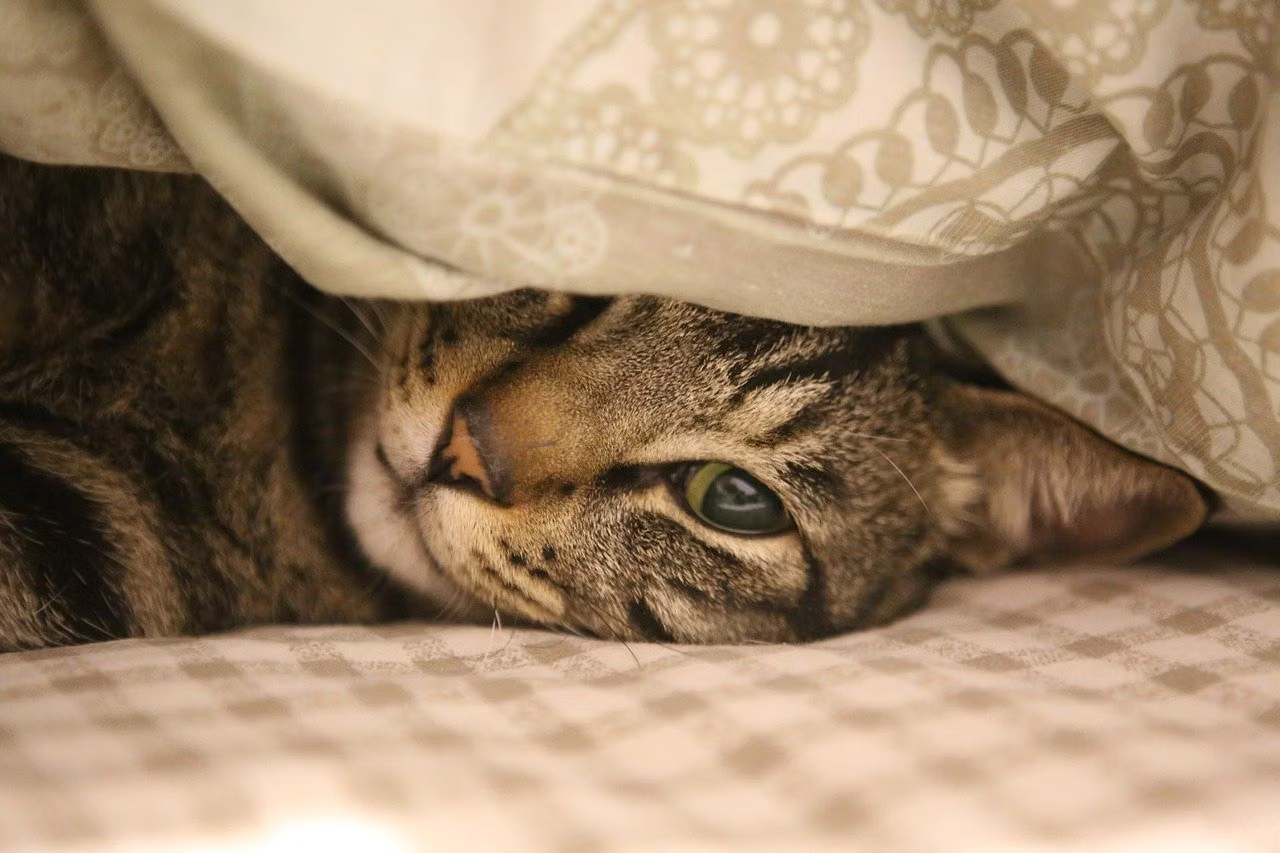
Aggression is almost always fear or pain, not dominance
Aggressive behavior, growling, swatting, or biting, is most often rooted in fear, territorial stress, overstimulation during petting, or an underlying medical issue causing pain. A cat that suddenly bites during what looked like an enjoyable petting session is frequently overstimulated rather than being unpredictable; cats have a lower threshold for prolonged touch than many owners assume, and watching for early warning signs like a twitching tail or flattened ears prevents most bites before they happen.
Identify what triggers the aggression and reduce exposure to it where possible, while reinforcing calm behavior with treats. Vertical space, cat trees or shelves, and hiding spots give a stressed cat somewhere to retreat rather than feeling cornered, which reduces defensive aggression significantly. Severe or unpredictable aggression is worth a conversation with a vet or a certified feline behaviorist, since pain from an injury or illness can present as sudden hostility with no obvious external trigger. Owners dealing with a cat that reacts fearfully to changes at home more broadly may also find behavioral therapy techniques useful, since many of the same gradual exposure principles apply.
Excessive meowing and destructive knocking
A cat that meows constantly is communicating something: hunger, boredom, loneliness, attention seeking, or in older cats, a possible medical issue like thyroid disease or cognitive decline. Feeding on a consistent schedule, playing daily to prevent boredom, and deliberately ignoring attention-seeking meows while rewarding quiet moments usually reduces the behavior within a couple of weeks. A sudden increase in vocalization in an older cat is worth mentioning to a vet, since it can be an early sign of a treatable medical condition rather than just a behavioral shift.
Knocking objects off counters and shelves is usually curiosity or a hunting-instinct game rather than a bid for attention, though it can become the latter if it reliably gets a reaction from you. Interactive play that gives the cat an outlet for that instinct, feather toys, laser pointers used sparingly, or puzzle feeders, redirects the energy. Keeping genuinely fragile items off open surfaces is a simpler and more reliable fix than trying to train the instinct away entirely.
| Behavior | Most likely cause | First step to try |
|---|---|---|
| Scratching furniture | Territory marking, claw maintenance | Place a scratching post at the scratched spot |
| Litter box avoidance | Medical issue or box setup | Rule out UTI, then check box count and cleanliness |
| Aggression | Fear, overstimulation, or pain | Identify triggers, reduce exposure, watch body language |
| Excessive meowing | Attention, boredom, or medical issue | Consistent feeding and play schedule |
| Knocking things over | Curiosity or hunting instinct | Redirect with interactive toys, clear fragile surfaces |
When to bring in outside help
Most of these problems respond well to consistent changes at home within a few weeks. If a behavior persists despite genuine effort, especially litter box avoidance or aggression, that is a sign the underlying cause has not actually been addressed yet, not a sign the cat cannot be helped. A vet visit rules out pain or illness as the driver, which is worth doing before assuming a behavior is purely a habit.
A certified feline behaviorist can help with cases that do not improve with the standard fixes, particularly aggression involving multiple cats in the same household or anxiety severe enough to affect eating or sleeping. New cat owners building good habits from the start, rather than correcting problems later, may find it useful to review general dog training techniques for the underlying principles of positive reinforcement, since the same logic of rewarding wanted behavior instead of punishing unwanted behavior applies across species, even though the specific methods differ.
Why does my cat scratch the couch even though it has a scratching post?
The post is probably in the wrong location or made of a material your cat does not prefer. Move a post directly next to the furniture being scratched, try a different texture like sisal or cardboard, and reward your cat immediately when it uses the post. Most cats switch over within a couple of weeks once the post is more convenient than the couch.
My cat suddenly stopped using the litter box. What should I do first?
See a vet before trying behavioral fixes, especially if this is sudden and your cat had no prior litter box issues. Urinary tract infections and other painful conditions commonly cause this and need medical treatment, not just a cleaner box. Once a medical cause is ruled out, review box count, cleanliness, and location.
Is my cat being aggressive out of dominance?
Almost never. Cat aggression is usually fear, overstimulation, territorial stress, or an underlying medical issue causing pain, not an attempt to dominate you or another pet. Watch for warning signs like a twitching tail or flattened ears before physical contact escalates, and consult a vet if the aggression seems sudden or severe.
Why does my cat meow so much at night?
Nighttime meowing is often boredom or hunger from a mismatched schedule, since cats are naturally more active at dawn and dusk. A consistent feeding and play schedule, including a play session before bed, usually reduces it. In older cats, new or worsening nighttime vocalization is worth a vet visit to rule out cognitive decline or thyroid issues.
Should I punish my cat for knocking things off shelves?
No, punishment does not address the curiosity or instinct driving the behavior and can increase stress or damage trust instead. Redirect the energy with interactive toys and puzzle feeders, and keep genuinely fragile or valuable items off open surfaces the cat can reach.