
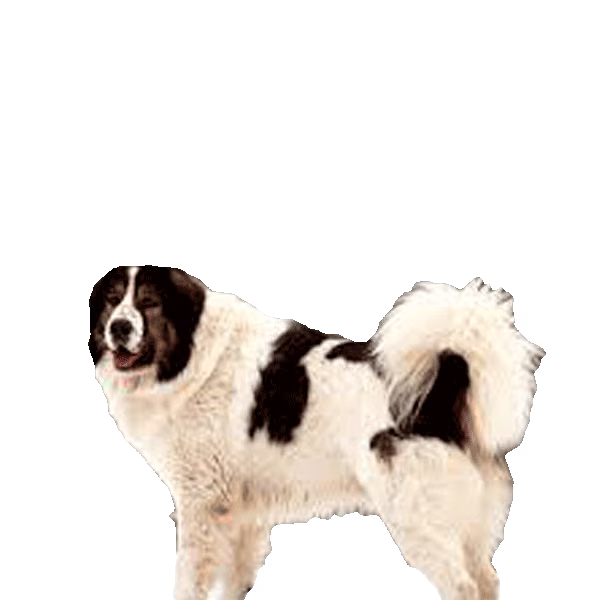
Торњак
Торњак је миран, оданан планински чувар стоке са Балкана познат по постојаној храбрости и оданости.
- Size
- Велико
- Lifespan
- 12–14 years
- Origin
- Босна и Херцеговина
- Temperament
- Заштитнички
- Standard colors
- Црна и Бела
Characteristics
Coat and grooming
How the Торњак coat is built, and what that means when you groom it.
- Слојеви длаке
- Двострука длака
- Структура длаке
- Рапава
- Дужина длаке
- Дуга
- Линање
- Сезонско линање
Grooming guidance
Критично: A Торњак should not be shaved.
Подлака држи врућину напољу једнако као и хладноћу, а покровна длака штити кожу од сунца и убода инсеката. Шишање целе длаке уклања обоје. Она често израсте на флеке, мека или друге боје, а код неких животиња покровна длака се више никада не врати како треба. Исчеткајте подлаку уместо да је сечете.
Опрез: A Торњак coat mats easily.
Фина или дуга длака се заплиће при дну, где се не види, а чворови се стежу и вуку кожу. Четкање мора да стигне до корена по прамену, а не само да пређе преко површине.
Информација: A Торњак drops its undercoat in heavy bursts.
Подлака излази у јаким налетима током неколико недеља. Гребен за подлаку, или купање праћено правим сушењем феном, скида је далеко брже од свакодневног четкања. Кратко шишање овде није пречица.
Торњак colors and patterns
What each club's breed standard says about every Торњак color and pattern. Point at a ruling to see the club's own wording.
Breed standards describe the Торњак in Црна и Бела. Standard patterns: Партиколор, Плашт и Са палежом.
| Color or pattern | FCI | AKC | UKC |
|---|---|---|---|
| Црна | По стандарду (“dogs with a black mantle”) | По стандарду (“dogs with a black mantle”) | По стандарду (“dogs with a black mantle (all over the body)”) |
| Бела | По стандарду (“Usually the dominant ground colour is white”) | По стандарду (“White”) | По стандарду (“Usually the dominant ground/base color is white”) |
| Албино | Дисквалификујуће (“Albinism”) | Дисквалификујуће (“Albinism”) | Дисквалификујуће (“Albinism”) |
| Patterns | |||
| Партиколор | По стандарду (“parti-coloured with distinct markings of various solid colours”) | По стандарду (“parti-coloured with distinct markings of various solid colours”) | По стандарду (“parti-colored, with distinct markings of various solid colors”) |
| Плашт | По стандарду (“a black mantle and with white markings”) | По стандарду (“a black mantle and with white markings”) | По стандарду (“a black mantle (all over the body), and with white markings”) |
| Са палежом | No ruling | По стандарду (“Black & Tan Markings”) | No ruling |
| Једнобојна | Дисквалификујуће (“Solid coloured dogs”) | Дисквалификујуће (“Solid coloured dogs”) | Дисквалификујуће (“Solid colored dog”) |
%22%3E%3Cpath%20d%3D%22M0%200H19.5L19.5%2026.5L14%2027.5L0%2027.5Z%22%20fill%3D%22%23D9C3A0%22%2F%3E%3Cpath%20d%3D%22M1.5%2021.2L9%2018.6L12.6%2021L12.2%2026.2L3.5%2024.4Z%22%20fill%3D%22%23F5F5F0%22%2F%3E%3Cpath%20d%3D%22M8.6%2018L12%2015.8L5.8%2021.8L3.2%2021.4Z%22%20fill%3D%22%23F5F5F0%22%2F%3E%3Cpath%20d%3D%22M27.4%2030.8C25.6%2029.9%2025.2%2028.9%2025.3%2027.7C25.4%2026.4%2026.2%2024.3%2028.1%2023.1C29.9%2022%2034.2%2020.6%2036.5%2020.7C38.8%2020.8%2040.8%2022.8%2042%2023.9C43.2%2024.9%2043.9%2025.8%2043.6%2027.1C43.4%2028.5%2041.7%2031%2040.4%2032C39.1%2033%2038.1%2033.4%2035.9%2033.2C33.7%2033%2029.2%2031.7%2027.4%2030.8Z%22%20fill%3D%22%23D9C3A0%22%2F%3E%3Cpath%20d%3D%22M55.1%2031.3C54.9%2032.4%2054%2033.6%2053%2034.2C52%2034.8%2050.3%2034.9%2049.2%2034.7C48.1%2034.5%2047%2034.2%2046.3%2033.2C45.6%2032.2%2044.9%2029.9%2045.1%2028.7C45.3%2027.5%2046.4%2026.5%2047.4%2026C48.4%2025.5%2050.1%2025.5%2051.2%2025.7C52.4%2026%2053.5%2026.5%2054.1%2027.4C54.8%2028.3%2055.3%2030.2%2055.1%2031.3Z%22%20fill%3D%22%23D9C3A0%22%2F%3E%3C%2Fg%3E%3Cuse%20href%3D%22%23s%22%20fill%3D%22none%22%20stroke%3D%22%233B2A20%22%20stroke-opacity%3D%220.6%22%20stroke-width%3D%221%22%20stroke-linejoin%3D%22round%22%2F%3E%3Cellipse%20cx%3D%223.2%22%20cy%3D%2221.7%22%20rx%3D%221.3%22%20ry%3D%221.2%22%20fill%3D%22%231C1C1C%22%2F%3E%3Ccircle%20cx%3D%2210.8%22%20cy%3D%2219.3%22%20r%3D%221.1%22%20fill%3D%22%231C1C1C%22%2F%3E%3C%2Fsvg%3E)
%22%3E%3Cpath%20d%3D%22M0%200H19L19.5%2019Q15%2021%2012.5%2023L9.5%2019.5L2%2022L0%2021Z%22%20fill%3D%22%231C1C1C%22%2F%3E%3Cpath%20d%3D%22M22.5%2018H52L55%2028Q53%2036%2047%2037Q36%2034%2026%2036L22%2032Z%22%20fill%3D%22%231C1C1C%22%2F%3E%3Cpath%20d%3D%22M51%2024L56%209L63%209L61%2019L54.5%2028Z%22%20fill%3D%22%231C1C1C%22%2F%3E%3Ccircle%20cx%3D%2258.4%22%20cy%3D%2212.8%22%20r%3D%222.6%22%20fill%3D%22%23F5F5F0%22%2F%3E%3C%2Fg%3E%3Cuse%20href%3D%22%23s%22%20fill%3D%22none%22%20stroke%3D%22%233B2A20%22%20stroke-opacity%3D%220.6%22%20stroke-width%3D%221%22%20stroke-linejoin%3D%22round%22%2F%3E%3Cellipse%20cx%3D%223.2%22%20cy%3D%2221.7%22%20rx%3D%221.3%22%20ry%3D%221.2%22%20fill%3D%22%231C1C1C%22%2F%3E%3Ccircle%20cx%3D%2210.8%22%20cy%3D%2219.3%22%20r%3D%221.1%22%20fill%3D%22%231C1C1C%22%2F%3E%3C%2Fsvg%3E)
%22%3E%3Ccircle%20cx%3D%2212%22%20cy%3D%2217.2%22%20r%3D%221.25%22%20fill%3D%22%23C4996A%22%2F%3E%3Cpath%20d%3D%22M1.5%2021.2L9%2018.6L12.6%2021L12.2%2026.2L3.5%2024.4Z%22%20fill%3D%22%23C4996A%22%2F%3E%3Cpath%20d%3D%22M10%2026L14.5%2026.4L18.2%2029.2L13.5%2029.8Z%22%20fill%3D%22%23C4996A%22%2F%3E%3Cellipse%20cx%3D%2221.2%22%20cy%3D%2230.6%22%20rx%3D%221.6%22%20ry%3D%222.3%22%20fill%3D%22%23C4996A%22%2F%3E%3Crect%20x%3D%220%22%20y%3D%2247%22%20width%3D%2264%22%20height%3D%2217%22%20fill%3D%22%23C4996A%22%2F%3E%3Cpath%20d%3D%22M51.5%2024.5L55%2027L54.2%2032L50.5%2028.5Z%22%20fill%3D%22%23C4996A%22%2F%3E%3Cpath%20d%3D%22M45%2038.5L48%2039L48.5%2047L45.5%2047Z%22%20fill%3D%22%23C4996A%22%2F%3E%3C%2Fg%3E%3Cuse%20href%3D%22%23s%22%20fill%3D%22none%22%20stroke%3D%22%233B2A20%22%20stroke-opacity%3D%220.6%22%20stroke-width%3D%221%22%20stroke-linejoin%3D%22round%22%2F%3E%3Cellipse%20cx%3D%223.2%22%20cy%3D%2221.7%22%20rx%3D%221.3%22%20ry%3D%221.2%22%20fill%3D%22%231C1C1C%22%2F%3E%3Ccircle%20cx%3D%2210.8%22%20cy%3D%2219.3%22%20r%3D%221.1%22%20fill%3D%22%231C1C1C%22%2F%3E%3C%2Fsvg%3E)

| Color or pattern | FCI | AKC | UKC |
|---|---|---|---|
| Тамносмеђа | По стандарду (“dark colour”) | По стандарду (“dark colour”) | По стандарду (“dark”) |
| Плава | Дисквалификујуће (“wall eyes”) | Дисквалификујуће (“wall eyes”) | Дисквалификујуће (“wall eyes”) |
| Patterns | |||
| Разноока | Дисквалификујуће (“different colour of eyes”) | Дисквалификујуће (“different colour of eyes”) | Дисквалификујуће (“eyes of different colors”) |
%22%3E%3Ccircle%20cx%3D%2216%22%20cy%3D%2232%22%20r%3D%228%22%20fill%3D%22%23D9C3A0%22%2F%3E%3Ccircle%20cx%3D%2216%22%20cy%3D%2232%22%20r%3D%223.4%22%20fill%3D%22%231C1C1C%22%2F%3E%3Ccircle%20cx%3D%2213.6%22%20cy%3D%2229.6%22%20r%3D%221.3%22%20fill%3D%22%23F5F5F0%22%2F%3E%3C%2Fg%3E%3Cpath%20d%3D%22M3%2032Q16%2017%2029%2032Q16%2047%203%2032Z%22%20fill%3D%22none%22%20stroke%3D%22%233B2A20%22%20stroke-opacity%3D%220.75%22%20stroke-width%3D%221.4%22%20stroke-linejoin%3D%22round%22%2F%3E%3Cpath%20d%3D%22M35%2032Q48%2017%2061%2032Q48%2047%2035%2032Z%22%20fill%3D%22%23F5F5F0%22%2F%3E%3Cg%20clip-path%3D%22url(%23e1)%22%3E%3Ccircle%20cx%3D%2248%22%20cy%3D%2232%22%20r%3D%228%22%20fill%3D%22%23847865%22%2F%3E%3Ccircle%20cx%3D%2248%22%20cy%3D%2232%22%20r%3D%223.4%22%20fill%3D%22%231C1C1C%22%2F%3E%3Ccircle%20cx%3D%2245.6%22%20cy%3D%2229.6%22%20r%3D%221.3%22%20fill%3D%22%23F5F5F0%22%2F%3E%3C%2Fg%3E%3Cpath%20d%3D%22M35%2032Q48%2017%2061%2032Q48%2047%2035%2032Z%22%20fill%3D%22none%22%20stroke%3D%22%233B2A20%22%20stroke-opacity%3D%220.75%22%20stroke-width%3D%221.4%22%20stroke-linejoin%3D%22round%22%2F%3E%3C%2Fsvg%3E)
What the rulings mean
- По стандарду
- Described by the club's breed standard.
- Дисквалификујуће
- The club's breed standard disqualifies an animal of this color or pattern.
- Није признато
- The club does not accept this color or pattern for the breed.
Color changes
How a Торњак's colors can change over its life.
Црнаchanges toРђаста
Длака · Са стањем организма · can change back
Црнаchanges toСива
Длака · Прогресивно
Црнаchanges toСмеђа
Длака · На сунцу · can change back
Белаchanges toПроседа
Длака · Са узрастом · from 2 weeks
Са палежомchanges toСедласта
Длака · Са узрастом · from 6 to 156 weeks
%22%3E%3Cg%20fill%3D%22none%22%20stroke%3D%22%23F5F5F0%22%20stroke-width%3D%221.15%22%20stroke-linecap%3D%22round%22%20stroke-linejoin%3D%22round%22%3E%3Cpath%20d%3D%22M28.6%2025h.1M51.3%2028.8h.1M34.7%2024.3h.1M34.2%2041.6h.1M51%2044.2h.1M55.9%2024.7h.1M27.5%2026.3h.1M18.5%2028.6h.1M25.2%2028.9h.1M24.2%2019.3h.1M20.6%2017.6h.1M34.1%2030.6h.1M57.3%2023.3h.1M23.5%2030.7h.1M26.5%2023.1h.1M40%2031.5h.1M51.7%2038.6h.1M20.2%2022.1h.1M40.4%2037.8h.1M35%2043.1h.1M20.6%2031.7h.1M27.8%2031.9h.1M17.2%2021.1h.1M38.1%2037.7h.1M25.3%2040.5h.1M32%2029.3h.1M41.6%2039.5h.1M23.6%2024h.1M26.4%2018.6h.1M30.3%2031.9h.1M31.2%2035.2h.1M36.5%2043.7h.1M35.2%2026.3h.1M55.6%2019.1h.1M22.4%2036.8h.1M39.2%2020h.1M49.5%2039.1h.1M33.6%2033.5h.1M36.4%2032.4h.1M56.3%2042.4h.1M54.8%2031.2h.1M36.9%2023.2h.1M52.7%2019.1h.1M21.5%2033.8h.1M48.6%2028h.1M36.6%2017.5h.1M45.6%2031.3h.1M37.9%2030.5h.1M17%2031.8h.1M21.1%2043.1h.1M55.7%2021.1h.1M30.8%2041.9h.1M57.4%2038.4h.1M54.8%2026.9h.1M29.1%2017.5h.1M24.3%2037.7h.1M26%2032h.1M39.3%2022.8h.1M53.5%2029h.1M53.3%2023.3h.1M20%2038.4h.1M28.3%2044.7h.1M28.6%2039.8h.1M51.9%2041.1h.1M52.3%2033.7h.1M19.6%2042.2h.1M19%2033h.1M47.8%2021.7h.1M45.7%2024.8h.1M24.6%2035.5h.1M29.8%2036.8h.1M50.7%2032h.1M29.5%2043.5h.1M28.2%2041.5h.1M47.4%2034.8h.1M25.4%2033.7h.1M50.2%2041.2h.1M27.7%2029.5h.1M21.5%2024.8h.1M55.5%2017.5h.1M41.2%2044.3h.1M39.2%2018.4h.1M41.1%2042.5h.1M54.7%2035.3h.1M42.8%2034.5h.1M30.1%2023h.1M42.6%2025.1h.1M32.9%2024.4h.1M42.4%2032.4h.1M49.7%2022.2h.1M49.1%2043.1h.1M38%2035.2h.1M47.7%2043.8h.1M43.1%2022.4h.1M22.4%2040.4h.1M44.4%2019.8h.1M53.3%2040.1h.1M20.7%2029.3h.1M55.6%2043.9h.1M17.6%2039.2h.1M41.7%2028.9h.1M44.1%2036.3h.1M24.3%2043.6h.1M26.4%2038.1h.1M30.3%2029.2h.1M31.5%2030.8h.1M32.1%2023h.1M18.3%2040.9h.1M48%2033.4h.1M36.4%2038.7h.1M31.9%2020.8h.1M32.6%2026.2h.1M22%2031.2h.1M53.4%2021.7h.1M41.9%2017.7h.1M53.3%2037.3h.1M47.7%2040.3h.1M54.4%2033.7h.1M33.6%2037.5h.1M25.3%2017.2h.1M37.6%2019.7h.1M31.6%2019h.1M29.2%2019.6h.1M50.7%2027.3h.1M22%2022.1h.1M31%2037.8h.1M56.5%2026.6h.1M34.7%2039.5h.1M56.5%2040.8h.1M47.6%2038h.1M48.6%2026.1h.1M49.7%2034.2h.1M45.4%2027.4h.1M22.6%2038.9h.1M56.5%2035.3h.1M35.1%2021h.1M41.9%2020.1h.1M37.6%2040h.1M32.6%2044.4h.1M37.9%2025.2h.1M26.6%2043h.1M18.9%2036.7h.1M47.2%2028.9h.1M30.5%2026.2h.1M17.4%2027.3h.1M47.1%2017.2h.1M22.3%2044.3h.1M32.5%2042.4h.1M23.6%2025.7h.1M31.4%2024.9h.1%22%2F%3E%3Cpath%20d%3D%22M26%2020.9h.1M41.2%2023.8h.1M39.9%2026.4h.1M28.5%2033.4h.1M42.8%2043.8h.1M17.6%2034.3h.1M34%2017.1h.1M31.2%2017.2h.1M46.5%2036.1h.1M25.1%2022.1h.1M50.3%2023.7h.1M20.2%2026.6h.1M20.8%2020.4h.1M50.9%2017.3h.1M49.5%2020.2h.1M52.9%2044.1h.1M23.9%2017.8h.1M43.2%2028.1h.1M57.6%2030h.1M52%2025.6h.1M19.2%2019.1h.1M19.5%2024.4h.1M32.8%2040.1h.1M36.1%2027.7h.1M39.6%2029.5h.1M38.4%2041.5h.1M47.9%2019.4h.1M49.1%2031.7h.1M55.9%2036.9h.1M29.2%2027.2h.1M46%2043.5h.1M44.6%2028.8h.1M47.5%2031.5h.1M22.8%2020h.1M27.6%2017.1h.1M43.1%2018.6h.1M54.3%2020h.1M57.2%2033.8h.1M44.5%2043.8h.1M27.1%2035.5h.1M45.3%2041.8h.1M56.7%2028.8h.1M36.7%2021.4h.1M43.3%2042.3h.1M17.3%2022.9h.1M32.7%2035.5h.1M30.5%2039.8h.1M29.1%2021.2h.1M34.5%2018.8h.1M25.8%2027h.1%22%2F%3E%3C%2Fg%3E%3Cpath%20d%3D%22M56.3%2038.4l0%201.2M40%2027.2l-0.3%201.3M32.6%2043.6l-0.4%201.5M29%2023.3l0.8%201.5M55.1%2044l0.4%201.1M47.5%2022.5l-0.2%201.6M42.9%2038.6l0.7%201.2M35.2%2041.8l-0.5%201.7M26.9%2040l-0.1%201.2M41%2042.8l-0.1%201.6M18.4%2021.2l0.7%201.3M49.4%2019.3l-0.5%201.4M50.1%2041.7l0%201.8M28.2%2041.8l-0.6%201.2M55.5%2027.1l0.2%201.2M44.7%2019.3l0.5%201.7M48.6%2020.5l-0.8%201.4M43.7%2039.6l0.3%201.1M22.1%2033.8l-0.6%201.6M50.1%2038.1l-0.5%201.3M51.8%2044.1l-0.1%201.8M39%2017.5l0%201.4M30.2%2026.7l0.2%201.4M25.8%2031.2l0.2%201.6M29.6%2043.5l0.1%201M43.7%2018.3l0.1%201.5M29.6%2018.2l0.3%201.6M24.4%2017.6l0.3%201.1M22%2028.2l-0.6%201.6M25.9%2043.3l-0.3%201.4M22.2%2024.3l0.3%201.3M47.3%2029.2l-0.2%201.4M21.8%2033.2l0.5%200.9M32.9%2037l0.4%201M40%2029.9l0.8%201.4M17.4%2038.3l0.2%201.3M31%2039.2l0%201.2M37.3%2033.7l0.3%201.5M48.1%2040.5l0%201.6M33.9%2031.2l0.1%201.2M29.8%2035.2l-0.4%201M25.1%2037.3l-0.2%201.5M30.2%2039.8l0.5%201M44.6%2034.8l0.4%200.9M55.3%2034.2l0%201.7M50.6%2017.9l0.4%201M30.2%2034.9l-0.4%201.4M19.5%2035.7l-0.5%201.7M40.7%2028.7l0.8%201.4M23.3%2029l-0.4%201.4M17%2040.5l-0.2%201M48.4%2023.2l-0.3%201M37.3%2025.1l-0.4%201.3M23%2021.4l-0.4%201.3M20.4%2017.2l-0.1%201.3M42.3%2020.4l0.6%201.4M41%2031.8l0.6%201.2M45.4%2034.3l-0.1%201.2M32.5%2018l0%201.3M46.2%2021.6l0.1%201.4M30.5%2022.3l0.5%201.1M58%2044.6l0.3%201.5M57.1%2033.9l0.8%201.4M18.3%2042.6l0.3%201M40.5%2035.1l-0.6%201.4M38.8%2044.3l-0.3%201.1%22%20fill%3D%22none%22%20stroke%3D%22%23F5F5F0%22%20stroke-width%3D%220.8%22%20stroke-linecap%3D%22round%22%20stroke-linejoin%3D%22round%22%2F%3E%3C%2Fg%3E%3Cuse%20href%3D%22%23s%22%20fill%3D%22none%22%20stroke%3D%22%233B2A20%22%20stroke-opacity%3D%220.6%22%20stroke-width%3D%221%22%20stroke-linejoin%3D%22round%22%2F%3E%3Crect%20x%3D%2220%22%20y%3D%2258%22%20width%3D%223.6%22%20height%3D%222%22%20fill%3D%22%234A4038%22%2F%3E%3Crect%20x%3D%2226%22%20y%3D%2258%22%20width%3D%223.6%22%20height%3D%222%22%20fill%3D%22%234A4038%22%2F%3E%3Crect%20x%3D%2244%22%20y%3D%2258%22%20width%3D%223.6%22%20height%3D%222%22%20fill%3D%22%234A4038%22%2F%3E%3Crect%20x%3D%2250%22%20y%3D%2258%22%20width%3D%223.6%22%20height%3D%222%22%20fill%3D%22%234A4038%22%2F%3E%3Ccircle%20cx%3D%229.5%22%20cy%3D%2211.5%22%20r%3D%221.1%22%20fill%3D%22%231C1C1C%22%2F%3E%3C%2Fsvg%3E)
%22%3E%3Cpath%20d%3D%22M22.5%2018.5Q24%2021%2025%2021.5L47%2022.5Q50%2022.5%2051.5%2023.5L54%2026Q55%2032%2053%2034Q46%2031.5%2038%2033Q30%2034.5%2025.5%2032Q22.5%2026%2022.5%2018.5Z%22%20fill%3D%22%231C1C1C%22%2F%3E%3Cpath%20d%3D%22M51%2024L56%209L63%209L61%2019L54.5%2028Z%22%20fill%3D%22%231C1C1C%22%2F%3E%3Cpath%20d%3D%22M2%2021.2L7.5%2019.2L8.5%2023.6L3.5%2024.2Z%22%20fill%3D%22%231C1C1C%22%20fill-opacity%3D%220.85%22%2F%3E%3C%2Fg%3E%3Cuse%20href%3D%22%23s%22%20fill%3D%22none%22%20stroke%3D%22%233B2A20%22%20stroke-opacity%3D%220.6%22%20stroke-width%3D%221%22%20stroke-linejoin%3D%22round%22%2F%3E%3Cellipse%20cx%3D%223.2%22%20cy%3D%2221.7%22%20rx%3D%221.3%22%20ry%3D%221.2%22%20fill%3D%22%231C1C1C%22%2F%3E%3Ccircle%20cx%3D%2210.8%22%20cy%3D%2219.3%22%20r%3D%221.1%22%20fill%3D%22%231C1C1C%22%2F%3E%3C%2Fsvg%3E)
Sources
Each ruling comes from the club's published breed standard or color list.
O tornjaku
Tornjak je krupan pas čuvar stoke poreklom iz Bosne i Hercegovine, poznat po mirnoj naravi, dubokoj privrženosti i hrabrosti u zaštiti stada.
Tornjak je krupan planinski pas gajen u brdovitim predelima Bosne i Hercegovine i susednim delovima Hrvatske. Vekovima je radio uz pastire, čuvajući ovce i goveda od vukova, medveda i krađe. Ime potiče od reči za tor, ogradu za ovce, što direktno upućuje na posao za koji je rasa stvorena.
Ovo je čuvar, a ne pas za sakupljanje stada. Tornjak nadgleda životinje o kojima brine, kreće se zajedno sa stadom i sam procenjuje situaciju kada se pojavi opasnost. U svakodnevnom životu je smiren i staložen, a kada proceni da je zaštita potrebna, postaje odlučan i hrabar. Odanost ljudima i životinjama sa kojima živi prožima čitav njegov temperament.
Odrasli psi su krupni i snažno građeni, sa gustom dvoslojnom dlakom prilagođenom oštrim zimama na visoravnima. Vlasnici opisuju rasu kao staloženu, budnu i tiho samopouzdanu. Tornjak se čvrsto vezuje za porodicu i životinje sa kojima živi, dok prema strancima ostaje rezervisan.
| Osobina | Detalj |
|---|---|
| Poreklo | Bosna i Hercegovina |
| Veličina | Krupna |
| Životni vek | 12 do 14 godina |
| Grupa / uloga | Pas čuvar stoke |
| Dobro se slaže sa | Sopstvenom porodicom i životinjama koje čuva |
Kome tornjak odgovara
Tornjak odgovara ljudima koji imaju prostor, konkretan zadatak za psa i iskustvo sa samostalnim krupnim rasama. Dobro se snalazi na farmama, seoskim imanjima i ruralnim posedima gde može da čuva životinje ili obilazi granice poseda. Manje odgovara stanovima, malim dvorištima i domaćinstvima koja žele psa koji uvek bespogovorno sluša. Vlasnici početnici treba da očekuju svojeglavog psa koji sam donosi odluke i kome je potrebno čvrsto, ali pravedno vođstvo i rana socijalizacija.
Istorija i poreklo
Tornjak se vekovima razvijao kao čuvar stoke u planinama Bosne i Hercegovine i Hrvatske, a krajem dvadesetog veka je obnovljen kroz organizovane uzgojne programe.
Tornjak potiče iz planinskih predela Bosne i Hercegovine i graničnih visoravni Hrvatske. Psi ovog tipa su veoma dugo radili na Dinarskim planinama i okolnim pašnjacima, čuvajući ovce i goveda na sezonskim ispašama. Pomeni krupnih pasa čuvara u ovim krajevima javljaju se u crkvenim i administrativnim zapisima iz srednjeg veka, što govori da je radni tip star, iako je savremeni naziv rase noviji.
Tokom najvećeg dela svog postojanja tornjak je bio radni pas kod pastira, a ne zvanično priznata rasa. Selekcija je bila praktična: psi koji su dobro čuvali, izdržavali klimu i bili pouzdani oko stoke ostajali su za dalji uzgoj. Nije postojao pisani standard, samo zahtevi samog posla.
Tokom dvadesetog veka broj pasa je opao jer je tradicionalno stočarstvo nestajalo, a broj predatora se smanjivao. Počevši od sedamdesetih i osamdesetih godina, kinolozi u Bosni i Hercegovini i Hrvatskoj su tragali po planinama za preživelim psima starog tipa i pokrenuli organizovan uzgoj radi obnove rase. Ovi programi su vodili evidenciju porekla, utvrdili standard i stabilizovali populaciju.
Danas je tornjak priznat kao nacionalna rasa u svojoj domovini i i dalje se koristi za zaštitu stoke, a drži se i kao čuvar i kao pratilac. Van Balkana je i dalje redak.
Izgled i standard rase
Tornjak je krupan, kvadratno građen planinski pas sa dugom, gustom dvoslojnom dlakom, najčešće bele boje sa velikim šarama u boji.
Tornjak je krupan, snažan i približno kvadratnog oblika tela, što znači da mu je dužina tela bliska visini u grebenu. Snažno je građen, ali ne deluje težak niti spor, ima duboke grudi, ravnu liniju leđa i gusto obrasli rep koji nosi preko leđa kada je pažljiv. Mužjaci su znatno krupniji i masivniji od ženki. Opšti utisak je utisak čvrstog, uravnoteženog radnog psa pogodnog za duge dane provedene napolju na hladnim planinama.
| Osobina | Standard |
|---|---|
| Visina | Mužjaci oko 65 do 70 cm, ženke oko 60 do 65 cm u grebenu |
| Težina | Mužjaci oko 35 do 50 kg, ženke oko 28 do 42 kg |
| Dlaka | Duga, gusta dvoslojna dlaka sa gustom poddlakom i grivom oko vrata |
| Boje | Obično bela osnova sa velikim šarama; crne, riđe i crvene oznake su česte |
| Oči | Srednje veličine, bademastog oblika, tamne, mirnog izraza |
Dlaka i boje
Dlaka je najprepoznatljivija odlika rase. Duga je, obilna i otporna na vremenske uslove, sa mekom poddlakom ispod grubljeg spoljnjeg sloja. Dlaka je najduža oko vrata, na zadnjoj strani nogu i na repu. Većina tornjaka je pretežno bele boje sa velikim šarama druge boje, mada se sreću i psi sa izraženijom obojenošću. Uobičajene su crne, sive, riđe i crvene oznake. Gusta dlaka štiti psa u dubokom snegu i hladnom vetru, a obilno se menja jednom ili dvaput godišnje.
Temperament i ličnost
Tornjak je miran, odan i budan, duboko privržen porodici i rezervisan prema strancima, sa samostalnim instinktom čuvara.
Tornjak je smiren i staložen u svakodnevnom životu, a ozbiljan kada je na dužnosti. Prema sopstvenoj porodici je nežan, odan i blag, i gradi snažne veze sa ljudima i životinjama sa kojima živi. Prirodno je budan i primećuje promene u okolini, ali nije nervozan niti uznemiren. Dobro odgajen tornjak je samopouzdan i ujednačenog raspoloženja.
Prema strancima je rasa rezervisana i oprezna. Ne otvara se brzo i obično prvo proceni novu osobu pre nego što je prihvati. Ova opreznost je deo njegove prirode čuvara i treba je usmeravati postepenom, ranom socijalizacijom, a ne posmatrati kao manu. Pas je zaštitnički nastrojen i sam procenjuje kada treba da brani ono što čuva, pa vlasnici moraju jasno da kontrolišu upoznavanja i pristup imanju.
Prema drugim životinjama tornjak je obično pouzdan sa stokom uz koju je odrastao, jer je upravo njena zaštita njegova svrha. Može da živi sa drugim psima, mada se dva odlučna psa istog pola ponekad sukobe. Čuva svojim prisustvom i upozorenjem, a duboki lavež koristi da odvrati uljeze pre nego što se situacija zaoštri. Ovo je samostalan mislilac, a ne pas koji čeka naređenje u kriznoj situaciji.
| Osobina | Ocena |
|---|---|
| Privrženost (porodici) | 4 |
| Energija | 3 |
| Sposobnost dresure | 3 |
| Sklonost lavežu | 4 |
| Linjanje | 5 |
Nega i održavanje
Tornjaku je potrebna redovna nega dlake, umerena dnevna aktivnost i prostor za obilazak poseda, a najbolje se snalazi u hladnijoj klimi sa jasnim zadatkom.
Nega dlake
- Češljajte dlaku jednom ili dvaput nedeljno da uklonite otpalu dlaku i sprečite čvoriće, posebno oko grive, nogu i repa.
- Češljajte svakodnevno tokom obilnog sezonskog linjanja, kada poddlaka izrazito otpada.
- Kupajte psa samo kada je zaista potrebno; dlaka otporna na vremenske uslove najbolje funkcioniše bez čestog pranja.
- Redovno pregledajte i skraćujte kandže, a uši i zube čistite po ustaljenom rasporedu.
Aktivnost
- Obezbedite umerenu dnevnu aktivnost, kao što su duge šetnje ili slobodno kretanje po ograđenom posedu.
- Dajte psu prostor za obilazak; veliko ograđeno dvorište mu više odgovara nego same kratke šetnje na povocu.
- Izbegavajte naporne i ponavljajuće vežbe kod mladih pasa dok im se zglobovi još razvijaju.
- Ponudite mu stvarni zadatak kada je to moguće, poput čuvanja stoke, jer mu svrha održava zadovoljstvo.
Okruženje
Tornjak je stvoren za hladnu i umereno hladnu klimu i teško podnosi vrućinu zbog guste dlake. Potrebna mu je bezbedna, visoka ograda, jer obilazi teritoriju i suočava se sa uljezima. Najsrećniji je kada ima prostor i zadatak, a ne odgovara mu život u stanu ili malom dvorištu. Obezbedite hlad, svežu vodu i zaklon, i ograničite aktivnost tokom vrućih dana.
Ishrana i hranjenje
Tornjaku je potrebna uravnotežena ishrana za krupne rase, prilagođena težini i aktivnosti, uz kontrolisan rast štenaca radi zaštite zglobova.
Tornjaku odgovara potpuna, uravnotežena hrana namenjena krupnim rasama. Pošto je reč o krupnom psu koji sporo sazreva, kontrolisan rast u periodu štenenja je važan; prehranjivanje mladog tornjaka može opteretiti kosti i zglobove u razvoju. Odrasli psi su relativno ekonomni u hranjenju s obzirom na veličinu i treba ih držati vitkim, jer višak kilograma opterećuje zglobove tokom dugog radnog veka. Količinu hrane prilagodite težini, uzrastu i nivou aktivnosti konkretnog psa, umesto da se držite fiksnog broja.
| Životno doba | Količina dnevno | Obroci |
|---|---|---|
| Štene (2 do 6 meseci) | Prema uputstvu na hrani za štenad krupnih rasa, u zavisnosti od ciljne odrasle težine | 3 do 4 |
| Adolescent (6 do 18 meseci) | Otprilike 3 do 5 šolja kvalitetne hrane, zavisno od veličine i aktivnosti | 2 |
| Odrastao pas | Otprilike 3 do 5 šolja, uz održavanje vitke telesne mase | 2 |
| Stariji pas | Smanjen unos kalorija u skladu sa manjom aktivnošću | 2 |
Poslastice i dodaci ishrani
Poslastice ograničite na otprilike deset procenata dnevnog unosa kalorija kako ne bi narušile ravnotežu ishrane. Za dresuru koristite male, zdrave poslastice i smanjite obroke da biste to nadoknadili. Ishrana koja je već potpuna i uravnotežena obično ne zahteva dodatke; o suplementima za zglobove ili dlaku razgovarajte sa veterinarom, posebno kod krupne rase sklone habanju zglobova. Sveža voda mora biti dostupna u svakom trenutku, naročito posle vežbanja.
Zdravlje i uobičajena stanja
Tornjak je uglavnom otporna, zdrava rasa životnog veka od 12 do 14 godina, ali kao krupan pas može biti sklon problemima sa zglobovima i naduvom.
Tornjak je uglavnom snažna i zdrava rasa, rezultat vekovne selekcije za radnu izdržljivost u surovom okruženju. Uobičajeni životni vek je 12 do 14 godina, što je dugo za psa ove veličine. Kao kod svih krupnih rasa dubokih grudi, glavne brige su problemi sa zglobovima i rizik od naduva. Odgovorni uzgajivači proveravaju zdravlje kukova i lakata, pa prilikom izbora štenca tražite rezultate tih pregleda.
| Stanje | Znaci | Napomena |
|---|---|---|
| Displazija kukova | Ukočenost, šepanje, teškoće pri ustajanju | Proveravati roditelje pre uzgoja; držati psa vitkim |
| Displazija lakata | Šepanje na prednje noge, nevoljnost za kretanje | Češća kod brzo rastućih krupnih rasa |
| Dilatacija i torzija želuca (naduv) | Naduven stomak, nagon na povraćanje bez rezultata, uznemirenost | Hitno medicinsko stanje; odmah potražiti veterinara |
| Opterećenje zglobova zbog gojaznosti | Debljanje, smanjena aktivnost | Kontrolisati ishranu i aktivnost tokom celog života psa |
Preventivna nega
- Redovno sprovodite vakcinaciju, kontrolu parazita i negu zuba.
- Hranite psa tako da održava vitku telesnu masu i kontrolisan rast, posebno kod štenadi.
- Birajte štenad od roditelja sa proverenim kukovima i laktovima.
- Podelite dnevni obrok na dva obroka i izbegavajte naporno kretanje odmah posle jela kako biste smanjili rizik od naduva.
- Planirajte redovne veterinarske preglede, a kod starijih pasa prelazite na dva pregleda godišnje.
Dresura i socijalizacija
Tornjak je inteligentan i sposoban, ali samostalan, zato najbolje uči uz ranu socijalizaciju, doslednost i metode zasnovane na nagradi umesto sile.
Tornjak je inteligentan i brzo uči, ali je samostalan čuvar odgajan da sam donosi odluke. Neće raditi zbog ponavljanja ili pritiska onako kako to čine pojedine rase pratioca, i može da preispituje komande koje mu deluju besmisleno. Dresura najbolje funkcioniše kada je vlasnik smiren, dosledan i pravedan, i kada pas razume svrhu onoga što se od njega traži. Rana i stalna socijalizacija je najvažniji deo odgajanja ove rase, jer oblikuje kako će odrastao pas reagovati na strance i nove situacije.
Počnite dok je pas još mlad. Izložite štene raznovrsnim ljudima, mestima, životinjama i zvucima kako bi se njegova prirodna opreznost razvila u zdravu procenu, a ne u strah ili preteranu sumnjičavost. Postavite jasna pravila u domaćinstvu i dosledno ih sprovodite. Bezbedna ograda i kontrolisana upoznavanja takođe su deo dresure, jer čuvar mora da nauči šta jeste, a šta nije opasnost.
Osnove
- Počnite socijalizaciju u periodu štenenja, postepeno i pozitivno upoznajući psa sa novim ljudima, životinjama i okruženjima.
- Naučite psa pouzdanom dolasku na poziv i osnovnoj poslušnosti rano, pre nego što dostigne punu veličinu i snagu.
- Držite treninge kratkim i raznovrsnim kako biste zadržali njegovu pažnju.
- Uspostavite smireno i dosledno vođstvo kako bi se pas u neizvesnim situacijama oslanjao na vas.
- Vežbajte kontrolisano pozdravljanje kako bi pas naučio da prihvata dobrodošle posetioce.
Uzgoj i odgajanje mladunaca
Tornjak je krupna rasa koja sporo sazreva; kuje obično donose na svet srednje do velike legle, a štenad zahteva ranu socijalizaciju i kontrolisan rast.
Tornjak sporo sazreva, kao i druge krupne rase, i psi treba da budu fizički i psihički zreli pre parenja. Odgovoran uzgoj se fokusira na zdravlje, stabilan temperament i radnu sposobnost, uz proveru kukova i lakata kod roditelja. Parenje i štenjenje prate uobičajen obrazac za pse, sa gestacijom od otprilike devet nedelja. Legla su obično srednje do velike veličine, a kuja obično pažljivo odgaja štenad.
Rano rukovanje i socijalizacija štenadi su ključni za ovu rasu čuvara. Od najranijeg uzrasta štenad ima koristi od postepenog upoznavanja sa ljudima, zvucima u domaćinstvu i, gde je to relevantno, sa stokom koju će kasnije čuvati. Štenad odgajana uz stoku pod nadzorom uči da se vezuje za životinje umesto da ih goni. Hranite ih tako da rastu ravnomerno i kontrolisano radi zaštite zglobova u razvoju, i izbegavajte naporno kretanje dok im skelet još sazreva. Štenad obično odlazi u nove domove posle odbijanja od sise i prve faze socijalizacije, oko osme nedelje ili kasnije, zavisno od uzgajivača.
| Merilo | Vrednost |
|---|---|
| Polna zrelost | Nastupa tokom prve do druge godine, ali je najbolje odložiti parenje do pune zrelosti |
| Gestacija | Oko 63 dana (otprilike 9 nedelja) |
| Uobičajena veličina legla | Srednja do velika za krupnu rasu |
| Odbijanje od sise | Oko 6 do 8 nedelja |
| Preporučeni zdravstveni pregledi | Provera kukova i lakata roditelja |
Регистрација пса расе Торњак и његовог микрочипа
Бесплатан доживотни профил за вашег пса расе Торњак на United Pet Club, са регистрованим чипом и без накнада за обнову.
Како да региструјете пса расе Торњак у Србији
У Србији је чиповање паса законска обавеза: сваки пас добија микрочип код ветеринара и уписује се у централну базу Управе за ветерину, па и ваш пас расе Торњак. Држава тиме има евиденцију, али ви још немате запис који ради и ван граница. Бесплатан профил United Pet Club везује ваше контакте за пса докле год је ваш. Региструјте пса за неколико минута.
Петнаест цифара под кожом пса расе Торњак показаће на вас тек кад то каже регистар. Нека каже бесплатно: запис на United Pet Club никад не истиче, прима сваку марку чипа, а свака измена података је бесплатна. Регистрација микрочипа прво, налог одмах затим.
Како да региструјем пса расе Торњак у Србији?
Отворите бесплатан налог на United Pet Club, попуните податке пса расе Торњак са фотографијом и сачувајте профил. Бесплатан је цео пасји век, а обавезни упис у базу Управе за ветерину иде засебно.
Како да региструјем микрочип пса расе Торњак?
Упишите 15-цифрени број чипа у бесплатан налог заједно са адресом и телефоном. Доживотни план прима чип сваке марке и никада не наплаћује ажурирања.
Да ли је чиповање пса расе Торњак у Србији обавезно?
Јесте, сваки пас мора да буде чипован и уписан у централну базу Управе за ветерину. Запис United Pet Club то допуњује да би број одговарао и ван Србије, бесплатно.
Колико кошта регистрација пса расе Торњак?
Ништа. Бесплатан доживотни план покрива профил, регистрацију чипа и сва будућа ажурирања, без годишњих накнада.
Često postavljana pitanja
Uobičajena pitanja o veličini, temperamentu, potrebama nege, životnom veku, pogodnosti i dostupnosti tornjaka.
Koliko tornjak naraste?
Reč je o krupnoj rasi. Mužjaci u grebenu dostižu oko 65 do 70 cm i teže otprilike 35 do 50 kg, dok su ženke manje, oko 60 do 65 cm i 28 do 42 kg.
Kakav je temperament tornjaka?
Miran i odan kod kuće, budan i zaštitnički nastrojen na dužnosti. Prema sopstvenoj porodici je veran i nežan, prema strancima rezervisan, a u čuvanju samostalan.
Da li je tornjaka teško negovati?
Nega je umerena do zahtevna. Gusta dvoslojna dlaka traži redovno češljanje i pojačanu pažnju tokom sezonskog linjanja, a psu je potreban prostor, bezbedna ograda i po mogućstvu konkretan zadatak. Njegova samostalna priroda čuvara najviše odgovara iskusnim vlasnicima.
Koliko dugo žive tornjaci?
Obično 12 do 14 godina, što je dug životni vek za psa ove veličine.
Da li je tornjak dobar porodični pas?
Može biti, u pravom domu. Čvrsto se vezuje za porodicu i blag je prema ljudima kojima veruje, ali mu je potreban prostor, rana socijalizacija i vlasnik koji ume da vodi krupnu, zaštitničku i samostalnu rasu. Ne odgovara mu život u stanu.
Da li se tornjaci lako pronalaze?
Retki su van Bosne i Hercegovine, Hrvatske i šireg Balkana. Pronalaženje štenca drugde obično znači kontaktiranje specijalizovanih uzgajivača i čekanje na leglo.
Da li je tornjaku potrebno mnogo kretanja?
Potrebna mu je umerena dnevna aktivnost, a ne intenzivno vežbanje. Odgovaraju mu duge šetnje i prostor za obilazak bezbednog poseda, a uloga čuvara ga mentalno zadovoljava.
From the community
Ask about the ТорњакNo questions about the Торњак yet. Be the first to ask.
Browse Dog breeds