

Фински шпиц
Фински шпиц је живахна, лисичаво-црвена раса и национални пас Финске, цењена као гласан „лајав птичар“ и живахан пратилац.
- Size
- Средњи
- Lifespan
- 13–15 years
- Origin
- Финска
- Temperament
- Темпераментан
- Standard colors
- Бела, Црвена и Златна
Characteristics
Coat and grooming
How the Фински шпиц coat is built, and what that means when you groom it.
- Слојеви длаке
- Двострука длака
- Структура длаке
- Плишана
- Дужина длаке
- Средња
- Линање
- Сезонско линање
Grooming guidance
Критично: A Фински шпиц should not be shaved.
Подлака држи врућину напољу једнако као и хладноћу, а покровна длака штити кожу од сунца и убода инсеката. Шишање целе длаке уклања обоје. Она често израсте на флеке, мека или друге боје, а код неких животиња покровна длака се више никада не врати како треба. Исчеткајте подлаку уместо да је сечете.
Информација: A Фински шпиц drops its undercoat in heavy bursts.
Подлака излази у јаким налетима током неколико недеља. Гребен за подлаку, или купање праћено правим сушењем феном, скида је далеко брже од свакодневног четкања. Кратко шишање овде није пречица.
Фински шпиц colors and patterns
What each club's breed standard says about every Фински шпиц color and pattern. Point at a ruling to see the club's own wording.
Breed standards describe the Фински шпиц in Бела, Црвена и Златна. Standard patterns: Самурова.
| Color or pattern | FCI | AKC | UKC | KC | KUSA |
|---|---|---|---|---|---|
| Бела | По стандарду (“A small white spot on the chest and small white markings on the feet are permitted”) | По стандарду (“White markings on the tips of the toes and a quarter-sized spot or narrow white strip ... on the forechest are permitted”) | По стандарду (“The following white markings are permitted”) | По стандарду (“Narrow white stripe not exceeding one and half centimetres in width on breast permitted”) | По стандарду (“A small white spot on the chest and small white markings on the feet are permitted”) |
| Црвена | По стандарду (“bright red”) | Алтернативно (“Red”) | No ruling | По стандарду (“reddish brown”) | По стандарду (“bright red”) |
| Златна | По стандарду (“golden red”) | По стандарду (“Red Gold”) | По стандарду (“Golden-red, ranging from pale honey to a deep auburn”) | По стандарду (“red gold”) | По стандарду (“golden red”) |
| Албино | Дисквалификујуће | No ruling | Дисквалификујуће (“Albinism”) | Није признато | Дисквалификујуће |
| Patterns | |||||
| Самурова | No ruling | По стандарду (“sparse, separate black hairs on tail and back permitted”) | По стандарду (“separate black hairs on the tail and back”) | По стандарду (“sparse separate black pointed hairs on back and tail permitted”) | No ruling |
%22%3E%3Crect%20x%3D%220%22%20y%3D%220%22%20width%3D%2264%22%20height%3D%2264%22%20fill%3D%22url(%23g)%22%2F%3E%3Cg%20fill%3D%22none%22%20stroke%3D%22%231C1C1C%22%20stroke-width%3D%221%22%20stroke-linecap%3D%22round%22%20stroke-linejoin%3D%22round%22%3E%3Cpath%20d%3D%22M15.7%2014.8l1.9%203.6M26.4%2024.1l1.2%204.1M42.7%2029.5l0.1%203.3M35.9%2025l1.6%203.2M31.3%2028.1l0.7%203.7M15.5%2011.1l1.6%203.6M41.1%2023.8l0.6%203.2M12.1%2020.7l1.2%203M15.4%2011.2l0.8%203.8M42.9%2027.3l0.7%202.9M48.2%2033.2l0.5%204.1M23.1%2024.7l1.4%203.4M51.9%2036.1l0.3%204.3M18.7%2023.9l1.2%203.7M50.4%2027.4l0.5%204.1M18.4%2020.4l0.1%203.1M55.6%2021.4l1.1%203.9M18.6%2024.9l1.7%203.8M8.3%2023.2l1.7%202.9M18.7%2024.2l0.2%203.1M46.4%2022.7l0.6%202.6M14.3%207l0.9%203.5M50.5%2024.9l0.5%203.7M23.2%2024.7l1.2%204.3M10.5%2022.3l1.6%203.4M56.9%2018.2l1.1%202.5M20.8%2021.7l1.1%203.5M10.9%2020.2l0.2%203.9M6.6%2023.3l1%202.4M54.5%2021.7l0.9%203.8M13.3%2021l0.4%203M11.7%2019.5l0.3%204M39%2023.2l0.7%202.5M20.8%2016.7l0%202.6M18.4%2016l0.2%202.6M46.4%2038.2l1.4%203.2M12.9%2022.6l0.6%203.3M13%2020.9l0.3%204.3M35.3%2024.9l1.3%202.3M29.5%2022.1l0.5%202.8M36.6%2023.4l0.2%204.3M20.5%2017.6l0.7%204.1M18.3%2020.6l0.6%203M20.5%2025.8l0.5%203.8M23.5%2040.2l1.1%202.9M22.8%2024.9l1.5%203M25.5%2023.1l0.5%203.3M47.7%2024.7l1.5%203.7M12.9%2018.4l1.9%203.8M29.5%2023.7l0.5%204.1M37.7%2026.5l0%202.9M16.8%2016.4l0.1%203.3M49.8%2028l1.7%203.8M29.4%2025.5l0.5%203.6M9.3%2023l1.3%203.1M47.4%2025.6l0.5%203.5M48.1%2023.8l1.6%203.2M9.9%2018.3l1.3%202.5M12.2%2016.6l0.4%203.2M22%2022.1l1.4%202.7M43.9%2024.7l1.4%203.9M14.3%2020l1.8%203.2M46.3%2040.1l0.3%203.6M14.9%207l0.3%204M17.5%2016.7l1.2%202.4M54.6%2040l1%203.5M13.3%2013.9l1.6%204.2M15.3%2016.5l1.2%202.9M23.8%2038.5l0.2%203.8M18.2%2019l0.6%203M11.2%2023.6l0.7%204.1M33.1%2023.2l0.9%204.3M13.6%2019.9l0.4%204.5M19.7%2023.1l1.9%203.7M50.5%2027.1l0.3%204.1M28.2%2028.5l0.2%203.8M29%2028.4l0.1%204M47.7%2024.5l0.6%202.5M10.7%2017.2l1.4%202.7M25.5%2040.3l0.6%204.1M37.6%2022.8l0.7%204.4M57%2018.6l0.2%203.4M16.9%2022.2l1.7%203.8M43.5%2024.7l1.8%203.4M49.2%2026l1.5%203.6M47.7%2032.3l0.4%203.7M35.4%2030.8l0.5%202.7M47%2026.1l1%203.9M24.3%2028.1l1.5%204.2M50.5%2023.8l1.3%203.4M58.1%2014.1l0.3%202.6M13.9%2018.2l0.7%202.5M8.2%2021l0.7%202.9M41.4%2026.4l0.4%202.7M16.3%2020.4l0.5%204.3M43.4%2025.9l1.2%203.2M32.3%2022.4l0.3%203.9M43.6%2025.9l2.1%203.8M33.5%2026.3l1.5%203M48.3%2030.6l1.4%203.4M44.2%2024.7l0.9%203.2M12.3%2017.7l0.9%203.7M46.2%2032l1.9%203.4M51%2028.3l0.1%203.7M30.4%2023.1l1.1%203.2M52.6%2022.6l0.9%204.3M16.6%2015.4l0.9%203.1M58.4%2012.8l0.3%202.8M42.8%2032.5l1.8%203.2%22%2F%3E%3Cpath%20d%3D%22M16.4%2026.1l0.1%204.3M14%2017.1l1.3%202.8M36.9%2027.2l1.3%202.6M38.6%2025.8l0.4%203.6M57.6%2014.3l0.3%203.9M14.7%208.2l1%204.3M53.4%2023l1.9%203.4M51.5%2030.3l0.8%202.7M56.2%2020l1.9%203.5M15.9%2010l0.2%202.8M15.8%2022.6l1.8%203.9%22%2F%3E%3C%2Fg%3E%3C%2Fg%3E%3Cuse%20href%3D%22%23s%22%20fill%3D%22none%22%20stroke%3D%22%233B2A20%22%20stroke-opacity%3D%220.6%22%20stroke-width%3D%221%22%20stroke-linejoin%3D%22round%22%2F%3E%3Cellipse%20cx%3D%223.2%22%20cy%3D%2221.7%22%20rx%3D%221.3%22%20ry%3D%221.2%22%20fill%3D%22%231C1C1C%22%2F%3E%3Ccircle%20cx%3D%2210.8%22%20cy%3D%2219.3%22%20r%3D%221.1%22%20fill%3D%22%231C1C1C%22%2F%3E%3C%2Fsvg%3E)
| Color or pattern | FCI | AKC | UKC | KC | KUSA |
|---|---|---|---|---|---|
| Тамносмеђа | По стандарду (“preferably dark”) | По стандарду (“Dark in color”) | По стандарду (“preferably dark in color”) | По стандарду (“preferably dark”) | По стандарду (“preferably dark”) |
| Светлосмеђа | No ruling | Мана (“light eyes should be faulted”) | Мана (“Light”) | No ruling | No ruling |
| Плава | Дисквалификујуће (“wall eye”) | No ruling | No ruling | No ruling | Дисквалификујуће (“wall eye”) |
| Жута | Дисквалификујуће (“Eyes bright yellow”) | No ruling | No ruling | No ruling | Дисквалификујуће (“Eyes bright yellow”) |
| Color or pattern | FCI | AKC | UKC | KC | KUSA |
|---|---|---|---|---|---|
| Црна | По стандарду (“jet-black”) | По стандарду (“Black”) | По стандарду (“black”) | По стандарду (“Nose pitch black”) | По стандарду (“jet-black”) |
What the rulings mean
- По стандарду
- Described by the club's breed standard.
- Алтернативно
- Registrable with the club but not described by its breed standard, such as an AKC alternate color.
- Мана
- Named by the club's breed standard as a fault: the animal can be shown but is penalized.
- Дисквалификујуће
- The club's breed standard disqualifies an animal of this color or pattern.
- Није признато
- The club does not accept this color or pattern for the breed.
Color changes
How a Фински шпиц's colors can change over its life.
Белаchanges toПроседа
Длака · Са узрастом · from 2 weeks
Црнаchanges toЗимски нос
Нос · Према годишњем добу · can change back
Црнаchanges toРужичаста
Нос · Према годишњем добу · can change back
%22%3E%3Cg%20fill%3D%22none%22%20stroke%3D%22%23F5F5F0%22%20stroke-width%3D%221.15%22%20stroke-linecap%3D%22round%22%20stroke-linejoin%3D%22round%22%3E%3Cpath%20d%3D%22M28.6%2025h.1M51.3%2028.8h.1M34.7%2024.3h.1M34.2%2041.6h.1M51%2044.2h.1M55.9%2024.7h.1M27.5%2026.3h.1M18.5%2028.6h.1M25.2%2028.9h.1M24.2%2019.3h.1M20.6%2017.6h.1M34.1%2030.6h.1M57.3%2023.3h.1M23.5%2030.7h.1M26.5%2023.1h.1M40%2031.5h.1M51.7%2038.6h.1M20.2%2022.1h.1M40.4%2037.8h.1M35%2043.1h.1M20.6%2031.7h.1M27.8%2031.9h.1M17.2%2021.1h.1M38.1%2037.7h.1M25.3%2040.5h.1M32%2029.3h.1M41.6%2039.5h.1M23.6%2024h.1M26.4%2018.6h.1M30.3%2031.9h.1M31.2%2035.2h.1M36.5%2043.7h.1M35.2%2026.3h.1M55.6%2019.1h.1M22.4%2036.8h.1M39.2%2020h.1M49.5%2039.1h.1M33.6%2033.5h.1M36.4%2032.4h.1M56.3%2042.4h.1M54.8%2031.2h.1M36.9%2023.2h.1M52.7%2019.1h.1M21.5%2033.8h.1M48.6%2028h.1M36.6%2017.5h.1M45.6%2031.3h.1M37.9%2030.5h.1M17%2031.8h.1M21.1%2043.1h.1M55.7%2021.1h.1M30.8%2041.9h.1M57.4%2038.4h.1M54.8%2026.9h.1M29.1%2017.5h.1M24.3%2037.7h.1M26%2032h.1M39.3%2022.8h.1M53.5%2029h.1M53.3%2023.3h.1M20%2038.4h.1M28.3%2044.7h.1M28.6%2039.8h.1M51.9%2041.1h.1M52.3%2033.7h.1M19.6%2042.2h.1M19%2033h.1M47.8%2021.7h.1M45.7%2024.8h.1M24.6%2035.5h.1M29.8%2036.8h.1M50.7%2032h.1M29.5%2043.5h.1M28.2%2041.5h.1M47.4%2034.8h.1M25.4%2033.7h.1M50.2%2041.2h.1M27.7%2029.5h.1M21.5%2024.8h.1M55.5%2017.5h.1M41.2%2044.3h.1M39.2%2018.4h.1M41.1%2042.5h.1M54.7%2035.3h.1M42.8%2034.5h.1M30.1%2023h.1M42.6%2025.1h.1M32.9%2024.4h.1M42.4%2032.4h.1M49.7%2022.2h.1M49.1%2043.1h.1M38%2035.2h.1M47.7%2043.8h.1M43.1%2022.4h.1M22.4%2040.4h.1M44.4%2019.8h.1M53.3%2040.1h.1M20.7%2029.3h.1M55.6%2043.9h.1M17.6%2039.2h.1M41.7%2028.9h.1M44.1%2036.3h.1M24.3%2043.6h.1M26.4%2038.1h.1M30.3%2029.2h.1M31.5%2030.8h.1M32.1%2023h.1M18.3%2040.9h.1M48%2033.4h.1M36.4%2038.7h.1M31.9%2020.8h.1M32.6%2026.2h.1M22%2031.2h.1M53.4%2021.7h.1M41.9%2017.7h.1M53.3%2037.3h.1M47.7%2040.3h.1M54.4%2033.7h.1M33.6%2037.5h.1M25.3%2017.2h.1M37.6%2019.7h.1M31.6%2019h.1M29.2%2019.6h.1M50.7%2027.3h.1M22%2022.1h.1M31%2037.8h.1M56.5%2026.6h.1M34.7%2039.5h.1M56.5%2040.8h.1M47.6%2038h.1M48.6%2026.1h.1M49.7%2034.2h.1M45.4%2027.4h.1M22.6%2038.9h.1M56.5%2035.3h.1M35.1%2021h.1M41.9%2020.1h.1M37.6%2040h.1M32.6%2044.4h.1M37.9%2025.2h.1M26.6%2043h.1M18.9%2036.7h.1M47.2%2028.9h.1M30.5%2026.2h.1M17.4%2027.3h.1M47.1%2017.2h.1M22.3%2044.3h.1M32.5%2042.4h.1M23.6%2025.7h.1M31.4%2024.9h.1%22%2F%3E%3Cpath%20d%3D%22M26%2020.9h.1M41.2%2023.8h.1M39.9%2026.4h.1M28.5%2033.4h.1M42.8%2043.8h.1M17.6%2034.3h.1M34%2017.1h.1M31.2%2017.2h.1M46.5%2036.1h.1M25.1%2022.1h.1M50.3%2023.7h.1M20.2%2026.6h.1M20.8%2020.4h.1M50.9%2017.3h.1M49.5%2020.2h.1M52.9%2044.1h.1M23.9%2017.8h.1M43.2%2028.1h.1M57.6%2030h.1M52%2025.6h.1M19.2%2019.1h.1M19.5%2024.4h.1M32.8%2040.1h.1M36.1%2027.7h.1M39.6%2029.5h.1M38.4%2041.5h.1M47.9%2019.4h.1M49.1%2031.7h.1M55.9%2036.9h.1M29.2%2027.2h.1M46%2043.5h.1M44.6%2028.8h.1M47.5%2031.5h.1M22.8%2020h.1M27.6%2017.1h.1M43.1%2018.6h.1M54.3%2020h.1M57.2%2033.8h.1M44.5%2043.8h.1M27.1%2035.5h.1M45.3%2041.8h.1M56.7%2028.8h.1M36.7%2021.4h.1M43.3%2042.3h.1M17.3%2022.9h.1M32.7%2035.5h.1M30.5%2039.8h.1M29.1%2021.2h.1M34.5%2018.8h.1M25.8%2027h.1%22%2F%3E%3C%2Fg%3E%3Cpath%20d%3D%22M56.3%2038.4l0%201.2M40%2027.2l-0.3%201.3M32.6%2043.6l-0.4%201.5M29%2023.3l0.8%201.5M55.1%2044l0.4%201.1M47.5%2022.5l-0.2%201.6M42.9%2038.6l0.7%201.2M35.2%2041.8l-0.5%201.7M26.9%2040l-0.1%201.2M41%2042.8l-0.1%201.6M18.4%2021.2l0.7%201.3M49.4%2019.3l-0.5%201.4M50.1%2041.7l0%201.8M28.2%2041.8l-0.6%201.2M55.5%2027.1l0.2%201.2M44.7%2019.3l0.5%201.7M48.6%2020.5l-0.8%201.4M43.7%2039.6l0.3%201.1M22.1%2033.8l-0.6%201.6M50.1%2038.1l-0.5%201.3M51.8%2044.1l-0.1%201.8M39%2017.5l0%201.4M30.2%2026.7l0.2%201.4M25.8%2031.2l0.2%201.6M29.6%2043.5l0.1%201M43.7%2018.3l0.1%201.5M29.6%2018.2l0.3%201.6M24.4%2017.6l0.3%201.1M22%2028.2l-0.6%201.6M25.9%2043.3l-0.3%201.4M22.2%2024.3l0.3%201.3M47.3%2029.2l-0.2%201.4M21.8%2033.2l0.5%200.9M32.9%2037l0.4%201M40%2029.9l0.8%201.4M17.4%2038.3l0.2%201.3M31%2039.2l0%201.2M37.3%2033.7l0.3%201.5M48.1%2040.5l0%201.6M33.9%2031.2l0.1%201.2M29.8%2035.2l-0.4%201M25.1%2037.3l-0.2%201.5M30.2%2039.8l0.5%201M44.6%2034.8l0.4%200.9M55.3%2034.2l0%201.7M50.6%2017.9l0.4%201M30.2%2034.9l-0.4%201.4M19.5%2035.7l-0.5%201.7M40.7%2028.7l0.8%201.4M23.3%2029l-0.4%201.4M17%2040.5l-0.2%201M48.4%2023.2l-0.3%201M37.3%2025.1l-0.4%201.3M23%2021.4l-0.4%201.3M20.4%2017.2l-0.1%201.3M42.3%2020.4l0.6%201.4M41%2031.8l0.6%201.2M45.4%2034.3l-0.1%201.2M32.5%2018l0%201.3M46.2%2021.6l0.1%201.4M30.5%2022.3l0.5%201.1M58%2044.6l0.3%201.5M57.1%2033.9l0.8%201.4M18.3%2042.6l0.3%201M40.5%2035.1l-0.6%201.4M38.8%2044.3l-0.3%201.1%22%20fill%3D%22none%22%20stroke%3D%22%23F5F5F0%22%20stroke-width%3D%220.8%22%20stroke-linecap%3D%22round%22%20stroke-linejoin%3D%22round%22%2F%3E%3C%2Fg%3E%3Cuse%20href%3D%22%23s%22%20fill%3D%22none%22%20stroke%3D%22%233B2A20%22%20stroke-opacity%3D%220.6%22%20stroke-width%3D%221%22%20stroke-linejoin%3D%22round%22%2F%3E%3Crect%20x%3D%2220%22%20y%3D%2258%22%20width%3D%223.6%22%20height%3D%222%22%20fill%3D%22%234A4038%22%2F%3E%3Crect%20x%3D%2226%22%20y%3D%2258%22%20width%3D%223.6%22%20height%3D%222%22%20fill%3D%22%234A4038%22%2F%3E%3Crect%20x%3D%2244%22%20y%3D%2258%22%20width%3D%223.6%22%20height%3D%222%22%20fill%3D%22%234A4038%22%2F%3E%3Crect%20x%3D%2250%22%20y%3D%2258%22%20width%3D%223.6%22%20height%3D%222%22%20fill%3D%22%234A4038%22%2F%3E%3Ccircle%20cx%3D%229.5%22%20cy%3D%2211.5%22%20r%3D%221.1%22%20fill%3D%22%231C1C1C%22%2F%3E%3C%2Fsvg%3E)
%22%3E%3Crect%20x%3D%2217%22%20y%3D%2210%22%20width%3D%2230%22%20height%3D%2242%22%20fill%3D%22url(%23g)%22%2F%3E%3C%2Fg%3E%3Cuse%20href%3D%22%23s%22%20fill%3D%22none%22%20stroke%3D%22%233B2A20%22%20stroke-opacity%3D%220.6%22%20stroke-width%3D%221%22%20stroke-linejoin%3D%22round%22%2F%3E%3Cpath%20d%3D%22M12.5%2037Q13%2032%2018.5%2032Q23.5%2032.5%2023.5%2036.5Q20.5%2035.5%2018.8%2037Q17.4%2038.6%2018%2041.5Q13.6%2040.4%2012.5%2037Z%22%20fill%3D%22%231C1C1C%22%20fill-opacity%3D%220.8%22%20stroke%3D%22%23F5F5F0%22%20stroke-opacity%3D%220.4%22%20stroke-width%3D%220.9%22%2F%3E%3Cpath%20d%3D%22M51.5%2037Q51%2032%2045.5%2032Q40.5%2032.5%2040.5%2036.5Q43.5%2035.5%2045.2%2037Q46.6%2038.6%2046%2041.5Q50.4%2040.4%2051.5%2037Z%22%20fill%3D%22%231C1C1C%22%20fill-opacity%3D%220.8%22%20stroke%3D%22%23F5F5F0%22%20stroke-opacity%3D%220.4%22%20stroke-width%3D%220.9%22%2F%3E%3Cpath%20d%3D%22M32%2040V50%22%20fill%3D%22none%22%20stroke%3D%22%231C1C1C%22%20stroke-width%3D%221.3%22%20stroke-opacity%3D%220.5%22%20stroke-linecap%3D%22round%22%20stroke-linejoin%3D%22round%22%2F%3E%3Cellipse%20cx%3D%2232%22%20cy%3D%2221%22%20rx%3D%2212%22%20ry%3D%223.5%22%20fill%3D%22%23F5F5F0%22%20fill-opacity%3D%220.18%22%2F%3E%3C%2Fsvg%3E)
Sources
Each ruling comes from the club's published breed standard or color list.
Meet some of our Фински шпиц
A few of the Фински шпиц profiles members have added to United Pet Club.




О финском шпицу
Фински шпиц је средње велики пас лисичасто риђе боје пореклом из Финске, узгајан као гласан ловачки пас и темпераментан кућни љубимац који живи од 13 до 15 година.
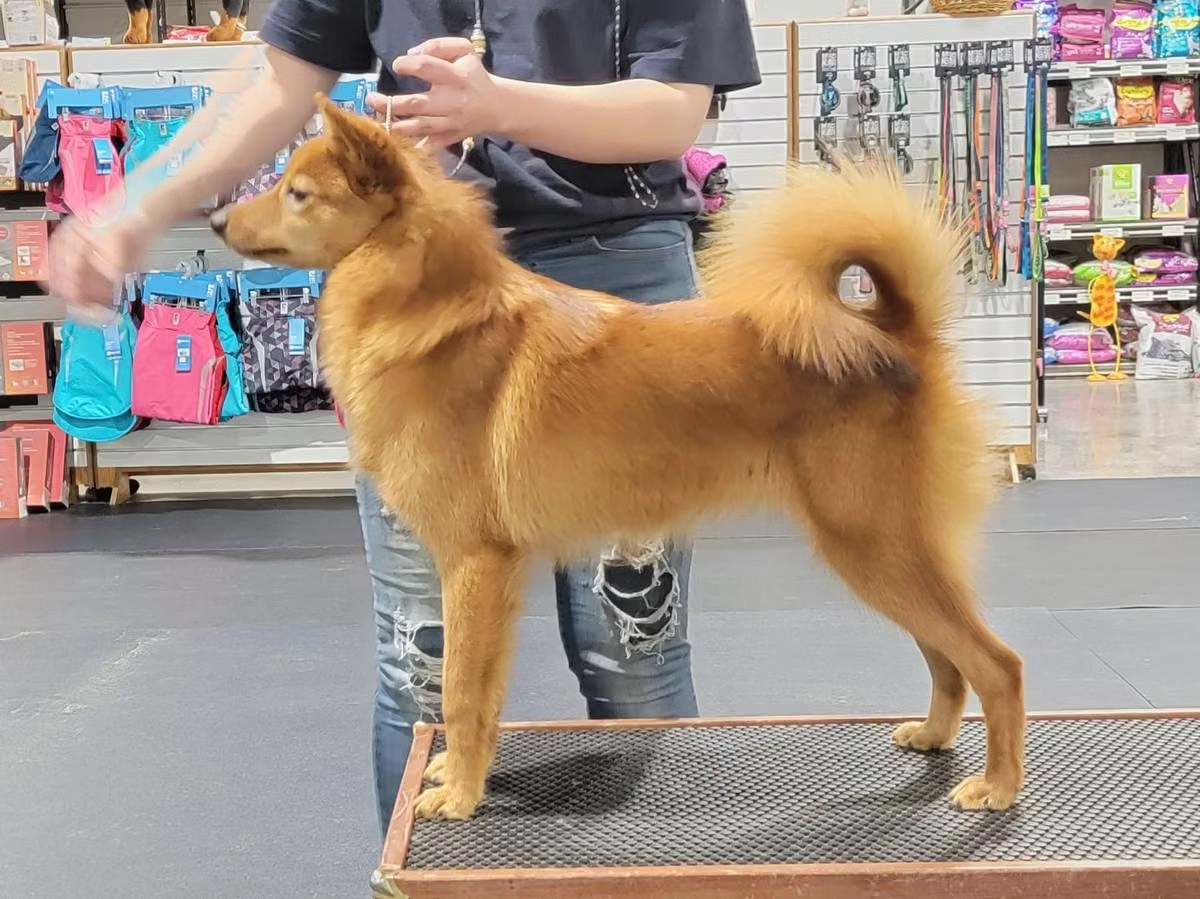
Фински шпиц је средње велика раса шпица квадратног склопа тела, усправних ушију и увијеног репа који лежи преко леђа. Длака му је топле лисичасто риђе боје, по којој се пас лако препознаје. Раса носи статус националног пса Финске, где има дугу историју ловачког сапутника у северним шумама.
У домовини фински шпиц ради као ловачки пас, лавеж указивач. Проналази птице дивљачи, задржава их на дрвету и упорно лаје да ловцу покаже тачно место. Овај посао обликовао је велики део карактера расе: самосталност на терену, будност на покрет и звук, и снажан, чест глас. Власници пса често га описују као живахног и самосталног, а не као пса који по сваку цену жели да угоди.
| Особина | Детаљ |
|---|---|
| Порекло | Финска |
| Величина | Средња |
| Животни век | 13 до 15 година |
| Група / улога | Шпиц тип, ловачки лавеж указивач и кућни љубимац |
| Погодно за | Породице, старију децу, власнике који могу да задовоље потребе за кретањем и негом |
Коме одговара
Фински шпиц одговара активном домаћинству које ужива у боравку напољу и може да поднесе гласног, самосталног пса. Најбоље напредује код власника који примењују доследну обуку засновану на награђивању и који му сваки дан пружају друштво и кретање. Људима којима је потребан миран пас или који су дуго одсутни, гласност и енергија расе биће захтевни.
Историја и порекло
Фински шпиц се развио од северних шпиц паса у Финској, где је вековима узгајан као лавеж указивач за птице, а касније проглашен националном расом.
Фински шпиц потиче од паса шпиц типа који су вековима живели уз народе широм северних шума Финске и околних предела. Ти пси цењени су по способности да пронађу и означе дивљач, а прилагодили су се оштрој клими и дугим зимама.
Генерацијама је расу гајило ловачко становништво руралне Финске да указује на птице попут тетреба и глухана. Пас би пратио птицу, натерао је на дрво и лајањем означавао место док се ловац приближава. Овај начин рада дао је раси надимак ловачки пас лавежник за птице.
До деветнаестог века тип у изолованим подручјима почео је да се меша са другим псима, па су узгајивачи радили на прикупљању и очувању изворног финског ловачког шпица. Организовани напори у Финској поставили су стандард и селектовали лисичасто риђу длаку и инстинкт лавеж указивача који су дефинисали радног пса.
Фински шпиц касније је проглашен националним псом Финске. Из своје домовине раса се проширила у друге земље, и као ловачки пас и као кућни љубимац, мада остаје ређа изван северне Европе него многе друге расе шпица. У Србији се раса може регистровати преко Кинолошког савеза Србије (КСС), националног члана ФЦИ, мада фински шпиц остаје ретка појава на овим просторима.
Изглед и стандард расе
Фински шпиц је квадратног склопа, средње величине, са двоструком длаком у нијансама лисичасто риђе боје, усправним ушима и чврсто увијеним репом.
Фински шпиц има квадратан, уравнотежен склоп тела, лисичју главу, оштро усправне уши и тамне, бадемасте очи. Тело је чврсто и добро омишићено, без сувишне тежине. Реп се увија напред преко леђа и наслања на бедро, типична одлика шпица. Мужјаци су обично крупнији и имају израженију огрлицу длаке од женки.
| Особина | Опис |
|---|---|
| Висина | Мужјаци около 44 до 50 cm (17 до 20 in); женке около 39 до 45 cm (15 до 18 in) |
| Телесна маса | Мужјаци около 12 до 16 kg (26 до 35 lb); женке около 7 до 10 kg (15 до 22 lb) |
| Длака | Двострука длака: кратка, густа поддлака и дужа, оштрија покровна длака |
| Боје | Нијансе лисичасто риђе, од бледе меда до дубоко риђе; бела шара на грудима и шапама дозвољена у малој мери |
| Очи | Средње величине, бадемасте, тамне боје |
Длака и боје
Длака је најпрепознатљивија одлика расе. Штенци се често рађају у тамнијој нијанси и светле како одрастају, до одрасле лисичасто риђе боје. Покровна длака одваја се од тела, најдужа је на плећима, задњој страни бутина и репу. Поддлака је мека и густа и штити од хладноће. Мала бела шара на грудима и шапама је прихватљива, али укупан утисак треба да буде јасно риђа боја.
Темперамент и карактер
Фински шпиц је живахан, будан и самосталан, привржен породици, а уздржан према странцима, и изразито гласан.
Фински шпиц је живахан, будан и самоуверен. Гради чврсту везу са породицом и код куће је обично нежан и разигран, често стрпљив према деци уз коју је одрастао. Према странцима раса је уздржана и опрезна, а не агресивна. Због тога добро обавља улогу чувара куће.
Самосталност је кључна особина расе. Фински шпиц узгајан је да ради на удаљености од ловца и сам доноси одлуке на терену, па размишља својом главом и наредбу неће послушати без разлога. То је уобичајено за расу и захтева стрпљење, а не силу.
Фински шпиц спада међу гласније пасје расе. Лавеж је одабран као радна особина, па пас радо користи глас да упозори, изрази узбуђење и комуницира. Према другим псима може бити друштвен, мада су поједине јединке одлучне према псима истог пола. Рана социјализација помаже да се смири у друштву других кућних љубимаца и људи.
| Особина | Оцена |
|---|---|
| Наклоност | 4 |
| Енергија | 4 |
| Обученост | 3 |
| Гласност | 5 |
| Линање | 4 |
Нега и одржавање
Финском шпицу треба редовно четкање, свакодневно кретање и окружење у ком се његов лавеж и енергија могу држати под контролом.
Фински шпиц је чиста раса без изразитог мириса и углавном сам одржава своју длаку у реду, али му ипак треба редовна нега ради контроле линања и очувања кондиције. Двострука длака обилно опада током два главна периода линања, када је потребна свакодневна пажња.
Нега длаке
- Четкајте једном до два пута недељно, а свакодневно током два главна периода линања
- Користите чешаљ или четку за поддлаку да бисте досегли густу поддлаку
- Купајте само по потреби; длака углавном одбија прљавштину
- Скраћујте нокте на неколико недеља и прегледајте уши на присуство нечистоће
- Редовно четкајте зубе ради здравља зуба и десни
Кретање
- Обезбедите најмање 60 минута активности дневно, подељено на шетње и игру
- Омогућите трчање без повоца на безбедном, ограђеном простору, јер раса има изражен инстинкт гоњења
- Укључите игре мириса и играчке за решавање проблема да ангажујете псов ум
- Држите пса на повоцу близу путева и дивљих животиња
Животна средина
Фински шпиц се захваљујући двострукој длаци добро сналази у оштрим зимама континенталне климе, какве владају у већем делу Србије. Врући и влажни летњи месеци су за њега захтевнији, па му треба сенка, хлад и обилна вода током лета. Може да живи у кући са сигурно ограђеним двориштем. Пошто раса слободно лаје, близина суседа и живот у стану могу представљати изазов, осим ако власник не научи поуздан знак за тишину и обезбеди довољно активности.
Исхрана и храњење
Финском шпицу треба уравнотежен оброк прилагођен животној фази и нивоу активности, са контролисаним порцијама ради очувања витке линије.
Фински шпиц добро напредује на потпуном, уравнотеженом оброку формулисаном за његову животну фазу. Активни радни пси могу захтевати више калорија него кућни љубимци са мирнијим начином живота. Пошто раса има умерен телесни оквир, порције треба мерити како би пас остао витак и избегао вишак килограма.
| Животна фаза | Количина дневно | Оброци |
|---|---|---|
| Штене (2 до 6 месеци) | Према упутству производа за телесну масу | 3 до 4 |
| Штене (6 до 12 месеци) | Према упутству производа за телесну масу | 2 до 3 |
| Одрасла јединка | Около 1 до 1,5 шоље квалитетне суве хране, зависно од масе и активности | 2 |
| Старији пас | Нешто смањен унос калорија у складу са нижом активношћу | 2 |
Посластице и додаци исхрани
Држите посластице на малом уделу дневних калорија да бисте спречили вишак килограма. Већини финских шпица на потпуном оброку додаци исхрани нису потребни. О било каквим додацима за зглобове, кожу или длаку разговарајте са ветеринаром пре него што их уведете, и обезбедите стални приступ свежој води.
Здравље и животни век
Фински шпиц је углавном здрава раса са животним веком од около 13 до 15 година, мада неколико наследних стања заслужује пажњу.
Фински шпиц је издржљива раса са уобичајеним животним веком од 13 до 15 година. Има мање распрострањених здравствених проблема него многе друге расе, делом захваљујући свом радном пореклу. Одговорни узгајивачи тестирају на позната наследна стања, а редовна ветеринарска нега подржава дуг живот.
| Стање | Знаци | Напомена |
|---|---|---|
| Дисплазија кука | Укоченост, шепање, тешкоће при устајању | Тестирање приплодних паса смањује ризик |
| Луксација пателе | Прескакајући ход, повремена хромост | Креће се од благог облика до случајева који захтевају операцију |
| Дисплазија лакта | Хромост предњих ногу, неспремност за кретање | Наследно стање зглоба; проверите приплодне линије |
| Епилепсија | Напади | У многим случајевима се може контролисати ветеринарском негом |
Превентивна нега
- Одржавајте вакцинацију и заштиту од паразита ажурним
- Заказујте годишње прегледе, а старијим псима чешће
- Одржавајте витку телесну масу ради заштите зглобова
- Четкајте зубе и заказујте стоматолошке прегледе
- Купујте од узгајивача који тестирају здравље својих паса
Обука
Фински шпиц је интелигентан, али самосталан, па најбоље реагује на кратку, разноврсну обуку засновану на награђивању уместо на понављању или сили.
Фински шпиц је паметан и способан, али његова самостална, радна природа значи да се не обучава као послушна раса кућног љубимца. Учи брзо кад види разлог и награду, а губи интересовање код досадног понављања. Стрпљење и доследност важнији су од притиска. Груби методи обично чине расу отпорнијом.
Управљање лавежом чест је циљ обуке. Пошто је лавеж инстинктиван, циљ је да се контролише, а не да се уклони. Учење поузданог знака за тишину и награђивање мирног понашања дају власнику начин да смири пса. Рана социјализација са људима, псима и свакодневним ситуацијама гради самопоуздање и смањује опрезност.
Основе
- Почните социјализацију и нежно руковање у периоду штенета
- Држите сесије кратким, ведрим и разноврсним да задржите пажњу
- Награђујте тачне реакције одмах храном, игром или похвалом
- Научите дозивање рано и вежбајте га на безбедном простору
- Уведите знак за тишину и награђујте мирне, тихе тренутке
- Полако повећавајте трајање и тежину вежби како пас напредује
Размножавање
Размножавање финског шпица прати стандардну репродукцију паса, са здравствено тестираним родитељима и леглима од около три до шест штенаца.
Размножавање финског шпица прати општи образац за расе средње величине. Женке обично достижу полну зрелост до првог или другог циклуса, али одговорни узгајивачи чекају док кучка физички не сазри и не прође одговарајући здравствени преглед пре парења. Парове треба планирати тако да се очува грађа расе, лисичасто риђа длака и радни темперамент, уз избегавање познатих наследних стања.
Гравидитет траје около девет недеља. Легла су обично мала до умерена по броју. Новорођени штенци у потпуности зависе од мајке за топлоту и исхрану у првим недељама, а узгајивачи обезбеђују чист, миран простор за штенење. Рано руковање и нежно излагање звуковима домаћинства и људима помажу штенцима да израсту у добро прилагођене псе. Штенци се често рађају у тамнијој нијанси и светле ка одраслој риђој боји како расту.
| Показатељ | Вредност |
|---|---|
| Полна зрелост | Около 6 до 18 месеци (парите тек кад је потпуно зрео) |
| Трајање гравидитета | Около 63 дана (приближно 9 недеља) |
| Просечна величина легла | Око 3 до 6 штенаца |
| Узраст одбијања од сисе | Око 6 до 8 недеља |
| Препоручени здравствени прегледи | Преглед кукова, лаката и пателе код родитеља |
Регистрација пса расе Фински шпиц и његовог микрочипа
Бесплатан доживотни профил за вашег пса расе Фински шпиц на United Pet Club, са регистрованим чипом и без накнада за обнову.
Како да региструјете пса расе Фински шпиц у Србији
Упишите име пса расе Фински шпиц, датум рођења и оштру фотографију, додајте свој телефон и сачувајте. То је све, и никада ништа не кошта. Регистрација пса ради са чипом и без њега.
Ветеринар уграђује чип и уписује га у државну базу; да број одговара и ван Србије, то остаје на вама. Региструјте микрочип бесплатно у доживотном плану: примају се чипови свих произвођача, промена адресе или телефона се не наплаћује, а запис одговара на скенирања у свако доба, овде и у иностранству. Отворите бесплатан налог и завршите оба корака данас.
Како да региструјем пса расе Фински шпиц у Србији?
Отворите бесплатан налог на United Pet Club, попуните податке пса расе Фински шпиц са фотографијом и сачувајте профил. Бесплатан је цео пасји век, а обавезни упис у базу Управе за ветерину иде засебно.
Како да региструјем микрочип пса расе Фински шпиц?
Упишите 15-цифрени број чипа у бесплатан налог заједно са адресом и телефоном. Доживотни план прима чип сваке марке и никада не наплаћује ажурирања.
Да ли је чиповање пса расе Фински шпиц у Србији обавезно?
Јесте, сваки пас мора да буде чипован и уписан у централну базу Управе за ветерину. Запис United Pet Club то допуњује да би број одговарао и ван Србије, бесплатно.
Колико кошта регистрација пса расе Фински шпиц?
Ништа. Бесплатан доживотни план покрива профил, регистрацију чипа и сва будућа ажурирања, без годишњих накнада.
Најчешће постављана питања
Уобичајена питања о финском шпицу односе се на величину, темперамент, лавеж, потребе неге, животни век и погодност за кућног љубимца.
Колико нарасте фински шпиц?
Реч је о средње великој раси. Мужјаци достижу висину од около 44 до 50 cm (17 до 20 in) и тежину од около 12 до 16 kg (26 до 35 lb); женке су мање, около 39 до 45 cm (15 до 18 in) и 7 до 10 kg (15 до 22 lb).
Какав је темперамент финског шпица?
Живахан је, будан и самосталан. Раса је привржена породици, уздржана према странцима и добро обавља улогу чувара куће.
Да ли фински шпиц много лаје?
Да. Узгајан је као ловачки пас лавеж указивач и спада међу гласније расе. Власници могу да управљају лавежом раном обуком и поузданим знаком за тишину, али пас ће користити свој глас.
Да ли је фински шпиц лак за негу?
Нега је умерена. Длака захтева недељно четкање и свакодневну пажњу током сезонског линања, а псу је потребан најмање сат времена кретања дневно. Његов лавеж и самосталност траже искусног, активног власника.
Колико дуго живе фински шпицеви?
Обично 13 до 15 година. Раса је углавном здрава, а добра исхрана, кретање и ветеринарска нега подржавају дуг живот.
Да ли је фински шпиц добар породични пас?
Да, за прави дом. Чврсто се везује за породицу и обично се добро слаже са децом коју познаје. Одговара активним домаћинствима која могу да поднесу гласног, енергичног пса и да му пруже свакодневно кретање.
Да ли је фински шпиц раширена раса?
То је национални пас Финске и добро је познат у северној Европи, али остаје ређи од многих других раса шпица у другим деловима света, па проналажење штенета може потрајати.
From the community
Ask about the Фински шпицNo questions about the Фински шпиц yet. Be the first to ask.
Browse Dog breeds